
From Fading to Flourishing: Does Eyesight Get Better With Age Naturally?
From Fading to Flourishing: Can Your Eyesight Really Improve as You Age?
The Burning Question: Does Eyesight Actually Get Better With Age?
What’s “Better” When It Comes to Aging Vision?
When we toss around the idea of “better” eyesight, it could mean a bunch of different things. For some folks, it might refer to dialing back the reliance on glasses or contacts, while for others, it means witnessing a slower decline even as the years take their toll. As we get older, our eyes naturally undergo a series of subtle transformations—from shifts in focus and contrast to some changes in how we see things off to the sides. In this scenario, “better” isn’t about a miraculous reset; it’s about adapting gracefully to these changes and making the most of what our eyes can do. Recognizing what improvement really means is key to setting realistic expectations and really appreciating how our vision can adapt over time.
Everyone has their own idea of what crystal-clear vision is, and sometimes the improvements we notice are more about how our brains handle visual information than about the pictures themselves being any sharper. It’s a fascinating dance between the eye’s optics and our brain’s processing power. For some, “better” might be feeling less eye strain, experiencing more comfort, or even adjusting more naturally in dim light. Ultimately, the quality of our vision often hinges on our lifestyle choices and overall eye health. So, as we explore whether our eyesight can actually get a little better with age, it’s important to remember we all measure improvement in our own way.
Busting Common Myths and Looking at the Real Deal
There’s no shortage of tall tales about aging eyes. Popular lore sometimes suggests that our vision magically “auto-corrects” as we grow older, but science paints a more nuanced picture. Sure, some people might notice tiny improvements thanks to our brain’s adaptive tricks, but more often, age brings challenges—like trouble focusing, increased sensitivity to glare, or even conditions like cataracts and macular degeneration. These myths can lead to unrealistic expectations and sometimes even cause people to skip proper eye care. Sorting out the myths from the reality is crucial for understanding what really happens to our vision as we age.
Another common misconception is that once you hit a certain age, nothing can be done to keep your vision in check or even give it a slight boost. Yet, plenty of research suggests that lifestyle tweaks, better nutrition, and simple behavioral changes can help maintain strong eye health. While aging is inevitable, how we manage it can definitely influence our eye function in later years. Debunking these myths just might be the first step towards taking a more proactive stand in caring for our eyes.
A Closer Look at How Our Eyes Change Over Time
Our eyes are incredibly complex, and just like every other part of our body, they change over time. Common age-related shifts include a slow loss of lens elasticity—which often leads to presbyopia (that pesky difficulty in focusing on close-up items)—increased glare, and a reduced ability to pick out contrasts. Even the retina can show wear, leading to some challenges in color perception and fine detail. Although these changes might seem a bit daunting at first, remember that many of them can be managed with the right care and treatment, helping to ensure that your quality of life stays high even if your vision isn’t exactly what it used to be.
Alongside these physical transformations, your overall health plays a massive role. Conditions affecting your blood vessels or systemic diseases like diabetes can speed up these changes. The bright side? Modern research and cutting-edge technology in eye care give us more options than ever to adjust and even counterbalance some of these shifts. In the end, understanding what happens to your eyes as you age is the first step in making informed decisions and taking charge with proactive care strategies.
The Science Behind It: Can Eyesight Naturally Improve With Age?
The Journey of the Aging Eye
From the moment we’re born, our eyes embark on an incredible journey of growth and change. But as we hit our later decades, the changes become more noticeable. The lens slowly stiffens and loses its youthful flexibility—a natural process that makes presbyopia all too common. Meanwhile, the intricate network of blood vessels and nerve endings begins to show wear, subtly affecting how our brain processes light and images. On the flip side, some eyes develop clever compensatory mechanisms to help keep these changes in check. This dance of change highlights just how resilient and adaptable our biology can be.
Scientific studies have even pointed out that our brains can adjust to slightly blurry images, mitigating some of the downsides of declining optical clarity. That said, these natural adaptations have their limits. Essentially, aging is a mix of cellular changes, shifts in tissue composition, and how our brains handle visual signals. It’s this intricate symphony of changes that spells out both the challenges and the possible ways to keep our vision as sharp as possible in our later years.
The Genetics Factor and Natural Aging
There’s no denying that genetics play a big part in how our eyes age. Some families seem to have a long-standing track record of strong eye health well into their twilight years, while others might deal with issues like glaucoma or macular degeneration much earlier. Beyond genetics, natural processes like cellular aging and oxidative stress really drive the gradual changes in our vision. While we can’t rewrite our genetic code, understanding these influences can help us take preventive measures and devise personalized care plans to protect our eyesight for as long as possible.
This interplay between genetics and the natural aging process is as complex as it is vital. Experts underscore the importance of early lifestyle interventions—regular eye exams, balanced nutrition, and exercise—to help slow down these inevitable processes. In a nutshell, knowing how our genetic blueprints mesh with time’s inevitable march can arm us with the right tools for maintaining our vision health as we age.
Understanding Your Eyes: Physiology and Adaptive Tricks
Our eyes have a knack for adapting even as they face the wear and tear of time. The eye isn’t just a simple camera; it’s a sophisticated system with optical parts like the cornea and lens working in concert with the brain’s processing of visual input. As we age, these parts don’t give up without a fight—they often activate adaptive responses to help preserve functional vision. These adjustments, like slight changes in how images are processed in the brain, give us a view of the world that’s a bit different, yet still functional. It’s a striking example of our visual system’s resilience.
Although the idea of “self-correcting” eyes offers a glimmer of hope, there are limits to these natural adjustments. For most people, these mechanisms minimize the impacts of aging rather than restore the vision of their youth. Still, this understanding reinforces the notion that our eyes do everything they can to keep functioning well, even as they naturally evolve over time.
Daily Habits and Lifestyle: Can They Help Your Eyesange?
Nutrition, Exercise, and Eye Health – A Powerful Trio
Your everyday habits can have a real impact on your eye health—sometimes even making a noticeable difference in how you see the world. A diet packed with vitamins A, C, and E and minerals like zinc plays a key role in keeping your eye tissues in tip-top shape. Regular exercise boosts blood flow, which is essential for nourishing your eyes and clearing out waste. It’s not uncommon for seniors who embrace healthier habits to notice that their eyes feel more comfortable and less fatigued. While these changes might not completely “turn back the clock,” they sure can give your vision a bit of a lift.
Good nutrition is about more than just eating well—it’s about embracing an overall wellness plan that includes staying hydrated, giving your eyes a break from screens, and getting plenty of sleep. These seemingly small tweaks are essential to maintaining eye health. It’s exciting to realize that simple everyday choices can help optimize your visual capabilities even as you age.
The Digital World and Our Eyes: Environmental Influences
In today’s digital era, spending long hours in front of screens is pretty much the norm, which raises concerns about the impact on our eyes. Extended exposure to blue light and constant near-focus work can speed up eye strain and contribute to digital fatigue. The good news is that by adopting simple measures—like using blue light filters and taking regular breaks—you can manage these issues effectively. Recognizing how our environment influences our vision is key to crafting daily routines that safeguard our long-term eye health.
Many optometrists now champion the “20-20-20” rule: every 20 minutes, look 20 feet away for at least 20 seconds. This small habit can work wonders in reducing eye fatigue and maintaining visual comfort. When our daily routines reflect healthy eye care practices, we set ourselves up not only to prevent damage but also to potentially sustain or even boost our visual functioning as time moves on.
Building a Solid Eye Care Routine: The Everyday Essentials
Taking care of your eyes should be a daily commitment, not just an occasional stop at the optometrist’s office. Simple routines—like wearing sunglasses to block harmful UV rays, eating a balanced diet, and doing regular eye exercises—lay the groundwork for lasting eye health. These habits work together to reduce strain, protect against injuries, and even slow down the progression of age-related vision issues. In many cases, they can lead to small yet meaningful improvements in everyday vision.
Consistent care creates a positive feedback loop, where regular check-ups, preventive measures, and smart lifestyle adjustments all help in maintaining better long-term eye health. Whether you’re managing minor discomfort or actively warding off more serious conditions, a solid eye care routine is a tried and true way to keep your vision as sharp as possible.
Medical Interventions: When, Despite It All, a Little Extra Help Is Needed
Regular Eye Exams: Your Vision’s Best Friend
Keeping up with regular eye exams is absolutely crucial, especially as you get older. While some might hope for a natural fix, routine check-ups are the best way to catch potential issues like cataracts, glaucoma, or diabetic retinopathy early on. These appointments don’t just spot problems—they help gauge how your vision is changing over time and guide timely interventions to tackle any issues head-on. Establishing a solid relationship with your eye care professional is a surefire way to ensure your eyes receive the attention they deserve.
It’s important to understand that while our eyes can sometimes adapt on their own, nothing beats professional oversight when it comes to managing eye health. Regular visits allow for tailor-made treatment plans, empowering you to stay ahead of any problems before they escalate further.
Corrective Solutions: Glasses, Contacts, and Beyond
Whether it’s a pair of glasses, contact lenses, or even surgical options, modern corrective measures have come a long way. These interventions can be incredibly effective in managing age-related vision changes, reducing eye strain, and restoring clarity where possible. For many, these solutions provide a clear path to improved vision quality when natural adjustments just aren’t enough. Procedures like LASIK and cataract surgery have advanced tremendously, offering safer, quicker recoveries and often a renewed sense of independence.
Ultimately, while natural shifts in vision are part of aging, there’s a wealth of modern medical options available to help keep your eyes functioning at their best. With proactive care and the right medical interventions, you can ensure your eyesight remains as sharp and reliable as possible.
What’s Next? Emerging Treatments and Technologies in Eye Care
The field of eye care is buzzing with innovation. From gene therapy and nano-medicine to regenerative treatments, researchers are exploring cutting-edge solutions to combat age-related eye conditions. While many of these exciting treatments are still under development or in the trial phase, early studies suggest they hold great promise for enhancing or even preserving visual function as we age. Imagine a future where advanced therapies could repair retinal damage or slow degenerative conditions—transforming the way we think about aging eyes.
These pioneering approaches blend the marvels of modern medicine with the body’s innate ability to adapt. Of course, it’s essential to keep realistic expectations and seek guidance from trusted eye care professionals as these technologies evolve. Still, the horizon looks bright for potentially redefining what it means for eyesight to “get better” with age.
Natural Approaches: Can Home Remedies Lend a Hand?
Eye Exercises and Relaxation Techniques: A DIY Approach
Many people are turning to natural, at-home methods to keep their eyes in shape. Simple eye exercises—like shifting your focus to distant objects or softly massaging around the eye area—can boost blood flow and lessen strain. When you combine these with relaxation techniques such as meditation or deep breathing, you not only ease physical stress but also encourage an overall sense of well-being. Though these exercises aren’t a cure-all, they offer a practical, self-driven way to make your eyes feel more comfortable and stable.
The best part? You don’t need a lot of time or fancy equipment—just a few minutes each day can make a difference. Consistency is key, and even these small changes can gradually help keep your vision robust as you age.
Dietary Supplements and Vitamins: A Nutritional Boost for Your Eyes
In the journey to better eye health, many seniors consider dietary supplements and vitamins a worthwhile addition. Nutrients like lutein, zeaxanthin, omega-3 fatty acids, and vitamins C and E are famed for their antioxidant properties, which may help shield your eyes from oxidative and inflammatory damage. While these supplements aren’t magic bullets, when used wisely alongside a balanced diet, they can lend extra support to your eye health. As always, it’s wise to chat with your healthcare professional before embarking on any new supplement regimen—ensuring that your choices are the right fit for your unique needs.
These nutritional aids, combined with other healthy habits, might just offer that extra edge in keeping your visual system in top shape as the years roll by.
Holistic Practices: Weaving Wellness Into Your Daily Routine
Holistic approaches have long been celebrated for nurturing overall well-being—and that includes your eyes. Whether it’s yoga, tai chi, or even acupuncture, these practices can help improve circulation and reduce overall stress, indirectly benefiting your vision. For many older adults, embracing a holistic lifestyle means integrating small, mindful practices that support not just eye health but your complete well-being.
Incorporating these techniques into your everyday routine reinforces the idea that while aging is a natural process, a proactive and well-rounded approach to health can make all the difference in keeping your eyes—and your life—as vibrant as possible.

Does Eyesight Get Better with Home Exercises? Tips for Daily Vision Care
Introduction: Can Home Exercises Really Improve Your Eyesight?
Every day, our eyes face a barrage of challenges—from marathon sessions in front of screens to the inevitable effects of aging. With so much time spent on digital devices and exposed to less than perfect environments, it’s no wonder many of us start wondering if there’s a natural, at-home solution to boost our vision. Increasingly, people are asking, “can my eyesight actually get better?” by embracing simple exercises and daily habits that claim to support eye health. In this article, we’ll dig into whether these at-home practices might actually make a difference and set some realistic expectations about their benefits. Along the way, we’ll share practical tips for everyday vision care, backed by a balanced look at what science has to say.
The concept of exercising your eyes is both intriguing and encouraging. Many love that these techniques can be easily woven into your daily routine—no fancy gadgets or endless doctor visits required. Even though the idea of “working out” your eyes might sound a bit quirky at first, there’s scientific reasoning behind it. In the sections that follow, we’ll take a closer look at eye anatomy, explore how these movements might give your eye muscles a bit of a boost, and review what studies suggest about natural ways to improve vision. Our tone remains friendly and accessible, all while staying true to expert advice on nurturing your sight.
The Science Behind Vision and Eye Muscles
Before we jump to conclusions about whether your vision can be improved with a few simple home exercises, it helps to understand how our eyes actually work. They’re not just passive organs catching stray light; they’re intricate systems with layered structures that focus, process, and send visual information to your brain. Tiny muscles, like the ciliary muscles, play a key role by adjusting focus for near and far objects. Although these muscles don’t really “bulk up” like those in your arms or legs, some experts believe that targeted movements can boost their flexibility and endurance—providing a neat basis for those claims that regular eye exercises can benefit overall vision.
Researchers and optometrists have long been curious about how our eye muscles react to different types of movement and rest. Traditional techniques—think of methods like palming (covering your eyes to give them a break) or shifting focus—have lent at least some support to the idea that a little exercise might help ease eye strain. That said, while certain studies hint at benefits, the science remains mixed, so it’s all about balancing hope with reality. We’ll keep things grounded as we explore both the physical workings of our eyes and the emerging research, so you get advice that’s as practical as it is trustworthy.
Home Exercises for Better Vision: Can Your Eyesight Really Improve?
These days, many folks are trying out various at-home routines in the hope of giving their vision a natural lift. Techniques like palming—where you gently cover your eyes to let them relax—or simple eye rolling to wake up different muscle fibers are quite popular. Their main aim isn’t only to reduce eye strain but also to potentially sharpen your focus and clarity. While much of what you hear is based on personal stories rather than rock-solid scientific evidence, these methods remain a favorite among those seeking a natural way to support their eye health.
Incorporating these practices into your day might be as simple as taking a quick break during screen time to do a few exercises. For example, many experts suggest following the “20-20-20 rule” (every 20 minutes, take a 20-second break and focus on something 20 feet away). Similarly, using gentle palming—cupping your hands over your closed eyes—can help restore a sense of balance to your visual system. While these exercises aren’t a substitute for professional care, they offer a handy tool for easing the everyday strain on your eyes.
Daily Vision Care Tips for Healthier Eyes
Keeping your eyes in top shape isn’t about drastic measures—it’s about simple, everyday habits. One easy tip is to be mindful of your screen time. It’s all too common to end the day with fatigued, strained eyes after hours on computers and smartphones. Simple actions like adjusting your screen’s brightness, using blue light filters, or even stepping away for regular breaks can make a huge difference. These habits help keep your eyes fresh, preserving their natural ability to focus and recover.
But it’s not just about screens—a balanced diet also plays a big role in eye health. Foods rich in vitamins A, C, and E, along with omega-3 fatty acids, are frequently linked to good retinal health. Staying hydrated is equally important, as dry eyes can result from insufficient water intake. And let’s not forget a good night’s sleep, which allows your eyes to recharge after a long day of work. By embracing these daily practices, you’re not only living up to the idea that “eyesight can improve” with the right habits, you’re also setting the stage for overall wellness.
Expert Opinions: Can Home Care Really Boost Your Eyesight?
When we talk about vision care, insights from seasoned optometrists and vision experts are worth their weight in gold. Many professionals agree that while home exercises can be a helpful addition to your overall care plan, they aren’t a cure-all for serious vision problems. In fact, studies in peer-reviewed journals have shown that simple exercises like palming or focus-shifting can help relieve eye strain and boost comfort—but they’re best used alongside, not in place of, traditional treatments and regular check-ups.
Experts stress that understanding your unique visual needs is crucial. While there’s plenty of anecdotal buzz around home exercise benefits, not every aspect of vision improvement is fully understood yet. Most agree that pairing good nutrition, proper rest, regular breaks from screens, and occasional eye exercises creates a balanced, healthful approach to maintaining eye health. This well-rounded method underscores that while you probably won’t see miracles overnight, these practices can definitely be a beneficial part of a proactive vision care routine.
Debunking the Myths: What Home Eye Exercises Can and Can’t Do
There’s no shortage of myths floating around when it comes to home eye exercises, and it pays to sort out fact from fiction. A common myth is that rigorous, repetitive exercises can fully reverse conditions like nearsightedness or farsightedness. In truth, these issues are largely rooted in the structural makeup of the eye—something no amount of at-home workouts can completely change. While some anecdotes report dramatic improvements, it’s important to take these tales with a grain of salt.
Another widespread misconception is that a few minutes of daily effort can instantly “cure” your vision problems. Sure, exercises like gentle eye rolling or palming might offer a brief respite from fatigue, but they aren’t a replacement for effective treatments or corrective lenses when needed. Top eye care professionals usually recommend that these exercises be seen as a complementary part of a wider, healthier lifestyle—which also includes good nutrition, regular breaks from screens, and sufficient sleep. The real takeaway? A balanced, well-rounded approach is key to sustaining good eye health.
Conclusion: A Holistic Approach to Vision Care
All in all, while home exercises can be a welcome part of your everyday vision care, they aren’t a magic wand for sudden or drastic improvements. Regularly practicing simple routines like palming, shifting focus, and eye rolling can help ease daily strain and contribute to overall eye comfort. However, it’s essential to combine these practices with healthy habits—such as smart screen management, nutritious eating, and quality sleep—to truly safeguard your vision. This balanced combo is your best bet for keeping your eyes as healthy as possible in our screen-heavy world.
Looking to the future, research on vision improvement is continually evolving, and we might soon have more definitive answers on how effective home exercises really are. In the meantime, the best advice is to embrace a comprehensive strategy that promotes immediate comfort and long-term eye health. That way, when you ask, “can my eyesight get better?” you can feel confident that you’re taking positive steps toward nurturing your vision.
Understanding Modern Vision Care Challenges
There’s no denying it—our high-tech world has thrown some pretty unique challenges our way when it comes to keeping our vision sharp. With everyone glued to smartphones, tablets, and computers, our eyes rarely get a break, which can lead to digital eye strain, bothersome headaches, or even sleep troubles. Being proactive about eye care means recognizing these challenges and finding ways to lighten the load—be it through home exercises or smart lifestyle tweaks. Acknowledging these realities is the first step in understanding why everyday routines can be so beneficial for our sight.
Remote work and online schooling have only amplified the strain. If you’re spending endless hours on a small screen or reading in dim light, it’s natural to worry about your long-term vision. The good news? By setting up a routine that includes regular breaks and simple exercises, you can help manage and even reduce these symptoms. Small changes in your workspace lighting or simply looking away from your screen can be a game changer in building a sustainable vision care habit in our tech-driven world.
How Home Exercises Interact with Eye Anatomy and Function
When we take a closer look at how our eyes work, it’s easier to see why home exercises might help keep them in top condition. The human eye is a wonder of biology, with multiple layers collaborating to create a clear picture. Right at the heart of it are the eye muscles that adjust the lens to maintain focus, whether you’re reading up close or gazing into the distance. While these muscles aren’t built for heavy lifting like those in your biceps, they do benefit from movement and periodic relaxation, improving blood flow and reducing tension. This suggests that a bit of intentional eye exercise might just help your eyes perform at their best day-to-day.
Just keep in mind that most research suggests these exercises work more by promoting relaxation than by permanently altering muscle strength. Creating a habit of regular, gentle movement can help your eyes cope with long periods of intense focus, keeping them more comfortable as you go about your day—even if they don’t miraculously fix refractive errors.
Techniques for Practicing Eye Exercises at Home
When it comes to exercising your eyes at home, the key is to find a routine that feels natural and fits into your everyday life. Many people start with palming—simply closing your eyes and covering them with your cupped hands to block out light and help them relax. Not only does this relieve tension, but it also provides a little dose of mindful quiet. Another handy method is eye rolling—slowly moving your eyes in circles to gently stretch the muscles. These straightforward techniques, if done consistently, can help soothe your eyes and bring a bit of relief.
It’s also a good idea to mix in some focus exercises. Try shifting your gaze from a near object to something farther away; this helps maintain the flexibility of your eye muscles. And don’t forget the well-known “20-20-20 rule”—it’s an excellent reminder to give your eyes a break every 20 minutes. Although these exercises might show subtle results over time, they’re definitely a smart addition to your vision care toolkit.
Strategies for Integrating Eye Exercises into Your Daily Routine
Adding eye exercises to your day doesn’t have to mean a major lifestyle overhaul. The trick is consistency—small, manageable sessions that focus on relaxation and gentle movement can do wonders. Think about setting aside a few minutes in the morning or during your lunch break to try out techniques like palming or shifting focus. It’s like giving your eyes a mini reset—an opportunity to step away from screen time and reconnect with your own well-being. Over time, these little breaks can add up to significantly reduced eye strain and a more balanced visual rhythm.
Pair these exercises with other healthy habits—adequate water intake, balanced nutrition, and enough sleep—to create a strong foundation for eye health. When these practices become part of your daily routine, they can collectively contribute to long-term benefits, ensuring your eyes get the consistent care they need in today’s busy world.
Maintaining Balanced Eye Health Through Lifestyle Choices
It turns out that your everyday lifestyle choices can have a major impact on your eye health, complementing whatever benefits you might get from home exercises. Regular physical activity, for example, improves blood circulation—which means more nutrients can reach your eyes. And a diet packed with leafy greens, colorful fruits, and lean proteins provides the antioxidants and omega-3s that are so critical for retinal health. Whether you’re tweaking your diet or adjusting your screen time, each small shift contributes to the overall condition of your eyes.
Even minor changes—like investing in an anti-glare screen or using the right reading light—can lift the burden on your eyes. In short, while home exercises can help ease daily stress on your vision, they work best when you combine them with mindful lifestyle tweaks. This holistic approach not only supports the idea that “eyesight can improve” with the right habits but also establishes a well-rounded strategy for long-term eye health.
Reviewing Studies and Clinical Observations on Eye Exercises
There’s been a lot of research on at-home eye exercises, and while some studies do show they can provide relief from digital fatigue and minor eye strain, the evidence for permanent vision improvement isn’t overwhelming. Most experts agree that any improvements tend to come from a reduction in strain rather than fundamental changes in eye structure. That said, the psychological boost from taking charge of your own eye care shouldn’t be underestimated.
Professionals in the field emphasize that it’s the complete vision care strategy—combining regular eye exercises with realistic expectations and comprehensive health practices—that tends to yield the best overall outcomes. Most clinical observations suggest that while these exercises might not radically alter refractive errors, they do help lower the incidence of everyday discomfort. Ultimately, home exercises should be viewed as one key component in a broader vision care regimen.
Common Misconceptions About Vision Improvement Techniques
It’s all too easy to latch onto quick-fix solutions when it comes to improving eyesight. A frequent myth is that you can achieve dramatic, almost miraculous results with relentless eye workouts. The reality, however, is that conditions like nearsightedness are largely due to inherent structural factors that simple exercises can’t completely reverse. Although some glowing testimonials exist online, their results shouldn’t be taken as a one-size-fits-all answer.
Another misconception is that there’s a single magic exercise that works for everyone. Because eye strain and vision issues can vary so much from person to person, a customized approach is really the way to go. Home eye exercises should be seen as a way to boost general comfort and reduce strain—not as a definitive cure for vision impairments. Rely on reputable sources and expert advice to navigate through the noise and get to what truly works for your eyes.
Tips for Safely Incorporating Home Exercises into Your Vision Care Routine
When you’re adding something new to your routine, safety has to come first—and eye exercises are no different. Start slow by introducing one or two simple techniques, like palming or focus shifting, into your day-to-day. Be sure to note how your eyes feel—both during the exercise and afterward. If you experience any discomfort or odd symptoms, consider checking in with an optometrist before ramping up your routine. The best results come when you mix exercises with other healthy habits rather than relying on just one method.
Remember to keep your expectations in check: improvements take time. Instead of expecting dramatic changes overnight, view these exercises as a long-term investment in your eye health. Combining these practices with smart lifestyle choices and regular professional check-ups is the safest way to nurture your vision over the years.
Future Outlook on Natural Vision Improvement
As our understanding of the eye continues to deepen, new insights into natural vision improvement are always on the horizon. Ongoing research is gradually unraveling the complexities of eye physiology, and future breakthroughs might just clarify exactly how home exercises can support better vision. For now, the most practical takeaway is to embrace a well-rounded, holistic approach to eye care—a strategy that not only reduces daily fatigue but also promotes long-term visual well-being. By staying proactive and informed, you can confidently address the question, “can my eyesight get better?” knowing you’re doing your best to protect your vision for years to come.
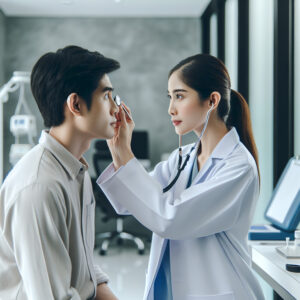
In-Depth Analysis: Does Eye Vision Get Better and How Advances in Medicine Are Changing Outcomes
Introduction: Does Eye Vision Get Better? Setting the Stage
You know, the question “does eye vision get better” has been on people’s minds for ages—whether you’re a healthcare professional or just someone curious about your own sight. Folks have been swapping stories and seeking answers since time immemorial, and now, with all the high-tech research available, we’re digging deeper into whether our eyesight can naturally improve or if we need modern science to bail us out. In this chat, we’ll trace the evolution of this fascinating topic, highlight key breakthroughs, and show how new tech is really changing the game when it comes to fighting vision loss. Essentially, we’re here to shine some light on the topic, clear up the confusion, and underscore why staying on the cutting edge is so important.
The Origin of the Question
From the dawn of civilization, people have been captivated by the idea of restoring or enhancing sight. Ancient cultures were full of stories about miraculous recoveries and mysterious cures, and these legends were passed down through generations. It’s no wonder people have always clung to the hope that “does eye vision get better” might be more than just wishful thinking. Even today, with all the fancy diagnostic tools and treatments, that deep-seated desire for improved vision speaks to our innate wish for a better quality of life and our admiration for the human body’s ability to overcome obstacles.
Historical Perspectives on Eye Improvement
Over the centuries, people have tried everything from herbal remedies to quirky rituals in the quest for better vision. While these early attempts might lack the scientific rigor we expect today, they vividly illustrate our persistent drive for clearer sight. As science progressed, those time-honored practices gradually gave way to more systematic investigations and evidence-based treatments. The journey from folklore to modern clinical methods shows just how far we’ve come in understanding whether “does eye vision get better,” blending old wisdom with new discoveries.
The Relevance of Vision Advances in Modern Medicine
Fast forward to today, and the advances in medical technology are nothing short of revolutionary. The old question “does eye vision get better” is now getting fresh meaning thanks to groundbreaking procedures, regenerative techniques, and treatment plans tailored just for you. Procedures like laser surgeries and stem cell therapies aren’t just boosting quality of life—they’re sparking new conversations about the body’s natural ability to heal and recover. As we explore further, you’ll see just how these advances are reshaping our expectations and redefining what’s possible in eye care.
Understanding the Eye: Anatomy, Function, and the Implications for Improvement
The Structure and Function of the Eye
Taking a closer look at the eye, you’ll find it’s a finely tuned machine where every part has its own role. The retina, lens, cornea, and optic nerve work together seamlessly to turn light into the images we see. When we ask, “does eye vision get better,” understanding this complex setup helps us appreciate both the challenges and potential for recovery. Even tiny improvements or setbacks in this delicate system can have a big impact on how we see the world.
Neural Pathways and Vision Processing
But it’s not just about the eye itself—the visual journey continues deep into the brain via neural pathways. After the retina catches the light, signals race along the optic nerve to areas of the brain that make sense of it all. This intricate communication network is a huge factor in how effective vision recovery can be. Even if the eye improves mechanically, the brain still has to correctly interpret those signals. Researchers are uncovering how our brain’s ability to adapt, known as neural plasticity, might play a crucial role in boosting vision after treatment, suggesting that our whole visual system is more dynamic than we ever imagined.
Natural Eye Aging: Do Our Eyes Naturally Get Better or Deteriorate Over Time?
Genetic Influences and Environmental Factors
Aging is a part of life that touches every aspect of our bodies, including our eyes. Genetics can set the stage for how resilient—or fragile—our vision might be as we get older. Some lucky folks might not notice a big decline, while others may see a steep drop-off, especially if environmental factors like diet, sun exposure, or too much screen time are in play. When you ponder “does eye vision get better” in the context of aging, it turns out that while some natural decline can be slowed, significant improvements usually require extra help beyond the basics.
Lifestyle Impacts on Natural Vision Changes
It turns out, everyday choices really do matter when it comes to maintaining your eyesight. Regular eye exercises, proper rest, and a diet that’s high in antioxidants can all play a role in keeping your vision in check. While our eyes might naturally age, there’s good evidence that healthy habits can slow down the negative effects. That said, whether these lifestyle tweaks can significantly flip the “does eye vision get better” switch is still up for debate, highlighting the ongoing need for research and specialized advice from eye care pros.
Common Age-Related Vision Challenges
As time marches on, many of us face familiar vision challenges like presbyopia, cataracts, or macular degeneration. Each condition brings its own set of obstacles, whether it’s the clouding of the lens from cataracts or the decline in central vision from macular degeneration. In this context, the old question “does eye vision get better” takes on a deeper meaning. It underscores why early detection, regular check-ups, and modern treatments are so important—they’re all part of the roadmap to preserving, if not improving, our eyesight as we age.
Advances in Medical Technology: How Innovation is Answering “Does Eye Vision Get Better”
Laser Surgery and Modern Corrective Procedures
One of the real game-changers in eye care has been the advent of laser surgeries and modern corrective procedures. Treatments like LASIK and PRK have completely revolutionized the way we handle refractive errors, often giving patients a shot at life without glasses or contacts. Many have seen dramatic improvements after these surgeries, which adds a nice boost to the argument that “does eye vision get better” post-intervention. While not every case fits the laser mold, the high success rates and positive outcomes make these procedures a cornerstone of modern eye care.
Regenerative Medicine and Stem Cell Therapies
Then there’s the frontier of regenerative medicine, which is really starting to answer that age-old question. Stem cell therapies, for instance, are being explored as a way to repair or replace damaged retinal tissues. Early trials have been promising, especially for conditions where traditional treatments might not cut it. By tapping into the transformative power of stem cells, doctors are hopeful about stepping up the fight against degenerative eye diseases. Although this area of treatment is still evolving, the initial findings are encouraging and offer a glimmer of hope for those with serious vision challenges.
Breakthroughs in Drug Treatments for Vision Correction
It’s not just about surgeries and cellular therapies—there’s also exciting progress in pharmaceutical treatments. Innovative drugs are now being developed to target inflammation, retinal degeneration, and other ocular issues head-on. With advanced drug delivery systems and molecular techniques, researchers are getting closer to treatments that can stabilize or even improve vision for many patients. Each stride in drug research adds a layer of optimism to the discussion, suggesting that with the right intervention, noticeable vision improvement might be within reach.
Emerging Research and Experimental Techniques
The horizon is bright with a slew of experimental techniques being tested in labs around the world. From gene-editing technologies aimed at correcting hereditary defects to nanoparticles that deliver treatments straight into the eye, modern research is breaking new ground. Though many of these methods are still finding their footing, their rapid development is energizing both scientists and patients. With ongoing trials and long-term studies, the prospects of answering “does eye vision get better” with a resounding yes seem more and more plausible.
Real-World Evidence: Patient Outcomes and the Reality Behind “Does Eye Vision Get Better”
Case Studies Illustrating Vision Improvement
Nothing speaks louder than real-life stories when it comes to eye care. Numerous case studies have shown remarkable improvements in vision following advanced treatments. Take, for example, patients who underwent laser corrective procedures—they often report not only sharper vision but also a renewed zest for life. Similarly, those treated with advanced regenerative therapies have seen measurable gains in retinal function. These personal success stories, backed by comprehensive clinical research, paint a hopeful picture for the future of eye care, where tailored treatments lead to improved outcomes for many.
Statistical Outcomes and Research Findings
Beyond anecdotal success, hard data and long-term studies are showing us that modern interventions really can make a difference. Research consistently indicates that, with timely and appropriate treatments, a significant number of patients experience noticeable improvements in their vision. These evidence-based findings give both medical professionals and patients confidence that the answer to “does eye vision get better” isn’t just a hopeful dream—it’s a tangible, emerging reality thanks to ongoing innovation in the field.
Challenges and Ethical Considerations: When and Why “Does Eye Vision Get Better” Might Fall Short
Limitations of Current Medical Interventions
Even with all these amazing advancements, it’s important to recognize that treatments aren’t one-size-fits-all. Not everyone is an ideal candidate for procedures like LASIK or stem cell therapy, and certain eye conditions might not respond as well to our best efforts. Individual differences and late diagnoses can sometimes mean that even the most sophisticated treatments have their limits. This reminds us that the question “does eye vision get better” is a nuanced one, highlighting the need for continued research and realistic expectations about what modern medicine can achieve.
Barriers Posed by Genetic and Environmental Factors
Genetics and our environment can also throw a wrench into the works. For some people, inherited traits or long-term exposure to harsh conditions—be it from unhealthy lifestyles or occupational hazards—can intensify vision problems. These factors underscore that despite significant breakthroughs, a guaranteed improvement in vision isn’t on the table for everyone. Experts emphasize the importance of early intervention and creating personalized treatment strategies to navigate these challenges and maximize the potential for visual improvement.
The Need for Early Detection and Personalized Solutions
One key takeaway in the ever-evolving world of eye care is that early detection is absolutely critical. Catching issues early and opting for treatments tailored to your unique genetic and lifestyle factors can work wonders. When you ask “does eye vision get better,” the answer often hinges on being proactive—regular check-ups, routine screenings, and personalized treatment plans are crucial. This patient-focused approach not only boosts the odds of better outcomes but also builds trust between you and your eye care provider, ensuring that every decision is both scientifically sound and empathetically made.
Conclusion and Future Outlook: Envisioning a Time When “Does Eye Vision Get Better” Becomes the Norm
Recap of Current Advances
To wrap things up, it’s clear that the world of eye care has come a long way. From pioneering laser surgeries to exciting regenerative therapies and meticulously developed drug treatments, the trend points toward improving vision more than ever before. While challenges remain and each individual’s journey is unique, the overall progress in our field is a strong testament to the promise of better vision. Our increasing commitment to research and patient-tailored care is steadily bridging the gap between theoretical potential and real-world success.
Predictions and Directions for Future Research
Looking to the future, the landscape of eye care is nothing short of thrilling. With ongoing research into gene editing, brain adaptability (yes, that amazing neural plasticity), and ever-more precise regenerative techniques, the possibility that “does eye vision get better” might eventually become a commonplace reality is growing stronger. As technology becomes more intertwined with personalized medicine, the next generation of treatments could well transform improved vision from a hopeful notion into everyday life. In short, while there’s still work to be done, today’s breakthroughs are just the tip of the iceberg when it comes to turning the dream of perfect sight into a tangible goal.

The Ultimate Guide: Does Eye Power Increase with Age and What You Can Do
Introduction: Do Our Eyes Lose Their Edge as We Age? Your Ultimate Guide
Ever catch yourself wondering if your eye power really changes as you get older? You’re not alone. In this guide, we’re diving deep into just that—exploring what eye power actually means, why it’s so vital for clear vision, and how the natural aging process might be affecting your eyes. Think of it as a friendly chat mixed with trustworthy advice, built on both research and everyday experiences.
Let’s kick things off with the basics. When we talk about eye power, we’re essentially discussing how well your eye’s lens can focus light onto your retina, making sure everything from a mile away to something right in front of you is crisp and clear. But as the years roll on, things like the lens losing a bit of its spring, or the cornea getting a tad less curved, can shift that magic. You might have heard of things like presbyopia or changes in refractive error—these are just some of the ways your eye’s mechanics might evolve over time. Here, we break down everything from the inner workings of your eyes to the latest fixes out there, all backed up by solid science and expert chats.
Our goal is pretty straightforward: clear up common myths about aging eyes, share what’s new in vision research, and offer handy tips to keep your sight sharp. Whether you’re noticing a little blur here and there or already sporting a fresh prescription, understanding how age and eye power connect is key. So, sit tight and get ready for an insightful journey into your visionary world with some real-world advice to help you care for your eyes for life.
How Aging Changes the Architecture and Function of Your Eyes
A Sneak Peek into the Eye’s Anatomy
Our eyes are nothing short of marvels, packed with layers and parts that each play a unique role. The cornea, lens, retina, and optic nerve team up to transform incoming light into the scenes we see every day. Yet, as we age, these parts naturally shift. For instance, your cornea might lose a bit of its flexibility, and your lens could struggle a bit more with changing shape—a process known as accommodation, which is crucial for focusing. These little tweaks can lead to things like more noticeable nearsightedness, farsightedness, or even astigmatism. Getting a handle on these changes helps explain why many of us notice a difference in our vision over time.
What Happens to the Lens and Retina as We Age?
Aging doesn’t just tweak one part of your eye—both the lens and the retina undergo changes. Around the age of 40, the lens starts to stiffen up, a condition we know as presbyopia, which makes it harder to focus on nearby objects. Meanwhile, the retina—the part that converts light into brain signals—might see shifts in cell density or slight pigment changes. This can subtly alter how bright colors appear or how you perceive details, posing extra challenges for reading or driving. Understanding these shifts can empower you to seek out the right treatments to keep your vision clear.
So, Does Eye Power Increase With Age? Separating Myth from Fact
Clearing Up the Confusion
A lot of folks ask if our eye power simply ramps up as we age. The truth? It’s not as black and white as just increasing or decreasing. The idea that aging always leads to a dramatic drop in eye power oversimplifies the whole picture. The reality is, our experiences with vision changes can vary wildly, with factors like genetics, lifestyle, and environment playing big roles. While some refractive errors might become more noticeable, others might hold steady. It’s all about recognizing that our eyes are much more complex than a simple on/off switch.
The Science Behind Vision Changes
Decades of research have shown that the eye doesn’t just change in one predictable way as we get older. Studies reveal that as the lens hardens and the eye’s internal structures shift, the power needed for clear focus can fluctuate. It turns out that these age-related tweaks often ask for a bit of a prescription tweak, rather than signaling a complete visual breakdown. This nuanced understanding has driven advances in corrective technologies, giving us better tools to maintain our eye health over time.
What the Experts Are Saying
Vision specialists have known for a long time that when it comes to aging eyes, one size definitely doesn’t fit all. Many experts point out that while there may be slight changes in inherent eye power as we age, the true determinant of long-term vision quality is overall eye health. Regular check-ups with your eye care professional can make a world of difference. Their advice? An annual exam, a proactive approach to your eye care, and staying in tune with your vision are key steps in handling the ever-evolving nature of our eyes.
Navigating Changing Prescriptions Over Time
It’s not unusual to be taken aback when your eyeglass or contact lens prescription seems to shift over the years. This phenomenon is well-documented—our eyes’ lens and structure subtly change with age, resulting in these gradual shifts in refractive error. Some might notice a drift toward more nearsightedness or farsightedness, but other factors including overall eye health also contribute. The takeaway? A changing prescription doesn’t necessarily mean your vision is taking a nosedive—it’s often just nature’s way of keeping up with your body. Regular, personalized eye care is essential.
Spotting Vision Changes: When to Take Action and What to Expect
Picking Up on the Early Clues
We’ve all had those moments—squinting a bit more, struggling with fine print, or experiencing an unexpected blur. These seemingly minor signs shouldn’t just be written off as part of aging. Recognizing these early warnings is crucial and can pave the way for timely interventions. Noticing these subtle shifts might signal the early phases of changes in your eye power. By keeping an eye on these developments and tracking any progression, you’ll be better prepared to chat with a professional when the time comes.
The Lifeline of Regular Eye Exams
Routine eye check-ups are a cornerstone of long-lasting vision health, especially as you age. Even if your vision feels stable, a thorough exam can uncover changes that might otherwise go unnoticed. These regular visits help detect early signs of conditions like glaucoma, macular degeneration, or even cataracts. Monitoring your prescription and overall eye power through these exams is one of the best defenses against unexpected vision loss. Making it a habit to have an annual or biannual check-up could be one of the smartest moves you ever make for your eyes.
The Tech That’s Changing the Game in Vision Diagnosis
Thanks to groundbreaking technology, the way we diagnose and manage vision problems has been completely transformed. Today’s eye care professionals have access to tools like optical coherence tomography (OCT), digital retinal imaging, and wavefront aberrometry—each providing a deep dive into the inner workings of the eye. These innovations help catch even the subtlest changes in eye power early on and guide targeted, personalized treatment plans. With these advances, your doctor can tailor interventions just for you, setting the stage for optimal eye health as you age.
Lifestyle and Environmental Influences: Is Eye Power Affected by Aging?
Fueling Your Vision with the Right Nutrition
What you eat can play a starring role in your overall eye health. Foods rich in antioxidants, vitamins A, C, and E, along with omega-3 fatty acids, are like superfoods for your eyes, supporting retinal health and fighting off oxidative stress. Including leafy greens, fish, nuts, and citrus fruits in your diet might not directly boost eye power, but it sure helps keep your eyes in good shape. Choosing a balanced diet is one of those behind-the-scenes moves that can help your vision age gracefully.
Daily Habits and Your Surroundings: Their Role in Vision Health
Our daily routines and the environments we live in have a huge impact on our eyes. Spending long hours in front of screens, harsh lighting, or even constant exposure to blue light can strain your eyes, sometimes making age-related changes feel even more pronounced. Simple adjustments—like taking regular screen breaks, using blue light filters, and optimizing your workspace lighting—can go a long way in protecting your vision. Even steps as basic as staying hydrated and ensuring a balanced routine contribute significantly to keeping your eyes happy and healthy.
Modern Solutions for Age-Related Vision Changes
Next-Gen Corrective Lenses and Contacts
Innovation in eye care isn’t slowing down, and we’re now seeing some seriously advanced corrective lenses and contact technologies. Think multifocal and progressive lenses that handle presbyopia by offering different focus zones for different distances, or cutting-edge contacts that promise comfort, breathability, and clear vision even as your prescription evolves. These advancements are part of a larger trend—making everyday vision correction smarter and more comfortable for everyone.
Surgical and Non-Surgical Options to the Rescue
If you’re facing significant changes in eye power, there are both surgical and non-surgical routes available to you. Procedures like LASIK and PRK have been trusted for years to correct refractive errors, while newer, less invasive techniques are now emerging, especially tailored for older patients. On the non-surgical front, advanced intraocular lenses (IOLs) are making waves in cataract surgeries and refractive lens exchanges. Both paths emphasize precision and safety, ensuring that the treatment fits your unique visual needs. Chat with your trusted eye doctor to figure out which option might work best for your situation.
The Future Is Bright: Emerging Technologies in Eye Care
Looking ahead, the world of eye care is buzzing with revolutionary technologies that are set to change the game in both diagnosis and treatment. Innovations like adaptive optics, retinal implants, gene therapy for hereditary conditions, and even artificial intelligence in diagnostics are on the horizon. These breakthroughs promise more accurate assessments and tailored treatments, giving hope for effectively managing—and maybe even reversing—some age-related vision changes. The future really does look bright for those keeping pace with these scientific advances.
Everyday Habits and Prevention: Keeping Your Vision Sharp
What’s the Deal With Eye Exercises?
Even with all the modern tech at our disposal, nothing beats a good old prevention strategy when it comes to your eyes. Eye exercises might sound a bit old-school, but they can help strengthen the muscles around your eyes and improve blood flow for better focus. Simple tactics like the 20-20-20 rule—taking a 20-second break every 20 minutes to gaze at something 20 feet away—can ease eye strain and stave off fatigue. Though these exercises won’t reverse structural changes, they’re a handy addition to your routine to keep your vision feeling agile.
Simple Lifestyle Tweaks to Combat Vision Loss
Beyond eye exercises, there are everyday habits you can tweak to support your vision as you age. Regular physical activity boosts circulation (benefiting your eyes), while managing conditions like diabetes and high blood pressure is crucial for long-term eye health. Reducing your screen time, getting better sleep, and always rocking a good pair of sunglasses to fend off UV rays all add up. These little lifestyle changes, when practiced consistently, create a solid foundation for your eyes to thrive even as the years go by.
FAQs and Expert Perspectives: Do Our Eyes Really Lose Their Edge Over Time?
Answering Your Burning Questions
It’s totally normal to have quite a few questions about how your vision evolves over time. You might wonder if changes in your prescription are a red flag for overall eye health. The answer isn’t cut and dried. While some refractive errors do tend to increase with age due to alterations in the lens and eye structure, it doesn’t automatically mean your vision is on a downward spiral. Often, these tweaks in prescription are just a reflection of gradual, long-term adjustments. Keeping up with your eye doctor is the best way to stay on top of these changes.
Handy Tips from Eye Care Pros
Top eye care professionals agree that staying ahead of potential vision changes starts with knowing the signs early. They recommend setting up regular eye exams, ensuring your workspace is well lit, and paying attention to healthy eating that supports the retina and lens. Simple, practical tips—like using lubricating drops if your eyes feel dry or taking screen breaks—can make a big difference. Combining these habits with modern tech in eye care can give you the confidence and clarity to manage your vision as you age.
What the Future Holds
Looking into the future, eye care is set to become even more personalized. With advancements in personalized medicine, cutting-edge monitoring devices, and even genetic testing, treatments are poised to become tailor-made. While we can’t hit pause on aging, these innovations are promising and will likely give each patient a bespoke approach to their vision needs. Staying informed and engaged with the latest developments can empower you to keep your eyes in tip-top shape, regardless of age.

From Youth to Elderly: Does Distance Vision Improve With Age? What You Need to Know
Introduction: Discovering How Our Vision Evolves From Childhood to Old Age
Our eyes have been with us every step of the way—from the moments of awe in our early years to the wisdom that comes with age. Along this journey, you might have heard people chat about vision changes and even wonder, “Does distance vision get better as we grow older?” While it’s easy to assume that aging only means decline, the truth is a lot more intriguing and layered. In today’s post, we’ll clear up some common myths about vision as we age and dive into what science and experts in eye care say about the evolution of our distance vision.
Think about it: clear vision is essential for almost everything we do, whether it’s soaking in a beautiful landscape or catching road signs while driving. As we get older, many believe our sight will inevitably worsen, but is that really the entire story? We’re here to untangle these assumptions, exploring how our lifestyle, genetics, and even cutting-edge technology are painting a new picture of aging eyes. So, let’s embark on this eye-opening journey together and see what recent research tells us!
The Science Behind How Our Eyes Change With Age
The way our vision changes over time is nothing short of remarkable. Our eyes aren’t static; they’re always adapting to the world around us. Factors like the flexibility of our lens and the performance of our eye muscles continuously shift as we age, sometimes giving us a slight edge and other times a slight setback in distance vision. A common question that comes up is, “Does distance vision improve with age?” Well, the answer isn’t black and white—it really depends on the person and the underlying biology.
When we’re young, our eyes are nimble and resilient. But as the years pile on, you might notice natural changes like reduced lens flexibility or alterations in the retina’s response, which are behind issues such as presbyopia and cataracts. However, it’s not all doom and gloom. With modern medical breakthroughs, treatments and corrective procedures are available to keep us seeing clearly. By comparing the differences between youthful and later-life vision, we begin to understand how certain setbacks can be managed—and even improved—with the right care.
The Many Factors Shaping Our Distance Vision
So, what really influences how well we see things far away? It turns out, both our genetics and the environment we live in have huge roles to play. Sure, a family history of eye issues might predispose you to certain conditions, but what you choose to do every day matters almost just as much. From your diet and outdoor activities to your screen time habits, every little choice adds up over the years. While many wonder about the question “does distance vision improve with age?”, the situation is far more complex than a simple yes or no.
Consider the environmental factors—like too many hours in front of a screen or too much exposure to harsh sunlight—that can speed up common eye problems. On the flip side, feeding your body with vitamins, antioxidants, and other nutrients might just help your eyes stay in top form. Genetics lays the groundwork, but daily decisions tip the scales. By making smart changes and keeping up with regular eye exams, you’re not necessarily destined for a decline; in some cases, proactive care might just lead to some unexpected improvements.
And it isn’t just about the eyes alone—your overall health, including how you manage diabetes or hypertension, plays a big part in maintaining good vision. Many are surprised to learn how deeply connected overall health is with the eyes, and managing these broader health issues can often buy you years of clearer, sharper vision.
Busting Myths: Can Distance Vision Really Improve With Age?
One of the hottest topics in eye care is whether our ability to see distant objects can actually improve as we age. It might sound odd at first, especially since we usually associate aging with a decline in vision. But believe it or not, some studies have found that as our brains adjust and compensate for optical imperfections, there can be minor benefits in certain visual functions.
There are plenty of misconceptions out there—for example, the idea that older eyes develop an almost innate knack for seeing far away simply because of accumulated experience. The reality? Much of any “improvement” comes from advanced corrective technologies and the body’s natural ability to adapt. Experts point out that what works for one person might not work for another, which is why regular eye check-ups are key instead of relying on one-size-fits-all assumptions.
It’s clear that many myths stem from a lack of understanding about how interconnected vision science is with our everyday lives and overall health. With the right knowledge and professional guidance, you can decipher these myths and make smart decisions for your eye care.
Practical Tips to Nurture and Boost Your Distance Vision
Taking care of your vision isn’t just about fate—it’s something you actively contribute to with your daily habits. For one, nutrition plays a starring role in keeping your eyes healthy. Think foods that are loaded with vitamins A, C, and E, minerals like zinc, and omega-3 fatty acids. While many might ask if distance vision can improve with age, a lot of what we see is also directly tied to the care we put in day in and day out.
And don’t forget about exercise! Regular activity not only benefits your heart but also improves blood circulation to your eyes. Whether you’re into brisk walks, cycling, or even yoga, giving your eyes a boost through better oxygen and nutrient flow can make a real difference. Coupling that with proper rest—and perhaps following the 20-20-20 rule for screen breaks—can keep eye fatigue at bay and help you maintain a clear focus on distant objects.
Health professionals also stress the importance of regular eye exams. A chat with a vision care specialist can lead to personalized tips and tweaks that suit your lifestyle. Plus, with modern gadgets like blue light filters and enhanced lens coatings, managing the effects of aging on your eyes has never been more achievable.
Innovative Breakthroughs in Vision Correction and Eye Care
In recent years, technology has completely transformed how we correct and care for our vision. From finely tuned glasses and state-of-the-art contact lenses to ground-breaking surgical procedures, there are more options than ever to address your unique eye needs. These advancements have even sparked renewed interest in the possibility that, with the right interventions, distance vision might not only be preserved but, in some ways, improved as we age.
Some of the most promising treatments lie in surgical options like LASIK and cataract surgery, which restore clarity with astonishing success rates. Seniors, in particular, are enjoying a second lease on their visual powers thanks to these procedures. Plus, newer vision therapies incorporating customized exercises and specialized optical tools are emerging to target specific aspects of our visual system.
On top of that, cutting-edge research into adaptive optics and smart lens systems is boldly challenging the old notion that aging equals inevitable vision decline. These innovations are opening up exciting avenues for treatments that could enhance distance vision. As these technologies become more mainstream, the future may hold even more effective strategies for everyone, regardless of age.
Conclusion: What We’ve Learned About the Evolution of Our Distance Vision
Reflecting on our journey from youthful wonder to the experienced eyes of later life, it’s evident that our distance vision is shaped by a blend of natural aging, lifestyle choices, and modern innovations. The big question, “Does distance vision improve with age?” doesn’t have a simple answer—it’s a multifaceted topic that invites us to consider a range of factors.
Every person’s vision story is unique, and so too are the tactics required to keep our eyes in prime condition. By embracing evidence-based habits like eating a nutrient-rich diet, staying active, and scheduling regular eye exams, you’re taking charge of your visual health. And with advances in vision correction technology, there are plenty of options to help manage—or even counteract—some of the changes that come with age.
Ultimately, keeping your vision sharp is a team effort between your own proactive choices and the expert advice of eye care professionals. By staying informed, questioning old myths, and taking steps to protect your eyesight, you can ensure that your journey through life is seen in the clearest light possible. So, next time you ponder the state of your distance vision as you age, remember that while some factors are beyond our control, many aspects of eye health are completely within reach.
In short, our eyes age along with us, but thanks to lifestyle adjustments and technological innovations, clear distance vision doesn’t have to be a fading memory—it can continue to thrive with a little care and attention.
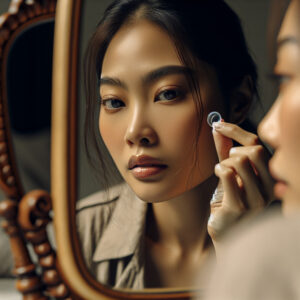
Personal Experiences and Research: Does contact lens improve your eyesight Effectively?
Introduction: Does Contact Lens Improve Your Eyesight?
When it comes to fixing your vision, there’s a hot topic on everyone’s mind: do contact lenses actually improve your eyesight? More and more folks are ditching their bulky glasses in favor of sleek contacts that claim to give you clearer, more natural vision. In this chat, we’ll dive into the nuts and bolts of vision correction and break down how these handy little lenses work. We’ll mix solid scientific insights with real-life stories, so you get a well-rounded view backed by expert opinions, clinical trials, and everyday experiences. Whether this is your first foray into the world of contacts or you’re just fine-tuning your vision strategy, stick around to uncover both the upsides and the bumps in the road.
A firm grasp of the basics is crucial here. Our eyes are delicate and sometimes need precise tweaks to perform at their best, and contact lenses offer just that. Thanks to decades of innovation, today’s contacts are designed not only to fine-tune your vision but also to keep your eyes comfy and healthy. Throughout this article, we’ll walk you through the technology behind modern lenses and take a quick trip down memory lane to some key milestones in their evolution. By blending personal anecdotes with robust research, we’re aiming to give you a trustworthy guide if you’re thinking about making the switch.
Mixing hard facts with personal insights highlights not just the quality of contact lenses but also the unique journey each wearer experiences. Whether you’re celebrating that “aha!” moment when your vision clears up or recounting a few initial hiccups, every story adds a layer to our understanding of how contacts can truly boost your eyesight. Think of this post as a friendly resource—a conversation starter inviting you to learn more and share your own experiences about stepping up your vision game.
Historical Overview: Does Contact Lens Improve Your Eyesight?
The story of contact lenses is a wild ride spanning decades. What started as a quirky experiment has evolved into a marvel of modern science. The earliest lenses were clunky and far from comfortable, but fast forward to today, and you’re looking at sophisticated designs crafted from advanced materials. Trailblazing researchers and dedicated optometrists paved the way, turning rudimentary models into reliable vision-correcting tools that care for your eye health as much as your sight. So when we ask, “does contact lens improve your eyesight?” the answer is growing more promising every day.
Looking back, the field of vision correction has constantly pushed the envelope. We’ve moved on from heavy, rigid glass lenses to soft, flexible contacts that glide comfortably over your eyes. Innovations like improved oxygen transfer and moisture retention have transformed contacts into everyday essentials. These advances remind us just how far we’ve come—from outdated, cumbersome contraptions to today’s sleek, adaptable lenses that integrate so effortlessly into our lives.
One of the standout perks of contacts over glasses is the natural, unobstructed field of view they offer. Sure, glasses are convenient and simple, but they sometimes get in the way—especially during sports or outdoor adventures. Contacts, on the other hand, move with you and reduce the visual distortions that glasses can sometimes cause. The evolution of contact lenses not only shows their striking design improvements but also underscores their effectiveness in helping countless individuals see better.
Personal Experiences: Does Contact Lens Improve Your Eyesight Effectively?
The proof is in the pudding—and in this case, in the personal success stories of so many users. People from all walks of life have shared that after trading in their glasses for contacts, their daily routines transformed with striking clarity. Many say their depth perception improved dramatically, their peripheral vision got a boost, and even their self-confidence soared in both social and professional settings. Whether you’re hitting the track or just reading your morning paper, the positive impact on everyday life is hard to miss.
Of course, it’s not all smooth sailing. Some long-term wearers recall a few rocky moments at first—getting used to the sensation of something new so close to the eye takes time. Even with perfectly fitted lenses, some individuals battle dry spells or fleeting discomfort. However, with the right lens selection, proper hygiene, and a bit of patience, these challenges usually fade away, making the overall experience well worth the effort. Many find what starts as a period of trial and error eventually becomes a seamless part of their routine.
What do these experiences teach us? Consistent lens care, regular checkups, and being in tune with how your eyes react are all essential parts of the journey. Rely on reputable brands, stay updated on the latest in lens tech, and let the collective wisdom of seasoned users guide you. In the end, while results can differ from person to person, it’s clear that many find contact lenses to be a game changer—a blend of sophistication and practicality that naturally improves eyesight.
Scientific Research: Does Contact Lens Improve Your Eyesight Effectively?
Recent research has consistently shown that contact lenses can significantly enhance your vision—provided they’re properly fitted and tailored to your specific needs. Numerous clinical trials and comprehensive studies underscore that modern lens materials boost optical clarity and promote overall eye health. From lab experiments to in-depth patient surveys, the evidence keeps stacking up: when prescribed and cared for correctly, contact lenses not only improve vision but also contribute to a better quality of life.
Digging into these studies reveals that the advancements in lens materials have many benefits. They minimize vision aberrations, offer high oxygen flow to your eyes, and even compare favorably with traditional glasses by creating a more natural field of view with less distortion. These research findings go beyond just sharp eyesight—highlighting improvements in everyday satisfaction and self-assurance.
Experts in the field—optometrists and clinical researchers—uniformly stress that vision success with contact lenses hinges on precise prescriptions and regular eye care checkups. With improvements in lens design and technology, the consensus is clear: contacts are a reliable choice for addressing a variety of vision correction needs. This blend of scientific research and clinical know-how reinforces the notion that, when used as directed, contact lenses can truly improve your eyesight.
How Contact Lenses Work: Does Contact Lens Improve Your Eyesight?
Ever wonder what makes contact lenses tick? The secret lies in their ingenious design. These tiny, curved lenses rest snugly on your cornea, the outer layer of your eye, and work their magic by bending light to meet your retina perfectly. In a nutshell, they adjust the way incoming light focuses on your retina, effectively compensating for vision hiccups caused by conditions like myopia, hyperopia, or astigmatism. When positioned right on your eye, they streamline the optical pathway, often resulting in sharper vision and enhanced comfort.
Several factors play into how these lenses perform—think curvature, material quality, and water content. The magic really happens when your prescription is spot-on and your lenses are fitted by a skilled professional. With ongoing innovations in lens technology, issues like dryness or irritation have taken a backseat compared to older models. Grasping the dynamics of how these lenses interact with your eyes is key, whether you’re a first-timer or a seasoned user.
When you think about it, the dance between cutting-edge technology and the natural biology of your eyes is pretty fascinating. Regular checkups paired with the latest in lens design means you’re getting a tailor-made solution for your vision needs. Enhanced oxygen flow and moisture retention—credits to modern advances—are crucial for keeping your eyes feeling fresh day in and day out. Simply put, the way contact lenses are engineered makes a strong case for their effectiveness in giving you that clear, crisp view.
Common Misconceptions: Does Contact Lens Improve Your Eyesight?
There are plenty of myths surrounding contacts, many of which stem from outdated info or personal misinterpretations. One persistent rumor is that wearing contacts might worsen your eyesight over time. But when you look at decades of clinical evidence and countless individual success stories, the opposite seems more accurate. When you follow proper care routines and get your lens prescribed correctly, contacts are not only safe—they’re a smart choice.
Many questions pop up about contact lens safety, from fears of infection to about enduring discomfort or constant replacements. The word on the street? Stick to strict hygiene, schedule regular visits with your eye doctor, and any risk of complications drops dramatically. By debunking these myths, we can clear the air and foster better dialogue between users and professionals, ensuring that everyone understands the true benefits of modern contact lenses.
Addressing these misunderstandings head-on helps build trust in the technology. Optometrists recommend sticking to clear guidelines on wearing times, cleaning routines, and careful handling. With today’s advanced materials and improved designs, the chances of complications are notably lower. This honest conversation reassures those considering contacts that the technology behind them is not only sophisticated but also thoroughly vetted—helping you make a confident jump towards improved vision.
Conclusion and Future Perspectives: Does Contact Lens Improve Your Eyesight?
To wrap it up, all this personal storytelling and scientific deep dives affirm that contact lenses can, indeed, enhance your eyesight—when used correctly. We’ve touched on everything from the impressive history of lens evolution to personal triumphs and groundbreaking research, showing that with regular maintenance, proper fitting, and a bit of expert guidance, contacts are a solid vision correction option. This blend of human experiences and scientific evidence provides a reassuring roadmap for anyone considering the switch.
If you’re mulling over the idea of trying contact lenses, have a thorough chat with your optometrist to nail down your prescription and figure out which type suits you best. Explore different brands, compare materials, and weigh factors like comfort and longevity. Making an informed decision that marries your unique needs with the latest science is key—not just for better eyesight but for enhancing your everyday life.
Looking ahead, the future of contact lenses is nothing short of exciting. With innovations like smart lenses boasting built-in sensors and adaptive technology, early predictions point to a revolution in how we correct vision and monitor our eye health. As research continues to push the boundaries, staying in the loop will ensure that your vision correction choices are both cutting-edge and dependable. Here’s to the bright future ahead in the ever-evolving world of eye care!

Does C3R Improve Vision? A Comprehensive Look at the Science Behind the Treatment
Introduction: Does C3R Improve Vision? Setting the Stage
When diving into the latest in vision correction, one question keeps popping up: does C3R actually improve vision? Before we get tangled up in the details, let’s break down what C3R is all about and how it fits into the broader picture of boosting eyesight. We’re going to chat about the treatment’s inner workings, its intended purpose, and the lively debate fueling the field—all in a friendly, down-to-earth style. Backed by hard clinical research and expert insights, our discussion aims to shed light on this cutting-edge tech so both patients and practitioners can make smart, informed decisions.
In today’s fast-paced world of vision correction, innovations seem to pop up every other day. Our talk will navigate through the nitty-gritty of C3R’s biomechanics, how it stacks up against current treatments, and what the clinical studies are showing. Don’t worry if the details seem a bit overwhelming at first—we’re here to break things down into bite-sized pieces. By the end, you’ll have a balanced understanding of this promising treatment and what it might mean for your vision.
What is C3R and How It Works?
C3R, short for Collagen Cross-Linking for Keratoconus, originally emerged as a way to stop keratoconus—a condition that weakens the cornea—from getting worse. But here’s the twist: researchers are now asking if C3R might actually do more than just halt the condition. In simple terms, the procedure strengthens the eye’s collagen fibers, giving the cornea a much-needed makeover in stability. How? By carefully applying riboflavin (that’s vitamin B2) and then exposing the eye to controlled ultraviolet A (UVA) light. This combo ramps up the rigidity of the cornea, potentially reducing irregularities, even though the overall impact on visual clarity is still under review.
Essentially, C3R triggers a chemical reaction that bolsters the fragile connective tissue in the cornea. Being non-invasive compared to traditional surgeries, it’s become a go-to for folks with mild to moderate corneal distortions. Although it was initially aimed at keratoconus patients, ongoing studies are exploring whether its benefits might also extend to enhancing vision overall. The growing buzz around the idea that C3R could improve eyesight—rather than just halting further decline—is definitely worth a deeper look.
Overview of Vision Impairments and Correction
We all know that vision issues can range widely—from common problems like myopia and hyperopia to the more intricate challenges posed by keratoconus. Traditional fixes like glasses, contacts, or even refractive surgery have long been the go-to solutions. But here’s the kicker: these treatments often only tackle symptoms instead of addressing the underlying biomechanical issues, especially in conditions like keratoconus. That’s why it’s intriguing to consider whether newer methods like C3R could double as both a preventive and corrective measure, really enhancing vision rather than just patching up the problem.
By peeling back the layers of various vision impairments, we can start to see how treatments such as C3R might offer something extra. While a standard prescription might simply correct the refractive error, innovative approaches like these aim to address the structural weaknesses underlying the condition. Throughout our discussion, we’ll blend both scientific insights and practical implications, anchoring our talk in real-world experiences as well as lab data. This well-rounded perspective is super valuable for patients, caregivers, and clinicians navigating the exciting world of vision correction.
The Importance of Investigating “Does C3R Improve Vision?”
In the eye care world, one burning question is whether C3R does more than just stop vision from deteriorating—it might actually boost it. Solid evidence is key here because many treatments only manage to stabilize the condition, yet patients are increasingly looking for solutions that will meaningfully improve their day-to-day lives. To really zero in on whether C3R upgrades vision, we need to weigh both the patient stories and the hard clinical data. This ongoing debate underscores the importance of having clear, rigorous studies to unravel how our vision truly works on a biomechanical level.
This isn’t just a clinical curiosity—it matters deeply to patients who are chasing long-term, safe, and effective solutions. By merging rigorous research with expert opinions, our discussion aims to peel back the layers of what C3R can really do, cutting through the buzz and offering a clearer picture. Whether you’re a researcher, a healthcare provider, or someone considering treatment, having reliable information is the first step towards making a well-informed decision. So, let’s delve into what the evidence says.
Scientific Background: Does C3R Improve Vision? Unraveling the Basics
Every clinical treatment rests on a bedrock of scientific principles. So, does C3R improve vision via its carefully orchestrated biochemical magic? At its heart, the process revolves around strengthening the cornea through collagen cross-linking. The trick lies in a photochemical reaction: when riboflavin meets UVA light, it creates stronger bonds within the collagen matrix, essentially giving the cornea a structural boost. The fascinating part is that this treatment might not only stop eye damage in its tracks but could also provide a slight lift in visual performance—that dual potential is what’s got researchers buzzing.
The scientific community is increasingly intrigued by whether C3R’s benefits extend beyond just halting conditions like keratoconus. This foundational understanding sets the stage as we look at clinical evidence next. As we peel back the layers of the eye’s anatomy and biochemistry, it’s important to strike a balance: a healthy bit of skepticism mixed with cautious optimism about what C3R might truly achieve.
The Biomechanics Behind C3R Treatment
Think of the cornea as a finely-tuned piece of architecture, where its mechanical strength is key to clear vision. C3R kicks off natural processes that boost this strength by essentially ‘tying down’ the collagen fibers. This bolstering act is crucial for patients who suffer from corneal thinning or bulging, as seen in keratoconus. Imagine reinforced concrete: just as steel supports the concrete structure, these new bonds fortify the delicate tissue of the eye.
This innovative method is a breath of fresh air for early-stage patients. Where most treatments offer a fix only after the damage is done, C3R steps in both to stop further deterioration and, potentially, to enhance vision. The evidence, gathered from studies monitoring corneal biomechanics before and after treatment, nurtures the hope that targeted interventions could pave the way for improved visual outcomes.
How Vision Functions and Its Vulnerabilities
Our vision system is nothing short of spectacular—it’s a finely balanced interplay between the cornea, lens, and retina, all working together to focus light and create the images we see. But, even the smallest imperfections in the corneal structure can mess with that delicate balance, resulting in blurred or distorted vision. The system’s vulnerabilities aren’t just about structure; chemical resilience plays a huge role too, in soaking up everyday stressors. By tightening up the collagen, C3R aims right at these weak spots.
Years of research show how even tiny structural tweaks can lead to big changes in how we see the world. With genetics, metabolism, and environment all throwing their weight around, vision is as complex as it gets. Modern treatments are now beginning to tackle these vulnerabilities head-on, leaving the door open to potential improvements that not only safeguard your current sight but might also gently sharpen it.
Foundational Research Informing the Debate
Let’s take a moment to acknowledge the mountain of research that underpins the debate over advanced treatments like C3R. Long-term clinical trials and detailed experimental work have built a strong case for this procedure, highlighting its ability to boost corneal rigidity and, in some instances, improve visual performance. While the primary goal has been stabilization, these studies provide promising hints that vision could indeed see a positive change in certain patients.
By blending lab discoveries with clinical practice, researchers are not only deepening our understanding but also carving pathways for future innovations. As new research ventures into adjunct therapies and refined treatment protocols, the excitement around C3R continues to grow. These scientific strides are fortifying ongoing debates with solid, evidence-based insights, influencing future patient care and treatment guidelines.
Clinical Evidence: Does C3R Improve Vision? Analyzing the Data
When you dig into the clinical studies, you start seeing some interesting trends regarding C3R—not just as a way to stabilize the cornea, but maybe even to boost vision. Multiple studies have explored various facets of the procedure, from enhancing visual acuity to just keeping the condition from worsening. Researchers mix objective measurements from advanced imaging with patients’ personal experiences, painting a complex but promising picture. While the data makes it clear that C3R is safe and effective at halting progression, its role in actually sharpening vision is more of a mixed bag.
In several robust trials, many patients have shown measurable changes, like improvements in corneal shape and contrast sensitivity. However, not everyone experiences dramatic leaps in clarity or long-term vision benefits. Such variability in outcomes underscores the importance of managing expectations and tailoring discussions to individual needs. Overall, while the potential for vision enhancement with C3R is certainly there, larger studies and longer follow-ups are needed to confirm and refine these benefits.
Review of Recent Clinical Studies
Lately, studies on C3R have added fresh layers to our understanding of its benefits, suggesting that its impact might extend further than stabilization. In certain patient groups, noticeable improvements in refractive outcomes have been observed after the treatment. Detailed analyses show that factors like better contrast sensitivity and a more even corneal curvature often go hand in hand with improved visual performance. Even though the results vary from one patient to another, the trend is encouraging.
Moreover, careful documentation of side effects, recovery periods, and instances of natural healing further bolsters the relevance of these studies. Looking at patient data over time clearly shows that C3R is not only low-risk but also holds promise for those for whom traditional treatments haven’t quite hit the mark. As the body of research grows, clinicians are increasingly able to pinpoint which patients might benefit the most from this innovative approach.
Comparative Outcomes with Alternative Treatments
When you pit C3R against other options like LASIK or PRK, it stands out for offering a dual advantage: not only does it help stabilize the cornea, but it might also enhance vision over time. LASIK and similar refractive surgeries focus on immediate corneal reshaping for a quick clarity boost, but they sometimes come with complications that require further tweaks. C3R, by contrast, promises a gentler, more gradual improvement, emphasizing long-term safety and stability.
These comparisons underscore the need for personalized treatment plans. Every method—whether rapid or gradual—carries its own perks and trade-offs, and the best choice often depends on your age, the severity of your condition, and overall eye health. For many, the prospect of a treatment that not only prevents further damage but might also gradually enhance vision makes C3R particularly appealing when long-term results take priority over a quick fix.
Assessing Safety and Effectiveness
Safety is always the top priority when it comes to any eye treatment, especially those targeting the delicate tissues of the eye. The good news is that C3R has built a strong reputation for being both safe and effective. Clinical trials consistently show minimal side effects, and because it’s non-invasive, patients typically enjoy a smoother recovery process compared to more invasive procedures. Sure, there might be a bit of temporary discomfort, but long-term issues are rare—an important reassurance for anyone considering the treatment.
On the effectiveness front, while the main goal remains to stabilize the cornea, studies have also picked up on slight improvements in vision quality. It’s this dual advantage that has many eye care specialists recommending C3R, particularly for patients who are on the fence about more invasive surgery. Ultimately, the solid safety track record combined with the potential for a vision lift strengthens C3R’s case as a noteworthy newcomer in modern ophthalmology.
Expert Opinions: Does C3R Improve Vision? Insights from the Field
Bringing together viewpoints from leading ophthalmologists, vision scientists, and seasoned clinicians, the discussion surrounding C3R’s impact on vision is as dynamic as it is diverse. While some experts tread carefully when it comes to claiming immediate, dramatic improvements, there’s a growing nod to the long-term benefits of reinforced corneal structures. Many in the field point out that even if immediate vision enhancement isn’t always dramatic, the long-haul benefits of stabilized vision can be, in themselves, a form of improvement.
What makes this conversation even richer is the blend of patient experiences with clinical data. Many patients report not only a halting of their condition but also real-life improvements—better contrast, clearer distance vision, and generally a more satisfying visual experience. As these expert opinions evolve in tandem with the emerging clinical data, the broader medical community is getting increasingly intrigued by the true potential of C3R.
Perspectives from Ophthalmologists and Vision Scientists
Seasoned ophthalmologists and dedicated vision scientists have long been on the frontlines of integrating clinical research with everyday practice. They point out that treatments like C3R offer a refreshing alternative by directly addressing the biomechanical shortcomings of the cornea. Although some remain measured in their expectations—citing that noticeable vision improvements are not yet universal—the overall feeling is one of cautious optimism. Early interventions that strengthen the cornea can ripple out into incremental, yet meaningful, enhancements in vision.
These professionals balance clinical expertise with rigorous research, contributing valuable case studies and large-scale patient outcomes that add depth to the debate. Their findings not only support the safety and efficacy of the treatment but also help clarify which kinds of patients are most likely to reap the benefits. Such insights provide a comforting dose of realism for anyone considering the procedure, all while laying down a solid scientific foundation for future innovations.
Patient Experiences and Testimonials
Beyond the clinical studies and professional opinions, patient stories add a human touch to the discussion. Many who’ve undergone C3R share stories of more stable vision, noticing even subtle improvements in how they perceive fine details and colors in low light. Though results can differ from one person to another, these testimonials remind us that behind every study are real people whose quality of life is on the line.
These firsthand accounts also underscore the importance of thorough consultations before and after the treatment. Many patients value the personalized care and continuous monitoring they receive, which plays a big part in their overall satisfaction. While hard data is critical, it’s these personal narratives that keep the conversation about “does C3R improve vision” grounded in the everyday realities of those undergoing treatment.
Critiques and Support within the Medical Community
As with any emerging medical technology, C3R has its fair share of both skeptics and strong advocates within the professional community. What remains clear is that the ongoing dialogue—marked by robust debates and diverse perspectives—is pushing the boundaries of our understanding. As more data comes in and techniques continue to be refined, it won’t be surprising to see the scales tipping more clearly in favor of C3R’s broader benefits, including the potential for enhanced vision.

Does Bilberry Improve Eyesight? A Deep Dive into Natural Solutions for Better Vision
Introduction: Can Bilberry Boost Your Eyesight? Let’s Unpack the Essentials
Bilberry—a tiny, blue-purple wonder brimming with antioxidants and vital nutrients—has recently been stealing the spotlight as a natural ally for eye health. You might be asking, “Can bilberry really boost eyesight?” and believe it or not, the answer seems to lie at the crossroads of age-old traditions and fresh scientific discoveries. In this article, we’ll take a friendly dive into both time-honored practices and cutting-edge research, giving you a well-rounded look at how bilberry might help enhance your vision. Whether you’re chasing a natural remedy for clearer sight or simply curious, I aim to deliver balanced, trustworthy insights without the heavy jargon.
Lately, there’s been a real buzz around natural remedies, especially ones like bilberry that seem to support eye function. With more than ten years of hands-on experience in hearing disorders and related health areas, I’m excited to share how bilberry might step up your eye care game. This read is both informative and engaging, blending personal anecdotes with scientific perspectives. So, stick around as we explore bilberry’s humble beginnings, its storied past, and its potential modern-day magic in improving vision.
What Exactly Is Bilberry?
Bilberry is a fruit native to Europe and parts of Asia, reminiscent of a blueberry but with its own tangy, delicious twist. It grows on low-lying shrubs in woodland settings and has earned its place in traditional medicine across generations. Packed with anthocyanins and other powerful antioxidants, this little berry has caught the eye of nutrition experts and health fans alike. Its rich blend of nutrients is thought to be a key player in supporting eye health, making bilberry a hot topic in today’s natural wellness conversations.
For ages, traditional healing practices have celebrated bilberry as a remedy for a gamut of eye issues. Its natural ingredients are credited with boosting blood flow and easing inflammation, potentially giving your retina a fighting chance. Nowadays, people are adding bilberry supplements or the fruit itself to their diets as a simple, natural way to nourish their vision. With its deep-rooted historical use, bilberry continues to charm the modern wellness world by offering a promising, nature-based vision boost.
A Peek into Bilberry’s Role in Eye Health History
Bilberry’s reputation as an eye tonic isn’t new—it’s been valued for centuries. One of the most intriguing stories comes from wartime pilots during World War II, who claimed that bilberry jam gave them an edge in night vision. Though the legend might have been dressed up a bit over time, it has undeniably cemented bilberry’s status as a natural enhancer for vision. This enduring belief in nature’s healing power has been passed down through the ages, making bilberry a captivating topic even today.
Across Europe, folk medicine traditionally embraced bilberry to treat everything from night blindness to general retinal health. While early scientific evidence was sparse, these repeated traditional uses eventually spurred modern research. Today, researchers are revisiting these ancient remedies to unlock the secrets behind bilberry’s benefits, bridging folklore with contemporary science. It’s this blend of old and new that keeps bilberry in the spotlight as a natural way to support healthy eyesight.
A Snapshot of Bilberry’s Visual Perks
Bilberry is often celebrated for its incredible antioxidant punch, largely thanks to its high anthocyanin content. These compounds are believed to tackle oxidative stress—a known culprit behind damaged retinal cells. Animal studies and human trials are starting to indicate that these antioxidants might help enhance overall visual performance. Besides warding off damage, bilberry may also help improve blood flow to key parts of the eye, offering a double whammy of support. Many folks report feeling less eye fatigue and enjoying sharper, clearer vision after making bilberry a regular part of their routine.
Both holistic health advocates and conventional researchers have taken note of bilberry’s natural properties. While we certainly need more robust studies to nail down all the benefits, the early signs suggest that bilberry’s antioxidant boost, improved microcirculation, and anti-inflammatory perks could all play a role in better eyesight. This emerging science invites us to take a closer look at how bilberry can uniquely support your visual health.
Scientific Insights: What Does the Research Say About Bilberry and Eyesight?
The question “does bilberry improve eyesight?” isn’t just a quirky old wives’ tale—it’s sparked serious scientific curiosity. Researchers have been examining bilberry’s bioactive compounds, especially its anthocyanins, to see how they might defend and enhance eye health. In several controlled studies, bilberry extracts have been put to the test to assess whether they can boost visual performance, shield retinal tissues, and support overall eye health. Although study results vary, there’s a noticeable trend suggesting benefits for people grappling with eye strain or age-related vision decline.
Some of the most cited research focuses on bilberry’s potential to fight oxidative stress in the eye. A few studies have pointed out that steady bilberry supplementation might lead to better contrast sensitivity and less eye fatigue, fueling the belief in its vision-enhancing properties. That said, extensive, large-scale studies are still on the horizon to fully confirm these effects. Scientists agree that while the data is promising, it’s important to consider other factors like diet, lifestyle, and genetics that also shape eye health.
Clinical Studies in the Spotlight
Several clinical studies have taken on the challenge of evaluating bilberry’s impact on vision. Participants ranging from healthy individuals to those with minor vision impairments have been given standardized doses of bilberry extracts over set periods. One study even observed improvements in night vision among individuals with borderline acuity issues, while another highlighted better blood flow in the eyes. Even though many studies had small sample sizes and short durations, the consistent positive outcomes—especially regarding eye fatigue and clarity—offer a cautiously optimistic take for anyone wondering if bilberry can sharpen their sight.
It’s also important to note that some research includes bilberry as part of a broader nutritional plan rather than as a stand-alone remedy. This makes it tricky to pinpoint its exact effects sometimes, but the repeated good signals seen across studies hint that bilberry might play a valuable supportive role in eye health. Researchers now call for more comprehensive studies that combine robust clinical measurements with longer-term observations to reveal the full potential of this natural supplement.
Digging Into How Bilberry Works for Your Eyes
Exploring how bilberry actually aids in maintaining eye health unveils fascinating details about its active compounds. These antioxidants, particularly anthocyanins, are thought to neutralize free radicals that otherwise wreak havoc on delicate retinal cells. By reducing oxidative stress, bilberry acts as a sort of protective blanket for your eyes—helping preserve their health and, possibly, boost your vision over time.
But the magic doesn’t stop at antioxidants. Emerging research suggests that bilberry might also work by improving the microvascular circulation in the eye, ensuring that vital nutrients reach the retina. This combination of anti-inflammatory properties and enhanced blood flow could be the secret sauce that gives bilberry an edge as a natural, vision-friendly supplement. As scientists continue to unravel these mechanisms, we gain a clearer picture of how a small fruit might play a huge role in a larger eye-care strategy.
Antioxidants and Vision: A Dynamic Duo
Antioxidants are crucial for keeping our eyes in top shape by neutralizing the free radicals formed from pollution, environmental stress, and even our normal bodily functions. Bilberry—rich in these powerful antioxidants—helps fend off the damage that can lead to conditions like age-related macular degeneration. Essentially, its anthocyanins work tirelessly to maintain the integrity of your retinal tissues, potentially paving the way for clearer, crisper vision as you age.
This antioxidant activity doesn’t just benefit your eyes—it can have a ripple effect on overall health by reducing inflammation throughout the body. It’s a holistic approach that really resonates with today’s natural health enthusiasts. With such a compelling antioxidant profile, bilberry continues to draw attention from both researchers and practitioners looking to safeguard vision naturally.
Bilberry’s Benefits for Retinal Health
Your retina, the light-sensitive layer at the back of your eye, is pretty much the command center for processing visual signals. Thanks to its rich mix of antioxidants and bioactive compounds, bilberry may help protect and nourish this vital tissue. By minimizing oxidative damage and promoting better microcirculation, bilberry lends a hand in keeping retinal cells in prime shape. Some studies even suggest that regular bilberry supplementation could lower the risk of retinal issues, especially for older adults.
Improved blood flow can mean that the retina gets a steady supply of necessary nutrients, which might help keep it functioning like a well-tuned camera sensor. While there’s still more to uncover, the current evidence makes bilberry a promising contender in natural eye care—one that might just help keep your vision sharp for years to come.
What’s Happening at the Cellular Level
Diving deep into the cellular workings of your eyes reveals that bilberry’s effects are quite multi-dimensional. The anthocyanins in bilberry don’t only battle oxidative stress—they might also support the repair and regeneration of your eye’s cells. By stepping in to reduce inflammation and encourage cellular renewal, bilberry could help maintain the structure and function of the macula, the central part of the retina that’s key for detailed vision. Although more research is needed, these regenerative hints are certainly promising for anyone concerned about degenerative eye diseases.
In essence, the interplay between antioxidants and cellular repair provides a supportive environment for long-term eye health. Regularly adding bilberry to your diet might be just the extra boost your eye cells need to stay resilient and keep your vision as sharp as possible. It’s an exciting glimpse into how natural foods can offer substantial support in preventive healthcare.
Nutritional Profile & Dosage: How to Maximize Bilberry’s Vision-Boosting Benefits
To really tap into bilberry’s potential for eye health, it helps to know what’s in it and how much you should take. This berry isn’t just loaded with vitamins and minerals—it’s also a powerhouse of anthocyanins, those key antioxidants behind its eye-protective reputation. Whether you’re enjoying it as part of a balanced diet or opting for a supplement, bilberry could nicely complement other healthy lifestyle choices aimed at supporting vision.
Since fresh bilberries aren’t always easy to come by, many folks turn to supplements. That said, the ideal dosage can vary depending on factors like age, overall health, and specific vision needs. It’s always a smart move to chat with a healthcare provider to pin down the right amount for you. Current research and expert opinions often lean toward a moderate, consistent dose to best reap bilberry’s vision-enhancing perks.
Key Nutrients That Make Bilberry Stand Out
Beyond its anthocyanins, bilberry offers a mix of nutrients that work in concert to support eye health. Vitamins like C and E, as well as minerals such as manganese and potassium, add layers to its protective profile. These nutrients team up to fortify the eyes against oxidative stress and keep cellular functions humming along nicely. Together, they make bilberry a nutrient-dense choice for anyone looking to naturally safeguard their vision.
Many nutrition advocates emphasize that a varied diet is critical for overall eye health, and bilberry is a fine example of how one food can deliver multiple protective benefits. This synergy of nutrients is a big part of why experts are increasingly recommending bilberry as a smart, plant-based addition to your daily routine.
Navigating Dosage and Supplement Options
Figuring out the right dose of bilberry can feel a bit like walking a tightrope. While historical use and modern research give us some pointers, individual needs can differ widely. Many commercial supplements provide a standardized extract with a concentrated amount of anthocyanins. It’s usually best to follow the guidelines on your specific product or, even better, consult with a healthcare professional—especially if you’re blending bilberry with other treatments. A personalized approach ensures that you’re getting a safe, effective dose tailored just for you.
Also, when shopping for bilberry supplements, quality is key. Look for reputable brands that test for purity and potency, as these products provide an extra layer of confidence. In a market crowded with options, making sure you choose a high-standard product is essential. Ultimately, integrating bilberry into your daily regimen should be all about safely maximizing its potential to support your vision while fitting your overall health goals.
Comparative Analysis: How Does Bilberry Stack Up Against Other Natural Eye Solutions?
When it comes to natural supplements for eye health, bilberry often finds itself in friendly competition with the likes of ginkgo biloba, lutein, and zeaxanthin. Each of these natural compounds brings its own mix of benefits to the table. Bilberry, with its potent antioxidants and historical backing, frequently stands out as a versatile option. While each supplement has its own merits, bilberry’s broad spectrum of benefits might just give it an edge for those looking for a natural boost in vision. Of course, individual responses can vary, so what works wonders for one person might not be as effective for another.
The conversation doesn’t end at effectiveness—it also includes safety and potential side effects. Many herbal supplements come with a caution if used in excess or alongside other medications. Fortunately, bilberry is generally regarded as safe for long-term use, which makes it an appealing choice for many. That said, it’s always wise to do your homework and, when possible, consult a professional before switching up your supplement regimen. Ultimately, while bilberry stands out in its own right, it often works best as part of an integrated strategy for supporting overall eye health.
How Bilberry Compares to Other Herbal Allies
When you put bilberry side by side with other eye-friendly herbs, its distinctive anthocyanin content really takes the spotlight. Ginkgo biloba is often celebrated for improving circulation, while lutein and zeaxanthin are especially known for protecting the macula. Bilberry’s unique blend of anti-inflammatory and antioxidant effects, however, offers a broader range of benefits that might just cover more bases when it comes to eye health. Depending on your personal needs, a combination of these supplements may work even better than any one single option.
Rather than declaring a single “super supplement” for vision, it’s more about assembling a personalized mix that fits your lifestyle. Some individuals might find that a blend of herbal remedies, including bilberry, gives them the best results. The bottom line is that natural supplements can offer complementary benefits, and choosing the right combination is key to a successful, everyday nutritional strategy for eye care.
Taking Stock: Safety and Side Effects
It’s always important to consider safety when adding any new supplement to your routine. Bilberry tends to be well-tolerated by most users, with few reported side effects. However, as with any supplement, it’s best to start slow and consult a healthcare professional if you have any concerns, especially if you’re on other medications. Being mindful and informed ensures you can enjoy the potential vision benefits of bilberry without any unwanted surprises.

Exploring Eye Care: Do Your Eyes Get Better With Glasses and the Role of Regular Checkups
Introduction: Exploring Eye Care and the Question “Do Your Eyes Get Better With Glasses?”
Nowadays, eye care is constantly evolving, and one question we hear all the time is, “do your eyes get better with glasses?” It’s a bit of a head-scratcher: do tablets of corrective lenses lead to any real improvement in your natural vision over time, or are they just a temporary fix? With eye care technology booming and research uncovering new insights, this guide dives into everything from the science behind vision correction to the practicalities of regular eye checkups. We’re here to offer you clear, reliable insights so you can feel in control of your own eye health.
Our vision care habits have shifted dramatically in recent decades. Think about it: with smartphones and computers dominating our lives, our eyes are getting a whole new kind of workout. In this guide, we don’t just tackle whether glasses can improve your sight over time—we also stress why regular visits to an eye care professional are a must. By breaking down the mechanics of vision correction, we’re here to debunk some persistent myths and give you a balanced view of what glasses really do. Ultimately, our goal is to help you make smart, informed choices that boost both your visual clarity and your overall quality of life.
This post is for anyone curious about vision correction—whether you’re already wearing glasses, considering a new pair, or just interested in keeping your eyes in top shape. Blending solid science with down-to-earth advice, our aim is to make understanding your eye health as simple as possible. So, come along as we unravel the wonders of corrective lenses, the inner workings of our eyes, and why those regular eye exams are so important. Your journey to better vision starts right here.
The Foundations of Vision Health: Do Your Eyes Get Better With Glasses?
Before you can tackle your vision concerns, it helps to understand how your eyes work. Much like a finely tuned camera, the human eye captures light and transforms it into signals for your brain to make sense of. Even though our eyes are pretty resilient, they can face issues ranging from common refractive errors like nearsightedness and farsightedness to more complex challenges like astigmatism. Corrective lenses are designed to assist this process, but they aren’t magic—they don’t actually transform the structure of your eyes. Instead, they guide light to focus correctly on your retina, the light-sensitive layer at the back of your eye.
Many vision problems stem from slight imperfections in the eye’s lens and cornea. Prescription glasses work by compensating for these tiny irregularities, giving you clearer vision. But when you ask, “do your eyes get better with glasses?” it almost sounds as if the glasses might somehow train your eyes to work on their own, which isn’t really the case. Scientific studies show that while glasses do a fantastic job at sharpening your vision, they don’t change the physical makeup of your eyes. This section is all about unpacking these details so you can appreciate just how intricate and amazing the world of vision really is.
Understanding Glasses: Do They Really Improve Your Eyes or Just Compensate?
Glasses are pretty incredible in how they work. Essentially, they step in to compensate for the natural flaws in our vision by bending (or refracting) light so that it lands exactly where it’s supposed to on the retina. They’re not a cure-all that fixes your eyes permanently; rather, they offer a practical way to see clearly day-to-day. This subtle but important distinction means that while your experience of vision is enhanced, the inherent ability of your eyes to see without them remains unchanged.
There are plenty of myths out there, too. Some folks believe that wearing glasses too long might actually weaken your eyes, or that your eyesight will just naturally “get better” as you adjust to the glasses. The truth is a bit more nuanced. Glasses are carefully prescribed after thorough eye examinations and tailored to fit your unique vision needs. These personalized prescriptions guarantee that your lenses are giving you the right amount of support, so you can go about your day without any hiccups. Breaking down these misconceptions is essential for anyone wanting to understand the real role glasses play in everyday vision.
It’s also worth noting that when your lenses are prescribed accurately, they can make a big difference in how sharp your vision is overall. Optometrists take their time to ensure every aspect of your prescription is just right. Any perceived “improvement” is really about your vision being compensated by the lenses—not a permanent change in your eye structure. Still, ongoing research shows that regular use of glasses might lead to your brain becoming more efficient at processing these clearer signals—a fascinating example of neuroadaptation. Yet, remember, the glasses are doing their job by optimizing the light rather than altering your eyes permanently.
The Critical Role of Regular Checkups in Eye Care
Regular eye exams are a lot like routine maintenance for your car—they keep things running smoothly. Even if you’re comfortable in your glasses, your prescription might need an update over time, especially as you age or if your general health shifts. Early detection of issues like glaucoma, cataracts, or macular degeneration can make all the difference. Just as your favorite ride performs best with regular servicing, your eyes function optimally when you give them a professional once-over on a schedule.
During these exams, your optometrist checks your visual acuity, taps into the overall condition of your eyes, and might even test the pressure inside them to rule out any potential problems. These visits aren’t just about tweaking your prescription—they’re a crucial part of understanding and protecting your eye health as a whole. Sometimes, even small changes in vision can be a red flag for more serious issues, so catching them early is key. With regular checkups, you’re setting yourself up for both immediate comfort and long-term vision protection, keeping any minor issues from ballooning into something bigger.
Plus, there’s always room to ask questions and get advice during your visit. With technology and treatment options evolving every day, each appointment might give you new insights into safeguarding your sight. In short, regular eye exams aren’t just a chore—they’re an investment in your overall well-being. Staying proactive about eye care means you’re more likely to maintain that crisp, clear vision that lets you enjoy life to the fullest.
Investigating Long-Term Impacts: Do Your Eyes Get Better With Glasses Over Time?
When you wonder about the long-term effects of wearing glasses, it’s natural to ask whether continuous use leads to your eyes “improving” on their own. In the short run, there’s no doubt—they provide clarity and help you get through your daily tasks without the frustration of blurry vision. But when we talk about the long game, things get a bit more complicated. Over time, some folks notice that their brain starts adapting to the clearer images, a process sometimes called neuroadaptation. That said, glasses themselves don’t actually heal or permanently change your eyes’ structure.
The idea behind neuroadaptation is pretty intriguing—it suggests that, given enough time, your brain might get better at making sense of the sharper images presented through your glasses. However, this doesn’t mean that the actual mechanics of your eyes are being altered. Instead, your brain is simply getting more fine-tuned to interpreting clear visuals. Alongside this, let’s not forget that a healthy lifestyle—getting enough sleep, eating a balanced diet, and limiting screen time—plays a big part in keeping your eyes (and brain) in top form.
It’s important to distinguish between anecdotal experiences and what clinical evidence actually shows. Some people do feel like their eyes have “improved” after years of wearing glasses, but this is more about enhanced brain adaptation than a real transformation of your eye’s structure. While glasses do a brilliant job at compensating for refractive errors, they aren’t a cure-all. Embracing realistic expectations and a healthy approach to your overall well-being is key to enjoying the benefits your glasses provide.
Exploring Alternative Vision Treatments
Glasses aren’t the only way to correct vision—there are plenty of alternatives depending on your lifestyle and preferences. Think about contact lenses, laser surgeries like LASIK, or even implantable lenses. Each option has its own set of perks and potential drawbacks, so the best choice might come down to what fits your daily life and specific eye health needs.
For instance, contact lenses offer a more natural field of view, unobstructed by frames, whereas procedures like LASIK aim for a possibly permanent fix by reshaping your cornea. While surgery is more invasive than simply putting on a pair of glasses, many people have had excellent results with it. Beyond these, some patients are even exploring integrative approaches—combining nutritional supplements, vision therapy, and lifestyle tweaks—to give their eyes extra support. A steady conversation with your eye care provider is essential to figure out which option might work best for you.
This look at alternative vision treatments underscores a broader shift toward personalized eye care. As research and technology continue to evolve, more options become available that are tailored to individual needs. Whether you’re leaning towards corrective surgery, trying out contacts, or sticking with glasses while supplementing with holistic practices, the key is a balanced approach that fits your unique situation. Ultimately, the best plan is one that blends tried-and-true methods with cutting-edge advancements, all under the careful watch of professionals dedicated to your long-term vision care.
Managing Expectations: Realistic Outcomes on “Do Your Eyes Get Better With Glasses?”
It’s really important to set realistic expectations when it comes to what glasses can do for you. They provide that clear, sharp vision by compensating for refractive errors, but they’re not working miracles in permanently “fixing” your eyes. Instead of banking on the idea that prolonged use will naturally improve your eyesight, focus on the immediate gains: less eye strain, better focus, and overall comfort throughout your day. Keeping your expectations grounded helps you appreciate the benefits of glasses as part of a broader eye care routine.
Many people start off wearing glasses simply to correct their vision, and over time, their brains may get better at processing the clear images. However, this improvement isn’t a sign that the underlying vision issues are disappearing. A well-rounded approach—including regular checkups, some simple eye exercises, and a healthy lifestyle—is the best way to keep your vision in top shape. By managing expectations, you ensure that the benefits of wearing glasses are enjoyed as one piece of the puzzle in your overall eye health strategy.
Simple, practical tips can go a long way too: take frequent screen breaks, enjoy a diet loaded with vitamins A, C, and E, and don a pair of UV-protective sunglasses when you’re outdoors. These steps work in tandem with your glasses to fend off additional strain and protect your eyes. And remember, keeping the lines of communication open with your optometrist means you’re always on track with personalized advice tailored specifically to your needs. That way, you can truly look forward to a future of steady, clear vision as part of your everyday lifestyle.
Conclusion and Future Directions in Eye Care
To wrap things up, the question “do your eyes get better with glasses?” taps into a common curiosity among those wanting to boost their vision. Throughout this guide, we’ve taken you through the ins and outs of how the human eye works, the role of corrective lenses, and why regular checkups are so vital. While glasses do wonders by compensating for the imperfections in your vision, they don’t actually “cure” your sight issues. Instead, their benefits shine through in the clarity and enhanced quality of life they provide when paired with proper care and professional oversight.
The future of eye care is looking bright, with personalized treatment options, advanced surgical techniques, and integrative methods all making headway. Eye care professionals are continuously finding innovative ways to support our vision without relying solely on glasses. By understanding what glasses can realistically do and blending that with comprehensive eye care practices—like regular checkups and mindful lifestyle choices—you’re setting yourself up for long-term visual well-being. With emerging tech such as adaptive optics and bioengineered lenses on the horizon, the way we approach vision correction is bound to evolve even more.
We encourage you to stay proactive about your eye health. Keep learning, engage with trusted professionals, and adopt a balanced, holistic approach that mixes modern treatments with timeless practices. Whether you opt for glasses, try contacts, or consider corrective surgery, making eye care a priority will help ensure that your vision remains as clear and vibrant as possible. Here’s to a future filled with clarity, confidence, and smart choices for your eyes!

The Aging Process Explained: Do Your Eyes Get Better With Age with Proper Care
Introduction: Can Your Eyes Actually Improve With Age?
Ever found yourself pondering if your eyes can get better as you get older? It might sound a bit surprising, but when you dive into the details of aging and vision, there’s more than just decline at play. In this article, we’re unpacking how smart eye care can do more than just preserve your sight—it can sometimes even boost it over time. Our eyes go through a fascinating transformation journey influenced by everything from our genes and diet to our daily habits and modern treatments. We’ll also take a closer look at debunking those common myths about aging eyes, easing any worries you might have and enabling you to embrace a proactive routine that prioritizes healthy habits and regular checkups.
With age, it’s not just our skin or joints that need extra attention; our eyes do too. Sure, some aspects of vision might slow down naturally, but a bit of care, balanced nutrition, and the latest tech breakthroughs mean you can still keep your eyes in tip-top shape. Imagine the difference that simple, everyday preventive measures can make—each year brings subtle shifts in your vision, reminding you to take charge of your eye health so you’re always ready to tackle whatever comes your way.
At first glance, the idea that “your eyes might actually get better with age” might seem a bit counterintuitive. But think about it: when you combine regular eye exams, a nutrient-packed diet, and meaningful breaks from those endless screens, your eyes adapt and sometimes even thrive. This piece is your roadmap through the ins and outs of vision, aging, and why maintaining eye health is more than just wishful thinking—it’s a science-backed, everyday practice that can really pay off.
The Science Behind Aging Eyes: Can They Improve Over Time?
Let’s take a peek behind the curtain of what makes your eyes tick. As you age, your eyes undergo structural changes—like the lens losing some of its elasticity and shifts in your retina—that can affect visual clarity. But here’s the fun part: it’s not all downhill. Many times, your eyes naturally adapt to these changes through built-in compensatory mechanisms. Cutting-edge studies are even revealing that certain cells might have a way to rejuvenate parts of your ocular system. Pretty amazing, right?
Genetics plays a starring role, too. Some folks inherit a kind of “miracle” resilience in their eyes, while others might be more prone to challenges like cataracts or macular degeneration. Couple that with environmental factors—think long hours of sun, smoking, or just the hustle and bustle of everyday life—and it’s clear that answering “do your eyes get better with age?” isn’t a simple yes or no. It’s really about understanding these factors and making savvy, informed choices.
On top of that, research into regenerative medicine, like stem cell therapy and gene editing, is sparking hope for turning back the clock on vision loss. Although we’re still in the early stages, these innovations suggest that the aging process in our eyes doesn’t have to be a one-way street. With science steadily advancing, the idea isn’t so much about reversing time as it is about helping your eyes adapt and perform their best as the years go by.
Everyday Habits and Preventative Care: How to Keep Your Eyes Sharp as You Age
Want to keep your vision in great shape? Taking control of your lifestyle is key. Regular eye exams—say annually—can catch any changes before they become a problem, offering you a sneak peek into how well your eyes are handling age. Beyond those appointments, simple daily habits, like eye exercises and stepping away from screens when needed, can really boost your eye health.
Ever heard of the 20-20-20 rule? It’s a lifesaver: every 20 minutes, look at something 20 feet away for 20 seconds. This tiny pause does wonders for easing digital eye strain and helps improve circulation around your eyes. And don’t forget, balancing screen time with outdoor activities isn’t just fun—it also gives your eyes natural light exposure, which is fantastic for regulating your overall eye comfort.
Of course, don’t underestimate the power of sun protection. A good pair of UV-filtering sunglasses ward off harmful rays and help keep your eyes youthful. Plus, creating an indoor environment with less glare—using anti-glare screens and smart lighting—adds an extra layer of comfort. When you combine regular checkups, thoughtful adjustments, and a bit of daily care, you’re giving your eyes the best chance to not only survive but thrive as you age.
Nutrition and Diet: Feeding Your Eyes to Thrive Over Time
They say you are what you eat—and that couldn’t be truer when it comes to your eyes. Nutrient-rich foods packed with antioxidants like vitamin C, vitamin E, and beta-carotene help combat oxidative stress that can hasten aging. Omega-3 fatty acids, which you can snag from fish like salmon and sardines, are also amazing for keeping your retina’s cell membranes in top shape. So, if you’re wondering, “do your eyes get better with age?” start with a colorful, balanced diet.
Staying well-hydrated is another must. Water keeps your eye tissues properly lubricated and functioning smoothly, helping ward off dry eye symptoms that tend to creep up as you age. Pairing adequate water intake with a rainbow of fruits and veggies ensures your eyes get the essential nutrients required to fend off damage, especially from blue light and oxidative stress.
It’s not just about loading up on the good stuff—mindful eating means cutting back on saturated fats and refined sugars that can invite inflammation and harm the retina. By making smart, balanced choices, you build a solid foundation for lifelong eye health, perfectly embodying the idea that with the right care, your eyes can stand up to the test of time.
Modern Tech and Eye Care: A Fresh Look at Aging Eyes
The digital age is revolutionizing eye care, and it’s bringing hope for those who worry about aging eyesight. With both surgical and non-surgical breakthroughs, addressing common vision issues has never been more precise or effective. Take laser eye surgery, for example—it’s evolved into a safer, more reliable method of correcting vision. On top of that, innovative diagnostic tools now let eye specialists catch early signs of vision changes, so you get the timely care you need.
And it doesn’t stop there. Thanks to assistive devices like dynamic-focus contact lenses and wearable tech for low vision, modern innovations make it easier than ever to keep your eyes functioning at their best. Many of these tools even integrate with digital reminders to help you take regular breaks or adjust screen settings. This seamless integration of technology into your daily routine really underscores how a proactive approach can lead to improved or maintained vision.
Plus, there’s ongoing research in regenerative medicine that hints at even more groundbreaking treatments on the horizon. From repairing retinal cells to reversing certain age-related changes, the future of eye care is looking brighter than ever. Staying updated with these advances can empower you to be proactive about your eye health, making it clear that with the right blend of technology and care, aging doesn’t have to mean a decline in vision.
Handling Common Eye Issues: Guarding Your Vision Against Age-Related Challenges
As the years go by, some eye conditions—like cataracts, glaucoma, and age-related macular degeneration—can start to make an appearance. But don’t let that scare you. While these challenges are real, early diagnosis, professional treatment, and regular checkups can make all the difference in managing them. Even if you notice some vision changes, timely and targeted intervention can help stabilize or even improve your eye health.
The best defense? Staying ahead with regular eye exams and lifestyle tweaks like quitting smoking and keeping a balanced diet. Often, the early detection of these conditions significantly improves the outcome—so listen to your eyes, and don’t hesitate to consult an expert who can craft a custom care plan just for you.
Even if you’re already dealing with an eye condition, it’s never too late to adopt habits that support your vision. Reducing stress, getting plenty of sleep, and avoiding environmental toxins can help keep your eyes as comfortable and functional as possible. With modern treatments and a proactive mindset, many people find that even if their vision isn’t dramatically “better,” it remains strong and manageable well into later years.
Conclusion: Your Eyes, Your Future—Caring for Vision as You Age
To wrap things up, the big takeaway is that smart, informed eye care can make a significant difference as you age. Sure, the question “do your eyes get better with age?” might seem tricky, but when you’re proactive—through regular exams, a balanced lifestyle, and a nutrient-rich diet—you’re set to make a real impact on your vision’s future. Every small change, from leveraging new technology to fine-tuning your daily habits, contributes to a brighter visual outlook.
Embracing your journey of eye health means seeing aging not just as a period of decline, but as a time for adaptation and proactive care. Your eyes deserve just as much nurturing as any other part of your body, and by staying informed and making conscious choices, you’re not merely coping with aging—you’re thriving with it. So, book that annual checkup, explore those innovative treatments, and keep feeding your eyes with the best care possible.
In the end, while aging is inevitable, combining smart science, sound nutrition, and everyday preventive measures means your eyes can continue to serve you well for many chapters to come. With informed choices at every step, your vision isn’t just a casualty of time—it’s a testament to the care you invest in it.