
Does Strabismus Surgery Improve Vision? A Comprehensive Guide for Patients
Introduction: Can Strabismus Surgery Really Enhance Your Vision? Let’s Break It Down
When you hear “strabismus,” you probably imagine eyes that don’t quite line up—the classic case of looking in different directions. In this friendly chat, we’re diving into a common question: can strabismus surgery actually improve your vision? We’re here to unravel the whole journey, from diagnosis to treatment, with a mix of hard facts, real-life experiences, and solid research insights. Whether you’re the one undergoing treatment or there to support a loved one, this guide will help you understand the ins and outs of strabismus surgery and what it can mean for your vision.
What Is Strabismus and How Does It Mess With Your Vision?
Strabismus is all about misaligned eyes that just don’t work in sync when you’re looking at something. This off-kilter alignment might lead to double vision or even a drop in overall clarity if one eye starts to take the lead. It can emerge in childhood or later on, often due to muscle imbalances or neurological issues. While many dismiss it as merely a cosmetic concern, the impact on depth perception and smooth, coordinated vision can be far more significant than meets the eye. Getting a grip on how strabismus disrupts daily tasks really highlights why treatment might be a game-changer for many.
The Road from Diagnosis to Treatment
You start off with a thorough eye exam where a range of tests is conducted to figure out just how serious the strabismus is and what might be causing it. It can feel a bit overwhelming at first, but having a clear, structured plan makes it easier to decide on the best treatment path—even if that means leaning toward surgery. The process typically involves digging into your health history, running vision tests, and sometimes even using advanced imaging techniques. This careful detective work helps rule out other issues and ensures that whether your treatment is surgical or not, it’s tailored specifically for you.
Debunking the Myths About Vision Improvement
There’s no shortage of myths swirling around strabismus surgery, especially about how much it actually boosts your vision. One common misconception is that surgery instantly fixes every single vision problem. The truth is, while the surgery aims to align your eyes properly, the journey to better visual function sometimes requires a bit of time—and possibly even some extra therapies. In this guide, we’re setting the record straight by sharing genuine clinical results and patient feedback. By understanding what to realistically expect, you can head into your treatment with both confidence and a balanced perspective.
Understanding Strabismus Surgery: Does It Really Improve Vision?
An Inside Look at the Surgical Process
The main idea behind strabismus surgery is to tweak the muscles around your eyes to get them working together better. Surgeons will often reposition or tighten one or more of these muscles to help your eyes fall into a more natural alignment. Usually done on an outpatient basis, the procedure is short but requires a high level of precision. There’s comfort in knowing that thanks to modern technology, these surgeries are safer and more accurate than ever. Although achieving a better cosmetic look is part of the deal, many patients also notice an improvement in depth perception and overall vision—answering that ever-asked question about whether strabismus surgery can boost your vision. The main goal is striking the right balance between functionality and appearance.
Things to Consider Before the Surgery
Before taking the plunge into surgery, it’s crucial to evaluate your overall eye health and what you need from your vision. This includes a detailed chat with your ophthalmologist about any past eye issues or surgeries you’ve had. Preoperative counseling is key—it helps set realistic expectations about recovery times and when you might start noticing vision improvements. Various diagnostic tests also play a part in mapping out the best surgical strategy for you. Knowing all these details can make you feel more at ease and well-prepared as you decide whether strabismus surgery is the right step for you.
The Pivotal Role of the Surgeon
The success of strabismus surgery is all about the surgeon’s expertise. A well-experienced ophthalmologist isn’t just there to perform the procedure—they’ll be your guide every step of the way, from your first consultation right through to recovery. Beyond the technical bits, your surgeon acts as a trusted advisor, helping you set realistic expectations about what kind of vision improvement to look forward to. With years of training under their belt and a deep grasp of eye muscle dynamics, they play a crucial part in managing issues like double vision or misalignment effectively, ensuring that your question—does strabismus surgery really improve vision—is answered confidently.
What Does the Research Say? Does Strabismus Surgery Improve Vision?
Highlighting Key Studies and Discoveries
Decades of research back up the effectiveness of strabismus surgery—not just in terms of cosmetic fixes, but also in boosting how well your eyes function together. Clinical studies consistently show that while the primary benefit is better eye alignment, many patients also enjoy enhanced binocular vision and improved depth perception. These findings stress the importance of coupling surgery with a well-rounded approach that might include vision therapy. With solid, peer-reviewed research reinforcing the positive outcomes, it’s clear that, for many, the answer to “does strabismus surgery improve vision?” is a qualified yes. The trick, though, is always to consider individual circumstances within the broader context of overall eye health.
What Factors Influence a Successful Outcome?
The degree to which strabismus surgery enhances vision can depend on several factors. Age is one—young brains usually adapt better, meaning noticeable improvements might be quicker. Similarly, early intervention is vital because long-term misalignment can lead to amblyopia (or “lazy eye”), which might limit post-surgery gains. Detailed preoperative evaluations help pinpoint these factors, ensuring that your treatment plan is fine-tuned just for you. Essentially, while outcomes do vary, understanding these elements makes it easier to see that the effectiveness of the surgery is really a case-by-case matter.
Surgical vs. Non-Surgical Options
It’s also important to remember that not all strabismus cases require surgery. Sometimes, non-surgical methods such as vision therapy, glasses, or even patching can do wonders. But in more pronounced cases, surgery often provides a quicker and longer-lasting fix. Comparative studies show that although both surgical and non-surgical methods have their place, surgery tends to deliver more decisive alignment corrections for many patients. Every treatment decision is weighed carefully, ensuring that the right route is chosen for each person. This careful balance ultimately helps answer whether strabismus surgery improves vision safely and effectively.
What Happens After Surgery? Immediate and Long-Term Vision Changes
Getting Through the Immediate Recovery
Right after the surgery, many folks go through a short adjustment phase where their vision might seem a bit blurry or off-kilter. This is all part of the healing process as your brain starts getting used to the new eye alignment. In those first few days, the focus is on easing swelling and ensuring your eyes are on the mend. Depending on your unique situation and the details of your surgery, you might notice modest improvements in depth perception and alignment straight away. Just remember, while there might be some quick wins, full-blown improvements usually take weeks to settle in—and sometimes a little extra vision therapy helps too.
Vision Gains in the Long Run
Over the long haul, many patients report better eye coordination and a lasting boost in visual clarity. Everyday tasks—reading, driving, doing detailed work—often become much easier post-surgery. Keeping regular appointments with your eye specialist is key to tracking your progress and addressing any lingering issues. Studies show that, with time, many patients experience even further stabilization and improvement beyond the initial recovery period. So while strabismus surgery might not offer an instant miracle, it does hold the promise of progressively better eye function when combined with proper aftercare.
Keeping Expectations Realistic
It’s totally natural to hope for dramatic improvements, but setting realistic expectations is super important with strabismus surgery. During your pre-surgery chats, your healthcare provider will run you through what to expect—not just the benefits, but also any potential hiccups along the way. With regular follow-up visits and perhaps some extra therapies, most patients eventually enjoy that sought-after boost in vision. Remember, recovery is a gradual journey, and having a balanced outlook can make all the difference as you navigate your way forward.
Safety First: How Safe Is Strabismus Surgery for Vision Improvement?
Spotting and Managing Potential Hiccups
Like any surgery, strabismus corrections come with their own set of risks—though they’re generally considered safe. Complications such as infection, overcorrection or undercorrection, and (rarely) issues with double vision can crop up. What’s reassuring is that modern surgical strategies are well-equipped to handle these potential bumps in the road. Surgeons discuss these risks in detail so you’re well-prepared and can make an informed choice. And if any complications do occur, swift follow-up care ensures that you’re in good hands. This careful planning and open communication help you feel confident that the ultimate goal—improving your vision safely—is always front and center.
Preventing Issues and the Importance of Follow-Up
After your surgery, following your doctor’s guidelines is crucial. From avoiding strenuous activities to using prescribed eye drops, these steps are designed to ward off infection and manage inflammation. Regular follow-up appointments not only help monitor your healing progress but also give your doctor a chance to adjust treatments if needed. This ongoing care is key to making sure your vision improvements stick and that your recovery is as smooth as possible.
Empowering Patients Through Education
Knowledge is power, especially when it comes to your health. By understanding every aspect of the procedure—from risks and recovery to what improvements you can expect—you become an active part of your healing process. Detailed instructions, personalized counseling, and reliable educational resources all contribute to a support network that boosts both safety and your overall satisfaction. Open and honest dialogue between you and your healthcare team reinforces the fact that, when paired with solid education, strabismus surgery not only enhances vision but does so securely.
Real-Life Experiences: Do Patients Really See the Benefits of Strabismus Surgery?
Stories of Success and Renewed Vision
Countless patient stories affirm the life-changing impact of strabismus surgery. Many folks who once struggled with misaligned vision share how the surgery didn’t just improve their look—it transformed their ability to read, drive, and interact confidently with the world. These personal accounts serve as a reminder that the question “does strabismus surgery improve vision?” often gets answered with real, tangible improvements. Even if the road to full recovery has its twists and turns, the end result frequently brings renewed independence and comfort with one’s vision.
The Hurdles Along the Way
That said, the recovery journey isn’t always smooth sailing. Some patients do go through rough patches, like feeling a bit fatigued, dealing with temporary blurriness, or having some anxiety about the changed look of their eyes. While these setbacks are usually brief, they can take an emotional toll. Honest, open conversations with your healthcare provider can help clear up these bumps and provide a clear sense of the recovery timeline. Accepting these challenges as part of the process can really help you maintain a balanced perspective on the overall success of the procedure.
Wisdom From Patient Testimonials
Hearing directly from patients offers incredibly valuable insight into what to expect. Many stress the importance of being patient and giving your eyes time to adjust. Even though the surgery does a great job of realigning the eyes, true visual benefits often take a little longer to fully manifest. These shared experiences not only boost the credibility of the procedure but also provide practical advice for anyone about to embark on their own journey toward improved vision.
Looking Ahead: Will Technological Advances Further Boost Vision Improvement?
New Techniques and State-of-the-Art Technology
The field of strabismus surgery is constantly evolving, thanks to innovative techniques and cutting-edge technology. Recent advances, like minimally invasive procedures and high-tech imaging tools, are making the process even more precise and reducing recovery times. As these improvements continue to develop, many experts are optimistic that the answer to “does strabismus surgery improve vision?” will be even more resoundingly positive in the future.
Ongoing Research and Future Possibilities
Research in ophthalmology isn’t slowing down any time soon. Ongoing studies are exploring everything from advanced surgical instruments to enhanced diagnostic methods before surgery. These efforts aim to tackle complications head-on and tailor treatments to individual needs. With more insights into how the brain adapts post-surgery, the future looks bright for even more personalized and effective treatment options. The promising data on the horizon suggests that strabismus surgery could become even more effective at improving vision, offering patients better, more predictable outcomes.
What It Means for Patient Care
As technology and research push the boundaries of what’s possible, the implications for patient care are significant. Advances not only broaden the scope of what can be achieved with strabismus surgery but also help ensure that treatments are as safe and effective as possible. With more personalized plans and refined techniques in the pipeline, patients can look forward to even steadier, more reliable vision improvements down the road.

Does Squinting Improve Your Vision? Understanding the Role of Squinting in Focus Enhancement
Does Squinting Really Improve Your Vision? – Let’s Dive In
Ever found yourself squinting, trying to get a better look at something blurry? You’re not alone. Squinting is almost like our eyes’ quick fix – a little side-step that helps clear things up, even if just for a few seconds. In this section, we’re chatting about how squinting works, why so many of us instinctively do it, and what it really means for our vision. Whether you’re just curious or a bit worried about your eye health in the long run, stick around as we unpack the science and anecdotes behind this everyday habit, all in a friendly and straightforward way.
So, What’s Squinting Doing for Your Eyes?
Let’s break it down: squinting basically narrows the gap through which light enters your eyes. This tiny adjustment cuts down on stray light hitting the retina, which in turn sharpens your focus – at least temporarily. It’s like tweaking the focus on a camera. Although that slight clarity boost might feel like a magic trick, remember, it’s just a short-term hack rather than a solid solution. The science behind it is all about basic optics, reminding us that we shouldn’t rely solely on squinting for long-lasting vision fixes.
Why Do We Even Squint?
Squinting happens for a bunch of reasons – often without us even realizing it. You might squint because you’re dealing with dim light, a blurry view, or even when you’re trying to read tiny print. Bright sunlight or a harsh glare can also make those eyelids contract as your eyes try to cope with the overload. And for folks with subtle vision issues, squinting can feel like a temporary shortcut to see better. But here’s the kicker: while it might help for a moment, it can also hide the fact that your eyes might need a proper check-up.
An Overview of the Big Questions on Vision Improvement
One of the hot debates is whether squinting truly improves your vision, and if so, how much. There are also many questions about long-term eye health, potential damage, and the difference between a temporary fix and a permanent solution. In this section, we’re laying out these questions, blending scientific facts with real-life experiences. Think of it as setting the stage for a more detailed dive into how our eyes work, the fleeting benefits of squinting, and what really matters when it comes to keeping your vision sharp.
Does Squinting Improve Your Vision? – The Science Unpacked
How Your Eyes Focus Light
Our eyes are like nature’s own high-tech cameras, capable of focusing light onto the retina with a pretty sophisticated lens system. When light comes in, the cornea does its bit to bend it, and then the lens fine-tunes the image for a clear picture. This whole process, called accommodation, allows the lens to adjust its shape for objects near and far. Squinting, in essence, shrinks that opening – sort of like using a pinhole to cut down on light scatter, which can temporarily improve focus. But let’s not get carried away – while this trick does sharpen the picture for a bit, it’s no substitute for proper corrective measures.
The Optical Mechanics Behind Squinting
Diving a bit deeper, squinting works by reducing the size of your pupil. Think of it as creating a pinhole camera effect, which minimizes the “circle of confusion” where light rays tend to overlap. By honing in on the light that matters, your eyes boost their depth of focus, and that’s why things seem clearer – albeit for just a short spell. Unfortunately, while this can come in handy when dealing with mild vision issues, it’s far from an ideal long-term fix. Overdoing it might even strain your eyes, reminding us all to keep an eye on true vision care.
Does Squinting Improve Your Vision? – Sorting Out Common Theories
Myths vs. What Science Actually Says
There’s a lot of chatter and some tall tales about squinting and its benefits. Some folks swear that the more you squint, the better your vision will become, but the scientific deets tell a different story. Yes, squinting can deliver a quick burst of clarity by streamlining the light entrance, but it doesn’t tackle the real issues behind vision problems. Research shows that while you might see a temporary improvement, it doesn’t add up to a permanent fix. Instead, it’s more of a handy band-aid that flags the need for proper eye care.
How That Temporary Clarity Actually Happens
When you squint, what you’re really doing is tweaking how much light gets in, reducing the blur and allowing your brain to process a sharper image. It’s a bit like adjusting a radio dial to cut through the static. But even though your vision feels clearer in that instant, the underlying refractive errors haven’t gone anywhere. In short, it’s a neat trick for a split-second boost, yet it serves as a reminder that squinting is just an impromptu workaround rather than a genuine corrective measure.
Clearing Up Some Common Misconceptions
There are plenty of misunderstandings out there about squinting. Some people think that frequent squinting might eventually lead to permanent vision improvements, or even replace the need for glasses or contacts. The truth, however, is that any clarity you gain is only fleeting, and squinting shouldn’t be mistaken for healthy eye function. Relying on this habit might actually mask more serious issues that deserve professional treatment. So while squinting can be a quick fix, it’s no replacement for proper eye care.
Does Squinting Improve Your Vision? – The Short-Term Boost vs. Long-Term Impact
Immediate Clarity: Reality Check
Let’s get real: that sudden clarity you get from squinting is definitely a fact, thanks to the basics of optical physics. It makes you think that you’re seeing better, but it’s really just a momentary trick. The sharpness comes from reducing the stray light that normally causes a blur, not from any lasting change in your eye structure. In other words, though squinting can momentarily mask a refractive error, it isn’t a permanent solution or a boon for your long-term eye health. This definitely underscores the importance of regular eye check-ups and proper corrective measures.
The Downsides of Relying on Squinting
While a quick squint might seem harmless, leaning on it too much could spell trouble. Over time, squinting can put a serious strain on your eye muscles, leading to fatigue or even more significant vision issues. Moreover, if you’re regularly relying on this habit, you might be overlooking underlying problems that need a doctor’s attention – be it myopia, hyperopia, or even early cataracts. So, even if squinting gives you a quick fix, it might actually delay the proper treatment you might need in the long run.
Does Squinting Improve Your Vision? – Tackling Eye Strain and Fatigue
The Eye Muscles Behind the Squint
Every time you squint, there’s a whole team of muscles getting to work – particularly the orbicularis oculi, which contracts those eyelids and cuts down on the incoming light. That muscular effort can give your eyes a momentary boost in focus, but if you’re doing it too often, your eye muscles might end up overworked. It’s a classic case of using a quick fix over and over instead of addressing the underlying issues. When your eyes feel tired and strained from constant squinting, it’s really a sign that you need to pay more attention to their overall health.
How Prolonged Squinting Leads to Discomfort
It might seem like a small price to pay for a bit of extra clarity, but prolonged squinting can actually lead to a cascade of discomfort. Continuous muscle tension around the eyes can trigger headaches, make you feel persistently tired, and may even worsen your vision over time. These warning signs point to the fact that while squinting might offer a temporary fix, it’s not exactly friend with long-term eye comfort. It’s a clear signal that your eyes deserve a more sustainable approach to staying healthy.
Recognizing the Signs of Overworked Eyes
If you find yourself squinting a lot, pay attention to what your eyes are telling you. Frequent headaches, tired eyes after long hours of reading or screen time, and that nagging discomfort around your eyes are all red flags. Rather than brushing these off as normal, it might be time to consult an eye care professional. Early recognition of these signs can help prevent bigger issues down the road, ensuring your vision gets the care it truly deserves.
Does Squinting Improve Your Vision? – Exploring Better Vision Correction Options
Why Comprehensive Eye Exams Matter
As much as we might rely on a quick squint to get by, nothing beats a thorough eye exam when it comes to real vision care. Regular check-ups ensure that any issues – even the subtle ones – are spotted early and addressed properly. Instead of patching things up with a bit of squinting, these assessments help identify underlying refractive errors or other conditions that could worsen if left unchecked. In the end, proactive, professional eye care is the true ticket to long-term clear vision and overall eye comfort.
Modern Solutions for Long-Term Vision Improvements
Luckily, today’s optometry options have come a long way. For those of us who rely on squinting to see clearer, there are now plenty of alternatives like prescription glasses, contact lenses, or even refractive surgeries that tackle the issue head-on. Along with these, innovations like computer-assisted vision therapy can help strengthen your focus in a non-invasive way. These modern solutions are designed to correct your vision permanently, reducing the need for that habitual squint and easing the pressure on your eyes over time.
Simple Lifestyle Tweaks for Healthier Eyes
Sometimes, small changes in your daily routine can go a long way in promoting eye health. Make a habit of taking regular breaks during long bouts of screen time, stay well-hydrated, and keep your diet balanced with plenty of vitamins and antioxidants. Adjusting your workspace with proper lighting and ergonomics can also lessen the urge to squint. And don’t forget simple eye exercises, like shifting your focus from near to far, which can help ease muscle fatigue. These practical steps, alongside routine professional care, create a more sustainable approach to maintaining great vision.
Does Squinting Improve Your Vision? – Wrapping It Up
Key Takeaways on Squinting and Vision
After exploring the ins and outs of squinting, here’s the bottom line. Sure, that little squint can give you a quick clarity boost by narrowing your view and reducing scattered light, but it’s no magic solution for your vision problems. Squinting is more of a temporary, natural hack – a symptom of blurry vision that shouldn’t be mistaken for a proper fix. And leaning on it too much might even lead to eye strain and other discomforts, which just underscores the importance of looking after your eye health the right way.
When to Get Professional Advice
If you’re finding yourself squinting frequently or battling persistent eye fatigue and headaches, it might be time to see a specialist. Regular eye exams are your best bet for catching any potential issues early on – whether it’s a refractive error or something more serious. By addressing these symptoms sooner rather than later, you’re not just improving your day-to-day vision; you’re also shielding your eyes from long-term complications. Your eyes are too precious to ignore, so don’t hesitate to seek out professional advice if you notice the signs.
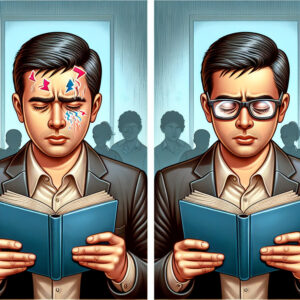
Clear Vision Ahead: Does Short Sightedness Improve With Age and How to Manage It
Clear Vision Ahead: Can Growing Older Help Your Myopia?
In our fast-paced world, the question “Can growing older improve my short sightedness?” is on many minds. If you’re one of the many who wonder if aging might naturally ease your myopia—or if there are other tricks to managing it—this guide is for you. We’ll delve into how myopia works, what role your genes and lifestyle might play, and how age-related changes can impact your eyes. With a background in managing hearing disorders and a real passion for eye care, I’m here to mix expert insights with the latest research. So, let’s explore together and get you one step closer to clearer vision.
What Is Short Sightedness?
You might have heard short sightedness called myopia, and that’s simply when your eyes have trouble focusing on distant objects. It’s usually caused by an eyeball that’s a tad too long or a cornea that’s a bit too curved, so light ends up focusing in front of your retina instead of right on it. The result? Blurry images when you’re looking far away, which can make everyday tasks—like reading street signs or picking out faces—challenging. Many of us first notice myopia as kids, but it doesn’t end there. Even as new treatments pop up, regular eye exams are a must to keep tabs on your vision and manage your condition effectively.
The Rising Concern: Myopia in Today’s World
Let’s face it—myopia is becoming a major health challenge all around the globe. Cases are rising across all age groups, especially among kids and teens. It’s not just down to heredity; our modern lifestyle, with lots of time spent on screens and less time outside, is making a big impact too. As we shuffle through our daily routines, questions about long-term vision health keep coming up. This article is here to bridge the gap between common worries and the latest scientific research, giving you the lowdown on what myopia means for you and whether it might change as you age.
Introduction to Age-Related Eye Changes
As we age, our bodies go through countless changes, and our eyes are no exception. Many wonder whether these shifts can actually help correct short sightedness over time. Typically, aging brings on changes like the lens stiffening or shifts in the vitreous humor, which can affect how well you see. It’s interesting—some older adults notice slight shifts in their vision that might make their myopia seem a bit less noticeable, while others keep struggling with the same level of short sightedness. Clearly, aging tweaks the eye’s characteristics, but it doesn’t always deliver a magic fix for myopia. We’re going to take a closer look at how these changes interact with myopia, backed by both established research and emerging trends.
Understanding the Mechanics of Myopia
Anatomy of the Eye and Focus Mechanism
The human eye is nothing short of amazing. Think of it like a tiny camera—its lens bends light so that it’s perfectly focused on the retina. In a healthy, well-tuned eye, light rays meet exactly at the retina, delivering a crystal-clear image. But in myopic eyes, the focus point falls in front of the retina, resulting in blurry images. This mismatch is often due to an eyeball that’s a bit too long or a cornea that’s overly curved. Knowing this helps us appreciate why things like glasses or contact lenses work and how modern techniques aim to counteract these visual hiccups.
The Role of Genetics and Environment
It’s fascinating how both your genes and your environment can drive the development of myopia. If myopia runs in your family, there’s a higher chance you might experience it too. But that’s not the whole story. Our current lifestyle—with long hours in front of screens, less time outdoors, and plenty of close-up tasks—also adds fuel to the myopic fire. It’s really a perfect storm of genetic predisposition and our everyday habits. This dual perspective helps us understand that while glasses, contacts, or even surgery can correct vision, a well-rounded management plan is crucial to take control of myopia.
Differentiating Myopia Types
Myopia isn’t a one-size-fits-all situation—it shows up in different flavors, varying in both how severe it is and how fast it progresses. Typically, we talk about low, moderate, and high myopia, which depends on the degree of refractive error. There’s also a split between school-age myopia, which kicks in during childhood or adolescence, and adult-onset myopia that can develop later in life. These differences matter because they can influence the treatment and monitoring approach. So, if you’re wondering, “Does my short sightedness improve with age?” remember that your experience might differ based on the type of myopia you have, making personalized advice from your eye care professional all the more important.
Examining the Question: Does Short Sightedness Improve With Age?
Reviewing Key Research Studies
Researchers have dug deep over several decades to see how myopia behaves as we age. Some studies hint that in early adulthood, changes in the lens and other eye structures might dial down myopia a bit—but these shifts are usually modest and can differ from person to person. Long-term studies show that while myopia often slows down as you age, really big improvements are pretty uncommon. Importantly, even if your myopia doesn’t get dramatically worse, aging eyes might still face other complications. The consensus? While certain age-related tweaks can temporarily change your refractive error, they don’t offer a universal fix for myopia.
Myth vs. Reality: Common Misconceptions
There’s a lot of chatter and many myths floating around when it comes to vision. One common idea is that myopia naturally gets better as you get older—a result of your lens hardening over time. But the reality is much more nuanced. Aging can also bring issues like presbyopia, where your lens struggles to focus on close objects, making matters even more complicated. This myth oversimplifies the complex changes happening in your eye, which is why it’s so important to rely on science-backed evidence when making decisions about your vision.
Factors Influencing Improvement Trends
Whether your myopia improves with age depends on a mix of factors. Sure, genetics play a major role, but so can your lifestyle. Reducing prolonged near work, managing overall health, and leading an active lifestyle might give you a slight edge. Some studies even suggest that easing up on close-up tasks and keeping health issues in check can help stabilize your vision. That said, any improvements are generally less about a miraculous reset and more about the benefits of diligent eye care.
Age-Related Changes in Vision
Natural Aging and Lens Flexibility
As we get older, our eye’s lens naturally loses some of its flexibility—a process known as presbyopia. This hardening means it can’t change shape as easily to focus on objects both near and far. Many find themselves struggling with reading small print or focusing on close details, which can sometimes be mistaken as an improvement in myopia when it really isn’t. The bottom line is that aging affects vision in complex ways. While you might see slight changes in your refractive error, they usually aren’t enough to really “fix” myopia. That’s why keeping up with regular eye check-ups is key.
How Aging Affects Myopia Progression
Generally, as you age, myopia doesn’t rocket on the same way it might have in your childhood or early adulthood. Once your eyes stop growing, the rapid changes tend to level off. However, factors like cataracts or other age-related issues might still blur your vision. It’s all about balance—while the rapid worsening of myopia may pause, new visual challenges can crop up with aging, making it important to monitor your eyes carefully.
The Impact of Lifestyle and Health
Your everyday habits play a huge role in keeping your eyes in tip-top shape, especially as you age. A nutritious diet full of antioxidants, omega-3s, and vitamins can bolster the health of your retina and lens. Regular exercise boosts blood flow, which benefits your eyes too. On the flip side, too much screen time and poor sleep can worsen eye strain and lead to more serious vision problems over time. While dramatic improvements in myopia with age are rare, a healthy lifestyle can definitely help manage your condition and keep your vision as clear as possible.
Effective Strategies for Managing Myopia
Regular Eye Exams and Monitoring
One of the best things you can do for your myopia is to stick to regular eye exams. These visits allow your eye care professional to catch and record any changes early on, tweaking your treatment plan as needed. Keeping a close eye (pun intended) on your vision is especially important as aging can bring unpredictable shifts to your eyes. Making a habit of regular visits not only protects your current vision but also builds a record that can help catch other eye issues before they become major problems. Staying proactive is truly the name of the game.
Optical Solutions: Glasses, Contacts, and Surgery
Today, you have plenty of options when it comes to managing myopia. Most people rely on prescription glasses or contact lenses to keep their vision in line. Advances in lens technology mean corrections are more comfortable and precise than ever. For some, refractive surgery like LASIK presents a more permanent solution, though it’s important to understand the risks and benefits before diving in. Each option has its perks, so consider your lifestyle, overall eye health, and personal goals when making a decision that best suits you.
Emerging Technological Advances
Eye care technology is constantly evolving, opening up new possibilities for managing—and even slowing—the progression of myopia. Recent research shows promising results with specialized contact lenses or even orthokeratology treatments that temporarily reshape the cornea overnight. Plus, digital imaging innovations now allow for earlier detection and more precise treatment adjustments, tailoring care to your unique needs. While these cutting-edge methods are still being fine-tuned, they offer a hopeful glimpse into a future where controlling myopia might become a bit more predictable.
Lifestyle Adjustments for Clear Vision Ahead
Diet and Nutrition for Eye Health
What you eat really matters when it comes to keeping your eyes healthy. A diet loaded with leafy greens, colorful vegetables, and foods rich in omega-3s can do wonders for the retina and the overall structure of your eyes. Nutrients like lutein, zeaxanthin, vitamin C, and vitamin E have proven benefits for eye health. By incorporating these foods into your daily routine, you’re giving your eyes a natural boost against the progression of myopia and other vision issues, setting the stage for clearer vision in the years to come.
Exercise and Its Benefits for Vision
Getting regular exercise isn’t just good for your waistline—it’s great for your eyes too! Physical activity helps improve blood circulation, ensuring that your eyes get the nutrients they need while removing waste products. Whether it’s a brisk walk, a session of yoga, or a swim, staying active can help ease the eye strain that comes from long hours at a desk. While exercise might not reverse myopia, its positive effects on overall health, circulation, and inflammation can really help your eyes stay resilient over time.
Preventative Practices and Daily Habits
Sometimes, it’s the little things that add up to big results. Simple habits—like taking regular breaks from screens, keeping your reading area well-lit, and maintaining a comfortable distance from what you’re reading—can make a world of difference in reducing eye strain. And don’t underestimate the power of spending time outdoors; natural light has been shown to have unexpected benefits, even helping slow down the progression of myopia in younger eyes. Incorporating these practices into your daily routine is a smart way to protect your vision long-term.
Future Perspectives on Managing Short Sightedness
Ongoing Research and Innovations
Looking to the future, research into myopia is buzzing with exciting possibilities. Scientists and clinicians are working together to develop new treatments, better diagnostic tools, and innovative interventions that could slow or even stabilize myopia progression. From gene therapy to new drug treatments, the clear goal is to improve quality of life for those living with short sightedness. Staying tuned to these developments isn’t just interesting—it might also give you insights into managing your own vision health down the road.
Holistic Approaches to Eye Health
More than ever, experts are endorsing a holistic approach to eye health. This means balancing modern medical treatments with natural, mindful practices that support the whole body. Whether it’s through nutritional guidance, stress management techniques, or even integrative therapies like acupuncture, a well-rounded care strategy can do wonders for your eyes. While traditional treatments are often essential, these complementary approaches add another layer of support, fostering overall wellness that benefits your vision in the long haul.
Encouraging a Balanced, Informed Approach
As we wrap up our deep dive into myopia and the idea of whether short sightedness improves with age, the key takeaway is to keep a balanced and informed approach to your eye care. The answer isn’t as simple as a yes or a no—understanding your condition in light of modern research and the natural changes that come with aging is empowering. Stick with regular eye exams, make smart lifestyle choices, and stay in the loop with the latest in vision care innovations. The aim isn’t just to manage your myopia, but to support your overall eye health so that every day, your vision gets clearer.
In the end, short sightedness usually won’t dramatically improve with age, but thanks to a range of treatments, ongoing research, and healthy lifestyle tweaks, you can still enjoy stable vision and a great quality of life. Remember that every individual is unique—what works for one person might need a little tweaking for another. The secret is staying proactive, seeking expert advice regularly, and looking after your overall health. With knowledge, care, and persistence, you can face the future confident that many options exist to preserve, and even enhance, your vision.
Keep in mind, clear vision isn’t just a happy accident—it’s the result of informed choices and dedicated care. Whether you’re just beginning to notice myopia or have been managing it for years, staying engaged with your eye health is absolutely crucial. With our ever-evolving understanding of the eye and the constant pace of technological breakthroughs, a future filled with clearer vision might be closer than you think.
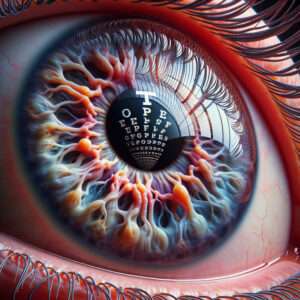
Exploring Eye Health: Does Short Sighted Improve With Age Over Time?
Diving into Eye Health: Does Myopia Really Get Better as You Get Older?
Unpacking Myopia: Can Age Help Improve Short Sightedness?
So, What Exactly Is Short Sightedness?
When we talk about short sightedness—more formally known as myopia—we’re referring to a condition where distant objects turn out fuzzy or out-of-focus. This happens because our eyes, rather than focusing images right on the retina, end up doing so in front of it. Kids often notice it first, but it’s not a static condition—it can change as we grow older. Sure, glasses, contacts, and even surgeries can help, but really getting a handle on how myopia evolves over time is key. This issue is pretty common, especially in busy city environments, and it’s influenced by both our genes and our lifestyles, which keeps eye care experts busy.
Beyond simply reaching for a pair of glasses or contacts, there are several strategies out there to manage this condition. Studies have shown that it’s not all down to genetics; what we do day-to-day—like long hours staring at screens and spending less time outdoors—also plays a big role. It’s a common belief that aging might naturally ease myopia, but things are rarely that straightforward. In some cases, subtle changes in the eye’s structure as we age can actually help stabilize or even slightly improve vision, though this isn’t a guaranteed fix for everyone.
Busting Myopia Myths
There’s a whole host of myths floating around about myopia. One of the big ones is the idea that myopia will just correct itself as you get older, which isn’t entirely true. Our eyes do change with age, but these changes rarely lead to a dramatic boost in distance vision. Instead, many folks end up undervaluing regular eye check-ups and preventive care. Managing myopia really calls for a balanced, proactive approach where lifestyle tweaks, corrective lenses, and—in some cases—medical treatments come together.
Another misconception is that once you get your prescription sorted, the job’s done. Not quite—the progression of short sightedness can vary a lot from one person to the next, meaning periodic check-ups are essential. There’s also often more hype around genetics than is warranted; our daily environment and habits have a significant say in how our vision changes. By debunking these myths, we’re reminded that customized treatment plans, overseen by professionals, make all the difference.
How Could Age Play a Role?
Age definitely influences how myopia develops, though it’s not a simple cause-and-effect scenario. As we age, our eyes undergo several natural changes—like the lens becoming less flexible—which can affect how we focus. Some research points out that once you hit a certain age, these changes might help keep myopia in check. But don’t be fooled; factors like overall eye health, nutrition, and lifestyle choices are always in the mix. This ongoing curiosity about how and why vision might seem to improve in older adults keeps scientists and eye care professionals on their toes.
It’s worth noting that while a handful of adults do report slight improvements in their myopia as they age, this isn’t a one-size-fits-all solution. Every eye is unique, and the dance between natural aging and corrective measures isn’t predictable. Often, what appears as an improvement may just be your eyes adapting to your glasses or contacts. Nonetheless, age remains a fascinating factor that continues to fuel research and lively debate among experts.
Aging and Your Eyes: Does My Vision Actually Improve with Time?
How Your Eyes Change as You Age
As the years go by, your eyes naturally undergo a transformation. For example, the lens inside your eye gradually stiffens—a process that can lead to other conditions like presbyopia, making it tougher to focus on close objects. At the same time, you might notice your eyes producing fewer tears, which could leave you with dry, uncomfortable eyes. Some experts think that these structural tweaks could actually help stabilize myopia to a minor degree. But here’s the kicker: even if one part of your eye health improves, another part might throw up new challenges. It’s all part of the complex journey of aging.
Even though the reduced flexibility might sometimes make myopia appear less severe, it doesn’t mean your overall vision is top-notch—older eyes can still struggle with clarity. That said, many adults adapt impressively well, which is a nod to the resilience of the human body. Regular check-ups from your eye care professional can help strike the right balance between these natural changes and the corrective steps you might need.
The Impact of Lifestyle Choices on Your Eyes
What you do every day matters—a lot—when it comes to your eye health. If you’re glued to your screen for hours or rarely step outside, you might find that your vision deteriorates a bit faster. On the flip side, those who manage stress, exercise regularly, and eat a balanced diet often enjoy better eye health overall. Especially as you age, making small lifestyle changes—like taking regular breaks from your computer or soaking up some natural sunlight—can make a noticeable difference in how your eyes hold up.
Embracing a healthier lifestyle isn’t just about looking good; it’s about keeping your vision sharp for the long haul. Simple things like regular eye exercises, staying hydrated, and possibly even adding nutritional supplements can boost the resilience of your eyes. The key idea here is that nurturing your eyes with good habits can help keep short sightedness from taking a toll on your everyday life.
Scientific Insights: Can Aging Really Ease Myopia?
A Quick Look at Clinical Studies
Countless clinical studies have explored the link between aging and myopia’s progression, and the conclusions are as varied as they are fascinating. Researchers have dug into long-term data to see if our eyes naturally settle into a steadier state as we get older. Some findings hint that after a certain age, changes in the eye might slow the progression of short sightedness—but they also highlight that results can differ greatly from one person to another. Factors like genetics, lifestyle, and even environmental exposure all play their parts.
While this research offers some valuable clues, it’s essential to look at the bigger picture. Many participants only see improvements in combination with vision correction and lifestyle modifications. This reminds us that aging is just one factor among many. Overall, the studies provide data points rather than a definitive answer on whether short sightedness improves with age—they simply fuel further inquiry.
Notable Findings from Recent Research
Some of the more intriguing recent studies show that after reaching middle age or later, a few people experience a stabilization—or even a slight improvement—in their distance vision. Researchers believe that the natural stiffening of the eye’s lens might actually reduce refractive errors for some. Moreover, when you compare groups of people with proactive eye care habits against others, the former often show a slower progression of myopia. It seems that a blend of clinical treatments and natural biological changes could be working together to produce these effects.
However, it’s important not to read too much into these findings. Variation in study designs and individual differences keeps the debate open, and there’s still a pressing need for more extensive, large-scale research to confirm these observations. Understanding these nuances can help both patients and clinicians make smarter, long-term decisions about eye care.
The Research Gaps and What We Still Need to Learn
Despite the progress in our understanding, there are still significant gaps. Many studies suffer from small sample sizes or focus on a narrow segment of the population, meaning they can’t always be applied broadly. The complex mix of genetic, lifestyle, and environmental factors makes it really hard to pin down one clear conclusion. Sure, some research hints that myopia might naturally stabilize or improve a little with age, but these results aren’t universal and vary from person to person.
Additionally, differences in study methods—like varying time frames or diagnostic criteria—can cloud the picture. What we really need are more comprehensive, multi-center studies involving diverse groups of people. Such research would help fill in the blanks and give us a clearer view of how aging affects myopia across the board.
Treatment and Intervention Options: Can Myopia Get Better Over Time?
Glasses, Contacts, and Even Surgeries
For those dealing with myopia, corrective lenses have long been the trusted solution. Glasses and contacts work by aligning light correctly onto the retina, making your vision sharper. Then there’s the option of refractive surgeries like LASIK, which can reshape the cornea and reduce, if not eliminate, your reliance on corrective eyewear. Of course, surgery isn’t the right move for everyone, and it’s important to have a candid discussion with your eye care specialist about the risks and rewards.
Interestingly, some research suggests that as you age, the corrective measures you need might change. Changes in your eye’s structure could mean you require a milder prescription over time. Still, how much improvement you see generally depends on the severity of your myopia to start with and how well your eyes adapt to treatments. Keeping a close dialogue with your doctor is key to ensuring any changes in your vision are managed properly.
The Cutting Edge: Emerging Eye Care Technologies
The world of eye care isn’t standing still—new technologies are constantly emerging, promising fresh ways to tackle myopia and other vision disorders. Consider orthokeratology, where specially designed contact lenses reshape your eye overnight, offering a temporary correction without surgery. Then there are innovative laser techniques and even intraocular lens implants that are changing the game in treating refractive errors. These breakthroughs give hope to those looking for alternatives beyond traditional glasses and contacts.
Many experts are excited about these advancements and their potential to provide more precise, personalized treatments. As the research continues to roll in, these innovative solutions are gradually finding their way into everyday clinical practice, always with patient safety in mind. Staying updated on these latest developments can empower you to make the best choices for your eye health.
Nutrition and Preventative Care: A Recipe for Better Eye Health?
How Diet Plays a Role in Keeping Your Eyes Sharp
Good nutrition is like a secret weapon for maintaining eye health. Foods loaded with antioxidants, vitamins, and omega-3 fatty acids are great for keeping your eyes in tip-top shape. Nutrients like vitamin A, vitamin C, and lutein especially work wonders for retinal health and might help slow down the progression of myopia. While no diet can magically fix short sightedness on its own, a nutrient-rich eating plan can give your eyes the extra protection they need against oxidative stress and inflammation—particularly as you age.
Adding a variety of colorful fruits and veggies, together with lean proteins and whole grains, isn’t just good for your waistline—it’s also a big plus for your vision. Simple tweaks to your diet, when paired with other eye health measures, can create an environment where your eyes are better equipped to handle the challenges of aging.
Everyday Habits and Exercises for Healthy Eyes
It turns out that a few everyday habits can go a long way in keeping your vision in check. Ever heard of the 20-20-20 rule? Every 20 minutes, take a 20-second break and look at something 20 feet away—it’s a simple yet powerful way to ease eye strain from long hours in front of screens. Additionally, activities like palming or a gentle eye massage can help boost blood circulation around your eyes. These small practices, when done regularly, might even help keep your myopia more in line.
Incorporating these habits into your daily routine doesn’t have to be a major upheaval—just little adjustments can add up into real benefits. Pair these efforts with good sleep, proper hydration, and a healthy diet, and you’ve got a well-rounded plan to keep your eyes feeling fresh and sharp. All in all, these everyday practices are a cornerstone of keeping your vision stable over time.
Tips to Prevent Further Deterioration
Preventative care really is about staying one step ahead. Simple measures like wearing sunglasses on sunny days, cutting down on screen time, and ensuring you have good lighting when you work can make a big difference. Experts also suggest taking regular breaks during tasks that require intense focus, which helps prevent overworking your eyes. These precautions can be particularly beneficial as you age, keeping your vision robust against everyday wear and tear.
Starting these measures early on can delay or even prevent rapid deterioration of your sight. Regular, proactive steps not only help slow the progression of myopia but also keep your vision crisp and comfortable for longer. A holistic approach, balancing lifestyle changes and professional advice, really does pay off.
The Importance of Routine Eye Exams
Don’t underestimate the power of regular eye check-ups, especially if you’re managing myopia. Scheduling your eye exams on an annual or bi-annual basis can catch changes in your vision early, giving you and your doctor plenty of time to make adjustments. These comprehensive exams go beyond updating your prescription—they assess the overall health of your retina, lens, and optic nerve. Early detection and intervention are your best defenses against worsening myopia and its complications.

Does Red Light Improve Eyesight: Debunking Myths and Uncovering Facts
Introduction: Can Red Light Really Improve Eyesight? Sorting Fact from Fiction
These days, our wellness world is buzzing with debates over whether red light can actually boost your eyesight. You may have heard about red light therapy—a non-invasive approach some folks swear by for better vision—and wondered if it’s the real deal. The big question on everyone’s mind seems to be, “Does red light improve eyesight?” With a swirl of hopeful claims and a lack of solid scientific agreement, it can get pretty confusing. In this article, we’re going to take a friendly dive into what red light therapy means for your eyes. We’re mixing up personal stories, emerging research, and plain old science to give you a balanced, down-to-earth look at how it all stacks up against other vision-improvement ideas.
Let’s face it, having trustworthy health info is gold, especially in a time when misinformation spreads faster than the latest tech gadget. Our goal here is to slice through all the noise and offer an honest, evidence-backed perspective—one that gives you real insights, expert opinions, and some practical tips along the way. We’re tackling the question, “Does red light improve eyesight?” hoping that by the end of it, you’ll feel more empowered with knowledge that’s easy to understand and apply. We’re here to bust some myths, separate fact from fiction, and chat about a topic that touches anyone eager to keep or improve their vision.
Red light therapy is making waves—not just for skin and muscle recovery, but also as a possible helper for your vision. That said, its rising popularity has also sparked some pretty off-base ideas that can muddy the waters. To really get to the bottom of things, it’s important to look at both those feel-good success stories and the hard data from clinical studies that dig deeper into how it might work. In the upcoming sections, we’re breaking down the basics of red light wavelengths, the mechanisms at work on the cellular level, and what experimental research tells us about the claims. Is there real merit here, or are we just catching a bright, misleading hype?
Stick with us as we move beyond simple Q&As to offer a more rounded picture. We’re blending practical advice with insights from seasoned eye care pros, all backed by solid clinical evidence where available. Rather than picking sides right away, we’re here to let you see all the facts so you can make informed decisions. We embrace the promising data where it exists, but we’re also quick to point out when claims might be stretching the truth. By the end of this read, our hope is that you’ll feel more confident navigating the ins and outs of red light’s impact on eyesight.
The Science Behind Red Light and Vision
To start, let’s talk about what red light actually is. It’s just a slice of the visible light spectrum—usually hanging out between 620 to 750 nanometers. This bit of light is known for getting a little further into your skin and tissues than other wavelengths. When it comes to eye health, researchers are exploring how red light might tickle our cells into action. Early research is looking at the mitochondria—the cellular powerhouses—and how red light might enhance cell repair and regeneration. While scientists are still piecing together the full picture, some preliminary studies hint at a positive regenerative effect, which is a key component of keeping our vision in check.
You see, our eyes, like every other part of us, are made up of cells that react to light in different ways. When those cells catch a dose of red light, they often kick off repair processes like boosting blood flow and ramping up their metabolism. There’s some buzz that these improvements might extend to retinal cells, potentially slowing down degenerative changes. But it’s worth noting that while cell-level improvements in labs are promising, translating these effects into clear, clinical improvements in vision is still very much up for debate.
Apart from stirring up cellular repair, red light is also being eyed (pun intended) for its potential to reduce inflammation and fend off oxidative stress—both of which are linked to various eye disorders. Some controlled experiments have shown that this therapy might create a more nurturing environment for cell recovery, but these results are just one piece of the puzzle. As more data rolls in, we’re hoping to see whether these anti-inflammatory effects really spell out significant benefits for human vision. The underlying science is as complex as it is intriguing, and while early results are exciting, we need more robust clinical proof before we can fully embrace these claims.
In a nutshell, the science suggests that red light interacts with our cells in pretty fascinating ways. Yet, bridging the gap from lab findings to long-term improvements in eyesight is a big ask that calls for cautious optimism. So, when you hear the question, “Does red light improve eyesight?” remember that it’s a puzzle still being put together, with each new study adding another piece, but a definitive picture is still a work in progress.
Looking at the Research: Does Red Light Improve Eyesight?
Diving into the world of red light research reveals a mix of promising lab experiments and a handful of clinical trials that leave us with more questions than answers. Over the past several years, studies have popped up exploring how red light might impact eye health. Some have reported encouraging signs—like better retinal health markers and boosted cell energy—but most of these studies were done in controlled lab settings with animals or cell cultures. That makes it tricky to say for sure how these benefits might play out in humans.
There have been a few clinical trials taking red light out of the lab and into more practical settings. They’ve looked at things like visual sharpness, contrast sensitivity, and retinal thickness. Sure, some trial participants have mentioned feeling an improvement in their vision, but these results aren’t universally seen across all studies. The mixed outcomes remind us that carefully designed long-term trials are needed to really nail down the practical benefits of red light therapy. Sometimes, the data signals measurable improvements, but the size and lasting impact of these changes remain under close scrutiny by scientists.
It’s also important to recognize that not every study sings the same tune. Some research has had trouble replicating initial positive results or suggested that any benefits might be due to placebo effects or even lifestyle tweaks. The promise of red light therapy is tantalizing since it’s a low-risk, non-invasive option, but we definitely need more well-structured, larger-scale studies before we can shout it from the rooftops as a definitive treatment for vision improvement.
So, while some research does line up with the idea that red light might offer a boost to your eyesight, the consensus right now is that we’re not quite there yet. As you mull over these studies, keep in mind the difference between controlled lab findings and what might happen in everyday life. The journey of red light therapy is still evolving, and only more extensive research will determine whether it’s a game-changer for vision enhancement or not.
Busting Myths: Sorting Out Misconceptions About Red Light and Eyesight
With all the buzz surrounding red light therapy, it’s no surprise that a few myths have popped up along the way. One big misconception is that just a bit of red light exposure will instantly sharpen your vision. It sounds great in theory, but when you think about how complex our biology really is, instant fixes are rarely the case. Genuine vision improvement, if it happens at all, takes time, consistency, and a deep understanding of the underlying processes.
Another myth floating around is that red light is some kind of magic cure-all, capable of reversing every type of vision problem. In reality, even if red light’s benefits are proven by future studies, they may only help certain conditions or at specific stages of eye aging. And let’s not forget that what works perfectly in a petri dish or in animal studies might not work the same way in humans. Though heartwarming personal stories on social media can boost your hopes, they can’t replace the need for detailed, peer-reviewed research.
Online forums and social media can often turn isolated success stories into “one-size-fits-all” solutions, leading to overhyped claims that overlook the nuances of science. It’s crucial to balance these anecdotes with rigorous clinical data and expert opinions. Think of it like weighing a single heartwarming story against a mountain of scientific data—it just doesn’t match up. Professional oversight and well-designed studies help clear the fog and are key to debunking these common myths.
In the end, challenging these misconceptions means taking a balanced approach that gives due credit to both hands-on research and the complexities of our health. While it’s tempting to latch on to sensational success stories, a savvy reader will note the difference between isolated cases and results that are scientifically reliable. Keeping your eyes on both detailed evidence and expert reviews is the best way to steer clear of misinformation in the world of red light therapy.
Comparing the Options: Red Light Therapy vs. Other Vision Improvement Methods
When you’re shopping around for ways to enhance your vision, it makes sense to pit red light therapy against more traditional options. Standard treatments like corrective lenses, surgery, and medications have been around for ages, backed by decades of reliable research and trusted by the medical community. Red light therapy, on the other hand, is the new kid on the block—a non-invasive method that’s slowly carving its own niche.
Besides surgical and pharmaceutical options, lifestyle tweaks and nutritional supplements have also earned praise for supporting eye health. Take antioxidants like lutein and zeaxanthin, for example—they’re known for helping stave off age-related macular degeneration, one of the big causes of vision loss. While red light therapy sounds appealing due to its drug-free and non-invasive nature, it still needs to prove itself against these more proven strategies.
Sometimes, mixing different approaches can yield better results than relying on a single method. Imagine combining red light therapy with a nutritious diet, protective eyewear, and regular check-ups—this integrated strategy might offer a more holistic path to preserving your vision. Each treatment has its own ups and downs: red light might be gentler and less invasive but could also take longer to show effects, unlike the more immediate results from corrective surgery. The takeaway is that red light therapy is promising, yet it’s best seen as a complementary tool rather than a one-stop wonder.
By comparing the different methods available, you can see that there’s no magic bullet for eye care. What works well for one person might not be ideal for another. Weighing the pros and cons of each approach helps you build a more personal and effective eye care plan, one that respects both the time-tested wisdom of traditional treatments and the exciting potential of new therapies like red light.
Opinions from the Pros: What Experts Say About Red Light and Eyesight
To really shed light on this topic, we asked a handful of respected ophthalmologists and vision experts for their take on red light therapy. Most agree that while early studies hint at beneficial cellular effects, translating these into solid clinical improvements for eyesight is still an open question. These professionals are calling for larger, more rigorous studies to confirm any benefits and to better understand the long-term impacts of red light exposure on eye health.
During panel discussions and interviews, many specialists pointed out that, at best, red light therapy should be seen as one more tool in the eye care toolkit. For mild cases of vision impairment, there might be some promise, but when it comes to more severe conditions—like advanced macular degeneration or diabetic retinopathy—the evidence is far from conclusive. Experts stress the need to pair red light therapy with other proven treatments, and importantly, to stick to established clinical guidelines. They also remind us that every patient is different, and a one-size-fits-all approach just doesn’t cut it in eye health.
Listening to the pros means recognizing the importance of personalized care. Most experts recommend getting a full, individualized eye exam before trying something new like red light therapy. With variables like the stage of a condition, genetic factors, and current medications all playing a part, professional guidance is key. Their overall message is one of cautious optimism—there’s potential here, but it’s vital to weigh emerging evidence alongside tried-and-tested treatments.
In summary, while red light therapy shows some intriguing potential as an adjunct treatment, the take-home message from the experts is clear: think of it as a promising supplement, not a miracle cure. The more informed your decisions are, the better off you’ll be when navigating the evolving landscape of eye care innovations.
Practical Tips and Safety Guidelines for Trying Red Light Therapy
If red light therapy is piquing your interest for possibly enhancing your vision, here are some down-to-earth tips and safety pointers to keep in mind. First off, always chat with an eye care professional before diving into something new. Even though red light therapy is generally low-risk and non-invasive, individual differences in eye health mean that a personalized approach might be necessary. Experts usually recommend starting slow—with short, controlled sessions—to see how your eyes respond.
Stick closely to the manufacturer’s guidelines when using red light devices. Overdoing it can lead to unintended side effects, so make sure you adhere to the recommended distances and exposure times. It’s a good idea to invest in a device that has received proper certification or has been thoroughly tested for safety. Keeping up with the latest clinical recommendations and research can also help you adjust your routine as needed, ensuring you’re making the safest choices for your vision.
A little record-keeping can go a long way too. Jot down the details of your sessions—how long you’ve been using the device, any improvements or changes you notice, and even any side effects. This log can be a real asset when discussing your progress with your doctor. Pairing red light therapy with other healthy habits like a balanced diet, regular eye exercises, and routine check-ups can create a holistic approach to eye care. After all, an ounce of prevention is worth a pound of cure.
If you have specific eye conditions or are particularly sensitive to light, extra caution is warranted. Adjust the intensity as needed and don’t hesitate to hit pause if you experience any discomfort. At the end of the day, your safety comes first. With these practical tips and precautions, you can explore the potential benefits of red light therapy while keeping your eyes—and overall health—in good shape.
Conclusion and Looking Ahead
So, after sifting through a mix of promising research, expert viewpoints, and practical advice, the age-old question “does red light improve eyesight?” remains partly open. While early studies suggest that red light might give our cells a little extra oomph for regeneration and reduce inflammation, we’re still waiting on more definitive, long-term research to give it the green light as a mainstream solution.
This deep dive into red light therapy has revealed both its potential upsides and the caution it requires. The cellular mechanics look intriguing, but more extensive, quality research is needed before we can wholeheartedly recommend red light therapy as a magic bullet for eye health. For now, consider it a promising addition to a comprehensive eye care routine—one that works best when combined with regular check-ups and other proven methods.
Looking ahead, researchers are gearing up to explore innovative combinations of red light therapy with established treatments. These future studies might well pave the way for a more integrated approach to vision care. Until then, if you’re curious about red light therapy, approach it with cautious optimism and make sure you’re informed by the latest evidence and the advice of trusted eye care professionals.

Does Reading Without Glasses Improve Eyesight? Expert Analysis on Eye Health and Habits
Introduction: Can Skipping Your Glasses While Reading Boost Your Eyesight? Let’s Dive In
Ever caught yourself wondering if ditching your glasses while reading might naturally sharpen your sight? Whether you’ve been rocking glasses for years or are just starting to become mindful about your eye health, this idea has gotten a lot of people talking. In this post, we’re rolling up our sleeves to sift through the science, debunk some age-old myths, and chat about everyday habits that could help keep your eyes in top shape. Our goal is to serve you a balanced look at whether leaving your glasses off when you read really makes a difference, all wrapped up in straightforward insights and expert advice. It’s a friendly, down-to-earth conversation that’s both enlightening and engaging.
To kick things off, let’s nail down the burning question: “Can reading without glasses actually improve your eyesight?” You might have seen this query pop up in online forums, health blogs, or even heard it mentioned by folks in the optics world. With a growing interest in natural health fixes and a longing for a glasses-free life, it’s no wonder this topic stokes debate. As we move forward, we’ll unpack the latest research, explore how much the body can really adapt on its own, and take a closer look at how your reading habits might affect your vision.
Breaking Down the Question: Can Reading Without Glasses Really Enhance Your Vision?
At its core, this question challenges the traditional view of vision correction. It suggests that by giving your eyes a break from glasses, you might somehow boost your natural sight over time. The idea is that letting your eyes work unguided could build up their strength or flexibility, potentially leading to clearer vision. But peel back the layers, and you’ll see that vision isn’t as simple as “more effort equals better eyesight.” The interplay between our eyes’ natural focusing ability and corrective measures is pretty complex. We’re here to explain what happens behind the scenes and point out where natural adaptation hits its limits, backed up by modern scientific insights.
It’s all too common for people to mix up short-term eye strain with long-lasting changes in vision. That’s why some choose to go without their glasses, hoping for a miracle improvement. To truly understand what’s going on, we need to consider genetics, the eye’s structure, and all the delicate biological processes that influence how well we see. We’ll help you cut through the hype with evidence-based insights, so you can decide what’s best for your eye health.
Setting the Stage: Eye Health and Busting Vision Myths
The world of eye care is full of old wives’ tales and myths—stories that have been passed down for generations. It’s not unusual to hear claims like “reading without glasses or doing eye exercises can boost your vision naturally.” While the idea is certainly appealing, especially if you’re tired of relying on glasses all the time, the science paints a more complicated picture. By viewing this topic in the broader context of overall eye health, we hope to clear up some misunderstandings and explain what really goes on with natural vision, including common issues like nearsightedness, farsightedness, and astigmatism.
In our screen-filled digital era, understanding how your eyes work is more important than ever. This isn’t just about a quick fix or short-lived clarity—it’s about embracing long-term habits that truly protect your vision. With new research emerging all the time, it’s a great moment to question conventional wisdom and get a fresh, scientifically sound perspective on eye care.
What the Research Really Says: Does Reading Without Glasses Improve Your Eyesight?
The scientific community has thrown a lot of attention on how our eyes manage near-work activities—think reading or staring at your phone—especially when done without your usual glasses. Studies consistently show that while your eyes might make a quick adjustment to focus, there’s no solid proof that skipping glasses can permanently improve your vision. Instead, your eyes simply activate a series of temporary mechanisms to manage visual stress, none of which amount to a lasting fix.
When you dive into the science of it all, you realize that the eye’s muscle work during close-up tasks is just its way of coping, not a built-in workout plan for better eyesight. Research shows that any small, short-term improvements in focus are fleeting and don’t really change the overall refractive error in your vision.
Vision Science 101: A Glimpse at How Our Eyes Work
To really grasp this conversation, it’s helpful to know a bit about how our eyes function. Think of your eye like a tiny camera with a lot of moving parts—the cornea, lens, retina, and even some hardworking muscles that help your eye get the picture. When you focus on something close, your ciliary muscles spring into action, thickening the lens to bring the image sharply into focus on your retina. Sure, persistent close-up activities might stress these muscles, but that doesn’t mean your eyes are “training” themselves to see better in the long run.
In the end, while your eyes are impressively capable of making daily adjustments, they’re mostly limited by anatomy and genetics. In other words, the notion that your eyes can magically “train” away the need for glasses is a bit of an oversimplification. The reality is that many key factors—like the eye’s shape and the health of its tissues—are largely predetermined, and only a small part of your daily habits can sway this balance.
Key Studies: What Happens When You Read Without Your Glasses?
Numerous clinical studies have looked at whether taking a break from your glasses during reading makes a difference. The verdict? Most research suggests that while you might notice a brief change in your focus, these shifts don’t add up to any lasting improvement. Researchers have monitored people as they read with and without their glasses, and the results usually show temporary blurriness or adjustment periods that quickly fade once normal corrective measures are restored.
One study even observed slight changes in the eye’s focusing power in the short term, but these adjustments didn’t hold up over time, especially after a period of rest. The takeaway here is clear: while your eyes do have some natural flexibility, it’s simply not enough to cancel out issues like myopia on its own.
How Your Eyes Handle Close-Up Work Without Glasses
When you skip your glasses while reading, your eyes are essentially forced to work overtime. The ciliary muscles need to do extra work to keep things in focus. But here’s the kicker: if you’re dealing with a refractive error, this extra effort can lead to eye strain, temporary blurriness, and sometimes even headaches. It’s like pushing your car’s engine hard for a short burst—it might kick in, but eventually, you’ll run into trouble if you keep overdoing it.
This extra muscle work is just an emergency response, not a sign that your vision is getting better. Over time, consistently ignoring your need for glasses may even lead to more noticeable discomfort. Experts agree that while the eye’s natural adjustment is fascinating, it’s not a magic cure for long-term vision issues.
Busting the Myths: Separating Fact from Fiction
There’s a lot of chatter about the myth that reading without glasses can “exercise” your eyes, much like lifting weights builds muscle. But realistically, the eye’s natural adaptation has its limits. Sure, you might experience a brief period of improved focus, but that’s typically just a temporary, neural adjustment rather than any real structural change in the eye. Relying on this “natural workout” instead of proper corrective measures can actually do more harm than good.
Many of these myths stem from personal anecdotes and a misunderstanding of how our eyes really work. The occasional feeling of clarity is more about short-term adaptation than permanent change. And if it leads to overstrain, you could end up with even more problems down the line. It all boils down to the importance of distinguishing between anecdotal wisdom and hard scientific evidence.
Common Misconceptions: Resting Your Eyes Means Strengthening Them?
A popular but misguided belief is that skipping your glasses gives your eyes a kind of “break” that makes them stronger—almost like letting a muscle rest so it can bounce back better. But the truth is, our eyes don’t really operate like our biceps. While you might feel like you’re getting a bit of a workout, the focusing muscles don’t build strength in the same way our limbs do. Genetics plays a huge role in how our eyes are built and how they function, so a brief clarity boost is no substitute for proper vision correction.
This kind of thinking can sometimes lead people to adopt risky habits, exposing themselves to unnecessary eye strain. Rather than helping, these practices might worsen issues like digital eye fatigue or speed up myopia progression. The consensus from scientists? Any short-term gains are just that—short-lived, and not a viable long-term strategy.
Expert Take: The Limits of Natural Vision Adaptation
Experts in optometry and vision science consistently stress that our eyes’ natural ability to adapt is both impressive and limited. Sure, they adjust quickly to various tasks, but they aren’t built to “exercise” away conditions like nearsightedness or farsightedness. When it comes to improving vision, professional solutions—whether that’s glasses, contacts, or even surgery—are usually the way to go. Even if some folks swear by natural adjustments, the fact remains that these responses are more of a temporary fix than a permanent solution.
Most eye care professionals advise that relying entirely on natural accommodation is a bit of a gamble. Regular eye exams and proper corrective measures are key to keeping your vision sharp without overburdening your eyes, which can lead to headaches and other discomforts.
Genetics vs. Habit: What Really Shapes Your Eye Health?
When it comes to eye health, both genetics and your daily habits play important roles. Your genes largely decide the structure of your eye, which predisposes you to conditions like myopia, hyperopia, or astigmatism. Meanwhile, the habits you form—like reading without glasses—can influence how your eyes perform in the short term. However, these habits don’t rewrite your genetic blueprint, so while they might tweak the way you see temporarily, they aren’t a magic bullet for long-term vision correction.
Understanding this balance is crucial for debunking the myth of naturally “training” your eyes to see better. The best strategy remains a healthy mix of proper eye care, scheduled check-ups, and balanced reading or screen time habits.
How Does Reading Without Glasses Really Affect Your Eyes?
To get to the bottom of the debate, it helps to know a little about the physiology of your eyes. Essentially, when you focus on something close, your ciliary muscles contract, reshaping the lens to get a clear picture on the retina. When you read without your glasses, these muscles are forced to work even harder. While this might seem like a beneficial exercise, it’s really just your eye’s way of compensating for a refractive error. The extra effort is more a sign of your eyes trying to cope rather than a sign they’re getting stronger.
If you consistently ignore your prescribed corrective measures, you might actually set yourself up for chronic strain and fatigue. That extra work can lead to a vicious cycle of temporary clarity followed by fatigue, which reinforces the scientific consensus: your eyes’ natural accommodation isn’t a substitute for appropriate vision correction.
Understanding the Mechanics: How Focusing Works
Focusing, or accommodation, is your eye’s way of adjusting to see objects at various distances. In simple terms, the lens changes shape when your ciliary muscles contract, allowing you to see things clearly up close. This process is vital, but if you’re already struggling with a refractive error, it can easily tip into discomfort or overexertion. Think of it like trying to run a marathon without proper training—you might push through for a bit, but eventually, your body (or in this case, your eyes) will protest.
Over prolonged periods, that extra strain can lead to symptoms like blurred vision or headaches, as your eyes simply aren’t designed to handle that level of constant overcompensation. Ultimately, while your eyes can do a bit of extra work in the short term, it’s not a plan for long-term improvement.
Visual Stress: When Your Eyes Just Need a Break
Visual stress is more than just an annoying inconvenience—it’s a genuine response to prolonged, intensive near tasks like reading without glasses. When your ciliary muscles are overworked, they can become fatigued, leading to headaches, eye strain, and even a dip in productivity. Although these symptoms often fade after resting, if the cycle continues unchecked, you might find yourself facing bigger issues down the road.
Experts recommend listening to your body. If you start to notice persistent blurriness or discomfort, it might be time to give your eyes a break and stick with your prescribed corrective measures. After all, keeping your eyes happy and healthy should always be a top priority.
What the Evidence Shows: A Critical Review
When you take a deep dive into the research on reading without glasses, the story is pretty consistent: you might get a temporary adjustment in focus, but there’s no convincing evidence that it leads to lasting improvement. Clinical studies repeatedly show that while your eyes can momentarily adapt, these fleeting responses don’t address the underlying refractive issues. In fact, trying to “train” your eyes by avoiding glasses might just ramp up eye strain and discomfort over time.
This is why the advice is clear-cut: trust professional guidance rather than self-imposed eye training. The scientific proofs are in—if you need vision correction, there’s no substitute for proven treatments like glasses or contacts.
Summing It All Up: What Do Clinical Studies Say?
After sifting through years of research, one thing stands out: using reading without glasses as a way to improve your vision isn’t supported by solid evidence. Studies show that any changes in ocular accommodation are temporary and don’t provide a long-lasting fix to refractive errors. Sure, your eyes might put in a little extra effort for a short spell—but in the long run, this method simply doesn’t stack up against proper corrective measures.
In short, if you’re serious about maintaining great vision, it’s best to stick with a balanced plan that includes regular eye exams, the right corrective lenses when needed, and sensible reading habits. Your eyes will thank you in the long run.

Unlocking the Benefits of Literature: Does Reading Strengthen Your Eyes?
Introduction: Does Reading Strengthen Your Eyes?
Have you ever caught yourself wondering, “Can reading actually give my eyes a little boost?” It’s a question that’s sparked curiosity among book lovers and scientists alike. Sure, we often think that reading just tires our eyes out, but maybe there’s more to it. From ancient scrolls to today’s e-books, the way reading affects eye health has evolved, nudging us to take another look at how our daily habits could be doing more than just sparking our imagination.
Diving Into the Question: At first blush, the idea of reading strengthening your eyes might sound a bit out there. After all, reading is all about soaking in stories and ideas, not exactly a gym session for your eyeballs. Yet, when you dig a little deeper, you start to see that there’s a fascinating interplay between our mental focus and eye movements. Could it be that the simple act of deciphering text is working those eye muscles? This question opens up a lively chat about how our brains and eyes partner up, not only for understanding stories but maybe even giving our vision a tiny workout.
A Glimpse at History: If you roll back the pages of history, you’ll find that even scholars and early eye doctors had mixed views on how reading affects our sight. Picture medieval scribes squinting by lamplight for long hours, debating whether the constant focus was a blessing or a curse for their eyes. Some believed that this close-up focus helped the eyes get used to near work, while others warned it could lead to tired or worsening vision. These early debates add an extra layer to today’s discussions, blending old-world wisdom with modern science.
Kicking Off Our Discussion: As we embark on this journey to figure out if reading is a secret workout for your eyes, it’s important to mix a pinch of tradition with a dollop of modern research. We’re going to look at recent studies, chat about how visual activities engage your eye muscles, and sprinkle in some real-life stories from devoted readers. This isn’t just about busting myths—it’s about exploring the intricate relationship between our minds, our love of literature, and our vision, even if the benefits might be subtle.
The Science Behind It: Does Reading Strengthen Your Eyes?
When scientists get their hands on the question “does reading strengthen your eyes?” they really start to look at how our eye muscles respond to long bouts of visual focus. While reading might not exactly double as an intense eye workout, think of it more like a gentle exercise. Focusing on words, shifting your gaze from one line to the next, and even glancing around the margins all put your eyes through a series of little movements—kind of like a light cardio session, but for your ocular system.
How Reading Gets Your Eye Muscles Moving: Every time you flip a page, your eyes kick into gear. They’re constantly adjusting—from sliding smoothly over text to darting off to catch a detail here or there. This constant dance can be compared to the way physical exercise keeps our muscles agile. Sure, it’s not as dramatic as a dedicated eye workout, but this steady action hints that regular reading—especially when mixed with breaks—might just help your eyes stay coordinated.
The Brain-Eye Connection: There’s more than just muscle work happening when you read. Every time you get lost in a book, your brain teams up with your eyes in a seamless, behind-the-scenes choreography. This partnership helps you piece together words and images, sharpening both your comprehension and the fine-tuning of your visual processing. While it’s mostly a mental workout, this neural stimulation can also contribute to better visual responsiveness.
What Recent Research Says: Modern studies have started to explore the links between extended periods of focus, like reading, and overall eye health. Some evidence suggests that integrating tasks which require deep concentration with occasional shifts in focus might help reduce eye strain and improve visual accommodation—essentially how your eyes adjust to different distances. Though we’re still piecing together the full picture, this research invites us to see our reading habits in a new light.
The Perks of Literature for Your Eyes
When pondering if reading might strengthen your eyes, it’s helpful to think of literature as a real multi-tasker. Sure, reading is brilliant for sparking creativity and expanding your mind, but it also demands that your eyes and brain work together in harmony. Getting absorbed in a good story means your eyes are constantly shifting focus and honing in on details—a routine that can gently exercise your visual coordination without you even noticing.
Mind and Eye in Sync: Reading is a bit like a two-for-one deal. As you process text, your eyes’re busy adjusting and refocusing, which keeps them nimble. This synergy can sharpen not just mental focus but also visual agility over time. Whether you’re lost in a timeless novel or browsing a quirky blog, the act of reading keeps both your brain and your eyes on their toes.
A Gentle Eye Coordination Routine: Think of traditional eye exercises—like switching your focus between near and far points—as targeted workouts for your vision. Reading offers a more natural version of this. While it might not replace a full-blown eye exercise session, the regular shifts in focus when you’re reading can provide a welcome, low-key boost to your eye-muscle coordination.
Where Mind Meets Vision: There’s something truly captivating about the way a gripping book pulls together your mental and visual faculties. The interplay is a reminder that maintaining overall health isn’t just about one part of the body—it’s a holistic dance where both mind and eyes play their part. And that’s why seemingly simple activities like reading can be a quiet champion for a balanced lifestyle.
Busting Myths: Does Reading Really Strengthen Your Eyes?
Over time, a few misconceptions have crept into the conversation about reading and eye health. Some folks swear that reading—especially in dim light or without proper breaks—can actually hurt your eyes. Yet, when you look closer at the research, the picture is much more balanced. In this part, we’re going to tackle those myths head-on, looking at what really happens during reading versus what some traditional eye exercises offer.
Myth vs. Reality: One common myth is that reading in low light or for long stretches without a pause permanently damages your eyes. Sure, these habits can make your eyes feel tired and strained for a while, but with good practices in place, they’re unlikely to cause lasting harm. Similarly, saying that the effort put into reading automatically strengthens your eye muscles isn’t entirely spot-on. It turns out that while sustained focus aids in maintaining coordination, it’s not a substitute for specifically designed eye exercises.
Reading vs. Traditional Workouts: Traditional eye exercises, like tracking moving objects or focusing at varying distances, are designed with one goal: to boost your ocular agility. Reading, on the other hand, is more of an intellectual pursuit that incidentally involves your eye muscles. That said, the subtle adjustments your eyes make while reading can offer a kind of low-intensity exercise. It’s a neat complement to other eye care routines, even if it doesn’t replace them.
Looking at the Evidence: When you weigh the claims, the evidence is a bit mixed but overall encouraging. Some studies hint that regular, visually demanding activities might help keep your eye muscles responsive. On the flip side, too much screen time or reading in poor conditions can ramp up eye strain. The takeaway? Balance is key, and reading is best enjoyed as part of a broader, eye-friendly regimen.
Blending Reading with Eye-Care Routines
Mixing your love for a good book with smart eye care can be a real game-changer. While reading offers both a mental treat and a subtle exercise for your eyes, the real magic happens when you combine it with some tried-and-true eye-care habits. Think regular breaks, proper lighting, and a few eye exercises tailored to relax those hardworking muscles.
Mix It Up for Better Vision: For anyone wondering if reading does wonders for your eyes, here’s a handy tip—blend your reading time with classic visual exercises. Ever heard of the 20-20-20 rule? Every 20 minutes, take a 20-second break and glance at something 20 feet away. Little adjustments like these help balance out prolonged focus, giving your eyes a much-needed breather.
Practical Tips for Eye-Friendly Reading: If you love diving into a novel or scrolling through online content, make sure you’re doing it in the best conditions possible. Good lighting, comfortable font sizes, and occasional changes in reading position can make a big difference. Plus, a healthy posture doesn’t just benefit your back—it can help ease tension around your eyes too.
Expert Advice for a Holistic Approach: Eye care specialists aren’t shy about recommending a well-rounded approach to maintaining good vision. They suggest that while reading is fantastic for your brain, pairing it with nutritious food, proper sleep, and regular eye check-ups creates the best recipe for strong eyes. For those who experience persistent discomfort, advanced training techniques might even be on the table.
Real-Life Stories: Does Reading Strengthen Your Eyes?
Sometimes the most convincing insights come from real-world experience. Many book lovers share how their daily reading rituals have led to fewer episodes of eye strain and a generally more comfortable vision. These personal tales, though diverse, weave together the idea that a steady reading habit may well be part of a broader approach to keeping your eyes in shape.
Stories From Fellow Readers: Imagine hearing from someone who swears by their nightly reading ritual, claiming it’s helped reduce that all-too-common eye discomfort. Or another reader who’s found that taking regular mindfulness breaks during long sessions has kept those pesky post-reading headaches at bay. These anecdotes, while individual, add an inspiring touch to the conversation about reading and eye health.
Community Wisdom on Vision Care: Beyond isolated stories, there’s a growing community of readers swapping tips on how to make their reading routines as eye-friendly as possible. Simple habits like adjusting the brightness of your screen, switching up your reading environment, or incorporating a mix of close and distant viewing have made a noticeable difference for many. These shared experiences reinforce the idea that a balanced approach can bring both mental joy and visual comfort.
The Power of Consistency: The key seems to be consistency. Readers that make a point to include breaks and vary their reading settings often find that their eyes feel less strained throughout the day. This steady practice of mindful eye care, woven seamlessly into daily reading habits, is what helps maintain a healthy level of visual coordination over time.
Conclusion: Unlocking Eye Benefits Through a Love of Reading
To wrap it all up, the question of whether reading strengthens your eyes opens the door to a broader exploration of how our daily habits affect both mind and body. While the primary benefit of reading is undoubtedly a richer, sharper intellect, its demand for focus does offer your eyes a gentle nudge, keeping them agile and coordinated. Historical insights, modern research, and real-life stories all hint at the subtle yet meaningful impact that a balanced reading routine can have on visual health.
Looking ahead, more studies might shed further light on just how intertwined our love of literature and eye care really is. As our lifestyles evolve, blending digital reading with traditional books, along with regular eye exercises, could be the secret sauce to maintaining clear, vibrant vision. So next time you curl up with that favorite book, remember—you’re feeding both your mind and perhaps even giving your eyes a little workout.
In the end, while reading alone might not be a miracle cure for eye issues, its role in a comprehensive eye-care routine is definitely worth celebrating. Embracing a mindful reading habit, paired with practical eye exercises and smart lifestyle choices, can keep both your imagination and your vision in tip-top shape.

From Pages to Clarity: Does Reading Improve Vision and Support Long-Term Eye Wellness?
Introduction: The Connection Between Reading and Vision
Ever caught yourself wondering, “Can reading actually improve my vision?” It might sound a bit out there at first, but it’s a question that sparks both curiosity and hope among book lovers, professionals, and anyone eager to give their eyes a little extra care. In this discussion, we’re going to explore the intriguing link between immersing in a good book—or even scrolling through digital text—and nurturing our eye health over the long haul. From the old-school charm of printed pages to the modern buzz of e-readers, we’re diving into how this everyday activity might just play a role in keeping your vision sharp.
It’s fascinating how the way we read has transformed over the years. Not too long ago, our eyes were mostly fixated on printed words, but now digital devices have taken over, stirring up both excitement and a few concerns about what all that screen time might mean for our vision. Whether it’s the feel of turning a page or the glow of a screen, every method of reading raises the question: could regular focused sessions actually enhance our eye function? As we peel back the layers on this topic, we’ll survey everything from cutting-edge research to age-old observations to get a clearer picture of what reading might do for your sight.
When we talk about vision health, clarity is king. But clarity isn’t just about seeing things sharp—it’s also about how comfortable you feel during long reading sessions. Tweaking your reading habits might be a small shift that leads to better, long-lasting visual function. In this blog, we mix in scientific tidbits, handy advice, and the kind of expert insights that help us ask: Can a good book really do more than just feed your brain, maybe even giving your eyes a boost along the way?
The Science Behind Reading and Vision Improvement
You might wonder if reading improves vision simply through visual stimulation. The science suggests it’s not that far-fetched. Our eyes are remarkably dynamic, thriving on varied and regular exercise. When you read, there’s a finely tuned dance between your eyes and brain—a dance that might just give your ocular muscles a bit of a workout, subtly improving your focus. Studies hint that the neural pathways firing up during those deep-dive reading sessions might help fine-tune your visual processing, essentially strengthening that brain-eye connection. So every time you flip a page or tap on your screen, your eyes are busily adjusting the focus, which can, over time, help keep them in top shape.
When we peek under the hood of our brain’s workings, we see that it’s constantly busy decoding the messages sent by our eyes. Engaging with a gripping narrative activates several parts of your brain, from language hubs to areas handling spatial awareness. This mental workout might just pay off by improving your eye-hand coordination and even sharpening your vision with time. While it’s a bit of a complex relationship, emerging research seems to suggest that reading—as long as it’s done mindfully—could play a part in keeping your vision crisp.
Then there’s the fact that when you really focus on what you’re reading, your eyes go through all kinds of adjustments. Shifting focus across different levels of text is like a mini exercise for your eye muscles, which can help mitigate the natural decline that happens with age. Just as regular physical workouts keep your body fit, your eyes too can benefit from consistent mental and visual exercise. Although scientists are still piecing together all the details, a growing number of experts agree that mindful reading might be one way to maintain good ocular performance as the years go by.
Techniques for Enhancing Eye Health While Reading
A lot of us have heard that good posture is key—after all, it doesn’t just ward off neck and back pain but can also ease eye strain. Whether it’s in a cozy nook or the hustle of a coffee shop, setting yourself up with a comfy, well-organized space allows your eyes (and body) to be in harmony. Keeping a comfortable distance from your reading material, aligning your screen just right, and supporting your back can actually make a noticeable difference. That tiny tweak in your routine might translate into clearer vision and less strain over the long run.
Lighting makes all the difference, too. A well-lit spot, be it with natural sunshine or soft artificial light, helps reduce the stark contrast between text and background, meaning your eyes don’t have to work overtime. The right lighting can spare your retinas from unnecessary stress while you get lost in your favorite chapter. Balancing brightness, cutting down on glare, and crafting an ambient setup can work wonders—enhancing the little benefits that a good reading session brings to your eye health.
These days, we juggle between digital screens and traditional paper, and each has its quirks. Digital devices, for example, can emit blue light that might tire your eyes out after too much exposure. Thankfully, many gadgets now include features like “night mode” or blue light filters to help ease this transition from screen to sleep. On the flip side, reading from a physical book can minimize digital eye strain, though it still calls for good lighting to keep things comfortable. Mixing in both digital and traditional reading can create a well-rounded approach that maximizes benefits for your vision.
Research and Clinical Perspectives: Does Reading Improve Vision?
The research scene about reading and vision is as varied as a well-stocked library. While some studies hint that the repetitive motions of reading can lend a slight boost to ocular performance, there are also cautionary tales about too much screen time. Yet, when it comes to moderate, mindful reading, emerging studies seem to support the idea that it might just help maintain—and even enhance—visual clarity, however modestly. Looking at these clinical perspectives, you can start to see how daily reading might contribute to overall eye wellness.
There’s also some interesting back-and-forth when comparing reading to other visual hobbies. Think puzzles, drawing, or even computer games—each stirs your eyes in unique ways. For example, reading demands constant tracking and regular focal shifts, while other activities don’t always require that same level of precision. So, while reading might not be a one-stop solution for all vision issues, it clearly holds its own as an essential part of a broad visual exercise regimen to keep your eyes active and engaged.
A further twist to consider is the long-term view. There isn’t a magic bullet answer to “Does reading improve vision?” yet studies do suggest that a routine filled with dedicated reading—as part of an all-around healthy lifestyle—can help fend off some age-related vision issues. Long-term studies tend to agree that the mental and visual engagement from reading acts as a bit of a guardian for your eyes. Though there’s still more to uncover, the current evidence gives a nod to the idea that regular, mindful reading might just be a secret ingredient for long-term ocular upkeep.
Expert Opinions and Professional Recommendations
Ask a top ophthalmologist or any seasoned vision care expert, and you’re likely to hear that “reading” isn’t the sole cure for vision woes—but it’s a valuable component in a holistic approach to eye health. The consensus is clear: while reading shouldn’t replace routine eye exams or proper treatments for vision issues, it definitely acts as a beneficial exercise that complements conventional care. Aside from mental stimulation, reading also boosts eye-hand coordination and offers a welcome break to relax your eyes.
Experts in holistic wellness emphasize that reading shines brightest when it’s part of a balanced lifestyle. Whether you’re a student, busy professional, or enjoying your golden years, pairing reading with regular exercise, a nutritious diet, and timely check-ups is key. It’s all about creating a routine where every element—from physical activity to mental rest—works together to help maintain your vision.
Consider some daily tips, too. Many pros suggest the 20-20-20 rule: every 20 minutes of reading, take a 20-second break to look at something 20 feet away. This simple habit gives your eye muscles a quick reset, reducing strain and assisting rapid recovery. Add in some gentle eye exercises or even a few rotational moves to boost blood flow around your eyes, and you’re setting up a daily routine that supports both your mind and vision.
Debunking Myths and Misconceptions
When it comes to the question “Does reading improve vision?” it’s crucial to separate fact from fiction. One persistent myth is that reading can magically reverse bad eyesight or make glasses obsolete. The truth? While reading does work your eye muscles and gives them a bit of a workout, it isn’t a cure-all or a substitute for proper eye care. Yes, a bit of improvement in focus and coordination might happen, but don’t expect a dramatic overhaul of your vision.
Another misconception is that digital reading is invariably harsher on your eyes than printed pages. Sure, the blue light from screens has raised some eyebrows, but modern devices now come with features to help cut down on that strain. Whether you’re on a screen or reading good old paper, moderation is key—paired with the right breaks and lighting, your eyes can benefit without any major drawbacks.
At the end of the day, the real benefits of reading for eye health require a balanced view. Sure, it nourishes your brain and offers a sprinkle of visual exercise, but it’s best seen as one gear in a well-oiled machine of overall eye care—not as a miracle fix on its own.
Integrating Reading into a Comprehensive Eye Care Routine
It’s easy to get tunnel vision on the idea of reading improving vision, but the real win comes when you blend it with regular check-ups and professional care. Routine eye examinations are still the gold standard for spotting and managing potential issues. When you mix in habitual reading with smart dietary choices, physical activity, and preventive eye care, you’re supporting your vision from all sides.
Building a lifestyle that champions eye health might seem like a tall order, but it really starts with little habits. It’s not just about reading; it’s also about staying active, eating a balanced diet rich in vitamins and minerals, and getting your eyes checked regularly. Simple changes—like keeping your posture right, taking breaks, and setting up a good reading environment—combined with periodic professional advice, can collectively nurture your vision for the long run.
So whether you’re getting lost in a riveting novel or simply catching up on some articles, each page you turn isn’t just feeding your mind—it could be lending a helping hand to your eyes, too. Think of reading as a fun, everyday way to give your vision that extra boost when it’s part of a complete and thoughtful lifestyle.
Conclusion: The Journey from Pages to Clarity
To wrap it up, asking “Does reading improve vision?” opens up a whole world of insights. While reading might not be a magic cure for every eye problem, it can definitely lend a supportive hand in keeping your eyes healthy—especially when combined with smart habits like proper posture, regular check-ups, and a balanced lifestyle. Beyond just feeding your curiosity, diving into a good book may also gently stimulate your eye muscles and neural connections, potentially sharpening your focus over time.
By blending the joy of reading with scientifically backed tips and expert advice, you can craft a robust strategy for long-lasting eye health. Whether you’re embracing the digital age or treasuring the feel of paper, remember that a mindful, well-rounded approach to reading is one of many ways to nurture your vision. So keep turning those pages, and know that every chapter might just be a small step toward a clearer, brighter future for your eyes.

Does Reading Improve Eyesight? What Researchers and Experts Want You to Know
Introduction: Does Reading Improve Eyesight? What We Need to Know
In our fast-moving world, many of us are always on the lookout for easy lifestyle tweaks that might boost our overall well-being. One burning question that pops up is: does reading improve eyesight? This topic sparks a fair bit of debate—some swear that reading gives your eyes a good workout, while others warn that it might actually cause strain over time. Here, we’re diving into the nitty-gritty of these claims, blending solid research with everyday tips. Whether you’re a bookworm or just curious about looking after your vision, this chat is here to give you evidence-based insights in a relaxed, friendly way.
The question of whether reading helps or hurts our eyesight isn’t just academic—it touches on real parts of our daily lives. Lots of people care deeply about protecting their vision because it affects everything from daily productivity to long-term health. As we explore this topic, we’ll look at various viewpoints: scientific studies, insights from eye care pros, and even opinions from audiologists who see sensory health as all one big picture. Each perspective adds a piece to the puzzle of how reading might influence our visual health.
Before we jump into the detailed findings and professional advice, it’s worth remembering that the connection between reading and eye health isn’t a one-size-fits-all situation. Here’s a preview of the latest research—from carefully controlled studies to everyday observations—that helps shed light on the issue. We’ll break down the methods behind these studies, discuss their limitations, and translate the techy details into plain language. By the time you finish reading, you’ll have a clear grasp of what the research says, what the experts recommend, and some practical tips for making reading a healthy part of your day.
Scientific Insights: Does Reading Improve Eyesight – The Research Explained
Scientists have long been curious about how different activities affect our eyes, and the question “does reading improve eyesight” has inspired numerous studies over the years. Some research has tried to measure changes in things like visual clarity and eye muscle flexibility during and after reading sessions. These experiments, often conducted in controlled settings, have participants dive into some serious reading before undergoing detailed vision tests. While not all the results are crystal clear, a few key points have emerged: reading might not directly sharpen your eyes, but it can boost visual endurance and make you more aware of eye strain, nudging you towards better eye care habits.
Understanding how these studies work is key to making sense of their findings. Typically, researchers start by recording participants’ baseline vision and then set them up for various reading exercises—using everything from printed pages to digital screens—to see how their eyes respond. The gold standard is the randomized controlled trial, but many of these studies rely on self-reported experiences and observational insights, which can sometimes muddy the waters. Still, by looking at these methods, we can get a better sense of how the results match up with our everyday experiences.
It’s important to remember that these studies come with plenty of caveats. Factors like age, pre-existing vision issues, lighting conditions, and even the font size on your screen all play a role in the outcomes. While some research points to minor improvements in things like focusing speed, these tweaks don’t necessarily add up to overall better eyesight. By keeping these limitations in mind, you can see why the bold claims of “reading improves eyesight” should be taken with a pinch of salt.
Expert Opinions: Does Reading Improve Eyesight? Voices from Professionals
When people ask if reading improves eyesight, eye care experts have a lot to say. Many optometrists caution against oversimplifying the issue. They tend to agree that while reading keeps your eyes actively engaged—which can help with coordination and focus—it’s only one piece of the larger eye care puzzle. For example, many advise regular eye exams, ensuring good lighting, and taking periodic breaks during long reading sessions to prevent strain. Their down-to-earth advice reminds us that good vision is more about overall habits than any one single activity.
Interestingly, even some audiologists—whose main focus is on hearing—chime in with useful insights on sensory health. They often stress that keeping all our senses active, including reading and listening, can boost cognitive function and overall well-being. Their point is that reading might indirectly support a healthy nervous system by promoting balanced sensory stimulation. So, while reading itself isn’t a magic cure for eye problems, it does fit into a broader picture of overall health and wellness.
What also matters is translating these scientific findings into everyday life. While studies may show small changes in certain visual functions, the experts are quick to say that real improvements in eyesight are more likely the result of comprehensive lifestyle choices. A balanced approach—including good reading habits and routine eye check-ups—seems to offer the best way forward for maintaining healthy vision.
Lifestyle Factors: Does Reading Improve Eyesight Through Daily Habits?
In our digital age, almost everyone spends long periods reading—whether it’s a physical book or staring at a screen. This raises a natural concern: can prolonged reading actually harm our vision? While the answer to “does reading improve eyesight” isn’t black and white, how you incorporate reading into your day can definitely impact your eye health. By adopting smart reading habits, you can enjoy all the brain-boosting benefits of reading without ramping up the risk of eye strain. Think good lighting, keeping the text at a comfy distance, and opting for high-contrast settings to cut down on the strain.
Your reading environment plays a huge role too. Adjust your chair, desk, and even the angle of your reading material to boost comfort and reduce eye fatigue. For instance, holding your book at eye level instead of craning your neck can lighten the load on your eyes, and if you’re hitting digital pages, features like night mode or blue light filters can make a big difference. These small tweaks might seem minor, but together they create an environment that supports visual comfort, demonstrating that it’s really the habits around reading, not the act of reading itself, that matter most for eye health.
Todays’ digital world also asks us to mix screen time with traditional reading. Many experts suggest switching between e-books, printed texts, and even audiobooks to minimize digital eye strain. One handy tip is the 20-20-20 rule: every 20 minutes, take a 20-second break and look at something 20 feet away. By balancing your reading methods and taking regular breaks, you can keep your eyes feeling fresh and reduce the risk of discomfort—proving that while reading might not directly boost eyesight, smart habits definitely can.
Debunking Myths: Does Reading Improve Eyesight or Contribute to Vision Deterioration?
You’ve probably heard a lot of tall tales about reading and vision—like the idea that diving into a good book can actually “exercise” your eyes and improve your vision. But the truth is a bit more complicated. There’s no hard evidence proving that reading directly sharpens your eyesight, even though it might help with aspects like focus. In fact, poor reading habits—such as squinting in dim light or reading without regular breaks—can cause temporary eye strain or discomfort. Here, we’re setting the record straight based on what research really shows, so you don’t fall prey to myths that might lead you to ignore proven eye care strategies.
Popular wisdom often suggests that if you challenge your eyes, they’ll naturally get stronger. But while targeted eye exercises exist, reading is mostly a mental workout rather than a specialized vision therapy. For example, the myth that simply reading will “strengthen” your eye muscles glosses over the complex realities of how our vision actually works. Checking these beliefs against current scientific data makes it clear: although regular reading might help with coordination and reduce some strains, it isn’t a magic solution for better eyesight or guarding against age-related decline.
By carefully weighing up the evidence, it’s apparent that while there might be minor benefits—like quicker focus adjustments—the bottom line remains that good eye health depends on well-rounded habits. That means taking breaks, ensuring good lighting, and staying overall healthy. Rather than pinning all hope on reading to boost your vision, it’s smarter to approach eye care from multiple angles.
Practical Tips: Does Reading Improve Eyesight with Smart Practices?
If you’re serious about keeping your eyes in top shape, some practical tips can go a long way during your reading sessions. While the consensus might be that reading itself won’t magically improve your vision, you can definitely tweak your habits to reduce eye strain and protect your sight. A good starting point is setting up your reading material at about 30-40 centimeters away from your eyes and holding it just below eye level. This simple adjustment can ease neck and eye stress, making for a far more comfortable reading experience.
Besides watching your posture, consider throwing in some basic eye exercises. Simple actions like gently rolling your eyes, blinking more often, or gazing into the distance during breaks can help fend off fatigue. These little exercises don’t require any special gear but work wonders for giving your eyes a breather from long reading sessions. Essentially, while reading might not boost your vision directly, it can still mesh nicely with strategies designed to maintain healthy eyes.
Adding regular breaks into your reading routine can be a game changer. Many experts recommend the “20-20-20 rule” — every 20 minutes, take a 20-second break to look at something 20 feet away. Coupling this with adjusted ambient lighting and reducing screen glare can really enhance your comfort. By blending these smart practices into your daily routine, reading remains an enjoyable and low-risk activity for your eyes.
Future Directions: Does Reading Improve Eyesight in the Digital Age?
The digital era is reshaping how we read, and with that comes fresh questions about our eye health. As we swap paper for screens, there’s a growing curiosity about whether devices help or hurt our vision. Modern screens now come packed with features to minimize eye strain—think adjustable brightness, blue light filters, and even e-ink displays that mimic paper. In this tech-driven landscape, the old debate of “does reading improve eyesight” is getting a modern twist, blending traditional practices with new gadgetry.
Experts are comparing digital reading with paper-based methods, carefully weighing up factors like screen refresh rates, font clarity, and ergonomics. Early research hints that although digital displays can sometimes lead to more visual fatigue because of glare and blue light, the design improvements in today’s devices are helping to offset these issues. With innovations like smart reading apps and adaptive lighting, the gap between digital and traditional reading environments is narrowing, offering fresh hope for those worried about screen-related eye strain.
Looking forward, researchers and engineers are busy developing smart gadgets that automatically adjust to ambient lighting, potentially easing the strain on our eyes during long sessions. There’s even buzz about augmented reality (AR) and virtual reality (VR) possibly revolutionizing the reading experience by reducing physical stress on the eyes. While we’re still waiting for a definitive answer on whether these breakthroughs might finally prove that reading can directly improve eyesight, one thing’s clear: the future of reading is evolving, and it’s steering us towards healthier, more integrated ways of nurturing our vision.
Conclusion: Does Reading Improve Eyesight? Final Takeaways from Experts
So, does reading really improve your eyesight? The answer isn’t a simple yes or no. Research shows that while regular reading can boost visual coordination and encourage habits that ease eye strain, it isn’t the magical fix for sharper vision. Most specialists—from optometrists to even audiologists—agree that truly protecting your eyes calls for a holistic approach. This means regular check-ups, proper lighting, and balancing your reading habits with overall healthy lifestyle choices. In short, smart and mindful reading can keep your eyes feeling good, even if it doesn’t directly boost your visual acuity.
As you wrap up this read, consider incorporating some of these pro tips into your daily routine. Maintain good posture, remember the 20-20-20 rule, and stay up to date with the latest eye care research. With these proactive steps, you can ensure that your reading sessions remain both enjoyable and safe for your eyes. In our ever-changing world, the best way to safeguard your vision is to listen to your body and adopt a well-rounded approach to eye health.

Does Reading Help Your Eyesight? Expert Insights into a Timeless Debate
Introduction: Can Reading Boost Your Eyesight? A Fresh Look
You’ve probably heard the question, “Can reading boost your eyesight?” tossed around for years. It’s a debate that’s woven its way through family lore and modern science alike, sparking curiosity among casual readers and eye health professionals. In this article, we’re diving into how reading might affect your visual well-being—exploring everything from eye anatomy and physiology to historical habits and today’s digital realities. Get ready for a ride through expert advice, cultural stories, and solid research as we unpack this age-old query.
Historically, people believed that giving your eyes a good workout by reading could keep them in top shape. Ancient texts and age-old anecdotes have long suggested that the simple act of reading can offer natural stimulation. Although our understanding has evolved, these ideas still hold a certain charm—especially now, as modern tech and varied formats continue to change the way we read. Today’s conversation marries the past’s wisdom with contemporary science to offer you a well-rounded look at how reading might support eye health.
Remember, healthy eyes are about more than just crisp vision—they’re a vital part of overall well-being. Many of us treasure reading not only for the mental escape it offers but also for its potential perks on eye function. By examining how our eyes respond during our reading sessions, we start to see the possible upsides of a good book or article. This post brings together insights from traditional practices and modern research to give you an engaging and trustworthy overview.
Having seen firsthand the evolution of both digital pages and old-school paper books, I’m fascinated by how our views on eye exercises have transformed. Here, we blend a friendly and informed tone to merge clinical expertise with everyday experiences. Whether you’re a student, an avid reader, or simply someone who cares about long-term health, the discussion on whether reading helps your eyesight is as pertinent as ever. Let’s dig in and see how modern research and historical practices intersect in this enduring debate.
Scientific Perspectives: How Reading Might Stimulate Your Visual System
On the science side of things, it all starts with understanding what happens inside your eyes as you read. Your eyes are intricate devices, with the retina, lens, and focus muscles working in harmony. When you read, these parts team up to keep you locked onto the text. Researchers have been exploring whether this coordinated effort offers a kind of mini-workout for your eye muscles—potentially staving off age-related degeneration. Early studies were a bit all over the place, but newer research is starting to reveal how sustained focus might help support overall eye health.
A big part of the conversation centers on the muscle work involved in reading. As you pour over text, your ciliary muscles flex, contracting and relaxing to keep your focus sharp. Think of it as a bit like physical exercise, but for your eyes. While exercising any muscle can improve function and strength, experts warn that too much strain without proper breaks can backfire. The consensus? Mix reading with regular pauses to give those hardworking muscles a rest.
We also have to consider the eye’s inner architecture. The retina, which converts light into signals for your brain, benefits from activities that challenge it with sharp focus. Some studies suggest that varying your visual focus, like switching between up-close reading and distant views, might slow down certain vision problems. But, according to current scientific thinking, reading isn’t a magic fix—it’s just one piece of a well-balanced eye care puzzle that includes rest and controlled visual challenges.
Several studies have compared groups with different reading habits to see if there’s a measurable effect on things like ocular elasticity and focus. While hints of a beneficial “exercise effect” do pop up, experts agree that keeping an eye on overall habits (pun intended) and scheduling regular check-ups is crucial to avoid eye strain. It’s clear that reading plays a supportive role within a broader strategy for maintaining eye health.
Overall, the science tells us that while reading isn’t a miracle cure, it does contribute positively to keeping your eyes active as part of a balanced lifestyle. Certainly, more research is needed to tease apart the benefits and limits of reading for eye muscles and vision clarity over time. This ongoing work helps both professionals and everyday readers make smarter choices about their visual habits.
Historical and Cultural Context: How Traditional Practices Viewed Reading and Eye Health
Look back through history, and you’ll find that many cultures have long believed in the eye-enhancing power of reading. In ancient times, scholars and healers often advocated for intense concentration as a way to stimulate both the mind and the eyes. Rituals involving reading and recitation were sometimes even seen as having almost magical healing effects.
Many traditional practices rely heavily on anecdotal evidence. In several Eastern societies, for example, reading scriptures wasn’t just a spiritual exercise—it was a form of visual meditation believed to balance the body’s energy. These cultural narratives insisted that regular reading and recitations could boost mental clarity and preserve visual acuity. While modern science might not endorse these mystical claims, they provide fascinating insights into historical approaches to eye care.
Cultural differences also shape the way we think about balancing focus and rest for the eyes. In many traditions, there’s a strong emphasis on periodic eye relaxation alongside activities like reading. Timeless philosophies advocate mixing concentration with mindful breaks, underscoring that while reading nurtures the mind, giving your eyes a respite is equally important.
Modern research occasionally mirrors these old-school ideas. Today’s optometrists recommend practices like the 20-20-20 rule—a contemporary nod to traditional eye-rest techniques—to prevent overtaxing your eyes. Looking at how modern evidence aligns with historical practices shows that while ancient methods might lack the scientific backing we demand today, their core message of balance still rings true.
In a nutshell, the mix of historical wisdom and cultural practices enriches our understanding of the question, “Can reading boost your eyesight?” Even if many of those old traditions weren’t based on hard science, they remind us that balancing effort with rest has always been key to maintaining both mental and visual health.
Myths vs. Facts: Busting Common Misconceptions About Reading and Eye Health
Over the years, a bunch of myths have cropped up around reading and its supposed magic in improving eyesight. Some folks think that the simple act of reading will naturally sharpen your vision over time, or that steadfast focus during reading is enough to ward off conditions like myopia. Although these ideas have a nostalgic appeal and a bit of historical backing, the truth is more complex. Recent studies show that while reading can help exercise your eyes, it isn’t a cure-all for vision issues, particularly if overdone.
It turns out that reading, while great for the mind, isn’t exactly the miracle solution for enhancing eye health. Trusted eye care professionals point out that, yes, focusing on text gives your eyes a workout, but skipping breaks can lead to strain and discomfort. Evidence from various case studies shows that those who ignore proper eye care in favor of marathon reading sessions often face headaches and temporary vision problems. In short, mindful reading practices can be a part of a healthy lifestyle, but they aren’t a substitute for proper professional eye care.
These misconceptions often arise from a misunderstanding of just how our vision works. Factors like aging and genetics have a much larger impact on our eyesight than the amount of time spent reading. So, while it’s tempting to believe reading has almost miraculous restorative powers, the bottom line remains: reading is only one small part of a broader picture when it comes to long-term eye health.
Experts often point to guidelines from organizations like the American Optometric Association to debunk these myths. They emphasize that prolonged reading without incorporating good eye care techniques can actually lead to digital eye strain and worsen underlying issues. Real-life testimonials from those who practice balanced reading habits back up the idea that moderation and mindful breaks are essential. Recognizing the limits of what reading can do for your vision is key to managing your daily habits wisely.
In a nutshell, while reading does provide some exercise for your eyes, it’s not a wonder drug for eye health. The important takeaway is to integrate reading into a well-rounded routine that includes proper breaks and professional care.
The Digital Era: What Reading on Screens Means for Your Eyesight
In our high-tech world, many of us switch back and forth between printed pages and digital screens. This brings a new twist to the question, “Can reading boost your eyesight?” Digital screens, with all their convenience, can also lead to challenges like eye strain, glare, and the effects of blue light. While reading on a screen may offer similar benefits to reading from paper, it also demands extra care to avoid long-term strain.
Digital reading comes with its own unique set of quirks. Unlike paper, digital devices emit light and often require constant adjustments to brightness and contrast. These tweaks might force your eyes to work harder than they would with a traditional book. Research shows that without an ergonomic setup, digital screens can trigger symptoms like dryness and irritation. On the flip side, modern tech has given us features—like customizable fonts and anti-glare modes—to help ease the strain if used wisely.
Experts emphasize the importance of moderation when it comes to digital reading. Best practices include taking frequent breaks and tweaking your device’s settings to minimize eye fatigue. The popular 20-20-20 rule—where every 20 minutes you look at something 20 feet away for 20 seconds—helps keep your eyes from burning out. This advice reminds us that although reading in any form can be stimulating, the medium you choose plays a crucial role in maintaining eye comfort.
There’s also been a technological leap with e-ink displays that mimic the look of paper by reducing glare and limiting blue light exposure. These innovations aim to merge the best of both worlds—digital convenience with a reading experience that’s gentler on your eyes. Pairing traditional paper reading with smart digital practices is increasingly recommended by experts to protect your vision in today’s screen-focused world.
All in all, while reading remains a beneficial activity, the medium you choose can make a big difference when it comes to eye health. Digital readers should be proactive about using features that reduce strain, echoing the need for balance and mindfulness no matter how you read.
Practical Tips: How to Read in a Way That Supports Good Eye Health
Even though the debate about whether reading improves your eyesight is still up for discussion, blending in some smart eye care practices can definitely make your reading time easier on your eyes. First things first—make sure your reading setup is comfortable. Good lighting is a must: try to use natural or soft ambient light to balance the brightness between your screen or book and the surroundings. This helps reduce strain and turns your reading spot into a cozy nook.
An ergonomic setup is just as important. Keep your reading material about 16 to 18 inches away from your eyes, whether it’s on paper or a screen. Also, try to keep your device slightly below eye level to lessen neck strain and promote a more relaxed posture. Small changes like these can really transform your reading habits for the better.
It doesn’t stop at your setup. Incorporate regular breaks into your routine—remember the trusty 20-20-20 rule: every 20 minutes, take a 20-second pause and gaze at something 20 feet away. This simple habit gives your eye muscles a well-deserved break and helps ward off fatigue. And if you’re up for it, gentle eye exercises like slowly rolling your eyes or massaging your temples can further boost circulation around the eye area.
Mixing up your activities throughout the day is another golden tip. Balance your screen time with outdoor activities or simply shifting your focus to different visual scenes. This variation keeps your eyes from getting stuck in one mode, reducing the chance of overexertion. A blend of concentrated reading and passive visual experiences can help maintain overall eye comfort.
In the end, these practical tips show that reading can be a safe, enjoyable part of your day when paired with mindful practices and regular breaks. Whether you lean toward old-school paper or modern digital displays, keeping an eye on your habits (pun intended) is key to long-term visual comfort. Your reading routine can definitely support eye health—it just needs to be part of a broader strategy.
Conclusion: Wrapping Up the Eye-Opening Debate
After exploring everything from ancient anecdotes and detailed studies to practical, everyday tips, the question “Can reading boost your eyesight?” remains intriguingly complex. While reading isn’t a miracle treatment for vision issues, it does help keep your eye muscles active as part of a balanced approach to eye care. The key message throughout is clear: combine the benefits of reading with regular breaks, proper lighting, and comprehensive eye care for the best results.
In essence, the evidence suggests that while reading can be a healthy part of your visual lifestyle, it should be woven into a larger routine that prioritizes overall eye care. Whether you’re cracking open a novel or scrolling on a screen, keeping good habits is the ultimate win for your vision.