
Does Wearing Glasses Fix Your Eyesight? A Comprehensive Review of Pros and Cons
Introduction: Does Wearing Glasses Fix Your Eyesight? – Setting the Scene
In our fast-paced, always-on world, it’s only natural to wonder, “do glasses really fix your eyesight?” It’s more than just a question of clearer vision—it’s about how we care for our eyes day in and day out. With endless hours on our digital devices and the ever-present background of environmental pollutants, many of us are curious if a pair of glasses can help preserve or even boost our eyesight. Whether you’re a seasoned glasses wearer or just starting to think about your eye care, this is a topic that deserves a closer look.
When we toss around the question “does wearing glasses fix your eyesight,” it’s key to nail down what we really mean. Are we asking if glasses can permanently improve your natural vision, or are they just a temporary fix for those pesky refractive errors? This conversation reminds us how crucial proper eye care is, highlighting both the perks and the limits of what corrective lenses can do. Up next, we’ll break down how glasses work, weigh their upsides and downsides, and sprinkle in insights from experts in the field.
Understanding Vision Correction: Does Wearing Glasses Fix Your Eyesight?
Let’s get to the heart of the matter—how exactly do these lenses work? Glasses are engineered to tweak the way light enters your eyes, correcting the imperfections that cause blurry vision. In simple terms, they bend light so it lands perfectly on your retina, giving you that crisp, clear view. So while it might seem like glasses “fix” your eyesight instantly, they’re really just addressing the refractive issues at hand rather than changing your eye’s natural structure.
This process can seem a bit mind-boggling, especially when you catch wind of the optical wizardry involved. For example, people with nearsightedness (myopia) wear concave lenses to spread out light, whereas those with farsightedness (hyperopia) need convex lenses that bring light together. And if you have astigmatism, well, things get even trickier with more complex lens designs. In a nutshell, while glasses do provide that much-needed visual boost, they’re a marvel of engineering—not a biological transformation.
Pros of Using Glasses: Does Wearing Glasses Fix Your Eyesight?
One of the biggest perks of rocking a good pair of glasses is the almost instantaneous clarity they offer. The moment you put them on, everyday tasks—from reading to relaxing in front of the TV—feel a lot easier on the eyes. If you’ve ever struggled with blurry vision, the right prescription can be a game changer, boosting both your quality of life and productivity. It’s a quick fix that offers immediate comfort, even as you mull over your long-term eye care strategy.
Besides sharpening your vision, modern glasses come packed with extras designed to protect your eyes. Many lenses now have coatings to reduce glare, block out harmful UV rays, and even filter blue light from screens. For anyone glued to their monitor or soaking up the sun, this kind of multi-layered safeguard is pure gold. Glasses not only clear up your view—they also act like a shield against environmental hazards that could harm your eyes over time.
And let’s not forget the style factor. Glasses have come a long way from being a purely functional tool; they’re now a genuine fashion statement. With countless shapes, colors, and materials available, you can pick a pair that fits your personality perfectly while still delivering optimal vision correction. Whether your vibe is classic or cutting-edge, the modern world of eyewear has something to suit every style, blending practicality with personal flair.
Cons and Limitations: Does Wearing Glasses Fix Your Eyesight?
As awesome as glasses are, they do come with a few caveats. A common drawback is the dependence they create—once you get used to that crystal-clear view, going without them can be a real drag. Misplacing your glasses or suddenly needing vision correction on the fly can throw your day off balance. It’s a stark reminder that while glasses do wonders for your sight, they’re not a permanent fix for the root causes of refractive errors.
Another point to mull over is that glasses can sometimes mask deeper eye health issues. When your vision problems are temporarily soothed by a pair of lenses, there’s a risk you might skip out on regular check-ups. That “fix” can lull you into a false sense of security, leading to overlooked problems like glaucoma, cataracts, or retinal issues. This is why keeping up with routine eye exams is vital—glasses should be just one part of a broader strategy for maintaining your overall eye health.
Debunking Myths and Misconceptions: Does Wearing Glasses Fix Your Eyesight?
There’s a stubborn myth out there that simply wearing glasses will eventually “fix” your eyesight—permanently, no less. The truth is, glasses don’t cure conditions like myopia or hyperopia; they simply counteract the imperfections in how your eyes focus light. The idea that improved vision equals a permanent fix is a bit of wishful thinking. Modern optometry is clear on this point: glasses are a brilliant tool for correction, not a complete, lasting cure.
You might also hear a lot about natural remedies or eye exercises that supposedly restore your eyesight for good. While these exercises might ease eye strain and build up the muscles around your eyes a bit, there’s not enough solid evidence to suggest they can replace corrective lenses altogether. It’s an important distinction—temporary relief shouldn’t be confused with curing the underlying issues that affect your vision.
Many eye care pros—optometrists and ophthalmologists alike—stress that the promise of a permanent fix through lifestyle tweaks or alternative treatments is generally overstated. Ongoing research shows that while glasses are fantastic for managing your vision day to day, they’re not rewriting your eye’s natural blueprint. It’s always wise to approach any sweeping claims about vision cures with a healthy dash of skepticism and get guidance from professionals.
Expert Opinions and Research Insights: Does Wearing Glasses Fix Your Eyesight?
Recent studies have really deepened our understanding of just how effective glasses are in correcting vision. Top eye care experts agree that while glasses deliver quick and noticeable improvements in clarity, they don’t actually change the biology of your eyes. In essence, they work by making the light hit your retina in the right way, not by healing the eye itself. This research underscores that glasses are a vital management tool—not a magic bullet for all vision issues.
Insights from specialists consistently point out that glasses are incredibly useful for managing refractive errors and enhancing daily life. With today’s advanced technology offering highly personalized prescriptions, the benefits are clear. However, despite these advances, it’s important to remember that glasses are about alignment and correction, not curing the underlying eye condition. Staying up to date with regular eye exams ensures that your vision care strategy remains well-rounded and effective.
In numerous discussions and interviews, experts have hammered home one point: while upgrades like anti-reflective coatings, blue light filters, and improved lens materials have boosted patient satisfaction, they don’t change the fundamental role of glasses. They fine-tune how light gets into your eyes but don’t trigger any cellular or structural changes to “fix” your eye’s natural state. Essentially, glasses are an indispensable part of modern eye care—but they’re best appreciated for what they do, not for what they can’t.
Conclusion: Does Wearing Glasses Fix Your Eyesight? – A Balanced Look
To wrap things up, the question “does wearing glasses fix your eyesight?” comes with a no-nonsense answer: glasses are a fantastic, essential tool for managing vision issues, but they aren’t a permanent fix. They offer immediate benefits like clearer vision, protection from harmful rays, and even a stylish accessory to boot. Yet they also create a certain dependency and might lead you to overlook deeper eye health concerns. Regular visits to your eye doctor are key in rounding out your overall eye care routine.
Our deep dive makes it clear that while glasses can dramatically improve how you see and navigate your day, they don’t change the fundamental structure of your eyes. They serve as a crucial part of a balanced vision care approach—giving you that instant clarity while reminding you to keep an eye on your long-term eye health. By mixing expert advice, personal experience, and a sprinkle of common sense, you can confidently manage your vision care journey. After all, it’s all about keeping every moment clear, comfortable, and fully within your control.

Does Wearing Glasses Correct Your Vision: Unraveling the Truth Behind Prescription Lenses
Introduction: Do Glasses Really Correct Your Vision? Let’s Set the Stage
When someone asks, “do glasses really correct your vision?” it’s worth taking a step back to look at the basics of how our eyes work. After all, glasses aren’t just trendy accessories—they’re finely tuned tools built to direct light onto your retina just right. From the crude lenses of yesteryear to today’s high-tech prescription eyewear, our journey in vision correction has been nothing short of innovative, helping countless people see more clearly.
Over time, the evolution of prescription lenses has truly transformed the way we address vision problems. Ancient scholars might have used basic magnifiers and simple convex or concave glass, but compared to those early days, modern lenses are all about precision, harnessing advanced optical science to deliver personalized solutions. This progress helps clear up the common misconception that glasses somehow permanently change your eyesight—instead, they offer a flexible fix that adapts to your changing needs.
In this post, we dive into whether wearing glasses actually corrects your vision, break down how they work under the hood, and examine what the science has to say about their long-term effectiveness. Our goal is to brighten your understanding of the evolution and mechanics behind prescription lenses, so you can make informed decisions about looking after your precious eyes.
The Science Behind How We See and What Optical Correction Does
At its core, the human eye is a natural optical marvel. Light first enters through the cornea, makes its way through the aqueous humor, and then gets refracted by the lens before landing on the retina. This process creates an image that your brain interprets in no time. However, when refractive errors step in—due to a mismatch in the eye’s shape—the light doesn’t focus correctly, which often results in blurry vision. This is exactly where corrective lenses shine, as they’re designed to tackle these issues head-on.
Whether it’s myopia (nearsightedness), hyperopia (farsightedness), or astigmatism, these errors arise when your eye can’t focus light properly on the retina. Think of myopia as having trouble seeing things in the distance, while hyperopia makes nearby objects appear fuzzy. Astigmatism, on the other hand, distorts your view because of an irregular eye curvature. By understanding these common issues, we get closer to answering the burning question: “do glasses really correct your vision?”—they simply offer the precise optical boost needed.
Corrective lenses work by fine-tuning the way light is bent, refocusing it on your retina much like a camera lens adjusts to capture that perfect shot. Through clever tweaks in curvature and thickness, they bend incoming light exactly where it’s needed. The result? Sharper, more accurate images that help you see the world as it was meant to be seen.
So, Do Glasses Correct Your Vision? A Look Under the Hood
The short answer? Yes—but with a twist. Glasses don’t permanently fix your eyesight; instead, they adjust the path of light to help your eyes see more clearly while you’re wearing them. They work by shifting the focal point, causing incoming light rays to converge correctly on the retina. This fine-tuning is essential for tackling various refractive issues, including myopia, hyperopia, and astigmatism.
For example, people with myopia typically use concave lenses, which help disperse light rays just enough to bring distant objects into focus. Meanwhile, hyperopia is usually corrected with convex lenses that converge the light early on so your retina can catch it. Astigmatism calls for an even more tailored approach using cylindrical lenses, which adjust light differently based on specific angles. Each of these solutions is designed to offer a balanced view of your surroundings.
Today’s options are as diverse as your vision needs: single vision lenses provide a steady correction for one distance, while multifocal or progressive lenses adjust seamlessly for near, intermediate, and far vision. So, while glasses might not be a one-and-done permanent fix, they do bring your world into sharper focus every time you put them on. Their mechanical finesse, based on meticulous optical diagnostics, ensures that each pair is as unique as your own eyes.
Looking at the Long Haul: How Effective Are Glasses Over Time?
It’s true that slipping on a pair of glasses brings an immediate boost in clarity, but you might wonder what happens over the long run. The key here is understanding that glasses offer a temporary correction for everyday needs rather than curing the underlying refractive error. Regular updates in your prescription remind us that these lenses are dynamic aids, adapting as your eyes naturally change over time—thanks to aging or other factors.
Keeping up with regular eye check-ups is crucial. As you age, your eyes can change in shape and flexibility, making a once-perfect prescription less effective. Modern eye care is all about staying on top of these shifts, ensuring that your lenses are always in sync with your current vision needs. This ongoing adjustment is what keeps your sight as sharp as possible, day after day.
So, while glasses don’t rewrite the natural course of your eyesight, they do provide consistent, real-time support. Whether you’re reading a book, driving, or working at your computer, these corrective tools help you navigate your day with clarity. The secret to long-term vision care is a balanced approach: combining glasses with regular professional check-ups to keep everything in harmony.
Busting Myths: Can Glasses Permanently Change Your Eyes?
There’s a lingering myth out there that wearing glasses weakens your eyes, making you overly dependent on them. In reality, glasses simply work with the current shape and condition of your eyes—they aren’t magic potions that alter your eye structure. Sure, your prescription might evolve over time, especially during those rapid growth years, but glasses aren’t the root cause of any further deterioration. Instead, they’re there to help you see the world clearly.
Another common belief is that relying on glasses stops your eyes from naturally adapting or getting stronger. But for many, significant refractive issues mean their eyes were already struggling to focus effectively. Think of glasses as a bridge over that gap: they provide the necessary support so you can see what might otherwise be out of reach. They correct specific optical flaws rather than causing harmful dependency or hastening decline.
Some folks even argue that natural remedies or eye exercises can do the trick better. While a healthy lifestyle and certain exercises can definitely bolster overall eye health, they simply don’t replace the targeted precision of a professionally prescribed lens. Glasses still reign as the frontline solution for effectively addressing refractive errors. Dispelling these myths helps us appreciate a balanced view of vision care—recognizing both the benefits and the limits of what eyewear can do.
Exploring Other Ways to Correct Your Vision
Even though glasses are a tried-and-true method for many, there are other alternatives worth considering. Take contact lenses, for instance—they offer a more discreet option and give an unobstructed field of vision. Sitting directly on your eyeball and moving naturally with your eyes, contacts can be a great choice if traditional glasses just aren’t your style. But like glasses, they require proper care and a dedicated cleaning routine.
Surgical options are also stepping into the spotlight as powerful alternatives. Procedures like LASIK and PRK have revolutionized vision correction by reshaping the cornea to eliminate refractive errors almost permanently. These interventions are particularly tempting for those tired of the daily grind of glasses or contact maintenance. While not everyone is a candidate, these surgeries represent a significant leap forward in how we think about long-term vision improvement.
And let’s not forget about emerging technologies. Innovations such as implantable collamer lenses (ICLs) and customized corneal implants are on the horizon, promising even more bespoke treatments. These cutting-edge developments show just how dynamic the field of vision care has become—offering alternatives that blend traditional methods with future-ready solutions. No matter which route you explore, always chat with an eye care professional to find the option that best suits your lifestyle and specific needs.
Conclusion: Embracing the Real Deal in Vision Correction
To wrap things up, the question “do glasses really correct your vision?” gets a pretty clear answer: yes, but they’re not a permanent fix. Glasses provide a custom, on-the-spot solution that sharpens your view without changing the underlying condition of your eyes. They’re a key part of a larger picture when it comes to eye care—complementing regular check-ups and professional advice.
For the best overall vision care, it really pays off to look at the full spectrum of options—regular eye exams, updated prescriptions, and even modern corrective procedures. Glasses give you that immediate boost, but they work best when paired with a balanced, holistic approach to maintaining eye health. By combining daily visual aids with new technologies and smart lifestyle choices, you can keep your vision as crisp as possible.
In the end, taking care of your vision is a personal journey. Remember, while glasses do help correct your vision as long as you wear them, staying proactive about your eye health is key. Listen to your eye care team, explore your options, and trust that with the right blend of technology, expertise, and personal care, you can enjoy a life filled with clear and vibrant sight.
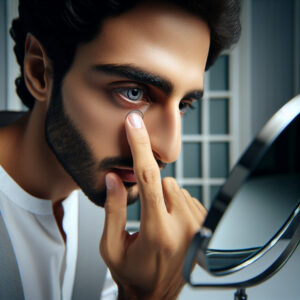
A Closer Look: Does Wearing Contact Lenses Increase Eye Power and Affect Ocular Health?
A Closer Look: Do Contact Lenses Really Boost Your Eye Power and Affect Your Eye Health?
Introduction: Unpacking the Debate on Contact Lenses and Eye Power
Ever wondered if slipping on a pair of contact lenses might actually increase your eye power? You’re not alone. From everyday wearers to seasoned eye care professionals, questions about the impact of contact lenses on vision are buzzing around. As more folks choose contacts over glasses, it’s natural to be curious about how these little devices interact with our eyes’ natural workings. In this article, we’re breaking down the debate, mixing in the latest science with common myths, and giving you a clear, balanced picture based on current research. We’ll walk you through how contacts work, what eye power really means, and how smart usage can keep your vision sharp.
Contact lenses aren’t just a style statement—they’re a key player in vision correction, offering comfort and a more natural field of view that glasses sometimes just can’t match. With more people turning to contacts, it makes sense to wonder about any long-term effects. Should you be worried? Can they permanently change your eye power? We’re here to answer those questions with expert insights and clear evidence, so you leave feeling informed and confident in your choice.
Besides busting some myths, we’ll dive into the science behind how your eyes work and how vision correction really happens. We’re mixing personal experience with expert opinions and solid research, making this a conversation that’s as relatable as it is rigorous. Whether you’re brand-new to contacts or have been using them for ages, come along as we explore the ins and outs of eye power and what really happens when you wear contact lenses.
Demystifying Eye Power and Contact Lenses
Before we delve into whether contact lenses can tweak your eye power, let’s clear up what eye power actually is. Often measured in diopters, eye power gauges how well your eyes focus light, telling us if you’re nearsighted, farsighted, or dealing with astigmatism. Understanding this is key when it comes to making sure any corrective gear, including contacts, does its job effectively.
At their core, contact lenses work by bending light so it hits the right spot on your retina – think of them as a more subtle alternative to glasses. They sit right on your tear film, offering a wider, unobstructed view and moving naturally with your eyes. While some worry they could change your eye power, remember that your baseline refractive error, overall eye health, and a whole host of other factors play a big role. Today, we’ll unpack several studies and expert opinions that address these concerns head-on.
There’s a lot on the table here. We’re talking about the fundamentals of how we see, the clever design behind contact lenses, the latest research findings, and yes, even debunking some long-standing myths. With this information, you can decide for yourself how to best look after your eyes and take action if things ever seem off.
Scientific Insights: What Does Research Say About Contacts and Eye Power?
Sifting through the research on contact lenses and eye power can feel a bit like navigating a maze. Plenty of studies have looked into whether long-term wear might tweak your eye’s refractive errors. The consensus among experts today? Any shifts in eye power seem to be more about preexisting eye conditions rather than the lenses themselves. In short, contacts are all about correcting vision, not messing with it.
Both short-term and long-term studies have pitted contact lens wearers against glasses users—and even people who don’t need vision correction at all. Sure, you might see a few fluctuations in your measurements over the course of a day due to factors like hydration and lens type, but the research largely reassures us that regular, proper care means contacts aren’t inherently going to permanently up your eye power.
It’s clear that good hygiene and routine eye exams are key. Keeping a close eye on these small daily changes can nip any potential issues in the bud before they turn serious. Whether you’re rocking soft lenses day in and day out, or you’re into the more robust rigid gas permeable models, these diligent care routines help keep your eye power stable.
Of course, let’s not forget that everyone’s eyes are different. Age, genetics, and overall health can all play a part in how your vision changes over time. For those with conditions like myopia, small shifts are more likely part of natural eye development rather than an effect of wearing contacts. In the eyes of the scientific community, when used correctly, modern contact lenses remain a safe and effective way to correct vision.
How Do Contact Lenses Affect Your Eyes? The Biological Perspective
To really grasp the whole picture, it helps to peek under the hood at our eyes’ biology. Our eyes are pretty amazing—they continuously adapt to different visual challenges. Part of this adaptation involves tiny tweaks in the shape and thickness of the cornea, the eye’s outer layer responsible for focusing light. When you wear contacts, these adjustments do happen, but don’t panic: they don’t mean your eye power is permanently increasing.
Our brains and eyes work hand-in-hand in a process called neural adaptation. For new contacts wearers, you might notice a brief period where your vision seems a bit off. This isn’t your eye power jumping up a notch; it’s just your visual system making small, temporary adjustments. Once the initial phase passes, your eye should bounce right back to its baseline.
Modern contact lenses are made from materials that are super friendly to your eyes—they allow plenty of oxygen through to avoid hypoxia, the lack of oxygen that could lead to minor shifts in eye power. Sure, extended wear without appropriate breaks might trigger a brief adaptation phase, but these changes are usually temporary and reversible. The balance between your eye’s natural responses and high-tech lens materials underlines why proper lens care is so crucial.
Some old tales suggest that a lasting change in the cornea’s structure could permanently ramp up your eye power, but realistically, those cases are extremely rare and often tied to misuse or overuse of the lenses. The bottom line? When you handle your contacts responsibly, your eyes are more resilient than you might think.
Clearing the Air: Debunking Myths About Contact Lenses and Eye Power
Over time, a bunch of myths have sprung up about contact lenses—often more based on hearsay than hard science. One of the big misconceptions is that wearing contacts will ramp up your eye power. In reality, if you use them correctly, contacts are there to fix your vision, not mess with it. Temporary changes in vision can occur, but they tend to be fleeting rather than permanent tweaks.
Another rumor floating around is that contacts can weaken your eye muscles over the long haul. Actually, contacts help keep your eyes in a natural position by offering continuous, correct vision without putting undue stress on ocular muscles. And with today’s technology, many of the issues seen in older lens designs have been largely ironed out. The real focus now is on patient education about proper care—not scaring you into thinking your eyes are at risk.
It’s important to separate fact from fiction here. Most noticeable changes in vision are more likely related to underlying conditions rather than a flaw in the contact lenses themselves. If you’re experiencing significant vision changes, it’s a signal to see an eye care professional rather than blaming your contacts. With updated lens technology and responsible use, the benefits far outweigh the risks.
Many of these myths stem from outdated practices or old lens models. Thanks to today’s soft and silicone hydrogel lenses, safety and comfort are at an all-time high. Eye care pros always recommend sticking to regular check-ups and cleaning routines to keep everything in tip-top shape. Informed usage is the name of the game.
Keeping You in the Clear: Preventive Tips and Maintenance for Contact Lens Wearers
Looking after your eyes while wearing contact lenses isn’t rocket science—it’s all about prevention and maintenance. Start off by mastering your lens hygiene. Follow your eye doctor’s guidelines to the letter, from disinfection routines to timely lens replacement. Not only does this keep infections at bay, but it also helps avoid those little issues that might pop up from too much wear.
Regular check-ups should be part of your routine too. These appointments are a great way for experts to catch any minor shifts in your vision before they turn into bigger issues. If you’re not as diligent with your lens care, it could put stress on your cornea. Early detection and a little tweaking now can prevent a lot of trouble down the road.
It doesn’t stop at cleaning, though. Developing a few good habits can go a long way. For example, try giving your eyes regular breaks during long periods in front of a screen. The 20/20/20 rule is a handy reminder: every 20 minutes, take 20 seconds to look at something about 20 feet away. And when it comes to handling your lenses, stick to the recommended wear times and storage tips. These little habits add up in keeping your eyesight sharp.
Also, pay attention to your surroundings. If you’re in dusty or high-pollution areas, be extra careful as particles could cling to your lenses. A clean storage case and a backup pair of lenses or glasses can really come in handy. In the end, staying informed, following professional advice, and practicing good habits are your best bets for long-term eye health.
Expert Opinions and Final Words: What’s the Verdict on Contact Lenses and Eye Power?
When it comes to whether contact lenses boost your eye power, top ophthalmologists and optometrists consistently reassure us: if you follow the rules, contact lenses are a safe and effective way to correct your vision. Most experts agree that any changes in eye power are typically tied to your natural eye development or underlying conditions, not the contacts themselves.
They stress that proper lens hygiene and sticking to scheduled check-ups are crucial. Regular eye exams do more than just update your prescription—they help catch early signs of any issues that might affect your eye health. The takeaway? Stay proactive rather than reactive.
Long-term advice from the pros is pretty straightforward: follow your lens care instructions, watch out for any unusual symptoms like persistent discomfort or redness, and replace your contacts as recommended. With modern lens technology and a good maintenance routine, the risk of permanent changes in eye power thanks to contact lenses is minimal.
At the end of the day, if you’re asking yourself, “Do contact lenses increase eye power?” the answer is more nuanced than a simple yes or no. Use your contacts wisely, stick to the recommended guidelines, and keep in close touch with your eye care expert. That balanced approach is your best bet for keeping your vision clear and your eyes healthy for years to come.

Does Wearing Contact Lenses Improve Eyesight? What Science and Optometrists Say
Introduction: So, Does Wearing Contact Lenses Really Improve Your Eyesight?
Ever caught yourself wondering if contact lenses might actually boost your eyesight? It might seem like a simple question at first—after all, they help you see clearly—but the truth is, there’s a whole mix of science, history, and expert opinion behind the story. Whether you’re dealing with nearsightedness, farsightedness, or astigmatism, millions of people have turned to lenses or glasses for a fix. Still, the debate lingers: are contact lenses doing more than just correcting your vision? In today’s post, we’re diving into the science behind vision correction and getting insights from optometry pros, so you can decide if contact lenses are a magic solution or simply a modern workaround for long-standing vision issues.
Our journey into eye health isn’t new at all—it goes back to the days of simple magnifying glasses. Over time, eyeglasses have evolved dramatically, and now, cutting-edge materials and designs have turned contact lenses into sophisticated medical tools. This intro sets the stage for a deep dive into scientific breakthroughs, tech innovations, and real-life stories. By blending historical tidbits with today’s expert opinions, we’re here to shed light on the burning question: do contact lenses really improve eyesight? Whether you’re a seasoned lens wearer or just exploring your options, expect to get expert-backed insights that are both down-to-earth and reliable.
The Science Behind Vision Correction: Can Contacts Enhance Your Eyesight?
To answer whether contacts truly boost your vision, we need to take a closer look at how the human eye actually works. Our eyes are mini marvels, skillfully capturing light and turning it into images. Components like the cornea, lens, and retina each have their own jobs, and if anything’s off balance, our vision takes a hit. Contact lenses align almost perfectly with the natural curve of the eye, tweaking the focus of incoming light so that everything comes into sharper view. Concepts like refraction and visual acuity are essential here, showing why these lenses are so effective at giving you that crystal-clear vision.
Over the decades, contact lens technology has come a long way. Gone are the hard lenses of yesteryear; today’s contacts are soft, flexible, and let your eyes breathe. These improvements have not only minimized irritation and dryness but also allowed for lenses tailored to fit your unique eye shape and needs. Now, many lenses even offer extras like UV protection, moisture-lock features, and special coatings to fend off buildup. While their primary role is still to correct vision, these high-tech lenses might just have more to offer—and that’s why debates about their true benefits are still buzzing.
Let’s not forget about the rigorous clinical research behind all this. Trials and studies assess everything from the comfort of various lens materials to their performance with different vision issues. Researchers run standardized eye tests, conduct thorough ocular exams, and even employ computer simulations to understand how these lenses fare in real-world conditions. Thanks to peer-reviewed studies published in top journals, we have a solid foundation of evidence to rely on. So, while contacts mainly serve as a corrective measure, the blend of tech, research, and science helps us appreciate what they really bring to the table.
Comparing Vision Aids: Contacts vs. Glasses—Which One Does More?
When it comes to vision correction, a lot of folks ask: can contact lenses offer something extra compared to glasses? Glasses have been the go-to for ages, offering reliability and ease of use. But contacts step into a different light altogether. Since they move with your eye, contacts provide a wider field of view and often minimize pesky peripheral distortions. They shine for folks with an active lifestyle or those who love sports. However, contacts do require a bit more effort in terms of care and hygiene, which might not suit everyone’s routine. Comparing these options really shows that while each has its perks, contacts may add a little extra sparkle beyond simple correction.
Let’s talk about how each option impacts us physically. Because contacts sit directly on the eye, they mimic your cornea’s natural contour, often yielding a more seamless visual experience. Some users even claim fewer visual distortions compared to glasses. On the flip side, glasses are virtually maintenance-free—no cleaning routines or special handling required. Some people might even experience dryness or irritation with prolonged contact lens wear. Real-life stories reveal that while many enjoy a better quality of life with contacts, others cherish the simplicity and ease that glasses provide. It all boils down to balancing cosmetic appeal and convenience against a slightly more demanding care routine.
Patient experiences are a goldmine for understanding all this. Ranging from glowing endorsements about the slip-free, natural feel of contacts to cautionary tales of discomfort and bad habits, these stories show that individual differences—like tear production and lifestyle habits—are key. Picking the right option often involves a bit of trial and error along with advice from eye care experts. Surveys and case studies highlight that personalization and regular check-ups are crucial for ensuring that your contact lenses not only correct your vision but also keep you comfortable in the long run.
Expert Insights: What Optometrists Really Think About Contacts and Eyesight
Seasoned optometrists bring a wealth of knowledge to the table when discussing contact lenses. Years of experience have shown them that while contacts are fantastic at correcting vision, they don’t “cure” the underlying issues. Most professionals stress that contacts are more about sharp, temporary focus rather than permanently changing your eye’s structure. They do their job by redirecting light so that your vision pops, but they don’t alter the eye itself. Regular check-ups and careful lens care are key, ensuring you get the most out of your lenses while keeping risks to a minimum. In essence, these experts remind us that personalized eye care and professional guidance are essential.
Many optometrists have watched contact lens technology evolve firsthand. With improvements in materials and clinical techniques, today’s lenses can tackle a wider range of vision issues—from astigmatism to presbyopia—while offering unmatched comfort and flexibility. Despite these innovations, there’s a consensus among experts: contacts mainly correct vision rather than permanently improving it. This is why patient education and managing expectations are central in any eye care discussion.
When it comes to practical advice, most optometrists agree on a few key points. They all stress the importance of proper hygiene practices, sticking to recommended wear times, and having regular eye exams. Not only does this keep infections and irritations at bay, but it also ensures that your lenses stay a perfect match for your evolving eye health. By blending straightforward advice with up-to-date research, these professionals help you navigate the quite complex world of vision correction, ensuring that you enjoy the benefits of contact lenses without any unnecessary risks.
Myths Versus Facts: Do Contacts Improve Eyesight or Just Correct It?
In the realm of vision correction, plenty of myths have taken root—like the idea that contacts can permanently improve your eyesight. Clinical evidence, however, consistently shows that while contact lenses deliver clear and crisp vision, they don’t change the underlying structure of your eyes. They work by precisely redirecting incoming light for a sharper image on your retina. Debunking these myths means understanding some basic optical principles and considering real-world studies that back up these truths.
A lot of research makes one thing clear: there’s a big difference between correcting vision and actually improving it. For instance, a contact lens perfectly compensates for a nearsighted eye, letting you see clearly—but it doesn’t change the fact that your eye has a certain anatomical shape. Peer-reviewed studies have reinforced that any perceived “improvement” is simply a well-done correction, not a permanent fix. So, when you’re weighing your options, it’s important to know that cosmetic enhancements in vision don’t mean your eyes are getting healthier over time.
So, what’s the bottom line? Contacts deliver superb vision correction, but they aren’t a miracle cure. They work hand-in-hand with your natural vision to manage refractive errors, rather than permanently enhancing eyesight beyond your eye’s natural limits. This clear distinction helps sift through some of the exaggerated claims you might see online. For anyone looking to boost their vision, leaning on expert advice and reliable clinical research is the way forward. In the end, contact lenses’re an important part of the corrective care toolkit, but they’re not a ticket to permanently improved eyesight.
Assessing the Risks and Taking Precautions: Can Contacts Offer Clear Vision Without Harming Your Eyes?
Just like with any vision aid, ensuring that contact lenses work safely for your eyes is a top priority. While they provide an incredibly convenient way to correct your vision, there are potential side effects, especially if you don’t follow proper care routines. Dry eyes, irritation, and even infections can crop up if hygiene isn’t spot on or if the lenses aren’t suited to your particular needs. Different materials and designs can affect your eyes in various ways, so it pays to know what you’re getting into.
The key is proper handling and regular maintenance. Experts can’t stress enough the importance of washing your hands before touching your contacts, using the right cleaning solutions, and sticking to recommended wear times. And don’t forget about regular eye exams—they’re essential for spotting any issues early on. These check-ups allow your eye doctor to monitor your cornea and make sure your contacts are still the best fit for your eyes. When you keep up with these routines, you’re far more likely to enjoy the benefits of clear vision without any unwanted complications.
Beyond personal habits, many eye care professionals are big advocates of thorough patient education. Being aware of warning signs—such as redness, discomfort, or unusual discharge—can be critical for catching problems before they escalate. By combining industry best practices with proactive monitoring, your optometrist helps ensure that your contacts remain a safe, effective tool for vision correction. It all comes down to teamwork: an informed patient and a dedicated eye doctor working together to keep your eyes in tip-top shape.
Future Directions in Vision Enhancement: Could Contacts Eventually Improve Eyesight Long Term?
Looking ahead, technological innovations in contact lens design continue to spark a lot of excitement. Researchers are exploring next-generation lenses that might do more than just correct vision—imagine contacts that can deliver medication directly to your eye or even have built-in sensors to keep tabs on your ocular health in real time. These futuristic ideas hint at a time when contact lenses could play a role in proactive, long-term eye care. While most of these advances are still in the early stages, they certainly stoke the flames of cautious optimism.
Personalized vision care is also on the rise. With modern diagnostic tools, eye care professionals are now able to craft lens solutions that are tailor-made for your exact vision needs, lifestyle, and even the unique shape of your eye. As research pushes forward, many hope that future lens designs will further minimize common issues like dryness and irritation, and might even work in harmony with your eye’s natural physiology. Digital technology is increasingly merging with optical care, setting the stage for a new era in everyday vision management.
Experts predict that we might soon see lenses that can adapt in real time to changing lighting conditions or even adjust based on what you’re looking at. While the idea of permanently enhanced eyesight remains debated, the promising advances we’re seeing now point to a future where contact lenses do more than just correct—they actively contribute to ongoing eye care. Even if they don’t offer an everlasting cure, these innovative lenses might well provide a more dynamic and personalized approach to keeping your vision sharp.
Conclusion: So, Do Contact Lenses Improve Eyesight?
After taking a deep dive into the science of vision, comparing lenses with glasses, and listening to firsthand expert opinions, one thing becomes clear: contact lenses are fantastic at correcting refractive errors, but they don’t fundamentally change the eye’s natural structure. They work by compensating for imperfections, often offering a smoother, more natural vision correction experience than glasses in many scenarios. The science shows that while these lenses are vital aids in the fight for clear vision, they aren’t a magic wand for permanent eyesight improvement. Every person’s vision needs are unique, and the final call should always be made in consultation with a trusted eye care professional.
Weighing up the benefits against potential risks, it’s clear that the question “do contact lenses improve eyesight?” involves many layers. In reality, these lenses excel at providing clear vision—as long as you commit to proper care and regular check-ups. With a blend of high-tech precision and expert oversight, contact lenses can be a reliable pathway to improved visual clarity, offering a balanced approach that respects both immediate needs and long-term eye health.
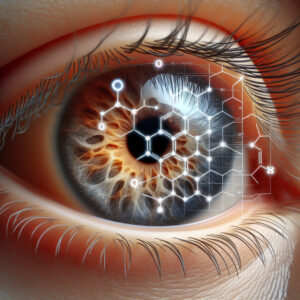
The Ultimate Eye Health Guide: Does Vitamin A Improve Vision and How It Helps Your Eyes
Introduction: A Closer Look at Eye Health and Vitamin A
In today’s whirlwind of activity, keeping our vision in check is more important than ever. Many of us ask, “does vitamin A improve vision?” and as we dive into the wonderful world of eye health, this post will shine a light on how vitamin A plays a starring role in keeping our eyes in tip-top shape. It turns out, maintaining healthy eyes isn’t just about sharp sight—it’s a key ingredient to our overall well-being and quality of life. Here, we’ll chat about why vitamin A is so crucial for vision, how it works its magic, and share practical tips on weaving it into your daily routine for long-lasting eye health. Whether you’re curious about getting vitamin A naturally from foods or wondering about supplements, this guide is here to answer your burning questions and dig deep into the science and practices behind stellar eye care.
The Importance of Eye Health
Our eyes are pretty amazing, yet we often don’t give them much thought until problems pop up. Having healthy eyes is a big deal—not only can it ward off long-term vision issues, but it also makes everyday life a lot richer. Clear, crisp vision plays a huge role in how we work, relax, and connect with others. With all the time we spend in front of screens and facing environmental challenges, keeping our eyes protected is more crucial than ever. Simple choices—like eating a balanced diet rich in vitamins, shielding your eyes from too much UV exposure, and keeping up with regular eye checkups—can make a world of difference. Paying attention to eye care is really a proactive step towards a healthier, more vibrant life.
Understanding Vitamin A and Its Functions
Vitamin A is one of those essential nutrients that wears many hats. Not only does it boost your immune system and keep your skin glowing, but it also serves as a key building block for your eye structures. It’s involved in creating the pigments in your retina—especially in the rod cells that help you see when the lights go down. For ages, vitamin A has been linked to great vision, with carrots becoming synonymous with eye health. Of course, its benefits stretch beyond just your eyes; knowing more about its many roles can help you make smarter choices about your diet and overall health. So, when you’re asking, “does vitamin A improve vision?” you’re really tapping into its wide-ranging impact on your eye well-being.
How Vitamin A Relates to Our Vision
The relationship between vitamin A and your vision is both intricate and vital. Inside your retina, vitamin A transforms into retinal—a molecule essential for creating light-sensitive photoreceptors that convert light into signals your brain can understand. This process is key for both bright day settings and moonlit nights. When your body doesn’t get enough vitamin A, issues like night blindness can crop up, and more serious visual problems might follow. That’s why many nutrition and eye care experts emphasize vitamin A as a cornerstone of strong eyesight. When you ask the simple question, “does vitamin A improve vision?” it’s all about how this nutrient supports your retinal health and helps keep your vision sharp.
Does Vitamin A Improve Vision? Unveiling the Basics
What Constitutes Good Vision?
Good vision isn’t just about not having any impairments—it’s about seeing clearly, having sharp depth perception, and being able to adjust quickly when the lighting changes. Think of your eyes as finely tuned instruments, a blend of cells and tissues working together to capture and interpret the world. Sure, glasses or contacts can fix some problems, but the long-term strength of your retina and eye components heavily relies on proper nutrition, especially vitamin A. So when you wonder, “does vitamin A improve vision?” remember that it’s all connected to keeping your eye cells in top shape.
The Role of Vitamin A in Eye Function
At the heart of good eye function is vitamin A. One of its most important roles is in the visual cycle—helping to regenerate rhodopsin, the pigment in your retinal rods that lets you see in the dark. This regeneration is key for adapting to different lighting conditions, allowing your eyes to handle everything from bright sunlight to a dim evening. Keeping your vitamin A levels balanced means your vision, especially in low light, stays sharp. Studies have shown that not getting enough of this nutrient doesn’t just hurt your night vision—it might open the door to other eye problems too. In essence, vitamin A is a building block for keeping your vision clear and your overall eye health strong.
Common Questions About Vision and Vitamin A
It’s no surprise that lots of people have questions about how vitamin A influences our eyes. Some wonder if loading up on vitamin A-rich foods can really sharpen your vision, or what the warning signs of a deficiency might be. And yes, many still ask, “does vitamin A improve vision?” in a way that suggests it might be a quick fix. But while it’s not as simple as popping a pill and expecting instant results, research and solid medical evidence do show that having the right balance of vitamin A is key. It supports the structure of your eyes, aids in cellular repair, and may even fend off age-related macular degeneration. Just remember, balance is everything—too much or too little can be a problem.
Scientific Insights: Does Vitamin A Improve Vision Through Research?
Key Studies on Vitamin A and Retinal Health
Diving into the research, numerous studies have spotlighted vitamin A’s vital role in keeping your retina healthy. Clinical trials indicate that getting enough vitamin A can help maintain the stability of retinal cells and lower the risk of degenerative eye diseases. Researchers have found that communities with proper vitamin A levels are less likely to suffer from conditions like xerophthalmia and night blindness. Even though science is always evolving, one thing remains clear: a steady supply of vitamin A is crucial for keeping the retina in good working order. So, when you wonder whether “does vitamin A improve vision,” the science suggests it really does help safeguard the integrity of your retinal tissue.
How Vitamin A Supports Night Vision
Talk about night vision—it’s one of the top reasons we highlight vitamin A when talking about eye health. The magic happens when vitamin A is converted into retinal, which then helps form rhodopsin. In low-light conditions, rhodopsin kicks in, enabling your eyes to adjust and function more effectively. If you don’t get enough vitamin A, you might find yourself struggling in dark environments—a condition known as night blindness. In simple terms, keeping your vitamin A levels adequate is like giving your eyes an extra boost when the lights are low. That’s why discussions around “does vitamin A improve vision” almost always circle back to better performance in dim settings.
Limitations and Gaps in Current Research
Even with all the positive findings, it’s important to recognize that research on vitamin A and vision is still ongoing. While vitamin A is undeniably essential, it’s not a magical cure for every vision issue. Some studies point out that while vitamin A helps maintain healthy eyes, there’s still a lot to learn about the optimal doses needed to truly prevent long-term visual impairments. Individual responses to vitamin A can vary depending on factors like genetics, age, and overall diet. So, while current findings give us a good reason to believe that “does vitamin A improve vision” holds water, it’s best understood as part of an overall balanced nutritional strategy for eye health.
Dietary Sources: Does Vitamin A Improve Vision Naturally?
Foods Rich in Vitamin A
If you’re looking for natural ways to boost your vitamin A, you’re in luck. A variety of foods can give your eyes the support they need. Carrots, sweet potatoes, spinach, and kale are just a few front-runners when it comes to vitamin A-rich diets. And let’s not forget liver, eggs, and fortified dairy products—all packed with this vital nutrient. Including these foods in your meals not only helps maintain a healthy retina, but they also contribute to overall wellness. The old adage, “carrots are good for your eyes,” isn’t just a myth; they’re loaded with beta-carotene, which your body converts into vitamin A. Plus, these foods bring along extra antioxidants and nutrients, offering a tasty and natural answer to the question, “does vitamin A improve vision?”
Benefits of a Balanced, Vitamin A-Enriched Diet
Adopting a diet rich in vitamin A is about so much more than just eye health—it’s a recipe for overall vitality. When you mix vitamin A from various foods into your meals, you’re not only nurturing your visual system but also boosting your immune system and supporting healthy skin and tissues. This nutrient works harmoniously with others, like vitamins C, E, and zinc, each playing its own role in maintaining top-notch eye health. Enjoying a diverse range of fruits, vegetables, and proteins can give you a nutritional edge and help fend off deficiencies. Next time you ponder “does vitamin A improve vision,” think of it as just one piece of the puzzle in a balanced approach to your health—it’s all about variety, balance, and savoring delicious, wholesome meals.
Tips for Incorporating Vitamin A into Daily Meals
Getting more vitamin A into your daily routine can be both fun and downright delicious. For instance, why not toss some leafy greens or bright orange veggies into your lunchtime salad? At breakfast, try a spinach omelet or blend carrots and mango into your favorite smoothie. Experiment with recipes that mix these vibrant ingredients with whole grains and lean proteins; not only will your plate look more appealing, but you’ll be nourishing your eyes too. Thoughtful meal planning and a little kitchen creativity can go a long way in answering the age-old query, “does vitamin A improve vision?” By consistently choosing vitamin A-packed foods, you’re setting the stage for lasting eye health—and you get to enjoy a variety of tasty meals while you’re at it.
Supplementation Strategies: Does Vitamin A Improve Vision with Supplements?
When and Why to Consider Supplements
Sometimes, even a well-planned diet might not deliver all the vitamin A you need, especially if you have dietary restrictions or specific health issues. That’s where supplements come into play, offering a handy way to make sure your body gets what it needs for optimal eye care. While it’s always best to get your nutrients from natural food sources, supplements can be a practical backup when your diet isn’t enough. However, it’s a good idea to chat with a healthcare provider before you start any new supplementation—it’s important to tailor your intake to your personal health profile. So, if you’re scratching your head wondering, “does vitamin A improve vision” through supplements, take a moment to weigh your nutritional needs and health conditions before diving in.
Evaluating the Risks and Benefits
When it comes to supplements, it’s all about balance. Since vitamin A is fat-soluble, taking too much can lead to toxic levels, with symptoms ranging from headaches and dizziness to more serious concerns like liver damage or risks during pregnancy. So while vitamin A supplements might help answer the question, “does vitamin A improve vision,” it’s crucial to get the dosage just right. Taking the time to evaluate your overall diet and health can help you avoid the pitfalls of over-supplementation. Experts usually suggest trying to get your nutrients from food first, with supplements serving as a backup option when needed. Keeping informed and following professional advice will let you harness the benefits of vitamin A safely and effectively.
Expert Guidelines on Safe Supplementation
Nutritionists and eye care professionals consistently recommend a personalized approach when it comes to supplements. Before adding any vitamin A booster to your routine, it’s wise to have a thorough nutritional assessment. Stick to guidelines from reputable health organizations to figure out safe dosage levels and ensure your vitamin A intake meshes well with other essential nutrients. Look for supplements that have rigorous quality testing and high bioavailability. Whether your goal is to improve night vision or support the overall structure of your eyes, turning to expert advice can help demystify the all-too-familiar question, “does vitamin A improve vision” while keeping you out of harm’s way. Tailor your supplementation strategy based on professional guidance and watch your eye health thrive without any unwanted side effects.
Debunking Myths: Does Vitamin A Improve Vision Beyond the Hype?
Common Misconceptions About Vitamin A and Vision
There’s no shortage of myths swirling around vitamin A and its supposed magic for vision. One popular notion is that loading up on huge doses of vitamin A will instantly transform your eyesight—basically a quick fix for vision woes. In reality, while vitamin A is fundamental for eye health, pouring in excessive amounts won’t work miracles overnight. Another myth is that taking vitamin A supplements is the sole answer to combatting all vision problems, ignoring other key factors like genetics, overall diet, and lifestyle. These misconceptions often lead to misguided choices that can do more harm than good. Clearing up these misunderstandings is all about having a balanced view on nutrition and eye care—so when you ask, “does vitamin A improve vision?” you’re basing it on sound scientific evidence rather than on overheated hype.

Does Vitamin A Improve Eyesight? A Guide to Understanding Its Role in Eye Health
Introduction: Can Vitamin A Boost Your Eyesight? Setting the Stage
When it comes to eye health, many of us wonder, “Can vitamin A really boost my eyesight?” This question often pops up among nutrition buffs and anyone curious about sharpening their vision. Vitamin A is key to our overall well-being, especially when it comes to the intricate process of seeing. Our eyes depend on a mix of nutrients, and vitamin A is a standout for keeping our vision in check. In this post, we’re going to dive into what vitamin A actually is, how it works with our eye structure, and the science that supports its eye-loving benefits. So, grab a cup of something warm, and let’s explore the nutritional secrets and practical tips behind vitamin A’s role in eye health.
Our eyes are marvels of complexity, and taking care of them means juggling biology, good food, and smart lifestyle choices. With common eye issues like cataracts, age-related macular degeneration, and night blindness affecting people worldwide, it’s no wonder many of us look to simple dietary tweaks for help. Vitamin A has emerged as a hot topic both in medical studies and on dinner tables everywhere. Rooted in traditional diets and now embraced by modern research, its role in our vision is hard to ignore. As we unpack this topic, expect a down-to-earth yet insightful look at how vitamin A and our eyes interact, making it easier for anyone to understand this nutritional powerhouse.
Understanding Vitamin A: Can It Really Enhance Your Eyesight?
Let’s break it down: vitamin A is a fat-soluble nutrient that’s not only vital for your vision but also for your immune system and skin health. It appears in several forms—think retinol, retinal, and retinoic acid—each playing its own part in keeping our bodies running smoothly. When it comes to eyesight, vitamin A is absolutely critical because it helps produce the photoreceptor cells in our retinas, which are essential for seeing both in dim light and in full color. Thanks to its role in turning light into neural signals, it’s no surprise that vitamin A is a big deal in the world of visual science. Research over the years has built up a strong case for vitamin A’s part in preventing and even improving certain eye conditions.
And here’s a fun fact: natural food sources pack plenty of vitamin A! Think liver, carrots, sweet potatoes, spinach, and red bell peppers—each a delicious way to support your vision. Nutritional studies spanning decades have drilled home the importance of getting your vitamin A from a varied diet, rather than just pill-popping. While supplements have their place, many experts prefer the natural route because foods bring along a host of other beneficial compounds. Digging into these natural sources shows that a diverse and balanced diet can do wonders for both your eyes and your overall health.
Scientific Evidence: What Does the Research Say About Vitamin A and Vision?
Over the past several decades, scientists have been busy studying the link between vitamin A and eye health. Consistently, research shows that this nutrient is essential for warding off night blindness and even boosting vision in folks with a deficiency. Some controlled studies have even highlighted improvements in retinal function when vitamin A intake is ramped up in people who need it most. But here’s the kicker: if you already get enough vitamin A, adding extra might not do much for your eyesight.
Experts continue to hash out the broader impacts of vitamin A supplementation for those who aren’t deficient. While some studies point to modest benefits for general eye health, others warn against overdoing supplements. Essentially, vitamin A shines brightest when it’s correcting a lack rather than serving as a quick fix for everyone. So, as we sift through the evidence, remember that vitamin A works best as part of an overall balanced diet and a comprehensive approach to eye care.
How Vitamin A Works at the Cellular Level to Enhance Your Vision
On the microscopic side of things, vitamin A is nothing short of vital for the way we see the world. In your retina, vitamin A is transformed into retinal, a key component in the visual pigments found in the light-detecting cells—rods and cones. When light enters your eye, it hits these cells and sets off a complex chemical chain reaction that ultimately sends visual messages to your brain. Without enough vitamin A, this whole process can slow down, messing with your ability to see, particularly when the lights go down.
And there’s more—vitamin A also serves as a bit of a shield for your eyes thanks to its antioxidant properties. Our retinas are bombarded with oxidative stress daily, and antioxidants help neutralize these harmful molecules, keeping our cells in tip-top shape. In short, vitamin A plays a double role: it’s essential for creating the pigments that allow us to see and for protecting these very cells from damage. This dual action makes it a key player in maintaining long-term eye health.
Dietary Tips: How to Incorporate Vitamin A for Better Eye Health
Looking after your eyes with vitamin A-rich foods is easier than you might think. Health gurus typically recommend a daily intake of around 700-900 micrograms for adults, though this can vary based on age, gender, and individual needs. By focusing on foods loaded with vitamin A—like leafy greens, vibrant orange veggies, and fortified dairy—you give your eyes the support they need to keep up with everyday challenges. Many nutrition experts suggest getting vitamin A through your diet rather than relying solely on supplements unless your doctor advises otherwise, since natural foods come with extra nutritional perks.
Picture tossing some shredded carrots into a fresh salad, savoring a baked sweet potato, or blending a spinach smoothie as a snack. These simple tweaks not only boost your vision but also round out your overall nutritional profile. Of course, a word of caution: too much vitamin A, especially from synthetic supplements, can lead to toxicity. The golden rule here is balance—work with a nutrition specialist if you’re considering major changes, and you’ll be well on your way to nurturing your eye health the right way.
Dispelling Myths: What Vitamin A Can (and Can’t) Do for Your Eyes
Despite all the buzz about vitamin A’s eye benefits, several myths have taken root. One common misconception is that loading up on vitamin A—whether through a super vitamin A-rich diet or mega-dose supplements—will give you superhuman vision. The reality? While vitamin A is absolutely crucial for preventing vision loss from a deficiency, it isn’t a magic fix for boosting your eyesight beyond natural limits. Optimal eye health comes from a holistic, balanced approach, not just a single nutrient.
Another myth is that vitamin A can reverse every kind of vision impairment. Yes, certain eye problems related to vitamin A deficiency do improve with proper nutrition, but not every vision issue is this straightforward. Many eye conditions involve multiple factors and need a broader treatment plan. Distinguishing fact from hype when it comes to vitamin A can help set realistic expectations and lead to more informed decisions about your diet and eye care.
Expert Insights and Real-Life Stories: Vitamin A’s Impact on Vision
Chatting with ophthalmologists and nutrition experts reveals that vitamin A’s contribution to eye health is both significant and nuanced. In areas where vitamin A deficiency is widespread—often in developing regions—supplementation can lead to noticeable improvements in vision and overall eye health. On the flip side, for people who already have adequate vitamin A levels, extra doses usually don’t bring dramatic changes. Real-life case studies have shown heartening improvements, especially in patients struggling with night blindness and other deficiency-related issues once they adjusted their diets.
Anecdotal evidence from clinical settings further reinforces the idea that personalized nutrition can work wonders for your eyes. Some patients even report clearer vision and more comfort after adopting a more vitamin A–rich, antioxidant-packed diet. Experts always remind us that individual factors like genetics, lifestyle, and pre-existing health conditions play a big role when it comes to the benefits of vitamin A. In essence, while vitamin A is essential for eye health, it works best as one ingredient in a broader, personalized approach to your overall vision care.
Conclusion: Weaving Vitamin A into a Complete Eye Health Strategy
To wrap things up, it’s evident that vitamin A is a powerhouse when it comes to maintaining proper eye health. By helping convert light into the signals that our brain uses to interpret images and by shielding our retinas from oxidative damage, vitamin A is indispensable—especially for those who are deficient. Throughout this post, we’ve explored everything from the cellular magic of vitamin A to its practical uses in our diets. The science is solid, but the real benefit comes when vitamin A is part of a balanced, whole-body approach to eye care.
For anyone looking to improve their vision naturally, the bottom line is simple: don’t put all your eggs in one basket. Embrace a varied, nutrient-dense diet rich in vitamin A, pay attention to your personal nutritional needs, and don’t hesitate to get expert advice along the way. With thoughtful choices and a bit of nutritional savvy, you’ll be well on your way to enjoying a lifetime of healthy, vibrant vision.

From Fact to Fiction: Does Vision Improve With Age and What Science Reveals
Introduction: Investigating the Question – Does Vision Really Improve With Age?
What “Does Vision Improve With Age” Really Mean Today
Ever caught yourself wondering if your eyesight might actually get better as you age? It sounds almost too good to be true, right? Nowadays, this idea isn’t just a hopeful thought but a topic that both science and personal stories are digging into. Recent research shows that while our eyes do change over the years, some of what looks like improvement might actually be our bodies adapting to those changes. It’s not just a simple upgrade—there’s a mash-up of bodily changes, lifestyle choices, and even our genetic makeup at play. As someone who’s spent a good decade delving into sensory health, I always appreciate looking at the big picture: connecting the dots between solid research and everyday experiences.
Old Wives’ Tales vs. Today’s Discoveries on Vision Improvement
Back in the day, folks often spun stories about how our vision magically got better as we got older, sometimes linking it to mythic or spiritual powers. Those stories are charming, but they mostly come from old anecdotes rather than hard evidence. Today, we lean on detailed clinical studies and scientific investigations to dig into the notion of “does vision improve with age.” Current findings suggest that while certain adjustments might give the impression of a sharper view, it’s really more about our brains making the best of what they’ve got rather than our eyes actually getting stronger. Transitioning from myth to hard science shows just how far we’ve come in understanding our body’s true capabilities.
A Quick Look at What Science Has to Say
Scientists have taken a deep dive into the inner workings of the eye, examining everything from the lens to the retina, to see how each contributes to our overall vision as the years roll on. Some studies hint that our brains might get a bit better at processing weaker visual signals, which can sometimes feel like vision is improving. But don’t get it twisted – this isn’t the same as our optical parts getting a boost. It’s more the body (and especially the brain) doing some impressive compensatory work when things start to decline. Up next, we’ll break down key studies, bust some persistent myths, and look at how lifestyle tweaks and medical tech are reshaping our understanding of aging eyes.
Scientific Research Under the Microscope: Does Vision Improve With Age?
Spotlight on Key Studies
Around the globe, researchers have been busy examining the claim of “does vision improve with age” through a series of longitudinal studies and clinical trials. They’ve been tracking ocular health across different age groups, revealing a delicate dance between natural aging and the brain’s ability to adapt. Sure, the eyes might show wear and tear—think of a stiffening lens or fewer active retinal cells—but sometimes the nervous system finds clever ways to interpret visual information even when conditions aren’t ideal. So while it might seem like vision is “improving,” it’s really a testament to our body’s knack for working around its limitations. For anyone curious about sensory health and longevity, these studies offer fascinating insights that are as impressive as they are cautionary.
Diving Into Vision Physiology and Aging
Understanding whether vision can “improve” with age means getting to grips with the nitty-gritty of eye physiology and the neural trails connected to it. As we age, some changes—like a less flexible lens and smaller pupils—are inevitable, which means less light gets in. But here’s the kicker: our brains slowly get better at making sense of the signals they do receive, sometimes creating the illusion of improved vision. Don’t be fooled, though—these tweaks don’t actually restore the eye’s inner structures; they’re more about the body’s resilience and its ability to adapt. It’s a fascinating area of study that keeps scientists busy trying to piece together exactly how our vision changes over time.
Aging and Visual Health: The Real Deal on Vision Improvement as We Age
What Happens to the Eye as We Age
Aging brings about several changes in our eyes that can alter how we see. For instance, the lens starts hardening, and the vitreous humor—the gel-like substance inside the eye—gradually liquefies, changing the way light is focused on the retina. Although these changes typically signal a drop in clarity, our bodies sometimes respond with smart, neural tweaks. This can make some older folks feel that their vision is unexpectedly sharper in certain settings, like under specific lighting conditions or when adjusting slowly to changes. However, while these adaptations might seem like a win, they’re really just the body’s way of trying to soften the blow of aging. It’s all part of the complex interplay between our eyes and brain.
Tearing Down Common Misconceptions
There’s plenty of chatter out there about how vision naturally improves with age, but science has largely debunked this idea. Many believe that as we age, our visual acuity gets a free boost – but in reality, any perceived enhancement is usually just the brain compensating for a decline. Unfortunately, popular media sometimes runs with these feel-good stories without full evidence, leading to muddled public understanding. Advanced imaging and long-term studies show that while the brain might adjust to changing visual signals, this doesn’t mean the eyes are genuinely getting better. Getting the facts straight on this matter is key to managing expectations about aging and vision.
The Impact of Genetics and Lifestyle
When it comes to how our vision evolves, both our genes and our everyday environment have their say. Your genetic blueprint can influence how robust your ocular tissues are, which might affect how well you handle age-related changes. Meanwhile, lifestyle factors – like what you eat, how much sunshine you soak up, and your daily habits – can either speed up damage or help keep your eyes in check. For example, a diet brimming with greens, carrots, and omega-3-rich fish can help maintain retinal health by cutting down on oxidative stress. On the flip side, too much exposure to blue light or pollution might speed up wear and tear. Essentially, whether or not “vision improves with age” is a mix of many factors working together, so it really isn’t one-size-fits-all.
Comparing Different Age Groups
A side-by-side look at various age groups shows that responses to aging in our visual system aren’t all the same. Younger adults generally have sturdy eyes, which makes it easier for their brains to adjust to minor shifts. Older adults, on the other hand, often face more noticeable changes like reduced contrast sensitivity or slower light adaptation. But don’t write them off entirely—some seniors develop savvy cognitive strategies that help them make the most of the visual cues they have to work with. Researchers are keenly interested in whether these clever brain adaptations can really make a noticeable difference against the natural decline of the eyes. The takeaway? Personalized care matters when it comes to eye health at any age.
Lifestyle Factors and How They Shape Vision as You Age
How Nutrition Affects Your Eyes
There’s no denying that what you eat plays a huge role in maintaining good vision as you get older. Nutrients like vitamins C and E, and even minerals like zinc, help keep your eyes in tip-top shape by battling oxidative stress and inflammation. Foods rich in leafy greens, carrots, and fatty fish (packed with omega-3s) offer a protective boost to your retina and other key structures. While many wonder if good nutrition can actually turn back the clock on vision loss – especially when pondering “does vision improve with age” – it’s more about slowing down wear and tear than magically enhancing sight. In short, a balanced diet is one of your best bets for long-term eye health.
Working Out: Helping Your Eyes Stay Sharp
Regular exercise is a win not just for your overall health but also for your vision. Getting moving improves blood flow, which means more oxygen and nutrients reach your eyes – a plus for preventing conditions like macular degeneration and glaucoma. There’s some evidence suggesting that those who exercise regularly tend to enjoy better overall health, which in turn can help delay some age-related vision issues. However, it’s important to note that while exercise supports eye health indirectly, it doesn’t literally make your eyes “see better.” Think of it as a vital complementary part of a healthy lifestyle, helping your body fight off the inevitable challenges of aging.
Medical Breakthroughs in Vision Correction: Can Technology Make Us See Better as We Age?
Innovative Treatments and Correction Options
In recent decades, advances in vision correction have been nothing short of revolutionary, with options ranging from cutting-edge laser surgeries to implantable devices that help counteract age-related decline. Procedures like LASIK, cataract surgery, and retinal therapies have provided significant boosts in visual clarity for many. It might sometimes seem like these successes prove that “vision improves with age,” but really, it’s modern technology stepping in to balance out the effects of aging. With personalized medicine on the rise, treatments are now tailored to each person’s unique eye health, enhancing both clarity and quality of life. As our understanding deepens, these technological strides offer exciting hope for those battling severe age-related vision issues.
The Road Ahead: Preventing Eye Problems Before They Start
Looking to the future, the field of preventative eye care is brimming with promise. Researchers are working on strategies that blend lifestyle changes, high-tech diagnostics, and innovative treatments to catch problems before they become serious. With tools like genetic testing and artificial intelligence, eye specialists are getting better at predicting who might be more prone to dramatic vision loss and can now craft personalized plans to address these risks early on. While the saying “does vision improve with age” remains a complicated topic, these forward-thinking strategies focus on preserving vision rather than turning back the clock. It’s a collaborative effort among scientists, clinicians, and tech experts that promises a brighter future for maintaining good eye health at any age.
Busting the Myths: What’s the Real Story Behind Does Vision Improve With Age?
Clearing Up Common Misunderstandings
There’s no shortage of old-fashioned beliefs and myths floating around about how our eyesight somehow naturally gets better with age. The truth? What looks like improved vision is usually just the brain using some clever tricks to adjust to changing signals, rather than any real, magical improvement in the eye’s optical parts. Take the common claim that older adults perform better in low-light situations – it may well be the case that their brains are compensating, but it doesn’t mean their eyes are actually reversing decades of wear. Getting these misconceptions straight is key to ensuring people make well-informed decisions about their eye care.
Sorting Through Conflicting Research
When it comes to whether “does vision improve with age,” the scientific community hasn’t reached a unanimous verdict. Some studies highlight the brain’s impressive adaptive abilities, while others firmly point out that the natural degradation of the eye doesn’t get reversed. This mix of findings can leave anyone scratching their head. Instead of seeing these differences as definitive proof, we should view them as prompts for more research. Advanced imaging and better methodologies are helping researchers capture a clearer picture, underscoring the fact that while our brains can adapt, some aspects of aging remain unchangeable.
Conclusion: Summing Up the Inquiry on Vision Improvement With Age
The Big Takeaways
Wrapping up our chat on whether “does vision improve with age,” here’s what we’ve learned: although aging brings noticeable changes to the eye, any perceived improvements in vision are mostly down to the body’s adaptive responses rather than a boost in the eye’s actual performance. Modern research has shed light on how our eyes and brain work in tandem when age sets in, debunking many long-held myths and pushing the envelope with technology and healthy living. Essentially, what might seem like an improvement is really just your body doing its best to compensate.
Practical Advice for Staying on Top of Your Vision Health
Knowledge is power, and when it comes to your eyes, taking a proactive approach is the name of the game. For anyone worried about keeping their vision sharp as they age, the best strategy is to focus on a healthy diet, regular exercise, and routine eye check-ups. While the idea of naturally improved vision as you get older may sound enticing, it’s really more myth than reality. However, by staying active, eating well, and keeping up with the latest in eye care advancements, you can do a lot to protect your vision and maintain a great quality of life.

Does Vision Get Better with Age: Myths, Facts, and Expert Opinions
Introduction: Unpacking “Does Vision Get Better with Age”
When you first hear the question “does vision get better with age,” it often sparks a curious mix of wonder and a few misconceptions. It’s natural to question whether our eyes might somehow get sharper as we gather more years, or if the slow decline is just part of life. This topic pushes us to look past old clichés and dive into both the age-old beliefs and the cutting-edge science that shape our understanding of how our vision evolves over time. We’re here to explore every angle—historical, scientific, and expert—so you can get a well-rounded look at what happens to your eyes as you age.
Many of us approach this subject with a blend of hope and skepticism because it touches on both our physical wellbeing and the mysteries of growing older. Some folks see aging as a time of unexpected resilience and adaptation, while others believe that a drop in function is simply inevitable without some serious intervention. In this discussion, we’re untangling stories of anecdotal wisdom and outdated lore to lay out a thoughtful debate on whether our eyes might actually improve, or if they just change in ways that aren’t always ideal.
Our aim is to keep things balanced and engaging, mixing history with the latest scientific insights and seasoned advice from ophthalmology experts. Whether you’re after professional tips, clear-cut science, or just a good conversation about aging vision, you’re in the right place.
Historical Myths and Misconceptions Around Aging Vision
Over the years, cultural stories have heavily influenced how we think about aging—including our vision. Once upon a time, people believed that growing older might actually refine our sight, with elders often seen as having a kind of mystical visual prowess. These traditional views painted aging as a process that enhanced the senses instead of dulling them. Exploring these old beliefs can be a fascinating way to see how our ancestors tried to make sense of the changes their bodies went through.
Historical accounts are filled with tales where the body, with age, naturally adjusts and even improves certain functions like sight. Early medical manuscripts and folk remedies sometimes hinted at eyesight getting better in later years, though these accounts were largely anecdotal and steeped in a bit of superstition. Even if later studies debunked these claims, they still left a mark on how people thought about health and aging.
It’s important to remember that a lot of these old stories were born from limited scientific understanding. Today’s rigorous research has replaced that folklore, giving us a much clearer picture of how our eyes really change over time. By comparing these dated ideas with modern science, we can better grasp where the question “does vision get better with age” originally came from—and appreciate just how far we’ve come.
Scientific Insights: How Our Eyes Change Over Time
The human eye is an incredible piece of biology, an intricate system where different components work in concert to let us see the world. As we get older, though, those precise mechanisms start to shift. For instance, the eye’s lens slowly becomes less flexible, making it tougher to focus on things up close—a condition known as presbyopia. On top of that, changes in the retina and the nerve paths that handle visual signals can also muddy our overall clarity. While some slight improvements in specific visual tasks might pop up here and there, the overall trend is more about gradual decline.
Science has gathered plenty of evidence on how aging takes its toll on our vision. Research shows that some people might notice improvements in things like contrast sensitivity in certain situations. But don’t get us wrong—these isolated boosts aren’t enough to say that vision overall gets better. Instead, what we see is a series of tweaks and compensations aimed at keeping our vision functional despite the ongoing wear and tear.
Looking at the question “does vision get better with age” through a scientific lens makes it clear that there isn’t a straightforward improvement. Instead, our eyes continuously balance between adapting to changes and the unavoidable physiological shifts of aging. Yes, there might be moments when certain aspects seem enhanced, but overall, our eyes tend to lose some of that fine-tuned precision as the years add up.
Expert Opinions on Vision Aging
When it comes to the wisdom of eye health, top ophthalmologists and vision researchers agree on one thing: aging mainly leads to changes and challenges rather than outright improvements. In meetings, clinical studies, and discussions, professionals point out that the aging process tends to bring on issues like cataracts, glaucoma, and macular degeneration. Yet, they also note that life experience can sometimes lead to a sharpened sense of visual awareness, even if the raw optical quality isn’t improved.
Many seasoned clinicians remind us that while some adaptive strategies—like enhanced peripheral vision or color distinction—might develop over time, these are more about compensation than a real improvement in overall eye health. For example, a seasoned driver might seem to have an almost uncanny ability to read the road, but that’s due more to developed strategies than any reversal of aging in their eyes.
Experts also caution that even occasional improvements in specific aspects shouldn’t be mistaken for a complete overhaul in eye health. Breakthroughs in surgical procedures and diagnostic tools are exciting and help manage age-related issues, but they don’t turn back the biological clock. The focus remains on preserving what you have rather than expecting a miraculous rebound as you grow older.
Vision Health Management as You Age
Looking after your eyes as you age really boils down to smart, everyday choices. A nutritious diet packed with vitamins A, C, and E, plus minerals like zinc, can work wonders for your vision. Filling your plate with leafy greens, vibrant carrots, and omega-3 rich fish not only keeps your body in shape but also supports the health of your retina and lens. Staying active and cutting out habits like smoking—major contributors to oxidative stress—are also key. These small shifts can build up to play a big part in maintaining your vision.
And it’s not just about what you eat. Regular eye check-ups become increasingly important as you age. Catching issues like glaucoma or macular degeneration early on can make all the difference. Eye professionals can offer tailored advice based on your individual needs and lifestyle. On top of that, practical steps like wearing UV-protective sunglasses, managing screen time, and keeping chronic conditions in check all contribute to a solid plan for sustained eye health.
Everyday protective measures can truly add up, too. If you’re glued to a computer for hours, simple breaks and the right eyewear can ease eye strain. Smart lighting, proper hydration, and mindful screen ergonomics also help keep that natural clarity intact. By blending these lifestyle tweaks with regular visits to your eye doctor, you’re setting yourself up for a long, healthy visual journey.
Treatment Options and Technological Advances
Today’s medical advances have opened up a whole range of treatments to tackle the challenges of aging vision. Corrective surgeries such as LASIK, cataract extraction, and refractive lens exchange have dramatically changed the game, offering quicker recoveries and more accurate outcomes than ever before. Though these techniques don’t rewind the aging process, they work wonders at keeping your vision as sharp as possible.
And the innovation doesn’t stop with surgery. Cutting-edge optical devices and wearable tech—from enhanced contact lenses to smart glasses that adjust focus on the fly—are steadily transforming the way we manage our visual needs. These tools don’t reverse the natural aging process, but they offer significant support, adapting to your unique visual changes. With ongoing research fueling further advancements, the future might hold even more effective solutions that blend technology with biology.
Looking ahead, there’s a buzz about regenerative treatments, gene therapies, and even retinal implants. While these fascinating ideas are mostly still in the experimental phase, they offer a glimpse of what could be possible for mitigating age-related vision decline. But for now, the best strategy remains a mix of established treatments and the latest technological aids, always with a realistic understanding that these measures help manage rather than cure the natural aging process.
Conclusion: Debunking Myths and Embracing Facts
As we wrap up our chat on whether “does vision get better with age,” it’s clear that the real story is far more nuanced than old myths would have you believe. While historical tales may have cast aging as a time of unexpected visual clarity, modern science and expert consensus tell us that the aging eye generally experiences a steady decline rather than a dramatic improvement.
What we’ve seen is a blend of gradual deterioration and small, adaptive tweaks—an intricate dance rather than a dramatic reversal. The extensive research, combined with the insights from leading medical professionals and the benefits of preventative steps and treatments, all point to one thing: it’s much better to focus on maintaining your vision through proactive care than hoping for a natural, miraculous boost as you age.
Ultimately, understanding how our vision changes over time empowers us to make better choices for our overall health. With informed decisions about nutrition, lifestyle, and regular eye care, we can tackle the challenges of aging head-on. Let this be a call to stay engaged with your eye health—embrace the facts, set realistic expectations, and remember that a proactive approach is the best way to keep your sight sharp,
today and in the years ahead.

Does Vision Get Better Without Surgery? Natural Remedies and Exercises That Help
Introduction: Can You Naturally Improve Your Vision Without Surgery?
Ever found yourself wondering if your vision could naturally improve without the need for surgery? It’s a question that sparks both hope and curiosity, making you consider all those natural, non-invasive routes to eye health. Many folks are curious whether the eyes can really heal themselves – through changes in lifestyle, savvy nutritional tweaks, or even simple eye exercises. In this article, we’re diving into the real potential of boosting your eyesight naturally by striking a balance between modern science and age-old practices. Whether you’re just facing a new eye issue or looking to add a little extra oomph to your current eye care routine, understanding these approaches could open up fresh avenues for self-care and sharper vision.
Improving your eyesight naturally isn’t as straightforward as waving a magic wand; it’s a blend of both scientific insight and traditional know-how. Today, we’ll take a closer look at just how your eyes work, the fascinating idea of neuroplasticity, and how these factors might be at play in enhancing your vision. We’re keeping things upbeat yet realistic – every small change matters, even if you don’t see miracles overnight. The human body is equipped with some surprising healing abilities, and when it comes to vision, non-surgical methods might just give you that extra boost. We’ll explore what kind of improvements you can realistically expect, and offer a rundown of natural remedies and exercises that might help you get the most out of your peepers.
As you continue reading, you’ll discover that boosting your eyesight naturally is about more than wishful thinking—it’s all built on solid science. We’ll take a balanced dive into both the bright promises and the real limits of these methods. With a mix of expert insights, personal success stories, and practical tips, our goal is to show that answering “does vision get better?” can lean toward a positive “yes” when you commit to smart lifestyle tweaks. So, let’s get into the nitty-gritty of how your eyes work and heal, and see if natural remedies and exercises might just be the key to better vision—no surgery required.
The Science Behind Vision: Can Your Eyes Heal on Their Own?
How Your Eyes Work and Heal
The human eye is nothing short of a marvel, a highly complex organ made up of layers and cells that work together to process everything you see. Yes, eye damage can be serious, but here’s an interesting twist: some parts of your visual system have a limited ability to recover or adapt over time. So, when you ask, “does vision get better?” the answer isn’t a total no. For example, after minor injuries or a bout of strain, natural healing responses like improved blood circulation and cellular repair can sometimes lend a little extra sharpness to your vision. However, certain parts of the eye—especially the lens and retina—have their limits, meaning you’ll need extra support like the right nutrition and controlled exercises to really maximize potential recovery.
Besides cellular repair, there’s the intriguing phenomenon of neuroplasticity—a kind of brain-eye teamwork that lets your neural pathways adjust and compensate for vision deficits. This means your brain can literally rewire itself to process visual information more efficiently over time, especially if you’re doing regular eye exercises. While we shouldn’t bank on miracle cures, combining mindful eye care with your body’s natural healing processes can give you a subtle boost in eye health. Knowing how these processes work lets you take more intentional steps to protect and potentially improve your vision.
It’s also important to set the record straight on some common myths. Many people think that vision inevitably declines with age, but recent studies suggest that under the right conditions, our visual system can show remarkable resilience. A steady regimen of proper sleep, a balanced diet, and simple eye exercises might just help your eyes reach their full potential. So, next time you wonder, “does vision get better?” remember that while sweeping changes aren’t common without surgery, small yet meaningful improvements can happen with naturally-based, evidence-backed practices.
Exploring Natural Remedies: Can Nutritional and Herbal Support Boost Your Vision?
Eye-Healthy Nutrients and Vitamins
One of the easiest ways to tackle the question of improving your vision naturally is to start with your diet. A nutrient-rich diet loaded with vitamins A, C, and E – plus minerals like zinc – is known to support eye health. Key nutrients such as lutein and zeaxanthin, which you can load up on with leafy greens and colorful fruits, are super important for shielding your retina from age-related damage. While this nutritional approach isn’t a magic fix for perfect eyesight, it certainly helps to decrease oxidative stress and gives your body the tools to repair itself over time.
Herbal Supplements That Promote Eye Health
For centuries, herbal supplements have been part and parcel of traditional healing methods aimed at nurturing your eyes. Think bilberry, ginkgo biloba, and even green tea – these herbs pack a punch of antioxidants that can boost blood flow to your eyes. Though scientific studies sometimes offer mixed results, many people report better visual clarity and less eye fatigue when they add these herbs to their daily routine. Just a note: it’s always wise to check with a healthcare professional before starting any new herbal regimen, particularly if you have existing conditions or are taking medication. By blending age-old wisdom with modern research, you might find that natural herbal support plays a key role in answering “does vision get better naturally?”
Foods That Naturally Boost Your Vision
Beyond supplements, you can also enhance your diet with foods known for their eye-friendly nutrients. Veggies bursting with color, nuts, and whole grains are rich in antioxidants and omega-3 fatty acids – ingredients that contribute significantly to eye health. Carrots, famous for their link to good vision, along with spinach, kale, and oranges, brim with compounds that fight inflammation and oxidative stress in your eyes. This holistic approach, marrying good nutrition with mindful eating habits, might just be your ticket to preserving clarity and reducing the risk of vision loss over time.
Eye Exercises: Can Daily Practice Make a Difference?
Simple Eye Exercises to Sharpen Your Focus
Ever thought about how a few simple eye exercises might help improve your focus? Research suggests that engaging in purposeful eye-movements – like gazing at a distant object or slowly following a moving finger – can occasionally reduce strain and improve concentration. While the results might not be dramatic overnight, consistent practice helps keep your eye muscles in shape and may lead to incremental improvements in clarity. Techniques like the ever-popular 20-20-20 rule (taking a 20-second break to look at something 20 feet away every 20 minutes) can be a practical and easy way to stave off digital eye strain.
Structured Routines for Long-Term Gains
Setting aside a little time each day for eye exercises can yield benefits over the long haul. Establishing a daily routine dedicated solely to these exercises not only builds consistency but also lets you track subtle improvements over time. For instance, a balanced routine might mix relaxation techniques with activities that train both near and far vision. Many vision coaches and optometrists recommend these practices, which can support your eye muscles and help combat some age-related changes. With time, a regular routine might just coax your eyes into working at their best, gently affirming that yes, daily practice can translate into better vision.
Tips for Fitting Eye Workouts Into Your Busy Day
Fitting eye workouts into your day might feel like squeezing another task onto an already hectic schedule, but even a few minutes here and there can make a difference. Try setting reminders for breaks or incorporating these exercises during naturally slower moments – perhaps before lunch or during an afternoon pause. Pairing these sessions with a few stress-relief techniques can further help ease eye fatigue. Start small with just a couple of minutes in the morning and at night, and you may find that these little bouts of exercise contribute to a well-rounded strategy for maintaining eye health.
Lifestyle Tweaks: Can Healthy Habits Lead to Better Vision?
Cutting Down on Daily Eye Strain
One of the simplest ways to help your eyes is by reducing daily strain. Tweaks as simple as improving your lighting, taking regular breaks, or even ensuring a comfortable reading setup can work wonders. When your eyes aren’t constantly overworked, they have a better chance to rest and possibly even repair themselves to some degree. Small adjustments like keeping a good posture or ensuring your workspace is eye-friendly all contribute to a healthier visual experience. Over time, these slight changes add up, making it clear that managing daily strain is a key part of answering the age-old question: does vision get better?
The Impact of Screen Time on Your Eyes
In today’s digital age, our eyes take a real beating from extended screen time. Staring at digital screens for long periods can lead to issues like eye strain, dryness, and headaches – all of which can chip away at your overall vision clarity. That’s why experts suggest regular screen breaks, low-blue light filters, and proper monitor settings to ease these effects. Such digital detox strategies not only provide instant relief but also cultivate a healthier environment for your eyes in the long term.
Sleep and Stress: The Unsung Heroes of Eye Health
Often overlooked in discussions about eye health is the importance of sleep and stress management. Your eyes need quality sleep to rest and recover, and high stress levels only work to worsen eye fatigue. Adopting a consistent sleep schedule, nurturing a relaxing bedtime routine, and integrating stress-relief activities—be it meditation, deep breathing, or just unwinding with a good book—can drastically improve your eye health. These simple lifestyle shifts not only benefit your vision but also enhance your overall sense of well-being.
The Science Speaks: What Research Says About Natural Vision Improvement
Recent Studies and Fascinating Discoveries
Recent research has really stirred up the conversation about natural ways to improve vision. It turns out that under carefully controlled conditions, methods ranging from nutritional interventions to structured eye exercises can yield modest yet measurable gains in visual performance. For example, clinical trials investigating the benefits of antioxidants on retinal health have shown that, over time, these natural approaches can indeed enhance the function of your eyes. While the scientific community continues to debate the full extent of these benefits, there’s a growing consensus that natural strategies are more than just wishful thinking—they’re based on real, biological mechanisms.
The latest discoveries around neuroplasticity and improved ocular blood flow offer a fresh perspective on how our eyes and brains work together. Researchers are beginning to reveal just how adaptable our visual system can be when given the right conditions, sparking new conversations among vision experts about combining natural remedies with traditional treatments. Although these emerging findings don’t promise a miracle cure, they do paint an encouraging picture of what might be possible with consistent, natural care.
As you sift through these scientific insights, it’s key to strike a balance between hope and critical thought. While lab results are promising, translating them into everyday improvements requires persistence and time. Still, staying informed and integrating proven techniques into your daily life can contribute meaningfully to a broader, evidence-based approach to eye care—one that truly supports the notion that vision can gradually improve.
Real-Life Stories: Do People Actually Experience Better Vision?
Personal Success Stories and Experiences
Beyond research and theory, there are plenty of personal stories of folks noticing a gradual improvement in their vision through natural methods. From reducing eye strain to sharpening focus, many have found that a thoughtful mix of nutritional changes, consistent eye exercises, and smart lifestyle choices can make a noticeable difference. These real-life accounts underscore the idea that a holistic, mindful approach to eye care doesn’t just benefit your vision physically—it can boost your overall well-being, too. Whether you’re dealing with digital eye fatigue at work or reclaiming a bit of clarity later in life, these testimonials remind us that natural vision improvement might just be within reach.
What the Experts Are Saying
It’s not just anecdotal evidence—many optometrists and vision specialists now back the idea that natural therapies can work hand in hand with conventional treatments. They stress that a balanced approach addressing both the structural health of the eyes and the neurological aspects of vision can make a real difference. Regular eye exercises, a nutrient-rich diet, and savvy screen management are all pieces of the puzzle that, together, help mitigate the stresses of modern life on our eyes. While dramatic overnight transformations are rare, experts agree that a dedicated, well-rounded routine can indeed help answer the question: does vision get better?
In discussions with healthcare providers, many patients have reported subtle yet measurable improvements after integrating these natural practices. Combining personalized advice with an informed approach allows individuals to create a vision care routine that’s tailored to their needs. This blend of expert guidance and everyday experiences creates a promising roadmap for enhancing visual acuity, even without turning to surgery.
In conclusion, while the question “does vision get better?” is met with a mix of hopeful optimism and scientific scrutiny, the overarching message is one of empowerment through proactive care. By incorporating eye-healthy nutrients, time-tested herbal supplements, targeted exercises, and mindful lifestyle tweaks, you’re setting yourself up for a future of clearer, more vibrant vision. Small, steady steps can add up over time—reminding us that the journey toward better vision is as much about the everyday choices as it is about the ultimate destination.

Does Sunlight Improve Eyesight? Uncovering the Science Behind Natural Light and Vision
Introduction: Can Sunlight Really Boost Your Eyesight? Unpacking the Link Between Natural Light and Vision
Finding Out How Sunlight Shapes Our Daily Lives
You know, sunlight isn’t just there to brighten up our day—it influences everything from our mood to our body’s natural rhythms. Lately, many of us have been asking, “can sunlight really boost your eyesight?” as we begin to wonder how spending time in nature might affect our overall health. For ages, people have revered the sun as a powerful symbol of energy and vitality, and today, science is still uncovering its many perks. It’s pretty intriguing to think that basking in natural light might do for our eyes what it does for our sleep patterns and mental well-being. The relationship between sunlight and our bodies is complex, and every new study seems to shed more light on how it might help our vision.
The Impact of Natural Light on Our Eye Health
Our eyes are truly amazing—they’re built to take in the light that surrounds us every day. In a nutshell, natural light can actually be a great friend when it comes to keeping our vision sharp, as long as we’re cautious. Exposure to natural light kick-starts the creation of crucial nutrients and helps keep our body clocks ticking in time. So when we ask, “can sunlight really boost your eyesight?” remember that our eyes are naturally tuned to work with daylight. But, as with almost everything, it’s all about balance. Too little or too much light can cause problems, so enjoying the sun safely is key to long-lasting eye health.
The Ongoing Debate: Does Sunlight Improve Vision or Is It Just Hype?
There’s quite a spirited debate among experts about whether sunlight actually improves vision or if it’s all blown out of proportion. On one side, some scientific studies and personal stories suggest that a bit of sun exposure might even lower the risk of nearsightedness, especially in kids. On the flip side, there’s concern over the risks posed by UV rays. With so many differing opinions, it’s a real puzzle to figure out the best approach for naturally supporting our eyesight. As you navigate these mixed messages, it’s important to look at the evidence carefully, think about how much sun you’re getting, and consider your own health needs. In the end, balancing a love for natural remedies with solid science is the way to go.
The Science Behind Vision: Can Sunlight Improve Eyesight?
How Our Eyes Process Light
The human eye is a marvel of natural engineering—it’s designed to capture light and turn it into the images we see every day. When sunlight enters, it travels through the cornea and lens until it hits the retina, where special cells convert the light into signals that journey to the brain. It’s this precise process that makes natural sunlight so crucial for proper vision. As interest grows in the question “can sunlight really boost your eyesight?”, it helps to understand that our eyes aren’t just passively receiving light—they’re actively using it to kick off biological responses that keep our vision in check.
How Different Light Wavelengths Affect Vision
Sunlight isn’t one-note; it’s made up of different wavelengths—from UV to visible light and even infrared rays. Each type plays its own role when it comes to how our eyes see and feel. Take blue light, for example: it’s known for nudging our internal clocks to work properly, but too much of it isn’t always a good thing. Researchers studying “can sunlight really boost your eyesight” pay special attention to how these various wavelengths impact retinal health, our sleep cycles, and overall clarity of vision. It’s all a balancing act—the same sunlight that can wake you up and keep you alert might also be a hit or miss if you don’t get it in the right doses.
What Research Tells Us About Sunlight’s Benefits
Over the years, a number of studies have looked at the positive effects of natural sunlight on our eyes. Findings suggest that moderate sun exposure might actually be linked to fewer cases of myopia in children and even boost overall visual performance. Some research points to sunlight’s role in stimulating neurotransmitters and regulating how our eyes grow. Although these early results are encouraging, experts agree that we need more in-depth studies to fully wrap our heads around the full picture. The takeaway? When used wisely, natural sunlight can work with our body’s biology to not only support our vision but also enhance general wellness.
Enjoying the Benefits of Sunlight: How It Can Help Your Eyes and Overall Health
Boosting Vitamin D Production and Eye Health
One of the big perks of enjoying the sun is its knack for boosting vitamin D in our bodies—a nutrient that’s key for immunity, bone strength, and even potentially healthy eyes. Some studies have hinted that the right levels of vitamin D might help our eyes function better by reducing inflammation and warding off degenerative conditions. While the connection between sunlight and eye health is still being unraveled, it’s clear that our body systems are deeply interconnected. What’s good for one part can often be good for another.
Keeping Your Internal Clock & Eyes Sharp
Natural sunlight is a major player when it comes to keeping our internal clocks—our circadian rhythms—running smoothly. This isn’t just about getting a good night’s sleep; it’s also about staying alert during the day, including keeping our eyes responsive. Research shows that morning light exposure can help sharpen both our cognitive and visual functions, making us feel more awake and focused. So while the link between sun exposure and vision is undeniable, it’s wise to balance this boost with proper protection for your eyes.
Potential Downsides: Can Too Much Sunlight Harm Your Eyes?
The Effects of UV Light on Your Vision
Even though soaking up some sun has its advantages, there’s one thing we really have to watch out for: ultraviolet (UV) radiation. UV-A and UV-B rays, in particular, can wreak havoc on our eyes if we’re exposed for too long. Studies have repeatedly shown that too much UV can raise the risk of problems like cataracts and macular degeneration. So, while it’s tempting to ask “can sunlight really boost your eyesight?”, it’s just as important to remember that there’s a fine line between beneficial sun exposure and harmful overexposure.
Smart Ways to Protect Your Eyes
To get the most out of natural sunlight while keeping your eyes safe, it’s all about taking some simple precautions. Rocking a pair of quality sunglasses with solid UV protection, sporting a wide-brimmed hat, and finding some shade during peak sun hours can make a world of difference. These little habits answer the question “can sunlight really boost your eyesight?” by showing us that with the right measures, we can enjoy the benefits without the downsides. Modern advancements in lens technology have made it easier than ever to protect your eyes while still getting your daily dose of natural light.
Digging Deeper: What the Research Really Says About Sunlight and Eye Health
Highlights from Clinical Trials and Research Studies
When we look at clinical trials and epidemiological studies, the results are as varied as they are insightful. It seems that communities with lots of outdoor activity often show lower rates of myopia, especially in kids, compared to those who spend more time inside. But, controlled studies also remind us that too much UV exposure can spell trouble. The current research suggests that while there are definite benefits to getting a bit of sun—like aiding eye development and overall health—the key is to strike a careful balance. As scientists refine their methods and dig into long-term effects, one thing becomes clear: moderate sun exposure, with sensible precautions, can be a win-win for your vision.
Indoor vs. Outdoor: Finding the Right Lighting for Your Eyes
Comparing life indoors to life outdoors has given us some pretty interesting insights into eye health. Generally, people who spend more time outside tend to enjoy better visual acuity and slower progression of myopia. On the other hand, long hours under artificial lights might leave your eyes feeling strained and tired. So, when pondering “can sunlight really boost your eyesight?”, it’s not just about the sun—it’s also about the quality of light you’re exposed to. Even small steps, like taking regular breaks to step outside or bringing more natural light into your living space, can help ease the strain of indoor lighting.
How to Use Natural Light for Better Vision: Tips and Tricks
Getting Safe and Smart Sun Exposure
If you’re looking to tap into the potential benefits of natural sunlight without risking your eye health, here are some everyday tips that can help. Try to get outside during the early hours of the day when the light is gentler. This is when the sun’s energy can really give you a boost without overwhelming your eyes. Don’t forget your UV-blocking sunglasses and a good hat—these are simple but effective ways to protect your eyes while you’re out enjoying the day. This kind of balance shows that while natural light can be great for your vision, it works best when paired with smart, protective practices.
Finding the Perfect Balance
It all comes down to balance: soaking up just enough natural light while steering clear of the risks of too much exposure. When you’re weighing the benefits of sunlight for your eyes, think about how you can incorporate safe habits into your routine—like planning your outdoor time during off-peak hours and taking regular breaks from screen time. Combining these strategies not only boosts your eye health but also enhances your overall well-being. It’s all about making sure you get the sunshine benefits without the burn.
Conclusion: So, Can Sunlight Improve Your Eyesight? A Balanced Look at the Science
Wrapping Up the Key Points
After sifting through all the research, it’s clear that the question “can sunlight really boost your eyesight?” isn’t one with a straightforward answer. On one hand, sunlight drives important processes like vitamin D production and helps keep our internal clocks running smoothly, all of which can indirectly support good vision. On the other hand, there’s the undeniable risk of UV radiation that means we have to be careful. The overall message? Moderate, well-managed sun exposure can be a real asset to your eye health—as long as you protect yourself.
Tips for Keeping Your Vision Healthy in a Sunlit World
In the end, there’s no magic bullet when it comes to answering whether sunlight improves eyesight. The best strategy is to enjoy nature, get regular safe exposure to the sun, and always keep protection like UV-blocking sunglasses and hats handy. Coupled with a healthy diet and routine eye check-ups, these habits can help ensure your eyes stay in tip-top shape. Embrace these practical tips, and you can enjoy all the sunny benefits without the risk.