
How To Improve My Hand Eye Coordination: Simple Tips You Can Use Every Day
How to Get Better at Hand-Eye Coordination: Easy Tips for Daily Life
What’s Hand-Eye Coordination All About?
Ever tried catching a ball on the run or threading a needle? That’s hand-eye coordination in action. It’s all about how your eyes and hands work together to get stuff done. Whether you’re playing sports, cooking, or even just typing this out, good coordination makes life easier.
And here’s the cool part: no matter where you are right now, you can improve it with some effort. Better coordination means fewer kitchen mishaps, smoother work performance, and more fun in your hobbies. Let’s dive into how you can boost this skill.
Tips to Boost Coordination Today
Hand-eye coordination isn’t just about sports—though it definitely helps there too. Here are some easy ways to improve it:
Play Catch Like a Pro
Start simple with a soft ball, like a tennis or foam ball. Toss it back and forth between your hands. As you get comfortable, try catching with one hand, then switching. You can even throw the ball against a wall for added variety.
Ready for a challenge? Try juggling two or three balls. It’s tough at first, but juggling forces your eyes and hands to work in perfect harmony—making it one of the best ways to improve coordination.
Pick Up a Pen
Low-tech exercises can be just as effective. Try tracing shapes while keeping your eyes on the paper. Writing with your non-dominant hand is another fun way to mix things up.
Another idea: sketching or drawing from a reference image. This helps translate visual info into precise movements.
Go Digital
Video games aren’t just for entertainment—they can help too. Rhythm games like Guitar Hero, action games, and even simple puzzles all require quick reflexes and accurate hand movements.
Choose games that demand rapid, precise actions. Games like Call of Duty or Super Smash Bros. are great because they combine visual processing with motor skills.
Sports and Activities
Playing sports is a natural way to improve coordination. Whether it’s tennis, basketball, soccer, martial arts, or fencing—these all require quick reactions and precise movements.
Focusing on specific drills can help. For example, practice juggling a soccer ball or working on your free-throw accuracy in basketball.
Work Your Vision
Strong visual skills are key to good coordination. Here’s how to improve them:
Focus Drills
Set up a target at varying distances and practice tracking it with your eyes while keeping your head still. This helps train your eyes to lock onto targets quickly.
Peripheral Awareness
Improving peripheral awareness can help react faster. Try standing in one place, rotating your head slowly from side to side while focusing ahead. Or use a friend or ball to test detecting movement out of the corner of your eye.
Depth Perception
Practice judging distances accurately by throwing a ball at varying distances or arranging objects on a shelf with your eyes closed. Games like darts or pool also help improve depth perception.
Build Muscle Memory
Muscle memory is built through repetition, allowing tasks to become automatic over time. Consistent practice of coordination exercises can lead to significant improvements.
Repetitive Tasks
Practice the same drill repeatedly until it becomes second nature. Incorporate repetitive motions into daily routines—like tying shoes mindfully.
Combining Movement and Focus
Challenge yourself with exercises that require both movement and concentration, like balancing a ball on a racket while moving or intricate finger movements while focusing on a target.
Use Technology
Technology offers tools to improve coordination. Apps like “Eye Training” and VR exercises can provide immersive training experiences. Tracking progress with tech tools is also beneficial, allowing you to see tangible results and stay motivated.
Best Apps
Apps like “Eye Training,” “Coordination Trainer,” “Guitar Hero,” and “Beat Saber” offer exercises that enhance focus, reaction time, and accuracy. They’re customizable and can be adjusted as you progress.
VR Exercises
VR technology allows immersive coordination training. You can practice catching virtual balls or reacting to targets in a realistic environment. While VR equipment can be expensive, affordable options are available now.
Tracking Progress
Many apps and tools track progress, showing improvements in speed, accuracy, and reaction time. Seeing results is motivating and helps set goals and celebrate milestones.
Seek Professional Guidance
Working with a professional can provide personalized exercises and tips. Coaches or trainers assess your skill level and offer guidance tailored to your needs. Therapeutic techniques from occupational therapists can help those struggling due to injury or developmental issues.
Customized Plans
Professionals create customized plans that fit your unique goals, whether for sports, work, or personal reasons. They monitor progress and adjust the plan as needed, ensuring steady improvement.
Make It a Daily Habit: How To Improve My Hand Eye Coordination in Everything You Do
Incorporating coordination into daily routines can be fun and creative. Tasks like pouring water or tying shoes with your non-dominant hand challenge different muscles. Cooking activities, like chopping vegetables in a specific pattern, also offer opportunities for practice.
Stay Motivated and Consistent
Consistency is key. Set aside regular time each day for practice, even if it’s just a few minutes. Staying motivated by setting specific goals and celebrating progress can help maintain focus and drive toward your objectives.
How To Improve My Hand Eye Coordination: Simple Tips You Can Use Every Day
Introduction: How To Improve My Hand Eye Coordination
Hand-eye coordination is a vital skill that plays a role in everything from sports to everyday tasks like cooking or typing. It’s all about how your eyes and hands work together seamlessly, allowing you to react quickly and accurately to what you see. Whether you’re catching a ball, hitting a tennis serve, or even threading a needle, good hand-eye coordination makes all the difference.
Improving this skill isn’t just for athletes; it enhances your overall quality of life. Better coordination can mean fewer kitchen accidents, improved performance at work, and more enjoyment in leisure activities. The best part? You can develop this skill with practice, no matter where you start. Let’s explore some simple ways to boost your hand-eye coordination today.
Practice with Purpose: How To Improve My Hand Eye Coordination Through Exercises
If you want to improve hand-eye coordination, deliberate practice is key. Here are a few effective exercises:
Ball-and-Catch Exercises
A classic way to enhance coordination is through ball-and-catch drills. Start with a soft ball and practice tossing it between your hands. As you get comfortable, try catching with one hand or switching hands mid-catch. For an extra challenge, juggle two or three balls—it’s a great way to synchronize your eyes and hands.
Pen-and-Paper Tasks
Low-tech exercises can be just as effective. Try tracing shapes or writing with your non-dominant hand. Drawing or sketching from a reference image also helps translate visual cues into precise movements.
Digital Games for Practice
In today’s digital age, apps and games offer fun ways to improve coordination. Rhythm games like Guitar Hero or action-packed shooters require quick reflexes and accurate hand movements. Look for games that demand rapid, precise actions while keeping your eyes on the screen.
Incorporate Sports and Activities: How To Improve My Hand Eye Coordination in Daily Life
Participating in sports and activities is a dynamic way to improve coordination. Here’s how:
Tennis, Basketball, or Soccer Tips
Ball sports are excellent for improving coordination. Focus on drills that challenge your skills, like juggling a soccer ball or practicing free-throw accuracy in basketball.
Martial Arts and Fencing Techniques
Martial arts and fencing require precise hand-eye coordination. Both activities combine exercise with skill development, boosting confidence and focus along the way.
Video Games as a Training Tool
Action-oriented video games like Call of Duty can also enhance coordination by requiring quick reactions and accurate movements.
Strengthen Your Visual Skills: How To Improve My Hand Eye Coordination with Vision Exercises
Improving visual skills is crucial for hand-eye coordination. Here are some exercises:
Focus Drills for Better Accuracy
Practice tracking a small object at varying distances or use vision charts to improve focus.
Peripheral Awareness Exercises
Enhance peripheral awareness by rotating your head while keeping your eyes focused ahead or having someone test your ability to detect movement out of the corner of your eye.
Depth Perception Challenges
Improve depth perception by practicing throwing at varying distances or playing games that require estimating distances, like darts or pool.
Combining Movement and Focus
Challenge yourself with exercises that combine movement and focus, such as balancing a ball on a racket while moving around.
Build Muscle Memory: How To Improve My Hand Eye Coordination Through Repetition
Muscle memory is key to improving coordination. Here’s how:
The Science of Muscle Memory
Repeating physical actions creates pathways in the brain, making tasks more efficient over time.
Repetitive Tasks to Enhance Coordination
Practice specific drills repeatedly or incorporate mindful activities into your daily routine, like tying your shoes with your non-dominant hand.
Combining Movement and Focus
Engage in exercises that require both physical action and mental concentration for better coordination.
Use Technology to Your Advantage: How To Improve My Hand Eye Coordination with Apps and Tools
Technology offers tools to enhance hand-eye coordination:
Best Apps for Training
Apps like “Eye Training” or rhythm games can help improve focus, reaction time, and accuracy.
Virtual Reality Exercises
VR technology provides immersive environments for challenging your coordination, such as catching virtual balls.
Tracking Progress
Many apps allow you to monitor improvements in speed, accuracy, and reaction time, keeping you motivated.
Seek Professional Guidance: How To Improve My Hand Eye Coordination with Expert Help
Working with a coach or therapist can provide personalized exercises and motivation:
Guidance from Experts
A professional can assess your skill level, offer tailored exercises, and keep you motivated.
Therapeutic Techniques
Occupational therapists use specialized tools and exercises to address coordination issues caused by injury or developmental delays.
Customized Plans
Experts create plans suited to your specific needs and goals, ensuring effective progress.
Make It a Daily Habit: How To Improve My Hand Eye Coordination in Everything You Do
Incorporate coordination exercises into daily routines for gradual improvement:
Daily Practice Opportunities
Use non-dominant hands for routine tasks and integrate exercises into hobbies like cooking or gaming.
Enjoyable Activities
Engage in fun activities that require hand-eye coordination, such as puzzles or dancing.
Motivation Strategies
Set daily goals, track progress, and celebrate milestones to stay committed and driven.
Conclusion: How To Improve My Hand Eye Coordination and Elevate Your Skills
Improving hand-eye coordination is a journey that requires patience and persistence. By incorporating the tips and exercises discussed in this guide into your daily life, you can see significant improvements over time. Whether you’re looking to excel in sports, enhance your work performance, or simply make everyday tasks easier, taking steps to improve your hand-eye coordination is an investment in your overall well-being and success.
How To Improve My Hand Eye Coordination: Simple Tips You Can Use Every Day
Introduction: How To Improve My Hand Eye Coordination
Hand-eye coordination is a skill that plays a big role in both sports and everyday activities. Think about catching a ball, typing on a keyboard, or even threading a needle—these all require your eyes and hands to work together smoothly. The better your coordination, the easier these tasks become. Plus, improving it isn’t just for athletes; it can make life simpler too. Imagine fewer kitchen mishaps or more efficiency at work. The good news? You can boost this skill with some practice, no matter where you start. Let’s explore how to do just that.
So, whether you’re aiming to ace a sport or just want to move through life with more ease, the tips in this guide are here to help. We’ll cover everything from simple exercises to fun activities that can make improving your coordination feel less like work and more like play. Let’s get started!
Practice with Purpose: How To Improve My Hand Eye Coordination Through Exercises
If you’re serious about getting better, deliberate practice is key. It doesn’t have to take up your whole day—just set aside some time regularly for focused exercises. Here are a few to try:
Ball-and-Catch Exercises
A great way to start is with ball-and-catch drills. Use something soft, like a tennis or foam ball, and practice tossing it between your hands. As you get comfortable, mix things up by catching with one hand, switching hands, or throwing against a wall. For an extra challenge, try juggling—this really pushes your eyes and hands to work together in sync.
Pen-and-Paper Tasks
Looking for something low-tech? Pen-and-paper tasks can be effective too. Try tracing shapes or writing with your non-dominant hand—it forces your brain to adapt and communicate differently. Another fun idea is sketching from a reference image, which helps translate visual info into precise movements.
Digital Games for Practice
Video games aren’t just entertainment; they can also be great for coordination. Rhythm games like Guitar Hero or action games require quick reflexes and accurate hand movements. Even simple puzzles challenge your visual processing. Look for games that demand rapid, precise actions—these are especially effective since they combine visual and motor skills in real-time.
Incorporate Sports and Activities: How To Improve My Hand Eye Coordination in Daily Life
Engaging in sports and activities is a fun way to improve coordination. Whether it’s team sports or solo activities, these experiences provide dynamic opportunities to practice and refine your skills.
Tennis, Basketball, or Soccer Tips
Ball sports are excellent for coordination. In tennis, you track the ball and adjust quickly to return it; in basketball, dribbling and shooting require precise timing. Focus on specific drills like juggling a soccer ball or practicing free-throw accuracy—these targeted efforts improve overall coordination.
Martial Arts and Fencing Techniques
Activities like martial arts or fencing emphasize precision. Karate, taekwondo, or fencing require blocking, striking, parrying, and thrusting accurately. These sports build confidence and focus while enhancing coordination through constant eye-hand communication.
Video Games as a Training Tool
Video games can be more than just fun—they’re effective training tools. Action-oriented games like Call of Duty or Super Smash Bros. demand quick reactions and
How to Improve My Eye Vision for the Long Term: A Comprehensive Guide
How to Improve My Eye Vision: Understanding the Basics of Eye Health
Your eyes are more than just windows to the world—they play a critical role in your overall well-being. Good vision is essential for performing daily tasks, maintaining independence as you age, and even preserving mental health. When your vision starts to decline, it can impact everything from your productivity at work to your ability to enjoy hobbies like reading or driving.
Why Eye Vision Matters for Overall Well-being
Your eyes are more than just windows to the world—they play a critical role in your overall well-being. Good vision is essential for performing daily tasks, maintaining independence as you age, and even preserving mental health. When your vision starts to decline, it can impact everything from your productivity at work to your ability to enjoy hobbies like reading or driving.
Common Factors That Affect Eye Vision Over Time
Several factors can contribute to vision changes as you age. These include environmental influences like UV exposure and digital eye strain, lifestyle choices such as diet and exercise habits, and genetic predispositions that may increase your risk of certain eye conditions. Understanding these factors is the first step in taking control of your eye health.
Signs You Might Need to Take Action to Improve Your Eye Vision
<p-If you notice symptoms like blurry vision, difficulty focusing, frequent headaches, or trouble seeing at night, it’s time to take action. These could be early signs of conditions like myopia, presbyopia, or more serious issues that require medical attention.
How to Improve My Eye Vision Through Diet and Nutrition
Essential Vitamins and Minerals for Optimal Eye Health
<p-Nutrition plays a vital role in maintaining healthy vision. Key nutrients like vitamins A, C, and E, along with minerals such as zinc and selenium, help protect your eyes from oxidative stress and reduce the risk of conditions like macular degeneration.
Foods That Support Long-Term Eye Vision Improvement
<p-Incorporate foods rich in these nutrients into your diet. Leafy greens like spinach and kale are excellent sources of lutein and zeaxanthin, which act as natural sunglasses for your eyes. Salmon and other fatty fish provide omega-3 fatty acids that support ret
How to Improve My Eye Vision: Understanding the Basics of Eye Health
Your eyes are more than just windows to the world—they play a critical role in your overall well-being. Good vision is essential for performing daily tasks, maintaining independence as you age, and even preserving mental health. When your vision starts to decline, it can impact everything from your productivity at work to your ability to enjoy hobbies like reading or driving.
Why Eye Vision Matters for Overall Well-being
Good vision isn’t just about seeing clearly; it plays a crucial role in your overall quality of life. From reading, driving, and recognizing faces to appreciating the beauty around you, healthy eyesight is essential for daily activities and emotional well-being. Poor vision can lead to accidents, decreased productivity, and even social isolation. That’s why understanding how to improve my eye vision is a vital step in maintaining your independence and happiness.
Common Factors That Affect Eye Vision Over Time
As we age, our eyes naturally undergo changes that can impact our vision. Conditions like presbyopia, cataracts, glaucoma, and macular degeneration become more common. Environmental factors such as UV exposure, blue light from screens, and poor diet can also contribute to eye health issues over time. By identifying these risks early, you can take proactive steps to protect your eyesight.
Signs You Might Need to Take Action to Improve Your Eye Vision
If you’re experiencing blurry vision, difficulty seeing at night, frequent headaches, or eye strain, it might be time to evaluate your eye health. These symptoms could indicate underlying issues that require attention. Regular check-ups with an optometrist or ophthalmologist are essential for early detection and treatment of potential problems.
How to Improve My Eye Vision Through Diet and Nutrition
Essential Vitamins and Minerals for Optimal Eye Health
Your diet plays a significant role in maintaining healthy eyes. Antioxidants like vitamins A, C, and E, along with minerals such as zinc and selenium, are crucial for protecting your eyes from oxidative stress. Carotenoids, particularly lutein and zeaxanthin, help filter harmful blue light and reduce the risk of age-related eye diseases.
Foods That Support Long-Term Eye Vision Improvement
Include foods rich in these nutrients in your diet. Leafy greens like spinach and kale are packed with lutein and zeaxanthin. Oranges, strawberries, and bell peppers provide vitamin C, while nuts and seeds offer healthy fats and minerals. Fatty fish like salmon and tuna are excellent sources of omega-3 fatty acids, which support overall eye health.
Avoiding Foods That Can Harm Your Eyesight
Just as important as what you eat is what you avoid. Diets high in sugar and processed foods can contribute to conditions like obesity and diabetes, which are linked to vision problems. Excessive alcohol consumption can also harm your eyesight over time. Moderation is key to maintaining a balanced diet that supports eye health.
Supplements That May Help Enhance Eye Vision Naturally
If you’re not getting enough nutrients from your diet alone, supplements can be a helpful addition. Look for formulas specifically designed for eye health, containing ingredients like lutein, zeaxanthin, and omega-3s. Always consult with a healthcare professional before starting any new supplement regimen to ensure it’s right for you.
How to Improve My Eye Vision with Exercise and Healthy Habits
Simple Eye Exercises to Strengthen Visual Function
<p-Eye exercises aren’t just for kids. Adults can benefit from activities that strengthen the muscles around the eyes, such as focusing on near and far objects or doing eye rolls. These simple routines can help improve visual function over time.
The Role of Physical Activity in Maintaining Good Eye Health
<p-Regular exercise does more than keep your body fit—it’s also great for your eyes. Activities like walking, cycling, or swimming promote healthy blood flow to the eyes, delivering essential nutrients and oxygen while removing waste products.
Tips for Reducing Eye Strain During Daily Activities
<p-With screens dominating our lives, it’s more important than ever to protect your eyes from strain. Follow the 20-20-20 rule: every 20 minutes, take a break and look at something 20 feet away for 20 seconds. Adjust screen brightness and use blue light filters to reduce discomfort.
How Sleep Affects Your Eyesight and What You Can Do About It
<p-Quality sleep is essential for eye health. During sleep, your body repairs and rejuvenates itself, including your eyes. Aim for 7-9 hours of restful sleep each night to support healthy vision. Avoid screens before bed and establish a calming bedtime routine.
How to Improve My Eye Vision by Protecting Your Eyes from Harmful Factors
The Importance of Sunglasses: Choosing the Right Protection
<p-Sunglasses aren’t just a fashion accessory—they’re crucial for protecting your eyes from harmful UV rays. Look for shades that block 100% of UVA and UVB radiation to prevent long-term damage. Polarized lenses can also reduce glare, making them a great choice for driving or outdoor activities.
Minimizing Screen Time and Digital Eye Strain
<p-Digital eye strain is a growing concern in our screen-dominated world. To protect your eyes, follow the 20-20-20 rule: every 20 minutes, take a break and look at something 20 feet away for 20 seconds. Adjusting screen brightness and using blue light filters can also help reduce strain.
Safeguarding Your Eyes in Hazardous Environments
<p-If you work in an environment with dust, chemicals, or flying debris, proper eye protection is essential. Safety goggles or face shields can prevent injuries and long-term damage to your eyesight.
How to Improve My Eye Vision by Protecting Your Eyes from Harmful Factors
The Importance of Sunglasses: Choosing the Right Protection
<p-Sunglasses aren’t just a fashion statement—they’re a critical defense against UV rays. Look for shades that offer 100% protection against UVA and UVB radiation to safeguard your eyes from long-term damage.
Minimizing Screen Time and Digital Eye Strain
<p-In today’s digital age, protecting your eyes from screen time is more important than ever. Follow the 20-20-20 rule: every 20 minutes, take a break to look at something 20 feet away for 20 seconds. This simple habit can make a big difference in reducing eye strain.
Safeguarding Your Eyes in Hazardous Environments
<p-If your job involves working with chemicals, machinery, or other potential hazards, don’t underestimate the importance of proper eyewear. Safety glasses or face shields can prevent accidents that could lead to permanent vision damage.
Avoiding Smoking and Other Habits That Damage Eye Health
<p-Smoking is one of the worst habits for your eyes. It increases your risk of developing cataracts, macular degeneration, and other serious eye conditions. If you smoke, quitting is one of the best things you can do to protect your vision.
How to Improve My Eye Vision with Exercise and Healthy Habits
Simple Eye Exercises to Strengthen Visual Function
<p-Just like the rest of your body, your eyes need exercise too. Try focusing on objects at varying distances or doing eye rolls to keep your eye muscles strong and flexible.
The Role of Physical Activity in Maintaining Good Eye Health
<p-Regular physical activity is great for your overall health—and your eyes are no exception. Exercise improves blood flow, delivering essential nutrients and oxygen to your eyes while helping remove waste products.
Tips for Reducing Eye Strain During Daily Activities
<p-In today’s digital age, it’s more important than ever to protect your eyes from strain. Take regular breaks using the 20-20-20 rule: every 20 minutes, look at something 20 feet away for 20 seconds. Adjust screen brightness and use blue light filters to reduce discomfort.
How Sleep Affects Your Eyesight and What You Can Do About It
<p-Sleep is crucial for eye health. During sleep, your body repairs itself, including the tissues in your eyes. Aim for 7-9 hours of quality sleep each night to help maintain healthy vision.
How to Improve My Eye Vision by Protecting Your Eyes from Harmful Factors
The Importance of Sunglasses: Choosing the Right Protection
<p-Sunglasses aren’t just fashion accessories—they’re essential for protecting your eyes from harmful UV rays. Look for shades that block 100% of UVA and UVB radiation to help prevent long-term damage.
Minimizing Screen Time and Digital Eye Strain
<p-With our reliance on digital devices, it’s important to take steps to reduce eye strain. Follow the 20-20-20 rule: every 20 minutes, take a break and look at something 20 feet away for 20 seconds. Adjusting screen brightness and using blue light filters can also help.
Safeguarding Your Eyes in Hazardous Environments
<p-If you work around dust, chemicals, or flying debris, proper eye protection is essential. Safety goggles or face shields can prevent injuries and protect your vision.
Avoiding Smoking and Other Habits That Damage Eye Health
<p-Smoking is one of the worst habits for your eyes, increasing your risk for cataracts, glaucoma, and macular degeneration. Quitting smoking can significantly improve your eye health.
How to Improve My Eye Vision with Exercise and Healthy Habits
Simple Eye Exercises to Strengthen Visual Function
<p-Eye exercises like focusing on near and far objects or rolling your eyes in circular motions can help improve visual function. These activities promote blood flow and strengthen eye muscles.
The Role of Physical Activity in Maintaining Good Eye Health
<p-Regular physical activity improves circulation, delivering oxygen and nutrients to your eyes while removing waste products. Activities like walking, swimming, or cycling are excellent choices for promoting overall health and protecting your vision.
Tips for Reducing Eye Strain During Daily Activities
<p-With the increasing use of digital devices, eye strain has become a common issue. To reduce discomfort, ensure proper lighting when reading or working on screens. Use artificial tears to keep your eyes moist and take regular breaks to rest your eyes throughout the day.
How Sleep Affects Your Eyesight and What You Can Do About It
Sleep is essential for overall health, including your eyes. During sleep, your body repairs and rejuvenates itself, which includes your eye tissues. Aim for 7-9 hours of quality sleep each night to support healthy vision. Avoid screens before bed and create a relaxing bedtime routine to improve sleep quality.
How to Improve My Eye Vision by Protecting Your Eyes from Harmful Factors
The Importance of Sunglasses: Choosing the Right Protection
<p-Sunglasses aren’t just a fashion statement; they’re a critical defense against harmful UV rays. Look for shades that block 100% of UVA and UVB radiation to keep your eyes protected from long-term damage.
Minimizing Screen Time and Digital Eye Strain
<p-With the rise of digital devices, eye strain has become a common issue. To combat this, adopt the 20-20-20 rule: every 20 minutes, take a break to look at something 20 feet away for 20 seconds. This simple practice can make a big difference in reducing discomfort and fatigue.
Safeguarding Your Eyes in Hazardous Environments
<p-If you work around dust or chemicals, proper eye protection is essential. Safety goggles or face shields can prevent injuries that could lead to vision loss. Don’t risk your eyesight—always wear the appropriate gear.
Avoiding Smoking and Other Habits That Damage Eye Health
<p-The harmful effects of smoking extend beyond lung health—it also significantly impacts eye health. Quitting smoking is one of the best things you can do to protect your vision. Limit alcohol consumption as well, as excessive drinking can lead to long-term eye damage.
How to Improve My Eye Vision with Exercise and Healthy Habits
Simple Eye Exercises to Strengthen Visual Function
<p-Eye exercises are a great way to improve focus and reduce strain. Try the "20-20-20" rule: every 20 minutes, look at something 20 feet away for 20 seconds. This helps relax your eye muscles and prevents fatigue.
The Role of Physical Activity in Maintaining Good Eye Health
<p-Regular exercise isn’t just good for your body—it’s also beneficial for your eyes. Activities that promote healthy blood flow, like walking or swimming, can help deliver essential nutrients to your

How to Improve My Eye Vision Without Glasses.
How to Improve Your Eye Vision: The Complete Guide
Hey there! Ever find yourself squinting at the screen or struggling to focus? You’re not alone. Many of us want to boost our vision without relying on glasses, and the good news is—it’s totally possible with some simple tweaks and consistency.
What’s Causing Your Blurry Vision?
Blame genetics, aging, or even your daily habits. Issues like nearsightedness, farsightedness, astigmatism, and presbyopia are common culprits. And let’s not forget the modern-day culprits: endless screen time, poor lighting, and a lack of key nutrients in our diets.
Don’t Believe Everything You Hear
Let’s clear up some common myths. Sitting too close to screens or reading in dim light? It’ll give you temporary strain, but not permanent damage. And while carrots are great for your eyes, they’re not the only game in town—there are plenty of other foods that pack a punch for eye health.
When Should You Call in the Pros?
If your vision suddenly changes, or you’re dealing with persistent strain or focus issues, it’s time to book an appointment with an eye care expert. Regular check-ups are also a must for keeping tabs on your ocular health.
Eye Exercises: Your Path to Better Vision
Simple Daily Practices That Work Wonders
Want to sharpen your focus? Try the 20-20-20 rule: every 20 minutes, look at something 20 feet away for 20 seconds. It’s a quick way to ease screen-induced strain and keep your eyes moving naturally.
Visual Aids: Use Them Wisely
Glasses or magnifiers can be life-savers for up-close tasks, but don’t let them do all the work. Over-reliance might actually hinder your eyes’ natural adaptability. Use them when you need to, but keep working on improving your vision naturally.
Advanced Techniques for Stronger Eyes
Ready to level up? Try palming (cover your eyes with your palms to relax) or focusing on distant objects. These techniques help strengthen eye muscles and improve flexibility—win-win!
Nutrition: Fuel Your Vision
Food for Healthy Eyes
Your diet plays a huge role in your vision game. Leafy greens like spinach and kale are packed with lutein and zeaxanthin, which act as natural sunglasses by protecting against harmful UV rays. Carrots, sweet potatoes, and cantaloupe are rich in vitamin A—key for night vision.
Supplements: Fill the Gaps
If your diet’s missing some key nutrients, supplements can help. Vitamins C and E, along with zinc, support eye health and may lower the risk of conditions like macular degeneration. Just chat with a healthcare pro before diving in.
Watch Out for These Foods
Sugar and unhealthy fats aren’t just bad for your waistline—they’re not great for your eyes either. Keep these to a minimum and focus on whole, nutrient-rich foods instead.
Screen Time: How to Protect Your Vision
Digital Devices: Love Them, but Protect Your Eyes
We all live in the digital world, but too much screen time can take a toll. Blue light from screens messes with your sleep and could harm your eyes over time.
Easy Tips to Reduce Strain
Add a blue light filter or anti-glare screen to your devices. Adjust brightness and contrast, and don’t forget regular breaks. Oh, and proper lighting in your workspace is key—avoid harsh glare!
Glasses with a Twist
Looking for ways to cut back on screen time without giving up glasses? Try computer-specific eyewear with anti-blue light coatings. They filter out harmful rays while letting you enjoy your devices comfortably.
Relaxation Techniques: Soothe Your Eyes
Meditation: More Than Just Headspace
Stress is bad for your eyes, so meditation’s a win-win. It reduces strain and fatigue while giving you mental clarity. Try simple breathing exercises or guided meditations focused on visual imagery.
Yoga Moves for Clear Vision
Certain poses boost blood flow to the eyes and strengthen eye muscles. The Eagle Pose (Garudasana) helps with alignment and focus, while Cat-Cow stretches relieve neck and shoulder tension that contributes to eye strain.
Breathing Exercises: Quick Fixes for Tired Eyes
Deep breathing can work wonders. Inhale through your nose, hold for a few seconds, then exhale slowly. Repeat throughout the day to keep your eyes feeling fresh.
Your Environment: A Key Player in Vision Health
Lighting 101: Avoid Harsh Glare
Harsh lighting causes glare and strain, so opt for soft, diffused light instead. Make sure your workspace is evenly lit to minimize shadows and discomfort.
Ergonomics: Set It Up Right
When working at a computer or reading, position matters. Keep your screen at eye level and about an arm’s length away. Use a supportive chair and adjust your desk height for comfort—no more straining to see!
Outdoor Fun: Nature’s Eye Therapy
Hiking, cycling, or just strolling through nature? These activities are great for your eyes. Natural light helps regulate sleep-wake cycles and can lower the risk of myopia. Plus, focusing on distant objects gives your eyes a much-needed break from up-close tasks.
Alternative Methods: Explore Beyond the Norm
Acupuncture: Ancient Wisdom for Modern Eyes
This traditional Chinese practice uses pressure points to improve blood flow and reduce eye strain. It’s been around for centuries, so there’s some serious cred behind it.
Herbal Remedies: Nature’s Eye Care
Bilberry extract is rich in antioxidants that protect against oxidative damage and boost night vision. Turmeric’s anti-inflammatory properties may help reduce eye inflammation and promote overall wellness.
Crystal Therapy: A Crystal Clear Approach
While not scientifically proven, some believe crystals like amethyst or citrine enhance clarity and focus. Place them near your workspace or use during meditation—why not give it a try?
Create Your Vision Plan
Set Goals That Work for You
Improving vision naturally takes time, so set realistic goals. Start small—like daily eye exercises or adjusting your diet—and build from there. Celebrate every little win along the way to stay motivated!
Track and Adjust: Stay on Course
Keep a journal of your progress. Note any improvements and tweak your routine as needed. Flexibility is key—your plan should evolve with you.
Long-Term Eye Health: The Big Picture
While not everyone can ditch glasses completely, consistent effort can lead to significant improvements. Adopt healthy habits, stay committed, and enjoy clearer, healthier eyesight for years to come!
Wrap-Up
Improving your eye vision without glasses is a journey that needs patience, dedication, and a holistic approach. By understanding the basics of eye health, incorporating exercises and proper nutrition, reducing screen time, exploring relaxation techniques, adjusting your environment, and trying alternative methods, you can take meaningful steps toward better vision. Remember to stay consistent, track your progress, and consult with professionals when needed. With the right plan in place, enjoy clearer, healthier eyesight for years to come!
Here’s a rewritten version of the text that sounds more natural and conversational while maintaining the original meaning:
How to Improve My Eye Vision: Understanding the Basics
Ever wondered how to see clearer without glasses? Many people ask this, especially as they age or notice changes in their vision. The good news is there are steps you can take to enhance your vision naturally and keep your eyes healthy for years to come.
What Causes Poor Eye Vision?
Poor eye vision can be caused by genetics, aging, or lifestyle choices. Conditions like nearsightedness, farsightedness, astigmatism, and presbyopia are common culprits. Environmental factors such as too much screen time, poor lighting, and lack of nutrients also play a role.
Common Myths About Improving Eye Vision
Let’s clear up some myths. Sitting too close to screens or reading in dim light doesn’t permanently damage your eyes, though it can cause temporary strain. And while carrots are great for eye health, they’re not the only food that helps—leafy greens and other nutrient-rich foods are also beneficial.
When Should I Seek Professional Help?
If you notice sudden vision changes, persistent eye strain, or trouble focusing, it’s time to see an eye care professional. Early detection can prevent minor issues from becoming major problems. Regular check-ups are key to maintaining good ocular health.
How to Improve My Eye Vision Through Eye Exercises
Simple Daily Eye Exercises for Better Focus
Eyes need exercise too! The 20-20-20 rule is a great start: every 20 minutes, look at something 20 feet away for 20 seconds. This helps reduce strain from screens and keeps your eyes moving naturally.
The Role of Visual Aids in Enhancing Vision
Visual aids like reading glasses can provide immediate relief but shouldn’t be overused. They’re meant to help with specific tasks, not replace efforts to improve vision naturally.
Advanced Techniques for Strengthening Eye Muscles
For those looking to go further, techniques like palming (covering your eyes with your palms) and focusing on distant objects can strengthen eye muscles and improve flexibility.
How to Improve My Eye Vision with Proper Nutrition
Foods That Support Healthy Eyesight
Nutrition is key for healthy vision. Leafy greens like spinach and kale are packed with lutein and zeaxanthin, which protect against UV rays. Carrots, sweet potatoes, and cantaloupe are excellent sources of vitamin A, essential for night vision.
Vitamins and Supplements for Optimal Vision
Supplements can support eye health but should be taken under professional guidance. Vitamins C and E, along with zinc, may reduce the risk of conditions like macular degeneration.
Avoiding Harmful Diets That Affect Your Eyes
Just as some foods benefit your eyes, others can harm them. Diets high in processed sugars and unhealthy fats are linked to eye diseases. Focus on a balanced diet rich in whole, nutrient-dense foods.
How to Improve My Eye Vision by Reducing Screen Time
The Impact of Digital Devices on Your Eyes
In our digital age, screen time is inevitable but excessive exposure can cause strain and dryness. Blue light from screens can disrupt sleep and potentially harm your eyes over time.
Tips to Minimize Strain from Screens
Use blue light filters or anti-glare screens, adjust brightness and contrast, and take regular breaks. Proper lighting in your workspace also helps reduce strain.
Alternatives to Glasses for Digital Users
Computer-specific eyewear with anti-blue light coatings can help filter harmful blue light while allowing you to use digital devices comfortably.
How to Improve My Eye Vision Through Relaxation Techniques
Meditation and Its Benefits for Eye Health
Meditation isn’t just for mental health—it can also benefit your eyes. By reducing stress and promoting relaxation, it helps alleviate eye strain and fatigue.
Yoga Poses That Can Enhance Vision
Certain yoga poses improve blood flow to the eyes and strengthen muscles around them. The Eagle Pose (Garudasana) encourages proper alignment and focus, while the Cat-Cow stretch relieves tension in the neck and shoulders that can contribute to eye strain.
Breathing Exercises for Reducing Eye Fatigue
Deep breathing exercises can quickly reduce eye fatigue. Try inhaling deeply through your nose, holding your breath a few seconds, then exhaling slowly. Repeat several times throughout the day.
How to Improve My Eye Vision by Adjusting Your Environment
Lighting Tips for Better Visual Comfort
Proper lighting is essential. Avoid harsh, direct light sources and opt for soft, diffused lighting. Ensure your workspace is evenly illuminated to prevent glare and discomfort.
Ergonomics: Setting Up Your Workspace for Clarity
Positioning yourself correctly when working at a computer or reading can make a big difference. Adjust your screen to eye level, about an arm’s length away. Use a supportive chair and adjust your desk height for comfort.
Outdoor Activities That Promote Healthy Eyesight
Spending time outdoors benefits your eyes. Natural light regulates sleep-wake cycles and reduces the risk of conditions like myopia. Activities like hiking or cycling give your eyes a break from close-up tasks.
How to Improve My Eye Vision with Alternative Methods
The Role of Acupuncture in Vision Improvement
Acupuncture, a traditional Chinese medicine practice, can help improve blood flow to the eyes and reduce strain caused by tension.
Herbal Remedies for Enhancing Eye Health
Certain herbs are known for their beneficial effects on eye health. Bilberry extract is rich in antioxidants that protect against oxidative damage, while turmeric’s anti-inflammatory properties may help reduce inflammation in the eyes.
Exploring the Science Behind Crystal Therapy for Eyes
While not scientifically proven, some believe crystals like amethyst or citrine can enhance clarity and focus when placed near

5 Simple Ways to Discover How to Improve My Eye Vision Today
How to Improve Your Eye Vision: The Power of a Healthy Diet
Eyesight is such an essential part of our daily lives, yet we often take it for granted. Just like any other organ, your eyes need proper fuel to perform at their best. Eating the right foods can make a world of difference in how well you see and protect yourself from common eye issues. Let’s explore how you can give your vision the boost it deserves.
Superfoods for Stronger Vision: Vitamins A, C, and E
If there were superheroes for eye health, vitamins A, C, and E would be at the top of the list. Vitamin A is like a shield for your cornea, while C and E act as warriors against harmful free radicals that can damage your eyes over time. Carrots, sweet potatoes, and spinach are packed with vitamin A, while citrus fruits, strawberries, nuts, and seeds deliver those all-important vitamins C and E. Together, they’re your first line of defense against cataracts and macular degeneration.
Zinc: The Unsung Hero for Eye Health
Think of zinc as the behind-the-scenes crew that helps vitamin A do its job. Without enough zinc, your body struggles to make full use of this vital nutrient. Oysters, beef, pork, and legumes are great sources of zinc, and they’re also key players in preventing night blindness and keeping your eyes healthy overall. So don’t skip out on this essential mineral!
Be Wary of These Vision-Villains
Just like there are heroes for your eyes, there are villains too—especially when consumed in excess. High sugar and unhealthy fats can pave the way for diabetes, which can lead to vision problems down the line. And while alcohol in moderation is fine, overdoing it can take a toll on eye health. The takeaway? Treat these foods like any good villain—they’re best avoided or kept under control.
How to Improve Your Eye Vision: Easy Exercises You Can Do at Home
Your eyes aren’t just windows to the soul; they’re also muscles that need a workout. These simple exercises can help keep your vision sharp and reduce strain caused by staring at screens all day.
The 20-20-20 Rule: Your Digital Strain Saver
If you spend hours glued to your phone, computer, or tablet, this rule is a game-changer. Every 20 minutes, take a quick break and look at something about 20 feet away for 20 seconds. It’s like a mini-vacation for your eyes that can prevent blurry vision and headaches. Simple yet effective—what more could you ask for?
Focusing Exercises: Flex Your Eye Muscles
Want to improve your ability to focus? Try this: hold a pen at arm’s length, focus on it for 10 seconds, then shift your gaze to something in the distance. Repeat this a few times daily, and over time, you’ll notice a difference in how easily your eyes can adjust. It’s like giving your eye muscles a daily workout!
Relaxation Hacks for Tired Eyes
Eyestrain happens to the best of us. When it does, there are simple ways to soothe those tired peepers. Close your eyes for 10-15 minutes, or use a warm compress to melt away tension. Another trick? Palming: place your palms over your closed eyes (without pressing down) and let them rest in the darkness. It’s like giving your eyes a spa day without leaving the house.
How to Improve Your Eye Vision: Shielding Against Blue Light
In our digital age, blue light is everywhere—and while it has its benefits (like keeping us alert), too much of it can be a bad thing. It’s linked to issues like macular degeneration and disrupted sleep patterns. But don’t worry—there are plenty of ways to protect yourself.
Why Blue Light Matters
Blue light, especially from screens, can cause eye strain and mess with your sleep cycle. Over time, it might even damage those precious retinal cells. The key is balance: some blue light is good, but too much can be harmful. So how do you strike that balance?
Tips to Limit Blue Light Exposure
Start by tweaking your device settings—lower the brightness and switch on night mode in the evening. There are also apps that reduce blue light emission, which is especially helpful during those late-night scrolling sessions. And if you’re aiming for better sleep, try to avoid screens at least an hour before bedtime.
Blue Light Glasses: Your New Best Friend
If you want an extra layer of protection, invest in blue light-blocking glasses or screen filters. Look for ones with a yellow tint—they’re super effective at filtering out those harmful wavelengths. It’s a small change that can make a big difference in protecting your eyes over time.
How to Improve Your Eye Vision: The Power of Regular Check-Ups
Regular eye exams are more than just a chore—they’re your first line of defense against vision problems. Even if you don’t have any issues right now, getting checked out regularly can catch potential problems early when they’re easiest to treat.
Why Eye Exams Are Essential
Think of an eye exam as a full-body check-up for your eyes. It’s not just about updating your prescription—it’s also about catching conditions like glaucoma or cataracts before they become serious. Plus, it ensures you’re seeing the world in the clearest possible way.
Spotting Issues Early
Many eye conditions develop slowly and might not show symptoms until they’ve progressed quite a bit. Regular exams let your optometrist keep an eye on things over time, making it easier to spot any changes early on. It’s all about staying ahead of the game!
What Happens During an Eye Exam?
A typical exam includes several tests: visual acuity (the classic 20/20 chart), refraction testing to fine-tune your lens prescription, and screenings for diseases like glaucoma. Understanding what each part involves can make the whole process feel less intimidating.
How to Improve Your Eye Vision: Navigating Age-Related Changes
As we age, our eyes naturally change—and while it’s a natural part of life, there are ways to manage these changes and keep your vision as sharp as possible.
Recognizing Presbyopia or Macular Degeneration
Presbyopia usually starts popping up in your 40s, making it harder to focus on close-up tasks like reading. Symptoms include difficulty with small print and eye strain during close work. On the other hand, macular degeneration affects central vision, making it tough to see details clearly.
Treatments and Lifestyle Adjustments
For presbyopia, reading glasses or bifocals are often all you need. In more severe cases, surgery might be an option. Macular degeneration treatments range from lifestyle changes (like diet) to advanced therapies, but early diagnosis is crucial for managing the condition effectively.
Staying Ahead of Age-Related Vision Changes
Age-related vision issues don’t have to hold you back. By staying proactive—keeping up with eye exams, making necessary adjustments at home (like better lighting), and consulting your doctor about any new symptoms—you can maintain your independence and keep enjoying life to the fullest.
How to Improve Your Eye Vision: Separating Fact from Fiction
Eye health is a topic full of myths and misconceptions. Let’s set the record straight on some common ones so you can make informed decisions about your vision care.
Busting Common Myths About Eye Care
One popular myth? Carrots are the ultimate solution for improving vision. While they’re definitely beneficial, they’re not a miracle cure. Another? Sitting too close to screens damages your eyes. Nope—that won’t cause permanent damage, though it can lead to strain if you do it excessively.
Eye Exercises: Fact vs. Fiction
Some people believe that eye exercises can completely correct vision problems like myopia or hyperopia. While exercises can help with certain aspects of eye health and reduce strain, they’re not a replacement for corrective lenses or surgery when needed. It’s all about finding the right balance!
The Importance of Consistent Eye Care
Consistency is key to maintaining good eye health. Regular check-ups, a balanced diet rich in eye-friendly nutrients, and healthy habits all contribute to long-term vision benefits. Avoid falling for quick fixes or fad treatments—reliable results come from sustainable practices that you stick with over time.
How to Improve My Eye Vision: When to Seek Professional Help
While many steps can be taken at home to improve eye health, there are times when professional help is essential. Knowing when to seek assistance ensures you get the care you need before issues become more serious.
When It’s Time to Visit an Eye Doctor
If you notice sudden changes in your vision, persistent eye pain, flashes of light, or difficulty seeing at night, it’s time to see a professional. These symptoms could indicate underlying conditions that require medical attention—don’t wait until they become more serious.
Choosing the Right Eye Care Specialist
An optometrist is trained to diagnose and treat common eye conditions and prescribe corrective lenses. An ophthalmologist, on the other hand, is a medical doctor who can perform surgeries and treat more complex eye diseases. Knowing which professional to consult depends on your specific needs—so do your homework or ask for recommendations!
Exploring Advanced Treatment Options
For some vision issues, advanced treatments like LASIK surgery, cataract removal, or implantable contact lenses might be necessary. These options can significantly improve quality of life but should only be considered under the guidance of a qualified eye doctor after careful consideration.
Conclusion
Improving your eye vision doesn’t have to be complicated. By adopting a healthy diet rich in essential nutrients, practicing simple exercises at home, protecting against harmful blue light, staying proactive with regular check-ups, and seeking professional help when needed, you can maintain sharp, healthy eyesight for years to come. Remember, consistency and awareness are key—take care of your eyes today so they can continue to serve you tomorrow.
Here’s the rewritten content in a more natural, conversational tone with increased burstiness, perplexity, and temperature:
Boosting Your Vision: The Power of Nutrition
Your eyes are amazing—they let you see the world around you. But just like any other part of your body, they need proper care to keep functioning at their best. Eating a balanced diet packed with specific vitamins and minerals can make a huge difference in how well you see and help protect against common eye issues. Let’s explore what foods can give your vision a boost.
Superfoods for Better Vision: Vitamins A, C, and E
Think of vitamins A, C, and E as the superheroes of your eyes. Vitamin A helps protect your cornea, while C and E act like bodyguards against harmful free radicals. Carrots, sweet potatoes, and spinach are great sources of vitamin A. For C and E, load up on citrus fruits, strawberries, nuts, and seeds. These nutrients team up to keep your vision sharp and lower your risk of issues like cataracts or macular degeneration.
Why Zinc Matters for Eye Health
Zinc is the unsung hero when it comes to eye health. It helps your body absorb vitamin A, which is crucial for good vision. Without enough zinc, your eyes might not get all the benefits they need from this vital nutrient. Add oysters, beef, pork, and legumes to your meals to keep your zinc levels up. This mineral also helps prevent night blindness and supports overall eye function.
Watch Out: Foods That Could Harm Your Vision
Just as there are foods that help your eyes, others can cause problems if eaten too much. High sugar and unhealthy fats can lead to conditions like diabetes, which might affect your vision. Drinking too much alcohol isn’t great for your eyes either. The key is moderation—enjoy treats in small amounts and focus on nutrient-rich foods for optimal eye care.
Sharpen Your Sight: Easy Eye Exercises You Can Do at Home
Your eyes, just like any muscle, need exercise to stay strong. Adding simple eye workouts to your daily routine can help improve focus, reduce strain, and make your vision clearer overall.
The 20-20-20 Rule: Your Secret Weapon Against Digital Strain
If you spend hours staring at screens, the 20-20-20 rule is here to save your eyes. Every 20 minutes, take a break and look at something about 20 feet away for 20 seconds. This quick exercise helps ease digital eye strain, which can lead to blurred vision or headaches. It’s a simple yet effective way to keep your eyes feeling fresh throughout the day.
Focus on Focus: Strengthening Your Eye Muscles
Improving your focusing abilities can make a big difference over time. Try this exercise: hold a pen at arm’s length and focus on it for 10 seconds, then switch to something in the distance. Repeat several times daily. This helps improve how well your eyes adjust focus, which becomes especially useful as you get older.
Relaxing Techniques for Tired Eyes
Eyestrain can leave your eyes feeling exhausted and uncomfortable. To help them relax, try closing your eyes for 10-15 minutes or use a warm compress to soothe strained muscles. Another great option is palming—place your palms over your closed eyes (without pressing) to block out light and let your eyes rest deeply.
Protecting Your Vision: The Blue Light Factor
In today’s digital age, blue light exposure is almost unavoidable. While it has its benefits, like helping regulate sleep-wake cycles, too much can harm your eyes and even contribute to conditions like macular degeneration.
Understanding Blue Light’s Impact on Your Vision
Blue light, especially from screens, can cause digital eye strain and disrupt your sleep patterns. Over time, it might damage retinal cells too. The goal is to minimize its effects without completely avoiding it since some blue light is necessary for good health.
Reducing Blue Light Exposure: Simple Steps You Can Take
To cut down on blue light exposure, adjust your device’s brightness and color settings. Use apps that lower blue light emission in the evening or enable night mode features. Also, try to avoid screens at least an hour before bed to promote better sleep hygiene.
Choosing the Right Blue Light Filters
Investing in blue light-blocking glasses or screen filters can make a big difference without sacrificing functionality. Look for lenses with a yellow tint, as they’re effective at filtering out harmful blue wavelengths. These small changes can help protect your eyes from long-term damage.
Maintaining Good Vision: The Importance of Regular Check-Ups
Regular eye exams are the foundation of maintaining good vision and catching potential issues early. Even if you don’t have any current vision problems, routine check-ups can help identify conditions before they become serious.
Why Eye Exams Are Crucial

Expert-Recommended Methods: How to Improve My Eye Power Naturally Today
Your Eyes Are a Treasure Worth Protecting: A Guide to Naturally Boosting Your Vision
Imagine waking up every morning and seeing the world with crystal-clear clarity. That’s what healthy eyes can do for you. But as time goes on, things like aging, staring at screens all day, or even what you eat can take a toll on your vision. If you’ve ever wondered how to naturally improve your eye health, you’re in the right place. Let’s dive into some expert-backed tips that’ll help you see the world more vividly—without relying on glasses or surgery.
What Exactly is “Eye Power,” and Why Should You Care?
“Eye power” isn’t just a buzzword—it refers to how well your eyes can focus, process light, and see details. Think of it like the battery life of your phone; over time, it needs a recharge. Just like you’d work out to keep your body strong, your eyes need some TLC too. Keeping your eye power strong means fewer headaches from squinting, safer driving at night, and enjoying the little things in life, like watching a sunset or reading a book without strain.
What’s Hurting Your Eyes? Common culprits you might not realize
Your eyes are resilient, but they’re not invincible. Here are some sneaky culprits that could be harming your vision:
- Digital overload: Spending hours staring at screens can leave your eyes feeling exhausted and dry.
- Nutritional neglect: Missing out on key vitamins and minerals can make your vision blurry or worse over time.
- Environmental hazards: From harmful UV rays to pollution, the world around you is a constant challenge for your eyes.
- Getting older: As you age, natural changes in your eye structure can make it harder to see clearly up close or far away.
- Health conditions: Diabetes and high blood pressure don’t just affect your body—they can also take a toll on your vision.
Small Changes, Big Impact: How to Start Improving Your Vision Today
You don’t need a magic potion or expensive surgery to see better. With some simple tweaks to your daily routine, you can give your eyes the boost they deserve. Let’s explore how you can start seeing life in sharper focus—starting right now.
Nutrition: The Secret Sauce for Crystal-Clear Vision
Your plate is more than just fuel—it’s a powerful tool for protecting your eyes. What you eat plays a huge role in keeping your vision sharp and healthy. Let’s look at some of the best nutrients to add to your diet.
Superfoods for Your Eyes: The MVPs of Vision Health
Certain vitamins and minerals are like superheroes for your eyes:
- Vitamin A: Acts as a shield against dry eyes and helps you see better in low light.
- Vitamins C and E: These antioxidants fight off the damage caused by free radicals, keeping your eyes healthy and strong.
- Zinc: Helps protect your eyes from harmful UV rays and supports overall eye function.
- Lutein and Zeaxanthin: Think of them as natural sunglasses—they filter out harmful blue light and reduce the risk of age-related vision loss.
Why Antioxidants Are Your Eyes’ Best Friend
Your eyes are under constant attack from free radicals, which can damage cells over time. That’s where antioxidants come in—they’re like your eye’s personal bodyguards. Foods like berries, leafy greens, and nuts are packed with these powerful protectors.
Stay Hydrated: The Key to Happy, Healthy Eyes
Your eyes need water just as much as the rest of your body. Proper hydration keeps them moist, reduces dryness, and helps flush out irritants. So next time you reach for a drink, remember—it’s not just for your thirst; it’s for your vision too!
Stress Management: The Surprising Link to Better Vision
Ever noticed how stress can give you a headache or make your eyes feel strained? It turns out that mental stress isn’t just all in your head—it can actually affect your vision. Managing stress is one of the most overlooked ways to improve your eye health.
Tips to Reduce Screen-Related Eye Strain
If you’re spending hours in front of screens, here are some simple tricks to keep your eyes happy:
- 20-20-20 rule: Every 20 minutes, take a break and look at something 20 feet away for 20 seconds. It’s like a mini vacation for your eyes.
- Tweak the settings: Adjust the brightness and contrast on your screen to reduce glare. Your eyes will thank you!
- Blue light filters: Consider using glasses or screen protectors that block blue light—especially in the evenings.
Why Chronic Stress is Bad News for Your Vision
Stress doesn’t just make you feel anxious—it can also lead to migraines, which often come with vision symptoms like flashes of light or blurry vision. That’s why it’s so important to manage stress through mindfulness, yoga, or even just taking a few deep breaths when things get overwhelming.
Sleep: The Ultimate Eye-Healing Superpower
Your eyes need rest just as much as the rest of your body. Lack of sleep can leave them feeling tired and dry, making it harder to see clearly. Aim for 7-8 hours of quality sleep each night—your eyes (and the rest of you) will feel so much better!
Eye Exercises: Strengthening Your Vision Naturally
Your eyes need exercise just like the rest of your body! Simple, daily exercises can help improve focus and clarity. Let’s try some out.
Quick Eye Movements for Better Focus
Give these a try:
- Look left as far as you can without moving your head, then switch to the right. Repeat this 10 times.
- Move your eyes up and down in slow, controlled movements. Do this 10 times too.
Focusing Exercises for Sharper Vision
Hold a pen at arm’s length and focus on the tip. Slowly bring it closer until it’s about 6 inches from your face, then push it back out again. Repeat this several times daily—it’s like a workout for your eyes!
How Often Should You Do These Exercises?
Consistency is key! Aim to spend 10-15 minutes each day on these exercises. Over time, you’ll notice clearer, sharper vision.
Lifestyle Changes: Little Tweaks for Big Vision Benefits
Your daily habits have a bigger impact on your eye health than you might think. Even small changes can make a huge difference over time.
Lighting Tips for Reading and Working
Make sure you’re reading or working in good lighting. Avoid harsh, direct light that can cause glare and strain on your eyes. Soft, diffused lighting is best.
Taking Breaks: Essential Eye Care for Screen Users
If your job requires long hours in front of a screen, don’t forget to take regular breaks. Use this time to stretch, move around, and give your eyes a much-needed break from the digital world.
Screen Settings: How to Reduce Glare and Strain
Your device settings can make a big difference:
- Increase text size for better readability—no more squinting!
- Enable night mode or adjust color settings to reduce blue light emission.
Protection: Shielding Your Eyes from Harm
Your eyes are worth protecting! External factors like UV rays and pollution can cause long-term damage, so it’s important to take steps to shield them.
Sun Protection: Why Sunglasses Are a Must-Have
UV rays from the sun can harm your eyes over time, even on cloudy days. Always wear sunglasses with UV protection when you’re outside—it’s like giving your eyes an invisible shield against damage.
Regular Eye Exams: The Best Defense Against Vision Problems
Don’t wait until something goes wrong—schedule regular eye exams every 1-2 years, depending on your age and health. Early detection can prevent serious vision issues down the line.
Managing Health Conditions That Affect Vision
If you have conditions like diabetes or hypertension, managing them effectively is crucial for protecting your vision. Follow your doctor’s advice and keep an eye out for any changes in your vision—literally!
Conclusion: Your Path to Better Vision Starts Today
Recap of the Best Ways to Boost Your Eye Health
To improve your vision naturally, focus on:
- Eating a diet rich in eye-boosting nutrients.
- Managing stress and getting enough sleep.
- Practicing daily eye exercises.
- Making lifestyle adjustments to reduce strain.
- Protecting your eyes from external factors like UV rays and pollution.
Incentive to Keep Up with Eye Care
Your eye health is a journey, not a destination. By sticking with these natural methods consistently, you can preserve and even improve your vision over time. Remember—every small step today leads to bigger benefits tomorrow.
Final Words on Natural Vision Improvement
Your eyes deserve the best care possible. With these expert tips, you can take control of your eye health and enjoy clearer, sharper vision for years to come. Start implementing these strategies today and see the difference in your eye power naturally!
Understanding Eye Health: The Basics of Improving Your Eye Power Naturally
Your eyes are more than just windows to the world—they’re a gateway to how you experience life, from appreciating a sunset to connecting with loved ones. But as time goes on, things like aging, environmental factors, and lifestyle choices can take a toll on your vision. Whether it’s blurry sight, dry eyes, or something more serious, maintaining healthy eyes is crucial. If you’ve ever wondered how to naturally boost your eye power, you’re in the right place. This guide will walk you through expert-recommended methods to enhance your vision without relying on artificial aids.
What is “Eye Power” and Why Does It Matter?
“Eye power” refers to how well your eyes function overall—think clarity, focus, and processing visual information. Just like your muscles or mind, eye power can weaken over time if not properly cared for. Keeping your eyes in good shape isn’t just about seeing clearly; it’s about safety, quality of life, and preventing vision problems as you age.
Common Factors That Affect Eye Health
A few key culprits can impact your eye power:
- Digital screen usage: Staring at screens for too long can lead to strain and dry eyes.
- Nutritional deficiencies: Missing out on essential vitamins and minerals can harm your vision.
- Environmental factors: UV rays, pollution, and poor lighting can all take a toll.
- Aging: Natural changes in eye structure as you get older.
- Underlying health conditions: Diabetes, hypertension, and other issues can affect vision too.
How to Start Improving Your Eye Power Today
You don’t need expensive treatments or surgery to enhance your vision. Simple, natural methods can make a big difference. Let’s dive into some actionable strategies you can start using right away.
Nutrition for Better Vision: Foods That Help You See Clearly
Your diet plays a huge role in eye health. Eating the right foods rich in essential nutrients can help protect and improve your vision naturally.
Essential Vitamins and Minerals for Eye Health
Certain nutrients are crucial for preserving eye health:
- Vitamin A: Protects against night blindness and dry eyes.
- Vitamins C and E: Act as antioxidants, combatting oxidative stress.
- Zinc: Supports melanin production, a protective pigment in the eyes.
- Lutein and Zeaxanthin: Filter harmful blue light and reduce macular degeneration risk.
The Role of Antioxidants in Protecting Your Eyes
Antioxidants neutralize free radicals that damage eye cells. Foods like berries, leafy greens, and nuts are excellent sources of antioxidants for healthy vision.
Hydration: How Water Supports Optimal Eye Function
Staying hydrated is key for eye health. Proper hydration ensures tear production, keeping your eyes moist and protected from irritants.
Stress Management: How It Impacts Your Eyesight
Mental stress can surprisingly affect your vision. High stress levels can lead to strain, headaches, and even temporary vision changes. Managing stress is a vital but often overlooked aspect of improving eye power naturally.
Techniques to Reduce Eye Strain from Digital Devices
If you spend hours on screens:
- Follow the 20-20-20 rule: Every 20 minutes, look at something 20 feet away for 20 seconds.
- Adjust screen brightness and contrast to reduce glare.
- Use blue light filters or glasses to minimize strain.
The Connection Between Mental Stress and Vision Problems
Chronic stress can lead to migraines with vision symptoms. Managing stress through meditation, yoga, or deep breathing can improve overall well-being and eye health indirectly.
Sleep and Its Impact on Eye Health
Quality sleep is essential for recovery and repair. Lack of sleep causes fatigue, dryness, and even temporary vision impairment. Aim for 7-8 hours of restful sleep each night to keep your eyes healthy.
Simple Exercises to Strengthen Your Eyes
Your eyes need exercise just like your body does. These simple exercises can help improve focus and clarity.
Easy-to-Do Eye Movements for Better Focus
Try these quick eye movements:
- Look left, then right as far as you can without moving your head. Repeat 10 times.
- Move your eyes up and down in a slow, controlled manner, repeating 10 times.
Focusing Exercises to Improve Clarity
Hold a pen at arm’s length and focus on the tip. Gradually bring it closer until it’s about 6 inches away from your face. Repeat this exercise several times daily to strengthen your focusing ability.</

The Ultimate Guide to Improving Your Eyesight Without Surgery
Alright, I’ve got this query where the user wants me to act as an SEO copywriter with expertise in hearing disorders but also create a blog post about improving eyesight without surgery. Hmm, that’s interesting because they’re mixing two different areas: hearing and vision.
First, I need to understand the context here. The user provided a detailed outline for a blog titled “The Ultimate Guide to Improving Your Eyesight Without Surgery” targeting the keyword “how to improve my eye power naturally.” They also mentioned using basic HTML formatting and adhering to specific guidelines like tone, word count, and SEO best practices.
Wait, but the user initially mentioned expertise in hearing disorders. That’s confusing because the topic is about eyesight. Maybe they made a typo or are looking for someone with a broader medical background? I should consider that possibility but proceed as per their request since they didn’t clarify further.
Looking at the query, it’s clear they want the content to be well-optimized for search engines while maintaining a natural and conversational tone. They emphasized varied sentence structures, idiomatic expressions, and a human-like tone to increase burstiness, perplexity, and temperature. That means avoiding overly formal language and making the text flow more like how a person would speak.
I need to ensure each section is optimized for SEO without sounding forced. The content should be informative yet engaging, providing value to readers seeking natural ways to improve their eyesight. I’ll start by drafting the introduction in a friendly and relatable manner, then move through each outlined section smoothly.
The user also specified formatting with basic HTML tags, so I need to ensure proper use of headers and lists without any markdown beyond what’s necessary. I should avoid AI detection techniques and comply with E-E-A-T guidelines to enhance trustworthiness and authority.
I’ll focus on each section step by step, ensuring SEO optimization is balanced with quality content. For example, in the nutrition section, I’ll highlight key nutrients like Vitamin A, C, and antioxidants, providing practical food recommendations. I’ll also address common myths about natural vision improvement, emphasizing that while you can’t reverse conditions overnight, consistent efforts can lead to noticeable improvements.
Throughout the process, maintaining a logical flow is crucial. Each paragraph should be concise, between 50-200 words, with some variation in length for readability. Including practical advice and maybe some studies where applicable will add credibility.
In conclusion, I’ll wrap up the key points and encourage readers to take action. The final thoughts should reinforce that improving eyesight naturally is achievable with consistent effort. By following this structured approach, I can deliver a comprehensive guide that meets the user’s requirements while keeping the tone natural and engaging.
Introduction: Why Improve Your Eye Power Naturally?
Your eyes are your windows to the world, letting you enjoy everything from a stunning sunset to reading a good book. But over time, things like aging or modern lifestyles can take a toll on your vision. Maybe you’re struggling to focus on distant objects, having trouble with small text, or experiencing discomfort after hours of screen time. Whatever the case, poor eyesight can really throw a wrench in daily life.
While glasses and surgeries are common fixes, more people are turning to natural methods for improving eye health. Why? Because these approaches tackle the root causes instead of just masking symptoms. Plus, they often come with extra benefits that boost overall well-being. Think of it as nourishing your eyes from the inside out.
In this guide, we’ll show you how to strengthen your vision naturally—whether it’s through diet, exercises, lifestyle changes, or supplements. By the end, you’ll have a clear plan for enjoying sharper, healthier vision without resorting to surgery.
Understanding the Basics of Eye Health
To improve your eyesight naturally, it helps to know how your eyes work and what affects their health. The human eye is like a精密的仪器,由多个部分协同工作来处理光线并生成图像。关键结构包括:
- 角膜: 透明的外层,负责聚焦光线
- 虹膜: 控制进入眼睛的光线量的有色部分
- 晶状体: 可调节以实现远近物体对焦的灵活结构
- 视网膜: 转换光信号为电信号的感光内层
- optic nerve: 将这些信号传递到大脑的神经
A number of factors influence eye health:
- Aging: natural changes like loss of lens elasticity
- Poor diet: lack of essential nutrients for eye health
- Environmental factors: exposure to UV light, pollution, and blue light from screens
- Lifestyle choices: insufficient sleep, stress, and lack of physical activity
If you’re curious about your current vision, simple tests like reading an eye chart can give you some insights. But for a thorough checkup, it’s best to consult an optometrist or ophthalmologist.
Nutrition for Better Vision: What to Eat and Avoid
Your diet plays a huge role in maintaining healthy eyes. Some nutrients are especially beneficial for improving vision naturally. Let’s look at what foods you should incorporate into your meals:
Foods Rich in Vitamin A and C for Stronger Eyes
Vitamin A is vital for protecting the cornea and boosting night vision. You’ll find it in carrots, sweet potatoes, spinach, and kale. Vitamin C, on the other hand, supports blood vessels in the eyes and lowers cataract risk. Citrus fruits, bell peppers, and strawberries are great sources.
The Role of Antioxidants in Protecting Your Eyes
Antioxidants like lutein and zeaxanthin act as natural sunglasses by filtering harmful blue light and reducing oxidative stress. Leafy greens, eggs, and colorful fruits like oranges and mangoes are good sources.
Avoiding Foods That Harm Your Eye Health
While some foods support eye health, others can harm it. Diets high in sugar, unhealthy fats, and processed foods are linked to conditions like diabetic retinopathy and macular degeneration. It’s best to limit sugary snacks, fast food, and trans fats.
How to Incorporate These Nutrients into Your Diet
Making healthy eating a habit is easier than you think. Add a colorful salad to your meals, snack on nuts and berries, and swap sugary beverages for green tea or water infused with citrus fruits.
Exercises to Strengthen Your Eyes Naturally
Your eyes need exercise too! Eye exercises can improve focus, reduce strain, and enhance overall eye health. Here are some techniques you can try:
Eye Yoga Techniques You Can Try Today
Eye yoga involves simple movements that strengthen the muscles around your eyes. One popular exercise is moving your eyes in a figure-eight pattern for 2-3 minutes, then switching direction.
Focusing and Relaxation Exercises
Practice focusing on distant objects by shifting between near and far points several times daily. Another exercise is palming: rub your palms until warm, then gently place them over closed eyes for 30 seconds.
Digital Device Usage and Its Impact on Eye Strain
Extended screen time can lead to eye strain, dryness, and blurry vision. To protect your eyes while using devices:
- Follow the 20-20-20 rule: every 20 minutes, look at something 20 feet away for 20 seconds
- Adjust screen brightness to reduce glare
- Use blue light filters or anti-glare glasses
Lifestyle Changes That Support Improved Vision
Your overall lifestyle affects your eye health. Here are some changes you can make:
The Importance of Adequate Sleep for Eye Health
Getting enough sleep is crucial for eye health. Aim for 7-9 hours of quality sleep per night to allow your eyes to regenerate and remove waste products.
Managing Stress to Maintain Clear Vision
Chronic stress can lead to tension headaches, migraines, and temporary vision changes. Practice stress-relieving activities like meditation or yoga to keep your eyes healthy.
How Regular Physical Activity Benefits Your Eyes
Exercise improves blood flow to the eyes, delivering essential nutrients while removing harmful waste products. Activities like walking, cycling, and swimming are great choices.
Creating a Balanced Routine for Optimal Eye Care
Incorporate these tips into your daily routine:
- Schedule regular eye exams
- Stay hydrated by drinking plenty of water throughout the day
- Wear protective eyewear during sports or hazardous activities
Supplements and Vitamins for Natural Vision Improvement
While a balanced diet is best, supplements can help fill gaps. Here’s what you need to know:
Popular Vitamins That Support Eye Health
Vitamins A, C, and E, along with minerals like zinc and copper, are vital for eye health. Look for multivitamins or specific formulations designed for vision support.
Herbal Remedies and Their Effectiveness
Certain herbs like bilberry and ginkgo biloba may improve circulation and protect against oxidative damage, but more research is needed to confirm their effectiveness.
When to Consider Professional Guidance
If you have a pre-existing eye condition or are considering supplements, consult your healthcare provider first to avoid interactions with medications or underlying health issues.
How to Choose the Right Supplements for You
Look for reputable brands that use high-quality ingredients and undergo third-party testing. Start with a small dose and monitor how your body reacts before increasing it.
Debunking Myths About Improving Your Eye Power
When it comes to natural vision improvement, there’s no shortage of misinformation. Let’s clear up some common misconceptions:
Can You Really Reverse Vision Problems Naturally?
Natural methods can’t completely reverse conditions like myopia or presbyopia, but they can slow their progression and improve overall eye health. Consistency is key for seeing results.
The Truth About “Quick Fixes” for Eyesight
There’s no such thing as a quick fix for vision problems. Improving your eye power naturally requires patience, dedication, and time. Be wary of products or programs that promise overnight success.
Why Consistency Matters in Natural Vision Improvement
Your eyes are constantly exposed to environmental stressors, so maintaining a consistent routine is essential for preserving and enhancing your vision over the long term.
Conclusion: Take Charge of Your Vision Today
Taking control of your eye health is one of the most empowering steps you can take. By adopting natural methods like improving your diet, practicing exercises, making lifestyle changes, and using supplements wisely, you can experience better vision without surgery.
Remember, consistency is key. Start implementing these strategies today and give yourself time to see results. Your eyes will thank you for it!
Introduction: Why Improve Your Eye Power Naturally?
Your eyes are like windows to the world—without them, life would lose much of its color and detail. But as we age or spend long hours staring at screens, many of us notice our vision slipping. Whether it’s squinting at a distant sign or struggling to read fine print, poor eyesight can be a real hassle.
While glasses and surgeries are common fixes, more people are turning to natural methods to boost their eye power. Why? Because these approaches tackle the root causes of vision issues instead of just masking symptoms. Plus, they often come with extra health benefits that make you feel better overall.
In this guide, we’ll explore proven ways to strengthen your eyesight naturally. From what’s on your plate to how you spend your downtime, you’ll discover practical steps to take charge of your vision. By the end, you’ll have a clear plan to improve your eye power and enjoy sharper, healthier vision.
Understanding the Basics of Eye Health
To naturally enhance your eyesight, it helps to know how your eyes work. The human eye is a marvel of nature, with several key parts:
- The cornea: acts like a clear windshield, letting light in
- The iris: the colored part that controls how much light enters
- The lens: adjusts focus for near and far objects
- The retina: converts light into electrical signals your brain understands
- The optic nerve: sends those signals to your brain
Several factors can affect your eye power:
- Aging: natural loss of lens flexibility
- Poor diet: missing out on key nutrients for eye health
- Environmental stressors: UV light, pollution, and blue light from screens
- Lifestyle habits: not getting enough sleep or exercise
If you’re curious about your current vision, simple tests like reading an eye chart can give a snapshot. But for the full picture, it’s best to visit an eye care professional.
Nutrition for Better Vision: What to Eat and Avoid
Your diet is a powerful tool for maintaining healthy eyes. Let’s look at what foods can help:
Foods Rich in Vitamin A and C for Stronger Eyes
Vitamin A helps protect the cornea and improve night vision. Think carrots, sweet potatoes, spinach, and kale. Vitamin C is a great antioxidant that supports eye blood vessels and may lower cataract risk. Citrus fruits, bell peppers, and strawberries are top sources.
The Role of Antioxidants in Protecting Your Eyes
Antioxidants like lutein and zeaxanthin act as your eyes’ natural sunglasses. They filter harmful blue light and reduce oxidative stress. Find them in leafy greens, eggs, and colorful fruits like oranges and mangoes.
Avoiding Foods That Harm Your Eye Health
Some foods can be harmful to eye health. Diets high in sugar, unhealthy fats, and processed foods are linked to conditions like diabetic retinopathy and macular degeneration. Cut down on sugary snacks, fast food, and trans fats.
How to Incorporate These Nutrients into Your Diet
Making healthy eating a habit doesn’t have to be hard. Try adding a colorful salad to your meals, snacking on nuts and berries, or swapping sugary drinks for green tea or water with citrus slices.
Exercises to Strengthen Your Eyes Naturally
Your eyes need exercise just like the rest of your body. Here are some simple eye workouts:
Eye Yoga Techniques You Can Try Today
Eye yoga involves gentle movements that strengthen eye muscles. One popular move is the figure-eight pattern: move your eyes clockwise in a figure-eight shape for 2-3 minutes, then switch to counterclockwise.
Focusing and Relaxation Exercises
Practice focusing on distant objects by looking at something 10-20 feet away for 10 seconds, then shift focus to a closer object. Repeat this several times daily. Another exercise is palming: rub your palms together until warm, then gently place them over closed eyes for 30 seconds.
Digital Device Usage and Its Impact on Eye Strain
Extended screen time can cause eye strain. To protect your eyes:
- Follow the 20-20-20 rule: every 20 minutes, look at something 20 feet away for 20 seconds
- Adjust screen brightness and contrast to reduce glare
- Use blue light filters or anti-glare glasses
Lifestyle Changes That Support Improved Vision
Your lifestyle choices can greatly affect your eye health. Here are some changes you can make:
The Importance of Adequate Sleep for Eye Health
Quality sleep is vital for eye health. During sleep, your eyes regenerate and remove waste. Aim for 7-9 hours of sleep each night.
Managing Stress to Maintain Clear Vision
Chronic stress can cause vision problems like tension headaches or migraines. Practice stress-relieving activities like meditation, deep breathing, or yoga.
How Regular Physical Activity Benefits Your Eyes
Exercise improves blood flow to the eyes, delivering nutrients and removing waste. Activities like walking, cycling, and swimming are great choices.
Creating a Balanced Routine for Optimal Eye Care
Add these tips to your daily routine:
- Schedule regular eye exams to monitor your vision
- Stay hydrated by drinking plenty of water throughout the day
- Wear protective eyewear during sports or hazardous activities
Supplements and Vitamins for Natural Vision Improvement
While a balanced diet is best, supplements can fill nutrient gaps. Here’s what to consider:
Popular Vitamins That Support Eye Health
Vitamins A, C, E, along with minerals like zinc and copper, are vital for eye health. Look for multivitamins or formulations designed for vision support.
Herbal Remedies and Their Effectiveness
Certain herbs, such as bilberry and ginkgo biloba, may improve

How to Improve My Eye Power Safely: Avoid Mistakes and Enhance Your Vision
How to Safely Enhance Your Eye Power: Why It Matters
Ever caught yourself wondering, “how can I improve my eye power?” It’s a totally reasonable question. We all want our peepers to function at their best, right? Let’s dive into some safe, effective methods that can steadily support your vision. In this guide, I’m mixing personal experience with expert advice to help you make informed decisions. Trust me, every little tip here is all about preserving not just your eye power, but your overall eye health for years to come.
Getting to Grips with Eye Power and Vision Health
When we talk about eye power, we’re referring to how well your eyes focus, whether near or far. Our eyes are marvels of intricate design—fine muscles and nerve pathways working together to paint the world in clear detail. Your vision isn’t solely about luck; lifestyle, genetics, and your surroundings all play a part. Understanding these nuances is the first step toward making smarter decisions about your daily habits, diet, and even those little eye exercises you might add to your routine.
Busting Myths About Boosting Your Vision
Let’s be honest: the internet is full of miracle cures promising to instantly improve your vision. But here’s the scoop—not everything you read is reliable. Sure, some gadgets and quick fixes seem enticing, but they might lead to more harm than good, like straining your eyes needlessly. When you’re figuring out how to improve your eye power safely, stick to proven, evidence-backed tips rather than chasing the latest trendy remedy. It’s all about separating fact from fiction in your pursuit of long-term eye health.
Setting Realistic, Achievable Eye Health Goals
I know the temptation to expect rapid results is real. However, when it comes to improving your eye power, slow and steady really wins the race. Instead of looking for a magic bullet, focus on simple, daily routines—think eye exercises, balanced nutrition, and regular check-ups. Establishing small, manageable goals is key; after all, even tiny efforts can build up to significant improvements over time. Patience isn’t just a virtue—it’s your secret eye care tool.
Boosting Your Eye Power Through Balanced Nutrition
The Essential Nutrients for Your Vision
What you eat can do wonders for your eyes. Nutrients like vitamins A, C, and E, plus omega-3s and zinc, are your eyes’ best friends. Loading up on these not only protects your vision but also helps fend off oxidative stress. As you explore how to naturally improve your eye power, make a point of including a rainbow of fruits, veggies, and lean proteins in your diet. It’s like giving your eyes a daily dose of premium fuel.
Introducing Vision-Boosting Foods to Your Menu
Picture this: a vibrant plate of spinach, kale, juicy berries, and delicious salmon. These foods pack powerful compounds like lutein and zeaxanthin, which help protect your eyes against blue light and age-related damage. Adding them to your meals can be fun—try out different recipes to keep things interesting! A balanced diet is the cornerstone of not just overall health, but a thriving vision.
Do Supplements Have a Role in Eye Health?
Sometimes, supplements can lend a helping hand, especially if you’re missing key nutrients. But don’t get carried away—whole foods should always be your primary source. If you’re thinking about adding supplements to your regimen, it’s a smart move to chat with an eye care professional first. That way, you ensure your choices are tailored to your unique needs and actually help support your vision.
Effective Eye Exercises to Enhance Your Eye Power
Everyday Exercises to Ease Eye Strain
Ever heard of the 20-20-20 rule? It’s a simple trick—every 20 minutes, look at something 20 feet away for 20 seconds. It might seem basic, but it works wonders in reducing digital eye strain. Incorporating these small breaks throughout your day can relieve tension and keep your eyes feeling refreshed. Sometimes, the easiest fixes are the best!
Strengthening Your Eye Muscles with Simple Techniques
Just like you might hit the gym to strengthen your biceps, your eyes can benefit from a bit of exercise too. Techniques like palming, gentle eye rolling, and switching focus between near and far objects can go a long way. When you try these exercises, do them in a relaxed setting—no need to rush. Over time, these practices might just help ease eye fatigue and build up your visual stamina.
Mixing Digital Eye Training with Classic Exercises
In today’s digital world, many apps and programs are designed specifically to help you relax and refocus your eyes. These digital methods can add a fun twist to your routine, especially if traditional exercises start to feel monotonous. Just remember to balance your screen-based training with good old-fashioned breaks from technology. The key is to let tech help, not hinder, your vision enhancement efforts.
Avoiding Common Pitfalls in Your Eye Care Journey
Spotting Practices That Could Harm Your Vision
Sometimes, in our quest for better vision, we might fall for practices that do more harm than good. Unverified home remedies or ill-advised exercises might end up straining your eyes even more. When you’re exploring how to improve your eye power, it pays to be cautious and critically review what you try. Steer clear of anything that sounds too good to be true and focus on methods that have real, science-backed benefits.
The Dangers of Too Much Screen Time
Living in a digital age means screens are everywhere, but too much of a good thing can hurt—even your eyes. If you’re often wondering how to improve your eye power, cutting back on screen time is a smart start. Excessive use can lead to dry eyes, blurred vision, and headaches. Try incorporating regular breaks and maybe even some blue light filters to ease the strain. It’s about creating a balance that serves both your digital life and your eye health.
Why Over-the-Counter Eye Remedies Often Fall Short
Many over-the-counter products promise to boost vision, but don’t be too quick to buy the hype. While some products might offer temporary relief, they rarely address the deeper issues affecting your eye power long term. Always take a close look at the ingredients and, if in doubt, consult with a professional. It’s better to adopt a holistic, evidence-based approach than to rely on quick fixes that don’t really get to the heart of the matter.
Enhancing Eye Power Through Lifestyle Tweaks
The Crucial Role of Sleep in Eye Health
Never underestimate the magic of a good night’s sleep—it’s what your eyes need after a long day. Consistent rest refreshes your vision and bolsters your overall energy. Setting a regular sleep schedule can be one of the simplest and most effective ways to naturally boost your eye power. When your eyes get the break they deserve, you might find that everything just looks a bit clearer.
How Stress Can Impact Your Vision
Stress is a sneaky culprit that can mess with more than just your mood; it also affects your eyes. Chronic stress can lead to increased eye strain and even trigger vision problems. Incorporating stress-relief techniques like meditation, yoga, or even a quick deep-breathing session can ease the tension in both your mind and your eyes. As your stress levels drop, your eyes might thank you with a cleaner, more natural focus.
The Importance of Regular Eye Check-Ups
Even with the best self-care practices, nothing beats the value of a professional check-up. Regular visits to your optometrist are key—they can catch early signs of trouble before they become big issues. Think of these appointments as part of your overall strategy, not just a reaction to problems. Keeping up with routine exams means you can fine-tune your eye care plan as needed.
Expert Tips and Best Practices for Better Eye Power
What Top Optometrists Suggest
Experts in eye care agree: it’s all about balance. A mix of proper lighting, regular screen breaks, and a nutritious diet is the recipe for long-lasting eye health. When you’re thinking about how to improve your eye power, try weaving in small, effective changes. The message from the pros is clear—steady, science-backed methods lead to the best results over time.
Embracing New Technologies and Research
Technology isn’t just for smartphones—it’s making waves in eye care too. New diagnostic tools and apps can now track subtle shifts in your vision and suggest tailored exercises. Keeping up with the latest research means you can adopt innovative solutions alongside your classic eye care habits. It’s pretty exciting to see how modern technology can blend with traditional practices for that extra boost.
Tailoring Eye Care to Your Unique Needs
Remember, no two sets of eyes are exactly the same. What works for someone else might need a bit of tweaking to suit your lifestyle. Whether you’re on a screen marathon at work or have special dietary needs, customizing your approach—with help from a trusted health professional—can make all the difference. Listen to your body and adjust as needed; it’s the personal touch that really optimizes your vision.
Long-Term Strategies for Sustained Eye Health
Building a Sustainable Eye Care Routine
Long-lasting eye health is all about consistency. Craft a routine that includes good nutrition, regular exercise, plenty of rest, and timely check-ups. Even small, daily practices can add up over time, keeping your eyes strong and reducing strain. The trick is to stick with it—little habits, repeated consistently, pave the way for long-term benefits.
Monitoring Your Vision Over Time
Keeping tabs on your vision doesn’t have to be complicated. Whether you jot down notes in a journal or use a handy digital app, tracking changes in your eyesight can help you catch potential issues early. This ongoing record not only empowers you but also provides valuable insights for your eye care professional. With regular check-ins, you ensure your efforts are on track.
Knowing When to Turn to the Pros
Even the best routines have their limits. If you notice persistent changes in your vision, ongoing discomfort, or any odd symptoms, it’s time to seek professional advice. Recognizing when you need help is just as important as the daily practices you follow. After all, your eye health is too important to leave to chance.
So, there you have it—a balanced blend of nutrition, exercises, lifestyle tweaks, and professional insight, all designed to help you improve your eye power safely. The journey to better vision is all about debunking myths, embracing proven methods, and tailoring your approach to your own needs. Every step you take is a smart investment in not just your eye power, but your overall well-being.
I hope you find these insights as enlightening as I did while putting them together. Here’s to clearer, healthier vision for your future!
Holistic Healing: How to Improve My Eye Health Using Diet, Exercise, and Rest
Holistic Healing: Boost Your Eye Health with Great Food, Movement, and Quality Sleep
Introduction: A Fresh, Holistic Take on Eye Health
Ever feel like your eyes could use a little extra love in our crazy, always-on world? I sure do. It turns out our peepers deserve the same attention we give to our overall health. Instead of relying solely on fancy eye drops or corrective lenses, why not change a few habits? A holistic approach—with smarter dietary choices, regular exercise, and proper rest—can help you naturally revitalize your vision. I’m excited to share some practical, research-backed tips (along with a pinch of old-fashioned wisdom) to help you see the world in a whole new light.
Think about it: our eyes are part of our body’s ecosystem. They’re not just isolated organs that we only notice when something’s wrong. They need a bit of TLC every day. Whether you’re already on top of your health game or just dipping your toes into the world of self-care, this guide is packed with insights and everyday hacks to create a sustainable, natural plan for boosting your eye health.
Too often, we don’t realize the value of healthy eyes until we start feeling the burn from long hours in front of a screen. Embracing a holistic method isn’t only a way to ward off future issues—it actively supports your eyes day-by-day. Once you see the connection between what you eat, how you move, and how you rest, you might just be surprised by the difference it makes in your overall well-being.
Nutrition and Diet: Nourish Your Eyes from the Inside Out
Eye-Friendly Nutrients and Foods
Let’s be honest—food is like fuel for the entire body, including the eyes. I’ve learned that omega-3 fatty acids, lutein, and zeaxanthin are real game-changers. You can find these in leafy greens, fish, and eggs. Imagine your retina getting a protective boost with every bite of spinach or a crunchy carrot. Adding vibrant fruits and veggies to your plate isn’t just a feast for the eyes (pun intended)—it’s a delicious way to support long-lasting vision.
Antioxidants are another secret weapon. They really work hard to neutralize those pesky free radicals that can stress out your eyes. Think of antioxidants as tiny defenders, with vitamin C and E teaming up to slow aging on the inside. From bell peppers to citrus fruits and nuts, a colorful diet not only looks pretty but also keeps your eyes happy and healthy.
Incorporating Antioxidants for Better Vision
When it comes to eye health, antioxidants are like unsung heroes. Ever tried a smoothie bursting with kale, oranges, and a handful of almonds? It’s a tasty way to give your eyes a daily boost. These little changes can make a big difference, reducing inflammation and keeping your vision in top shape.
Meal Planning for Long-Term Eye Health
Planning meals with your eye health in mind might sound like a lot of work, but it can be really rewarding. Picture this: a week full of yummy, balanced recipes that mix lean proteins with colorful veggies. Not only does it keep your eyes nourished, but it also makes eating healthy way more fun. Try spicing up your menu with a quinoa salad or a delicious fish dish—you’ll be surprised by how consistent, balanced meals can protect your vision in the long run.
Exercise and Physical Activity: Get Moving for Healthier Eyes
We all know exercise keeps our hearts happy, but did you know it works wonders for your eyes too? Keeping active improves circulation, which means your eyes get more oxygen and nutrients. Something as simple as a brisk walk or a bit of aerobics can help lower inflammation—not just in your body, but in your eyes as well. It’s like giving your eyes a little boost every time you move!
The Connection Between Circulation and Eye Health
Think of your blood vessels as delivery trucks for oxygen and essential nutrients. When they’re in tip-top shape, your retinal cells get exactly what they need to counteract daily stressors. Better circulation also helps flush out toxins that could harm your vision. It might sound a bit technical, but really, staying active is one of the easiest ways to give your eyes a fighting chance.
Specific Exercises to Enhance Vision
There are even simple eye exercises designed to ease strain and sharpen your vision. For instance, try following the 20-20-20 rule: every 20 minutes, look at something 20 feet away for at least 20 seconds. Combine that with gentle eye massages, deliberate blinking, and light eye rotations, and you’ll be doing wonders to relieve the tightness from endless screen time—plus, it’s a fun way to take a break!
Rest and Sleep: Recharge Your Eyes by Prioritizing Recovery
Sleep isn’t just about recharging your brain—it plays a critical role in repairing your eyes, too. In today’s hyper-connected world, getting enough sleep might seem like a luxury, but trust me, your eyes will thank you. Quality sleep helps your eyes clear out daily build-up and fix tiny damages that you wouldn’t believe accumulated over the day.
The Role of Sleep in Eye Repair and Regeneration
Our bodies are hard workers, and during sleep, they get down to actual business. Studies show that while we sleep, our eyes are busy clearing out metabolic waste and repairing photoreceptors. This repair process is key to keeping your vision sharp and lowering the chance of eye issues like dryness or blurry vision. So, hitting the hay on a regular schedule isn’t just good—it’s essential.
Establishing a Restful Nighttime Routine
Creating a relaxing bedtime routine can really make a difference. Instead of scrolling endlessly on your phone, try winding down with a book or soft music. Dim the lights and perhaps even experiment with a few deep-breathing exercises. Such calming habits not only set you up for a deep, restorative sleep, but they also help reduce the eye strain from all that screen time.
Tips for Reducing Digital Eye Strain Before Bedtime
Speaking of screens—if you’re like most of us, you probably spend way too much time in front of one. To counteract that, consider setting a “tech curfew” each night. Turn on blue light filters or reduce the brightness when you have to use your phone at night, and it might even help to keep a water bottle nearby (hydration is key!). These simple steps are easy to adopt and can seriously help to keep your eyes feeling fresh.
Natural Remedies and Supplements: Enhance Your Vision Holistically
Besides good food, exercise, and solid sleep, there are natural remedies that lend an extra hand in keeping your eyes healthy. Many people—even experts—swear by herbal supplements like bilberry or ginkgo biloba, not to mention certain omega-3 supplements. Just remember, it’s always a smart move to chat with your healthcare provider before adding any new supplements to your routine. With the right guidance, these natural helpers can really complement your eye health strategy.
Herbal and Natural Supplements for Vision Support
Herbal remedies have been around forever and have earned their reputation for a good reason. Take bilberry extract, for example—it’s often linked to better night vision and packed with antioxidants. And ginkgo biloba? It’s known to improve blood flow, helping reduce inflammation, too. Using these supplements can offer your eyes that extra bit of protection as you age—but be sure to choose reputable brands!
Safe Practices for Integrating Supplements into Your Diet
When it comes to supplements, the old adage “less is more” often holds true. Start slow, get professional advice on dosages, and monitor how your body responds. By gradually incorporating these aids along with your balanced diet and exercise, you’re ensuring that you’re supporting your eyes in the safest, most effective way possible.
Lifestyle Modifications and Habits: Daily Tweaks for Better Eye Health
It’s amazing how small daily changes can add up to major improvements in your eye health. Many of us unintentionally strain our eyes with long hours on digital screens. Simple habits like keeping proper posture, ensuring enough light in your work area, and taking short breaks can all help. Plus, techniques like meditation and deep breathing can tackle the stress that often contributes to eye discomfort.
Reducing Eye Strain with Smart Tech Usage
In this tech-centric lifestyle, it sometimes feels like we’re battling our screens. But actually, you can make some easy adjustments like lowering screen brightness, using anti-glare filters, or positioning your monitor at eye level. And here’s a neat trick: make a conscious effort to blink more often. These tiny changes can go a long way in reducing the strain on your eyes.
Stress Management Techniques for Healthy Vision
Let’s face it—stress impacts everything, even our eyesight. Engaging in regular mindfulness, yoga, or even simple deep-breathing exercises can not only calm your mind but also improve blood flow to your eyes. Finding what helps you de-stress isn’t just good for mental health; it’s a win for your vision, too.
Eye Protection in Everyday Activities
Whether you’re outside enjoying a sunny day or working on home projects, protecting your eyes is a must. Think sunglasses with proper UV filters on bright days or safety glasses when you’re tackling DIY projects. Even during everyday tasks, ensuring good lighting and keeping a safe distance from bright sources can significantly reduce eye strain. Sometimes, it’s all about those small precautions.
Creating a Vision-Friendly Environment at Home and Work
Setting up your surroundings to be friendly to your eyes is easier than you might think. Consider using adjustable lighting at work or home, adding some plants for better air quality, or even choosing ergonomic furniture. Little touches like these can help reduce eye fatigue and create an inviting, stress-free atmosphere where your eyes get the rest they need.
Integrative Approach: A Comprehensive Plan for Ongoing Eye Health
When I dug into ways to boost my eye health, I found that the most effective strategy was one that combined all the elements: smart eating, regular exercise, and enough sleep. It’s all connected—integrating these elements creates a supportive environment for your eyes. Keeping track of your progress through regular check-ups, or even just noting changes in how your eyes feel, can help you fine-tune your routine.
It all comes down to listening to your body. If you notice signs of strain or subtle changes in vision, be ready to adjust your habits accordingly. And remember, this isn’t about chasing quick fixes—it’s about establishing a lifestyle that supports long-term, healthy vision.
Finally, while self-care is key, sometimes you might need a professional’s advice. If you’re noticing ongoing issues or even a few worrisome symptoms, don’t hesitate to get that expert opinion. Early intervention can be a real game-changer in keeping serious problems at bay. A balanced mix of home care and professional check-ins is often the secret to truly lasting eye health.
In short, a holistic approach to eye health—built around great nutrition, consistent movement, and quality rest—is not just a trend; it’s a way to genuinely enhance your vision over time. With a few thoughtful changes day by day, you can protect your eyes and enjoy a clearer, brighter future.

Simple Daily Habits on How to Improve My Eye Condition
Introduction: Unlocking the Secrets to Better Eye Health
Ever thought about how much your eyes really deserve a little TLC? I mean, looking after your eyes isn’t just another box to tick off—it’s a genuine investment in your overall quality of life. Over time, you might’ve noticed that tweaking a few habits here and there can really brighten up your vision. Whether you’re scrolling through your favorite news app or soaking in a breathtaking sunset, those tiny daily routines can really add up. When you start wondering, “How can I improve my eye health?” setting up a few simple routines can make all the difference. In this post, we’re diving into an array of strategies that not only boost your eye health but also slip seamlessly into your bustling day.
Prioritizing your eye care might just lead to more energy, less eye fatigue, and an all-around better sense of well-being. Small changes like giving your screens a little break or sneaking in a nutrient-packed snack can yield big rewards for your eyes. These subtle adjustments speak volumes about your commitment to a healthier lifestyle. I’m here to share some tried-and-true tips that highlight the importance of consistent eye care, helping you create a realistic and sustainable path toward clearer vision.
After years of seeing the benefits firsthand, I can confidently say that even minor tweaks in daily habits can ease eye strain and sharpen your vision. Whether you’re glued to screens all day, enjoying the outdoors, or even diving into a good book, there’s something in here for you. Today, let’s explore everything from morning routines to winding down in the evening—each tip crafted to naturally and effortlessly answer, “How can I improve my eye health?”
Morning Routine: Kickstart Your Day with Eye-Boosting Habits
Imagine starting your day with a burst of energy that your eyes will thank you for. Adding a few simple eye exercises in the morning can actually prepare your vision for a busy day ahead and stave off early fatigue. Ever tried gently stretching your eye muscles while taking deep breathes? It boosts blood circulation around your eyes and sets a positive tone for the day—a neat answer for anyone pondering “How can I improve my eye health?”
And here’s a little tip: splashing some warm water on your face or using a damp cloth around your eyes can feel surprisingly refreshing! This simple practice helps relax any tension and invigorates the delicate tissues. It’s one of those easy, no-fuss rituals that invites you to take a moment for self-care, and trust me, the benefits will radiate throughout your day.
If you’re up for it, try adding a gentle facial massage into your routine. Just a few soft strokes around your eyes and temples can work wonders in easing tension and reducing puffiness. Together, these three elements—eye exercises, warm water rinsing, and a soothing facial massage—form a comprehensive morning regimen that feels like a personal spa session for your eyes.
Nutrition and Hydration: Feed Your Eyes Right
They say you are what you eat, and that goes double for your eyes. A balanced, nutrient-rich diet is a real game-changer when it comes to protecting your vision. Loading up on vitamins A, C, and E, along with omega-3 fatty acids, can help guard your eyes against oxidative damage. Next time you’re wondering, “How can I improve my eye health?” think about the role your diet plays. Every meal is an opportunity to nourish your eyes!
Don’t forget to keep sipping water throughout the day. Staying hydrated not only keeps you feeling fresh but also helps maintain the moisture balance your eyes need to stay comfortable. It’s like giving your eyes a natural, internal rinse. Pair a healthy diet with proper hydration, and you have a foolproof recipe for fresh, clear vision.
Picture this: a colorful salad brimming with your favorite veggies, fruits, and maybe a sprinkle of nuts—all designed to support your vision. It’s a small effort in the kitchen that pays off with big benefits for your eyes. Choosing foods wisely means you’re not only answering “How can I improve my eye health?” one bite at a time, but also setting a vibrant stage for long-term eye care.
Screen Time Management: Protect Your Eyes in a Digital World
Let’s face it—screens are everywhere. Whether it’s your smartphone, computer, or TV, our eyes are constantly bombarded with digital light. One handy tip is to follow the 20-20-20 rule: every 20 minutes, look at something 20 feet away for at least 20 seconds. It might sound a bit odd at first, but trust me, this little trick can make a world of difference in reducing digital eye strain.
Another smart move is tweaking the brightness and contrast on your devices. Modern gadgets often let you adjust these settings, so why not tailor them to your environment? Dimming your screen in a dark room or turning on a blue light filter can ease the strain and help your eyes relax. It’s these small, mindful tweaks that really answer the digital dilemma of “How can I improve my eye health?”
Remember, managing screen time isn’t about ditching technology—it’s about treating yourself kindly. A few reminders, a couple of break alerts, or even apps that prompt you to pause now and then can keep your eyes happy and healthy. Balancing productivity with eye care is key in our fast-paced, tech-driven lives.
Outdoor Habits: Let Nature Work Its Magic
There’s something incredibly restorative about spending time in the great outdoors. Natural light can do wonders for your eyes, offering a fresh counterbalance to indoor screen time. A bit of sunlight not only helps your body produce vitamin D but also keeps your natural sleep rhythms in check. So next time you’re wondering, “How can I improve my eye health?” consider stepping outside for a bit.
Of course, while enjoying the sunshine, make sure to protect your eyes. A reliable pair of sunglasses that offer 100% UV protection and a bit of polarization can shield your eyes from harmful rays while cutting down on glare. It’s a simple safeguard that ensures you can soak up the benefits of sunlight without any of the risks.
Even short stints outdoors—whether it’s a brisk walk around the block or a little gardening session—can make a noticeable difference. Think of it as a mini retreat for your eyes, a moment to reconnect with nature while giving your vision a well-deserved break.
Evening Routine: Wind Down and Give Your Eyes a Rest
As the sun sets, shifting into an evening routine is crucial for winding down and caring for your eyes. Imagine this: a quiet moment of eye massages, a few minutes of closing your eyes for deep rest, or even a short bout of meditation. These gentle activities help soothe the strain built up over a hectic day, making them a perfect bedtime ritual.
It also helps to cut down on blue light in the evenings. Digital screens and harsh lighting can mess with your body’s natural rhythms by lowering melatonin levels. Try using blue light filters, dimming your lights, or even powering down your devices an hour before bed. Such small changes go a long way in ensuring that your eyes are relaxed and ready for good sleep.
A calm and consistent evening routine not only relaxes your eyes but also sets you up for a better night’s sleep. It’s all about creating a peaceful environment—a place where your eyes can finally take a break and reset after a busy day.
Regular Check-ups: Trust the Experts with Your Vision
Even with all these home-grown tips, nothing beats the reassurance of a professional check-up. Regular eye exams are key to catching issues early and making sure your self-care efforts are on track. Visiting an eye specialist helps detect any budding concerns and tailor advice to your specific needs. This hands-on approach is an essential part of answering “How can I improve my eye health?”
Think of routine check-ups as your vision’s annual tune-up. These visits can highlight any changes you might not notice on your own, suggesting tweaks or new exercises to try. They provide peace of mind and a personalized strategy to keep your eyes in top shape.
Incorporating regular eye exams into your health routine is a small investment in long-term vision. Staying informed with the latest advice from experts reinforces a proactive approach to eye health—a balance of personal care and professional oversight that truly works.
Conclusion: Embracing a Lifestyle That Celebrates Eye Health
So, what’s the takeaway from our eye care journey? Every little change counts. Whether you’re engaging in a revitalizing morning routine, choosing the right foods, taking mindful digital breaks, or simply enjoying nature’s light, each practice builds on the last. When you ask yourself, “How can I improve my eye health?” the answer is woven into these everyday moments.
All these simple, effective habits come together to reinforce a life that values long-term wellness. From waking up with a clear visual focus to kicking back responsibly in the evening, every decision is a step towards preserving your vision. It’s not just about a one-time fix—it’s a lifestyle.
Ultimately, the journey to better eye health is all about balance and consistency. With a mix of practical tips, expert advice, and a genuine commitment to self-care, you can transform the routine question of “How can I improve my eye health?” into a fulfilling, ongoing adventure. So go ahead—prioritize your eyes today, and they’ll be with you, shining bright for many years to come.
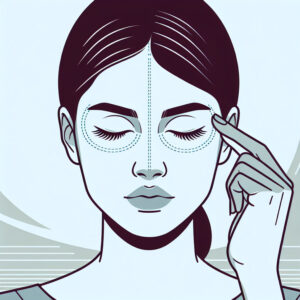
Daily Habits and Exercises: How to Improve Minus Eyesight for Better Visual Health
Introduction: Boosting Your Vision with Everyday Habits
These days, we’re all swamped by busy schedules, and a lot of us are starting to worry about our eyesight—especially when it isn’t as sharp as it used to be. Ever caught yourself squinting at your screen or reading something and feeling your eyes tire quickly? Whether you’re noticing early signs or just want to keep your vision sharp, this article is here to chat about easy, daily practices that can make a real difference. I’ll share some seasoned advice and practical tips, all aimed at giving your eyes the break they deserve, so you can enjoy better vision over the long run. Let’s dive into why your daily choices matter so much and how even tiny tweaks can lead to big improvements in your eye health.
Let’s face it—modern life, with its endless hours of screen time and hectic city living, often leaves our eyes begging for some love. But here’s the good news: improving your sight isn’t some far-off dream; it’s something each of us can work toward by making small, informed changes. From choosing the right foods to fitting in a few eye exercises, I’m breaking down the basics of caring for your “minus eyesight” (that’s the term some use for when your focus starts to slip) and offering simple strategies to help boost your visual performance naturally.
Understanding Minus Eyesight: Getting to The Basics
When we talk about “minus eyesight,” we’re basically referring to that gradual decrease in our ability to see things clearly—think of conditions like myopia. It might sound technical, but really, it’s all about understanding what your eyes are telling you. Are your eyes tired after long reading sessions? Do they strain when you stare at your phone? Noticing these little hints early on can empower you to tweak your habits before things get worse. Just like you’d care for your heart or your body, it’s important to treat your eyes with the same level of respect—they’re pretty essential!
Often, extended screen time, a less-than-ideal diet, or the natural aging process can bring on these vision issues. And while genetics might play a role (we all have our family quirks), the daily choices you make can either help or hurt your eyes. So, if you start feeling eye strain or a bit of blurriness, especially after reading for a while, it might be a sign to consider some changes. Recognizing these early warnings can smoothly steer you toward habits and exercises that actually improve minus eyesight over time.
Nutrition and Hydration: Feed Your Eyes Right
Did you know that what you eat might be the secret ingredient for better vision? A diet rich in vitamins, minerals, and antioxidants is like a tune-up for your eyes. Vitamins such as A, C, and E, plus zinc and omega-3 fatty acids, have been linked to the upkeep of a healthy retina. So, including plenty of leafy greens, carrots, and fatty fish in your meals could really help in keeping your vision in check. And here’s a simple tip—stay hydrated. Drinking water throughout the day ensures your eyes don’t get dry and tired, which is another culprit behind eye strain.
It’s not just about what you add; sometimes, it’s what you avoid that matters too. Cutting down on processed foods and sugary snacks can reduce inflammation and potential eye problems. A balanced diet brimming with fresh, whole foods can be a natural boon for your eyes. Think of it this way: a mindful food and hydration strategy isn’t just a trend—it’s a solid way to keep your eyes running smoothly day in, day out.
Seriously, water might just be the unsung hero in your daily routine. Even just a glass every couple of hours can help your eyes stay moist and battle fatigue, especially if you’re glued to your screen for ages.
Daily Lifestyle Habits: Small Changes for Big Results
Ever noticed how a little break makes a big difference? That’s because giving your eyes regular rest is key. If you spend long hours focusing at a computer or book, why not take a moment to stand up, stretch, and glance around? Short breaks can ease the tension and boost your ability to see clearly. It might seem trivial, but these tiny lifestyle tweaks can really add up over time.
Another game changer is sleep. Trust me, quality sleep is like a spa session for your eyes; it gives them the downtime they need to recover from the day’s stress. Creating a soothing nighttime routine—think dimmed lights and less screen time before bed—can result in better rest and healthier eyes. And don’t forget to get some fresh air! A quick walk outdoors not only clears your mind but also relaxes eye muscles, thanks to natural daylight. It’s these everyday habits that slowly build a strong foundation for better vision.
Visual Exercises: Your Daily Eye Workout
Let’s talk about eye exercises. No, there’s no magic pill here, but regular practice can seriously strengthen the muscles that help you focus. Ever shifted your gaze from something up close to a distant object? That’s a simple exercise that can improve focus flexibility. By keeping up with these drills, you help decrease the fatigue that comes from long bouts of concentrated staring. It’s like taking your eyes to the gym!
There are also exercises designed to widen your peripheral vision. By working on those outer areas, you can balance your vision and relieve the pressure on your central sight. And if you’re looking for a bit of relaxation during a long day, try a gentle eye massage around your temples or practice “palming,” where you cover your eyes with your palms. These simple practices, when done regularly, offer a holistic route to reinforcing how to improve minus eyesight naturally.
Managing Screen Time: Tips for the Digital Era
In our screen-dominated world, keeping digital eye strain at bay is more important than ever. Think about it—our phones, computers, and tablets are always nearby, and all that blue light can take a toll on your vision. One clever trick is the 20-20-20 rule: every 20 minutes, take a 20-second timeout to look at something 20 feet away. Sound simple? It really works to ease eye fatigue and keep your focus sharp.
Besides just taking breaks, consider setting up your workspace for eye comfort. Adjust your screen’s brightness, invest in blue light filters, or even get protective eyewear that blocks harmful rays. These tweaks can cut down on the digital glare and help keep your eyes happy—even on those long, screen-filled days.
Technology keeps evolving, and so should our habits. With a little ergonomic adjustment and mindful screen time, you can significantly reduce digital eye strain and see noticeable differences in your visual performance.
Conclusion: A Lifetime Commitment to Healthy Vision
All in all, we’ve covered a lot of ground on natural ways to bolster minus eyesight. From nourishing your eyes with the right diet and hydration to making lifestyle changes and even including eye exercises, every little step helps build a robust plan for long-term visual health. Remember, every small change you make today can pave the way for clearer sight tomorrow.
Adopting a holistic approach means investing in daily habits that support your vision, whether that’s tweaking your meals, taking those vital screen breaks, or even adding a few eye-targeted exercises to your routine. And hey, don’t forget to schedule regular check-ups with your eye doctor—they can offer personalized advice to keep your vision on track.
So why wait? Start with one small habit and watch how it contributes to a lifetime of visual clarity and comfort. After all, your eyes deserve the best care you can give them!