How to Improve Near Eyesight Naturally: Tips and Tricks You Need to Know
Understanding Near Eyesight: Basics and Common Issues
Ever noticed how some people struggle with close-up tasks like reading or using their phones? That’s where near eyesight comes into play. It’s all about how clearly you can see objects right in front of you—whether you’re perusing a book, working on your laptop, or threading a needle. But as we age, many of us face a decline in this ability, often due to conditions like presbyopia. The good news? There are plenty of ways to naturally improve near vision and keep your eyes healthy.
What is Near Eyesight?
Near eyesight is the sharpness with which you can focus on objects within arm’s reach. It’s different from distance vision, which lets you see things clearly in the background. If your near vision is good, tasks like reading, writing, and using digital devices become a breeze without any strain or discomfort.
Common Problems Affecting Near Vision
Several conditions can impact your ability to see up close:
- Presbyopia: This is a natural part of aging. It makes focusing on close objects tricky and usually starts showing up in your early 40s.
- Myopia (Nearsightedness): While myopia primarily affects distance vision, some folks may also struggle with near tasks if their prescription isn’t updated regularly.
- Astigmatism: This condition can blur both near and distant vision if not properly corrected.
When to Seek Professional Help
If you’re noticing persistent trouble with close-up tasks, it might be time to consult an eye care pro. They can figure out what’s going on and suggest treatments or corrective measures. Early intervention can prevent further issues and improve your quality of life.
Eye Exercises for Improved Focus
Think of eye exercises as a workout for your eyes. These simple routines can strengthen the muscles around your peepers, improving focus and reducing strain. Best part? You can do them at home with no special gear needed.
How to Improve Near Eyesight with Simple Eye Exercises
One effective exercise is focusing on objects at varying distances. Start by looking at something far away, then shift your focus to something closer. Repeat this several times a day to train your eyes to adjust more easily.
The Benefits of Palming and Focusing Techniques
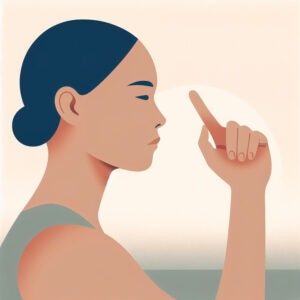
Palming is all about relaxation. Cover your closed eyes with your palms for a few minutes while taking deep breaths. This can help relax eye muscles and reduce strain from prolonged near tasks. Another useful exercise involves focusing on a small object, like a pencil tip, as you move it closer to your face and back again.
Incorporating Figure-Eight Exercises into Your Routine
Draw an imaginary figure-eight in the air with your finger or a pen. Follow this motion with your eyes without moving your head. This exercise helps improve eye coordination and focus, which can enhance near vision over time.
The Role of Nutrition in Improving Near Vision
What you eat plays a big role in maintaining healthy eyesight. Certain vitamins and minerals are crucial for protecting your eyes from damage and supporting overall eye function.
Key Nutrients for Healthy Eyesight
Vitamins A, C, and E are powerful antioxidants that help protect your eyes from oxidative stress. Minerals like zinc and selenium also contribute to eye health by supporting proper cell function. Plus, carotenoids such as lutein and zeaxanthin are vital for protecting the retina from harmful blue light.
How to Improve Near Eyesight Through Diet: Foods to Include
Add foods rich in these nutrients to your diet. Leafy greens like spinach and kale, colorful fruits such as oranges and berries, and fatty fish like salmon are excellent sources of eye-friendly vitamins and minerals.
Supplements That Support Eye Health
If you’re not getting enough nutrients from your diet alone, consider a high-quality multivitamin or an eye health supplement with ingredients like lutein, zeaxanthin, and omega-3 fatty acids.
Maintaining Proper Lighting for Better Near Vision
Proper lighting is key to minimizing eye strain and improving near vision. The right setup can make a world of difference when it comes to tasks like reading or working on the computer.
How Lighting Affects Near Eyesight
Inadequate lighting can cause squinting, leading to eye strain and fatigue. On the flip side, overly bright lighting can create glare, making it harder to focus on near objects. Finding the right balance is essential for optimal vision.
Tips for Creating an Optimal Reading Environment
When reading or doing close work, ensure your workspace is well-lit but not overly bright. Use task lighting like a desk lamp to provide focused illumination without casting harsh shadows. Position the light source behind you and at an angle to avoid glare on your screen or paper.
Avoiding Glare and Strain in Low-Light Conditions
In low-light situations, increase ambient lighting gradually rather than switching on a bright overhead light. Anti-glare screens for digital devices can also help reduce strain by minimizing reflections.
Managing Screen Time to Protect Your Eyes
Digital screens emit blue light that can disrupt your circadian rhythm and contribute to eye strain, especially with prolonged use. Managing your screen time is crucial for preserving near eyesight and overall eye health.
The Impact of Digital Screens on Near Vision
Prolonged exposure to digital screens can lead to computer vision syndrome, characterized by symptoms like blurred vision, dry eyes, and headaches. These issues often arise from staring at screens for extended periods without adequate breaks or proper lighting.
How to Improve Near Eyesight by Reducing Screen Time
To protect your eyes, limit your screen time whenever possible. When you do use digital devices, follow the 20-20-20 rule: take a break every 20 minutes and look at something 20 feet away for at least 20 seconds.
Eye-Friendly Settings for Computers and Mobile Devices
Adjust your device settings to reduce eye strain. Increase the text size, enable blue light filters, and ensure that the brightness level is set to match your surrounding environment. Using anti-glare screens or glasses can also help minimize discomfort.
Alternative Therapies for Improving Near Vision Naturally
If you’re interested in exploring alternative approaches to improving near eyesight, there are several holistic methods that may complement traditional treatments.
Acupuncture: A Holistic Approach to Eye Health
Acupuncture is an ancient Chinese practice that involves inserting thin needles into specific points on the body. Some people find that this therapy helps improve blood flow to the eyes and reduces tension, potentially enhancing near vision.
Can Massage Therapy Help Improve Near Eyesight?
Eye massages can relieve muscle tension and promote relaxation. Gently massaging the area around your eyes or using acupressure techniques may help reduce strain and improve focus over time.
Herbal Remedies and Their Potential Benefits
Certain herbs, such as bilberry and ginkgo biloba, are believed to support eye health by improving circulation and protecting against oxidative damage. Consult with a healthcare provider before trying any herbal remedies to ensure they’re safe for you.
Incorporating Relaxation Techniques for Better Vision Health
Stress can have a significant impact on your eye health, contributing to conditions like dry eyes and tension headaches. Incorporating relaxation techniques into your daily routine can help reduce stress and promote better vision.
How Stress Affects Near Vision and Overall Eye Health
Chronic stress can lead to prolonged muscle tension in the eye area, which may exacerbate existing vision problems. Managing stress is an important aspect of maintaining healthy eyesight.
Yoga and Meditation for Relaxation and Improved Focus
Practicing yoga and meditation regularly can help reduce stress levels and improve your ability to focus. Specific eye exercises in yoga, such as palming or focusing on a distant object, can also contribute to better near vision.
Breathing Exercises to Reduce Eye Strain
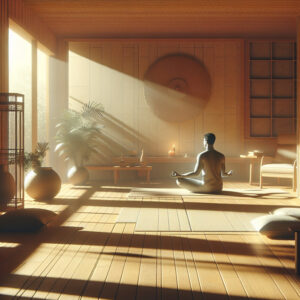
Deep breathing exercises are simple yet effective ways to relax your body and mind. Take a few moments each day to sit quietly, close your eyes, and breathe deeply in through your nose and out through your mouth. This can help relieve tension in the eye muscles and improve overall well-being.
Monitoring Progress and Adjusting Your Strategy
Improving near eyesight naturally is a gradual process that requires patience and consistency. Tracking your progress and making adjustments to your strategy as needed can help you achieve the best results.
Tracking Improvements in Near Eyesight
Keep a journal to document any changes in your vision over time. Note when tasks that were previously difficult become easier, such as reading small text without strain or noticing improved focus during close work.
When to Revisit or Adjust Your Plan
If you don’t notice significant improvements after several weeks of implementing these strategies, it may be time to revisit your approach. Consider incorporating additional techniques or consulting with a healthcare professional for personalized advice.
The Importance of Consistency in Maintaining Good Vision
Consistent effort is key to maintaining healthy eyesight over the long term. Make eye care part of your daily routine, just like brushing your teeth or exercising. Small changes can add up to big improvements when practiced regularly.
Conclusion: Taking Charge of Your Near Vision
Improving near eyesight naturally is within reach if you’re willing to adopt healthy habits and take proactive steps to protect your vision. By incorporating eye exercises, proper nutrition, adequate lighting, and stress management techniques into your daily life, you can enhance your near vision and enjoy better overall eye health.
Remember, consistency is key, and it’s always a good idea to consult with an eye care professional if you have concerns or questions about your vision. With the right approach, you can maintain clear, comfortable near eyesight for years to come.
Understanding Near Eyesight: The Basics and Common Issues
Near eyesight is all about how clearly you can see objects up close. Whether you’re diving into a book, working on your computer, or threading a needle, good near vision makes these tasks much easier. But as we age, many of us find our near vision starts to fade—often due to conditions like presbyopia. The good news? There are plenty of natural ways to improve and maintain your near vision.
What Exactly is Near Eyesight?
Near eyesight refers to how sharp your vision is when you’re focusing on objects within arm’s reach. It’s different from distance vision, which helps you see things in the background. Good near vision is essential for activities like reading, writing, and using digital devices without any strain or discomfort.
Common Problems That Affect Near Vision
Several conditions can impact your ability to see clearly up close:
- Presbyopia: This age-related condition makes it harder to focus on close objects. It usually starts showing up in your early 40s.
- Myopia (Nearsightedness): While myopia primarily affects distance vision, if your prescription isn’t updated regularly, you might struggle with near tasks too.
- Astigmatism: This condition can blur both near and distant vision if not properly corrected.
When Should You Seek Professional Help?
If you’re consistently having trouble with close-up tasks, it’s a good idea to chat with an eye care professional. They can figure out what’s going on and suggest treatments or corrective measures. Early action can prevent further issues and improve your quality of life.
Eye Exercises: Strengthening Your Vision
Eye exercises are a natural way to boost the muscles around your eyes, helping you focus better and reduce strain. These simple workouts can be done at home with no special equipment needed.
Improving Near Vision with Simple Eye Exercises
One effective exercise is practicing focusing on objects at different distances. Start by looking at something in the distance, then shift your focus to something closer. Repeat this several times a day to train your eyes to adjust more easily.
The Benefits of Palming and Focusing Techniques
Palming is all about covering your closed eyes with your palms for a few minutes while taking deep breaths. This technique relaxes eye muscles and reduces strain from prolonged near tasks. Another useful exercise is focusing on a small object, like a pencil tip, as you move it closer to your face and back again.
Adding Figure-Eight Exercises to Your Routine
Draw an imaginary figure-eight in the air with your finger or a pen. Follow this motion with your eyes without moving your head. This exercise improves eye coordination and focus, which can enhance near vision over time.
Nutrition: The Key to Healthy Eyes
Good nutrition is essential for maintaining healthy eyesight.特定的维生素和矿物质在保护眼睛免受损害和支持整体视力方面起着关键作用。
Key Nutrients for Healthy Eyesight</

Myths and Facts About Improving Myopia: How to Do It Without Glasses
Busting Myths About Beating Myopia: How to Sharpen Your Vision Without Specs
Understanding Myopia: The Basics and Why People Crave Alternatives
Ever wondered if you could improve your myopia without glasses or contacts? You’re not alone. Millions worldwide are on a quest for clearer vision without corrective eyewear. Let’s explore how to enhance your eyesight naturally, starting with the basics of what myopia is and why people seek alternatives.
What Is Myopia?
Myopia, or nearsightedness, occurs when the eye doesn’t bend light properly, causing images to focus in front of the retina instead of on it. This makes distant objects blurry while close-up vision remains sharp. Typically diagnosed in childhood or early adulthood, myopia can worsen over time if left unchecked.
Common Myths About Myopia
Despite its prevalence, misconceptions about myopia abound. Some think it’s purely genetic, while others believe environmental factors like screen time are the sole cause. The truth? It’s a mix of both genetics and environment.
Why People Want to Ditch Glasses
Glasses can feel like a hassle—constantly needing them, dealing with smudges or discomfort. This is why so many seek alternatives, from diet tweaks to tech solutions, aiming for clearer vision without corrective eyewear.
Myths vs Facts: Separating Fact from Fiction
Myth 1: Myopia Can’t Be Improved Naturally
A common myth is that myopia can only be corrected surgically. However, while severe cases may require medical intervention, natural methods can slow progression and improve vision in some cases.
Facts About Natural Improvement
Understanding how to improve myopia without glasses starts with recognizing the eye’s adaptability. Research shows that lifestyle changes like more outdoor time and a balanced diet rich in eye-friendly nutrients can manage myopia effectively.
Myth 2: Eye Exercises Are Useless
Another myth is that eye exercises are ineffective. However, evidence supports their benefits for managing myopia by strengthening eye muscles and reducing strain.
Facts on How Eye Exercises Help
Eye exercises can reduce strain and slow myopia progression. While they may not eliminate glasses entirely, especially in severe cases, they’re a valuable tool for healthier vision.
How to Improve Myopia Without Glasses: Practical Approaches
Diet and Nutrition: Foods That Support Eye Health
Your diet plays a crucial role in eye health. Focus on these key nutrients:
- Vitamin A: Found in carrots, sweet potatoes, and spinach.
- Lutein & Zeaxanthin: Antioxidants protecting eyes from UV damage, abundant in leafy greens and eggs.
- Zinc: Crucial for transporting vitamin A to the eyes, found in oysters, beef, and pumpkin seeds.
Environmental Factors: Reducing Screen Time & Increasing Outdoor Activities
Excessive screen time can strain eyes and worsen myopia. Use the 20-20-20 rule—every 20 minutes, look at something 20 feet away for 20 seconds. Also, spend more time outdoors for natural light benefits.
Technology: New Innovations in Non-Glasses Solutions
Technological advancements offer promising solutions:
- Ortho-k Lenses: Reshape the cornea overnight for clearer day vision.
- Low-Dose Atropine Drops: Slow myopia progression, often used with other methods.
Real-Life Success Stories
Sarah’s Journey: A Marketing Pro’s Vision Makeover
Sarah, 28, struggled with myopia since her teens. After adopting eye exercises, a diet rich in antioxidants, and more outdoor time, she noticed significant vision improvement within six months, reducing her glasses dependency.
Jamie’s Story: A Teen’s Fight Against Myopia
At 15, Jamie was diagnosed with myopia. With eye exercises, a balanced diet, and limited screen time, his myopia slowed significantly over a year, proving early intervention’s impact.
Protecting Your Vision: Steps to Prevent Further Deterioration
The Importance of Regular Eye Exams
Regular exams help monitor vision and adjust treatment plans, crucial for preventing further deterioration and timely interventions.
Lifestyle Changes Supporting Long-Term Eye Health
Maintain healthy habits—adequate sleep, stress management, no smoking or excessive alcohol—for overall eye health supporting myopia management.
When to Seek Professional Help: Balancing Natural & Medical Solutions
Understanding the Limits of Natural Methods
Natural methods may not suffice for severe cases, making medical interventions like LASIK or ortho-k necessary.
Working with Eye Care Professionals
Collaboration is key. Open communication helps tailor treatment plans to individual needs, whether exploring natural methods or advanced technologies.
Conclusion: Take Charge of Your Vision
Recap of Key Points
We’ve explored myopia causes, natural improvement methods, success stories, and the importance of regular eye care. Remember, every small change contributes to long-term eye health.
Your Journey to Better Vision Starts Now
Start incorporating these tips into your routine and schedule regular check-ups with your eye care professional for optimal results. With the right approach, enjoy sharper vision and a more fulfilling lifestyle!
Your eyes deserve the best. Take the first step today toward better vision!
Here’s the rewritten version of the article with a more natural and conversational tone:
—
Myths and Facts About Improving Myopia: How to Do It Without Glasses
Understanding Myopia: What It Is and Why People Seek Alternatives
<p(Have you ever wondered if it’s possible to improve your myopia without relying on glasses or contact lenses? If so, you’re not alone. Millions of people around the world are searching for ways to enhance their vision naturally. But before we dive into how to improve myopia without glasses, let’s start by understanding what myopia actually is and why people often seek alternatives to traditional corrective measures.
What Is Myopia?
Myopia, commonly known as nearsightedness, is a refractive error of the eye. This means that the eye doesn’t bend (or refract) light properly, causing images to focus in front of the retina instead of directly on it. As a result, people with myopia have difficulty seeing objects clearly at a distance, while their close-up vision remains sharp. Myopia is typically diagnosed during childhood or early adulthood and can worsen over time if not managed properly.
Common Misconceptions About Myopia
Despite its prevalence, there are several myths surrounding myopia that often lead to confusion and misinformation. For instance, some people believe that myopia is caused solely by genetics, while others think it’s entirely due to environmental factors like excessive screen time. The truth lies somewhere in between. While genetic predisposition plays a significant role, lifestyle choices and environmental conditions can also influence the development and progression of myopia.
The Desire to Improve Vision Without Glasses
For many individuals, relying on glasses or contact lenses can feel like a burden. The constant need to carry corrective eyewear, deal with smudged lenses, or adjust to contacts can be frustrating. This is why so many people are eager to explore alternative methods for improving their vision. Whether it’s through diet, exercises, or innovative technologies, the goal is often the same: to reduce dependency on glasses and enjoy clearer, more natural vision.
Myths vs. Facts: Separating Truth from Fiction
Myth 1: Myopia Can’t Be Improved Naturally
One of the most persistent myths about myopia is that it cannot be improved naturally. Many people believe that once you have myopia, there’s no way to reverse or significantly reduce its effects without surgical interventions like LASIK. However, this simply isn’t true. While severe cases may require medical treatments, there are several natural methods that can help slow down the progression of myopia and even improve vision in some cases.
Fact: Understanding the Potential for Improvement
The key to understanding how to improve myopia without glasses lies in recognizing that the eye is a dynamic organ capable of change. Research has shown that lifestyle adjustments, such as increasing outdoor activities and maintaining a balanced diet rich in eye-friendly nutrients, can play a crucial role in managing myopia. Additionally, certain exercises and practices have been proven to strengthen the muscles around the eyes, potentially improving focus and reducing strain.
Myth 2: Eye Exercises Are a Waste of Time
Another common misconception is that eye exercises are ineffective and a waste of time. Critics often dismiss these practices as unproven or unnecessary, especially in the context of modern corrective solutions like laser surgery. However, this viewpoint overlooks the growing body of evidence supporting the benefits of eye exercises for managing myopia.
Fact: How Eye Exercises Can Help
Eye exercises are designed to strengthen the muscles around the eyes and improve focusing ability. For individuals with myopia, these exercises can help reduce strain on the eyes and potentially slow down the progression of the condition. While they may not completely eliminate the need for glasses, especially in more severe cases, they can be a valuable tool in maintaining healthy vision and reducing dependency on corrective eyewear.
How to Improve Myopia Without Glasses: Practical Approaches
Diet and Nutrition: Foods That Support Eye Health
Your diet plays a significant role in eye health. Incorporating certain nutrients into your daily meals can help support optimal vision and potentially slow down the progression of myopia. Key nutrients to focus on include:
- Vitamin A: Essential for maintaining healthy eyesight, found in foods like carrots, sweet potatoes, and spinach.
- Lutein and Zeaxanthin: These antioxidants help protect the eyes from harmful UV rays and are abundant in leafy greens and eggs.
- Zinc: Plays a crucial role in transporting vitamin A to the eyes, found in foods like oysters, beef, and pumpkin seeds.
Environmental Factors: Reducing Screen Time and Increasing Outdoor Activities
In today’s digital age, screen time has become an unavoidable part of daily life. However, excessive exposure to screens can contribute to eye strain and potentially exacerbate myopia. To protect your vision, it’s important to limit screen time and take regular breaks using the 20-20-20 rule: every 20 minutes, look away from your screen at something 20 feet away for at least 20 seconds.
In addition to reducing screen time, increasing outdoor activities can be beneficial. Spending time outdoors exposes your eyes to natural light, which has been shown to help slow the progression of myopia in children and adults alike.
Technology: New Innovations in Non-Glasses Solutions
If you’re looking for more advanced methods to improve myopia without glasses, recent technological advancements offer promising solutions. One such innovation is orthokeratology (ortho-k), a non-surgical treatment that uses specially designed contact lenses to reshape the cornea overnight. When worn during sleep, these lenses temporarily correct vision, allowing individuals to see clearly without glasses or contacts during the day.
Another emerging technology is low-dose atropine eye drops, which have been shown to slow the progression of myopia in some cases. These treatments are typically prescribed by eye care professionals and can be used alongside other natural methods for optimal results.
Success Stories: Real-Life Examples of Improving Myopia
Case Study 1: A Young Professional’s Journey to Better Vision
Meet Sarah, a 28-year-old marketing executive who has struggled with myopia since her teens. Frustrated with constantly misplacing her glasses and dealing with the hassle of contacts, Sarah decided to explore alternative methods for improving her vision. She began incorporating eye exercises into her daily routine, adjusted her diet to include more eye-friendly nutrients, and made a conscious effort to spend more time outdoors.
After six months of consistent effort, Sarah noticed significant improvements in her vision. While she still needed glasses for certain activities, her dependency on them decreased dramatically. This experience inspired her to share her story with others, proving that natural methods can make a real difference.
Case Study 2: How a Teenager Reduced Dependency on Glasses
Jamie, a 15-year-old high school student, was diagnosed with myopia during his freshman year. Concerned about the long-term effects of worsening vision, Jamie’s parents sought out natural methods to manage his condition. Under the guidance of an eye care professional, Jamie adopted a regimen that included regular eye exercises, a balanced diet rich in antioxidants, and limited screen time.
Over the course of a year, Jamie’s myopia progression slowed significantly, and he experienced improved clarity in his vision. This success story highlights the importance of early intervention and the potential for natural methods to make a meaningful impact on managing myopia.
Preventing Further Deterioration: Steps to Protect Your Vision
The Role of Regular Eye Exams
While exploring ways to improve myopia without glasses, it’s crucial not to overlook the importance of regular eye exams. These check-ups allow your eye care professional to monitor your vision and make necessary adjustments to your treatment plan. Early detection of changes in your condition can help prevent further deterioration and ensure that any interventions are timely and effective.
Lifestyle Changes That Support Long-Term Eye Health
Maintaining healthy habits is essential for protecting your vision over the long term. This includes getting adequate sleep, managing stress levels, and avoiding smoking or excessive alcohol consumption. All of these factors contribute to overall eye health and can support your efforts to improve myopia without glasses.
When to Seek Professional Help: Balancing Natural and Medical Solutions
Understanding the Limits of Natural Methods
While natural methods can be incredibly effective for managing myopia, it’s important to recognize their limitations. For instance, these approaches may not be sufficient for individuals with severe myopia or those experiencing rapid progression of the condition. In such cases, medical interventions like LASIK surgery or ortho-k lenses may be necessary to achieve optimal results.
How to Work with an Eye Care Professional
The key to successfully improving your vision lies in collaboration between you and your eye care professional. Open communication about your goals, preferences, and lifestyle will help them tailor a treatment plan that suits your needs best. Whether you’re exploring natural methods, considering advanced technologies, or looking into surgical options, working together with an experienced professional ensures that you make informed decisions and achieve the best possible outcomes.
Conclusion: Taking Charge of Your Vision
Recap of Key Points
In this blog post, we’ve explored various aspects of myopia, from understanding its causes to examining effective methods for improving vision without glasses. We’ve debunked common myths, discussed practical approaches like diet and technology, shared success stories, and emphasized the importance of regular eye care.
Encouragement for a Proactive Approach to Eye Health
The journey to better vision doesn’t have to be daunting. By taking proactive steps and seeking expert guidance, you can make meaningful improvements in your eyesight and reduce

How to Improve Myopia Without Glasses in Just 30 Days: A Proven Method
Introduction: Understanding Myopia and Why You Need Glasses
Welcome to this comprehensive guide on how to improve myopia without glasses in just 30 days. If you’re someone who’s been dealing with blurry vision, eye strain, or the hassle of relying on corrective lenses, you’re not alone. Millions of people worldwide experience the challenges of myopia, also known as nearsightedness.
What Is Myopia?
Myopia is a common eye condition where distant objects appear blurry while close-up items remain clear. This happens because the eye either grows too long or has a cornea that’s too curved, causing light to focus in front of the retina instead of directly on it. While myopia can be mild, it often progresses over time, especially during childhood and adolescence.
How Does Myopia Affect Daily Life?
If you have myopia, you’re likely no stranger to the daily struggles it presents. Whether it’s squinting at road signs while driving or having trouble reading a whiteboard at work, myopia can significantly impact your quality of life. It can also lead to eye strain, headaches, and fatigue, especially after prolonged periods of focusing on distant objects.
The Benefits of Improving Myopia Without Glasses
While glasses and contact lenses are effective in correcting vision, many people seek alternatives for a variety of reasons. Maybe you’re looking to reduce your reliance on corrective eyewear, improve your confidence, or simply explore natural methods to enhance your eye health. Whatever your motivation, improving myopia without glasses is not only possible but also achievable with the right approach.
Part 1: How to Improve Myopia Without Glasses – Lifestyle Changes That Make a Difference
Diet for Better Vision: Foods to Include in Your Diet
Your diet plays a crucial role in maintaining healthy eyes. Incorporating specific nutrients into your meals can help improve your vision and slow down the progression of myopia. Antioxidants like vitamin A, C, and E are essential for protecting your eyes from oxidative stress. Foods rich in these vitamins include carrots, spinach, citrus fruits, and nuts.
Omega-3 fatty acids are also vital for eye health. Found in fish like salmon and mackerel, as well as flaxseeds and walnuts, they help reduce inflammation and support overall ocular function. Additionally, lutein and zeaxanthin, found in leafy greens and eggs, act as natural sunglasses by filtering harmful blue light.
Exercise and Eye Health: Simple Workouts to Strengthen Your Eyes
Your eyes benefit from regular exercise just like the rest of your body. While you can’t work out your eye muscles directly, there are exercises that can help improve focus and reduce strain. Try focusing on distant objects for 10-15 seconds, then shift your gaze to something close by. Repeat this several times a day to strengthen your eye muscles.
Physical activity also improves blood flow to the eyes, delivering essential nutrients and oxygen. Even simple activities like walking or cycling can make a difference. Just remember to protect your eyes from UV rays when spending time outdoors.
Reducing Screen Time: Tips to Protect Your Eyes from Digital Strain
In today’s digital age, screen time is inevitable. However, prolonged exposure to screens can exacerbate eye strain and contribute to the progression of myopia. To protect your eyes, follow the 20-20-20 rule: every 20 minutes, take a break and look at something 20 feet away for 20 seconds.
Adjusting your screen settings can also help reduce eye strain. Ensure your screen is at least arm’s length away, avoid glare by using an anti-glare filter, and consider blue light-blocking glasses if you spend a lot of time in front of screens.
Proper Ergonomics: How to Set Up Your Workspace for Optimal Vision
Your workspace setup can significantly impact your eye health. Ensure your desk is ergonomically designed, with your computer screen positioned at eye level and about 20-25 inches away from your eyes. Good lighting is also essential—avoid harsh overhead lights and opt for softer, diffused lighting instead.
Take regular breaks to move around and stretch your body. This not only benefits your physical health but also helps reduce eye strain and improve focus. Remember, small adjustments in ergonomics can lead to big improvements in vision over time.
Part 2: How to Improve Myopia Without Glasses – The Role of Stress Management
Why Stress Affects Eye Health and Vision
Stress is a natural part of life, but chronic stress can have detrimental effects on your health, including your eyes. High levels of stress can lead to eye strain, dryness, and even contribute to the progression of myopia. When you’re stressed, your body releases cortisol, which can cause tension in the muscles around your eyes.
Additionally, stress often leads to poor lifestyle choices, such as inadequate sleep, unhealthy eating habits, and reduced physical activity—all of which can further impact your eye health. Managing stress is not just about feeling better; it’s also about protecting your vision.
Techniques to Reduce Stress: Meditation, Yoga, and Breathing Exercises
Meditation, yoga, and breathing exercises are powerful tools for reducing stress and improving eye health. These practices help relax the mind and body, reduce tension in the eye muscles, and improve blood flow to the eyes.
Try deep breathing techniques: inhale deeply through your nose for four counts, hold for four counts, then exhale slowly for six counts. This can help calm your mind and relax your eye muscles.
Incorporating Relaxation Practices into Your Daily Routine
Consistency is key when it comes to stress management. Even just 10-15 minutes of meditation or yoga each day can make a significant difference in reducing stress and improving your vision.
Experiment with different relaxation techniques to find what works best for you. Whether it’s guided meditations, gentle yoga sessions, or simply taking a few moments to breathe deeply, the goal is to create a routine that helps you manage stress effectively and protect your vision.
Part 3: How to Improve Myopia Without Glasses – Natural Remedies and Eye Exercises
Eye Exercises for Myopia Improvement: Scientifically Proven Techniques
Eye exercises are a cornerstone of natural myopia correction. These exercises aim to strengthen the eye muscles, improve focus, and reduce strain. One effective technique is the “Eyes Up” exercise: look up at the ceiling without moving your head, then shift your gaze down to the floor. Repeat this 10 times daily.
Another method is the “Shifting Focus” exercise: hold a pen or finger about 6 inches from your face and focus on it for 5 seconds, then shift your focus to an object in the distance. Alternate between near and far objects for several minutes each day.
The Palming Technique: A Simple Way to Rest Your Eyes
Palming is a simple yet effective technique that helps relax your eyes and reduce strain. To perform this exercise, rub your hands together until they feel warm, then cup them over your closed eyes. Make sure no light is entering through the gaps between your fingers.
Sit comfortably in a dimly lit room or use a soft cloth to cover any remaining light. Allow yourself to relax completely and visualize darkness for 5-10 minutes. This practice can help soothe tired eyes and improve overall vision clarity.
Acupressure and Massage: Ancient Methods to Enhance Vision
Acupressure and eye massages are traditional practices that have been used for centuries to improve eye health. By applying pressure to specific points around the eyes, you can stimulate blood flow and relieve tension in the ocular muscles.
Gently massage your temples, the area between your eyebrows, and the base of your neck. Use circular motions with your fingertips and apply only light pressure. This can help reduce eye strain and improve focus over time.
Part 4: How to Improve Myopia Without Glasses – Consulting an Expert
When to Seek Professional Help for Myopia
While natural methods can be effective, there are times when consulting a professional is essential. If you notice sudden changes in your vision, persistent eye pain, or difficulty focusing even after making lifestyle changes, it’s important to seek medical advice.
Myopia can sometimes be a symptom of underlying health issues, such as diabetes or hypertension. Regular check-ups with an optometrist can help ensure that any changes in your vision are addressed promptly and appropriately.
Understanding the Role of Optometrists in Managing Myopia
Optometrists play a crucial role in managing myopia. They can provide personalized advice on corrective measures, monitor the progression of your condition, and recommend treatment options such as orthokeratology or atropine drops if necessary.
Scheduling regular comprehensive eye exams is one of the best ways to safeguard your vision. These exams not only help detect myopia but also identify other potential eye health issues early on.
Alternative Treatments: Are They Safe and Effective?
If you’re considering alternative treatments for myopia, it’s important to approach them with caution. While some methods, like orthokeratology or low-dose atropine drops, have been proven effective under medical supervision, others may lack scientific evidence.
Always consult with a qualified eye care professional before trying any new treatment. They can help you determine the safest and most effective options for your specific condition.
Part 2: How to Improve Myopia Without Glasses – The Role of Stress Management
Why Stress Affects Eye Health and Vision
Stress is a natural part of life, but chronic stress can have detrimental effects on your health, including your eyes. High levels of stress can lead to eye strain, dryness, and even contribute to the progression of myopia. When you’re stressed, your body releases cortisol, which can cause tension in the muscles around your eyes.
Additionally, stress often leads to poor lifestyle choices, such as inadequate sleep, unhealthy eating habits, and reduced physical activity—all of which can further impact your eye health. Managing stress is not just about feeling better; it’s also about protecting your vision.
Techniques to Reduce Stress: Meditation, Yoga, and Breathing Exercises
There are countless ways to manage stress, but some methods are particularly effective for improving eye health. Meditation and yoga are excellent choices as they promote relaxation, reduce tension in the body, and improve blood flow to the eyes.
Breathing exercises are another simple yet powerful tool. Try deep breathing techniques: inhale deeply through your nose for four counts, hold for four counts, then exhale slowly for six counts. This can help calm your mind and relax your eye muscles.
Incorporating Relaxation Practices into Your Daily Routine
The key to stress management is consistency. Even just 10-15 minutes of meditation or yoga each day can make a significant difference. Consider setting aside specific times for relaxation, such as first thing in the morning or before bed.
Experiment with different techniques to find what works best for you. Whether it’s guided meditations, gentle yoga sessions, or simply taking a few moments to breathe deeply, the goal is to create a routine that helps you manage stress effectively and protect your vision.
Part 3: How to Improve Myopia Without Glasses – Natural Remedies and Eye Exercises
Eye Exercises for Myopia Improvement: Scientifically Proven Techniques
Eye exercises are a cornerstone of natural myopia correction. These exercises aim to strengthen the eye muscles, improve focus, and reduce strain. One effective technique is the “Eyes Up” exercise: look up at the ceiling without moving your head, then shift your gaze down to the floor. Repeat this 10 times daily.
Another method is the “Shifting Focus” exercise: hold a pen or finger about 6 inches from your face and focus on it for 5 seconds, then shift your focus to an object in the distance. Alternate between near and far objects for several minutes each day.
The Palming Technique: A Simple Way to Rest Your Eyes
Palming is a simple yet effective technique that helps relax your eyes and reduce strain. To perform this exercise, rub your hands together until they feel warm, then cup them over your closed eyes. Make sure no light is entering through the gaps between your fingers.
Sit comfortably in a dimly lit room or use a soft cloth to cover any remaining light. Allow yourself to relax completely and visualize darkness for 5-10 minutes. This practice can help soothe tired eyes and improve overall vision clarity.
Acupressure and Massage: Ancient Methods to Enhance Vision
Acupressure and eye massages have been used for centuries to improve eye health. By applying gentle pressure to specific points around the eyes, you can stimulate blood flow and relieve tension in the ocular muscles. Spend a few minutes each day massaging your temples, the area between your eyebrows, and the base of your neck using circular motions with your fingertips.
Part 2: How to Improve Myopia Without Glasses – The Role of Stress Management
Why Stress Affects Eye Health and Vision
Stress is a natural part of life, but chronic stress can have negative effects on your eyes. High levels of stress cause tension in the muscles around your eyes, leading to eye strain and dryness. Additionally, stress often results in poor lifestyle choices like inadequate sleep and unhealthy eating habits, which further impact your eye health.
Techniques to Reduce Stress: Meditation, Yoga, and Breathing Exercises
Meditation and yoga are excellent ways to manage stress while promoting relaxation and improving blood flow to the eyes. Try deep breathing techniques: inhale deeply through your nose for four counts, hold for four counts, then exhale slowly for six counts. This simple exercise can help calm your mind and relax your eye muscles.
Incorporating Relaxation Practices into Your Daily Routine
Consistency is key when it comes to stress management. Even just 10-15 minutes of meditation or yoga each day can make a significant difference. Experiment with different techniques to find what works best for you, whether it’s guided meditations, gentle yoga sessions, or simply taking a few moments to breathe deeply.
Part 3: How to Improve Myopia Without Glasses – Natural Remedies and

How to Achieve Clearer Vision Naturally: Improving Myopia Without Glasses
How to Achieve Clearer Vision Naturally: Improving Myopia Without Glasses
Understanding Myopia: What You Need to Know
What is Myopia?
Myopia, or nearsightedness, is a condition where you can see things up close just fine, but anything in the distance gets blurry. It happens because your eye shape causes light rays to focus in front of your retina instead of directly on it. This can be due to genetics, too much screen time, or even lighting conditions that aren’t quite right during daily activities.
Why Improve Myopia Naturally?
If you’re here, chances are you’ve thought about glasses or contacts as a solution. But what if there were other ways to improve your vision without relying on corrective eyewear? Natural methods can work alongside medical treatments and might even slow how quickly myopia progresses, especially in kids and young adults.
The Role of Genetics in Myopia Development
Genetics play a big role in whether you develop myopia. If one or both parents have it, your odds go up. But don’t worry—environmental factors also matter, meaning you can take steps to help mitigate its effects. By making healthier choices and tweaking your surroundings, you might even slow how quickly myopia gets worse.
How to Improve Myopia Without Glasses: Lifestyle Changes
Diet and Nutrition for Better Vision
Eye-Friendly Nutrients: Lutein, Zeaxanthin, Vitamin A
Certain nutrients are key for keeping your eyes healthy. Lutein and zeaxanthin act like natural sunglasses, protecting your eyes from harmful blue light. Vitamin A is crucial for seeing in low-light conditions and helps prevent dry eyes. Adding these to your diet can support overall eye health.
Foods That Support Eye Health (Carrots, Spinach, Eggs)
Carrots get a lot of love for their vitamin A content, but spinach and eggs are also great choices. Leafy greens like spinach are packed with lutein and zeaxanthin, while eggs provide both these nutrients along with omega-3 fatty acids, which support eye function.
Stay Hydrated for Optimal Eye Function
Dehydration can lead to dry eyes and discomfort. Staying hydrated helps keep your eyes moist and functioning properly throughout the day.
Exercise for Clearer Vision
How Physical Activity Benefits Your Eyes
Regular exercise improves blood flow to your eyes, delivering essential nutrients and oxygen. This can enhance overall eye health and might even slow how quickly myopia progresses.
Specific Exercises to Strengthen Eye Muscles
Eye exercises like near-far focusing or palming techniques can help relax and strengthen your eye muscles. Consistency is key—practicing these exercises daily can lead to noticeable improvements over time.
Natural Methods to Improve Myopia: Environmental Adjustments
Optimizing Lighting Conditions
Bright, harsh lighting can strain your eyes. Use task lighting when reading or working on screens, and make sure your surroundings are well-lit but not overwhelming. Natural light is ideal, so open the blinds or step outside during the day.
Reducing Screen Time and Digital Strain
Prolonged screen time contributes to eye strain and may worsen myopia. Implement the 20-20-20 rule: every 20 minutes, look at something 20 feet away for 20 seconds. This simple habit can significantly reduce digital eye strain.
Creating an Ergonomic Work Environment
Your workspace setup plays a role in eye health. Position your computer screen at eye level and about 20-25 inches away. Use antiglare screens and ensure proper lighting to minimize strain during long work sessions.
Stress Management and Its Impact on Vision Improvement
The Connection Between Stress and Eye Health
High stress levels can lead to tension headaches and eye strain. Managing stress is essential for maintaining healthy vision. Techniques like yoga, meditation, and deep breathing exercises can help reduce stress-related eye issues.
Techniques to Reduce Eye Strain (Yoga, Meditation)
Practicing yoga poses that focus on the eyes, such as the eagle pose or seated forward bend, can improve blood flow and relax your eye muscles. Mindfulness meditation also helps reduce overall stress, creating a healthier environment for your eyes.
How Sleep Affects Myopia Progression
A lack of sleep can exacerbate eye strain and fatigue. Aim for 7-9 hours of quality sleep each night to allow your eyes to rest and regenerate properly.
Eye Exercises: Effective Ways to Improve Vision Naturally
Near-Far Focusing Exercise
This exercise helps improve focus and reduce eye strain. Hold a small object like a pen at arm’s length, then slowly move it closer until it’s about 6 inches away from your face. Focus on the object as it moves, switching between near and far points to strengthen your eye muscles.
Palming Technique for Relaxation
The palming technique involves covering your eyes with your palms (without applying pressure) and relaxing in a dark room or with your eyes closed. This simple exercise helps reduce tension and relaxes the eye muscles, promoting clearer vision.
Eye Rolling and Stretching
Rolling your eyes clockwise and counterclockwise for 10-15 seconds each direction can help improve flexibility and reduce strain. Follow this with gentle stretching exercises to keep your eye muscles limber.
The Role of Consistency in Eye Exercises
Like any exercise routine, consistency is key. Dedicate a few minutes each day to practicing these eye exercises. Over time, you’ll notice improvements in focus and overall eye comfort.
Alternative Therapies for Improving Myopia Without Glasses
Acupuncture: Ancient Practice Meets Modern Science
Acupuncture is a traditional Chinese medicine technique that involves inserting thin needles into specific points on the body. Some studies suggest it may help improve visual acuity by enhancing blood flow to the eyes and reducing tension.
Herbal Supplements and Their Benefits (Bilberry, Ginkgo Biloba)
Bilberry is known for its antioxidant properties and potential benefits for eye health. Ginkgo biloba may improve circulation, which can support nutrient delivery to the eyes. Always consult a healthcare professional before starting any supplement regimen.
Are Homeopathic Remedies Effective?
Homeopathy focuses on natural remedies tailored to individual symptoms. While some people report positive results, scientific evidence supporting its effectiveness for myopia is limited. As with any alternative therapy, it’s wise to approach it with caution and professional guidance.
Limitations of Natural Methods for Myopia Improvement
When to Seek Professional Help
Natural methods can be a helpful supplement but aren’t a substitute for medical advice. If your myopia is severe or worsening rapidly, consult an eye care professional. They may recommend treatments like corrective lenses, orthokeratology, or even surgery.
Combining Natural and Medical Approaches
Incorporating natural methods with prescribed treatments can provide a comprehensive approach to managing myopia. For example, adopting a healthy diet while wearing contact lenses or undergoing vision therapy may yield better results than either method alone.
The Importance of Regular Eye Exams
Regular check-ups are essential for monitoring your eye health and adjusting treatments as needed. Even if you’re pursuing natural methods, staying informed about your condition is key to preventing complications.
Conclusion: Your Journey to Clearer Vision Without Glasses
Recap of Key Strategies
From diet and exercise to environmental adjustments and stress management, there are numerous natural ways to support your eye health and potentially improve myopia. Remember that consistency is crucial, and combining these strategies with professional advice can lead to the best outcomes.
Encouragement and Motivation
Taking steps to improve your vision naturally is a proactive approach to your overall well-being. It’s important to stay patient and persistent—positive changes may take time, but they’re worth the effort for clearer, healthier eyesight.
Next Steps: Taking Action Today
Your journey to better vision starts now. Begin by incorporating simple lifestyle changes like adjusting your diet and practicing eye exercises. Schedule regular check-ups with your eye care professional and explore alternative therapies if they align with your goals. With dedication, you can take meaningful steps toward achieving clearer vision naturally.
Top 10 Tips for Improving Your Vision and Reducing Myopia Without Glasses
Top 10 Tips for Improving Your Vision and Reducing Myopia Without Glasses
Introduction: Understanding Myopia and Its Impact
Welcome to our guide on improving your vision and reducing myopia without glasses. If you’re someone who’s always squinting at distant objects or relying on corrective lenses, this article is for you. Let’s dive into some actionable tips that can help you see the world more clearly.
Myopia, or nearsightedness, affects millions of people worldwide. With our increasing reliance on screens, it’s no surprise that managing and reducing myopia has become a priority. So, let’s get started!
1. Eat Your Way to Better Vision
Your eyes are just like any other part of your body—they need proper nutrition to thrive. Think of certain foods as “glasses for your eyes.” Leafy greens like spinach and kale, vibrant fruits like carrots and berries, and nuts packed with healthy fats can work wonders for your vision.
Vitamins A, C, and E are your eye’s best friends. Vitamin A protects the cornea, while vitamins C and E act as superheroes, fighting off harmful free radicals that can damage your eyes. Don’t forget to avoid nutritional gaps, as deficiencies can make things worse. Your eyes deserve a balanced diet!
2. Give Your Eyes a Workout
Your eyes are muscles, and like any muscle, they need exercise to stay strong. Whether you’re young or older, eye exercises can make a difference. Try focusing on something far away, then switch to something close—your thumb at arm’s length works great. It’s like yoga for your eyes!
Eye yoga isn’t just a buzzword; it’s real. Roll your eyes in circles, focus on different points while moving your head, and give those muscles some love. Just 10-15 minutes daily can make a world of difference. Trust us, your eyes will thank you!
3. Take a Break from the Screen
We live in a digital age, but screens aren’t always our friends. Staring at them for hours on end can strain your eyes and even make myopia worse. Blue light? Yeah, it’s not just a cool effect—it can mess with your sleep and eye health.
Here’s a pro tip: follow the 20-20-20 rule. Every 20 minutes, take a break for 20 seconds and look at something 20 feet away. It’s simple, but it works wonders. Your eyes need a breather, so give them one!
4. Get Outside and Soak Up Some Sun
Natural light isn’t just nice—it’s essential. Spending time outdoors can slow the progression of myopia, especially in kids. Whether you’re walking, cycling, or just reading under a tree, outdoor activities can be a win-win for your eyes.
Even a short stroll during your lunch break or a morning jog can make a difference. Combine physical activity with natural light, and you’ve got a recipe for healthy vision. So, what are you waiting for? Get outside!
5. Explore Alternative Treatments
Ever heard of acupuncture helping with eye strain? It’s not just an old wives’ tale—it can actually stimulate blood flow and reduce tension in your eyes. And don’t forget about vision therapy, where exercises are tailored to your specific needs.
Herbal remedies and supplements like lutein and zeaxanthin can also give your eyes a boost. But remember—always chat with a healthcare pro before diving into anything new. Safety first!
6. Mind Your Posture and Lighting
Sitting slouched over your desk? Not only does it hurt your back, but it’s also rough on your eyes. Ergonomics matter—position your screen at eye level, reduce glare, and keep things well-lit. Your eyes deserve a comfy workspace.
Dim lighting might seem cozy, but it’s no friend to your eyes. Use task lights that provide even illumination without harsh shadows. Keep your eyes happy and comfortable, especially when you’re working or reading.
7. Monitor Your Progress and Seek Help When Needed
Keep an eye on how things are going. Regular check-ups with an eye care specialist can help you track progress or spot any issues early. Remember—these tips are a complement, not a replacement, for professional advice.
If you notice sudden changes like blurry vision or trouble focusing, it’s time to call in the pros. Early intervention is key, so don’t wait!
Conclusion: Your Vision, Your Choice
You’ve got the power to improve your vision and reduce myopia without relying on glasses. By making small changes—like eating better, exercising your eyes, and taking breaks—you can take charge of your eye health.
Start with something simple, like adding more leafy greens to your meals or setting reminders for screen breaks. Remember, consistency is key. Your eyes are worth it, especially in a world that’s increasingly screens-first. Take control today—your future self will thank you!

How to Improve Myopia Vision: Simple Daily Practices You Can Start Today
Welcome to Better Vision
Hey there! Struggling with blurry distance vision? You’re not alone. Myopia, or nearsightedness, is a common issue that can be managed effectively. Let’s dive into how you can improve your vision and keep your eyes healthy.
What’s Myopia?
Think of myopia as your eyes focusing light just in front of the retina instead of directly on it. This makes distant objects look fuzzy. It often starts in childhood or early adulthood, so catching it early is key to managing it well.
Why Bother About Myopia?
Beyond squinting, untreated myopia can lead to bigger issues like glaucoma or retinal detachment. Taking care of your vision isn’t just about seeing clearly—it’s about keeping your eyes healthy in the long run.
What Causes Myopia?
Genetics: Family History
If myopia runs in your family, you might have a higher risk. While it’s not entirely preventable, lifestyle tweaks can help slow its progression.
Environmental Factors: Eye Strain
Staring at screens or reading in dim light for too long can strain your eyes and worsen myopia. It’s all about balance!
Outdoor Time: Natural Light
Spending less time outdoors is linked to higher myopia rates. Natural light might help slow progression, so get outside and enjoy the sun!
Daily Tips for Clearer Vision
Cut Back on Screen Time
Limit screen exposure and use devices in well-lit areas to ease eye strain.
Take a 20-20-20 Break
Every 20 minutes, take 20 seconds to look at something 20 feet away. It’s a simple way to rest your eyes and reduce fatigue.
Adjust Lighting for Comfort
Avoid harsh glare by using softer lights or positioning lamps to minimize reflection on screens.
Blue Light Filters: A Must-Have?
Add blue light filters or anti-glare screens to your devices to protect your eyes from harmful blue light.
Outdoor Fun for Eye Health
Nature’s Eye Therapy
Spending time outdoors exposes your eyes to natural light, which may slow myopia progression. Plus, it’s a great way to relax!
Active Outdoor Hobbies
Try sports like tennis or cycling that require focusing on distant objects. These activities are fun and beneficial for your eyes.
Sunlight: More Than Just Rays
Studies show sunlight releases dopamine, which might help stabilize myopia progression. Soak up some sun—it’s good for more than just a tan!
Nutrition for Healthy Eyes
Superfoods for Vision
Foods rich in vitamins A, C, E, and zinc support eye health. Think carrots, citrus fruits, nuts, seeds, and leafy greens like spinach.
Staying Hydrated
Water is crucial for overall health, including your eyes. Keep that hydration going to maintain optimal eye moisture!
Eye Exercises: Strengthen Your Vision
Focusing on the Far
Regularly focus on distant objects to strengthen your eyes and improve visual acuity.
Eye Relaxation Techniques
Try rolling your eyes or palming—cupping your hands over your eyes to block light and relax them. It’s like a spa day for your eyes!
Fun Eye Workouts
Incorporate activities like tracing shapes or shifting focus between near and far objects. These exercises keep your eye muscles flexible and strong.
Professional Help: Your Best Bet
Glasses and Contacts: Perfect Fit?
Eyeglasses or contacts can correct vision by adjusting how light focuses on your retina. They’re convenient and come in styles to suit any lifestyle.
LASIK or Orthokeratology: Long-Term Solutions
Consider LASIK surgery or orthokeratology (corneal reshaping) for long-term fixes. Consult an eye care pro to see which option suits you best.
Regular Check-Ups: Essential Care
Schedule routine exams with your eye care specialist to monitor myopia progression and explore management options tailored just for you.
Preventing Myopia Complications
Risks of Ignoring Myopia
Severe or untreated myopia can lead to serious issues like retinal detachment, glaucoma, or cataracts. Early intervention is key!
Regular Exams: Your Vision Insurance
Annual eye check-ups allow early detection and intervention for potential problems, ensuring your vision stays sharp and healthy.
Final Thoughts: Take Charge of Your Vision
To sum it up, managing myopia involves reducing screen time, getting outdoors, eating right, doing eye exercises, and consulting professionals when needed. These small steps can make a big difference in your eye health.
Your vision is precious—start taking care of it today! By making these changes, you’re investing in a future where everything stays crystal clear. Let’s keep those eyes healthy and happy!

No More Glasses! Learn How to Improve Myopia Without Glasses with These Expert Tips
Introduction: Why You Should Consider Improving Myopia Without Glasses
Welcome to this guide on improving myopia without glasses. If you’re here, chances are you’ve experienced the frustration of relying on corrective lenses. While effective, they can feel like a constant reminder of your vision challenges. But here’s the good news: there are proven methods to reduce myopia and even restore some natural vision.
Understanding Myopia: What It Is and How It Affects Your Life
Myopia, or nearsightedness, occurs when the eye focuses light in front of the retina instead of directly on it. This makes distant objects blurry while close-up ones remain clear. For many, this starts in childhood and progresses through adulthood, often requiring stronger lenses over time.
Living with myopia can impact daily life in subtle ways—from difficulty driving at night to constantly reaching for your specs. But what if there was a way to improve your vision without relying on glasses? Let’s explore that together.
The Limitations of Glasses: Why You Might Want to Explore Alternatives
Glasses and contact lenses are helpful but not perfect. They can be inconvenient, uncomfortable, and even a safety hazard. For instance, glasses can fog up during temperature changes or break during physical activities, leaving you temporarily without clear vision.
But here’s the thing—glasses just fix the symptoms, not the actual problem. Over time, as myopia progresses, stronger lenses are often needed. This cycle can be frustrating and costly. Exploring alternatives might help slow or even reverse this progression.
Overview of Effective Techniques to Improve Myopia Without Glasses
This guide covers techniques from lifestyle changes and natural remedies to cutting-edge technologies. Whether you’re looking for quick fixes or long-term solutions, our strategies are backed by expert knowledge and real-world results.
Lifestyle Changes That Can Help You Improve Myopia Without Glasses
How Diet Plays a Role in Eye Health: Foods to Include and Avoid
Your diet impacts your eye health. Nutrients like vitamins A, C, and E, zinc, and omega-3 fatty acids are essential for healthy eyesight. Incorporate foods like carrots, spinach, oranges, and fatty fish into your diet.
On the other hand, a diet high in processed sugars and unhealthy fats can contribute to eye problems. Limit sugary snacks, fast food, and excessive alcohol to protect your vision.
Exercise for Eye Health: Simple Workouts to Strengthen Your Vision
Physical activity benefits your eyes. Regular exercise improves blood circulation, delivering more oxygen and nutrients to eye muscles. Activities like walking, swimming, and cycling are excellent choices.
In addition, specific eye exercises can help improve focus. For example, focusing on distant objects and gradually moving closer can strengthen your eye muscles over time.
Habits to Avoid: Screen Time, Poor Lighting, and More
Screen time is a major contributor to eye strain and myopia progression. Spending hours staring at computers, smartphones, or tablets can tire out your eye muscles and exacerbate vision problems.
Another habit to avoid is reading or working in poor lighting conditions. Insufficient light forces your eyes to work harder, leading to fatigue and discomfort. Ensure adequate lighting when performing close-up tasks and take regular breaks from digital screens.
Natural Remedies and Techniques to Improve Myopia Without Glasses
Eye Exercises That Can Help You Regain Clear Vision
Eye exercises are a simple yet effective way to improve your vision. One popular exercise is the “20-20-20” rule—take a 20-second break every 20 minutes to focus on an object 20 feet away. This helps reduce strain and improves focusing ability.
Another useful technique is the “palming” method. Rub your palms together until they feel warm, then place them over your closed eyes for a few minutes. This relaxes the eye muscles and reduces tension.
The Role of Aromatherapy in Reducing Eyestrain
Aromatherapy can alleviate eyestrain. Essential oils like lavender, frankincense, and peppermint have calming properties that can help relax your eyes after long periods of use.
To incorporate aromatherapy into your routine, add a few drops of your favorite essential oil to a diffuser or mix it with a carrier oil for a gentle massage around the eye area. Always ensure you’re using high-quality oils and avoid getting any near your eyes.
Alternative Therapies: Acupuncture, Yoga, and Meditation for Better Eyesight
Acupuncture is an ancient Chinese practice that involves inserting thin needles into specific points on the body. Some studies suggest that acupuncture can improve blood flow to the eyes and reduce symptoms of myopia.
Yoga and meditation are also powerful tools for improving eye health. Certain yoga poses, such as downward dog and cobra, can help strengthen the muscles around the eyes while promoting relaxation. Incorporating a daily meditation practice can further reduce stress and tension, both of which are linked to vision problems.
Technology and Innovations in Improving Myopia Without Glasses
Advanced Contact Lenses: How They Can Correct Your Vision
If you’re looking for a non-invasive solution, advanced contact lenses could be the answer. Options like multifocal and toric lenses are designed to provide clear vision at all distances while reducing strain on your eyes.
Another innovative option is corneal reshaping therapy (CRT), which uses custom-fit lenses worn overnight to temporarily reshape the cornea. This can significantly reduce myopia during the day without requiring constant use of corrective lenses.
Orthokeratology (Ortho-K): Non-Surgical Treatment Options
Orthokeratology, or Ortho-K, is a non-surgical treatment that involves wearing special contact lenses overnight. These lenses gently reshape the cornea while you sleep, allowing for clear vision during the day without glasses or contacts.
This method is particularly effective for individuals with mild to moderate myopia and can provide long-term results when used consistently. However, it’s important to work closely with an eye care professional to ensure proper fit and monitoring.
Vision Therapy Programs That Can Help You Reduce Dependency on Glasses
Vision therapy is a personalized program designed to improve visual skills such as focusing, tracking, and depth perception. This approach is often recommended for children with myopia but can also benefit adults.
Through a series of exercises and activities tailored to your specific needs, vision therapy aims to strengthen the eye muscles and improve overall eye function. Over time, this can lead to reduced dependency on glasses and even permanent improvements in vision clarity.
Practical Tips to Implement These Methods Effectively
Setting Realistic Goals for Improving Myopia Without Glasses
When starting your journey to improve myopia without glasses, it’s important to set realistic goals. While some methods may show quick results, others require consistent effort over time. Celebrate small victories along the way and stay patient as you work toward better vision.
Tracking Progress: Tools and Apps to Monitor Your Vision Improvement
To stay motivated and track your progress, consider using tools and apps designed for monitoring eye health. These can help you keep tabs on changes in your vision clarity, screen time habits, and overall adherence to your routine.
Some popular options include apps that remind you to take breaks from screens, log your daily activities, or even provide guided exercises for better eye health. Incorporating technology into your routine can make it easier to stay on track.
Staying Consistent: How to Maintain a Routine for Long-Term Success
Consistency is key when it comes to improving myopia without glasses. Establishing a daily routine that includes eye exercises, proper diet, and regular breaks from screens will yield the best results over time.
To maintain consistency, try incorporating these habits into your existing routines. For example, do eye exercises during commercial breaks while watching TV or practice palming during your lunch break. Small adjustments can make a big difference in the long run.
Addressing Common Concerns About Improving Myopia Without Glasses
Is It Possible to Completely Get Rid of Glasses? Understanding the Limits
While it’s possible to significantly reduce your dependency on glasses, completely getting rid of them may not always be achievable. The extent of improvement depends on factors like the severity of myopia, age, and how consistently you implement these methods.
However, even small improvements in vision can make a big difference in your daily life. Whether it’s reducing lens strength or simply feeling more confident without glasses, every step forward counts.
What If These Methods Don’t Work? Alternative Options to Consider
If you’ve tried various methods and haven’t seen the results you hoped for, don’t lose hope. There are alternative options available, such as laser eye surgery or implantable contact lenses (ICLs). These procedures can provide long-term solutions for those who have not found success with non-invasive methods.
Always consult with an eye care professional before making any decisions about surgery to ensure it’s the right choice for your specific situation.
Consulting with Experts: When to Seek Professional Help
If you’re unsure where to start or if certain methods aren’t working as expected, reaching out to an expert is a wise move. Eye care professionals, including optometrists and ophthalmologists, can provide personalized advice and recommend the best course of action based on your unique needs.
Conclusion: Take Charge of Your Vision and Say Goodbye to Glasses
Recap of Key Strategies to Improve Myopia Without Glasses
In this guide, we’ve explored a variety of methods for improving myopia without glasses. From lifestyle changes like diet and exercise to innovative technologies like Ortho-K, there are numerous options available to help you regain clearer vision.
Encouragement for Readers: Start Your Journey Today
If you’re ready to take control of your vision and say goodbye to glasses, now is the time to start. Begin with small changes, set realistic goals, and stay consistent in your efforts. Remember, every step forward brings you closer to better eyesight.
Final Thoughts on Living a Glass-Free Life
Living without glasses doesn’t have to be an unattainable dream. With the right approach and dedication, it’s possible to improve your vision and enjoy the freedom of clear sight naturally. Take the first step today and start your journey toward a glass-free life.
Here’s the rewritten version with a more natural and conversational tone:
Introduction: Why You Should Consider Improving Myopia Without Glasses
Welcome to this comprehensive guide on how to improve myopia without glasses. If you’re reading this, chances are you’ve experienced the frustration of relying on glasses or contact lenses to see clearly. While these tools are effective, they can feel like a constant reminder of your vision challenges. The good news is that there are proven methods to reduce myopia and even restore some of your natural vision.
Understanding Myopia: What It Is and How It Affects Your Life
Myopia, commonly known as nearsightedness, occurs when the eye focuses light in front of the retina instead of directly on it. This results in distant objects appearing blurry while close-up objects remain clear. For many, this condition starts in childhood and progresses through adulthood, often requiring stronger corrective lenses over time.
Living with myopia can impact daily life in subtle but significant ways. From difficulty driving at night to constantly fumbling for glasses, it’s easy to feel like your vision is holding you back. But what if there was a way to improve your vision without relying on corrective lenses? That’s where we come in.
The Limitations of Glasses: Why You Might Want to Explore Alternatives
Glasses and contact lenses are undeniably helpful, but they’re not perfect. They can be inconvenient, uncomfortable, and even a safety hazard in certain situations. For example, glasses can fog up during temperature changes or break during physical activities, leaving you temporarily without clear vision.
Moreover, glasses don’t address the root cause of myopia—they merely correct the symptoms. Over time, as myopia progresses, stronger lenses are often required. This cycle can be both frustrating and costly. By exploring alternatives to glasses, you may find a way to slow or even reverse the progression of myopia.
Overview of Effective Techniques to Improve Myopia Without Glasses
In this guide, we’ll cover a range of techniques designed to improve myopia without glasses. From lifestyle changes and natural remedies to cutting-edge technologies, there’s something for everyone. Whether you’re looking for quick fixes or long-term solutions, our strategies are backed by expert knowledge and real-world results.
Lifestyle Changes That Can Help You Improve Myopia Without Glasses
How Diet Plays a Role in Eye Health: Foods to Include and Avoid
Your diet has a direct impact on your eye health. Certain nutrients, such as vitamins A, C, and E, along with zinc and omega-3 fatty acids, are essential for maintaining healthy eyesight. Incorporating foods like carrots, spinach, oranges, and fatty fish into your diet can provide these crucial nutrients.
On the other hand, a diet high in processed sugars and unhealthy fats can contribute to eye problems. Limiting your intake of sugary snacks, fast food, and excessive alcohol is just as important for protecting your vision.
Exercise for Eye Health: Simple Workouts to Strengthen Your Vision
Physical activity isn’t just good for your body—it’s also beneficial for your eyes. Regular exercise improves blood circulation, which in turn delivers more oxygen and nutrients to the eye muscles. Activities like walking, swimming, and cycling are excellent choices.
In addition to physical exercise, there are specific eye exercises that can help improve focus and

Can You Improve Myopia Without Glasses? Here’s How!
Understanding Myopia: What It Is and Why You Might Want Alternatives
Myopia, or nearsightedness, happens when your eye’s shape causes light to focus just short of the retina instead of directly on it. This makes distant objects blurry while close-up ones stay sharp. If you’re squinting at road signs or experiencing headaches after screen time, myopia might be the culprit.
People often seek alternatives for comfort, lifestyle, or aesthetics. Whether you want freedom during sports or prefer not relying on glasses, exploring options beyond traditional eyewear can offer a fresh perspective.
Can You Improve Myopia Without Glasses? The Possibility Explained
Myopia typically worsens during childhood and adolescence as the eye grows. Contributing factors include genetics, prolonged near work like reading or screen time, limited outdoor activity, and environmental influences. While glasses are common fixes, alternative methods can help manage this condition.
Options to consider:
- Orthokeratology: Overnight lenses that reshape your cornea for clearer day vision.
- Eye Exercises: Visual training to strengthen eye muscles and improve focus.
- Nutritional Adjustments: Foods rich in vitamins A, C, E, zinc, and antioxidants support eye health.
- Lifestyle Changes: Reducing screen time, increasing outdoor activities, and proper lighting can make a difference.
Proven Methods to Improve Myopia Without Glasses
Orthokeratology: Overnight Vision Correction
Ortho-k uses special contact lenses worn overnight to reshape the cornea. This non-invasive approach provides clearer vision during the day without glasses or contacts. Results are typically noticeable within a few days and can last up to 48 hours after lens removal.
It’s important to note that ortho-k is not a permanent solution. Consistent use of lenses ensures sustained results, and regular follow-ups with an eye care professional are essential for safety and effectiveness.
Here’s the rewritten text optimized for search engines while maintaining a natural, conversational tone:
—
Understanding Myopia: What It Is and Why You Might Want Alternatives
If you’re dealing with blurry distance vision or find yourself squinting often, you might be experiencing myopia, commonly known as nearsightedness. This condition happens when the eye grows too long from front to back, causing light rays to focus in front of the retina instead of directly on it. While glasses and contact lenses are standard treatments, many people are exploring alternatives for comfort, lifestyle reasons, or a desire for more independence.
Common symptoms include difficulty seeing distant objects clearly, squinting frequently, and experiencing eye strain or headaches after prolonged visual tasks. These issues can prompt individuals to look for alternative solutions beyond traditional eyewear.
People seek alternatives for various reasons—some prefer not to rely on glasses or contacts due to discomfort or inconvenience during sports, while others may be looking for long-term solutions that address the root cause rather than just correcting symptoms. Whatever your reason, exploring these options can lead to clearer vision without traditional corrective eyewear.
Can You Improve Myopia Without Glasses? The Possibility Explained
Understanding how myopia progresses is key to managing it effectively. Typically, myopia worsens during childhood and adolescence as the eye grows. However, in many cases, progression slows down or stabilizes by early adulthood.
Several factors contribute to myopia development, including genetics, environmental influences, prolonged near work, and limited outdoor activity. These elements play a role in how quickly or severely myopia progresses over time.
Variety of methods can help manage myopia without glasses:
- Orthokeratology: Overnight corneal reshaping using specially designed lenses.
- Eye Exercises: Visual training to strengthen eye muscles and improve focus.
- Dietary Adjustments: Nutritional changes supporting overall eye health.
- Lifestyle Modifications: Habits reducing strain and promoting clearer vision.
These approaches aim to slow progression, reduce dependence on corrective lenses, and enhance visual comfort. While results vary by individual, they offer promising alternatives for those seeking solutions beyond traditional eyewear.
Proven Methods to Improve Myopia Without Glasses
Orthokeratology: Overnight Vision Correction
Orthokeratology (ortho-k) is a non-surgical procedure involving specially designed gas-permeable contact lenses worn overnight. These lenses reshape the cornea temporarily, correcting refractive errors and providing clear vision during the day without glasses or contacts.
The process works by gently flattening the cornea’s shape, allowing light to focus correctly on the retina. Results are typically noticeable within a few days and can last for up to 48 hours after lens removal. Ortho-k is particularly popular among athletes and individuals seeking freedom from daytime corrective eyewear.
While effective, orthokeratology requires consistent use and regular follow-ups with an eye care professional to ensure proper fit and avoid complications like corneal infections or abrasions. It’s crucial to follow prescribed lens care routines and attend all scheduled check-ups to maintain optimal results and minimize risks.
Understanding Myopia: What It Is and Why You Might Want Alternatives
Myopia, commonly known as nearsightedness, is a refractive eye condition where light entering the eye focuses in front of the retina instead of directly on it. This results in blurry distance vision while close-up objects remain clear. While glasses and contact lenses are traditional solutions, many people seek alternatives for convenience, aesthetics, or personal preference.
Common symptoms include difficulty seeing distant objects like road signs or TV screens, squinting to see clearly, and eye strain or headaches after prolonged visual tasks. These issues often prompt individuals to explore alternative options beyond conventional eyewear.
People seek alternatives for various reasons—some prefer not to rely on glasses or contacts due to discomfort, inconvenience in sports, or lifestyle choices. Others may be looking for long-term solutions that address the root cause rather than just correcting symptoms. Whatever the reason, exploring these alternatives can offer a path toward clearer vision without traditional corrective eyewear.
Can You Improve Myopia Without Glasses? The Possibility Explained
Understanding how myopia progresses is key to managing it effectively. Typically, myopia worsens during childhood and adolescence as the eye grows. However, in many cases, progression slows down or stabilizes by early adulthood.
Several factors contribute to myopia development, including genetics, environmental influences, prolonged near work, and limited outdoor activity. These elements play a role in how quickly or severely myopia progresses over time.
Various methods can help manage myopia without glasses:
- Orthokeratology: Overnight corneal reshaping using specially designed lenses.
- Eye Exercises: Visual training to strengthen eye muscles and improve focus.
- Dietary Adjustments: Nutritional changes supporting overall eye health.
- Lifestyle Modifications: Habits reducing strain and promoting clearer vision.
These approaches aim to slow progression, reduce dependence on corrective lenses, and enhance visual comfort. While results vary by individual, they offer promising alternatives for those seeking solutions beyond traditional eyewear.
Proven Methods to Improve Myopia Without Glasses
Orthokeratology: Overnight Vision Correction
Orthokeratology (ortho-k) is a non-surgical procedure involving specially designed gas-permeable contact lenses worn overnight. These lenses reshape the cornea temporarily, correcting refractive errors and providing clear vision during the day without glasses or contacts.
The process works by gently flattening the cornea’s shape, allowing light to focus correctly on the retina. Results are typically noticeable within a few days and can last for up to 48 hours after lens removal. Ortho-k is an ideal option for active individuals who want freedom from corrective eyewear during waking hours.
However, ortho-k requires consistent use and regular follow-ups with an eye care professional to ensure safety and optimal results. It’s important to remember that while ortho-k effectively manages myopia symptoms, it doesn’t permanently cure the condition.
Eye Exercises and Visual Training
Eyecercises might seem too good to be true, but they can improve visual acuity and reduce strain associated with myopia. Techniques such as focusing on distant objects, moving your eyes in specific patterns, or using vision therapy tools can strengthen the muscles responsible for eye movement and focus.
Visual training programs are often tailored to individual needs and can be done at home with guidance from an optometrist or therapist. While these exercises won’t reverse myopia entirely, they can enhance overall visual comfort and reduce reliance on corrective lenses in some cases.
Dietary and Nutritional Adjustments
Your diet plays a crucial role in maintaining healthy eyesight. Certain vitamins and minerals have been shown to support eye health and may even help slow the progression of myopia. Incorporating foods rich in vitamin A, C, and E, along with zinc and antioxidants like lutein and zeaxanthin, can provide your eyes with the nutrients they need to function optimally.
Lifestyle Changes to Support Eye Health
Small changes in daily habits can have a big impact on managing myopia. Reducing screen time, implementing the 20-20-20 rule (taking a break every 20 minutes to focus on something 20 feet away for 20 seconds), and increasing outdoor activities can all contribute to healthier eyesight.
Additionally, maintaining proper lighting when reading or working can minimize eye strain. Ensuring that your workspace is well-lit and free from glare can make a significant difference in reducing visual discomfort associated with myopia.
The Role of Nutrition in Managing Myopia
Vitamins That Support Eye Health (Vitamin A, C, E)
Vitamins A, C, and E are crucial for maintaining healthy eyes:
- Vitamin A: Supports low-light vision and cornea health. Found in carrots, sweet potatoes, and leafy greens.
- Vitamin C: Acts as an antioxidant protecting against oxidative stress. Citrus fruits, bell peppers, and strawberries are excellent sources.
- Vitamin E: Another powerful antioxidant that helps protect the eyes from damage. Nuts, seeds, and leafy greens provide ample amounts.
Minerals and Antioxidants for Stronger Eyes (Zinc, Lutein/Zeaxanthin)
In addition to vitamins, certain minerals and antioxidants are essential for eye health:
- Zinc: Supports enzyme function in the eyes. Found in oysters, beef, and pumpkin seeds.
- Lutein and Zeaxanthin: Filter harmful blue light and protect the retina. Leafy greens like kale and spinach are great sources.
The Importance of Hydration for Eye Health
Proper hydration is essential for tear production, reducing dryness and discomfort. Staying well-hydrated helps maintain healthy eyes and flushes out harmful toxins that could otherwise affect vision.
Lifestyle Changes That Can Help Improve Myopia Without Glasses
Incorporating simple lifestyle changes can make a significant difference in managing myopia:
- Reducing Screen Time: Limit exposure to digital devices and take regular breaks using the 20-20-20 rule.
- Increasing Outdoor Activities: Spend more time outdoors to benefit from natural light, which can slow myopia progression.
- Maintaining Proper Lighting: Ensure adequate lighting when reading or working to minimize eye strain.
Misconceptions About Improving Myopia Without Glasses
Despite the growing interest in alternative methods, several myths persist about managing myopia without glasses. Let’s address some of these common misconceptions:
- Complete Reversal is Possible: While it’s not possible to completely reverse myopia once developed, progression can often be slowed with proper management techniques.
- Quick Fixes Exist: There are no miracle cures or quick fixes. Effective management requires consistent effort and time.
- <strong-Methods Work for Everyone: Individual results vary based on factors like age, severity of myopia, genetics, and lifestyle habits.
Final Thoughts: Taking Control of Your Eye Health
Managing myopia without glasses is a personal journey requiring patience, dedication, and the right approach. By exploring proven methods like orthokeratology, eye exercises, dietary adjustments, and lifestyle changes, you can take proactive steps toward improving your vision health.
Key Takeaways on Managing Myopia Without Glasses
- Myopia progression can often be managed effectively with the right techniques.
- Nutritional support plays a crucial role in maintaining eye health.
- Lifestyle changes can significantly impact visual comfort and clarity.
When to Consult an Eye Care Professional
If you’re considering alternatives to glasses, consulting with an eye care professional is essential. They can provide personalized advice, monitor your progress, and ensure treatments are safe and effective. Regular check-ups help track vision changes and adjust management plans as needed.
Empowering Yourself with Knowledge and Tools
Education is key to managing myopia effectively. Understanding the condition’s causes, available treatment options, and making informed decisions supports your eye health. Remember, taking control of your vision starts with understanding your unique needs and working closely with a trusted eye care provider.
Take charge of your eye health today by exploring these proven methods for improving myopia without glasses. With the right approach and consistent effort, you can enjoy clearer, more comfortable vision while reducing reliance on corrective eyewear.
Understanding Myopia: What It Is and Why You Might Want Alternatives
Myopia, commonly known as nearsightedness, is a refractive eye condition where light entering the eye focuses in front of the retina instead of directly on it. This results in blurry distance vision while close-up objects remain clear. While glasses and contact lenses are traditional solutions, many people seek alternatives for convenience, aesthetics, or personal preference.
Common symptoms include difficulty seeing distant objects like road signs or TV screens, squinting to see clearly, and eye strain or headaches after prolonged visual tasks. These issues often prompt individuals to explore alternative options beyond conventional eyewear.
People seek alternatives for various reasons—some prefer not to rely on glasses or contacts due to discomfort, inconvenience in sports, or lifestyle choices. Others may be looking for long-term solutions that address the root cause rather than just correcting symptoms. Whatever the reason, exploring these alternatives can offer a path toward clearer vision without traditional corrective eyewear.
Can You Improve Myopia Without Glasses? The Possibility Explained
Understanding how myopia progresses is key to managing it effectively. Typically, myopia worsens during childhood and adolescence as the eye grows. However, in many cases, progression slows down or stabilizes by early adulthood.
Several factors contribute to myopia development, including genetics, environmental influences, prolonged near work, and limited outdoor activity. These elements play a role in how quickly or severely myopia progresses over time.
Various methods can help manage myopia without glasses:
- Orthokeratology:
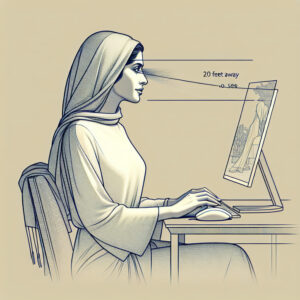
Step-by-Step Guide on How to Improve Myopia Vision
Understanding Myopia: What It Is and How It Affects Your Vision
Welcome to our comprehensive guide on myopia. If you’re here, you might be dealing with nearsightedness or know someone who is. Let’s dive into what myopia really is and how it impacts daily life.
What is Myopia?
Myopia, or nearsightedness, occurs when the eye focuses light in front of the retina instead of directly on it. This makes distant objects blurry while close-up tasks remain clear. It’s a common visual disorder worldwide.
Common Causes of Myopia
While the exact cause is unknown, genetics and environment play roles. Family history increases risk, and prolonged near work like reading or screen time may contribute during childhood when eyes develop.
Risk Factors for Developing Myopia
Risk factors include family history, extended nearsighted activities, and limited outdoor exposure. Early onset in children often progresses as they grow.
Signs and Symptoms of Myopia
Symptoms include frequent squinting, difficulty seeing distant objects, eye strain, and headaches. Children might sit too close to screens or have trouble reading the board at school.
How to Improve Myopia Vision: Prevention Tips You Should Know
Early detection is key for managing myopia effectively. Let’s explore strategies to help manage its progression.
Regular Eye Exams: The Key to Early Detection
Scheduling routine exams helps identify myopia early, allowing timely intervention. Children should have their first comprehensive exam by age five, with regular follow-ups as they grow.
Managing Screen Time: Protecting Your Eyes in a Digital World
Avoid prolonged screen time without breaks. Use the 20-20-20 rule to reduce strain. Adjust screen brightness and position for comfort.
Proper Lighting and Posture for Reading and Work
Ensure adequate lighting when reading or working. Position screens at eye level, about 20-28 inches away. Good posture prevents unnecessary strain and discomfort.
Effective Treatments to Help Improve Myopia Vision
Treatment options vary based on severity and lifestyle needs. Consulting an eye care professional ensures the most appropriate solution for your condition.
Prescription Eyewear: Glasses and Contact Lenses
Corrective lenses offer clear vision by adjusting light focus onto the retina. Contacts provide convenience, while glasses are easy to maintain and safe.
How to Improve Myopia Vision Naturally: Lifestyle Changes That Make a Difference
Support eye health with lifestyle adjustments that complement medical treatments. Let’s explore natural methods that could make a difference.
Eating for Eye Health: Foods Rich in Vitamins and Minerals
Nutrition plays a vital role. Incorporate foods rich in antioxidants, like leafy greens, carrots, and citrus fruits. Vitamin A, C, and E are beneficial, as are Omega-3 fatty acids from fish and nuts.
Outdoor Activities and Sunlight Exposure
Spend time outdoors to regulate eye growth and slow myopia progression. Encourage children to play outside regularly and include outdoor activities in your daily routine.
Eye Exercises to Strengthen Visual Acuity
Certain exercises can enhance focus and reduce strain, like the “pencil push-up.” While these won’t cure myopia, they can improve visual skills and comfort.
Monitoring Progression: How to Keep Track of Your Myopia
Regular monitoring is essential to track changes and adjust treatments. Let’s discuss how you can effectively monitor your vision.
Tracking Changes in Your Vision
Paying attention to subtle changes, like increased difficulty seeing distant objects or frequent headaches, indicates possible progression. Keeping a symptom record helps your eye care provider assess the situation accurately.
Regular Follow-Ups with an Eye Care Professional
Scheduling routine check-ups allows adjustments to treatment plans and recommendations for new lenses or therapies based on findings.
Adjusting Treatments as Needed
Remaining flexible with your approach is important, as treatments may need modification over time. Staying in close communication with your eye care professional ensures you’re always using the most effective strategies.
How to Improve Myopia Vision at Home: Simple Remedies and Tips
Supporting your efforts to manage myopia through home remedies can make a meaningful difference. These simple adjustments complement medical treatments effectively.
The 20-20-20 Rule for Digital Device Users
Adhering to the 20-20-20 rule prevents eye strain and fatigue associated with prolonged screen use. Set reminders on your devices to take regular breaks.
Warm Compresses for Eye Relaxation
Applying warm compresses can relax eye muscles, reduce tension, and promote circulation. Use a clean cloth soaked in warm water, place over closed eyes, and let sit for about 10 minutes.
Hydration and Its Role in Eye Health
Staying hydrated supports overall health, including eye function. Dehydration can lead to dryness and discomfort, so ensure you drink plenty of water throughout the day.
Common Myths About Improving Myopia Vision: What You Need to Know
Busting common myths ensures informed decisions about your eye care. Let’s address some misconceptions.
Myth 1: Myopia Can Be Cured Completely
While there’s no cure, treatments like glasses, contacts, and laser surgery effectively correct vision for clear sight once again.
Myth 2: Eyeglasses Make Your Eyes Worse
Properly prescribed eyewear doesn’t worsen myopia; it actually helps by reducing strain. Without correction, eye strain may contribute to further progression of nearsightedness.
Myth 3: Natural Remedies Are Always Safe
Natural remedies can be beneficial but aren’t always safe or effective for everyone. Discuss any alternative treatments with your eye care professional before trying them, especially if using medical interventions.
Expert Opinions: How Professionals Recommend Improving Myopia Vision
Experts emphasize the importance of personalized care and consistency in managing myopia. Their insights highlight the need for comprehensive strategies addressing both treatment and prevention.
Insights from Ophthalmologists and Optometrists
Professionals advise regular check-ups, proper use of corrective lenses, limiting screen time, increasing outdoor activities, and maintaining healthy habits to support eye health.
The Role of Customized Treatment Plans
Given the uniqueness of each individual’s eyes, customized treatment plans that consider age, lifestyle, and myopia severity provide optimal results. One-size-fits-all approaches don’t work for everyone.
Why Consistency is Key in Managing Myopia
Consistent care is essential for managing myopia effectively. Adhering to treatment regimens and making sustainable lifestyle changes yield long-term benefits for eye health.
Conclusion: Taking Charge of Your Vision Health
Improving myopia vision involves a combination of medical treatments, healthy habits, and consistent monitoring. By understanding the condition, adopting preventive measures, and seeking professional advice, you can take control of your eye health and enjoy clearer, more comfortable vision.
If you’re ready to start improving your myopia vision, consult with an eye care professional today. Remember, early detection and proactive management are key to preserving your sight for years to come.
Understanding Myopia: What It Is and How It Affects Your Vision
Welcome to our comprehensive guide on improving myopia vision. If you’re here, chances are you or someone you know is dealing with the challenges of nearsightedness. But before we dive into solutions, let’s make sure we understand what myopia really is and how it impacts your daily life.
What is Myopia?
Myopia, commonly known as nearsightedness, is a refractive eye condition where light entering the eye focuses in front of the retina instead of directly on it. This results in blurry vision when looking at distant objects while close-up tasks remain clear. It’s one of the most common visual disorders worldwide, affecting millions of people across all age groups.
Common Causes of Myopia
The exact cause of myopia isn’t fully understood, but research suggests a combination of genetic and environmental factors plays a role. For instance, individuals with family members who have myopia are more likely to develop it themselves. Additionally, extended periods of close-up work, such as reading or using digital devices, can contribute to its development.
Risk Factors for Developing Myopia
Several risk factors increase the likelihood of developing myopia. These include a family history of the condition, prolonged nearsighted activities like studying or working on screens, and limited exposure to natural light. While you can’t change your genetics, adopting healthy habits can help mitigate other risks.
Signs and Symptoms of Myopia
If you’re experiencing frequent squinting, difficulty seeing distant objects like road signs or TV screens, or eye strain after prolonged focus on nearby tasks, these could be signs of myopia. Regular eye exams are crucial for early detection and management.
How to Improve Myopia Vision: Prevention Tips You Should Know
While myopia can’t be cured completely, there are effective strategies to manage it and potentially slow its progression. Let’s explore some prevention tips that could make a significant difference in your vision care.
Regular Eye Exams: The Key to Early Detection
Scheduling routine eye exams is the first line of defense against myopia-related complications. These check-ups allow your eye care professional to monitor any changes in your vision and recommend appropriate interventions early on. Adults should aim for an exam at least every two years, while children may need more frequent visits.
Managing Screen Time: Protecting Your Eyes in a Digital World
In today’s digital age, reducing screen time is essential for eye health. Implement the 20-20-20 rule: every 20 minutes of screen use, take a break to look at something 20 feet away for 20 seconds. This simple habit can help reduce eye strain and fatigue.
Proper Lighting and Posture for Reading and Work
Ensure your workspace is well-lit and avoid harsh glare on screens. Position your monitor at a comfortable distance—about arm’s length—and adjust the brightness to suit your environment. Good posture also plays a role in preventing eye strain, so make sure your chair and desk setup supports proper alignment.
Effective Treatments to Help Improve Myopia Vision
Once you’ve been diagnosed with myopia, several treatment options can help improve your vision and quality of life. Let’s look at the most common and effective approaches available today.
Prescription Eyewear: Glasses and Contact Lenses
The most straightforward solution for managing myopia is prescription eyewear. Glasses or contact lenses correct the refractive error, allowing light to focus properly on your retina. Contacts offer convenience and a wider field of vision, while glasses are often preferred for their ease of maintenance and safety.
Orthokeratology (Ortho-K): A Non-Surgical Option
Ortho-K involves wearing specially designed contact lenses overnight to reshape the cornea temporarily. This treatment can reduce or even eliminate the need for glasses during daylight hours. It’s a great option for individuals seeking a non-surgical solution but requires consistent use and proper care.
Laser Surgery: LASIK and Other Procedures
For those looking for a more permanent solution, laser eye surgery like LASIK can correct myopia by reshaping the cornea. This procedure is highly effective for many patients, though it’s essential to consult with an ophthalmologist to determine if you’re a suitable candidate.
How to Improve Myopia Vision Naturally: Lifestyle Changes That Make a Difference
In addition to medical treatments, making certain lifestyle adjustments can support your eye health and potentially slow the progression of myopia. Let’s explore some natural methods that could complement your existing care plan.
Eating for Eye Health: Foods Rich in Vitamins and Minerals
Nutrition plays a vital role in maintaining healthy eyes. Incorporate foods rich in antioxidants, such as leafy greens, carrots, and citrus fruits, into your diet. Vitamin A, C, and E are particularly beneficial for eye health. Omega-3 fatty acids found in fish and nuts also support overall ocular wellness.
Outdoor Activities and Sunlight Exposure
Spending time outdoors isn’t just good for your physical health; it’s also beneficial for your eyes. Natural light helps regulate the growth of the eye, which can slow myopia progression. Encourage children to play outside regularly and make an effort to include outdoor activities in your daily routine.
Eye Exercises to Strengthen Visual Acuity
Certain exercises can help improve focus and reduce strain. For example, the “pencil push-up” involves holding a pencil at arm’s length and slowly moving it closer while maintaining focus. While these exercises won’t cure myopia, they can enhance your visual skills and comfort.
Monitoring Progression: How to Keep Track of Your Myopia
Myopia is a condition that can progress over time, especially in children and young adults. Regular monitoring is essential to track any changes and adjust treatments accordingly. Let’s discuss how you can effectively monitor your vision.
Tracking Changes in Your Vision
Paying attention to subtle changes in your vision is crucial. If you notice increased difficulty seeing distant objects, frequent headaches, or squinting more than usual, it could indicate a shift in your myopia. Keeping a record of these symptoms can help your eye care provider assess the situation accurately.
Regular Follow-Ups with an Eye Care Professional
Scheduling routine check-ups allows your optometrist or ophthalmologist to monitor your vision and make necessary adjustments to your treatment plan. They may recommend new lenses, additional therapies, or even suggest lifestyle changes based on their findings.
Adjusting Treatments as Needed
As myopia can progress, it’s important to remain flexible with your treatment approach. What works well initially might need modification over time. Staying in close communication with your eye care professional ensures you’re always using the most effective strategies for your specific needs.
How to Improve Myopia Vision at Home: Simple Remedies and Tips
While medical treatments are often necessary, there are several home remedies
Say Goodbye to Eyewear: How to Improve Myopia Without Glasses Today
Understanding Myopia: More Than Just Blurry Vision
Imagine waking up and fumbling for your glasses just to see the alarm clock. Or squinting through a presentation at work because your eyes are blurry without your corrective lenses. For millions, myopia—or nearsightedness—is more than an inconvenience; it’s a daily challenge that affects everything from productivity to self-confidence.
Glasses and contacts can be life-savers, but they come with their own set of headaches—literally. Losing them, dealing with smudges, or the discomfort of lenses… It’s enough to make you wonder if there’s a better way. And the good news? There is. Let’s explore how you can improve your vision and reduce reliance on eyewear.
What Is Myopia, Anyway?
Put simply, myopia happens when light doesn’t focus correctly on the retina. Instead of landing right where it should, the light focuses in front of it, making distant objects blurry. This can happen because your eyeball is a bit too long or your cornea is overly curved.
And while it’s easy to brush off as just needing glasses, untreated myopia isn’t something to ignore. Over time, it can increase the risk of more serious issues like cataracts or retinal detachment. Plus, dealing with blurry vision every day can take a toll on your confidence and overall quality of life.
The Daily Struggles of Eyewear
Imagine trying to drive without your glasses or recognizing someone’s face across the room. It’s frustrating, right? And even when you do have corrective lenses, they’re not perfect. Fogging up in humid weather, breaking unexpectedly, or just being a hassle to maintain—contacts aren’t always the easiest solution either.
But there’s hope! Whether it’s lifestyle changes, natural treatments, or advanced medical options, there are plenty of ways to improve your vision and reduce reliance on glasses. Let’s dive into some effective strategies that can make a real difference.
Your Guide to Better Vision: Explore Your Options
Saying goodbye to blurry vision doesn’t have to mean saying hello to surgery—or even constant contact with corrective lenses. There are so many strategies out there to help improve your myopia naturally and effectively. From simple habits you can start today to advanced medical treatments, this guide has everything you need to know.
Whether it’s making a few tweaks to your daily routine or exploring cutting-edge technology, we’ll cover it all. By the end of this article, you’ll have a clear roadmap for taking control of your vision and enjoying life without constant dependence on glasses.
Making Simple Changes: Lifestyle Adjustments That Matter
Reducing Screen Time to Protect Your Eyes
In our digital world, screens are everywhere—and they take a toll on our eyes. Prolonged screen time can lead to eye strain and even worsen myopia over time, especially in children and young adults.
To combat this, try to limit your screen use as much as possible. When you do need to work or relax in front of screens, take regular breaks using the 20-20-20 rule: every 20 minutes, look at something 20 feet away for 20 seconds. This simple habit can make a big difference in reducing strain and protecting your vision.
Lighting Your Way to Better Vision
Proper lighting is key when it comes to eye comfort and preventing myopia progression. Whether you’re reading, working on the computer, or doing close-up tasks, ensure you have adequate lighting that’s not too harsh or dim.
Avoid reading in low-light conditions, as this forces your eyes to work harder and can lead to strain. Instead, use a combination of overhead lighting and task-specific lamps for optimal illumination. Natural light is always preferable, so position yourself near windows when possible.
Relaxing Your Eyes with the Palming Technique
Tired eyes need rest, and the palming technique is a great way to give them some relief. Here’s how it works:
- Sit comfortably with your elbows on a table.
- Cover your eyes completely with your palms, ensuring no light gets through.
- Close your eyes and take deep breaths, imagining yourself in a dark, peaceful place.
- Maintain this position for about 30 seconds to one minute before slowly removing your hands and opening your eyes.
Repeat this exercise two or three times daily to help reduce tension and improve focus. It’s a simple yet effective way to relax your eye muscles and alleviate strain caused by myopia.
Protecting Your Vision for the Long Haul: Prevention and Care
Your eyes are precious, so taking care of them should be a top priority. By implementing these strategies and making regular eye exams part of your routine, you can safeguard your vision and enjoy clearer sight for years to come.
Remember, prevention is key when it comes to managing myopia. Incorporate these tips into your daily life to reduce strain on your eyes and slow the progression of nearsightedness. With consistent effort and proper care, you can maintain healthy eyesight and minimize reliance on corrective eyewear.
Understanding Myopia: How It Affects Your Daily Life
Ever woken up in the morning and fumbled for your glasses to read the clock? Or struggled to focus during a meeting without them? That’s myopia, or nearsightedness, and it’s a daily reality for millions. While glasses and contacts work, they come with hassles like smudges, discomfort, or getting misplaced. Many are seeking alternatives to improve their vision without relying on eyewear.
What Is Myopia?
Myopia is when the eye’s shape causes light to focus in front of the retina instead of directly on it, making distant objects blurry. It often develops due to an eyeball that’s too long or a cornea that’s overly curved.
Untreated myopia isn’t just a minor nuisance; severe cases can lead to serious issues like glaucoma or retinal detachment. Plus, the daily struggle with eyewear can affect confidence and productivity.
The Eyewear Struggle: A Daily Challenge
Imagine driving without your glasses or trying to recognize someone across the room—blurry vision makes life tougher. Even with eyewear, issues like fogging in humid weather or breaking lenses add stress. Contacts need careful upkeep to avoid infections.
If you’re ready for a change and want to cut down on eyewear dependence, there are options out there—from lifestyle tweaks to advanced treatments.
Alternatives to Glasses: Clearer Vision Options
Glasses aren’t your only option. There are strategies like reducing screen time, eye exercises, and even surgeries that can help improve myopia without constant eyewear use.
In this guide, we cover everything from natural remedies to advanced medical procedures. By the end, you’ll have a solid understanding of how to take charge of your vision and possibly say goodbye to glasses forever.
Improving Myopia: Lifestyle Changes That Help
Reducing Screen Time and Digital Eye Strain
Today, most of us spend hours on screens—work, school, entertainment. This can strain eyes and worsen myopia, especially in younger folks.
Limit screen time as much as possible. Take breaks often to rest your eyes. Use blue-light filters or glasses to reduce harmful effects. Ensure good lighting and keep screens about 20-25 inches away for less strain.
Maintaining Proper Lighting
Proper lighting is key to reducing eye strain. When reading or working up close, ensure you have enough light without squinting.
Avoid dimly lit areas; use a combination of overhead and task lights. Natural light is best, so sit near a window when possible.
Using the 20-20-20 Rule
Every 20 minutes, take a 20-second break to focus on something at least 20 feet away. This helps relax eye muscles and reduce strain.
Set reminders or use apps to stay consistent. These breaks not only help eyes but can improve focus too.
Eyestrain: A Common Issue with Myopia
Living with myopia often brings frequent eyestrain, especially during tasks requiring prolonged focus. Symptoms include headaches and blurred vision, which can worsen over time if ignored.
Luckily, there are steps to alleviate this strain. Simple lifestyle changes can help reduce it and possibly slow myopia progression.
Eye Exercises for Natural Improvement
How Eye Exercises Can Help
Just like exercise strengthens muscles, eye exercises can improve visual acuity and reduce myopia symptoms. They won’t cure it but can support overall eye health.
These exercises strengthen eye muscles, improving focus and coordination between eyes, leading to clearer vision over time.
The Palming Technique
A simple exercise called palming can help relax your eyes. Here’s how:
- Sit comfortably with elbows on a table.
- Cover eyes with palms, ensuring no light gets through.
- Close eyes and take deep breaths, imagining darkness.
- Maintain for 30 seconds to one minute, then slowly remove hands and open eyes.
Repeat this two or three times daily for best results. Palming reduces muscle tension and promotes relaxation, improving focus and clarity.
Focusing on Distant Objects
Another effective exercise involves focusing on distant objects to enhance your eyes’ ability to adjust between near and far distances.
- Pick a distant object you can see clearly without glasses, like a tree or sign.
- Focus on it for 10-15 seconds, noting details.
- Shift gaze to a closer object, like your hand or desk item, and focus similarly.
- Repeat this process for several minutes at a time.
This exercise improves eye muscle flexibility and helps maintain clear vision when switching between distances.
Diet and Nutrition: Eating Your Way to Better Vision
Nutrients That Support Healthy Eyesight
Your diet is a key player in maintaining healthy eyesight. Certain nutrients are crucial for protecting your eyes from damage and improving vision clarity.
Vitamins A, C, and E are particularly important. Vitamin A helps protect the cornea and enhances night vision. Vitamins C and E act as antioxidants, guarding against oxidative stress and reducing the risk of cataracts and macular degeneration.
Foods to Incorporate for Eye Health
Include foods rich in these nutrients in your diet:
- Leafy greens: Spinach, kale, and other leafy greens are packed with vitamins A and C.
- Carrots: Known for their vitamin A content, carrots support healthy vision.
- Fish: Salmon and tuna provide omega-3 fatty acids and vitamin D, which promote eye health.
Snack on carrot sticks or add spinach to your meals. Incorporate fish into your diet at least twice a week for optimal benefits.
Making Smart Choices to Avoid Harmful Foods
Limiting processed foods and sugary drinks is crucial for eye health. These items contribute to inflammation and oxidative stress, potentially worsening myopia symptoms.
Opt for healthier alternatives like fresh fruit, nuts, or herbal tea instead of soda or candy bars. These choices support overall health and may improve vision over time.
Here’s the rewritten content with a more conversational tone, varied sentence structures, and increased burstiness:
Introduction: Understanding Myopia and Its Impact on Daily Life
Imagine waking up in the morning, reaching for your glasses to see the clock clearly—only to realize they’re not where you left them. Or struggling to focus during a presentation because your eyes are blurry without your corrective lenses. For millions of people worldwide, myopia—or nearsightedness—is more than just a minor inconvenience; it’s a daily challenge that affects every aspect of life. While glasses and contact lenses can be effective, they come with their own set of headaches—literally. From losing them or dealing with smudges to discomfort, many are on the hunt for alternative ways to improve their vision without relying on eyewear.
What Is Myopia, and Why It Matters
Myopia is a refractive eye condition where light entering the eye focuses in front of the retina instead of directly on it. This results in distant objects appearing blurry while close-up tasks like reading remain clear. The condition develops when the eyeball grows too long or the cornea becomes overly curved, causing light to bend incorrectly.
While myopia is often dismissed as a minor inconvenience, untreated or unmanaged nearsightedness can lead to more serious issues over time. For instance, individuals with severe myopia are at higher risk for complications like glaucoma, cataracts, and retinal detachment. Moreover, the daily struggles of relying on eyewear can impact confidence, productivity, and overall quality of life.
The Struggles of Relying on Eyewear: A Daily Challenge
Living with myopia without corrective lenses can be frustrating. Simple tasks like driving, watching TV, or recognizing faces become challenging when your vision is blurry. Even with glasses or contacts, there are downsides—eyewear can fog up in humid weather, get lost, or break unexpectedly. Contact lenses require careful maintenance to avoid infections or discomfort.
For those who want a more permanent solution or simply prefer not to rely on eyewear, exploring alternatives is essential. Whether you’re looking for lifestyle changes, natural treatments, or advanced medical options, there are several ways to improve myopia and reduce dependence on corrective lenses.
Exploring Alternatives to Glasses for Better Vision
The good news is that you don’t have to live with blurry vision forever. There are numerous strategies and treatments available today that can help improve your myopia without relying on glasses. From simple lifestyle changes like reducing screen time to advanced medical procedures like LASIK surgery, there’s something for everyone.
In this comprehensive guide, we’ll explore everything you need to know about improving myopia without glasses. We’ll cover lifestyle modifications, eye exercises, dietary tips, advanced technologies, natural remedies, and surgical options. By the end of this article, you’ll have a clear understanding of how to take control of your vision and say goodbye to eyewear for good.
How to Improve Myopia Without Glasses: Lifestyle Changes That Make a Difference
Limit Screen Time and Reduce Digital Eye Strain
In today’s digital age, most of us spend hours staring at screens—whether it’s for work, school, or entertainment. Prolonged screen time can exacerbate eye strain and may contribute to the progression of myopia, especially in children and young adults.
To reduce digital eye strain,