Work Smarter, See Clearer: How to Improve Near Eyesight at Your Desk.
Work Smarter, See Clearer: How to Boost Your Near Vision at the Desk
Understanding Near Eyesight: Sharpening Your Focus
Near eyesight is all about seeing what’s right in front of you—like when you’re typing emails or poring over spreadsheets. But if you spend hours staring at screens, keeping that vision sharp can be a struggle. Let’s face it, eye strain happens, and it’s no fun. Blurry text, difficulty focusing—it’s all too relatable.
Why does near eyesight matter? Well, when your vision is on point, you’re more accurate and less likely to make mistakes. On the flip side, if things are blurry, frustration creeps in, productivity dips, and eye health could suffer long-term. Let’s tackle those challenges head-on.
Common issues include eye strain, blurred vision, trouble with small text, and discomfort switching between tasks. Poor lighting, bad monitor placement, and not taking breaks make it worse. But don’t worry—changes are simple and effective!
Tweaking Your Workspace: A Healthier View
Your workspace setup can either be your best friend or worst enemy for eye health. Let’s tweak things to support those peepers.
Ergonomic Setup: Eyes First
Start with posture. Feet flat, elbows at a right angle when typing—this stops slouching, which strains eyes. It’s all about balance and comfort!
Lighting Tips: Brighten Up Right
Harsh or dim lighting doesn’t help. Aim for balanced light with overheads and task lamps. Avoid monitors under fluorescent lights to cut glare.
Monitor Adjustments: Clear as Day
Place your screen 20-25 inches away, slightly below eye level. Tinker with brightness and contrast so text pops without discomfort.
Desk Decluttering: Focus Central
A messy desk distracts the eyes. Keep essentials handy and use organizers to tidy up. Less clutter means more focus—win-win!
Breathing Easy: Breaks for Better Vision
Taking regular breaks is key, even if your setup’s spot on. Eye strain is preventable with a little downtime.
The 20-20-20 Rule: Simple Yet Effective
Every 20 minutes, look at something 20 feet away for 20 seconds. It’s like yoga for the eyes—gently relaxes them and reduces strain.
Stretching Out: Eyes and Body
Add eye stretches to your routine. Roll your eyes, gently press on closed lids. Stretch neck and shoulders too—it’s all connected!
Mindfulness: Reset and Refocus
Take deep breaths or close your eyes during breaks. Stepping away for a moment does wonders for mental and visual clarity.
Fitting Breaks into Your Day
Short on time? Set reminders or use apps to prompt breaks. Even brief pauses help preserve near vision over time.
Eye Exercises: Strengthening Your Vision
Your eyes are muscles that need a workout! Simple exercises can boost near vision and cut strain.
Easy Peasy Eye Workouts
Focusing on distant objects, then up close—repeat throughout the day. Or hold a pen at arm’s length and slowly bring it closer while focusing.
Focusing Drills: Sharper Vision
Use a pencil or small object for drills. Move it varying distances and keep it in focus as it moves.
Visual Aids: Clarity Boosters
If you’re struggling, reading glasses or magnifiers can make tasks easier and reduce squinting strain.
When to Seek Expert Help
While home exercises are great, persistent issues? Time to consult an eyecare pro for personalized advice.
Nutrition: Fueling Your Vision
Your diet plays a big role in eye health. Proper fuel supports vision and guards against conditions like dry eyes and macular degeneration.
Eye-Healthy Foods
Pile on antioxidants, vitamins, and minerals. Leafy greens, carrots, berries, nuts, fish—they’re all vision superfoods!
Nutrient Powerhouses
Vitamins A, C, E, zinc, omega-3s—these nutrients protect eyes from oxidative stress and keep lens and cornea in tip-top shape.
Stay Hydrated: Tears Flowing
Hydration is key for tear production. Drink plenty of water, especially in dry environments or screen-heavy days.
Habits to Avoid
Skip smoking and excessive alcohol—linked to eye disease risks. Best to steer clear!
Blue Light: Protecting Your Vision
Blue light from screens causes strain and disrupts sleep, harming near vision. Steps can minimize exposure.
Screen Time Effects
Prolonged screen time leads to eye strain symptoms—blurred vision, focusing issues, dry eyes. Reducing blue light helps ease these effects.
Blue Light Filters and Glasses
Filters and glasses with yellow tints block harmful wavelengths without hindering screen view. A must-have for desk work!
Device Settings Adjustments
Enable blue light reduction settings, especially in the evening. Manual color temperature adjustments also help protect eyes.
Balancing Screen Time
Regular breaks and outdoor time balance screen use. Natural light regulates circadian rhythms and boosts eye health.
Gadgets: Enhancing Near Vision
Workspace tweaks, breaks, and exercises are great—tools can take it further!
Reading Aids: Clarity at Your Fingertips
Adjustable reading glasses or magnifiers help with small text or details. Perfect for desk tasks!
Anti-Glare Protectors
Reduce monitor glare with anti-glare protectors—eases eye strain during long sessions.
Task Lighting: Bright Ideas
Good lighting is crucial. Invest in a high-quality task light with adjustable settings for optimal visibility.
Eye-Friendly Apps
Apps remind you to take breaks, adjust screen brightness, or filter blue light. Great tools for eye protection!
When to See an Expert: Advanced Tips
While many tips work at home, some situations need professional help. Knowing when is key for long-term eye health.
Symptoms That Need Attention
Persistent blurry vision, focusing issues, headaches after desk work? Time for an eye exam—could signal underlying problems needing treatment.
Optometrists: Vision Experts
Trained to diagnose and treat vision issues. They recommend corrective measures like glasses, contacts, or specific exercises to improve near vision.
Prescription Options
If diagnosed with myopia or presbyopia, options include glasses, bifocals, or even surgery in some cases.
Lifestyle Changes for Long-Term Health
A balanced diet, hydration, stress management, and adequate sleep support eye health long-term. Sustainable changes make a big difference!
Wrap-Up: Mastering Near Vision
Improving near eyesight is simple and doesn’t have to cost the world. Workspace tweaks, regular breaks, exercises, and healthy habits can boost vision daily.
Persistent issues? Don’t wait—see a pro early. Early intervention prevents bigger problems down the line. Prioritizing eye care boosts productivity and well-being—investment in your future health!
Work Smarter, See Clearer: How to Improve Near Eyesight at Your Desk
Understanding Near Eyesight: How to Improve Your Vision at Work
Near eyesight is all about focusing on objects right in front of you—like when you’re typing emails, reviewing documents, or crunching numbers. But if you spend hours staring at screens, keeping that near vision sharp can be a real challenge.
Why does it matter? Well, clear near vision means you work with precision and accuracy. Blurry vision, on the other hand, can lead to mistakes, frustration, and even long-term eye issues down the line.
Common hurdles include eye strain, blurry text, trouble switching focus between tasks, and discomfort from poor lighting or awkward monitor placement. These problems often get worse when you don’t take enough breaks or work in less-than-ideal conditions.
How to Improve Near Eyesight: Adjusting Your Workspace
Your workspace setup can make a huge difference in how your eyes feel at the end of the day. A few simple adjustments can create an environment that’s kinder to your vision.
Ergonomic Setup for Eye Health
Start with your chair and desk. Feet flat on the floor, elbows resting comfortably at a 90-degree angle when typing—this posture helps prevent slouching, which can lead to eye strain over time.
Proper Lighting to Reduce Strain
Bright or dim lighting isn’t your friend. Aim for balanced light by mixing overhead lights with a task-specific lamp. Avoid placing your monitor directly under harsh fluorescent lights—that’s a recipe for glare and discomfort.
Monitor Placement and Settings for Clarity
Your computer screen should be about arm’s length away (20-25 inches) and slightly below eye level. Tinker with the brightness and contrast so text pops without causing strain.
Desk Organization Tips for Better Focus
A cluttered desk is a distraction magnet. Keep essentials within reach and use organizers to keep things tidy. Less visual chaos means more mental focus on what matters.
Taking Breaks: A Simple Way to Enhance Near Eyesight
No matter how perfect your workspace, it won’t help if you’re glued to your screen all day. Eye strain is preventable with regular breaks.
The 20-20-20 Rule Explained
Every 20 minutes, take a gander at something 20 feet away for about 20 seconds. This little exercise helps relax eye muscles and ease strain.
Stretching Exercises for Your Eyes and Body
During breaks, give your eyes a workout with some simple stretches—roll them around or gently press on closed eyelids to relieve tension. Don’t forget to stretch your neck and shoulders too—it’s all connected!
Mindfulness Techniques to Refresh Your Vision
Use break time to reset both mentally and visually. Close your eyes, take some deep breaths, or just step away from the desk for a moment. It’s like hitting the refresh button for your mind and eyes.
How to Incorporate Breaks into a Busy Schedule
If time is tight, set reminders on your phone or use apps that nudge you to take breaks. Even short pauses can add up to big benefits for your near vision over time.
Eye Exercises: Strengthening Your Vision at the Desk
Your eyes are like any other muscle—they need exercise to stay strong and nimble. Eye exercises are simple, effective ways to improve focus while reducing strain.
Basic Eye Exercises You Can Do Anytime
Try shifting focus between a distant object and something close by—do this several times throughout the day. Another exercise: hold a pen at arm’s length and slowly bring it toward your face, keeping it in focus as long as you can.
Focusing Drills for Improved Clarity
Use a pencil or other small object to practice focusing drills—hold it at varying distances and try to keep it sharp as you move it closer or farther away.
Using Visual Aids to Enhance Near Eyesight
If small text is giving you trouble, consider reading glasses or magnifiers. These tools can make tasks easier and reduce strain from squinting or leaning in too close.
When to Seek Professional Guidance for Eye Exercises
While many exercises can be done at home, persistent issues warrant a trip to the eye care professional. They can offer personalized advice and ensure your exercises are safe and effective.
Nutrition and Supplements: Supporting Healthy Vision
Your diet is more than just fuel—it’s a key player in maintaining healthy eyesight. Proper nutrition not only supports overall eye health but also helps protect against conditions like dry eye syndrome and age-related macular degeneration.
Foods That Promote Eye Health
Load up on antioxidants, vitamins, and minerals with foods like leafy greens, carrots, berries, nuts, and fish. These are powerhouses for supporting near vision.
Vitamins and Minerals Essential for Near Eyesight
Key nutrients include vitamin A, C, E, zinc, and omega-3 fatty acids. They help protect against oxidative stress and support proper lens and cornea function.
Hydration Tips for Maintaining Optimal Vision
Stay hydrated to keep tear production healthy and prevent dry eyes—aim for plenty of water throughout the day, especially in dry environments or with heavy screen use.
Avoiding Habits That Harm Your Eyes
Kick bad habits like smoking

Everything You Need to Know About Bettering Your Close Vision
**Understanding Near Vision: What You Need to Know**
Let’s talk about near vision—your ability to see clearly up close. Whether you’re reading a book, stitching a seam, or scrolling through your phone, good near vision is essential for enjoying life’s little details.
Imagine trying to read without it—it’d be like staring at a blurry mess. Frustrating, right? That’s why understanding and maintaining your near vision is so important, especially as you get older. Let me break it down for you.
—
### **Why Near Vision Matters**
Near vision isn’t just about reading; it’s about living fully. From cooking to crafting, clear up-close vision makes daily tasks easier and more enjoyable. But what happens when things start to blur?
—
### **Common Causes of Blurry Up-Close Vision**
A lot of factors can mess with your near vision. Let’s dive in:
1. **Presbyopia**: This is a natural part of aging, usually showing up around 40. Your eyes lose their ability to focus on close objects, making things like reading feel like a challenge.
2. **Digital Eye Strain**: In our screen-obsessed world, staring at devices for hours can tire out your eyes and leave you with blurry vision.
3. **Genetics and Environment**: Yep, family history and environmental factors can play a role too.
—
### **Spotting the Signs: Symptoms of Poor Near Vision**
If you’re noticing any of these, it’s time to pay attention:
– Trouble reading small text or seeing close objects clearly.
– Feeling eye strain or discomfort after close-up tasks.
– Squinting more than usual to see things up close.
These are red flags. Don’t ignore them—schedule an appointment with your eye care pro for a checkup.
—
### **How Eye Care Professionals Diagnose Near Vision Issues**
Eye exams aren’t just about picking the right frames. Tests like eye charts and refraction assessments help identify exactly what’s going on. Early detection can prevent bigger issues down the line, so don’t wait!
—
### **Simple Fixes to Boost Your Near Vision**
There are plenty of ways to improve your near vision without breaking the bank:
1. **Eye Exercises**: Try focusing on near and far objects or using a pen light for tracking exercises. They’re easy and can make a big difference.
2. **Diet Matters**: Load up on antioxidants, vitamins, and minerals with foods like leafy greens, carrots, and fish. Your eyes will thank you!
3. **Limit Eye Strain**: Avoid reading in dim lighting and take regular breaks from screens to give your eyes a rest.
—
### **Tools and Tricks for Better Near Vision**
If you’re struggling, there are plenty of tools to help:
– **Reading Glasses**: A classic solution for presbyopia.
– **Magnifiers**: Perfect for detailed tasks.
– **Good Lighting**: Makes everything easier on the eyes.
Choose what works best for your lifestyle. Need help deciding? Your eye care pro can guide you.
—
### **When It’s Time for More Serious Solutions**
For some, exercises and tools aren’t enough. That’s where medical interventions come in:
– **Surgery or Lens Replacement**: These can correct vision issues.
– **Custom Treatments**: Advanced options tailored to your needs.
Talk to your eye care provider about what makes sense for you.
—
### **Preventing Problems Before They Start**
Maintaining good near vision isn’t just about fixes—it’s about prevention:
– Take regular screen breaks and protect your eyes from UV rays.
– Keep up with routine check-ups to catch issues early.
Remember, proactive care goes a long way. Don’t wait until problems arise—stay ahead of them!
—
### **Final Thoughts: Clarity for Life**
Improving your near vision doesn’t have to be complicated. With the right approach—whether it’s exercises, tools, or medical solutions—you can enjoy clear up-close vision and all the little moments that come with it.
Don’t let blurry vision hold you back. Take charge of your eye health today! Your eyes deserve nothing less.

How to Enhance Your Close-Up Vision Naturally
How to Enhance Your Close-Up Vision Naturally
If you’ve noticed your close-up vision getting a bit fuzzy or strained, you’re not alone. Many people experience a decline in near eyesight as they age, especially with the increased use of digital devices. But here’s the good news: there are natural ways to improve your near eyesight and protect your vision for years to come. Let’s dive into some effective strategies that can help you see clearer and brighter.
The Role of Diet in Improving Near Eyesight
Your diet plays a significant role in maintaining healthy eyesight. Eating a balanced diet rich in essential vitamins, minerals, and antioxidants can protect your eyes from damage and improve clarity. Let’s explore some key nutrients you should focus on:
Foods Packed with Vitamins A, C, and E
Vitamins A, C, and E are powerful antioxidants that guard your eyes against oxidative stress. Vitamin A is essential for night vision and helps prevent dry eyes. Carrots, sweet potatoes, and spinach are excellent sources of this vitamin. Citrus fruits, bell peppers, and strawberries provide a rich dose of vitamin C, which strengthens the capillaries in your eyes. Nuts, seeds, and leafy greens are great sources of vitamin E, another antioxidant that supports eye health.
Incorporating Lutein and Zeaxanthin into Your Diet
Lutein and zeaxanthin act as natural sunglasses for your eyes, filtering harmful blue light and reducing the risk of age-related macular degeneration. You can find these nutrients in leafy greens like kale and spinach, as well as eggs and corn. Adding these foods to your meals may help reduce eye strain and improve focus.
Avoiding Processed Foods and Sugar
Processed foods and sugary snacks are not just bad for your waistline—they’re also harmful to your eyes. Diets high in sugar can lead to inflammation and oxidative stress, which may contribute to vision problems over time. Opt for whole, unprocessed foods instead to support better vision and overall health.
Eye Exercises for Clarity
Your eye muscles need exercise just like any other muscle in your body. Regular eye exercises can help improve focus, reduce strain, and enhance clarity. Here are some simple yet effective exercises you can try:
Simple Focusing Exercises to Strengthen Eye Muscles
One of the most effective focusing exercises is the “near-far” method. Hold a small object like a pen at arm’s length and focus on it clearly. Then slowly move the object closer until it’s about 6 inches from your face, keeping your focus on it. Repeat this several times daily to strengthen your eye muscles.
Palming for Relaxation
Palming is a technique where you cover your eyes with your palms (without applying pressure) to block out light and relax the eye muscles. This can help reduce strain and improve focus. Spend a few minutes palming each day to give your eyes a much-needed break.
Visualization Techniques
Visualization techniques, such as imagining a distant object in detail, can also enhance clarity and strengthen the eye muscles. Close your eyes and picture an object in sharp detail, holding that image for as long as possible. This mental exercise can improve focus and reduce strain.
Maintaining Consistency
To see real benefits from eye exercises, consistency is key. Set aside 10-15 minutes each day to practice these techniques. Over time, you’ll notice improved focus and reduced strain when performing close-up tasks like reading or using digital devices.
Proper Lighting and Ergonomics
Proper lighting and ergonomics are essential for protecting your eyes and improving near vision. Poor lighting conditions can cause eye strain, while improper posture can lead to discomfort over time. Here’s how to optimize your workspace:
Choosing the Right Lighting for Reading and Close Work
When reading or doing close work, ensure you have adequate lighting that’s bright but not harsh. Avoid working in dimly lit environments, as this forces your eyes to work harder. Use a desk lamp with an adjustable shade to direct light where needed, reducing glare and eye strain.
Reducing Glare on Digital Devices
If you spend a lot of time on digital devices, adjusting the screen brightness can significantly reduce eye strain. Make sure your screen is not too bright or too dim compared to the surrounding lighting. Use an anti-glare screen or adjust the angle of your monitor to minimize reflections and improve focus.
Maintaining Optimal Distance from Digital Devices
When using digital devices, keep them at a comfortable distance—about 18-24 inches from your eyes. Position the screen slightly below eye level to reduce strain on the neck and eyes. Remember to take regular breaks using the 20-20-20 rule: every 20 minutes, look away at something 20 feet away for 20 seconds. This simple habit can make a big difference in reducing eye fatigue.
Managing Stress and Relaxation
Stress can have a significant impact on your eye health. High levels of stress can lead to tension headaches, dry eyes, and even temporary vision changes. Incorporating relaxation techniques into your daily routine can help reduce stress and improve your overall well-being, which in turn supports better vision.
The Impact of Stress on Eye Health
When you’re stressed, your body releases hormones like cortisol, which can cause inflammation and oxidative stress. Over time, this can affect the delicate structures of your eyes and contribute to vision problems. Managing stress is essential for maintaining healthy eyesight.
Techniques Like Yoga, Meditation, and Deep Breathing
Practicing yoga or meditation can help calm your mind and reduce tension in the body, including the eye muscles. Deep breathing exercises are also a simple yet effective way to relax and refocus. Even taking a few minutes each day for these activities can make a big difference in reducing stress-related eye strain.
Creating a Daily Routine for Eye and Overall Wellness
To maintain healthy eyesight, it’s important to create a daily routine that incorporates relaxation techniques along with other eye-friendly habits like proper lighting and diet. Start your day with a quick meditation session or some gentle yoga poses, and take regular breaks throughout the day to rest your eyes. A consistent routine can help ensure you’re doing everything possible to support your vision health.
Supplements and Vitamins for Eye Health
In addition to a balanced diet, certain supplements can provide extra support for eye health. However, it’s crucial to consult with a healthcare professional before starting any new regimen to determine if they’re appropriate for you.
Popular Supplements That Support Eye Health
Lutein and zeaxanthin are often recommended for their role in protecting the eyes from oxidative stress. Omega-3 fatty acids, found in fish oil or flaxseed, are also beneficial as they help reduce inflammation and support proper moisture balance in the eyes.
Consulting with a Healthcare Professional Before Starting
Before adding any supplements to your routine, it’s essential to discuss them with your doctor. They can assess whether you have any deficiencies or if there are potential interactions with medications you’re currently taking.
Understanding the Benefits of Omega-3 Fatty Acids
Omega-3 fatty acids, particularly DHA and EPA, are crucial for maintaining healthy retinas. They help reduce inflammation and support overall eye health. You can obtain these nutrients from fatty fish like salmon or mackerel, or from plant-based sources such as flaxseeds and walnuts.
How to Improve Near Eyesight: Avoiding Harmful Habits
Certain habits can negatively impact your near vision and overall eye health. By avoiding these harmful practices, you can protect your eyes and maintain clear vision for years to come.
Reducing Screen Time and Taking Regular Breaks
Prolonged screen time is a major contributor to digital eye strain, which can lead to symptoms like blurry vision, dry eyes, and headaches. To reduce the risk, limit your screen time and take frequent breaks using the 20-20-20 rule: every 20 minutes, look away at something 20 feet away for 20 seconds.
Quitting Smoking and Limiting Alcohol Consumption
Smoking and excessive alcohol consumption are detrimental to eye health. Smoking increases the risk of cataracts, macular degeneration, and other vision problems, while heavy drinking can lead to dehydration and nutrient deficiencies that affect your eyes.
Protecting Your Eyes from UV Rays and Environmental Factors
UV rays from the sun can damage your eyes over time. Always wear sunglasses with UV protection when outdoors. Additionally, protect your eyes from environmental factors like dust and pollen by wearing protective eyewear if needed.
How to Improve Near Eyesight: Home Remedies and Natural Solutions
Beyond diet and supplements, there are several home remedies you can try to improve your near vision naturally. These simple solutions can help reduce strain, enhance clarity, and promote overall eye health.
Warm Compresses for Eye Strain Relief
If you’re experiencing eye strain or dryness, a warm compress can provide soothing relief. Soak a clean cloth in warm water, wring it out, and place it over your closed eyes for 5-10 minutes. This helps relax the muscles and improve blood circulation.
Herbal Remedies Like Bilberry and Ginkgo Biloba
Bilberry is known for its benefits in improving night vision and reducing eye strain. Ginkgo biloba may help increase blood flow to the eyes, enhancing overall eye health. However, always consult your healthcare provider before trying any new supplement.
Staying Hydrated and Maintaining Overall Health
Dehydration can lead to dry eyes and discomfort, so staying hydrated is essential for maintaining healthy vision. Drink plenty of water throughout the day and consider using a humidifier if you live in a dry climate.
When Should You Seek Professional Help?
While natural methods can be effective for improving near eyesight, there are times when professional help is necessary. If you experience sudden vision changes, persistent eye strain, or other concerning symptoms, it’s important to consult an eye care specialist.
Recognizing Signs of Vision Decline
Symptoms like difficulty focusing on close objects, frequent headaches, and blurred vision may indicate a decline in near eyesight. If these issues persist despite making lifestyle changes, professional advice is recommended.
Consulting an Eye Care Specialist for a Comprehensive Exam
An eye care specialist can perform a comprehensive exam to assess your vision and identify any underlying conditions that may be contributing to your symptoms. They can recommend appropriate treatments, whether natural or medical, based on your specific needs.
Exploring Advanced Options if Natural Methods Don’t Work
If natural methods don’t provide the desired results, consider advanced options like prescription glasses, contact lenses, or even surgical interventions. Your eye care specialist can help you explore these options and determine the best course of action for your situation.
Conclusion
Improving near eyesight naturally is achievable with a combination of diet, eye exercises, proper lighting, stress management, and avoiding harmful habits. By incorporating these strategies into your daily routine, you can protect and enhance your vision. Remember to stay consistent and consult a professional if you experience any concerning symptoms.
Your eyes are vital for your overall health, so take good care of them by following these tips. With time and effort, you can enjoy clearer, sharper near vision and maintain healthy eyesight for years to come.
How to Enhance Your Close-Up Vision Naturally: A Comprehensive Guide
Your close-up vision is essential for tasks like reading, sewing, or working on digital devices. If you’ve noticed difficulty focusing on near objects, it might be time to explore natural methods to improve your near eyesight. In this guide, we’ll walk you through various strategies to enhance your vision naturally, backed by expert knowledge and practical advice.
How to Improve Near Eyesight: The Role of Diet
Your diet plays a significant role in maintaining healthy eyesight. Incorporating specific nutrients into your meals can support your eye health and potentially improve your near vision.
Foods Rich in Vitamins A, C, and E for Eye Health
Vitamins A, C, and E are antioxidants that protect your eyes from oxidative stress and damage. Vitamin A is crucial for night vision and helps prevent dry eyes. Carrots, sweet potatoes, and spinach are excellent sources of this vitamin. Citrus fruits, bell peppers, and strawberries provide vitamin C, which strengthens the capillaries in your eyes. Nuts, seeds, and leafy greens are rich in vitamin E, another powerful antioxidant that supports overall eye health.
Incorporating Lutein and Zeaxanthin into Your Diet
Lutein and zeaxanthin are carotenoids that act as natural sunglasses for your eyes, filtering harmful blue light. They can be found in leafy greens like kale and spinach, as well as eggs and corn. Adding these foods to your diet may help reduce eye strain and improve focus.
Avoiding Processed Foods and Sugar for Better Vision
Processed foods and sugary snacks are high in unhealthy fats and additives that can lead to inflammation and oxidative stress, both of which harm your eyes. Replace these with whole, nutrient-dense foods like fruits, vegetables, and lean proteins to support better vision and overall health.
How to Improve Near Eyesight: Eye Exercises for Clarity
Eye exercises can strengthen the muscles around your eyes, potentially improving focus and reducing strain. Consistency is key when it comes to seeing results from these exercises.
Simple Focusing Exercises to Strengthen Eye Muscles
One effective exercise involves holding a pen at arm’s length and focusing on it as you slowly bring it closer to your eyes. Stop when the object begins to blur, then move it back out. Repeat this several times daily. Another exercise is to focus on an object in the distance for 10-15 seconds, then switch focus to something close by. These exercises help improve accommodation, the eye’s ability to adjust focus.
The Benefits of Palming and Visualization Techniques
<p
How to Enhance Your Close-Up Vision Naturally
If you’ve noticed your close-up vision getting blurry or strained, you’re not alone. Many people experience a decline in near eyesight as they age, especially with the increased use of digital devices. But there’s good news—natural methods can help improve your near vision and protect it for years to come. This guide covers everything from diet and eye exercises to lighting, stress management, and more. Let’s dive in!
How to Improve Near Eyesight: The Role of Diet
How to Improve Near Eyesight and Reduce Eye Strain at Work
Understanding Near Eyesight: Why It Matters at Work
If you’re someone who spends hours staring at a screen or poring over reports, good near vision isn’t just nice—it’s essential. These days, most jobs require us to focus on close-up tasks like reading emails, analyzing data, or working with small components. And let’s face it—without clear near vision, even the simplest of these tasks can become a pain in the neck (literally!).
What Exactly is Near Vision?
Near vision refers to your ability to see objects clearly when they’re within arm’s reach—typically 20 inches or less. Think about reading a book, checking your phone, or assembling that latest DIY project. All of these require good near vision to keep things sharp and comfortable.
Common Near Vision Struggles in the Workplace
Even if your eyes are in tip-top shape now, there are a few hurdles you might face:
- Presbyopia: This age-related condition (usually starting around 40) makes it harder to focus on close objects.
- Digital Eye Strain: Staring at screens for hours can leave your eyes feeling fatigued and blurry.
- Poor Lighting: Glare or inadequate lighting can make things worse, turning a minor inconvenience into a major headache.
Why Near Vision is Key to Productivity
Here’s the bottom line: When your vision is off, it affects more than just how you see—it impacts how you work. Blurry screens, squinting at small text, or frequent headaches can add up quickly, making even simple tasks feel like a chore. But here’s the good news: there are plenty of ways to keep your near vision sharp and your productivity on point.
What Affects Near Vision? Let’s Break It Down
Your ability to see clearly up close isn’t just about genetics—it’s influenced by a mix of factors:
- Aging: Presbyopia is a natural part of getting older, but it doesn’t have to be a deal-breaker.
- Digital Overload: Screens are everywhere, and they’re taking a toll on our eyes.
- Your Environment: From lighting to glare, your workspace plays a big role in how your eyes feel at the end of the day.
The Lowdown on Presbyopia
Around age 40, many people start noticing it’s harder to focus on close-up tasks. This is presbyopia—a natural part of aging that can make reading or working on a computer feel more challenging. The good news? It’s manageable with the right tools and adjustments.
Digital Eye Strain: More Than Just Tired Eyes
Spending hours in front of screens isn’t just causing you to squint—it’s also leading to symptoms like dry eyes, headaches, and blurry vision. And let’s be honest, when your eyes are tired, the rest of you feels it too.
The Role of Lighting: Brighter Isn’t Always Better
Proper lighting is key to keeping your eyes comfortable at work. Too little light can make things hard to see, while too much (or the wrong kind) can create glare that’s a major annoyance. The goal? A workspace that feels just right.
Simple Fixes for Better Near Vision
You don’t need fancy gadgets or expensive solutions to protect your vision—just a few tweaks to how you work can make a world of difference.
Creating an Eye-Friendly Workspace
Your desk setup matters more than you might think. A little effort here can go a long way toward keeping your eyes happy and your productivity sky-high.
The Perfect Monitor Setup
Your screen should be about 20-25 inches away from your eyes, with the top of the monitor at eye level. This helps you maintain good posture and reduces the strain on your neck and eyes.
Blue Light Filters: Your Eyes’ Best Friend
If you’re spending hours in front of screens, consider adding a blue light filter or anti-glare screen to your setup. These simple additions can help reduce eye fatigue and keep things looking sharp.
Visual Exercises That Actually Work
Your eyes need exercise just like the rest of your body—so why not give them a workout?
Eyes-Focusing Techniques for Clarity
Shift your focus between objects at different distances throughout the day. This helps keep your eye muscles strong and flexible.
The 20-20-20 Rule: Your New Best Friend
Here’s a hack that’s easy to remember and even easier to do: every 20 minutes, look at something 20 feet away for at least 20 seconds. It’s simple, but it works wonders for reducing eye strain.
Hand-Eye Coordination Games That Double as Fun
Activities like juggling or tossing a ball can actually improve your focus and coordination. Bonus: they’re a great way to take your mind off work for a few minutes!
Protecting Your Vision with Healthy Habits
Your overall health plays a big role in how well you see, so it’s worth paying attention to these basics:
Eating Right for Clear Vision
Load up on foods rich in vitamins A, C, and E, along with zinc and antioxidants. Think carrots, spinach, citrus fruits, and nuts—your eyes will thank you!
Stress Management: Your Vision’s Secret Weapon
When stress creeps in, it can take a toll on your eyes too. Deep breathing, meditation, or even a quick walk can help keep things balanced.
Stay Hydrated for Healthy Eyes
Drinking enough water is essential for keeping your eyes moist and comfortable—especially if you’re spending hours in front of screens.
When to Call in the Professionals
Sometimes, self-care isn’t enough. Here’s when it’s time to seek expert help:
Signs You Should Schedule an Eye Exam
If you’re experiencing persistent blurry vision, trouble focusing on close objects, or frequent headaches, it’s worth a trip to the eye doctor.
The Power of Regular Check-Ups
Regular eye exams aren’t just about updating your glasses prescription—they’re also a chance to catch potential issues early. Plus, they give you peace of mind knowing everything’s in good shape!
Your Options for Treatment
If things aren’t quite right with your vision, there are plenty of solutions—from corrective lenses and contacts to more advanced treatments if needed.
Final Thoughts: Taking Charge of Your Vision
Protecting your near vision doesn’t have to be complicated. By making small changes to how you work, incorporating healthy habits, and staying proactive about your eye care, you can keep things sharp for years to come.
Recap of Key Tips
To sum it up:
- Optimize your workspace for comfort and clarity.
- Take regular breaks using the 20-20-20 rule.
- Eat a balanced diet and stay hydrated.
- Schedule regular eye exams to keep things on track.
Your Vision, Your Choice: Be Proactive!
Investing in your eye health now means better vision—and better productivity—in the long run. It’s worth every bit of effort to ensure you’re seeing clearly both now and into the future.
Last Words for a Healthier Workspace
Remember: small changes can make a big difference. Take breaks, adjust your workspace, eat well, and stay hydrated. Your eyes (and your productivity) will thank you!

How to Improve Near Eyesight: Lifestyle Changes That Make a Difference
Introduction to How to Improve Near Eyesight
Near eyesight—your ability to see clearly up close—is something you might not think about until it starts to fade. Whether you’re reading a book, working on your computer, or crafting, good near vision is essential for daily life. But as we age, or due to other factors, our near eyesight can weaken, making everyday tasks feel tougher than they should.
Improving your near eyesight isn’t just about seeing better; it’s about maintaining your independence and quality of life. In this guide, we’ll explore practical steps you can take to support your vision health, from diet and exercise to ergonomics and reducing eye strain.
Before diving into solutions, let’s first understand what near eyesight entails and why it matters.
Understanding Near Eyesight and Its Importance
Near eyesight is all about focusing on objects within 18 inches or less. This type of vision is crucial for activities like reading, sewing, using electronic devices, and any task that requires close attention.
As we age—especially after 40—we often experience difficulty with near vision, a condition called presbyopia. While this is a natural part of aging, there are ways to manage it and even improve your ability to see clearly up close.
Common Causes of Poor Near Vision
Poor near vision can stem from several factors:
- Presbyopia: This age-related condition makes focusing on nearby objects harder.
- Refractive Errors: Conditions like hyperopia (farsightedness) can affect near vision.
- Digital Eye Strain: Spending too much time on screens can worsen existing issues or cause temporary blurry vision.
- Nutritional Deficiencies: A lack of essential vitamins and minerals can harm eye health over time.
Identifying the root cause is key to taking targeted steps for improvement.
Diet and Nutrition: Fueling Your Eye Health
Your diet plays a big role in maintaining healthy eyes. Certain nutrients are especially beneficial for supporting near vision:
- Vitamins A, C, and E: These antioxidants protect your eyes from damage caused by free radicals. Foods like carrots, oranges, and almonds are excellent sources.
- Omega-3 Fatty Acids: Found in fatty fish (like salmon) and flaxseeds, these fats support overall eye health and may improve focus.
Staying hydrated is also important. Proper hydration helps maintain the health of your eye’s surface and prevents dryness, which can contribute to blurry vision.
Exercise and Physical Activity: Strengthening Your Vision
Physical activity isn’t just for your body—it’s good for your eyes too! Regular exercise improves blood flow to your eyes, delivering oxygen and nutrients that support healthy function. Plus, specific eye exercises can help strengthen the muscles responsible for focusing up close.
- Eye Exercises: Techniques like the “20-20-20 rule” (focusing on something 20 feet away every 20 minutes) can reduce strain and improve flexibility.
- Yoga Poses: Certain yoga postures, such as the child’s pose or downward dog, may help relax eye muscles and improve circulation.
Ergonomics and Environment: Setting Up for Success
Your workspace setup can significantly impact your near vision. Making a few adjustments can reduce strain and support clearer focusing:
- Screen Distance: Position your computer monitor about an arm’s length away, slightly below eye level.
- Lighting: Ensure adequate lighting to avoid glare and shadow, which can cause unnecessary strain.
Creating an optimal workspace goes a long way in protecting your near eyesight over time.
Reducing Eye Strain: Simple Strategies for Relief
Eye strain is common in our digital age. Implementing strategies to minimize strain can help preserve your near vision:
- The 20-20-20 Rule: Give your eyes frequent breaks during screen time.
- Blue Light Filters: These filters reduce harmful blue light exposure, which can contribute to eye fatigue.
Taking these small steps can make a big difference in how your eyes feel at the end of the day.
When Should You Seek Professional Help?
While lifestyle changes can improve near vision, there are times when professional intervention is necessary. If you notice persistent blurry vision, difficulty focusing, or other concerning symptoms, it’s important to schedule an eye exam. Your optometrist may recommend:
- Glasses or Contact Lenses: These can correct refractive errors and improve focus.
- Surgery: In some cases, procedures like LASIK may be an option to address vision issues.
Remember, early detection and treatment are key to maintaining good eye health.
Expert Tips for Maintaining Good Near Vision
To keep your near eyesight sharp, consider these expert recommendations:
- Regular Eye Exams: Schedule check-ups every one to two years, depending on your age and risk factors.
- Balanced Screen Time: Limit time spent on digital devices and prioritize outdoor activities for a healthy balance.
Staying informed about the latest advancements in eye care is also valuable. Knowledge is power when it comes to protecting your vision!
Conclusion: How to Improve Near Eyesight Through Lifestyle Changes
Improving near eyesight doesn’t have to be complicated. By making simple yet impactful changes to your diet, exercise routine, workspace setup, and screen habits, you can support better focus and clarity. Remember, early intervention is key—don’t hesitate to seek professional help if needed.
Your vision is a precious asset. Start implementing these tips today and take the first step toward clearer near eyesight. Your future self will thank you!

Age-Related Decline? Learn How to Improve Near Eyesight Today
Seeing Eye to Eye: How to Tackle Age-Related Blurriness Today
Understanding Presbyopia: Why Your Close-Up Vision is Blurrier Than Ever
If you’re squinting more than usual at your phone or struggling to read small print, you’re not alone. Many of us start noticing this around our 40s—a condition called presbyopia. It’s like your eyes are losing their zoom feature over time.
What Exactly is Presbyopia?
Think of it as a natural part of aging where the eye’s lens becomes less flexible, making close-up tasks tougher. Unlike nearsightedness or farsightedness, this isn’t about how your eyeball is shaped—it’s more like your eyes are going through middle age.
Spotting the Signs
Holding books farther away, squinting at screens, and eye strain after close work? Yep, that’s presbyopia knocking. You might also find it harder to switch focus between something up close and something in the distance.
Why Near Vision is a Big Deal
Clear near vision keeps you independent and lets you enjoy life’s little pleasures—like reading, cooking, or crafting. It’s worth taking care of so you can keep doing what makes you happy.
Eyes on the Prize: Simple Exercises to Sharpen Your Vision
Focusing Drills for Crystal-Clear Focus
Give your eyes a workout with the “near-far” drill. Pick something small, like a pen, hold it about 10 inches away, and focus on it. Then switch to looking at something far away. Repeat this a few times daily—it’s like yoga for your eyes.
Switching Gears: Near and Far Focus
Another fun exercise is focusing on an object about 10 feet away, then quickly shifting to something closer. It’s like training your eyes to be more adaptable.
Moving Your Eyes: Coordination Exercises
Try moving your eyes side to side or in circles while keeping your head still. This helps improve how well your eye muscles work together, leading to better overall vision clarity.
Lifestyle Tweaks for Healthier Eyes
Eating Your Way to Better Vision
Nutrition is key. Load up on leafy greens, carrots, berries, nuts, and fatty fish like salmon. These foods are packed with antioxidants and nutrients that keep your eyes healthy.
Screen Time SOS: Protecting Your Peepers
Screens can be tough on the eyes. Try the 20-20-20 rule—every 20 minutes, look at something 20 feet away for 20 seconds. It’s a simple way to keep your eyes from getting too tired.
Lighting Matters: Setting the Mood for Reading
Proper lighting is a game-changer. Avoid harsh glare and use task lighting with a diffused bulb for reading or crafts. It’s all about creating a comfortable environment for your eyes.
Medical Solutions: When Presbyopia Calls
Glasses to the Rescue: Options for Clearer Vision
If exercises and lifestyle changes aren’t enough, corrective lenses like bifocals or reading glasses can help. They’re designed to tackle both near and distance vision needs.
Permanent Fixes: Surgical Solutions
For those looking for a more permanent solution, surgeries like LASIK or PRK can reshape your cornea to improve focus at different distances. But always talk to an eye surgeon about whether it’s right for you.
Contact Lenses and Drops: Non-Surgical Options
Don’t want surgery? Multifocal contact lenses or preservative-free artificial tears can offer relief from dryness and discomfort. It’s all about finding what works best for you.
Preventing Vision Decline: Staying Ahead of the Game
Regular Check-Ups: The Best Defense
Scheduling regular eye exams is one of the best ways to catch any issues early. Your optometrist can monitor changes and recommend treatments tailored just for you.
Bad Habits to Avoid
Smoking, excessive alcohol, and too much screen time? These can all make presbyopia worse. Adopting healthier habits is a simple way to protect your vision.
Protecting Against the Elements
Sunlight and pollution aren’t kind to your eyes. Wear UV-protective sunglasses outdoors and use protective eyewear when needed. It’s about giving your eyes some TLC from the outside world.
High-Tech Fixes and Alternative Therapies
Tech to the Rescue: Smart Glasses and AR Devices
Smart glasses with built-in magnification are changing the game. They’re not just for seeing better—they look good too. Augmented reality devices are also being explored as tools to help those with presbyopia.
Alternative Options: Acupuncture and Herbs
Some people find relief through acupuncture or herbal remedies. While they aren’t a substitute for medical treatments, they can complement them by promoting overall eye health.
Mindfulness for Eye Health
Meditation and deep breathing can reduce stress and improve focus. Taking time to relax your eyes can make a big difference in how you see the world around you.
When to Call the Pros: Knowing When to Seek Help
Red Flags to Watch Out For
If you suddenly lose vision, have severe eye pain, or notice big changes in your ability to see clearly—it’s time to seek immediate help. These could be signs of something more serious.
Your Ophthalmologist: Your Vision Expert
An ophthalmologist is the go-to for diagnosing and treating eye conditions. They can offer personalized solutions, from advanced tests to both surgical and non-surgical treatments.
Why Early Intervention Matters
Tackling presbyopia early can make a huge difference in preserving your near vision. It’s all about being proactive and taking the right steps before it becomes a bigger issue.
Final Thoughts: Steps to Take Today
The Bottom Line on Improving Near Vision
To improve near eyesight, you need a mix of exercises, lifestyle changes, medical interventions, and preventive measures. By taking a holistic approach, you can keep your vision sharp for years to come.
Tips for Long-Term Eye Health
Stay proactive with regular eye exams, eat a balanced diet rich in eye-healthy nutrients, and manage screen time. Incorporate simple exercises into your daily routine and consult an eye care professional when needed.
Start Your Journey to Better Vision Now!
Your vision is too important to take for granted. Don’t wait until presbyopia significantly impacts your life—take action today to protect and improve your near eyesight. With the right strategies, you can keep enjoying all the moments that make life worth seeing.
Age-Related Decline? Learn How to Improve Near Eyesight Today
Understanding Age-Related Decline in Near Eyesight
If you’re finding it tougher to read small text or do close-up work, you’re not alone. As we age, many of us experience a natural decline in near eyesight—a condition known as presbyopia. This gradual loss of the eye’s ability to focus on nearby objects can make everyday tasks like reading, sewing, or even using your smartphone feel frustrating.
What is Presbyopia?
Presbyopia is a common age-related condition that typically begins to appear in our early 40s. It occurs when the eye’s natural lens loses its flexibility, making it harder to focus on close-up objects. This is different from myopia (nearsightedness) or hyperopia (farsightedness), which are refractive errors caused by the shape of the eyeball.
Signs of Age-Related Vision Decline
If you’re holding books farther away to read, squinting at your screen, or noticing that your eyes feel tired after close work, these could be signs of presbyopia. Other symptoms include difficulty transitioning between near and far distances, such as when looking up from reading to focusing on something in the distance.
Why Near Vision Matters
Near vision is essential for many daily activities that bring us joy and help us stay independent. Whether it’s cooking, crafting, or even just reading a map, clear near vision plays a significant role in our quality of life. Recognizing the importance of maintaining healthy near eyesight can motivate you to take proactive steps to address any declines early on.
How to Improve Near Eyesight: Effective Exercises
Eye-Focusing Drills for Better Clarity
Eye exercises can help improve focus and clarity. One simple drill is the “near-far focusing” exercise. Hold a small object, like a pen, about 10 inches away from your face. Focus on it clearly, then shift your gaze to a distant object, allowing your eyes to adjust naturally. Repeat this process several times daily to strengthen your eye muscles and improve flexibility.
Distance-to-Near Transition Exercises
Another effective exercise involves transitioning between near and far distances. Start by focusing on something about 10 feet away, then shift your focus to an object closer to you, like a book or phone. This helps train your eyes to adapt more easily when switching between different focal points.
The Role of Eye Movement in Vision Improvement
Eye movement exercises can also contribute to better near vision. Try moving your eyes side to side, up and down, or in circular motions while keeping your head still. These movements help improve coordination between the muscles that control eye movement, which can enhance overall visual acuity.
Lifestyle Changes That Can Enhance Near Vision
Diet for Stronger Eyes: Key Nutrients and Foods
Nutrition plays a significant role in maintaining healthy eyes. Incorporate foods rich in antioxidants, vitamins A, C, and E, as well as minerals like zinc and copper. Leafy greens, carrots, berries, nuts, and fatty fish are excellent choices for supporting eye health. Omega-3 fatty acids found in fish like salmon can also help reduce dryness and irritation.
Managing Screen Time to Protect Your Vision
Excessive screen time is a common contributor to eye strain, especially for those experiencing age-related vision decline. Implement the 20-20-20 rule: every 20 minutes of screen use, take a break and look at something 20 feet away for 20 seconds. This simple habit can significantly reduce eye fatigue.
Lighting Adjustments for Reading and Close Work
Proper lighting is essential for minimizing eye strain during close work. Ensure your workspace is well-lit but avoid harsh, direct light that can cause glare. Use task lighting with a diffused bulb to illuminate your reading material or craft projects without overwhelming your eyes.
Medical Interventions for Improving Near Eyesight
Corrective Lenses: Options for Presbyopia
If exercises and lifestyle changes aren’t enough, corrective lenses can provide effective solutions. Bifocal or progressive lenses are designed to address both near and distance vision needs. Reading glasses are another practical option for those who only need assistance with close-up tasks.
Surgical Solutions: LASIK, PRK, and More
For individuals seeking a more permanent solution, refractive surgery like LASIK or PRK can correct presbyopia. These procedures reshape the cornea to improve focus at various distances. However, it’s important to discuss your options with an eye surgeon to determine if you’re a good candidate for these treatments.
Non-Surgical Alternatives: Contact Lenses and Drops
If surgery isn’t the right choice for you, consider non-surgical alternatives. Multifocal contact lenses can provide clear vision at different distances without the need for reading glasses. Preservative-free artificial tears can also help alleviate dryness and discomfort associated with age-related vision changes.
How to Improve Near Eyesight with Preventive Measures
<
How to Improve Near Eyesight: When to See an Eye Doctor and What to Expect
To address concerns about improving near eyesight, here’s a structured approach based on the thought process and considerations outlined:
1. **Understanding Near Eyesight**: Recognize that near vision focuses on details within 18 inches, crucial for tasks like reading or using screens.
2. **Common Symptoms**: Be aware of signs such as blurry vision, difficulty focusing on small details, and frequent headaches, which may indicate presbyopia or other issues.
3. **Causes and Management**:
– **Age-Related Factors (Presbyopia)**: Consider corrective lenses or surgery to manage this natural aging process.
– **Health Conditions**: Regular check-ups for diabetes or hypertension can prevent vision impact.
– **Environmental Factors**: Adjust workspace ergonomics, lighting, and reduce screen time.
4. **Eye Exam Importance**: Schedule a comprehensive eye exam to identify root causes, assess eye health, and discuss tailored treatment options.
5. **Preventive Measures**:
– **Exercises and Breaks**: Incorporate the 20-20-20 rule and eye exercises.
– **Dietary Support**: Include foods rich in omega-3, lutein, and zeaxanthin to support eye health.
6. **Treatment Options**: Explore corrective lenses, medications, surgery (like LASIK), or alternative therapies based on individual needs.
7. **Lifestyle Adjustments**: Optimize workspace ergonomics, manage stress, reduce screen time, and stay hydrated to protect eye health.
8. **Conclusion**: Proactively address vision concerns with regular exams, healthy habits, and professional treatments to preserve long-term vision.
**Action Step**: Schedule an eye exam promptly to evaluate any symptoms and discuss appropriate management strategies. Early intervention can prevent issues from becoming more serious.

How to Improve Near Eyesight and Enhance Overall Vision Health
Understanding Near Eyesight
Ever noticed how your vision changes as you age? Near eyesight is all about seeing things up close—like reading a book, staring at a computer screen, or threading a needle. It’s essential for daily tasks and keeping that independence as we get older. But here’s the thing: many of us struggle with near vision at some point in life.
Blurry text, trouble focusing on close objects, eye strain—these are common issues that can really affect your quality of life. Especially if they pop up suddenly or get worse over time, it’s something to pay attention to.
Let’s face it: modern life isn’t kind to our eyes. We’re glued to screens all day—smartphones, tablets, computers. All that screen time can take a toll, leading to digital eye strain. Symptoms like dryness, fatigue, and trouble focusing on close-up stuff? Yep, that’s the package.
Identifying the Causes of Poor Near Vision
Poor near vision? It could be age-related changes in your eyes. Presbyopia, for example, is super common after 40. It happens when the lens inside your eye loses flexibility, making it harder to focus on close objects.
Digital eye strain? That’s another biggie. Staring at screens all day tires out those focusing muscles in your eyes, leading to discomfort and blur. Plus, health issues like diabetes or hypertension can mess with your vision by damaging blood vessels in the eyes. It’s a lot to keep track of!
Adopting Healthy Habits to Improve Near Vision
The good news? Simple lifestyle changes can make a world of difference. Start with what you eat—load up on antioxidants, vitamins, and minerals that support eye health. Think leafy greens, carrots, berries, and fish. Your eyes will love you for it!
Stay active too! Regular exercise boosts blood flow to the eyes, nourishing those tissues and reducing vision risks. Walking, swimming, yoga—whatever floats your boat. Just keep moving!
And don’t forget about screen time. The 20-20-20 rule is a game-changer: every 20 minutes, look at something 20 feet away for 20 seconds. It’s like a mini vacation for your eyes, helping them relax and preventing fatigue.
Proper lighting matters too. Make sure your workspace is well-lit to avoid unnecessary strain. Soft, diffused light sources are the way to go. Position lights to minimize glare on screens or reading materials. Little adjustments can make a big difference!
Exploring Eyecare Products and Solutions
If you’re struggling with near vision, corrective lenses like glasses or contacts can be life-savers. They’re tailored to your needs and can drastically improve focus on close objects.
Blue light filters and anti-reflective coatings? They’re worth a look if screens are a big part of your life. These bad boys reduce harmful blue light from screens, easing eye strain and even helping with sleep patterns. Win-win!
Eye exercises can also work wonders. Simple routines like shifting focus between distant and nearby objects can boost muscle flexibility in the eyes. Consistency is key here—practice makes perfect!
Preventing Further Vision Decline
To protect your vision, regular eye exams are a must. These check-ups help catch changes or potential issues early on, so you can act fast and keep things under control.
Tracking any new symptoms? Keep an eye out for changes in visual acuity—no pun intended! Any new issues or worsening conditions? Bring ‘em up with your eye doctor. Early detection is your best friend when it comes to vision health.
Protecting your eyes from the outside world matters too. Sunglasses are a must when you’re outdoors, shielding those peepers from harmful UV rays. And don’t forget protective eyewear in risky situations—like when debris or chemicals are involved. Better safe than sorry!
Enhancing Overall Vision Health
Good vision health isn’t just about fixing problems—it’s also about managing conditions that can affect your eyes, like diabetes. Keeping an eye on things (no pun intended) can prevent complications like diabetic retinopathy, which can lead to serious vision loss if left unchecked.
Stay in the know about eyecare innovations too! Advances in technology and treatments mean there are always new options for improving and maintaining your eyesight. Educate yourself and discuss these with your eye doctor—what works best for you might be just around the corner!
Creating a supportive environment is another piece of the puzzle. Organize your workspace for optimal ergonomics, ensure good lighting throughout your home, and keep reading materials at a comfortable distance to reduce strain. Small changes can add up to big improvements.
<h2(Common Misconceptions About Improving Near Vision</h2)
Let’s tackle some myths about improving near vision. One common misconception? Wearing glasses or contacts weakens your eyes over time. Nope, that’s not true! Corrective lenses adjust how light enters your eyes, helping you see clearly without straining. They’re here to help, not harm!
Natural remedies for vision improvement are often talked about, but it’s important to approach them with caution. While a healthy diet and exercise can support eye health, they shouldn’t be your only solution for correcting vision problems. Always chat with your eye doctor before trying anything new.
Understanding age-related changes in vision is key to managing expectations. Presbyopia? It’s a natural part of aging that affects most people at some point. Instead of seeing it as a problem, think of it as an opportunity to explore solutions like bifocal lenses or reading glasses—ways to keep your independence intact.
Conclusion
Improving near eyesight and enhancing overall vision health is all about a multifaceted approach. It’s about understanding the causes, adopting healthy habits, exploring eyecare products, and taking proactive steps to prevent further decline. By tackling these areas holistically, you can protect your vision and enjoy clearer, more comfortable sight for years to come.
Remember, regular eye exams are a cornerstone of good vision care. Don’t wait until something’s wrong—schedule those appointments with your eye doctor regularly. Early detection is powerful! With the right strategies and support, you can maintain healthy eyesight and keep doing all the things that matter to you.
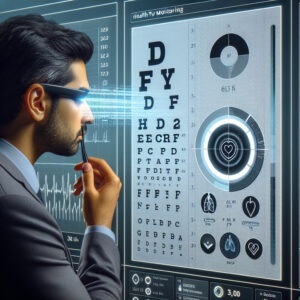
Tech Solutions for Vision: Tips on How to Improve Near Eyesight with Digital Tools
Introduction: Understanding the Importance of Near Eyesight in the Digital Age
Near vision refers to our ability to focus on objects that are within arm’s reach, typically between 8 inches and 2 feet away. This is different from distance vision, which allows us to see things farther away. In the digital age, where screens dominate our attention, near vision is under constant strain. Whether you’re using a smartphone, tablet, or computer, maintaining sharp near eyesight is essential for productivity and overall well-being.
Technology has both contributed to the challenges of modern vision care and offered innovative solutions to mitigate these issues. From blue light filtering glasses to advanced display technologies, there’s no shortage of tools designed to help us maintain and improve our near vision. By understanding how technology impacts our eyes and exploring the latest advancements in eye care, we can take proactive steps to protect and enhance our visual clarity.
In this guide, we’ll delve into the impact of modern technology on your vision, explore top tech tools for improving near eyesight, discuss ergonomic setups for better eye health, and highlight innovative smart eyewear solutions. Whether you’re looking to reduce digital eye strain or simply want to stay ahead of the curve in maintaining your vision, this post will provide you with actionable insights and practical advice.
How Modern Technology Affects Your Vision
Digital eye strain, often referred to as computer vision syndrome, occurs when your eyes become fatigued after prolonged screen use. Symptoms can include blurred vision, dry eyes, headaches, and neck pain. The culprit? Blue light emitted by screens on devices like smartphones, tablets, computers, and televisions.
Blue light is a high-energy wavelength that can penetrate deep into the eye, potentially causing long-term damage to the retina. While natural blue light from the sun plays a role in regulating our circadian rhythm, the artificial blue light from digital screens is different. It disrupts our sleep patterns and contributes to eye strain over time.
Another factor contributing to vision problems is the constant focus on close-up screens. Our eyes are designed to shift focus between near and far objects naturally. However, when we spend hours staring at a screen just inches away, this natural flexibility diminishes, leading to discomfort and reduced visual clarity.
The Top Tech Tools to Improve Near Eyesight
Blue Light Filtering Glasses
One of the simplest yet most effective ways to reduce digital eye strain is by wearing blue light filtering glasses. These specialized eyewear options are designed to block harmful blue light emitted by screens while allowing beneficial wavelengths to pass through. Whether you’re already a prescription glasses wearer or have perfect vision, there’s a pair of blue light glasses for everyone.
The best part? Blue light filtering glasses come in a variety of styles and prescriptions, so you can find a pair that suits both your functional needs and personal style. Many modern designs are sleek and stylish, making them an excellent choice for everyday use.
Magnification Software
For those who struggle with near vision clarity while using digital devices, magnification software can be a game-changer. These tools allow you to zoom in on text and images without compromising screen real estate. Many modern operating systems, such as Windows and macOS, come with built-in magnifiers that can be easily accessed through settings.
Additionally, third-party apps like ZoomText offer even more advanced features, including customizable zoom levels, color inversion options, and voice-to-text capabilities. Such software is particularly beneficial for individuals with presbyopia or other age-related vision changes who find it challenging to read small text on screens.
Adaptive Display Technologies
Modern smartphones, tablets, and computers are equipped with adaptive display technologies that adjust screen settings based on ambient light conditions. Features like auto-brightness, Night Shift mode (which reduces blue light emission in the evening), and color temperature adjustments can significantly reduce eye strain.
For example, Apple’s True Tone feature automatically adjusts your iPhone or iPad’s white balance to match the surrounding lighting, making screens easier on the eyes. Similarly, Android devices offer similar options through settings like adaptive brightness and night mode. By enabling these features, you can create a more comfortable viewing experience that adapts to your environment.
Ergonomics and Device Setup for Better Vision
Adjusting Screen Distance and Height
One of the most common mistakes people make when using digital devices is positioning screens too close to their eyes or at an awkward angle. To optimize your setup, aim to keep your computer screen about 20-24 inches away from your face. The center of the screen should be approximately 4-5 inches below eye level to reduce neck strain and allow for a natural viewing angle.
When using handheld devices like smartphones or tablets, try to hold them at least 16 inches away from your eyes to prevent unnecessary strain. Avoid hunching over your device; instead, keep it elevated on a stand or prop if possible.
Proper Lighting to Reduce Glare
Glare is one of the leading causes of digital eye strain. Harsh overhead lighting or direct sunlight streaming through windows can create reflections on your screen, making text harder to read and causing discomfort over time.
To minimize glare, position your device so that light sources are perpendicular to your line of sight rather than directly in front of or behind you. Use an anti-glare screen protector if necessary, and consider adjusting your blinds or curtains to control natural light during the day. Task lighting should be soft and diffused, avoiding direct illumination on your screen.
Setting Up an Eye-Friendly Workspace
Beyond just your device setup, creating an overall eye-friendly workspace is essential. Invest in a comfortable chair that supports proper posture, as slouching can lead to neck pain and contribute to eye strain indirectly.
Incorporate natural elements into your space, such as plants or calming colors on the walls, to create a more relaxed environment. Taking regular breaks using the 20-20-20 rule (every 20 minutes, look at something 20 feet away for 20 seconds) can also help refresh your eyes and reduce fatigue.
Smart Eyewear Innovations for Near Vision Improvement
The Rise of Smart Glasses
Unlike traditional reading glasses or bifocals, smart glasses use advanced optics to provide dynamic zoom capabilities. Some models even incorporate electronic sensors to automatically adjust magnification based on the distance of objects in your field of view. This technology is particularly beneficial for individuals with presbyopia who struggle with focusing on close-up tasks.
For example, companies like Sharper offer smart eyewear solutions that combine时尚设计与高性能光学技术. These glasses are not only stylish but also highly functional, allowing wearers to enjoy crystal-clear vision without the need for constant adjustments.
Hands-Free Technology
One of the standout features of modern smart glasses is their hands-free operation. With intuitive controls built into the frames, users can adjust settings or toggle features without breaking concentration on what they’re doing. This makes them an excellent choice for everyday use, whether you’re reading a book, working on your computer, or engaging in hobbies like crafting or cooking.
Additionally, many smart glasses are designed to be lightweight and comfortable, ensuring that they don’t cause discomfort even after extended wear. This accessibility has opened up new possibilities for people who have previously relied on cumbersome magnifiers or frequent prescription changes.
Style Meets Function
In the past, eyewear with advanced features often came at the cost of style. However, today’s smart glasses are anything but unattractive. With a variety of frame designs and lens options available, there’s something to suit every aesthetic preference.
Whether you prefer classic rectangular frames or sleek round designs, there’s no shortage of choices in the market. Plus, many models come with interchangeable lenses, allowing you to switch between different magnification levels as needed. This flexibility ensures that your eyewear remains practical and adaptable to various visual needs.
Apps and Tools Designed to Support Near Vision
Text-to-Speech Apps
For those who find it difficult to read small text on screens, text-to-speech apps are a fantastic resource. These tools convert written content into spoken words, allowing users to listen to articles, books, and other materials without straining their eyes.
Popular options include NaturalReader and Google Docs’ built-in voice-over feature. Many of these apps also offer customization options, such as adjusting the speaking rate or choosing from a variety of voices to suit your preferences.
Font Size Adjustments
One of the simplest yet most effective ways to improve readability on digital devices is by increasing font sizes. Most apps and websites allow you to adjust text size settings, making it easier to read menus, articles, and other content without squinting.
On smartphones and tablets, you can typically access these settings through the device’s accessibility menu. For computers, adjusting font sizes in your browser or operating system can make a significant difference in how comfortable reading is for your eyes.
Brightness and Contrast Optimization
Fine-tuning your device’s brightness and contrast settings can also enhance visual clarity and reduce eye strain. A screen that’s too bright can create glare, while one that’s too dim may lack sufficient contrast, making text harder to read.
Experiment with different settings to find the perfect balance for your eyes. Many modern devices even offer preset modes like night mode or reading mode, which automatically adjust these parameters to optimize comfort during specific activities.
Preventing Further Damage: Protecting Your Eyesight
The Importance of Regular Eye Exams
Scheduling routine eye exams with a qualified ophthalmologist is crucial for maintaining healthy vision. These check-ups allow professionals to detect potential issues early on, such as glaucoma or cataracts, and recommend appropriate treatments before they become more serious.
Adults should aim to have their eyes examined at least every two years, while children may need more frequent visits depending on their specific needs. Don’t wait until you notice problems; regular screenings are the best way to keep track of your eye health over time.
Incorporating Screen Breaks into Daily Routine
As much as we rely on digital devices, it’s essential to give our eyes regular breaks from screen time. Prolonged exposure to screens can lead to digital eye strain, characterized by symptoms like dryness, fatigue, and difficulty focusing.
Implementing the 20-20-20 rule is a simple yet effective way to reduce these risks. Every 20 minutes, take a break and look at something 20 feet away for 20 seconds. This practice helps relax the eye muscles and prevents them from becoming overworked.
Embracing a Balanced Approach to Technology Use
While technology has undoubtedly improved our lives in countless ways, it’s important to strike a balance between screen time and other activities that promote overall well-being. Engaging in regular physical exercise, eating a nutritious diet rich in eye-friendly nutrients like vitamin C and lutein, and spending time outdoors can all contribute to better vision health.
Additionally, making an effort to disconnect from screens during certain times of the day or week can help you reconnect with the world around you and reduce unnecessary strain on your eyes. Whether it’s reading a physical book, enjoying a hobby, or simply taking a walk in nature, these activities provide a welcome break from digital stimulation.
Conclusion: Empowering Yourself with Tech Solutions for Better Vision
From blue light filtering glasses and magnification software to smart eyewear innovations and ergonomic workspace setups, there’s a wealth of solutions available to help you maintain and improve your near vision. Remember, taking proactive steps now can make a significant difference in preserving your eyesight for years to come.
Here’s the rewritten version with a more natural and conversational tone, while maintaining SEO optimization:
Understanding Near Vision: Why It Matters in Our Digital World
With screens dominating our daily lives, near vision is under constant strain. Whether you’re glued to your smartphone, tablet, or computer, maintaining sharp near vision isn’t just a luxury—it’s essential for productivity and overall well-being.
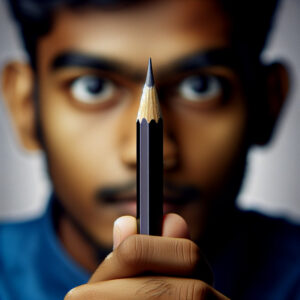
How to Improve Near Eyesight and Prevent Further Decline
Understanding How to Improve Near Eyesight: A Complete Guide
What is Near Vision?
Near vision, also known as close-up or reading vision, lets us see objects clearly within 18 inches or less. It’s essential for everyday tasks like reading, sewing, or using digital devices. As we age—especially in our mid-40s—we often notice a natural decline in near vision due to presbyopia.
Common Causes of Declining Near Eyesight
Several factors can lead to reduced near eyesight. Aging is the most common culprit, causing conditions like presbyopia. Other causes include eye strain from staring at screens for too long, underlying health issues such as diabetes or hypertension, and nutritional deficiencies that affect eye health.
The Importance of Early Intervention
Addressing near vision decline early can make a big difference. Simple fixes like reading glasses or lifestyle changes can prevent more serious problems down the line. Regular check-ups with an eye care professional are key to catching issues early and keeping your eyes healthy.
Natural Remedies for Improving Near Vision
Eye Exercises for Better Focus
Eye exercises can strengthen the muscles around your eyes, improving focus. Here’s a quick tip: follow the 20-20-20 rule. Every 20 minutes, look at something 20 feet away for 20 seconds. Another exercise involves focusing on distant objects and then shifting to near ones, which helps keep your eye muscles flexible.
Nutrients That Support Healthy Vision
Eating a balanced diet rich in vitamins A, C, E, zinc, and omega-3 fatty acids is vital for eye health. Foods like carrots, spinach, almonds, and fish can protect against vision decline. For example, carrots are packed with beta-carotene, which your body converts into vitamin A—a nutrient essential for good vision.
The Role of Antioxidants in Protecting Your Eyes
Antioxidants combat oxidative stress, protecting your eyes from damage. Vitamins C and E are especially potent antioxidants that help reduce the risk of cataracts and macular degeneration. Incorporate foods like oranges, strawberries, and nuts into your diet to get these essential nutrients.
Lifestyle Adjustments to Enhance Near Vision
Reducing Screen Time and Digital Strain
Prolonged screen use can strain your eyes. Limit time on digital devices or use blue light filters to help. Adjusting device settings for reduced brightness and glare can also ease eye strain.
Proper Lighting for Reading and Close-Up Work
Good lighting is essential for near tasks. Ensure your reading area is well-lit but avoid harsh lights that cause glare. A desk lamp with an adjustable shade can provide optimal lighting without discomfort.
Maintaining Good Posture When Using Devices
Proper posture prevents neck and eye strain. Position your device at eye level, about 18-24 inches away. Keep your back straight and shoulders relaxed to maintain comfort while using digital devices.
Preventive Measures to Stop Further Decline
Regular Eye Exams: The Key to Early Detection
Scheduling regular eye exams is crucial for early detection of vision issues. Adults should aim for check-ups every one to two years, especially if they have existing health conditions or a family history of eye problems.
Corrective Options: Glasses, Contacts, or Surgery?
Options like reading glasses or contacts can effectively manage presbyopia. For more severe cases, corrective surgeries such as LASIK may be considered. Each option has pros and cons, so discussing with an eye care professional is essential to choose the best solution.
Protecting Your Eyes from Blue Light Exposure
Blue light from screens can harm your eyes over time. Using blue light filters or glasses with anti-blue light coatings can protect against this exposure. Additionally, setting devices to night mode reduces blue light emission during evening use.
Managing Underlying Health Conditions That Affect Vision
How Diabetes and Hypertension Impact Near Vision
Diabetes can lead to diabetic retinopathy, affecting near vision. Similarly, hypertension damages blood vessels in the eyes. Managing these conditions through medication and lifestyle changes is vital for preserving eye health.
Monitoring Medications That Can Affect Your Eyesight
Certain medications, like steroids or diuretics, can impact vision. Always discuss potential side effects with your healthcare provider and report any vision changes promptly.
Steps to Take When Diagnosed with a Vision-Related Condition
If diagnosed with a condition affecting near vision, follow medical advice closely. Regular monitoring, lifestyle adjustments, and possibly corrective measures can help manage the condition effectively.
Understanding the Difference Between Normal Aging and Vision Loss
Common Signs of Age-Related Vision Changes
Signs like difficulty reading small print or needing more light are normal aging effects. These can usually be managed with corrective aids.
When Should You Be Concerned About Vision Decline?
Sudden vision changes, severe eye pain, or loss of peripheral vision are red flags. These symptoms warrant immediate medical attention to rule out serious conditions like glaucoma.
How to Differentiate Between Manageable and Severe Vision Issues
Normal age-related declines often progress slowly and can be managed with corrective measures. Severe issues present sudden, drastic changes or are accompanied by pain, necessitating urgent care.
Conclusion: Taking Proactive Steps for Better Near Eyesight
Recap of Key Strategies for Improving Near Vision
To enhance near eyesight, adopt a mix of natural remedies, lifestyle adjustments, and preventive measures. Incorporate eye exercises, a nutrient-rich diet, proper lighting, and regular check-ups into your routine.
The Importance of Consistency in Eye Care
Improving near vision requires consistent effort. Regularly practicing eye care habits can lead to noticeable improvements over time, ensuring better quality of life as you age.
Encouraging Others to Prioritize Their Vision Health
Your eye health is a vital part of overall well-being. Encourage friends and family to take proactive steps for their vision care, promoting awareness and early intervention for any potential issues.



Popular Posts
-
 Contact Lenses Worn at Night to Correct Vision: Myths vs. Facts
Introduction to Contact Lenses Worn at Night to Correct Vision In the world of vision...
-
 Are Contact Lenses That Correct Vision Right for You?
Introduction to Contact Lenses That Correct Vision Contact lenses that correct vision have become an...
-
 Հարցոները ինչպես համարվելու երկարությանը մեծությանը
Ներածություն “how to increase visual acuity” Եկեք ակտիվանա՝ խոսքը սկսելով “how to increase visual acuity”...
-
 How to Get Your Eyesight Better: Simple Daily Habits for Healthier Eyes
Introduction to Eye Health and Vision Improvement Understanding the Importance of Eye Health Our eyes...
-
 From Blurry to Brilliant: Discover How to Make Vision Better
Understanding Vision: The Basics Anatomy of the Eye The human eye is a complex organ...
-