How to Improve My Vision: Innovative Technologies and Treatments Explained
Introduction to Vision Improvement
Enhancing one’s vision is an aspiration shared by many, as our sight plays a pivotal role in our daily lives. Vision health not only contributes to our quality of life but also influences our ability to perform tasks efficiently and safely. As we age, maintaining clear vision becomes increasingly vital, yet challenging. Fortunately, there are numerous strategies and technologies available today to help improve vision. This blog post will explore various methods, from lifestyle changes to cutting-edge technologies, offering a comprehensive guide on how to improve your vision and maintain optimal eye health.
Understanding the Importance of Vision Health
Vision health is essential for overall well-being, as it directly affects how we perceive and interact with the world around us. Poor vision can lead to difficulties in reading, driving, or recognizing faces, impacting both personal and professional aspects of life. Additionally, deteriorating eyesight can contribute to falls and accidents, particularly in older adults. Understanding the importance of maintaining good vision health encourages individuals to adopt proactive measures to protect and enhance their eyesight. Regular eye examinations and early intervention can prevent or mitigate many vision problems, ensuring a better quality of life.
Common Causes of Vision Impairment
Vision impairment can stem from a variety of causes, including genetic factors, age-related changes, and environmental influences. Conditions such as myopia, hyperopia, and astigmatism are common refractive errors that affect vision clarity. Additionally, age-related macular degeneration, cataracts, and glaucoma are prevalent among older adults, leading to significant vision loss if left untreated. Lifestyle choices, such as smoking and poor diet, can also contribute to deteriorating eye health. Understanding these causes is crucial in addressing vision impairment and implementing effective solutions to improve one’s vision.
Overview of Vision Improvement Technologies
Technological advancements have revolutionized the field of vision improvement, offering numerous options for enhancing eyesight. From innovative surgical procedures to state-of-the-art optical solutions, these technologies provide hope for those seeking to improve their vision. Breakthroughs in laser eye surgery, advanced contact lenses, and prescription glasses have made clear vision more accessible than ever before. Moreover, emerging technologies such as virtual reality and artificial intelligence are paving the way for new approaches to vision therapy and care. Exploring these innovations can help individuals make informed choices about their vision health.
How to Improve My Vision: Lifestyle Changes
Importance of a Balanced Diet for Eye Health
Maintaining a balanced diet rich in essential nutrients is crucial for eye health and vision improvement. Foods high in antioxidants, such as leafy greens, carrots, and fish, provide vital nutrients like vitamins A, C, and E, as well as omega-3 fatty acids. These nutrients help protect the eyes from damage caused by free radicals and reduce the risk of developing age-related eye conditions. Incorporating a variety of colorful fruits and vegetables into your diet can significantly contribute to maintaining healthy vision and preventing deterioration over time.
Exercises to Strengthen Eye Muscles
Engaging in regular eye exercises can help strengthen eye muscles and improve focus and coordination. Simple exercises, such as focusing on distant objects, blinking frequently, and performing eye rotations, can reduce eye strain and enhance overall visual performance. These exercises promote flexibility and endurance in the eye muscles, potentially alleviating symptoms of digital eye strain and fatigue. Incorporating these exercises into your daily routine can contribute to better eye health and support efforts to improve your vision naturally over time.
Protecting Eyes from Digital Strain
In today’s digital age, prolonged screen time has become a common cause of eye strain and discomfort. To protect your eyes from digital strain, it’s essential to practice the 20-20-20 rule: every 20 minutes, take a 20-second break to focus on an object 20 feet away. Additionally, adjusting screen brightness, using anti-glare filters, and ensuring proper lighting can reduce strain on the eyes. These measures help prevent symptoms such as dryness, irritation, and blurred vision, ultimately contributing to better eye health and visual clarity in a technology-driven world.
How to Improve My Vision: Optical Solutions
Advances in Prescription Glasses
Prescription glasses have seen significant advancements in recent years, offering improved clarity and comfort for wearers. Modern lenses are designed with advanced coatings that reduce glare, repel dust, and resist scratches, enhancing durability and visual performance. Additionally, progressive lenses provide seamless transitions between different focal lengths, allowing for clear vision at varying distances. These innovations make prescription glasses an effective solution for those seeking to improve their vision, offering customized options to address specific vision needs and preferences.
Innovations in Contact Lenses
Contact lenses have evolved to offer more than just vision correction, with innovations enhancing comfort and functionality. Today, contact lenses are available in a variety of materials and designs, including daily disposables, toric lenses for astigmatism, and multifocal lenses for presbyopia. Advanced materials provide increased oxygen permeability, promoting eye health and comfort during wear. Additionally, smart contact lenses equipped with sensors and technology are being developed to monitor eye health and deliver medications, representing a promising frontier in vision improvement.
Specialized Lenses for Specific Vision Problems
Specialized lenses tailored to specific vision problems offer targeted solutions for individuals with unique visual needs. Blue light-blocking lenses reduce exposure to harmful blue light emitted by digital devices, alleviating digital eye strain and improving sleep quality. Prism lenses are designed for individuals with binocular vision disorders, helping to correct misalignment and improve focus. These specialized lenses provide effective options for addressing specific vision challenges, enhancing clarity and comfort for those seeking to improve their eyesight through optical solutions.
How to Improve My Vision: Surgical Interventions
LASIK and Its Benefits
LASIK (Laser-Assisted In Situ Keratomileusis) is a popular surgical procedure that offers significant benefits for vision improvement. This procedure involves reshaping the cornea to correct refractive errors such as myopia, hyperopia, and astigmatism. LASIK has a high success rate, with many patients experiencing improved vision without the need for glasses or contact lenses. The procedure is relatively quick and involves minimal downtime, making it an attractive option for those seeking long-term vision correction. However, a thorough evaluation by an eye care professional is essential to determine candidacy for LASIK.
New Frontiers in Cataract Surgery
Cataract surgery has advanced significantly, offering improved outcomes and faster recovery for patients. Modern techniques, such as laser-assisted cataract surgery, allow for precise and efficient removal of cataracts, with minimal trauma to surrounding tissues. Intraocular lens (IOL) implants, available in various designs, provide enhanced visual outcomes by correcting refractive errors and reducing the need for glasses post-surgery. These advancements in cataract surgery contribute to improved vision and quality of life for individuals affected by cataracts, highlighting the importance of timely intervention and treatment.
Corneal Reshaping Procedures
Corneal reshaping procedures, such as orthokeratology (ortho-k), offer non-surgical options for vision improvement. Ortho-k involves wearing specially designed contact lenses overnight to temporarily reshape the cornea, providing clear vision during the day without the need for glasses or contacts. This procedure is particularly beneficial for individuals with mild to moderate myopia and is a viable alternative for those not eligible for LASIK. While results are temporary, continued use of ortho-k lenses can maintain clear vision, offering a flexible and reversible solution for vision correction.
How to Improve My Vision: Emerging Technologies
The Role of Artificial Intelligence in Eye Care
Artificial intelligence (AI) is making significant strides in the field of eye care, offering new possibilities for vision improvement and management. AI-powered diagnostic tools are enhancing the accuracy and efficiency of eye examinations, enabling early detection of conditions such as diabetic retinopathy and glaucoma. Additionally, AI is being used to develop personalized treatment plans and optimize surgical outcomes, improving patient care and satisfaction. These advancements in AI technology are revolutionizing the way eye care is delivered, providing innovative solutions for those seeking to improve their vision.
Virtual Reality for Vision Therapy
Virtual reality (VR) is emerging as a promising tool for vision therapy, offering immersive experiences that can enhance visual skills and coordination. VR-based therapies are being developed to treat conditions such as amblyopia, also known as lazy eye, by engaging the brain in activities that promote visual development. These therapies provide a fun and interactive approach to vision improvement, making them particularly appealing for children and young adults. As VR technology continues to evolve, its potential applications in vision therapy and rehabilitation are expanding, offering new avenues for improving eyesight.
Nanotechnology in Vision Restoration
Nanotechnology is at the forefront of vision restoration, with researchers exploring its potential to repair and regenerate damaged eye tissues. Nanoparticles are being developed to deliver targeted treatments to specific areas of the eye, offering new possibilities for conditions such as retinal degeneration and optic nerve damage. Additionally, nanotechnology is being used to create advanced materials for contact lenses and implants, enhancing their functionality and performance. These innovations hold promise for individuals seeking to improve their vision through cutting-edge technologies, paving the way for future breakthroughs in eye care.
How to Improve My Vision: Preventative Measures
Regular Eye Check-Ups and Screenings
Regular eye check-ups and screenings are essential for maintaining optimal vision health and preventing potential problems. Comprehensive eye exams allow eye care professionals to detect early signs of eye conditions, such as glaucoma, macular degeneration, and diabetic retinopathy, before they progress. Early intervention can prevent or slow down vision loss, preserving eyesight and quality of life. It is recommended to have an eye exam every one to two years, or as advised by an eye care professional, to ensure timely detection and management of any emerging eye health issues.
Protective Eyewear for Occupational Safety
For individuals working in environments with potential eye hazards, protective eyewear is crucial for preventing injuries and maintaining vision health. Safety glasses, goggles, and face shields provide a barrier against flying debris, chemicals, and other potential risks, reducing the likelihood of eye injuries. Ensuring that eyewear meets safety standards and fits properly is essential for maximum protection. Employers should promote the use of protective eyewear and provide training on its importance, contributing to a safer workplace and helping individuals preserve their vision in occupational settings.
Early Detection of Eye Conditions
Early detection of eye conditions is vital for effective treatment and prevention of vision loss. Conditions such as glaucoma and diabetic retinopathy often progress without noticeable symptoms, making regular screenings essential for identifying them in their early stages. Advanced diagnostic tools, such as optical coherence tomography (OCT) and visual field tests, aid in the early detection and monitoring of eye health. By prioritizing regular eye exams and staying informed about potential risk factors, individuals can take proactive steps to protect their vision and ensure timely intervention when needed.
How to Improve My Vision: Future Prospects
Gene Therapy for Vision Restoration
Gene therapy is an exciting frontier in vision restoration, offering hope for individuals with inherited retinal diseases. This innovative approach involves delivering healthy copies of genes to replace or repair defective ones, potentially halting or reversing vision loss. Recent advancements have shown promising results in clinical trials, particularly for conditions such as retinitis pigmentosa and Leber congenital amaurosis. As research progresses, gene therapy holds the potential to transform vision care, providing new opportunities for individuals seeking to improve their eyesight through cutting-edge treatments.
The Potential of Stem Cell Treatments
Stem cell treatments are gaining attention for their potential to regenerate damaged eye tissues and restore vision. Researchers are exploring the use of stem cells to develop therapies for conditions such as macular degeneration and optic nerve damage. By differentiating into specialized cells, stem cells have the ability to repair and replace damaged tissues, offering hope for individuals with previously untreatable vision loss. While still in the experimental stages, stem cell treatments represent a promising avenue for vision improvement, with ongoing research paving the way for future breakthroughs in eye care.
Innovations on the Horizon for Vision Care
The future of vision care is bright, with numerous innovations on the horizon that promise to revolutionize the way we approach vision improvement. From advanced diagnostic tools to personalized treatment plans, these innovations aim to enhance patient outcomes and satisfaction. Researchers are exploring the use of biocompatible materials for implants and developing smart devices for real-time monitoring of eye health. As technology continues to advance, the possibilities for improving vision and maintaining eye health are expanding, offering new hope for individuals seeking to enhance their eyesight.
Conclusion: Taking Charge of Your Eye Health
In conclusion, improving your vision involves a multifaceted approach that includes lifestyle changes, optical solutions, surgical interventions, and emerging technologies. By adopting a balanced diet, engaging in eye exercises, and protecting your eyes from digital strain, you can support your vision health naturally. Exploring advanced optical solutions and considering surgical options can provide effective solutions for vision correction. Staying informed about emerging technologies and preventative measures ensures proactive eye care. Consulting with eye care professionals is crucial for personalized guidance and achieving optimal vision health. Take charge of your eye health today!

Correct Eye Vision and Diet: Foods That Can Improve Your Sight
Introduction to Correct Eye Vision
When it comes to maintaining correct eye vision, a comprehensive understanding of eye health is essential. Our eyes are complex organs that require various nutrients to function optimally. Just like any other part of our body, they need proper care and nutrition to stay in good shape. With the increasing screen time and environmental factors affecting our vision, it has become more crucial than ever to focus on the factors that can help maintain and improve our eyesight. This blog post delves into the relationship between diet and eye health, highlighting foods that can enhance your vision.
Understanding the Basics of Eye Health
Correct eye vision is not just a matter of genetics; it’s significantly influenced by lifestyle choices, including diet. The eyes are susceptible to various issues such as age-related macular degeneration, cataracts, and dry eye syndrome. These conditions can often be mitigated or delayed with proper nutrition and care. Eye health basics include regular check-ups, proper lighting when reading, and wearing protective eyewear when necessary. However, one of the most impactful ways to maintain eye health is through a balanced diet rich in essential nutrients that support visual function.
The Connection Between Diet and Eye Vision
There’s a strong link between what we eat and how well we see. A diet lacking in essential nutrients can lead to vision problems and exacerbate existing conditions. Conversely, consuming a diet rich in certain vitamins and minerals can improve eye health and potentially correct eye vision over time. Nutrients like vitamins A, C, E, omega-3 fatty acids, and antioxidants play a critical role in maintaining the health of the eyes. By integrating specific foods into our daily diet, we can ensure that our eyes receive the nourishment they need to function optimally.
Importance of Nutrients in Maintaining Correct Eye Vision
Nutrients serve as building blocks for maintaining correct eye vision. Vitamin A is essential for maintaining the health of the retina, while omega-3 fatty acids help prevent dry eyes and reduce the risk of macular degeneration. Antioxidants such as lutein and zeaxanthin protect the eyes from harmful blue light and oxidative stress. These nutrients not only support the structural health of the eyes but also enhance visual acuity and delay age-related vision decline. Therefore, a well-balanced diet is crucial for anyone seeking to maintain or improve their eye health.
Key Nutrients for Correct Eye Vision
Vitamin A: The Vision Booster
Vitamin A is often referred to as the “vision booster” due to its critical role in maintaining healthy eyesight. It is a key component of rhodopsin, a protein in the eyes that allows us to see in low-light conditions. A deficiency in vitamin A can lead to night blindness and other vision impairments. Foods rich in vitamin A, such as carrots and sweet potatoes, are excellent for eye health as they help maintain the health of the cornea and prevent dry eyes. Ensuring adequate intake of vitamin A is vital for sustaining correct eye vision.
Omega-3 Fatty Acids: Essential for Eye Health
Omega-3 fatty acids are essential fats that play a significant role in eye health. They are known for their anti-inflammatory properties, which help reduce dry eye syndrome and lower the risk of developing eye diseases such as macular degeneration. These fatty acids are crucial for maintaining the structural integrity of cell membranes in the eyes. Including omega-3-rich foods like salmon, flaxseeds, and walnuts in your diet can significantly enhance your eye health. Regular consumption of these foods supports tear production and overall eye comfort, contributing to correct eye vision.
Lutein and Zeaxanthin: Protectors of Eye Tissue
Lutein and zeaxanthin are powerful antioxidants found in high concentrations in the macula, the part of the eye responsible for central vision. These nutrients protect the eyes from harmful blue light and oxidative stress, which can lead to age-related macular degeneration and cataracts. Leafy greens such as kale and spinach are rich in lutein and zeaxanthin, making them excellent choices for maintaining eye health. Regular consumption of these antioxidants helps preserve eye tissue and supports clear vision, making them vital for anyone looking to maintain or achieve correct eye vision.
Foods Rich in Vitamin A for Better Eye Vision
Carrots: The Classic Eye-Health Food
Carrots have long been associated with eye health, and for good reason. They are an excellent source of beta-carotene, a precursor to vitamin A, which is vital for maintaining healthy vision. Beta-carotene not only supports the health of the retina but also helps prevent age-related eye diseases. Incorporating carrots into your diet can be easy and delicious, whether eaten raw, cooked, or juiced. Regular consumption of carrots supports overall eye health, making them a staple for anyone aiming to achieve or maintain correct eye vision.
Sweet Potatoes: A Delicious Vitamin A Source
Sweet potatoes are another nutrient-dense food rich in beta-carotene, which the body converts into vitamin A. This root vegetable is not only delicious but also provides a substantial amount of dietary fiber, vitamins, and minerals. Including sweet potatoes in your diet can help boost your vitamin A intake, essential for maintaining the health and function of your eyes. They can be prepared in various ways, such as baked, roasted, or mashed, making them a versatile addition to any meal aimed at supporting correct eye vision.
Spinach: A Leafy Green for Eye Protection
Spinach is a leafy green powerhouse packed with nutrients that support eye health, including vitamin A. It also contains lutein and zeaxanthin, antioxidants that protect the eyes from damage caused by light exposure. These compounds are crucial for maintaining the health of the retina and preventing age-related vision issues. Adding spinach to your diet can be as simple as tossing it into salads, smoothies, or sautés. Regular consumption of spinach helps provide the necessary nutrients for maintaining correct eye vision and protecting your eyes from potential damage.
Omega-3 Rich Foods for Correct Eye Vision
Salmon: A Powerful Source of Omega-3
Salmon is one of the best sources of omega-3 fatty acids, particularly DHA, which is vital for eye health. These fatty acids help reduce inflammation and support the health of the retina, thereby protecting the eyes from age-related diseases. Consuming salmon regularly can help alleviate dry eye symptoms and improve overall eye comfort. Whether grilled, baked, or poached, salmon offers a delicious way to boost your omega-3 intake and support correct eye vision. Including fish like salmon in your diet is a proactive step towards maintaining optimal eye health.
Flaxseeds: Plant-based Omega-3 Option
For those seeking a plant-based source of omega-3 fatty acids, flaxseeds are an excellent choice. They are rich in alpha-linolenic acid (ALA), a type of omega-3 that the body can convert into DHA and EPA, which are beneficial for eye health. Incorporating flaxseeds into your diet can be as simple as adding them to smoothies, oatmeal, or baked goods. Regular consumption of flaxseeds supports the health of the eyes by reducing inflammation and promoting proper tear function, which is essential for maintaining correct eye vision and overall eye comfort.
Walnuts: Nutritious and Eye-Friendly
Walnuts are another great source of plant-based omega-3 fatty acids, making them a nutritious addition to any diet focused on eye health. They contain healthy fats that support the structure of cell membranes in the eyes and reduce the risk of inflammation. Including walnuts in your daily diet can help maintain moisture levels in the eyes and support visual acuity. Enjoy them as a snack, or add them to salads and desserts for a crunchy texture. Regularly consuming walnuts can contribute to correct eye vision and support overall retinal health.
Leafy Greens and Correct Eye Vision
Kale: Packed with Lutein and Zeaxanthin
Kale is a nutritional powerhouse, particularly when it comes to eye health. It is rich in lutein and zeaxanthin, antioxidants that are crucial for protecting the eyes from damage caused by light exposure. These compounds help filter harmful blue light and support the health of the retina. Including kale in your diet can be as simple as adding it to salads, smoothies, or soups. Regular consumption of kale provides essential nutrients that support correct eye vision and help prevent age-related eye conditions, making it an excellent choice for maintaining eye health.
Broccoli: A Cruciferous Option for Eye Health
Broccoli is a cruciferous vegetable that offers a wealth of nutrients beneficial for eye health. It contains lutein, zeaxanthin, and vitamin C, all of which support the health of the eyes by protecting them from oxidative stress. These nutrients work together to maintain the integrity of the retina and prevent age-related vision decline. Including broccoli in your diet can be as simple as steaming, roasting, or stir-frying it. Regular consumption of broccoli supports correct eye vision by providing the essential nutrients needed for maintaining healthy eyes and reducing the risk of vision problems.
Collard Greens: A Lesser-Known Eye Protector
Collard greens may not be as well-known as other leafy greens, but they are equally beneficial for eye health. They are rich in lutein and zeaxanthin, which help protect the eyes from harmful light and oxidative stress. These nutrients are essential for maintaining the health of the retina and preventing vision decline. Including collard greens in your diet can be as simple as incorporating them into soups, stews, or sautés. Regular consumption of collard greens provides the necessary nutrients for supporting correct eye vision and ensuring long-term eye health.
Fruits and Berries Beneficial for Eye Vision
Blueberries: Antioxidant-Rich Berries
Blueberries are loaded with antioxidants, particularly vitamin C and flavonoids, which are excellent for eye health. These compounds help protect the eyes from oxidative stress and inflammation, which can lead to vision problems. Including blueberries in your diet can be as simple as adding them to yogurt, oatmeal, or smoothies. Regular consumption of blueberries supports the health of the retina and enhances visual acuity, making them a delicious and effective option for anyone aiming to maintain correct eye vision and protect their eyes from potential damage.
Oranges: Vitamin C Powerhouse
Oranges are a well-known source of vitamin C, an antioxidant that plays a crucial role in maintaining eye health. Vitamin C helps protect the eyes from damage caused by free radicals and supports the health of blood vessels in the eyes. Including oranges in your diet can be as simple as enjoying them as a snack or adding them to salads and juices. Regular consumption of oranges provides the necessary vitamin C to support correct eye vision and reduce the risk of age-related eye conditions, making them an excellent choice for eye health.
Kiwis: Nutrient-Dense for Eye Health
Kiwis are a nutrient-dense fruit that offers a variety of vitamins and minerals beneficial for eye health, including vitamin C and antioxidants. These nutrients help protect the eyes from oxidative stress and inflammation, supporting the overall health of the retina. Including kiwis in your diet can be as simple as adding them to fruit salads or smoothies. Regular consumption of kiwis provides essential nutrients that support correct eye vision and help maintain healthy eyes, making them a tasty and effective option for anyone looking to enhance their eye health through diet.
Hydration and Its Role in Correct Eye Vision
Importance of Staying Hydrated
Hydration plays a vital role in maintaining correct eye vision by ensuring that the eyes remain properly lubricated and free from irritation. Dehydration can lead to dry eyes, which can cause discomfort and affect visual acuity. Drinking adequate amounts of water throughout the day helps maintain the moisture levels in the eyes and supports overall eye health. Staying hydrated is a simple yet effective way to enhance eye comfort and prevent issues related to dry eyes, making it an essential component of maintaining correct eye vision and overall visual well-being.
Water-Rich Foods for Eye Health
In addition to drinking water, consuming water-rich foods can help maintain proper hydration levels and support eye health. Foods such as cucumbers, watermelon, and celery are excellent choices as they provide both hydration and essential nutrients that benefit the eyes. Including these foods in your diet can help ensure that your eyes remain well-lubricated and free from dryness. Regular consumption of water-rich foods supports correct eye vision by preventing dehydration-related eye issues and contributing to the overall health and comfort of your eyes.
Herbal Teas: A Hydrating Choice for Eyes
Herbal teas offer a hydrating and soothing option for supporting eye health. Teas such as chamomile, green tea, and rooibos are rich in antioxidants, which help protect the eyes from oxidative stress and inflammation. These teas provide hydration and essential nutrients that support the health of the eyes. Including herbal teas in your daily routine can be as simple as enjoying a warm cup in the morning or evening. Regular consumption of herbal teas supports correct eye vision by providing hydration and antioxidants that contribute to the overall well-being of your eyes.
Conclusion: Integrating Diet for Optimal Eye Vision
Practical Tips for a Vision-Friendly Diet
Integrating a vision-friendly diet into your lifestyle involves making small, sustainable changes that prioritize eye health. Start by incorporating a variety of colorful fruits and vegetables into your meals, ensuring a diverse intake of essential nutrients. Focus on foods rich in vitamins A, C, E, omega-3 fatty acids, and antioxidants. Stay hydrated with water and herbal teas, and choose whole foods over processed options. By making these dietary adjustments, you can support correct eye vision and enhance your overall eye health. Remember, consistency is key to reaping the long-term benefits of a healthy diet.
Long-term Benefits of Correct Eye Vision
Maintaining correct eye vision through a balanced diet offers numerous long-term benefits. It reduces the risk of developing age-related eye conditions, enhances visual acuity, and supports overall eye comfort. By prioritizing eye health through nutrition, you can enjoy clearer vision and a higher quality of life as you age. The dietary choices you make today can have a lasting impact on your eye health, helping you preserve your vision for years to come. Embrace the power of nutrition and take proactive steps to support your eyes through a well-rounded, nutrient-rich diet.

Top Ways to Improve Eyesight and Reduce Eye Strain
Introduction to Eye Health
Our eyes are essential gateways to the world around us, allowing us to experience the beauty and complexity of our environment. Maintaining good eye health is crucial as it directly impacts our quality of life. Unfortunately, modern lifestyles often lead to increased eye strain and deteriorating eyesight. Whether you’re glued to digital screens or neglecting proper nutrition, your eyes may be suffering. Understanding the importance of eye health and taking proactive steps to care for your vision can significantly enhance your overall well-being. Let’s explore how we can improve eyesight and reduce eye strain effectively.
Understanding Eye Strain
Eye strain, also known as asthenopia, occurs when your eyes get tired from intense use, such as staring at digital devices for extended periods. Symptoms may include headaches, blurred vision, dry eyes, and neck pain. This discomfort is often temporary, but chronic eye strain can lead to more serious vision problems if left unaddressed. Recognizing the causes of eye strain is the first step in mitigating its effects. By adjusting daily habits and incorporating eye-friendly practices, you can alleviate the burden on your eyes and preserve your vision for the future.
Importance of Maintaining Good Eyesight
Good eyesight is vital for performing daily tasks efficiently and safely. It plays a crucial role in everything from reading and driving to recognizing faces and enjoying nature. As we age, maintaining sharp vision becomes even more important. Poor eyesight can lead to accidents, decreased productivity, and a diminished quality of life. By prioritizing eye health through lifestyle changes and preventive measures, we can protect our vision and ensure that our eyes continue to serve us well throughout our lives. Let’s delve into practical ways to improve eyesight and reduce eye strain.
Lifestyle Changes to Improve Eyesight
Balanced Diet for Eye Health
A nutrient-rich diet is fundamental to maintaining good eye health. Foods rich in vitamins A, C, and E, as well as zinc and omega-3 fatty acids, can help prevent age-related vision problems. Leafy greens, carrots, fish, and nuts are excellent choices for promoting eye health. These nutrients support the retina and help prevent cataracts and macular degeneration. By incorporating a balanced diet into your daily routine, you can provide your eyes with the essential nutrients they need to function properly and remain healthy over time.
Regular Exercise and Its Impact on Vision
Physical exercise is not only beneficial for your overall health but also for your eyes. Regular physical activity improves blood circulation, ensuring that your eyes receive a steady supply of oxygen and nutrients. Exercise can also help reduce the risk of conditions like diabetes, which can lead to vision problems. Activities such as walking, jogging, and yoga promote healthy vision by reducing stress and combating inflammation. By making exercise a regular part of your routine, you can support your eye health and enhance your overall well-being.
Eye Exercises for Stronger Vision
Palming Technique
The palming technique is a simple yet effective exercise to relax and rejuvenate your eyes. To perform this exercise, sit comfortably and rub your palms together to generate warmth. Place your palms gently over your closed eyes, ensuring no light enters. Take deep breaths and relax for a few minutes. This exercise helps reduce eye strain, refreshes tired eyes, and can improve concentration. Incorporating the palming technique into your daily routine can provide much-needed relief to your eyes, especially after prolonged screen time.
Focusing Exercises
Focusing exercises are designed to strengthen the eye muscles and improve overall vision. One effective technique is the “20-20-20 rule.” Every 20 minutes, take a 20-second break and focus on an object 20 feet away. This practice reduces eye strain and enhances focusing abilities. Another exercise involves holding a pen at arm’s length and slowly bringing it closer while maintaining focus. These exercises are simple yet powerful tools to enhance visual acuity and reduce fatigue, especially for those who spend long hours working on digital devices.
Eye Rolling
Eye rolling is a natural and effective exercise to maintain flexibility and strength in your eye muscles. To perform this exercise, sit comfortably and roll your eyes in a clockwise direction for a few seconds, then switch to a counterclockwise direction. Repeat this process several times daily to alleviate tension and improve blood circulation in the eyes. Eye rolling can help reduce eye strain and promote relaxation, making it an ideal addition to your daily eye care regimen. By incorporating eye rolling exercises, you can enhance your visual endurance and maintain healthy eyesight.
Proper Screen Usage
Ideal Screen Settings
Optimizing your screen settings can significantly reduce eye strain and improve visual comfort. Adjust the brightness of your screen to match the ambient light in your environment. Ensure the contrast is set for clear text readability. Position your screen at eye level and at least an arm’s length away to prevent neck strain and reduce glare. By fine-tuning your screen settings, you can create a more eye-friendly work environment that minimizes strain and promotes better productivity, especially for those who spend extended hours in front of digital devices.
Importance of Breaks
Taking regular breaks is crucial for reducing eye strain and maintaining healthy vision. Prolonged screen time can lead to digital eye strain, characterized by discomfort and fatigue. Implementing the “20-20-20 rule” is an effective strategy: every 20 minutes, look at something 20 feet away for at least 20 seconds. This practice allows your eyes to reset and reduces the risk of developing long-term vision problems. By incorporating regular breaks into your routine, you can enhance your eye health, increase productivity, and maintain focus throughout the day.
Blue Light Filter Benefits
Blue light emitted by digital screens can contribute to eye strain and disrupt sleep patterns. Utilizing blue light filters on your devices can help mitigate these effects. These filters reduce the amount of blue light reaching your eyes, minimizing strain and promoting better sleep. Many devices offer built-in blue light filtering options, or you can use screen protectors and apps designed to reduce blue light exposure. By incorporating blue light filters into your daily screen usage, you can protect your eyes from strain and maintain a healthier sleep cycle.
Protective Eyewear Options
Sunglasses with UV Protection
Wearing sunglasses with UV protection is essential for safeguarding your eyes from harmful ultraviolet rays. Exposure to UV light can increase the risk of cataracts and other eye conditions. Choose sunglasses that block 99% to 100% of UVA and UVB rays for optimal protection. Polarized lenses can also reduce glare, providing clearer vision in bright sunlight. By investing in high-quality sunglasses, you can protect your eyes from long-term damage and ensure your vision remains healthy, especially during outdoor activities.
Prescription Glasses for Screen Use
For those who spend significant time in front of screens, prescription glasses tailored for screen use can be beneficial. These glasses often include anti-reflective coatings that reduce glare and blue light exposure. Some may also offer slight magnification to improve focus and reduce strain. Consult with an eye care professional to determine the best options for your needs. By using prescription glasses designed for digital devices, you can alleviate eye discomfort, enhance visual clarity, and protect your eyes from potential damage caused by prolonged screen time.
Natural Remedies and Supplements
Herbal Supplements for Eye Health
Herbal supplements can play a supportive role in maintaining eye health and improving vision. Supplements like bilberry, ginkgo biloba, and eyebright have been traditionally used to enhance visual clarity and reduce eye strain. These herbs are believed to improve blood circulation to the eyes and provide antioxidant protection. While herbal supplements can be beneficial, it’s important to consult a healthcare professional before adding them to your regimen, especially if you have existing health conditions or are taking other medications.
Omega-3 Fatty Acids Benefits
Omega-3 fatty acids, commonly found in fish oil, have significant benefits for eye health. They help maintain the health of the retina and are known to reduce the risk of dry eyes and age-related macular degeneration. Incorporating omega-3-rich foods, such as salmon, mackerel, and flaxseeds, into your diet can support overall eye health. Alternatively, omega-3 supplements are available for those who may not consume enough through their diet. By ensuring an adequate intake of omega-3 fatty acids, you can support the long-term health and function of your eyes.
Regular Eye Check-Ups
Frequency of Eye Exams
Regular eye check-ups are essential for maintaining optimal eye health and detecting potential issues early. It is generally recommended that adults have a comprehensive eye exam every two years. However, those with existing vision problems or risk factors, such as diabetes or a family history of eye disease, may require more frequent check-ups. Regular exams allow eye care professionals to monitor your eye health, update prescriptions, and provide personalized recommendations for maintaining good vision. By scheduling routine eye exams, you can take proactive steps to protect your eyesight.
What to Expect During an Eye Check-Up
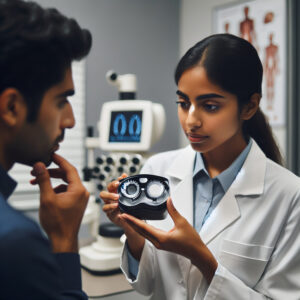
During an eye check-up, an eye care professional will conduct a series of tests to evaluate your vision and eye health. These may include a visual acuity test, eye muscle test, and a refraction assessment to determine your prescription. The examination may also involve checking for signs of eye diseases such as glaucoma, cataracts, and macular degeneration. Eye drops may be used to dilate your pupils for a more comprehensive examination. By understanding what to expect, you can approach your eye check-up with confidence and ensure your vision remains in top condition.
Conclusion
Recap of Ways to Improve Eyesight
Improving eyesight and reducing eye strain is achievable through a combination of lifestyle changes, eye exercises, and protective measures. By adopting a balanced diet rich in essential nutrients, engaging in regular physical activity, and incorporating eye-friendly practices like the palming technique and focusing exercises, you can support your eye health. Proper screen usage, including optimizing settings and taking breaks, further reduces strain. Protective eyewear and natural remedies like herbal supplements and omega-3 fatty acids also contribute to maintaining good vision. Regular eye check-ups play a crucial role in early detection and prevention of potential eye issues.
Encouragement for Consistent Habits
Consistency is key when it comes to maintaining and improving eyesight. By incorporating these habits into your daily routine, you can enjoy long-term benefits and preserve your vision for years to come. Remember, small changes can have a significant impact on your eye health. Stay committed to these practices, and your eyes will thank you. Protecting your eyesight is an investment in your overall well-being, allowing you to fully appreciate the world around you. Start today, and take control of your eye health for a clearer and brighter future.

How to Strengthen Eyesight: Exercises and Habits for Better Vision
Introduction to Strengthening Eyesight
Our eyes are remarkable organs, allowing us to perceive the world in vivid detail. As we rely on them daily, maintaining their health is crucial. Strengthening eyesight is not just about seeing well today but ensuring that our vision remains sharp throughout our lives. In this post, we’ll explore how to strengthen eyesight through various exercises and habits. From nutrition to lifestyle choices, there are numerous natural ways to enhance your vision. By adopting these practices, you can potentially reduce the risk of common eye issues and enjoy better sight as you age.
Understanding Vision and Eye Health
Vision is a complex process involving the eyes, brain, and numerous optical components. Eye health encompasses not only the clarity of vision but also the overall function and comfort of your eyes. Common issues like myopia, hyperopia, and astigmatism can often be managed or improved with the right approach. Understanding how factors like genetics, lifestyle, and environmental influences impact eye health is essential. By being aware of these elements, you can make informed decisions about how to strengthen eyesight and maintain optimal vision health.
Importance of Regular Eye Checkups
Regular eye checkups are vital for preserving vision and catching potential issues early. Eye exams can reveal underlying health conditions, such as diabetes or hypertension, that might affect your eyesight. An optometrist can provide personalized advice on how to strengthen eyesight and recommend corrective measures if needed. Scheduled eye exams ensure that any changes in your vision are monitored and addressed promptly, helping to prevent more severe problems in the long run. Make it a priority to visit an eye care professional at least once a year.
How to Strengthen Eyesight Naturally
Nutrition and Diet for Eye Health
Nutrition plays a significant role in maintaining healthy eyes. Consuming a diet rich in vitamins and antioxidants is one of the best ways to strengthen eyesight naturally. Foods high in Vitamin A, C, and E, as well as omega-3 fatty acids, are particularly beneficial. Leafy greens, carrots, fish, and nuts are excellent choices to include in your meals. These nutrients help protect the eyes from damage caused by free radicals and support overall eye health. By incorporating these foods into your diet, you can nurture your eyesight from the inside out.
Importance of Hydration for Vision
Staying hydrated is crucial for overall health, including your eyes. Proper hydration helps maintain the moisture balance in the eyes, which is essential for clear vision and comfort. Dry eyes can cause irritation, blurred vision, and discomfort, affecting your daily activities. To ensure your eyes stay hydrated, drink plenty of water throughout the day and consider using a humidifier in dry environments. Additionally, taking regular breaks to blink when using digital devices can help maintain natural eye moisture, contributing to better eye health.
Effective Eye Exercises
Palming Technique for Relaxation
The palming technique is a simple yet effective exercise to relax your eyes and relieve stress. To perform it, rub your hands together to generate warmth, then gently cup them over your closed eyes without applying pressure. Focus on the darkness and relax for a few minutes. This exercise helps reduce eye strain and fatigue, promoting a sense of calmness. Incorporating the palming technique into your daily routine can be a soothing practice, especially after prolonged screen use or exposure to bright lights.
Figure Eight Exercise for Flexibility
Improving eye flexibility can enhance your vision’s adaptability. The figure eight exercise is a straightforward technique designed to boost eye coordination and flexibility. To perform it, imagine an oversized figure eight in front of you, about 10 feet away. Slowly trace the shape with your eyes, moving in one direction for a minute, and then switch directions. This exercise helps strengthen the eye muscles, improving their range of motion and flexibility. Regular practice can contribute to overall eye health and coordination.
Focus Change Exercise for Concentration
Enhancing your eyes’ ability to change focus is an excellent way to strengthen eyesight. The focus change exercise is a simple yet effective method. Hold your thumb about 10 inches from your face and focus on it. Then, shift your gaze to an object 10-20 feet away. Alternate between focusing on your thumb and the distant object every few seconds. This exercise helps improve concentration and focus, essential for tasks that require quick shifts in visual attention. Consistent practice can enhance your eye’s focusing capabilities.
Adopting Healthy Lifestyle Habits
Managing Screen Time and Digital Eye Strain
In today’s digital age, managing screen time is crucial for eye health. Prolonged exposure to screens can lead to digital eye strain, characterized by discomfort, blurred vision, and headaches. To mitigate these effects, follow the 20-20-20 rule: every 20 minutes, look at something 20 feet away for 20 seconds. Adjust screen brightness, increase text size, and use blue light filters to reduce strain. These simple adjustments can make a significant difference in maintaining your eye health and comfort in a digital world.
Importance of Sufficient Sleep for Eye Rest
Quality sleep is essential for overall health, including your eyes. During sleep, your eyes undergo vital repair and rejuvenation processes. Lack of sufficient rest can result in eye strain, dryness, and discomfort. Aim for 7-9 hours of sleep per night to ensure your eyes have adequate time to recover. Establishing a regular sleep schedule and creating a relaxing bedtime routine can help improve sleep quality. By prioritizing rest, you’ll support optimal eye health and reduce the risk of vision-related issues.
Protective Measures for Eye Health
Wearing Sunglasses for UV Protection
Protecting your eyes from harmful UV rays is crucial for preventing long-term damage. Prolonged exposure to UV radiation can increase the risk of cataracts and other eye conditions. Wearing sunglasses with 100% UV protection when outdoors is a simple yet effective way to shield your eyes. Look for sunglasses that block both UVA and UVB rays for optimal protection. Additionally, wearing a wide-brimmed hat can provide extra coverage, ensuring your eyes are safeguarded from the sun’s harmful effects.
Using Protective Eyewear during Activities
Engaging in certain activities can pose a risk to your eyes. Whether playing sports, working with tools, or handling chemicals, using protective eyewear is essential. Protective goggles or safety glasses can prevent injuries and shield your eyes from debris, dust, and harmful substances. Ensure the eyewear fits properly and meets safety standards for the specific activity. By taking this precaution, you can significantly reduce the risk of accidents and maintain your eye health, allowing you to enjoy activities safely.
The Role of Regular Breaks and Relaxation
Implementing the 20-20-20 Rule
The 20-20-20 rule is a simple yet effective strategy to reduce eye strain, especially for those who spend long hours in front of screens. Every 20 minutes, take a 20-second break to focus on an object at least 20 feet away. This practice allows your eyes to rest and reset, minimizing fatigue and discomfort. By incorporating the 20-20-20 rule into your routine, you can protect your vision from the adverse effects of prolonged screen use and maintain optimal eye health.
Benefits of Eye Massage
Eye massage is a relaxing technique that can help alleviate tension and improve circulation around the eyes. Using your fingertips, gently massage the area around your eyes in circular motions. This practice can relieve stress, reduce puffiness, and enhance blood flow, promoting overall eye health. Regular eye massages can be a soothing addition to your self-care routine, providing a moment of relaxation and revitalization for your eyes. Incorporating this habit can contribute to better eye comfort and function.
Advanced Techniques for Vision Improvement
Vision Therapy for Specific Disorders
Vision therapy is a specialized approach designed to improve visual skills and address specific disorders. It involves a series of exercises and activities tailored to an individual’s needs. Vision therapy can benefit those with conditions like amblyopia, strabismus, and convergence insufficiency. Under the guidance of a vision therapist, patients can enhance their visual abilities and overall eye function. This personalized approach can lead to significant improvements in vision, making it a valuable option for those seeking targeted solutions.
Exploring Alternative Methods like Acupuncture
Acupuncture, a traditional Chinese medicine practice, is gaining attention as an alternative method for vision improvement. Practitioners believe that acupuncture can enhance eye health by improving blood flow and reducing inflammation. While research is ongoing, some individuals have reported positive outcomes regarding eye comfort and function. Consulting with a qualified acupuncturist can provide insights into whether this approach may benefit your vision. As with any alternative therapy, it’s essential to consider it as a complementary option alongside conventional eye care practices.
Conclusion: Sustainable Practices for Long-Term Vision Health
Recap of Key Tips for Strengthening Eyesight
Strengthening eyesight involves a holistic approach, combining nutrition, exercises, lifestyle habits, and protective measures. By prioritizing a balanced diet, engaging in regular eye exercises, managing screen time, and protecting your eyes, you can maintain optimal vision health. Regular eye checkups and exploring advanced techniques like vision therapy can further support your efforts. Consistent application of these practices contributes to sustainable eye health, ensuring your vision remains clear and strong throughout your life.
Encouragement for Consistency and Patience
Improving and maintaining your eyesight is a journey that requires dedication and patience. While immediate results are not guaranteed, consistent application of the strategies discussed will yield benefits over time. Remember, each small step contributes to the bigger picture of eye health. By staying committed to these practices, you invest in your vision’s future. Embrace the process, and be patient with yourself as you work towards strengthening your eyesight. Your efforts will pay off, ensuring a lifetime of clear and vibrant vision.

How to Get Better Vision: Top Exercises and Habits for Sharp Eyes
Introduction to Better Vision
Our eyes are our windows to the world, playing an essential role in how we perceive our surroundings. Maintaining good vision is crucial for overall well-being and quality of life. Yet, many of us take our eye health for granted until we encounter issues. Understanding how to get better vision naturally is not just about correcting existing problems but also about adopting habits that promote lasting eye health. This post explores various exercises and lifestyle changes that can enhance your vision, offering you a clearer perspective on life. Let’s embark on this journey to sharper, healthier eyes.
Importance of Eye Health
Eye health is vital for daily functioning and overall health. Our sight affects how we interact with the world, from reading and driving to recognizing faces. Poor vision can impact our independence, productivity, and safety. Moreover, the eyes often reveal signs of systemic health issues, like diabetes and hypertension. Prioritizing eye health is, therefore, a crucial aspect of preventive healthcare. By understanding the importance of eye health, we can take proactive steps to preserve and improve our vision, ensuring that our eyes serve us well throughout our lives.
Overview of Natural Vision Improvement
Natural vision improvement focuses on enhancing eye function through non-invasive methods. This approach emphasizes exercises and lifestyle habits that support eye health. While it won’t replace corrective lenses or medical interventions for significant issues, it can complement them. The goal is to reduce eye strain, improve focus, and maintain sharp eyesight over time. By incorporating specific exercises and adopting healthier habits, you can help your eyes perform better and potentially slow the progression of common vision problems. Embracing these natural methods can lead to long-term benefits for your sight.
Understanding How Vision Works
Anatomy of the Eye
The human eye is a complex organ, comprising several parts that work together to facilitate vision. Light enters through the cornea, a clear dome-shaped surface that focuses the light. It then passes through the pupil, which adjusts to control the amount of light entering the eye. The lens further refines focus, directing light onto the retina at the back of the eye. Photoreceptor cells in the retina convert light into electrical signals, which are transmitted to the brain via the optic nerve, creating the images we see. Understanding this process is key to appreciating how vision works.
Common Vision Problems
Several common vision problems can affect individuals of all ages. Myopia (nearsightedness) and hyperopia (farsightedness) are refractive errors that cause blurry vision at certain distances. Astigmatism results from an irregularly shaped cornea, leading to distorted vision. Presbyopia, a natural aging process, affects the eye’s ability to focus on close objects. Other issues include glaucoma, cataracts, and macular degeneration, which can impact vision if not managed properly. Awareness of these conditions allows individuals to seek timely interventions, preserving their sight and maintaining their quality of life.
How Lifestyle Impacts Vision
Lifestyle choices significantly impact eye health and vision quality. Prolonged screen time, inadequate lighting, and poor posture can contribute to digital eye strain and discomfort. A diet lacking essential nutrients may increase the risk of eye diseases. Smoking and excessive alcohol consumption also harm eye health. Conversely, regular physical activity and stress management promote better circulation, benefiting the eyes. Understanding these connections empowers individuals to make informed decisions that support their vision. By adopting a healthier lifestyle, you contribute to maintaining optimal eye function and preventing common vision problems.
Effective Eye Exercises for Better Vision
Palming Technique
The palming technique is a simple yet effective exercise that promotes relaxation and reduces eye strain. To perform this exercise, sit comfortably and rub your palms together to generate warmth. Gently cup your palms over your closed eyes, ensuring no light enters. Focus on your breathing, allowing your eyes to relax. Maintain this position for a few minutes, visualizing darkness or soothing scenes. This technique helps soothe tired eyes, especially after prolonged screen time, and can be incorporated into your daily routine. Regular practice enhances overall eye comfort and reduces stress.
Eye Rolling Exercise
Eye rolling is an easy exercise that enhances eye flexibility and reduces tension. Begin by sitting comfortably and relaxing your shoulders. Slowly roll your eyes clockwise, making a full circle, and then reverse the direction. Repeat this motion five to ten times in each direction. This exercise helps in lubricating the eyes, improving blood circulation, and relieving strain. Incorporating eye rolling into your daily routine, especially during breaks from screen use, can promote better eye health. It is a convenient way to keep your eyes active and maintain their flexibility.
Focus Change Exercise
The focus change exercise strengthens eye muscles and improves the ability to shift focus. To start, sit comfortably and hold your thumb about ten inches from your face. Focus on your thumb for a few seconds, then shift your gaze to an object about 20 feet away. Alternate focusing between the two for a few minutes. This exercise enhances the eye’s adaptability and can be performed anywhere, anytime. Regular practice promotes clear vision and reduces eye fatigue, especially in environments requiring constant focus adjustments, such as working on computers or reading.
Healthy Habits for Maintaining Sharp Vision
Balanced Diet for Eye Health
A balanced diet rich in essential nutrients plays a crucial role in maintaining eye health. Vitamins A, C, and E, along with minerals like zinc and antioxidants, are vital for protecting the eyes from damage and age-related conditions. Foods such as leafy greens, carrots, sweet potatoes, and citrus fruits provide these nutrients. Omega-3 fatty acids, found in fish and flaxseeds, are also beneficial for eye health. Incorporating these foods into your daily diet supports optimal vision and reduces the risk of common eye diseases, ensuring your eyes remain healthy and sharp.
Importance of Regular Eye Exams
Regular eye exams are essential for detecting vision problems early and maintaining overall eye health. These exams allow eye care professionals to assess your vision, check for refractive errors, and identify signs of eye diseases like glaucoma or macular degeneration. Early detection and treatment can prevent complications and preserve your vision. It’s recommended to have an eye exam every one to two years, depending on your age, risk factors, and overall health. Prioritizing regular check-ups ensures that your eyes are monitored and any issues are addressed promptly.
Proper Lighting and Screen Time Management
Proper lighting and screen time management are crucial for reducing eye strain and maintaining clear vision. Ensure your work environment is well-lit, minimizing glare from screens and overhead lights. Follow the 20-20-20 rule: every 20 minutes, look at an object 20 feet away for 20 seconds. This practice helps relax eye muscles and prevents digital eye strain. Adjust screen brightness and contrast to comfortable levels and maintain an appropriate distance from screens. By adopting these practices, you can protect your eyes from the harmful effects of prolonged screen exposure and maintain optimal vision health.
Protective Eyewear for Outdoor Activities
Wearing protective eyewear during outdoor activities shields your eyes from harmful UV rays and physical injury. Sunglasses with UV protection prevent damage from the sun, reducing the risk of cataracts and macular degeneration. Protective goggles are essential for sports or activities involving flying debris or chemicals. Choosing the right eyewear ensures your eyes remain safe and healthy in various environments. Investing in quality protective eyewear is a simple yet effective way to safeguard your vision and enjoy outdoor activities without compromising eye health.
Lifestyle Adjustments for Improved Vision
Reducing Digital Eye Strain
Digital eye strain is a common issue in today’s screen-dominated world. To alleviate this, take regular breaks from screens and practice the 20-20-20 rule. Adjust screen settings for comfort, and use anti-glare filters if necessary. Maintain an ergonomic workstation to reduce strain on your eyes and neck. Blink frequently to keep your eyes moist, and consider using artificial tears if needed. By implementing these strategies, you can minimize digital eye strain and maintain comfortable, clear vision, even during extended periods of screen use.
Incorporating Physical Activity
Regular physical activity benefits not just your body but also your eyes. Exercise improves blood circulation, ensuring that the eyes receive adequate oxygen and nutrients. Activities like walking, cycling, and yoga enhance overall health, contributing to better eye function. Physical activity also helps manage weight, reducing the risk of conditions like diabetes, which can affect eye health. By incorporating regular exercise into your routine, you promote healthy blood flow to the eyes and support their long-term health and performance.
Stress Management Techniques
Stress can negatively impact eye health, leading to tension and discomfort. Incorporating stress management techniques into your routine can improve your overall well-being and support eye health. Practices such as meditation, deep breathing, and yoga promote relaxation and reduce stress levels. Adequate sleep is also crucial for eye health, as it allows your eyes to rest and rejuvenate. By managing stress effectively, you can prevent eye strain and maintain optimal vision, ensuring your eyes remain healthy and comfortable in various situations.
Natural Supplements and Remedies
Vitamins and Minerals for Eye Health
Vitamins and minerals play a vital role in maintaining eye health and preventing vision problems. Vitamin A supports the retina, while vitamin C protects against oxidative damage. Vitamin E and zinc reduce the risk of age-related macular degeneration. Including these nutrients in your diet through foods or supplements can enhance eye health. Consult with a healthcare professional to determine the best approach for your needs. By ensuring your body receives the necessary nutrients, you can support your vision and prevent common eye conditions.
Herbal Remedies for Vision Support
Herbal remedies can complement traditional methods for maintaining eye health. Bilberry, ginkgo biloba, and eyebright are popular herbs believed to support vision. Bilberry contains antioxidants that protect the retina, while ginkgo biloba improves blood circulation. Eyebright has anti-inflammatory properties that soothe eye irritation. While these herbs may support eye health, it’s important to consult a healthcare professional before using them, especially if you have existing health conditions or are taking medications. By exploring herbal remedies, you can enhance your vision support regimen naturally.
Omega-3 Fatty Acids Benefits
Omega-3 fatty acids are essential for maintaining eye health and preventing dry eye syndrome. These fatty acids, found in fish like salmon and mackerel, contribute to the health of the retina and support tear production. Including omega-3s in your diet can reduce inflammation and promote overall eye comfort. For those who prefer supplements, fish oil capsules are an alternative option. By ensuring an adequate intake of omega-3 fatty acids, you can support your eye health and reduce the risk of common vision problems associated with inflammation and dryness.
Myths and Facts about Vision Improvement
Debunking Common Misconceptions
Many myths surround vision improvement, leading to confusion about what truly benefits eye health. One common misconception is that reading in dim light damages vision; while it can cause eye strain, it doesn’t harm eyesight permanently. Another myth is that carrots are the best food for vision; while they contain vitamin A, a balanced diet with a variety of nutrients is more beneficial. Understanding the facts about vision improvement helps you make informed decisions and focus on practices that genuinely support your eye health.
Understanding the Limits of Natural Methods
While natural methods can support eye health and alleviate minor issues, they have limitations. These approaches cannot cure serious vision problems or replace medical treatments for conditions like cataracts or glaucoma. It’s important to recognize when professional medical intervention is necessary. Natural methods are best used as preventive measures or complementary practices to enhance overall eye health. Understanding these limits ensures that you seek appropriate care when needed and use natural methods effectively to support your vision.
Conclusion: Achieving and Maintaining Better Vision
Summary of Key Points
Achieving and maintaining better vision involves a holistic approach that combines eye exercises, healthy habits, and lifestyle adjustments. Regular eye exams, a balanced diet, and proper screen management are essential components. Incorporating physical activity and stress management techniques further supports eye health. Understanding the anatomy and common vision problems empowers you to make informed choices. By embracing these practices, you can enhance your vision and reduce the risk of eye-related issues.
Encouragement for Consistent Practice
Improving vision naturally requires consistency and commitment. By regularly practicing eye exercises and adopting healthy habits, you can experience significant benefits over time. Remember, small changes can lead to substantial improvements in your eye health. Stay motivated and patient, as natural methods take time to show results. With dedication, you can achieve sharper vision and maintain the health of your eyes for years to come. Embrace this journey towards better vision and enjoy the enhanced clarity it brings to your life.

Your Ultimate Guide to the Best Eye Surgery to Correct Vision
Introduction to Vision Correction Surgery
In today’s world, clear vision is more important than ever, as it plays a crucial role in our daily lives and overall well-being. Vision correction surgeries have become increasingly popular due to their effectiveness in reducing or eliminating dependence on glasses or contact lenses. Understanding the various options available is essential for anyone considering these procedures. This guide will provide an in-depth look at the best eye surgery to correct vision, helping you make an informed decision for your eye health. With advancements in technology, vision correction surgeries have become safer and more reliable, offering life-changing improvements.
Understanding Vision Problems
To fully appreciate the benefits of vision correction surgery, it’s essential to understand common vision problems. Myopia (nearsightedness), hyperopia (farsightedness), astigmatism, and presbyopia are the primary refractive errors that affect millions worldwide. These conditions result from the eye’s inability to focus light directly on the retina, leading to blurred vision. Factors such as genetics, age, and environmental influences contribute to these issues. Identifying the specific vision problem you have is the first step in determining the best eye surgery to correct your vision and improve your quality of life.
Overview of Vision Correction Options
Vision correction options have evolved significantly over the years, providing various surgical procedures tailored to address specific refractive errors. The most common surgeries include LASIK, PRK, SMILE, and RLE. Each procedure offers unique benefits and is suited for different vision problems and patient needs. While glasses and contact lenses remain popular non-surgical alternatives, they can be inconvenient and costly over time. Advances in eye surgery techniques have made them a viable and effective long-term solution for those seeking clearer vision without the hassle of corrective eyewear.
Importance of Choosing the Best Eye Surgery to Correct Vision
Selecting the best eye surgery to correct vision is a crucial decision that can significantly impact your eye health and overall quality of life. With various options available, it’s vital to consider factors such as your specific vision problem, lifestyle, and personal preferences. Consulting with an experienced eye care professional can help you determine the most suitable procedure for your needs. Furthermore, understanding the potential risks, benefits, and recovery process associated with each surgery will empower you to make an informed choice, ensuring the best possible outcome for your vision correction journey.
Types of Eye Surgery for Vision Correction
LASIK: The Popular Choice
LASIK, or Laser-Assisted in Situ Keratomileusis, is the most popular eye surgery for vision correction. This procedure reshapes the cornea using a precise laser to correct refractive errors such as myopia, hyperopia, and astigmatism. LASIK is known for its quick recovery time and minimal discomfort, making it an attractive option for many patients. Most individuals experience significant improvements in their vision within a day or two. However, not everyone is a suitable candidate for LASIK, and a thorough evaluation by an eye care professional is essential to determine if this procedure is right for you.
PRK: An Alternative to LASIK
Photorefractive Keratectomy (PRK) is another popular vision correction surgery that serves as an alternative to LASIK. Unlike LASIK, PRK involves removing the outer layer of the cornea before reshaping it with a laser. This method is particularly beneficial for patients with thin corneas or those at risk of corneal complications. Although the recovery process for PRK is longer compared to LASIK, it offers similar vision correction benefits. PRK patients generally experience clearer vision within a few weeks, making it a viable option for those who may not qualify for LASIK surgery.
SMILE: The Newest Innovation
Small Incision Lenticule Extraction (SMILE) is a cutting-edge vision correction surgery that has gained popularity in recent years. This minimally invasive procedure involves creating a small incision in the cornea to extract a lenticule, effectively reshaping the cornea and correcting refractive errors such as myopia and astigmatism. SMILE offers several advantages, including a quicker recovery time, reduced risk of dry eyes, and increased corneal stability. As the newest innovation in vision correction, SMILE provides a promising alternative to LASIK and PRK for eligible patients seeking a modern solution for their vision problems.
RLE: Ideal for Presbyopia
Refractive Lens Exchange (RLE) is a suitable option for patients with presbyopia or those with high refractive errors who may not be ideal candidates for other procedures. RLE involves replacing the eye’s natural lens with an artificial intraocular lens to correct vision and reduce dependence on glasses or contacts. This procedure is similar to cataract surgery and can address multiple vision issues simultaneously, such as nearsightedness, farsightedness, and astigmatism. While RLE is more invasive than laser-based surgeries, it offers long-lasting results and can significantly improve the quality of life for patients with age-related vision changes.
Factors to Consider When Choosing the Best Eye Surgery
Suitability and Eligibility Criteria
Determining the best eye surgery to correct vision involves assessing your suitability and eligibility for each procedure. Factors such as age, overall eye health, prescription stability, and corneal thickness play a significant role in determining your candidacy. An eye care professional will conduct a comprehensive evaluation to identify the most appropriate surgery for your needs. It’s crucial to be honest about your medical history and lifestyle to ensure the best decision is made for your eye health. Understanding the criteria for each surgery will help you make an informed choice that aligns with your vision goals.
Recovery Time and Process
Recovery time and process are essential factors to consider when choosing an eye surgery to correct vision. Each procedure has a unique recovery timeline and set of post-operative instructions. LASIK typically offers the quickest recovery, with most patients experiencing improved vision within a day or two. PRK and SMILE may require a longer recovery period, with vision stabilization occurring over several weeks. RLE, being more invasive, involves a more extended recovery process. Understanding the expected recovery timeline and any necessary lifestyle adjustments will help you plan accordingly and optimize your surgery’s outcome.
Potential Risks and Complications
While vision correction surgeries are generally safe and effective, it’s vital to be aware of the potential risks and complications associated with each procedure. Common risks include dry eyes, glare, halos, and fluctuating vision. In rare cases, more severe complications such as infection or corneal damage may occur. By discussing these risks with your eye care professional, you can better understand the likelihood of complications and how they may be managed. Being informed about potential risks will help you make a balanced decision and take necessary precautions to ensure a successful surgical outcome.
Benefits of Eye Surgery to Correct Vision
Improved Quality of Life
Undergoing eye surgery to correct vision can significantly enhance your quality of life. With clearer vision, you can enjoy everyday activities such as reading, driving, and participating in sports without the hassle of corrective eyewear. Improved vision can also boost your confidence and overall well-being, as you’ll no longer be limited by the constraints of glasses or contact lenses. Many patients report a newfound sense of freedom and independence after surgery, as they can fully engage in their favorite activities without worrying about their vision impairments holding them back.
Long-Term Cost Savings
Although the initial cost of vision correction surgery can be significant, it often leads to long-term cost savings. By reducing or eliminating the need for glasses, contact lenses, and their associated maintenance products, patients can save money over time. Additionally, the convenience and reduced hassle of not having to deal with eyewear can be invaluable. Many patients find that the investment in surgery pays off in the long run, both financially and in terms of quality of life. It’s essential to weigh the upfront costs against the potential savings when considering the best eye surgery to correct vision.
Freedom from Glasses and Contacts
One of the most compelling benefits of eye surgery to correct vision is the freedom from dependence on glasses and contact lenses. Many individuals find these visual aids inconvenient and restrictive, especially when engaging in physical activities or traveling. Vision correction surgery offers the opportunity to see clearly without the need for external aids, providing a sense of liberation and comfort. This newfound freedom allows patients to experience life without the constant reminder of their vision limitations, leading to greater self-confidence and an enhanced ability to enjoy various aspects of life.
Preparing for Your Eye Surgery
Consultation and Pre-Surgery Evaluations
The first step in preparing for your eye surgery is scheduling a consultation with an experienced eye care professional. During this appointment, your eye health, medical history, and vision goals will be thoroughly assessed to determine the most suitable procedure. A series of pre-surgery evaluations, including corneal measurements and prescription stability tests, will be conducted to ensure optimal results. This comprehensive assessment will provide valuable insights into your candidacy for surgery and help tailor the procedure to your specific needs. Being well-informed and prepared is crucial for a successful and satisfying surgical experience.
Understanding the Procedure
Before undergoing eye surgery, it’s essential to have a clear understanding of the procedure you’ll be experiencing. Familiarize yourself with the steps involved, the technology used, and the expected outcomes. Your eye care professional will provide detailed information about the surgery, addressing any concerns or questions you may have. Understanding the procedure will help alleviate anxiety and ensure you have realistic expectations. This knowledge will empower you to take an active role in your vision correction journey and enable you to make informed decisions throughout the process.
Pre-Surgery Tips and Precautions
Preparing for eye surgery involves following specific pre-surgery tips and precautions to ensure the best possible outcome. Your eye care professional will provide tailored instructions, which may include discontinuing contact lens use, refraining from using certain medications, and avoiding makeup or lotions around the eyes. Adhering to these guidelines will help reduce the risk of complications and optimize your surgical results. Additionally, arranging for transportation and post-operative care in advance will ease your recovery process. Being proactive in your preparation will contribute to a smoother and more successful vision correction experience.
Post-Surgery Care and Recovery
Immediate Post-Surgery Care
After your eye surgery, following the immediate post-surgery care instructions is crucial for promoting healing and achieving optimal results. You may experience temporary discomfort, blurred vision, or light sensitivity, which can be managed with prescribed medications and protective eyewear. Your eye care professional will provide specific guidelines on activities to avoid, such as swimming or strenuous exercise, during the initial recovery period. Attending follow-up appointments is essential to monitor your progress and address any concerns. Adhering to the recommended post-surgery care routine will significantly contribute to a successful recovery and vision improvement.
Long-Term Recovery and Vision Stabilization
The long-term recovery and vision stabilization process varies depending on the type of surgery you undergo. While LASIK patients often experience rapid improvements, PRK and SMILE may require a more extended period for vision stabilization. It’s essential to be patient and allow your eyes the necessary time to heal and adjust. During this phase, you may experience fluctuations in vision clarity, which should gradually improve. Maintaining regular check-ups with your eye care professional will ensure your recovery is on track and any potential issues are promptly addressed, ultimately leading to stable and improved vision.
Dealing with Potential Side Effects
Understanding and addressing potential side effects post-surgery is a critical aspect of the recovery process. Common side effects include dry eyes, glare, and halos, which typically diminish over time as your eyes heal. Your eye care professional may recommend lubricating eye drops or other treatments to alleviate discomfort and expedite recovery. It’s crucial to communicate any persistent or concerning symptoms to your healthcare provider. By being proactive in managing side effects, you can ensure a smoother recovery and enjoy the full benefits of your vision correction surgery, ultimately achieving the clear vision you desire.
Comparing Costs of Vision Correction Surgeries
Factors Influencing Surgery Costs
Several factors influence the cost of vision correction surgeries, including the type of procedure, the surgeon’s expertise, and the technology used. Geographic location and the clinic’s reputation may also impact pricing. Understanding these variables will help you compare costs effectively and make an informed decision. While it’s essential to consider cost, prioritizing the quality of care and the surgeon’s experience is crucial. Investing in a reputable practitioner and advanced technology can significantly affect the surgery’s success and your overall satisfaction. Balancing cost considerations with the quality of care will ensure you choose the best eye surgery for your needs.
Insurance Coverage and Financing Options
Insurance coverage for vision correction surgeries varies and often depends on the specific procedure and your insurance plan. Most insurance providers consider these surgeries elective, resulting in limited coverage. However, some plans may offer partial reimbursement or discounts. It’s essential to consult with your insurance provider to understand your coverage options. Additionally, many clinics offer financing plans or payment options to help manage the cost of surgery. Exploring these alternatives can make the procedure more affordable and accessible, allowing you to prioritize your vision health without compromising your financial stability.
Cost-Effectiveness of the Best Eye Surgery to Correct Vision
When evaluating the cost-effectiveness of the best eye surgery to correct vision, consider the long-term benefits and potential savings. While the initial investment may seem substantial, the reduced reliance on glasses, contact lenses, and associated expenses can lead to significant savings over time. Additionally, the enhanced quality of life and convenience gained from improved vision often outweigh the upfront costs. By weighing the financial implications against the life-changing benefits of clear vision, you can make an informed decision that aligns with your priorities and ensures a worthwhile investment in your eye health.
Conclusion: Making the Right Choice
Weighing Your Options
Choosing the best eye surgery to correct vision requires careful consideration of various factors, including your specific vision problem, lifestyle, and financial situation. By weighing your options and understanding the benefits and risks of each procedure, you can make an informed decision that aligns with your needs and goals. Consulting with an experienced eye care professional is crucial to ensure you receive personalized guidance and expert advice. Taking the time to explore your options thoroughly will help you choose the most suitable surgery, ultimately leading to improved vision and a better quality of life.
Consulting with Professionals
Consulting with a skilled and experienced eye care professional is a vital step in your vision correction journey. Their expertise and knowledge will provide valuable insights into the most appropriate procedure for your unique situation. During your consultation, be open about your vision goals, medical history, and lifestyle preferences. This information will help your provider tailor their recommendations to your specific needs. By partnering with a trusted professional, you can navigate the complexities of vision correction surgery with confidence, ensuring you make the right choice for your eye health and overall well-being.
Final Thoughts on Best Eye Surgery to Correct Vision
Deciding on the best eye surgery to correct vision is a significant decision that can profoundly impact your life. By understanding the available options, benefits, risks, and costs, you can make an informed choice that aligns with your goals and lifestyle. The advancements in vision correction surgeries have made them safer and more effective, offering a promising solution for those seeking freedom from glasses and contacts. With the right preparation, guidance, and aftercare, you can achieve the clear vision you desire and enjoy a new perspective on life. Embrace the opportunity for better vision and improved quality of life.
How to Increase Eyesight: Top Home Remedies That Really Work
Introduction to Improving Eyesight Naturally
Maintaining good eyesight is crucial in today’s digital age, where our eyes are exposed to screens for prolonged periods. Eye health is not only essential for visual clarity but also for overall well-being. Fortunately, there are natural remedies that can support and even enhance your vision. By understanding how to increase eyesight naturally, you can incorporate simple yet effective home remedies into your daily routine. These remedies focus on nourishing your eyes with the right nutrients, practicing beneficial exercises, and making lifestyle changes that contribute to better eye health. With dedication, you can achieve noticeable improvements.
Importance of Eye Health
Eye health plays a vital role in our daily lives, affecting how we interact with the world around us. Poor eyesight can lead to challenges in reading, driving, and recognizing faces, impacting your quality of life. Maintaining healthy vision goes beyond avoiding glasses; it’s about preserving your independence and daily functionality. Regular eye care ensures that you can enjoy life’s visual experiences without limitations. Prioritizing eye health can also help prevent long-term conditions such as cataracts and macular degeneration. Understanding the importance of eye health encourages proactive steps towards maintaining and improving your eyesight.
Overview of Natural Remedies
Natural remedies for eyesight improvement have been used for centuries, rooted in herbal medicine, nutrition, and gentle exercises. These remedies offer a holistic approach, emphasizing the body’s natural ability to heal and improve itself. Unlike surgical or pharmaceutical interventions, natural remedies focus on prevention and gradual improvement. They are accessible, cost-effective, and often involve lifestyle adjustments that promote overall health. By integrating these remedies, you can support your eye health sustainably. Understanding the range of natural solutions available empowers you to choose the ones that fit your lifestyle and eyesight goals.
How Home Remedies Can Help
Home remedies for increasing eyesight offer a personalized approach to eye care. They allow you to take control of your vision health from the comfort of your home. By tailoring these remedies to your specific needs, you can address the root causes of poor eyesight rather than just managing symptoms. Home remedies often involve dietary changes, exercises, and lifestyle adjustments that collectively enhance eye function. This proactive approach can result in gradual improvements, leading to sharper vision and reduced eye strain. Embracing home remedies encourages a lifelong commitment to maintaining healthy eyesight naturally.
Understanding How to Increase Eyesight
Common Causes of Poor Eyesight
Poor eyesight can result from various factors, including genetics, aging, and lifestyle choices. Prolonged screen time, inadequate nutrition, and lack of eye protection contribute to vision deterioration. Conditions such as myopia, hyperopia, and astigmatism are common, often exacerbated by modern living habits. Understanding these causes is crucial for implementing effective measures to enhance eyesight. By identifying and mitigating these factors, you can prevent further decline and promote eye health. Awareness is the first step towards addressing the underlying causes of poor eyesight, enabling you to take control of your vision journey.
The Role of Nutrition in Eye Health
Nutrition plays a pivotal role in maintaining and improving eye health. Consuming a diet rich in essential vitamins and minerals can support vision function and reduce the risk of eye diseases. Nutrients such as vitamin A, C, and E, along with zinc and omega-3 fatty acids, are crucial for eye health. They help protect the eyes from oxidative stress and inflammation, which can lead to vision problems. By incorporating nutrient-dense foods into your diet, you can provide your eyes with the nourishment they need to function optimally. This dietary approach is a cornerstone of natural vision improvement.
Benefits of Natural Eye Care
Natural eye care offers numerous benefits, focusing on preventive measures and holistic health. It encourages sustainable habits that not only improve eyesight but also enhance overall wellness. By prioritizing natural remedies, you avoid potential side effects of medications and invasive procedures. These remedies often involve lifestyle changes that promote balance and harmony within the body. Additionally, natural eye care emphasizes the body’s innate ability to heal, fostering a sense of empowerment and self-reliance. Embracing natural eye care can lead to improved vision, reduced eye strain, and a healthier lifestyle overall.
Nutrient-Rich Foods for Better Eyesight
Leafy Greens and Their Benefits
Leafy greens such as spinach, kale, and collard greens are rich in lutein and zeaxanthin, antioxidants that are vital for eye health. These nutrients help filter harmful blue light and protect the retina from damage. Regular consumption of leafy greens can reduce the risk of chronic eye diseases, including cataracts and age-related macular degeneration. Incorporating these greens into your meals is a delicious and effective way to support your vision. Whether in salads, smoothies, or side dishes, leafy greens provide essential nutrients that contribute to maintaining and improving eyesight naturally.
The Power of Carotenoids in Carrots
Carrots are well-known for their high beta-carotene content, a carotenoid that the body converts into vitamin A. This vitamin is crucial for maintaining healthy vision, particularly in low-light conditions. Consuming carrots regularly can improve night vision and prevent conditions such as xerophthalmia, a severe vitamin A deficiency. Carrots are versatile and can be enjoyed raw, cooked, or juiced, making them an easy addition to any diet. By including carrots in your meals, you harness the power of carotenoids to support eye health and potentially enhance your eyesight over time.
Omega-3 Fatty Acids in Fish
Fatty fish such as salmon, mackerel, and sardines are excellent sources of omega-3 fatty acids, which are essential for maintaining eye health. These fatty acids help reduce inflammation and support the health of the retina. Regular consumption of omega-3-rich fish is associated with a lower risk of dry eyes and age-related macular degeneration. Including fish in your diet a few times a week can provide your eyes with the necessary nutrients for optimal function. Omega-3s are crucial for maintaining the structural integrity of eye cells, contributing to improved vision health.
Eye Exercises to Enhance Vision
Palming Technique for Relaxation
The palming technique is a simple exercise that promotes relaxation and reduces eye strain. To perform this exercise, rub your hands together to generate warmth and then gently place them over your closed eyes. Ensure no light enters through your fingers. Focus on the darkness and relax your eye muscles for a few minutes. This technique helps alleviate stress and tension, improving circulation around the eyes. Regular practice of palming can lead to reduced eye fatigue and enhanced visual clarity, making it a valuable addition to your eye care routine.
Eye Rolling to Strengthen Muscles
Eye rolling is an effective exercise for strengthening the muscles around the eyes. To perform this exercise, sit comfortably and roll your eyes in a circular motion, first clockwise and then counterclockwise. Repeat this process several times in each direction. Eye rolling helps improve flexibility and coordination of eye muscles, enhancing overall visual acuity. This exercise can be done anytime, making it a convenient way to support eye health. Incorporating eye rolling into your daily routine can lead to stronger eye muscles and improved eyesight over time.
Focus Shifting for Visual Clarity
Focus shifting is an eye exercise that improves visual clarity and flexibility. Start by holding your thumb a few inches from your face and focus on it for a few seconds. Then shift your gaze to an object farther away, focusing for a few seconds before returning your gaze to your thumb. Repeat this process several times. Focus shifting helps the eyes adjust between near and far distances, enhancing visual acuity and reducing eye strain. Regular practice can lead to improved focus and sharper vision, making it a valuable exercise for maintaining eye health.
Herbal Remedies for Eye Health
Bilberry for Improved Night Vision
Bilberry, a close relative of the blueberry, is rich in antioxidants known as anthocyanins. These compounds are believed to improve night vision by enhancing blood circulation to the eyes and strengthening the retina. Bilberry supplements or extracts can be taken to support eye health, particularly for those who experience difficulty seeing in low light. Incorporating bilberry into your regimen can promote better vision and protect against oxidative stress. This herbal remedy is a natural way to enhance eyesight, especially for those seeking improvements in night vision.
Ginkgo Biloba and Blood Circulation
Ginkgo Biloba is an ancient herb known for its ability to improve blood circulation, including to the eyes. Enhanced circulation ensures a better supply of oxygen and nutrients, which is vital for maintaining healthy vision. Ginkgo Biloba supplements can support eye health by reducing the risk of glaucoma and other vision-related issues. This herb is a powerful ally in natural eye care, offering protective benefits against age-related decline. By incorporating Ginkgo Biloba into your routine, you can support optimal blood flow to the eyes, promoting better vision health overall.
Eyebright Herb for Eye Strain Relief
Eyebright is a traditional herb used to alleviate eye strain and discomfort. Known for its anti-inflammatory properties, eyebright can be used as a tea or eye wash to soothe tired eyes. It helps reduce redness, irritation, and swelling, making it a popular remedy for those experiencing digital eye strain. Incorporating eyebright into your eye care routine can provide relief from the stress of prolonged screen time. This herbal remedy offers a natural solution to maintaining eye comfort and health, supporting your journey towards improved eyesight.
Lifestyle Changes to Support Eye Health
Reducing Screen Time and Digital Eye Strain
In our technology-driven world, reducing screen time is essential for preventing digital eye strain. Prolonged exposure to screens can lead to symptoms such as dry eyes, headaches, and blurred vision. To combat this, take regular breaks using the 20-20-20 rule: every 20 minutes, look at something 20 feet away for 20 seconds. Adjust screen settings to reduce glare and blue light exposure. By managing screen time and incorporating breaks, you can protect your eyes from strain and maintain optimal vision health in the digital age.
Importance of Regular Eye Check-Ups
Regular eye check-ups are crucial for maintaining eye health and catching potential issues early. An eye examination can detect conditions like glaucoma, cataracts, and retinal disorders before they cause significant damage. By visiting an eye care professional annually, you can ensure your prescription is up-to-date and your eyes are healthy. Eye check-ups also provide an opportunity to discuss any concerns and receive personalized advice on improving eyesight. Prioritizing regular eye exams is a proactive step towards preserving your vision and overall eye health.
Creating an Eye-Friendly Environment
Creating an eye-friendly environment at home and work can significantly impact your eye health. Ensure proper lighting to reduce glare and eye strain, and position screens at eye level to promote good posture. Use ergonomic furniture to support a comfortable viewing experience. Incorporate indoor plants to improve air quality and provide a calming atmosphere. By designing spaces that prioritize eye comfort, you can create an environment conducive to maintaining and enhancing your eyesight naturally. These adjustments support long-term eye health and visual clarity.
Protective Measures for Maintaining Eyesight
Choosing the Right Eyewear
Wearing the right eyewear is essential for protecting your eyes from potential damage. Whether you need prescription glasses for vision correction or sunglasses for UV protection, choosing quality eyewear can prevent eye strain and shield your eyes from harmful rays. Opt for lenses with anti-reflective coatings to reduce glare and blue light exposure, especially if you spend significant time on digital devices. By selecting the appropriate eyewear, you can safeguard your eyesight and ensure your eyes are well-protected in various environments.
Practicing the 20-20-20 Rule
The 20-20-20 rule is a simple yet effective strategy to reduce eye strain, especially for those who spend long hours on screens. Every 20 minutes, shift your focus to an object 20 feet away for at least 20 seconds. This practice helps relax the eye muscles and reduces fatigue, preventing long-term damage from screen exposure. Incorporating the 20-20-20 rule into your routine is a practical way to maintain eye health and improve focus, contributing to better eyesight over time.
Shielding Eyes from UV Rays
Protecting your eyes from UV rays is crucial for preventing long-term damage and vision problems. Exposure to UV radiation can increase the risk of cataracts and other eye conditions. Wearing sunglasses that block 100% of UVA and UVB rays is essential, even on cloudy days. A wide-brimmed hat can also provide additional protection. By shielding your eyes from harmful UV rays, you can preserve your eyesight and reduce the risk of eye diseases. Prioritizing UV protection is a fundamental aspect of maintaining healthy vision.
Conclusion and Final Tips on How to Increase Eyesight
Summary of Key Takeaways
Improving eyesight naturally involves a combination of nutrient-rich foods, eye exercises, herbal remedies, and lifestyle changes. Leafy greens, carrots, and fish provide essential nutrients, while exercises like palming and eye rolling enhance muscle strength. Herbal remedies such as bilberry and eyebright offer additional support. Reducing screen time, regular eye check-ups, and creating an eye-friendly environment are crucial lifestyle adjustments. Protective measures like choosing the right eyewear and shielding eyes from UV rays ensure long-term eye health. By incorporating these strategies, you can enhance your eyesight and maintain visual clarity.
Encouragement to Incorporate Remedies
Incorporating natural remedies for eyesight improvement can lead to significant benefits over time. While changes may not be immediate, consistency and dedication to these practices can result in noticeable improvements. Embrace the journey towards better eye health by gradually integrating these remedies into your daily routine. Experiment with different foods, exercises, and herbal supplements to find what works best for you. Remember, small steps can lead to lasting changes. By committing to these natural methods, you empower yourself to take control of your eye health and enhance your vision naturally.
Consulting a Professional for Severe Issues
While natural remedies can provide substantial benefits, it’s essential to consult an eye care professional for severe or persistent vision problems. Regular check-ups and professional guidance ensure that any underlying conditions are addressed appropriately. An optometrist or ophthalmologist can offer tailored advice and treatments that complement your natural eye care efforts. Professional consultation ensures that you receive comprehensive care, safeguarding your eyesight for the future. By combining professional insights with natural remedies, you can optimize your approach to improving and maintaining healthy eyesight.

Stenopeic Glasses: Debunking Myths and Understanding the Facts
Introduction to Stenopeic Glasses
Definition of Stenopeic Glasses
Stenopeic glasses, also known as pinhole glasses, are eyewear designed to improve vision through a unique mechanism. Unlike conventional lenses that bend light to focus it on the retina, stenopeic glasses use a series of tiny holes to allow light to enter the eyes in straight lines. This design reduces the effects of refractive errors, offering clearer vision for users. The glasses are typically made from opaque materials with perforations and are used as an alternative solution for vision improvement. While they might seem like a modern innovation, their history dates back much further.
Brief History and Origin
The concept of stenopeic glasses has roots in ancient practices. The basic principle of using pinholes for vision correction can be traced back to ancient Greece and China, where similar methods were employed. Over time, the idea evolved, and by the early 20th century, stenopeic glasses as we know them began to take shape. Initially, they gained popularity among those seeking non-invasive ways to enhance their vision. Despite their long history, misconceptions and myths have surrounded their use, prompting a need to understand their true purpose and potential benefits in contemporary eye care.
Purpose and Use
The primary purpose of stenopeic glasses is to offer an alternative approach to vision improvement, particularly for individuals with refractive errors like myopia, hyperopia, and astigmatism. By limiting the amount of light entering the eye, these glasses help reduce the blurriness associated with these conditions. They are often used as a temporary aid for visual clarity rather than a permanent solution. Stenopeic glasses can be beneficial for specific tasks like reading or computer work where enhanced focus is needed, but they are not intended to replace prescription eyewear for all-day use.
How Stenopeic Glasses Work
The Science Behind Stenopeic Glasses
The science behind stenopeic glasses is rooted in the principle of pinhole optics. When light passes through the tiny holes in the glasses, it travels in a straight path, minimizing the scattering and distortion that occurs with refractive errors. This results in a sharper image reaching the retina, allowing the wearer to experience improved clarity. The key advantage of this approach is that it does not require the alteration of the eye’s natural lens or the use of corrective lenses, making it a simple yet effective method for temporary vision enhancement.
Vision Improvement Mechanism
Stenopeic glasses work by focusing light that enters the eye, which helps to reduce the effects of refractive errors. When wearing these glasses, the small apertures limit the angles at which light can enter, effectively narrowing the field of view but increasing depth of focus. This mechanism allows individuals with various vision impairments to see more clearly without the need for prescription lenses. The improvement in vision is particularly noticeable in well-lit environments, where the contrast and clarity are enhanced, making stenopeic glasses a valuable tool for those seeking non-invasive vision support.
Comparison with Traditional Glasses
Compared to traditional glasses, stenopeic glasses offer a distinct approach to vision correction. Traditional lenses rely on refractive properties to focus light precisely on the retina, catering to individual prescriptions. In contrast, stenopeic glasses do not require a specific prescription, as they function through the physical limitation of light entry. This makes them accessible to a broad audience. However, traditional glasses are often preferred for their ability to provide continuous and comprehensive vision correction across different environments, whereas stenopeic glasses are more suitable for temporary and specific visual tasks.
Common Myths About Stenopeic Glasses
Myth: They Cure All Vision Problems
One prevalent myth about stenopeic glasses is that they can cure all vision problems. While they can improve visual clarity for certain refractive errors, they are not a cure-all solution. Stenopeic glasses primarily address issues like myopia and hyperopia by reducing the effects of blurriness. However, they do not correct the underlying causes of these conditions or other complex visual impairments. It’s important for users to understand that while these glasses can enhance vision temporarily, they are not a substitute for comprehensive eye care and should be used in conjunction with professional guidance.
Myth: They Are a Modern Invention
Another common misconception is that stenopeic glasses are a modern invention. In reality, the concept of using pinhole techniques for vision improvement dates back centuries. Ancient civilizations experimented with similar methods to enhance visual clarity. The modern iteration of stenopeic glasses emerged in the early 20th century, building on these historical practices. Understanding their rich history dispels the myth of their novelty and highlights their enduring relevance in eye care. By acknowledging their historical roots, users can appreciate the evolution and adaptability of stenopeic glasses as a vision aid.
Myth: They Work Instantly
Many people believe that stenopeic glasses work instantly to restore perfect vision. While they can provide immediate clarity for some users, the effectiveness of these glasses depends on individual circumstances and lighting conditions. The glasses may require an adjustment period, as the pinhole design limits peripheral vision and can alter depth perception. Users should be prepared for a brief adaptation phase to fully benefit from their use. Additionally, the improvement in vision is often task-specific, meaning that while they might enhance reading or screen work, they may not be suitable for all activities.
Benefits of Using Stenopeic Glasses
Visual Clarity in Specific Conditions
Stenopeic glasses offer notable benefits, primarily in providing visual clarity under specific conditions. For individuals with mild refractive errors, these glasses can significantly enhance focus and sharpness during tasks like reading, writing, or computer work. By filtering light through small apertures, they reduce the blurriness associated with these activities, allowing for a more comfortable and clear visual experience. This makes them particularly useful in well-lit environments where improved contrast and detail are essential. However, users should remember that these benefits are task-specific and may not extend to all daily activities.
Non-Invasive Vision Aid
One of the most appealing aspects of stenopeic glasses is their non-invasive nature. Unlike surgical interventions or prescription lenses, these glasses do not alter the eye’s structure or require medical procedures. This makes them an attractive option for individuals seeking temporary vision improvement without the commitment or risks associated with more invasive methods. The simplicity of stenopeic glasses allows users to experience enhanced vision quickly and easily, making them an ideal choice for those exploring non-traditional approaches to vision care or seeking a supplemental aid alongside other corrective measures.
Cost-Effectiveness
Stenopeic glasses are a cost-effective solution for those looking to improve their vision without breaking the bank. Compared to traditional prescription eyewear or surgical options, these glasses are generally more affordable and accessible. Their universal design means they do not require specific prescriptions, allowing a wide range of users to benefit from their vision-enhancing properties. This affordability makes them an attractive option for individuals on a budget or those seeking an alternative to expensive vision correction methods. Additionally, their durability and low maintenance requirements contribute to their overall cost-effectiveness.
Limitations and Considerations
Not Suitable for All Eye Conditions
While stenopeic glasses have their advantages, they are not suitable for all eye conditions. Their effectiveness is primarily limited to addressing refractive errors such as myopia, hyperopia, and mild astigmatism. They do not correct more complex visual impairments, such as cataracts, glaucoma, or macular degeneration. Users with these conditions should seek alternative treatments and consult with eye care professionals for comprehensive solutions. Additionally, individuals with severe refractive errors might find stenopeic glasses less effective, highlighting the importance of understanding their limitations and seeking professional advice when considering their use.
Temporary Nature of Benefits
The benefits of stenopeic glasses are largely temporary. While they can provide immediate visual clarity for certain tasks, they do not address the underlying causes of refractive errors. Their use is best suited for specific activities where enhanced focus is needed, rather than continuous wear. Users should be aware that the clarity achieved with stenopeic glasses will not lead to permanent improvements in vision. This temporary nature underscores the importance of using them as a supplementary aid alongside other vision correction methods, rather than relying on them as a standalone solution for long-term eye health.
Potential Discomfort
Some users may experience discomfort when using stenopeic glasses, particularly during the initial adjustment period. The pinhole design can limit peripheral vision and alter depth perception, which might cause strain or fatigue for some individuals. Additionally, the restricted field of view can be challenging for activities that require wide visual scanning, such as driving or sports. It’s important for users to gradually acclimate to the glasses, using them in appropriate settings and taking breaks as needed. For those who experience persistent discomfort, consulting with an eye care professional can help determine if they are a suitable option.
Who Should Consider Stenopeic Glasses
Ideal Candidates
Stenopeic glasses are ideal for individuals with mild refractive errors seeking non-invasive and affordable vision enhancement. They are particularly suitable for those looking for temporary solutions for specific tasks like reading, computer work, or close-up activities. Users who prefer alternative approaches to traditional eyewear might find these glasses appealing. However, it’s crucial that potential users understand the limitations and temporary nature of the benefits. Those with more complex or severe eye conditions should consult with eye care specialists to explore other treatment options, ensuring the best possible outcomes for their visual health.
Consultation with Eye Specialists
Before incorporating stenopeic glasses into their vision care routine, individuals should consult with eye care specialists. A professional evaluation can help determine the suitability of these glasses based on specific visual needs and conditions. Eye specialists can provide guidance on how to effectively integrate stenopeic glasses with other corrective measures, ensuring optimal results. Additionally, they can offer insights into the potential limitations and address any concerns regarding comfort or efficacy. This collaborative approach ensures that users receive tailored advice, maximizing the benefits of stenopeic glasses while safeguarding their overall eye health.
Scenarios for Best Use
Stenopeic glasses are best used in scenarios where temporary vision improvement is needed for specific tasks. They are particularly effective in well-lit environments where enhanced focus and clarity are required, such as during reading, writing, or working on a computer. However, they are not recommended for activities that rely heavily on peripheral vision or rapid visual adjustments, like driving or sports. Users should be mindful of the context and setting in which they use these glasses, ensuring that they are leveraging the benefits appropriately while considering the limitations, for the best visual support possible.
Alternatives to Stenopeic Glasses
Prescription Eyeglasses and Contact Lenses
For those seeking comprehensive and continuous vision correction, prescription eyeglasses and contact lenses are the most common alternatives to stenopeic glasses. These options offer tailored solutions that specifically address individual refractive errors, providing clear and consistent vision across various settings. Unlike stenopeic glasses, prescription eyewear is designed for long-term use, ensuring comfort and effectiveness throughout daily activities. They are prescribed by eye care professionals based on thorough assessments, allowing for precise correction and optimal visual outcomes. While they may be more expensive, their ability to deliver reliable vision improvement makes them a popular choice.
LASIK and Other Surgical Options
For individuals seeking permanent vision correction, LASIK and other surgical options offer an alternative to stenopeic glasses. These procedures reshape the cornea to correct refractive errors, providing long-lasting results. While surgical interventions come with higher costs and potential risks, they can eliminate the need for glasses or contacts, offering convenience and improved quality of life. Candidates for these procedures must undergo thorough evaluations to determine suitability and ensure safety. For those who qualify, the benefits of surgery can be transformative, offering clear vision without the ongoing maintenance or limitations associated with non-surgical aids.
Vision Therapy
Vision therapy is another alternative for those seeking to enhance their visual capabilities. This approach involves a series of exercises and activities designed to improve eye function and coordination. It is particularly beneficial for individuals with binocular vision issues, eye tracking problems, or focusing difficulties. Unlike stenopeic glasses, which provide temporary visual clarity, vision therapy aims to address the underlying causes of visual impairments, promoting long-term improvements. Conducted under the supervision of trained professionals, vision therapy offers a personalized and holistic approach, making it a valuable option for those seeking to enhance their overall visual health.
Conclusion and Final Thoughts
Summary of Key Points
Stenopeic glasses provide a unique approach to vision enhancement through their pinhole design, offering temporary clarity for specific tasks. Despite common myths, they are not a cure-all solution and have a longstanding history. While they offer benefits such as non-invasiveness and cost-effectiveness, their limitations include suitability only for certain refractive errors and temporary results. Ideal candidates are those with mild vision impairments seeking affordable, non-traditional solutions. Consultation with eye care specialists is crucial for optimal use. Alternatives like prescription eyewear, surgical options, and vision therapy offer more comprehensive and permanent vision correction.
Personal Recommendations
For individuals considering stenopeic glasses, it’s important to weigh the benefits against the limitations. They are best suited for enhancing visual clarity in specific scenarios but should not replace comprehensive eye care. Consulting with an eye specialist is recommended to ensure they align with personal vision needs. For those seeking more permanent solutions, exploring alternatives like prescription glasses, contact lenses, or surgical options may be advisable. Ultimately, the choice should be guided by professional advice and individual preferences, ensuring that vision correction methods support overall eye health and lifestyle requirements effectively.
Future of Stenopeic Glasses
The future of stenopeic glasses lies in their continued role as an accessible and affordable vision aid. As awareness grows and technology advances, there may be potential for further refinement in their design and functionality. While they may never replace traditional corrective methods, their value as a supplementary tool remains significant. Understanding their place in a comprehensive eye care strategy will allow users to make informed decisions about their vision health. By embracing both traditional and innovative approaches, stenopeic glasses can continue to offer meaningful benefits alongside other vision correction options.

From Blurry to Bright: How to Improve My Eyesight Effectively
Introduction to Eye Health
Our eyes are our windows to the world, allowing us to perceive the beauty and complexity around us. However, like any other part of our body, they require care and attention to function optimally. Maintaining good eye health is essential for preserving your vision and overall quality of life. As we age, our eyesight can deteriorate due to various factors, but fortunately, there are several effective ways to improve and protect it. This guide will delve into understanding eye health, offering practical advice on how to improve your eyesight through diet, exercises, lifestyle changes, and more.
Understanding Eye Anatomy
The human eye is a complex organ composed of multiple parts working in harmony to enable vision. Key components include the cornea, lens, retina, and optic nerve. The cornea and lens focus light onto the retina, which converts the light into signals sent to the brain via the optic nerve. Understanding this anatomy helps in realizing how delicate and intricate our vision system is. Any disruption in these parts can lead to vision problems, emphasizing the importance of maintaining their health. Knowing how these components function aids in identifying problems early and taking corrective measures.
Common Causes of Poor Eyesight
Poor eyesight can result from various factors, both genetic and environmental. Common causes include age-related macular degeneration, cataracts, glaucoma, and diabetic retinopathy. Environmental factors such as prolonged screen time, poor nutrition, and exposure to UV rays also contribute to deteriorating vision. Lifestyle choices like smoking and inadequate sleep can exacerbate these issues. Understanding these causes is crucial for prevention and management. By adopting a proactive approach to eye care, including regular check-ups and protective measures, you can significantly reduce the risk of developing these common eyesight problems.
How to Improve My Eyesight with Diet
Nutrient-Rich Foods for Vision
A balanced diet rich in essential nutrients plays a vital role in maintaining and improving eyesight. Foods high in omega-3 fatty acids, such as salmon and flaxseeds, support retinal health. Antioxidants like vitamins C and E, found in citrus fruits and nuts respectively, protect eyes from damage caused by free radicals. Leafy greens like spinach and kale are excellent sources of lutein and zeaxanthin, which reduce the risk of chronic eye diseases. Including a variety of colorful fruits and vegetables in your diet ensures you get a comprehensive array of nutrients essential for optimal vision health.
Importance of Hydration
Hydration is often overlooked in discussions about eye health, yet it is crucial. Adequate water intake ensures that your eyes remain lubricated, reducing the risk of dry eye syndrome, which can cause discomfort and blurred vision. Dehydration can lead to eye strain and fatigue, particularly if you’re frequently exposed to screens. Drinking enough water daily helps maintain the necessary fluid balance in your eyes, promoting their proper functioning. Incorporating hydrating foods like cucumbers and watermelons, alongside regular water consumption, can further enhance eye moisture and overall visual comfort.
Supplements for Eye Health
While a balanced diet is the best way to get essential nutrients, supplements can be beneficial, especially if dietary intake is insufficient. Omega-3 supplements, lutein, and zeaxanthin are popular choices for supporting eye health. Additionally, vitamin A, crucial for maintaining night vision, and vitamin D, which may reduce the risk of macular degeneration, can be considered. It’s important to consult with a healthcare professional before starting any supplement regimen, as they can provide guidance tailored to your specific needs, ensuring you get the right balance of nutrients for optimal eye health.
Eye Exercises to Enhance Vision
Focusing Techniques
Eye exercises can aid in improving focus and reducing strain, thereby enhancing vision. One effective technique is the 20-20-20 rule: every 20 minutes, look at something 20 feet away for 20 seconds. This practice helps relax the eye muscles and prevent fatigue, especially during prolonged screen use. Another exercise involves holding a pen at arm’s length and focusing on it as you slowly bring it closer to your nose. These exercises improve your eyes’ flexibility and focusing ability, contributing to clearer vision over time when performed regularly.
Palming and Relaxation
Palming is a simple yet powerful exercise for relaxing your eyes and reducing stress. To perform palming, sit comfortably, close your eyes, and cover them with your palms without applying pressure. Visualize a peaceful scene while breathing deeply, holding this position for a few minutes. This technique helps reduce eye strain and tension, promoting relaxation. Regular practice can relieve the discomfort associated with digital eye strain and improve visual clarity. Incorporating palming into your daily routine can be a soothing way to care for your eyes amidst a busy, screen-filled lifestyle.
Eye Movement Exercises
Eye movement exercises can enhance ocular mobility and coordination. One such exercise is to move your eyes in a figure-eight pattern. Imagine a large figure eight on the wall, and trace it slowly with your eyes without moving your head. Another exercise involves looking left to right, then up and down, and finally diagonally to cover all directions. These exercises help in strengthening the eye muscles, improving flexibility, and reducing fatigue. When done consistently, they can contribute to better focus and overall eye health, making daily visual tasks more comfortable and efficient.
Lifestyle Changes for Better Eyesight
Reducing Screen Time
In our digital age, screen time is a major contributor to eye strain and poor vision. Reducing exposure to screens whenever possible is crucial for eye health. Implementing screen breaks, using blue light filters, and adjusting display settings to reduce glare can mitigate the impact on your eyes. Prioritizing activities that don’t involve screens, such as reading physical books or spending time outdoors, provides your eyes with much-needed rest. By consciously limiting screen time, you can significantly decrease the risk of digital eye strain and support your overall visual well-being.
Importance of Adequate Sleep
Adequate sleep is a pillar of good health, including eye health. During sleep, your eyes undergo essential repair and recovery processes. Insufficient sleep can lead to symptoms like dry eyes, blurred vision, and sensitivity to light. Prioritizing quality sleep can alleviate these issues and support optimal vision function. Establishing a regular sleep schedule, creating a restful environment, and limiting screen exposure before bedtime can enhance sleep quality. By ensuring you get enough rest, you allow your eyes to rejuvenate, improving their performance and resilience in daily activities.
Managing Stress for Eye Health
Stress is a silent adversary that can indirectly affect eye health. High stress levels can exacerbate eye strain and fatigue, leading to discomfort and vision problems. Incorporating stress management techniques such as mindfulness, meditation, and regular physical activity can benefit both your mental well-being and eye health. Taking regular breaks during work and practicing relaxation exercises like deep breathing can reduce stress impact. By managing stress effectively, you promote overall health and create a supportive environment for your eyes, ensuring they function at their best.
Protective Measures for Eye Health
Importance of Sunglasses
Wearing sunglasses is a simple yet effective way to protect your eyes from harmful UV rays. Prolonged exposure to UV radiation can increase the risk of cataracts and macular degeneration. Choose sunglasses that block 100% of UVA and UVB rays to ensure maximum protection. Wraparound styles offer additional coverage, preventing UV rays from entering from the sides. Whether it’s sunny or cloudy, wearing sunglasses when outdoors shields your eyes from potential damage, preserving their health and function over time. Investing in a quality pair of sunglasses is a smart step towards long-term eye health.
Safe Practices for Eye Strain
Adopting safe practices to minimize eye strain is essential in today’s screen-centric world. Adjusting your computer screen to eye level, maintaining a comfortable viewing distance, and using adequate lighting can significantly reduce strain. Practicing the 20-20-20 rule and blinking frequently to keep eyes moist are simple yet effective strategies. Additionally, using artificial tears can alleviate dryness. By incorporating these practices into your daily routine, you can protect your eyes from strain, ensuring they remain healthy and comfortable even during extended periods of screen use.
The Role of Regular Eye Check-Ups
Frequency of Eye Exams
Regular eye check-ups are a cornerstone of maintaining good eye health. Comprehensive eye exams can detect vision changes and underlying conditions early, allowing for timely treatment. Adults should have an eye exam every one to two years, while those with existing eye conditions or a family history of eye disease may require more frequent visits. Children should have their eyes examined regularly to ensure proper vision development. Regular check-ups not only help in monitoring eye health but also provide an opportunity to update prescriptions and receive professional advice on maintaining optimal vision.
Identifying Early Signs of Eye Conditions
Recognizing early signs of eye conditions is crucial for effective management and treatment. Blurred vision, persistent eye pain, unusual sensitivity to light, and frequent headaches can indicate underlying issues. Sudden changes in vision, such as flashes of light or floaters, may signal serious conditions requiring immediate attention. Regular eye exams enable early detection of such signs, allowing for prompt intervention and preventing further deterioration. By staying vigilant and seeking professional advice when changes occur, you can protect your eyesight and maintain healthy vision for years to come.
Technological Aids and Treatments
Corrective Lenses and Contacts
Corrective lenses and contact lenses are common solutions for vision correction. Glasses offer a non-invasive, easy-to-use option for improving vision, with various styles to suit individual preferences. Contact lenses provide a convenient alternative for those seeking a glasses-free experience. Advances in lens technology have enhanced comfort and visual clarity. It’s essential to choose the right prescription and type of lenses based on your needs and lifestyle. Regular follow-ups with an eye care professional ensure your lenses remain effective and comfortable, allowing you to enjoy clear vision in your daily activities.
Exploring LASIK and Other Surgical Options
For those seeking a permanent solution to vision problems, LASIK and other surgical options offer promising results. LASIK uses laser technology to reshape the cornea, correcting refractive errors such as myopia, hyperopia, and astigmatism. The procedure is quick and has a high success rate, with many experiencing significant improvements in vision. However, it’s crucial to consult with a qualified ophthalmologist to determine if you’re a suitable candidate. Understanding the risks and benefits, along with post-surgery care, ensures informed decision-making and optimal outcomes. Vision correction surgery can be a life-changing option for enhancing eyesight.
Conclusion: Commitment to Eye Health
Incorporating New Habits
Improving eyesight requires a consistent commitment to healthy habits and preventative measures. By incorporating nutrient-rich foods, engaging in regular eye exercises, and adopting lifestyle changes, you actively contribute to better eye health. Regular eye check-ups and protective measures further safeguard your vision. Small adjustments, such as reducing screen time and ensuring adequate hydration, can make a significant difference. Remember, eye health is an ongoing journey that requires dedication and mindfulness. By embracing these positive changes, you pave the way for sustained visual clarity and comfort throughout your life.
The Long-term Benefits of Improved Eyesight
Investing in your eye health yields long-term benefits, enhancing your quality of life and overall well-being. Clear vision supports daily activities, whether it’s reading, driving, or enjoying nature’s beauty. By proactively managing your eyesight, you reduce the risk of developing serious eye conditions and ensure that your eyes remain healthy as you age. The confidence and independence gained from improved vision can positively impact your personal and professional life. Embrace the journey towards better eyesight, knowing that the efforts you make today will contribute to a brighter, clearer tomorrow.

How to Improve Vision Naturally: Foods, Exercises, and Habits
Introduction to How to Improve Vision Naturally
Improving your vision naturally is a holistic approach that combines diet, exercise, and lifestyle changes. With the increasing reliance on digital screens and the demands of modern life, maintaining good eye health has become more crucial than ever. While corrective lenses and surgeries are common solutions, many people seek natural methods to enhance their eyesight. Understanding the importance of eye health and the factors that affect it can empower you to take proactive steps. This guide will explore various natural ways to improve vision, including nutrient-rich foods, eye exercises, and positive lifestyle habits.
The Importance of Eye Health
Eye health is an integral part of overall well-being. Good vision not only aids in daily activities but also contributes to mental health and quality of life. As we age, our eyes undergo changes that can affect vision, making it essential to prioritize eye care from an early age. Regular eye check-ups can help detect problems before they worsen. By adopting a proactive approach to eye health, you can reduce the risk of common vision issues such as macular degeneration, cataracts, and glaucoma. Understanding how to improve vision naturally can lead to long-term benefits for your eyes.
Common Vision Problems and Their Causes
Vision problems can arise from various factors, including genetics, lifestyle choices, and environmental influences. Common issues such as myopia (nearsightedness), hyperopia (farsightedness), and astigmatism often have genetic links. However, modern living has introduced new challenges like digital eye strain from excessive screen time. Poor diet and lack of physical activity can exacerbate these problems, leading to a decline in eye health. Understanding these causes is the first step in addressing them naturally. By identifying the root causes, you can make informed decisions on how to improve vision naturally and effectively.
Nutrient-Rich Foods for Better Vision
Leafy Greens and Their Benefits
Incorporating leafy greens into your diet is a great way to support eye health. Vegetables such as spinach, kale, and collard greens are rich in lutein and zeaxanthin, antioxidants that protect the eyes from harmful light and reduce the risk of chronic eye diseases. These nutrients are known for their ability to filter blue light and enhance visual function, making them essential for anyone looking to improve their vision naturally. By including a variety of leafy greens in your meals, you can benefit from their protective properties and support your overall eye health.
The Role of Omega-3 Fatty Acids
Omega-3 fatty acids play a crucial role in maintaining healthy vision. Found in fish like salmon, mackerel, and sardines, these essential fats help reduce the risk of dry eyes and macular degeneration. Omega-3s support the eye’s drainage system, reducing the risk of high eye pressure and glaucoma. Incorporating these healthy fats into your diet can improve tear production and alleviate symptoms of dry eyes. For those who prefer plant-based options, flaxseeds and chia seeds are excellent sources of omega-3s. Consuming these regularly can contribute significantly to natural vision improvement.
Vitamins and Antioxidants for Eye Health
Vitamins and antioxidants are vital for maintaining optimal eye health. Vitamins A, C, and E, along with zinc, play a significant role in protecting the eyes from damage caused by free radicals. Vitamin A is essential for good vision, especially in low-light conditions, while vitamin C supports the health of blood vessels in the eyes. Vitamin E and zinc work together to reduce the risk of age-related eye diseases. By consuming a diet rich in fruits, vegetables, nuts, and seeds, you can ensure your eyes receive the nutrients they need to function effectively and improve naturally.
Eye Exercises to Enhance Vision
Palming Technique for Relaxation
The palming technique is a simple yet effective exercise to relax and rejuvenate your eyes. To perform this exercise, rub your hands together to generate warmth, then gently cup them over your closed eyes without applying pressure. This darkness and warmth help soothe the eyes and relieve tension. Practicing palming regularly can reduce eye strain, especially after long hours of screen time. It’s a quick way to give your eyes a break and improve focus. By integrating this exercise into your daily routine, you can support natural vision improvement and enhance overall eye comfort.
Focusing Exercises for Eye Strength
Focusing exercises can significantly enhance the strength and flexibility of your eye muscles. One such exercise involves holding a pen at arm’s length and slowly bringing it closer to your nose while keeping your focus on it. This helps improve convergence and coordination of your eyes. Another exercise is shifting focus from a near object to a distant one, which enhances the eyes’ ability to change focus quickly. These exercises can be done anywhere and are effective in reducing eye fatigue. By incorporating them into your routine, you can naturally strengthen your vision and improve overall eye health.
Eye Rolling and Its Benefits
Eye rolling is a simple exercise that can enhance flexibility and circulation in the eyes. To perform this exercise, sit comfortably and roll your eyes in a circular motion, first clockwise and then counterclockwise. This movement helps relax the eye muscles, reduce tension, and improve blood flow. Regular practice of eye rolling can alleviate symptoms of eye strain and fatigue, especially for those who spend long hours in front of screens. By incorporating eye rolling into your daily routine, you can support natural vision improvement and maintain healthy eye function over time.
Healthy Habits to Support Vision Improvement
Importance of Regular Eye Check-ups
Regular eye check-ups are crucial for maintaining good vision and identifying potential issues early. An eye examination not only assesses your current vision but also checks for signs of eye diseases and conditions. Early detection can prevent the progression of problems like glaucoma and cataracts, ensuring timely intervention. Optometrists can provide personalized advice on how to improve vision naturally, tailored to your specific needs. By making routine eye check-ups a priority, you can stay informed about your eye health and take proactive measures to protect and improve your vision over time.
Reducing Screen Time and Digital Eye Strain
Reducing screen time is essential for minimizing digital eye strain and supporting eye health. Prolonged exposure to screens can lead to symptoms like dry eyes, blurred vision, and headaches. Implementing the 20-20-20 rule, which involves taking a 20-second break every 20 minutes to look at something 20 feet away, can help reduce strain. Adjusting screen brightness and maintaining a proper distance from screens are also effective strategies. By consciously limiting screen time and incorporating breaks, you can alleviate digital eye strain and support natural vision improvement in the digital age.
Proper Lighting for Reading and Working
Proper lighting is essential for reducing eye strain while reading or working. Insufficient or harsh lighting can cause your eyes to work harder, leading to discomfort and fatigue. To create an optimal lighting environment, use adjustable lamps and position them to reduce glare. Natural light is ideal, but if unavailable, opt for warm, soft lighting that minimizes harsh shadows. Ensure your workspace is well-lit to prevent squinting and promote eye comfort. By prioritizing proper lighting, you can enhance your visual experience, reduce strain, and support natural vision improvement during work and leisure activities.
Lifestyle Changes to Protect Eyesight
The Impact of Smoking on Vision
Smoking has a detrimental impact on vision and overall eye health. It increases the risk of developing serious eye conditions such as macular degeneration, cataracts, and damage to the optic nerve. The harmful chemicals in cigarettes can reduce blood flow to the eyes, leading to vision problems over time. Quitting smoking is one of the most effective lifestyle changes you can make to protect your eyesight. By eliminating this harmful habit, you can improve circulation, reduce the risk of eye diseases, and support natural vision improvement, contributing to healthier eyes and better vision.
Adequate Hydration for Eye Health
Adequate hydration is crucial for maintaining healthy eyes and preventing dryness. Dehydration can lead to dry eyes, discomfort, and blurred vision. Drinking enough water helps maintain the moisture balance in your eyes, ensuring they stay lubricated and comfortable. Incorporating foods with high water content, such as cucumbers and watermelons, can also contribute to hydration. By prioritizing hydration, you can alleviate symptoms of dry eyes and support the natural improvement of your vision. Making a conscious effort to drink sufficient water each day is a simple yet effective way to promote optimal eye health.
Natural Supplements for Vision Enhancement
Benefits of Lutein and Zeaxanthin
Lutein and zeaxanthin are powerful antioxidants that play a significant role in enhancing vision and protecting eye health. Found in high concentrations in the retina, these nutrients filter harmful blue light and reduce oxidative stress. Supplementing with lutein and zeaxanthin can improve visual acuity and reduce the risk of age-related macular degeneration. These supplements are particularly beneficial for individuals who may not get enough of these nutrients through diet alone. By incorporating them into your daily regimen, you can support natural vision improvement and maintain healthy eyes as you age.
Role of Vitamin A in Eye Health
Vitamin A is essential for maintaining good vision and overall eye health. It plays a critical role in the formation of rhodopsin, a protein in the eyes that helps you see in low-light conditions. A deficiency in vitamin A can lead to night blindness and increase the risk of more severe eye conditions. Foods rich in vitamin A, such as carrots, sweet potatoes, and liver, can support your vision naturally. By ensuring adequate intake of this vital vitamin, you can enhance your eye health, improve night vision, and reduce the risk of vision-related issues.
Conclusion: Adopting a Holistic Approach to Vision Care
Adopting a holistic approach to vision care involves integrating diet, exercise, and lifestyle changes to support optimal eye health. By focusing on nutrient-rich foods, engaging in regular eye exercises, and making positive lifestyle choices, you can naturally improve your vision and protect your eyes from future problems. It’s important to remember that while these methods can be highly effective, they should be complemented with professional advice. Regular consultations with eye care professionals can provide personalized guidance and ensure that your eyes receive the best possible care.
Integrating Diet, Exercise, and Lifestyle for Optimal Eye Health
Integrating diet, exercise, and lifestyle changes is a comprehensive strategy for achieving optimal eye health. Eating a balanced diet rich in essential nutrients, performing eye exercises regularly, and adopting healthy habits are key components. By aligning these elements, you can enhance your vision naturally and maintain eye health throughout your life. Encouraging family and friends to join you in these practices can also create a supportive environment. Remember, small consistent changes can lead to significant improvements over time, contributing to a lifetime of better vision and overall well-being.
Encouragement to Seek Professional Advice
While natural methods are effective, seeking professional advice is crucial for comprehensive vision care. Eye care professionals can provide tailored recommendations based on your specific needs and conditions. Regular eye exams allow for early detection and treatment of potential issues, ensuring that your vision remains as clear and healthy as possible. Don’t hesitate to consult with an optometrist or ophthalmologist to discuss your eye health goals and concerns. By combining professional guidance with natural approaches, you can achieve the best possible outcomes for your vision and overall eye health.
Additional Resources and Tools
Recommended Apps for Eye Exercises
Several apps are available to help you incorporate eye exercises into your daily routine. These apps offer guided exercises, reminders, and progress tracking to support your natural vision improvement journey. Popular options include Eye Care Plus, Amblyopia Lazy Eye Exercises, and Vision Training. These tools make it easy to practice eye exercises consistently, even with a busy schedule. By utilizing technology, you can enhance your commitment to maintaining and improving your vision naturally, ensuring that your eyes remain healthy and strong over time.
Books and Guides on Natural Vision Improvement
A variety of books and guides are available for those interested in exploring natural vision improvement further. Titles such as “Better Vision Naturally” by Margaret Darst Corbett and “Relearning to See” by Thomas R. Quackenbush offer insights into holistic eye care practices and techniques. These resources provide valuable information on exercises, dietary recommendations, and lifestyle changes that can support your vision health. By investing time in learning from these experts, you can gain a deeper understanding of how to improve vision naturally and implement effective strategies in your daily life.