What’s the Impact of Noise Pollution on Your Hearing?
What’s Noise Pollution?
Noise pollution is an environmental issue that often goes unnoticed until it adversely affects our health, particularly our hearing. It refers to unwanted or harmful sounds that disrupt the natural balance of our surroundings. Unlike visible pollutants, noise pollution is intangible, making it harder to measure and control. It encompasses various types, such as industrial noise, traffic noise, and even neighborhood noise. The key to understanding noise pollution lies in recognizing its different forms and how they infiltrate our daily lives, often leading to significant health impacts, especially related to hearing.
Definition and Types of Noise Pollution
Noise pollution is defined as any sound that is unwanted or detrimental to the health and well-being of individuals and communities. It is categorized into several types, including transportation noise from vehicles, trains, and airplanes, industrial noise from factories and construction sites, and community noise from social activities and leisure events. Each type has its unique characteristics and sources, contributing differently to the overall noise level in an environment. Understanding these types helps in identifying the specific sources and implementing strategies to mitigate their impact on human health.
Common Sources of Noise Pollution
Common sources of noise pollution are prevalent in urban and industrial areas. Traffic noise is one of the most significant contributors, emanating from cars, buses, and trains. In urban settings, construction activities and industrial operations add to the cacophony. Additionally, loud music, public events, and even household appliances can contribute to noise pollution. These sources create a constant barrage of sound that can be harmful over time, affecting not just hearing but also overall well-being. Identifying these sources is crucial in developing effective noise management strategies.
How Noise Pollution is Measured
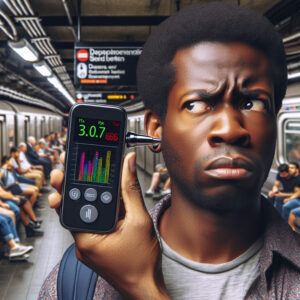
Noise pollution is measured using sound level meters that quantify sound intensity in decibels (dB). The measurement process involves capturing the sound environment and assessing its impact based on frequency and duration. The decibel scale is logarithmic, meaning a small increase in dB can represent a significant increase in sound intensity. This measurement is essential for setting regulatory standards and guidelines to limit exposure to harmful noise levels. By understanding how noise is measured, individuals and policymakers can better assess and mitigate the impact of noise pollution on communities.
What’s the Impact of Noise Pollution on Hearing?
The impact of noise pollution on hearing is profound and multifaceted. Immediate effects of loud noise exposure include temporary threshold shifts, where hearing is temporarily dulled. However, repeated or prolonged exposure can lead to more severe consequences, such as permanent hearing loss. The delicate structures in the inner ear, responsible for transmitting sound signals to the brain, can be damaged by excessive noise, leading to irreversible hearing impairment. Understanding the impact of noise pollution on hearing is crucial for preventing damage and promoting hearing health.
Immediate Effects of Loud Noise Exposure
Immediate effects of loud noise exposure can be alarming and include symptoms such as temporary hearing loss, tinnitus, or a ringing sensation in the ears. These effects occur when the ear is subjected to high-intensity sounds, overwhelming its natural ability to protect itself. While temporary, these symptoms indicate that the ear has been stressed beyond its usual capacity, signaling potential long-term damage if exposure continues. Recognizing these immediate effects is vital for taking preventative actions, such as using ear protection in noisy environments, to safeguard hearing health.
Long-term Consequences on Hearing Health
Long-term consequences of sustained noise pollution exposure can be devastating to hearing health. Continuous exposure to high noise levels can lead to noise-induced hearing loss (NIHL), a permanent condition that affects millions worldwide. This condition results from the gradual destruction of hair cells in the cochlea, which do not regenerate once damaged. Chronic noise exposure is also linked to increased stress, cardiovascular issues, and sleep disturbances, indirectly affecting overall health. Understanding these long-term impacts emphasizes the importance of reducing noise pollution and protecting our hearing.
How Noise Pollution Leads to Hearing Loss
Noise pollution leads to hearing loss primarily through the damage of delicate hair cells in the cochlea. These cells are responsible for converting sound waves into electrical signals sent to the brain. Excessive noise levels can cause these cells to bend or become damaged, reducing their ability to function properly. Initially, this may result in temporary hearing loss, but prolonged exposure can lead to permanent damage. The cumulative effect of noise pollution over time is a significant factor in the prevalence of hearing loss, highlighting the need for preventive measures.
What’s the Connection Between Noise Pollution and Tinnitus?
The connection between noise pollution and tinnitus is well-documented in hearing health studies. Tinnitus is characterized by a persistent ringing or buzzing in the ears, often resulting from noise exposure. It occurs when noise-induced damage to the inner ear disrupts normal auditory processing, leading to phantom sounds. Many individuals exposed to high levels of noise pollution report experiencing tinnitus, which can significantly impact their quality of life. Understanding this connection is critical for addressing tinnitus symptoms and implementing strategies to manage and prevent further noise-induced damage.
Understanding Tinnitus and Its Causes
Tinnitus is a common auditory condition where individuals perceive a ringing, buzzing, or hissing sound in their ears without any external source. It is often a symptom of underlying issues such as noise-induced hearing loss, ear infections, or age-related hearing deterioration. While tinnitus can vary in severity, it can significantly impact daily life, causing stress, sleep disturbances, and concentration difficulties. Identifying the causes of tinnitus is crucial for effective management and treatment, particularly in cases linked to noise pollution, where prevention and protective measures can make a substantial difference.
How Noise Pollution Triggers Tinnitus
Noise pollution triggers tinnitus by causing damage to the hair cells in the inner ear. This damage disrupts the normal transmission of sound signals to the brain, resulting in the perception of phantom noises. Loud or continuous exposure to noise can exacerbate the condition, making the sounds more persistent and bothersome. Individuals working in noisy environments or frequently exposed to loud activities are particularly at risk. Preventive measures, such as using ear protection and minimizing exposure to loud noises, are crucial in reducing the risk of tinnitus triggered by noise pollution.
Managing Tinnitus Caused by Noise Pollution
Managing tinnitus caused by noise pollution involves a combination of strategies aimed at reducing symptoms and improving quality of life. Approaches such as sound therapy, cognitive-behavioral therapy, and the use of white noise machines can help mask the tinnitus sounds and reduce their impact. Stress management techniques and lifestyle changes, including regular exercise and a healthy diet, also contribute to symptom relief. For severe cases, consulting with a hearing specialist is essential to develop a tailored treatment plan that addresses the specific needs of individuals affected by noise-induced tinnitus.
What’s the Role of Environmental Factors in Noise Pollution?
Environmental factors play a significant role in noise pollution levels, influencing the intensity and frequency of noise exposure. Urbanization, with its increased population density and industrial activities, often correlates with higher noise pollution. In contrast, rural areas may experience lower noise levels but are not entirely immune. Seasonal variations, such as increased outdoor activities during warmer months, also contribute to fluctuating noise levels. Additionally, technological advancements, while providing benefits, can introduce new sources of noise. Understanding these environmental factors is crucial for developing effective strategies to manage and mitigate noise pollution.
Urban vs. Rural Noise Pollution Levels
Urban areas typically experience higher noise pollution levels compared to rural regions. This difference is due to the dense concentration of transportation networks, industrial activities, and population density in cities. Urban noise pollution predominantly comes from traffic, construction, and public gatherings, contributing to constant high noise levels. On the other hand, rural areas, while generally quieter, may still experience noise from agricultural activities or occasional traffic. Understanding these variations in noise pollution levels is essential for tailoring noise management approaches and policies that effectively address the unique challenges of each environment.
Seasonal Variations in Noise Pollution
Seasonal variations significantly influence noise pollution levels, with certain times of the year experiencing increased noise activity. During warmer months, outdoor events, construction projects, and tourism can lead to heightened noise levels. Conversely, colder months may see a decrease in outdoor noise but an increase in indoor activities that contribute to noise pollution. These seasonal fluctuations necessitate adaptive noise management strategies that consider the specific challenges and opportunities presented by different times of the year, ensuring effective mitigation of noise pollution’s impact on communities and hearing health.
Technological Advancements and Noise Pollution
Technological advancements have a dual role in noise pollution, acting as both contributors and solutions. On one hand, modern technologies such as industrial machinery, transportation innovations, and urban infrastructure development have increased noise levels. On the other hand, advancements in noise-canceling technologies, soundproofing materials, and quieter machinery designs offer promising solutions to mitigate these impacts. Embracing these technological innovations is essential for reducing noise pollution and protecting hearing health, highlighting the need for continued research and development in creating sustainable and quieter environments.
What’s the Effect of Noise Pollution on Different Age Groups?
Noise pollution affects individuals across all age groups, but its impact varies depending on age-related vulnerabilities. Children, whose auditory systems are still developing, are particularly susceptible to noise-induced hearing damage, which can affect speech and cognitive development. Working adults may experience hearing loss or tinnitus due to occupational exposure to loud environments. For the elderly, existing hearing issues may be exacerbated by noise pollution, worsening communication difficulties. Understanding these age-specific effects is crucial for implementing targeted prevention and intervention strategies to protect hearing health across the lifespan.
Impact on Children’s Hearing Development
Children’s hearing development is highly sensitive to noise pollution, with excessive exposure posing risks to auditory health and overall development. Prolonged noise exposure can lead to noise-induced hearing loss, affecting speech, language, and cognitive skills. In educational settings, high noise levels hinder concentration and learning. Protecting children’s hearing requires creating quieter environments at home and school, promoting awareness of safe listening practices, and ensuring regular hearing screenings. By prioritizing children’s hearing health, we can foster an environment conducive to their growth and development, mitigating the long-term impacts of noise pollution.
Noise Exposure in Working Adults
Working adults are frequently exposed to noise pollution in occupational settings, placing them at risk for hearing damage and related health issues. Industries such as construction, manufacturing, and transportation often involve high noise levels that can contribute to noise-induced hearing loss and tinnitus. Employers and employees must collaborate to implement effective noise control measures, such as using hearing protection, monitoring noise levels, and promoting awareness of hearing conservation practices. By prioritizing noise management in the workplace, we can protect the hearing health of working adults and enhance their quality of life.
Hearing Concerns in the Elderly
The elderly population is particularly vulnerable to the effects of noise pollution, as age-related hearing loss can be exacerbated by additional noise exposure. This can lead to increased communication difficulties, social isolation, and a reduced quality of life. Managing noise pollution for the elderly involves creating quieter living environments, promoting the use of hearing aids and assistive listening devices, and encouraging regular hearing check-ups. By addressing hearing concerns in the elderly, we can enhance their ability to engage with their surroundings and maintain social connections, supporting their overall well-being.
What’s Being Done to Combat Noise Pollution?
Efforts to combat noise pollution encompass a variety of strategies aimed at reducing noise levels and protecting public health. Regulatory measures, community initiatives, and technological innovations play key roles in this endeavor. Governments implement noise regulations and standards to limit exposure to harmful sound levels, while community awareness campaigns educate the public about the importance of noise reduction. Technological solutions, such as noise barriers and soundproofing materials, further contribute to noise abatement. By combining these approaches, we can effectively address noise pollution and its impact on hearing health and overall quality of life.
Noise Regulation and Legislation
Noise regulation and legislation are critical components of efforts to reduce noise pollution and protect public health. Governments establish noise standards and guidelines to limit exposure to harmful noise levels, focusing on both occupational and environmental noise sources. These regulations often involve setting permissible noise limits, monitoring compliance, and enforcing penalties for violations. By implementing and updating noise regulations, policymakers can address emerging noise challenges and promote healthier living environments. Public awareness and engagement are essential for the successful implementation and enforcement of noise legislation, ensuring its effectiveness in reducing noise pollution.
Community Efforts and Awareness Campaigns
Community efforts and awareness campaigns play a vital role in combating noise pollution by fostering a collective responsibility for noise reduction. Local initiatives, such as neighborhood noise monitoring and community events, encourage residents to actively participate in noise management. Awareness campaigns educate the public about the health risks associated with noise pollution and promote practical solutions for reducing noise exposure. By empowering communities to take action, these efforts contribute to creating quieter, healthier environments. Collaboration between residents, local authorities, and organizations is key to the success and sustainability of these initiatives.
Technological Solutions for Noise Reduction
Technological solutions for noise reduction offer promising avenues for mitigating the impact of noise pollution. Innovations in noise-canceling technologies, soundproofing materials, and quieter machinery designs contribute to reducing noise levels in various settings. Advances in urban planning and transportation infrastructure also emphasize noise reduction, incorporating noise barriers and green spaces to buffer sound. Embracing these technological advancements is essential for creating sustainable and quieter environments. Continued research and development in noise reduction technologies are crucial for addressing the evolving challenges of noise pollution and protecting hearing health.
What’s Your Role in Preventing Hearing Damage from Noise Pollution?
Individual responsibility plays a significant role in preventing hearing damage from noise pollution. Personal protective measures, lifestyle changes, and seeking professional help are essential components of a comprehensive approach to hearing preservation. By adopting safe listening practices, using ear protection in noisy environments, and reducing unnecessary noise exposure, individuals can significantly reduce their risk of hearing damage. Additionally, raising awareness and advocating for noise reduction initiatives in communities contribute to broader efforts in combating noise pollution. Each person’s proactive involvement is crucial for safeguarding hearing health and promoting a quieter, healthier environment.
Personal Protective Measures
Personal protective measures are crucial for safeguarding hearing health in noisy environments. Using earplugs or noise-canceling headphones can significantly reduce sound exposure, preventing noise-induced hearing damage. Individuals should be proactive in identifying noisy situations, such as concerts, construction sites, or loud workplaces, and ensure they have appropriate hearing protection. Regular breaks from noise exposure and maintaining a safe distance from loud sources further contribute to hearing preservation. By prioritizing personal protective measures, individuals can effectively mitigate the risks associated with noise pollution, promoting long-term hearing health and overall well-being.
Lifestyle Changes to Reduce Noise Exposure
Lifestyle changes can play a significant role in reducing noise exposure and protecting hearing health. Simple adjustments, such as lowering the volume on personal audio devices, choosing quieter appliances, and creating a serene home environment, contribute to minimizing noise pollution’s impact. Additionally, incorporating noise-reducing practices, like using thick curtains or soundproofing materials, can enhance living spaces. Encouraging quieter leisure activities and advocating for noise reduction in communities further supports these efforts. By embracing lifestyle changes, individuals can actively contribute to reducing noise exposure and preserving their hearing health.
Seeking Professional Help for Hearing Issues
Seeking professional help is essential for addressing hearing issues related to noise pollution. Regular hearing check-ups with audiologists can detect early signs of hearing loss or tinnitus, enabling timely intervention and management. Hearing specialists can provide tailored advice on protective measures and recommend suitable hearing aids or devices if needed. Early detection and treatment of hearing issues are crucial for preventing further damage and maintaining a good quality of life. By prioritizing professional help, individuals can effectively manage hearing health and mitigate the impact of noise pollution on their well-being.
What’s the Future of Noise Pollution and Hearing Health?
The future of noise pollution and hearing health presents both challenges and opportunities. As urbanization and technological advancements continue, noise levels may rise, necessitating innovative solutions for noise management. Predictions indicate a growing focus on urban planning and infrastructure design to incorporate noise reduction measures. Innovations in hearing protection technology, such as advanced noise-canceling devices and smart hearing aids, hold promise for safeguarding hearing health. Continued research and advocacy are essential for addressing emerging noise challenges and promoting a quieter future. By embracing these developments, we can protect hearing health and enhance quality of life.
Predictions and Trends in Urban Noise Levels
Predictions and trends suggest that urban noise levels may continue to rise due to increasing population density, transportation demands, and industrial activities. As cities expand, addressing noise pollution becomes more critical. Future urban planning and infrastructure development are likely to focus on integrating noise reduction measures, such as green spaces, sound barriers, and quieter transportation systems. Innovative technologies and smart city initiatives will play a significant role in managing urban noise levels. By anticipating these trends, policymakers and communities can proactively implement strategies to mitigate noise pollution’s impact on urban environments and hearing health.
Innovations in Hearing Protection and Technology
Innovations in hearing protection and technology offer promising advancements in safeguarding hearing health. The development of advanced noise-canceling headphones, smart hearing aids, and personalized soundscapes provides individuals with effective tools to manage noise exposure. Emerging technologies, such as artificial intelligence and machine learning, enhance the adaptability and functionality of hearing protection devices. These innovations empower individuals to take control of their auditory environment, reducing the risk of noise-induced hearing damage. Continued investment in research and development is crucial for driving further advancements in hearing protection technology and promoting a healthier auditory experience.
The Importance of Continued Research and Advocacy
Continued research and advocacy are vital for addressing the evolving challenges of noise pollution and promoting hearing health. Ongoing studies contribute to a deeper understanding of noise-related impacts, informing policy decisions and public health initiatives. Advocacy efforts raise awareness about the importance of noise reduction and hearing protection, encouraging community engagement and policy change. By supporting research and advocacy, we can drive progress in noise management and hearing health, ensuring a quieter and healthier future for all. Collaboration between researchers, policymakers, and communities is essential for advancing solutions and protecting hearing health.

Discover Exercises to Improve Your Eyesight at Home
Introduction to Improving Your Eyesight at Home
In today’s digital age, more people than ever are experiencing eye strain and vision problems. While glasses and contact lenses offer solutions, they’re not the only options available. Many individuals seek natural ways to improve their eyesight at home. By incorporating specific exercises and making lifestyle adjustments, you can enhance your eye health and potentially improve your vision. This blog post will guide you through various exercises and tips to boost your eyesight naturally. With consistent practice and a holistic approach, you can support your eyes in functioning at their best.
Understanding the Importance of Eye Health
Our eyes are vital for daily functioning, yet they are often neglected until issues arise. Maintaining eye health is crucial as it affects our ability to work, play, and interact with the world around us. Good vision contributes significantly to our overall quality of life. By taking proactive steps to care for your eyes, you can prevent potential problems and maintain clear, sharp vision. Understanding the importance of eye health encourages us to adopt habits that protect and improve our eyesight, ensuring that our eyes remain healthy and functional for years to come.
Overview of Eye Exercises
Eye exercises are simple activities that can help improve your eyesight by strengthening the eye muscles, enhancing focus, and reducing strain. These exercises are designed to promote better coordination between the eyes and the brain, leading to improved vision. Whether you’re dealing with nearsightedness, farsightedness, or presbyopia, incorporating eye exercises into your routine can be beneficial. Regular practice can lead to noticeable improvements, helping you to rely less on corrective lenses. The exercises outlined in this post are easy to perform at home and can be incorporated into your daily routine without much effort.
Benefits of Improving Your Eyesight Naturally
Improving your eyesight naturally offers numerous benefits beyond better vision. By adopting a natural approach, you can reduce dependency on glasses or contacts, which can be costly and inconvenient. Natural methods often involve holistic practices that contribute to overall well-being, such as stress reduction and improved mental clarity. Additionally, natural eyesight improvement techniques can help prevent further deterioration of your vision. Embracing these methods empowers individuals to take control of their eye health, promoting a sense of autonomy and encouraging healthier lifestyle choices that can benefit the entire body.
Eye Anatomy and Function
Basic Eye Structure
Understanding the basic anatomy of the eye is essential for appreciating how various exercises can help improve your eyesight. The eye is a complex organ composed of several parts, including the cornea, lens, retina, and optic nerve. Each component plays a crucial role in how we perceive light and color, working together to create the images we see. The cornea and lens focus light onto the retina, which converts it into electrical signals sent to the brain via the optic nerve. Grasping this structure helps us understand how certain exercises can target specific eye functions.
How the Eyes Work Together
The eyes work in tandem to provide a clear and single image, a process known as binocular vision. Each eye captures a slightly different image, and the brain merges these to form a single, coherent picture. This coordination allows for depth perception and a three-dimensional understanding of our environment. When the eyes are not aligned properly, it can lead to issues like double vision or eye strain. Exercises that enhance coordination and teamwork between the eyes can help improve binocular vision, resulting in better depth perception and overall visual clarity.
Common Vision Problems
Several common vision problems affect people of all ages. Nearsightedness (myopia) is a condition where distant objects appear blurry, while farsightedness (hyperopia) causes nearby objects to be out of focus. Astigmatism, another frequent issue, results from an irregularly shaped cornea or lens, leading to distorted images. Presbyopia, often related to aging, affects the eye’s ability to focus on close objects. Understanding these conditions helps in selecting the right exercises to address specific vision challenges. With targeted practices, it’s possible to alleviate some symptoms and enhance overall eye performance.
Warm-Up Exercises for Better Vision
Palming Technique
The palming technique is a simple yet effective way to relax your eyes and reduce strain. To perform this exercise, sit comfortably and rub your hands together to generate warmth. Gently cup your palms over your closed eyes, ensuring no light enters. Breathe deeply and focus on the darkness, allowing your eyes to relax completely. This exercise helps soothe the optic nerves and improves blood circulation to the eyes. Practicing palming for a few minutes daily can significantly alleviate eye fatigue and refresh your vision, making it an excellent warm-up exercise.
Blinking Exercise
Blinking is a natural mechanism that keeps our eyes moist and refreshed. However, during tasks like reading or screen time, we tend to blink less frequently, leading to dryness and discomfort. The blinking exercise involves consciously blinking every few seconds to maintain eye lubrication. Set a timer and blink rapidly for a minute, then gradually slow down. This practice helps in reducing eye strain, promoting tear production, and keeping the eyes comfortable, especially during prolonged use. Incorporating regular blinking exercises can enhance eye health and support better visual acuity.
Eye Rolling Exercise
Eye rolling is a simple exercise that can strengthen eye muscles and improve flexibility. Sit comfortably and gently roll your eyes in a circular motion, starting clockwise and then counterclockwise. Perform this exercise slowly and deliberately, focusing on each movement. Eye rolling helps in relaxing the muscles around the eyes, reducing tension and stress. Regular practice can improve blood flow and enhance the overall function of your eyes. This exercise is particularly beneficial for those who spend long hours staring at screens, as it provides a quick and effective relief from eye strain.
Strengthening Exercises to Improve Your Eyesight
Focus Shifting
Focus shifting is a powerful exercise that enhances the flexibility and strength of your eye muscles. To practice focus shifting, sit comfortably and hold your thumb a few inches away from your face. Focus on your thumb, then shift your gaze to an object about 10 feet away. Alternate your focus between the two, holding each for a few seconds. This exercise trains your eyes to adjust focus quickly, improving overall visual acuity. Incorporating focus shifting into your routine can help reduce eye fatigue and support better performance when reading or working on detailed tasks.
Near and Far Focus
The near and far focus exercise is designed to enhance your eyes’ focusing ability and flexibility. Begin by sitting comfortably with your thumb extended at arm’s length. Focus on your thumb, then shift your gaze to an object in the distance. Alternate between near and far focus, holding each for a few seconds. This practice strengthens the eye muscles responsible for focusing, improving your ability to see objects at various distances. Regularly engaging in this exercise can help alleviate symptoms of presbyopia and enhance overall visual clarity.
Zooming Exercise
The zooming exercise is an effective way to improve your eyes’ focusing power. Sit comfortably and extend your arm with your thumb pointing upwards. Slowly bring your thumb closer to your nose, maintaining focus on it. Once your thumb is at its closest point, reverse the motion until your arm is fully extended again. This exercise challenges your eye muscles to maintain focus at varying distances, enhancing their strength and flexibility. Regular practice of the zooming exercise can contribute to improved eye health and better visual performance over time.
Relaxation Techniques for Eye Health
The 20-20-20 Rule
The 20-20-20 rule is a simple yet effective strategy to reduce eye strain, especially for those who spend long hours in front of screens. The rule suggests that every 20 minutes, you should take a 20-second break to look at something 20 feet away. This practice helps relax the eye muscles and prevents digital eye strain, which is a common problem in today’s digital world. By incorporating this rule into your routine, you can alleviate eye fatigue and enhance your ability to focus, ultimately improving your eyesight and overall eye health.
Eye Massage Techniques
Eye massage techniques can significantly improve blood circulation and reduce tension around the eyes. To perform a simple eye massage, use your fingertips to gently press and rub around the eye socket, focusing on the temples and the area above the eyebrows. This practice helps relieve stress, promotes relaxation, and can reduce the appearance of dark circles and puffiness. Regular eye massages can enhance the elasticity of the skin around the eyes and improve overall eye health. Incorporating eye massage into your daily routine can be a soothing and rejuvenating experience.
Visualization for Eye Relaxation
Visualization is a powerful tool for eye relaxation and can help improve your eyesight by reducing stress and tension. To practice visualization, close your eyes and imagine a peaceful scene, such as a beach or a forest. Focus on the details of the scene, allowing your mind to relax and your eyes to rest. This exercise helps in calming the mind and reducing eye strain, promoting overall well-being. Regular practice of visualization can enhance your ability to focus and improve your vision, making it a valuable addition to your eye care routine.
Lifestyle Changes to Enhance Eye Health
Nutrition and Diet for Eye Health
A balanced diet rich in essential nutrients can have a profound impact on your eye health. Foods high in vitamins A, C, and E, as well as omega-3 fatty acids and zinc, are particularly beneficial for maintaining good vision. Incorporating leafy greens, carrots, fish, nuts, and citrus fruits into your diet can support eye health and reduce the risk of age-related vision problems. By making thoughtful dietary choices, you can provide your eyes with the nutrients they need to function optimally and protect against potential vision deterioration.
Importance of Adequate Hydration
Staying adequately hydrated is crucial for maintaining healthy eyes. Dehydration can lead to dry eyes, discomfort, and blurred vision. Drinking enough water helps keep the mucous membranes around the eyes moist, promoting overall eye health and comfort. Aim to drink at least eight glasses of water a day and consider increasing your intake if you spend a lot of time in dry or air-conditioned environments. By prioritizing hydration, you can support your eyes in functioning effectively and reduce the risk of eye strain and related issues.
Reducing Screen Time
Excessive screen time is a major contributor to eye strain and digital eye fatigue. Reducing your screen time, especially before bed, can significantly improve your eyesight and overall eye health. Consider setting limits on the amount of time spent on digital devices and take regular breaks to rest your eyes. Implementing screen time management strategies can help alleviate symptoms of digital eye strain, such as dryness, irritation, and blurred vision. By being mindful of your screen use, you can protect your eyes and maintain optimal visual performance.
Maintaining Eye Health Over Time
Regular Eye Check-Ups
Regular eye check-ups are essential for maintaining good eye health and detecting any potential vision problems early. Scheduling an annual visit to an eye care professional allows for the monitoring of your eye health and the timely treatment of any issues. Eye exams can help identify conditions such as glaucoma, cataracts, and macular degeneration, which may not present noticeable symptoms initially. By prioritizing regular check-ups, you can stay proactive in caring for your eyes and ensure that your vision remains sharp and healthy throughout your life.
Protective Eyewear Usage
Using protective eyewear is crucial for safeguarding your eyes from potential harm. Whether you’re working with hazardous materials, playing sports, or spending time in the sun, wearing appropriate eyewear can prevent injuries and long-term damage to your eyes. Sunglasses with UV protection are important for shielding your eyes from harmful ultraviolet rays, reducing the risk of cataracts and other sun-related eye issues. By incorporating protective eyewear into your routine, you can protect your eyes from both immediate and cumulative damage, ensuring their health and safety.
Building Healthy Eye Habits
Building healthy eye habits is key to maintaining good vision and preventing eye strain. Incorporate regular eye exercises, take breaks during prolonged tasks, and ensure proper lighting to support your eye health. Additionally, being mindful of your posture and screen distance can help reduce strain on your eyes. By cultivating these habits, you can create an environment that promotes eye health and reduces the risk of vision problems. Consistency and mindfulness in your daily routine can lead to long-term benefits for your eyesight and overall well-being.
Conclusion: A Holistic Approach to Improve Your Eyesight
Recap of Key Exercises and Tips
Improving your eyesight naturally involves a combination of targeted exercises, relaxation techniques, and lifestyle changes. Key exercises such as palming, focus shifting, and the 20-20-20 rule can help strengthen eye muscles and alleviate strain. Incorporating eye massages and visualization techniques can further enhance relaxation and promote eye health. By adopting a holistic approach, you can support your vision and reduce dependency on corrective lenses. Remember, consistency is key, and integrating these practices into your daily routine can lead to significant improvements in your eyesight over time.
Encouragement for Consistent Practice
Consistent practice is essential for achieving and maintaining better eyesight. While the exercises and techniques outlined in this post are simple, their effectiveness relies on regular implementation. Set aside time each day to focus on your eye health and make these exercises a part of your daily routine. Be patient, as natural improvement takes time and dedication. Remember, every small effort contributes to your overall eye health and well-being. Stay committed, and you’ll likely see positive changes in your vision, boosting both your confidence and quality of life.
Final Thoughts on Natural Vision Improvement
Natural vision improvement is a journey that requires patience, commitment, and a willingness to embrace change. By understanding the importance of eye health and implementing the exercises and lifestyle adjustments discussed, you can take significant steps toward enhancing your eyesight. Remember, a holistic approach that combines physical exercises with relaxation and healthy habits offers the best results. Embrace this opportunity to care for your eyes naturally, and enjoy the benefits of improved vision and overall well-being. Your dedication to eye health today will pay dividends in the clarity and comfort of your sight tomorrow.
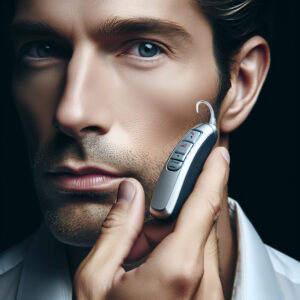
Whats New in Hearing Aid Technology for 2024?
What’s Driving Innovation in Hearing Aids for 2024?
In recent years, the hearing aid industry has made remarkable strides, driven by a commitment to user-centric design and cutting-edge technology. For 2024, the focus is on creating devices that not only enhance auditory experiences but also fit seamlessly into users’ lives. This shift is largely influenced by feedback from users who demand more personalized and intuitive solutions. By understanding the needs of wearers, manufacturers are tailoring hearing aids to be more comfortable, efficient, and effective. As a result, the latest models are incorporating advanced features that cater to individual preferences and lifestyles, marking a new era in hearing aid innovation.
Understanding User-Centric Design
User-centric design is at the forefront of hearing aid development for 2024, emphasizing the importance of comfort, usability, and personalization. This approach involves extensive research into user experiences and preferences, allowing manufacturers to create devices that are easy to use and fit seamlessly into daily life. Features such as ergonomic shapes, flexible materials, and customizable settings ensure that wearers can enjoy improved comfort and functionality. By prioritizing the needs of users, hearing aids are becoming more than just medical devices—they are essential tools that enhance quality of life through intuitive and personalized solutions.
Integration of Artificial Intelligence
The integration of artificial intelligence (AI) in hearing aids is revolutionizing the way users experience sound. AI algorithms analyze and adapt to different listening environments in real-time, providing users with a more natural and seamless auditory experience. This technology can distinguish between speech and background noise, automatically adjusting settings to enhance clarity and comprehension. Additionally, AI-driven features offer personalized sound enhancements based on individual preferences and hearing profiles. As AI continues to evolve, hearing aids are becoming smarter, more adaptive, and capable of delivering unprecedented levels of sound quality and user satisfaction.
Advances in Sound Processing Technology
Sound processing technology has undergone significant advancements, providing users with clearer and more precise auditory experiences. Modern hearing aids incorporate sophisticated algorithms that analyze and process sound waves, resulting in enhanced speech recognition and noise reduction capabilities. These improvements allow users to enjoy conversations and music with greater clarity, even in challenging acoustic environments. By leveraging cutting-edge sound processing techniques, hearing aids are able to deliver a high-fidelity listening experience that closely mimics natural hearing. This progress in sound technology ensures that users can fully engage with their surroundings with confidence and ease.
What’s New in Connectivity Features?
Connectivity features in hearing aids have seen remarkable enhancements, transforming the way users interact with their devices and the world around them. With the integration of Bluetooth and wireless streaming, hearing aids now offer seamless connectivity to smartphones, televisions, and other audio devices. This allows users to stream phone calls, music, and other audio directly to their hearing aids, providing a more immersive and convenient listening experience. Furthermore, compatibility with smart devices enables users to control and adjust their hearing aids via apps, offering greater flexibility and customization. These advancements in connectivity are reshaping the landscape of hearing aid technology.
Bluetooth and Wireless Streaming
Bluetooth and wireless streaming capabilities are revolutionizing the way users connect their hearing aids to various audio sources. With this technology, hearing aids can effortlessly pair with smartphones, tablets, and televisions, allowing users to enjoy phone calls, music, and more with enhanced clarity and convenience. This seamless integration provides a more immersive auditory experience, eliminating the need for additional accessories or devices. Additionally, wireless streaming enables users to control their hearing aids through dedicated apps, offering personalized settings and adjustments at their fingertips. These advancements are redefining the way users engage with their hearing aids in everyday life.
Compatibility with Smart Devices
In 2024, hearing aids are becoming increasingly compatible with smart devices, offering users a more integrated and streamlined experience. This compatibility allows users to control their hearing aids through smartphones and tablets, utilizing dedicated apps that provide access to various settings and features. Users can adjust volume levels, switch between listening modes, and even receive notifications directly through their hearing aids. This seamless interaction with smart devices enhances convenience and personalization, empowering users to tailor their hearing experience to their specific needs and preferences. As technology continues to evolve, hearing aids are becoming essential tools in the digital age.
Remote Adjustments and Programming
Remote adjustments and programming are transforming the way users interact with their hearing aids, offering greater convenience and flexibility. With this feature, users can receive professional support and make necessary adjustments to their devices without visiting a clinic. Through dedicated apps and online platforms, audiologists can remotely fine-tune hearing aids, ensuring optimal performance and personalization. This technology is particularly beneficial for individuals with mobility challenges or those living in remote areas, as it reduces the need for in-person appointments. Remote adjustments are enhancing user satisfaction by providing timely and efficient solutions to meet individual hearing needs.
What’s Improving Battery Life and Efficiency?
Battery life and efficiency are critical factors in the performance and convenience of hearing aids. Recent advancements have led to the development of rechargeable batteries and eco-friendly options, addressing users’ demand for longer-lasting and sustainable power sources. Rechargeable hearing aids eliminate the hassle of frequent battery replacements while reducing environmental impact. Additionally, fast charging capabilities ensure that users can quickly power up their devices and enjoy extended usage time. Furthermore, innovative battery management systems optimize energy consumption, enhancing overall efficiency. These improvements in battery technology are contributing to more reliable and user-friendly hearing aid experiences.
Rechargeable Batteries and Eco-Friendly Options
Rechargeable batteries are becoming the standard in hearing aid technology, offering users a more sustainable and convenient power solution. These batteries eliminate the need for disposable batteries, reducing environmental impact and providing cost savings over time. Users can simply recharge their devices overnight, ensuring they are ready for a full day of use. Additionally, manufacturers are exploring eco-friendly options, such as solar-powered charging and recyclable materials, to further minimize the environmental footprint of hearing aids. These advancements in battery technology reflect a commitment to sustainability while enhancing the overall user experience with reliable and efficient power sources.
Fast Charging Capabilities
Fast charging capabilities are revolutionizing the way users power their hearing aids, providing quick and efficient solutions for busy lifestyles. With this technology, users can significantly reduce charging time, ensuring their devices are ready to use in a fraction of the time. This feature is particularly beneficial for individuals who are always on the go, as it minimizes downtime and maximizes usage time. Fast charging options offer peace of mind, knowing that users can rely on their hearing aids whenever they need them. By prioritizing speed and efficiency, manufacturers are enhancing convenience and user satisfaction in hearing aid technology.
Battery Management Systems
Battery management systems are playing a crucial role in optimizing the performance and efficiency of hearing aids. These systems intelligently monitor and regulate power consumption, ensuring that devices operate at peak efficiency while conserving energy. By analyzing usage patterns and adjusting power distribution accordingly, battery management systems extend battery life and enhance overall device reliability. This technology also provides users with real-time battery status updates, allowing them to plan their charging schedules effectively. As a result, hearing aids equipped with advanced battery management systems offer a seamless and uninterrupted listening experience, empowering users to enjoy their devices with confidence.
What’s Enhancing Sound Quality?
Sound quality is a paramount consideration in the design and development of modern hearing aids. Recent advancements have introduced innovative technologies that enhance auditory experiences for users. Adaptive noise reduction technology, for instance, automatically adjusts to varying sound environments, ensuring that users can focus on important sounds without distraction. Directional microphone systems further enhance clarity by focusing on sounds from specific directions, making conversations more intelligible. Additionally, high-fidelity sound processing delivers rich and natural sound quality, closely mimicking the nuances of natural hearing. These enhancements are setting new standards in auditory excellence, providing users with unparalleled sound quality.
Adaptive Noise Reduction Technology
Adaptive noise reduction technology is a game-changer in the world of hearing aids, offering users an enhanced listening experience in diverse auditory environments. This technology intelligently detects and reduces unwanted background noise, allowing users to focus on speech and important sounds with greater clarity. By continuously analyzing the soundscape, adaptive noise reduction systems adjust in real-time, ensuring optimal performance in varying conditions. This feature is particularly beneficial in noisy settings, such as restaurants or crowded public spaces, where it significantly improves speech intelligibility. As a result, users can enjoy clearer and more comfortable conversations, enhancing overall communication and quality of life.
Directional Microphone Systems
Directional microphone systems are revolutionizing the way hearing aids capture and process sound, providing users with improved speech recognition and clarity. These systems utilize multiple microphones to focus on sounds coming from specific directions, such as directly in front of the wearer. By enhancing the signal-to-noise ratio, directional microphone systems effectively reduce background noise and enhance the audibility of speech. This technology is particularly valuable in challenging listening environments, enabling users to engage in conversations with greater ease and confidence. With directional microphone systems, hearing aids are becoming more adept at delivering clear and natural sound, even in the presence of competing noises.
High-Fidelity Sound Processing
High-fidelity sound processing is elevating the auditory experience for hearing aid users, offering rich and natural sound quality that closely mimics natural hearing. This technology leverages advanced algorithms and signal processing techniques to deliver a full spectrum of sound frequencies, capturing the nuances and subtleties of speech and music. By preserving the natural timbre and dynamics of sound, high-fidelity processing ensures that users enjoy a more immersive and authentic listening experience. This advancement is particularly beneficial for music lovers and individuals who value sound quality, as it enhances the enjoyment of a wide range of auditory experiences, from casual conversations to concert performances.
What’s the Role of AI in Hearing Aids?
Artificial intelligence (AI) is playing an increasingly prominent role in the development of hearing aids, offering users unprecedented levels of personalization and functionality. AI algorithms analyze and adapt to individual listening environments, providing custom sound settings tailored to the user’s unique auditory profile. This technology also enables predictive maintenance and diagnostics, ensuring optimal performance and minimizing downtime. Additionally, AI-driven features are paving the way for real-time language translation, breaking down communication barriers and enhancing global connectivity. As AI continues to advance, hearing aids are becoming smarter, more intuitive, and capable of delivering exceptional auditory experiences tailored to individual needs.
Personalized Sound Settings
Personalized sound settings are transforming the way users experience sound through their hearing aids, offering tailored solutions that accommodate individual preferences and hearing profiles. AI-driven algorithms analyze auditory environments and user interactions, adjusting sound settings in real-time to optimize clarity and comfort. This personalization ensures that users can enjoy conversations, music, and ambient sounds with enhanced precision and naturalness. By providing a customized auditory experience, personalized sound settings empower users to engage more fully with their surroundings, enhancing communication and quality of life. This technology is setting new standards for user satisfaction in the realm of hearing aid innovation.
Predictive Maintenance and Diagnostics
Predictive maintenance and diagnostics are revolutionizing the way hearing aids are maintained and serviced, offering users proactive solutions to ensure optimal performance. AI-driven technology monitors device functionality and usage patterns, identifying potential issues before they become significant problems. This predictive capability allows for timely interventions and adjustments, minimizing downtime and enhancing reliability. Users receive alerts and recommendations for maintenance, ensuring that their hearing aids are always operating at peak efficiency. By prioritizing predictive maintenance and diagnostics, manufacturers are enhancing user satisfaction and extending the lifespan of hearing aids, providing a seamless and dependable auditory experience.
Real-Time Language Translation
Real-time language translation is an emerging feature in hearing aids, offering users the ability to communicate seamlessly across language barriers. AI-driven algorithms analyze spoken language and provide instant translations, allowing users to engage in conversations with individuals who speak different languages. This technology is particularly beneficial for travelers, international business professionals, and multicultural communities, enhancing global connectivity and fostering understanding. Real-time language translation represents a significant advancement in hearing aid functionality, offering users a powerful tool for communication and interaction in an increasingly interconnected world. As this feature continues to evolve, it promises to transform the way users experience language and communication.
What’s Changing in Hearing Aid Design?
Hearing aid design is undergoing a transformation, focusing on creating devices that are both discreet and comfortable for users. Modern hearing aids are smaller and more ergonomic, ensuring a comfortable fit for extended wear. Innovations in materials and design have led to waterproof and durable models, providing reliability in various environments. Additionally, customizable aesthetic options allow users to personalize their devices to match their style and preferences. These design enhancements reflect a commitment to user satisfaction, ensuring that hearing aids are not only functional but also stylish and comfortable. As a result, hearing aids are becoming more integrated into users’ lives.
Discreet and Comfortable Designs
Discreet and comfortable designs are redefining the way hearing aids are perceived and worn, offering users a more seamless and unobtrusive experience. Modern hearing aids are smaller and more ergonomic, ensuring that they fit comfortably behind or within the ear. This discreet design minimizes visibility, allowing users to feel confident and comfortable in any setting. Additionally, advancements in materials and engineering have enhanced the comfort of hearing aids, ensuring that they can be worn for extended periods without irritation or discomfort. By prioritizing discreet and comfortable designs, manufacturers are enhancing user satisfaction and encouraging widespread adoption of hearing aid technology.
Waterproof and Durable Models
Waterproof and durable models are setting new standards for reliability and performance in hearing aid technology. These models are designed to withstand exposure to moisture, dust, and physical impact, ensuring that they remain functional in a wide range of environments. This durability is particularly beneficial for users with active lifestyles, as it provides peace of mind in situations where traditional hearing aids may be susceptible to damage. Waterproof and durable designs also reduce the need for frequent repairs and replacements, enhancing overall user satisfaction. By offering robust and resilient options, manufacturers are ensuring that users can rely on their hearing aids in any situation.
Customizable Aesthetic Options
Customizable aesthetic options are empowering users to personalize their hearing aids, allowing them to express their individuality and style. Modern hearing aids offer a range of colors, finishes, and designs, enabling users to choose options that match their personal preferences and lifestyle. This customization extends beyond aesthetics, with users able to select features and functionalities that align with their specific needs. By offering a diverse array of choices, manufacturers are enhancing user satisfaction and engagement, ensuring that hearing aids are not only functional but also a reflection of the user’s identity. Customizable options are making hearing aids more appealing and accessible to a wider audience.
What’s on the Horizon for Hearing Aids?
The future of hearing aids is bright, with exciting developments on the horizon that promise to enhance functionality and user experience. Integration with augmented reality (AR) is one such advancement, offering users immersive auditory experiences that complement visual information. Additionally, biometric monitoring features are being explored, providing users with health insights and real-time data. The expansion of telehealth services is also shaping the future of hearing aid technology, enabling remote consultations and support. These innovations are set to transform the way users interact with their hearing aids, offering new possibilities for communication, health monitoring, and personalized auditory experiences.
Integration with Augmented Reality
Integration with augmented reality (AR) is a groundbreaking development in hearing aid technology, offering users immersive auditory experiences that enhance their interaction with the world. By combining visual and auditory information, AR-enabled hearing aids provide users with contextual insights and enhanced situational awareness. This technology is particularly beneficial in educational and professional settings, as it facilitates learning and collaboration through enriched sensory experiences. As AR technology continues to evolve, hearing aids are poised to become powerful tools for communication and interaction, offering users new possibilities for engagement and understanding. The integration of AR is paving the way for a more connected and informed future.
Biometric Monitoring Features
Biometric monitoring features are an emerging trend in hearing aid technology, offering users valuable health insights and real-time data. These features utilize sensors to track physiological parameters such as heart rate, activity levels, and body temperature. By providing users with continuous health monitoring, biometric-enabled hearing aids empower individuals to take a proactive approach to their well-being. This technology is particularly beneficial for individuals with chronic health conditions, as it offers real-time data that can inform healthcare decisions. Biometric monitoring is transforming hearing aids into comprehensive health management tools, offering users a holistic approach to auditory and overall health.
Expansion of Telehealth Services
The expansion of telehealth services is shaping the future of hearing aid technology, offering users convenient access to professional support and consultations. Through online platforms and dedicated apps, users can connect with audiologists and hearing care professionals from the comfort of their homes. This remote access is particularly beneficial for individuals in rural or underserved areas, as it reduces the need for travel and in-person appointments. Telehealth services also enable timely adjustments and troubleshooting, ensuring that users receive prompt and effective solutions to their hearing needs. The expansion of telehealth is enhancing accessibility and user satisfaction in the realm of hearing aid care.
What’s the Impact of Regulatory Changes?
Regulatory changes are having a significant impact on the hearing aid industry, shaping the way devices are developed, marketed, and accessed by users. New standards for accessibility are ensuring that hearing aids are more inclusive and user-friendly, accommodating the diverse needs of individuals with hearing loss. Additionally, the implications for over-the-counter models are expanding access to hearing aids, offering users more affordable and convenient options. These regulatory developments are driving innovation and competition within the industry, ultimately benefiting consumers by providing greater choice and quality. As the regulatory landscape continues to evolve, hearing aids are becoming more accessible and advanced.
New Standards for Accessibility
New standards for accessibility are transforming the hearing aid industry, ensuring that devices are more inclusive and accommodating for users. These standards emphasize the importance of user-friendly designs, intuitive interfaces, and comprehensive support services, making hearing aids more accessible to individuals with varying degrees of hearing loss. By prioritizing accessibility, manufacturers are addressing the diverse needs of users, providing solutions that enhance communication and quality of life. Additionally, these standards encourage innovation and competition within the industry, driving advancements in technology and design. New accessibility standards are ensuring that hearing aids are effective and empowering tools for all users.
Implications for Over-the-Counter Models
The implications for over-the-counter (OTC) models are reshaping the hearing aid market, offering users more affordable and convenient options for addressing hearing loss. These models are designed to be accessible without a prescription, making it easier for individuals to obtain hearing aids and experience the benefits of improved hearing. OTC models are particularly beneficial for individuals with mild to moderate hearing loss, as they provide a cost-effective and user-friendly solution. This shift in the market is increasing competition and driving innovation, ultimately benefiting consumers by offering a wider range of choices and price points. The implications for OTC models are enhancing accessibility and affordability in hearing aid technology.

Unlocking Clear Sight: How to Cure Blurry Vision Effectively
Introduction to Blurry Vision
Blurry vision can be a frustrating and disorienting experience, affecting people of all ages. It can make even simple tasks like reading or driving challenging and potentially dangerous. Understanding how to cure blurry vision effectively is crucial for maintaining an active and fulfilling lifestyle. This comprehensive guide will explore the causes, diagnosis, and treatment options available to combat blurry vision. By exploring both natural remedies and medical treatments, you can find a solution that fits your needs and regain clarity in your sight, ensuring your eyes remain healthy and vibrant throughout your life.
Understanding Blurry Vision: Causes and Symptoms
Blurry vision is often characterized by the inability to see objects sharply, resulting in a foggy or unfocused visual experience. Common symptoms include difficulty reading small print, squinting to see distant objects, and headaches from eye strain. The causes of blurry vision can vary widely, from simple refractive errors to more complex medical conditions. It’s important to recognize these symptoms early, as they may point to underlying issues that require attention. Timely intervention can prevent further deterioration and safeguard your vision, allowing you to engage in daily activities with confidence and ease.
Why Addressing Blurry Vision Is Essential for Eye Health
Ignoring blurry vision can lead to significant long-term consequences for your eye health. Left untreated, blurry vision can strain your eyes, leading to fatigue, headaches, and even worsening eyesight over time. Addressing blurry vision is not just about improving your immediate visual clarity; it also plays a crucial role in preventing more severe eye problems in the future. By taking proactive steps to understand and treat the causes of blurry vision, you can maintain optimal eye health and protect your vision from unnecessary decline, ensuring you enjoy clear sight for years to come.
Common Causes of Blurry Vision
Refractive Errors: Myopia, Hyperopia, and Astigmatism
Refractive errors are among the most common culprits behind blurry vision. Myopia, or nearsightedness, causes distant objects to appear blurry, while hyperopia, or farsightedness, affects the clarity of nearby objects. Astigmatism, on the other hand, results from an irregular curvature of the eye, causing overall blurred vision. These conditions occur when light entering the eye doesn’t focus correctly on the retina, leading to distorted images. Corrective lenses or refractive surgery can often remedy these issues, restoring clear vision and improving quality of life for those affected by these common visual impairments.
Eye Fatigue and Digital Eye Strain
In today’s digital age, eye fatigue and digital eye strain have become prevalent issues contributing to blurry vision. Prolonged use of computers, smartphones, and tablets can lead to discomfort, dryness, and difficulty focusing, collectively known as digital eye strain. Symptoms often include tired eyes, headaches, and blurred vision after extensive screen time. Taking regular breaks, practicing the 20-20-20 rule, and ensuring proper lighting can alleviate these symptoms. By managing screen time effectively and incorporating ergonomic practices, you can reduce the strain on your eyes and maintain sharper vision in our increasingly digital world.
Medical Conditions Leading to Blurry Vision
Beyond refractive errors and digital eye strain, several medical conditions can also result in blurry vision. Cataracts, glaucoma, and macular degeneration are serious eye disorders that require medical intervention. Diabetes can lead to diabetic retinopathy, affecting the blood vessels in the retina and causing blurry vision. High blood pressure and multiple sclerosis are other conditions that may impact eyesight. It is essential to address these underlying health issues promptly, as they can lead to permanent vision loss if left untreated. Regular eye exams and managing overall health are critical in preventing and addressing these more severe causes of blurry vision.
Diagnosing Blurry Vision
Importance of Professional Eye Exams
Professional eye exams are crucial in diagnosing the root causes of blurry vision. An eye care specialist can conduct a comprehensive assessment to determine the underlying issues affecting your vision. Regular eye exams help in early detection of potential problems, allowing for timely treatment and better outcomes. These exams often include a series of tests that evaluate your visual acuity, eye muscle function, and overall eye health. By scheduling routine check-ups with an optometrist or ophthalmologist, you can stay informed about your eye health and take proactive steps to maintain clear and healthy vision.
Diagnostic Tests for Identifying Underlying Causes
Diagnosing blurry vision involves a variety of tests designed to identify its underlying causes. Common tests include visual acuity tests, refraction assessments, and slit-lamp examinations. Optometrists may also use tonometry to measure eye pressure, which can indicate conditions like glaucoma. Retinal imaging and dilation exams provide detailed views of the eye’s internal structures, helping to detect issues like diabetic retinopathy or macular degeneration. These diagnostic tools are essential for developing an effective treatment plan tailored to your specific needs, ensuring that any potential issues are addressed promptly and effectively.
How to Cure Blurry Vision Naturally
Lifestyle Changes for Improved Eye Health
Adopting healthy lifestyle changes can significantly improve eye health and alleviate blurry vision. Prioritizing a balanced diet rich in vitamins A, C, and E, along with omega-3 fatty acids, supports eye function and reduces the risk of vision problems. Staying hydrated, exercising regularly, and getting sufficient sleep are also vital for maintaining eye health. Reducing stress and avoiding smoking can further enhance visual clarity. By integrating these habits into your daily routine, you promote overall wellness and create a supportive environment for optimal eye function, helping to naturally cure and prevent blurry vision.
Eye Exercises to Strengthen Vision
Incorporating eye exercises into your daily routine can effectively strengthen your vision and reduce blurry symptoms. Simple exercises like focusing on distant objects, rolling your eyes in circular motions, and practicing near-far focus can enhance eye muscle coordination and flexibility. The “palming” technique, where you gently cover your eyes with your palms, can also relax the eyes and alleviate strain. By dedicating a few minutes each day to these exercises, you can improve your eye’s ability to focus and reduce the frequency of blurry vision, promoting clearer and more comfortable eyesight over time.
Nutritional Supplements that Support Clear Vision
Nutritional supplements can play a significant role in supporting clear vision and mitigating blurry vision. Antioxidants like lutein and zeaxanthin, found in leafy greens and egg yolks, protect the eyes from harmful light exposure. Omega-3 fatty acids, present in fish oil, promote retinal health and reduce inflammation. Additionally, vitamins C and E, along with zinc, can help prevent age-related eye damage. While it’s best to obtain these nutrients from a balanced diet, supplements can provide an extra boost, ensuring you receive the essential nutrients needed to maintain optimal eye health and clear vision.
Medical Treatments for Blurry Vision
Prescription Glasses and Contact Lenses
For many individuals, prescription glasses or contact lenses are effective solutions for correcting blurry vision caused by refractive errors. An optometrist can prescribe lenses tailored to your specific vision needs, allowing for precise correction and improved clarity. Glasses and contacts not only enhance your vision but also relieve eye strain, preventing further deterioration. Regular follow-ups with your eye care provider ensure that your prescription remains accurate and up to date. By using corrective lenses, you can enjoy clearer vision in daily activities, from reading and working to driving and appreciating the beauty of the world around you.
Surgical Options: LASIK and PRK
For those seeking a more permanent solution to blurry vision, surgical options like LASIK and PRK are worth considering. These procedures reshape the cornea to correct refractive errors, offering long-lasting vision improvements. LASIK involves creating a flap in the cornea, while PRK removes the outer layer before reshaping. Both surgeries have high success rates and can drastically reduce or eliminate the need for corrective lenses. However, they require thorough consultation with an experienced ophthalmologist to determine suitability. With successful surgery, patients can experience significant enhancements in visual clarity and quality of life.
Medications for Underlying Eye Conditions
In some cases, medications are necessary to address underlying eye conditions causing blurry vision. Prescription eye drops can treat glaucoma by reducing intraocular pressure, while anti-inflammatory medications may help with uveitis or other inflammatory eye disorders. For diabetic retinopathy, controlling blood sugar levels with medications is essential. It’s crucial to follow your healthcare provider’s instructions and attend regular check-ups to monitor the effectiveness of these treatments. By managing these conditions through medication, you can prevent further vision deterioration and maintain clearer eyesight, supporting overall eye health and well-being.
Preventing Blurry Vision
Tips for Reducing Screen Time and Eye Strain
Reducing screen time and managing eye strain are vital in preventing blurry vision. Implementing the 20-20-20 rule, where you take a 20-second break to look at something 20 feet away every 20 minutes, can ease digital eye strain. Adjusting screen brightness, using blue light filters, and maintaining an ergonomic workstation also help reduce fatigue. Limiting screen exposure before bedtime ensures better sleep quality, further supporting eye health. By adopting these strategies, you can minimize the adverse effects of prolonged screen use, preserving your vision and reducing the risk of developing blurry vision over time.
Healthy Habits for Sustaining Optimal Eye Health
Maintaining healthy habits is essential for sustaining optimal eye health and preventing blurry vision. Regular eye exams, a balanced diet, and protective eyewear when necessary are foundational practices. Incorporating physical activities and stress-relief techniques into your routine promotes overall wellness, benefiting your eyes. Avoiding smoking and managing chronic health conditions like hypertension and diabetes are also crucial for eye health. By adhering to these habits, you can enhance your vision and reduce the risk of eye problems, ensuring your eyes remain healthy and your vision clear throughout your life.
When to Seek Professional Help
Recognizing Symptoms That Require Immediate Attention
While many causes of blurry vision are benign, certain symptoms warrant immediate professional attention. Sudden vision changes, severe eye pain, or the presence of flashes and floaters can indicate serious conditions like retinal detachment or acute glaucoma. If you experience persistent vision problems that don’t improve with rest or corrective lenses, it’s essential to seek prompt evaluation by an eye care specialist. Early intervention can prevent further complications and preserve your vision. By recognizing these warning signs and acting swiftly, you can safeguard your eye health and ensure timely and effective treatment.
Choosing the Right Eye Care Specialist
Selecting the right eye care specialist is crucial for receiving accurate diagnoses and effective treatment. Optometrists provide routine eye exams and prescribe corrective lenses, while ophthalmologists handle more complex eye conditions and surgeries. Consider the specialist’s qualifications, experience, and patient reviews when making your choice. Don’t hesitate to ask questions about their approach to treatment and the technologies they use. Building a trusting relationship with your eye care provider ensures you receive personalized care, empowering you to make informed decisions about your eye health and maintain clear, healthy vision.
Conclusion and Final Thoughts
Recap of Effective Solutions for Blurry Vision
Blurry vision can be both a nuisance and a sign of underlying eye health issues. By understanding its causes and exploring both natural and medical solutions, you can effectively address this common problem. From lifestyle changes and eye exercises to prescription lenses and surgical options, various treatments are available to enhance vision clarity. Regular eye exams and healthy habits are fundamental in preventing blurry vision and maintaining optimal eye health. By taking proactive steps, you can enjoy a world of clarity and comfort, ensuring your vision remains a valuable asset throughout your life.
Encouragement to Prioritize Eye Health and Regular Check-ups
Prioritizing eye health is essential for preserving your vision and overall well-being. Regular check-ups with eye care professionals can detect issues early, allowing for timely intervention and better outcomes. Embrace healthy habits, such as a balanced diet, exercise, and protective eyewear, to support your eye health. By being proactive and informed, you can navigate the challenges of blurry vision with confidence and resilience. Remember, your eyes are your windows to the world, and by taking diligent care of them, you ensure that you can continue to experience life with clarity and joy.

How to Improve Your Eyesight Naturally: Foods and Exercises That Help
Introduction to Natural Eye Health
Understanding the Importance of Eye Health: Our eyes are one of the most critical organs, allowing us to experience the world in vivid detail. Maintaining eye health is essential not just for clear vision, but also for overall well-being. As we age, our eyesight can deteriorate, making it important to focus on protective and preventive measures. By understanding the role that nutrition, exercise, and lifestyle play in eye health, we can take active steps to preserve our vision. Investing time in natural methods can lead to lasting improvements and help prevent common eye disorders.
The Benefits of Improving Eyesight Naturally: Opting for natural ways to enhance eyesight offers numerous advantages. Unlike surgical interventions, natural techniques are non-invasive and generally free from side effects. They can be easily incorporated into daily life, promoting not just eye health but overall wellness. Additionally, these methods encourage a holistic approach, addressing root causes rather than just symptoms. Embracing natural improvements can lead to a healthier lifestyle, reducing dependence on corrective lenses and boosting confidence. By prioritizing natural eye health, you empower yourself with sustainable solutions for long-term vision care.
Nutrient-Rich Foods for Better Vision
Vitamins and Minerals Essential for Eyesight: Certain vitamins and minerals play pivotal roles in maintaining eye health. Key nutrients include Vitamin A, essential for good vision, particularly in low light; Vitamin C, which helps prevent cataracts; and Vitamin E, known for protecting eye cells from free radicals. Lutein and zeaxanthin, carotenoids found in the retina, are also crucial for absorbing harmful light. Omega-3 fatty acids support the eye’s structural integrity, and zinc aids in transporting Vitamin A from the liver to the retina. Incorporating these nutrients into your diet is foundational for natural eyesight improvement.
Top Foods to Improve Your Eyesight Naturally: To naturally enhance your vision, focus on consuming nutrient-dense foods. Carrots, rich in beta-carotene, are a classic choice for better eyesight. Leafy greens like spinach and kale are high in lutein and zeaxanthin. Fatty fish such as salmon provide necessary omega-3 fatty acids. Eggs, nuts, and seeds are excellent sources of Vitamin E and zinc. Citrus fruits and berries offer ample Vitamin C. By prioritizing these foods, you support your eyes with essential nutrients, laying a strong foundation for improved vision without reliance on artificial interventions.
How to Incorporate Vision-Friendly Foods into Your Diet: Integrating eye-friendly foods into your daily meals can be both simple and delicious. Start your day with a smoothie packed with spinach, kale, and a slice of citrus for a nutrient boost. Include a serving of fatty fish like salmon or mackerel in your lunch or dinner to ensure adequate omega-3 intake. Snack on nuts and seeds for a healthy dose of Vitamin E. For a sweet treat, enjoy a bowl of mixed berries. By making small, mindful changes, you can significantly enhance your eye health and overall diet quality.
Exercises to Enhance Eye Function
Eye Exercises for Relaxation and Focus: Just as physical exercise benefits the body, eye exercises can rejuvenate tired eyes and improve focus. Start with the 20-20-20 rule: every 20 minutes, look at something 20 feet away for 20 seconds. Practice palming by rubbing your hands together to generate warmth, then gently covering your eyes to relax them. Another effective exercise involves focusing on a pen at arm’s length, then slowly bringing it closer to your nose. These simple exercises help reduce eye strain, enhance concentration, and promote relaxation, contributing to natural eyesight improvement.
Techniques to Strengthen Eye Muscles: Strengthening eye muscles can lead to better visual acuity and flexibility. Incorporate exercises like eye rotations, where you look up, down, and side to side without moving your head. Another effective technique is the figure-eight exercise: imagine a giant figure eight approximately 10 feet in front of you, then trace it with your eyes. Practice focusing shifts by alternating between a near object and a distant one. These exercises enhance the coordination and strength of eye muscles, supporting improved vision and reducing the risk of eye fatigue.
Daily Practices to Improve Your Eyesight Naturally: Consistency is key when it comes to natural eyesight improvement. Dedicate a few minutes each day to perform eye exercises, ensuring they become an integral part of your routine. Combine these exercises with a balanced diet rich in eye-supportive nutrients for optimal results. Furthermore, prioritize proper lighting when reading or working on screens to reduce strain. Maintain a regular sleep schedule to give your eyes the rest they need. By embracing these daily practices, you create a supportive environment for your eyes, fostering improved vision naturally.
Lifestyle Habits That Support Eye Health
The Impact of Screen Time on Eyesight: In our digital age, excessive screen time is a significant concern for eye health. Prolonged exposure to screens can lead to digital eye strain, characterized by dryness, irritation, and blurred vision. The blue light emitted from screens can disrupt sleep patterns and potentially harm retinal cells. To mitigate these effects, maintain an appropriate distance from screens, adjust brightness settings, and consider using blue light filters. Incorporating regular breaks and following the 20-20-20 rule can further alleviate strain. By managing screen time, you protect your eyes from unnecessary stress and damage.
Importance of Regular Eye Breaks: Giving your eyes regular breaks is crucial for maintaining their health and functionality. Continuous focus on screens or tasks can lead to eye fatigue, making breaks essential. Implement techniques like the Pomodoro Technique, working for 25 minutes, then taking a 5-minute break to rest your eyes. Use this time to practice eye exercises or simply close your eyes and relax. These short, consistent breaks refresh your eyes, enhance productivity, and prevent long-term damage. Establishing a routine of regular eye breaks is an effective strategy for preserving your eyesight naturally.
Creating an Eye-Friendly Environment: Your surroundings play a vital role in supporting eye health. Ensure your workspace is well-lit, using natural light whenever possible. Position screens to minimize glare and use anti-reflective coatings on glasses if needed. Adjust your chair and desk height so that the top of the screen is at or slightly below eye level. Incorporate indoor plants to improve air quality and reduce dry eyes. By curating an environment that minimizes strain and promotes comfort, you create optimal conditions for maintaining healthy eyesight naturally and sustainably.
Role of Hydration in Eye Health
Why Staying Hydrated is Crucial for Vision: Proper hydration is a cornerstone of good eye health. The eyes rely on moisture to maintain comfort and function effectively. Dehydration can lead to dry eyes, irritation, and blurred vision. Drinking enough water supports tear production, which is essential for keeping the eyes clean and lubricated. It also helps in flushing out toxins and reducing the risk of eye infections. Aim for at least eight glasses of water daily, and adjust based on activity levels and climate. Staying hydrated is a simple yet powerful way to naturally support your eyesight.
Tips to Maintain Proper Hydration Levels: Incorporating hydration into your daily routine can be straightforward. Start your day with a glass of water to kickstart hydration. Carry a reusable water bottle to remind yourself to drink regularly. Infuse water with slices of citrus, cucumber, or mint for added flavor, encouraging more frequent consumption. Monitor your urine color as an indicator of hydration; it should be light yellow. Foods with high water content, such as cucumbers and watermelon, also contribute to fluid intake. By adopting these practices, you ensure your eyes receive the hydration they need for optimal function.
Natural Supplements for Eye Health
Popular Supplements to Consider: While a balanced diet is crucial, supplements can offer additional support for eye health. Omega-3 fatty acids, found in fish oil supplements, are known for reducing dry eye symptoms. Lutein and zeaxanthin supplements support retinal health and protect against harmful light. Vitamins C and E, along with zinc, may help slow the progression of age-related macular degeneration. Consult with a healthcare professional to identify supplements that align with your specific needs. These supplements can complement your diet, offering a comprehensive approach to naturally enhancing your eyesight.
How to Choose the Right Supplement for You: Selecting the right supplement requires careful consideration of your dietary habits and health goals. Begin by evaluating your current nutrient intake and identifying any gaps. Consult with an eye care professional or nutritionist to discuss your needs and potential deficiencies. Look for high-quality supplements with verified sources and formulations that cater to eye health. Read reviews and research the efficacy of ingredients. Always follow recommended dosages and monitor your body’s response. By choosing tailored supplements, you can effectively support your journey towards improved natural eyesight.
Consultation with Healthcare Professionals: Before starting any supplement regimen, it is vital to seek guidance from healthcare professionals. An eye specialist can provide insights into your eye health status and recommend appropriate supplements. A nutritionist can help tailor your diet and supplement choices to meet individual needs. Regular check-ups ensure that your natural eyesight improvement efforts are on the right track, allowing for adjustments as necessary. Professional consultations provide a safety net, ensuring you make informed decisions that align with your health objectives for maintaining and enhancing your vision naturally.
Myths and Facts about Natural Eyesight Improvement
Debunking Common Myths: Numerous myths surround natural eyesight improvement, making it essential to separate fact from fiction. One common misconception is that carrots alone can drastically improve vision; while beneficial, they are not a cure-all. Another myth suggests that wearing glasses weakens eyes; in truth, they provide necessary correction. Eye exercises, though helpful, cannot replace corrective lenses for refractive errors. By understanding these myths, you can navigate your eyesight improvement journey with realistic expectations, focusing on evidence-based practices that genuinely contribute to better eye health.
Evidence-Based Facts to Guide Your Journey: Embracing evidence-based facts is crucial for effective natural eyesight improvement. Research supports the role of a nutrient-rich diet in maintaining eye health, underscoring the importance of vitamins A, C, and E. Studies also highlight the benefits of regular eye exercises in reducing strain. Hydration, screen time management, and proper lighting are proven contributors to eye comfort and function. By grounding your approach in scientific evidence, you ensure your efforts are both efficient and impactful, leading to sustainable improvements in your vision and overall eye health.
Conclusion and Next Steps
Recap of Key Strategies: Improving your eyesight naturally involves a comprehensive approach that includes diet, exercise, and lifestyle adjustments. Nutrient-rich foods, including leafy greens and fatty fish, provide essential support for eye health. Regular eye exercises and screen breaks alleviate strain and enhance function. Creating an eye-friendly environment and staying hydrated are fundamental practices. Supplements can complement your efforts, but should be chosen carefully with professional guidance. By incorporating these strategies into your routine, you lay a strong foundation for improved vision and holistic well-being.
Developing a Personal Plan for Better Vision: To achieve optimal results, tailor a personal plan that aligns with your lifestyle and needs. Begin by assessing your current habits and making incremental changes. Set achievable goals, such as incorporating more eye-friendly foods or dedicating time for daily eye exercises. Keep track of your progress and remain flexible to adapt your plan as needed. Regularly consult with healthcare professionals to ensure your methods are effective and safe. By committing to a personalized approach, you empower yourself to improve your eyesight naturally and sustain long-term vision health.

How to Fix Bad Eyesight at Home: DIY Remedies That Work
Introduction to Fixing Bad Eyesight at Home
Many people struggle with bad eyesight, often seeking remedies that can be easily incorporated into their daily routines without the need for expensive treatments. Fortunately, there are several effective ways to address vision issues at home. By understanding the root causes of poor eyesight and embracing certain lifestyle changes, individuals can potentially improve their vision. This guide aims to explore some of the most effective do-it-yourself remedies to enhance eye health. Incorporating these practices may not only improve your vision but also contribute to your overall well-being.
Understanding Common Causes of Bad Eyesight
Bad eyesight can result from a variety of factors, including genetic predispositions, excessive screen time, poor nutrition, and even environmental conditions. While some causes are beyond our control, understanding them is crucial to addressing the issue effectively. For instance, prolonged exposure to screens can lead to digital eye strain, while a lack of essential nutrients can weaken eye structures. By identifying these factors, individuals can adopt targeted strategies to mitigate their impact. The journey to better eyesight begins with recognizing and understanding the specific causes affecting your vision.
Importance of Eye Health and Regular Check-Ups
Regular eye examinations are essential for maintaining optimal eye health. These check-ups allow for early detection of potential issues, ensuring timely intervention and preventing further deterioration. While home remedies can significantly improve eyesight, they should complement, not replace, professional medical advice. Routine visits to an eye care specialist can provide personalized insights and recommendations tailored to your specific needs. In addition to professional care, maintaining a vigilant approach to eye health through daily practices and lifestyle adjustments can lead to sustained improvements in vision.
How to Fix Bad Eyesight with Eye Exercises
Palming Technique for Relaxation
The palming technique is a simple exercise designed to relax the eyes and alleviate strain. To perform this exercise, sit comfortably and rub your palms together to generate warmth. Then, gently place your palms over your closed eyes without applying pressure. Ensure that no light enters and focus on the darkness. This technique helps in reducing eye fatigue, promoting relaxation, and enhancing visual clarity. By incorporating palming into your daily routine, you can provide your eyes with much-needed rest, especially after extended periods of screen use or reading.
Eye Rolling for Muscle Strengthening
Eye rolling is an effective exercise to strengthen the muscles around the eyes, improving overall vision. Begin by sitting comfortably and relaxing your facial muscles. Look up and slowly roll your eyes in a circular motion, clockwise and then counterclockwise. Repeat this exercise several times a day to enhance muscle flexibility and endurance. This simple yet powerful exercise can contribute to better eye coordination and focus, thus playing a vital role in correcting bad eyesight over time. Consistent practice is key to experiencing noticeable improvements in your vision.
Focusing Exercises for Improved Vision
Focusing exercises are designed to improve the eye’s ability to adjust and focus on objects at varying distances. A popular method involves holding a pencil at arm’s length and slowly moving it closer to your eyes while maintaining focus. Repeat this process several times, ensuring that your eyes remain focused on the pencil. This exercise enhances the flexibility of the lens, crucial for clear vision and reducing eye strain. Regular practice can significantly improve your ability to focus on both near and distant objects, contributing to overall eye health and improved eyesight.
Nutritional Approaches to Improve Eyesight
Essential Vitamins for Eye Health
Nutrition plays a pivotal role in maintaining eye health, with certain vitamins being particularly beneficial for vision. Vitamin A, for instance, is vital for maintaining a clear cornea and preventing night blindness. Meanwhile, vitamins C and E are powerful antioxidants that protect the eyes from damage caused by free radicals. Incorporating foods rich in these vitamins, such as carrots, citrus fruits, and almonds, can provide essential nutrients that support eye health. A well-balanced diet, rich in these vitamins, can help preserve your eyesight and protect against age-related vision decline.
Foods Rich in Antioxidants
Antioxidants are crucial in protecting the eyes from oxidative stress and damage. Foods such as berries, leafy greens, and nuts are packed with antioxidants like lutein and zeaxanthin, which are known to support eye health. These compounds help filter harmful blue light and maintain the integrity of the retina. By incorporating a variety of antioxidant-rich foods into your diet, you can enhance your eye health and reduce the risk of developing chronic eye conditions. A diet rich in antioxidants not only benefits your vision but also promotes overall health and wellness.
Hydration and Its Impact on Vision
Staying hydrated is often overlooked when considering eye health, yet it is essential for maintaining optimal vision. Dehydration can lead to dry eyes, discomfort, and blurred vision. Ensuring adequate water intake helps maintain the moisture balance in the eyes, supporting tear production and overall eye function. Besides water, consuming hydrating foods such as cucumbers and watermelons can also contribute to maintaining eye moisture. Prioritizing hydration is a simple yet effective way to support eye health and improve vision, complementing other dietary and lifestyle changes aimed at enhancing eyesight.
Lifestyle Changes to Enhance Eye Health
Reducing Screen Time and Digital Strain
In today’s digital age, reducing screen time is crucial for protecting eye health. Prolonged exposure to screens can lead to digital eye strain, characterized by symptoms such as dryness, irritation, and blurred vision. To mitigate these effects, it’s important to take regular breaks and reduce overall screen time. Incorporating activities that do not involve screens, such as outdoor walks or reading physical books, can provide necessary relief to the eyes. By consciously limiting screen exposure, you can reduce digital strain and support healthier, more comfortable vision.
Practicing the 20-20-20 Rule
The 20-20-20 rule is a simple yet effective strategy to alleviate eye strain caused by prolonged screen use. Every 20 minutes, take a 20-second break to look at something 20 feet away. This practice helps relax the eye muscles and reduce fatigue, promoting overall eye health. By incorporating this rule into your daily routine, you can significantly reduce the risk of developing digital eye strain. Regularly practicing the 20-20-20 rule can lead to improved focus and visual comfort, making it an essential habit for those who spend long hours in front of screens.
Importance of Adequate Sleep for Eye Rest
Adequate sleep is fundamental to maintaining eye health, as it allows the eyes to rest and recover from daily activities. During sleep, the eyes are replenished with essential nutrients and moisture, which helps maintain visual clarity and comfort. A consistent sleep schedule not only supports overall health but also reduces the risk of eye-related issues such as dryness and strain. Prioritizing good sleep hygiene, including a comfortable sleeping environment and regular sleep patterns, can significantly benefit your eye health and contribute to improved vision over time.
Natural Remedies for Better Vision
Herbal Supplements and Their Benefits
Herbal supplements can offer natural support for eye health. Ingredients like bilberry extract and ginkgo biloba are known for their beneficial effects on vision. Bilberry, rich in antioxidants, supports healthy eye function and can improve night vision. Ginkgo biloba enhances blood circulation to the eyes, ensuring they receive sufficient nutrients and oxygen. Incorporating these supplements into your daily routine can complement other eye health practices, offering a natural approach to improving eyesight. However, it’s essential to consult a healthcare professional before starting any new supplement regimen.
Incorporating Eye-Friendly Herbs in Diet
Certain herbs, such as turmeric and saffron, have been lauded for their eye health benefits. Turmeric contains curcumin, a compound with anti-inflammatory properties that can help protect the eyes from damage. Saffron is rich in antioxidants, which support retinal health and improve visual acuity. Adding these herbs to your diet can enhance overall eye health and potentially improve vision. Including eye-friendly herbs in your meals not only adds flavor but also provides a natural boost to your eye care regimen, supporting long-term vision health.
Using Warm Compresses for Eye Relief
Warm compresses are a soothing remedy for tired and strained eyes. Applying a warm, damp cloth over closed eyes helps increase blood circulation, relax eye muscles, and alleviate discomfort. This simple practice can provide immediate relief from symptoms of eye strain and dryness. Incorporating warm compresses into your daily routine, particularly after extended periods of screen use, can support eye relaxation and recovery. This natural remedy is an effective way to promote eye comfort and health, complementing other lifestyle and dietary practices aimed at improving vision.
The Role of Proper Lighting in Fixing Bad Eyesight
Importance of Adequate Lighting for Reading
Proper lighting is crucial for maintaining eye health, especially during activities like reading. Insufficient light can cause eye strain and fatigue, impairing your vision over time. Ensuring that your reading area is well-lit can minimize the stress on your eyes and enhance your reading experience. Adjustable desk lamps or natural light sources can provide optimal lighting conditions, reducing glare and improving visual comfort. By prioritizing adequate lighting, you can protect your eyes from unnecessary strain and support healthier vision, making reading a more enjoyable and comfortable activity.
Adjusting Workspace for Optimal Eye Comfort
Creating an ergonomic workspace is essential for eye comfort, particularly for those who spend long hours in front of a computer. Adjust your screen to be at eye level and maintain a comfortable distance to reduce strain. Additionally, ensure that your workspace is well-lit, minimizing glare and reflections on the screen. Incorporating these adjustments can significantly enhance visual comfort and reduce the risk of eye strain. A well-organized workspace supports productivity and eye health, allowing you to work efficiently while maintaining optimal vision.
When to Seek Professional Help
Recognizing Symptoms That Require Medical Attention
While home remedies can be effective, certain symptoms may necessitate professional medical attention. Persistent blurred vision, severe headaches, or sudden changes in eyesight should not be ignored. These could be signs of underlying conditions that require prompt evaluation by an eye care professional. Early detection and treatment are crucial for preventing further deterioration and potential vision loss. Being proactive about seeking medical advice when necessary ensures that you receive the appropriate care and guidance tailored to your specific eye health needs.
Regular Eye Exams and Their Importance
Regular eye exams are an integral part of maintaining eye health and preventing vision problems. These exams allow for the early detection of issues such as glaucoma, cataracts, and age-related macular degeneration. By visiting an eye care professional regularly, you can receive personalized advice and interventions to address any emerging concerns. Eye exams also provide an opportunity to update prescriptions for glasses or contact lenses, ensuring optimal visual acuity. Prioritizing routine eye check-ups is a proactive step towards preserving your eyesight and maintaining overall eye health.
Conclusion and Maintaining Eye Health Long-Term
Recap of Effective DIY Remedies
Improving eyesight at home is possible through a combination of exercises, nutritional adjustments, and lifestyle changes. Techniques such as palming, eye rolling, and focusing exercises can enhance eye muscle function. A diet rich in vitamins and antioxidants supports eye health, while proper hydration and herbal supplements offer additional benefits. Reducing screen time, practicing the 20-20-20 rule, and ensuring adequate sleep are key lifestyle adjustments. Warm compresses and proper lighting further contribute to visual comfort. Together, these remedies form a comprehensive approach to addressing bad eyesight naturally and effectively.
Long-Term Habits for Sustained Eye Health
Maintaining long-term eye health requires consistent effort and attention to daily habits. Prioritizing regular eye exams ensures timely detection of potential issues, while a balanced diet and adequate hydration support ongoing visual function. Incorporating eye exercises and reducing screen time can prevent strain and fatigue. Establishing a sleep routine and creating an ergonomic workspace contribute to overall eye comfort. By adopting these habits, you can sustain the improvements gained from DIY remedies and enjoy healthier vision for years to come, ultimately enhancing your quality of life.

How to Better Your Eyesight: Effective Habits for Long-Term Eye Health
Introduction to How to Better Your Eyesight
Your eyes are windows to the world, and maintaining their health is essential for a life full of vibrant experiences. Understanding how to better your eyesight involves adopting effective habits that support long-term eye health. It’s more than just wearing glasses or contacts; it’s about nurturing your eyes from the inside out. With the increasing demands of modern life, especially with prolonged screen time, taking proactive steps to care for your eyes has never been more crucial. This guide will explore key habits and lifestyle choices that can enhance your eyesight and preserve your vision for years to come.
Importance of Eye Health
Eye health is a critical component of overall well-being. Good vision contributes significantly to quality of life, enabling us to perform daily tasks efficiently and enjoy hobbies and leisure activities. Moreover, eye health is closely linked to other aspects of physical health, such as neurological and cardiovascular health. Undetected vision problems can lead to serious complications, affecting not just your sight but your safety and independence. By focusing on how to better your eyesight, you invest in a healthier future. Prioritizing eye health can reduce the risk of chronic eye conditions and enhance your life in countless ways.
Common Eye Problems and Their Impact
Common eye problems, such as myopia, hyperopia, astigmatism, and age-related conditions like cataracts and macular degeneration, can significantly impact daily life. These issues can lead to difficulties in reading, driving, and recognizing faces, ultimately affecting self-esteem and independence. Early detection and intervention are key, but understanding how to better your eyesight through preventive measures can mitigate these risks. Corrective lenses are a common solution, but they address symptoms rather than underlying causes. By embracing a holistic approach to eye care, you can slow the progression of these conditions and maintain clearer vision.
Healthy Lifestyle Choices for Better Eyesight
Balanced Diet and Nutrients
A balanced diet rich in essential nutrients is instrumental in how to better your eyesight. Foods high in vitamins A, C, and E, as well as zinc and omega-3 fatty acids, play a crucial role in maintaining eye health. Leafy greens, carrots, sweet potatoes, and fish like salmon are excellent choices. These nutrients help prevent cataracts and age-related macular degeneration. Incorporating a variety of colorful fruits and vegetables ensures you receive a broad spectrum of antioxidants, which protect the eyes from oxidative stress. A nutritious diet not only supports eye health but also enhances overall well-being.
Regular Exercise and Eye Health
Regular exercise is an often-overlooked factor in how to better your eyesight. Physical activity improves blood circulation, ensuring that eyes receive ample oxygen and nutrients. Exercise can also help maintain healthy blood pressure and cholesterol levels, reducing the risk of eye conditions related to these factors. Activities like walking, jogging, and yoga promote cardiovascular health, which is closely linked to eye health. Additionally, exercise can help prevent type 2 diabetes, a leading cause of blindness. By incorporating regular workouts into your routine, you support not only your overall health but also the longevity and clarity of your vision.
Avoiding Smoking and Alcohol
Avoiding smoking and excessive alcohol consumption is crucial in your journey to better your eyesight. Smoking increases the risk of developing cataracts, optic nerve damage, and macular degeneration. The harmful chemicals in cigarettes can accelerate the deterioration of the eyes, leading to vision loss. Similarly, excessive alcohol intake can lead to nutritional deficiencies that affect eye health. Moderation is key; limiting alcohol consumption and quitting smoking can significantly reduce the risk of eye diseases. By making these lifestyle changes, you enhance not only your eye health but also overall well-being, paving the way for a healthier future.
Understanding the Role of Screen Time
Effects of Prolonged Screen Exposure
In today’s digital age, understanding how to better your eyesight involves managing screen time effectively. Prolonged exposure to computers, smartphones, and tablets can lead to digital eye strain, characterized by dry eyes, blurred vision, and headaches. The blue light emitted by screens can disrupt sleep patterns and cause eye fatigue. It’s essential to balance screen usage with regular breaks and proper ergonomic setups. Awareness of these effects empowers you to take preventive measures, such as adjusting screen brightness and contrast. By moderating screen time, you can protect your eyes from strain and maintain optimal visual comfort.
Implementing the 20-20-20 Rule
The 20-20-20 rule is a simple yet effective strategy to combat digital eye strain and better your eyesight. It suggests taking a break every 20 minutes to look at something 20 feet away for at least 20 seconds. This practice helps relax the eye muscles and reduce fatigue from prolonged focus on screens. Incorporating this habit into your daily routine can alleviate discomfort and prevent long-term damage caused by continuous screen exposure. By giving your eyes regular breaks, you can maintain their health and function, ensuring that digital devices don’t compromise your vision quality.
Adjusting Screen Settings for Comfort
Optimizing screen settings is a practical step in how to better your eyesight, especially for those who spend significant time on digital devices. Start by adjusting the brightness to match your surroundings, ensuring it’s not too harsh or dim. Increase text size to reduce strain and maintain a comfortable viewing distance, ideally 20-28 inches from your eyes. Consider using blue light filters or apps to minimize exposure during evening hours. These adjustments create a more eye-friendly environment, reducing strain and enhancing comfort. By personalizing your devices, you can protect your eyes from unnecessary stress and maintain better vision.
Protective Measures for Eye Health
Wearing Sunglasses for UV Protection
Wearing sunglasses is a fashionable and essential habit for bettering your eyesight. Quality sunglasses protect your eyes from harmful ultraviolet (UV) rays, which can cause cataracts and macular degeneration over time. When choosing sunglasses, look for those that block 99-100% of UVA and UVB rays. Polarized lenses can reduce glare, providing additional comfort, especially when driving or near water. By making sunglasses a daily accessory, you shield your eyes from sun damage, preserving their health and functionality. Incorporating this simple practice into your routine can have a significant impact on maintaining your vision.
Using Safety Eyewear for Risky Activities
Whether you’re playing sports, working with tools, or engaging in any activity that poses a risk to your eyes, using safety eyewear is crucial to better your eyesight. Protective eyewear, such as goggles or safety glasses, can prevent injuries from flying debris, chemicals, or physical impact. Eye injuries can lead to permanent vision loss, so investing in quality safety gear is a worthwhile precaution. Ensure that your eyewear meets the necessary safety standards for your activity. By prioritizing eye protection, you maintain your eyesight and prevent accidents that could have long-lasting consequences.
Eye Exercises and Relaxation Techniques
Palming for Eye Relaxation
Palming is a simple relaxation technique that can aid in bettering your eyesight by reducing eye strain and fatigue. To practice palming, sit comfortably and rub your hands together to generate warmth. Gently cup your hands over your closed eyes, ensuring no light enters. Focus on the darkness and relax for a few minutes, allowing your eye muscles to release tension. This exercise can be performed multiple times a day, especially after prolonged screen exposure. Regular palming promotes relaxation and rejuvenation of the eyes, helping to maintain clarity and reduce stress-induced vision problems.
Focusing Techniques to Strengthen Eyesight
Focusing techniques can improve eye flexibility and coordination, contributing to better eyesight. One effective exercise is the “near and far” focus. Start by holding your thumb about 10 inches from your face and focus on it for 15 seconds. Then, shift your focus to an object about 10-20 feet away for another 15 seconds. Repeat this sequence several times. This exercise strengthens the eye muscles and enhances focusing ability, essential for tasks requiring visual precision. By incorporating focusing techniques into your routine, you can support the health and function of your eyes, promoting clear and dynamic vision.
Importance of Regular Eye Check-Ups
How Often to Visit an Eye Specialist
Regular eye check-ups are a cornerstone of how to better your eyesight. Eye exams can detect problems early, ensuring timely intervention and treatment. For adults, it’s recommended to have a comprehensive eye exam every two years, or annually for those over 60 or with a family history of eye disease. Children should have their eyes examined regularly to monitor development. These visits allow specialists to assess your vision, update prescriptions, and check for signs of underlying health conditions. By prioritizing routine eye care, you maintain your vision and catch potential issues before they escalate.
What to Expect During an Eye Exam
Understanding what to expect during an eye exam can make the process less daunting and highlight its importance in bettering your eyesight. A typical exam includes a series of tests to evaluate visual acuity, eye alignment, and health of the retina and optic nerve. Your specialist may use eye drops to dilate your pupils, providing a better view of the inner eye. They may also assess your prescription needs and discuss any concerns you have. Regular eye exams offer valuable insights into your overall health, as many systemic conditions manifest first in the eyes, making them essential for preventive care.
Natural Remedies and Supplements
Benefits of Omega-3 Fatty Acids
Omega-3 fatty acids, found in fish oil and flaxseeds, are beneficial for bettering your eyesight. These essential fats support retinal health and reduce the risk of dry eye syndrome. Omega-3s have anti-inflammatory properties that protect the eyes from damage and promote overall eye health. Including omega-3-rich foods in your diet or taking supplements can help maintain moisture and prevent irritation. Regular intake supports not just your eyes but also cardiovascular and brain health. By incorporating omega-3s into your diet, you can enhance your vision naturally and enjoy the benefits of these powerful nutrients.
Herbal Remedies for Eye Health
Herbal remedies offer a natural approach to bettering your eyesight through their antioxidant and anti-inflammatory properties. Bilberry, ginkgo biloba, and eyebright are popular herbs known for supporting eye health. Bilberry is rich in anthocyanins, which improve circulation and strengthen capillaries in the eyes. Ginkgo biloba enhances blood flow, while eyebright alleviates irritation and redness. Always consult with a healthcare professional before starting any herbal regimen, as interactions with medications can occur. By exploring the potential of herbal remedies, you can complement traditional eye care practices and harness nature’s power to support your vision.
Role of Vitamin Supplements
Vitamin supplements play a vital role in bettering your eyesight, especially when dietary intake is insufficient. Vitamins A, C, and E, along with zinc and lutein, are crucial for maintaining eye health. These antioxidants protect against free radical damage and support the macula, which is responsible for central vision. Lutein and zeaxanthin, found in leafy greens, are particularly beneficial for filtering harmful blue light. While supplements can support eye health, they should not replace a balanced diet. Consult with a healthcare provider to determine the right supplements for your needs and ensure optimal eye protection.
Conclusion and Long-Term Eye Health
Summarizing Effective Habits
In conclusion, understanding how to better your eyesight is a multifaceted approach that includes adopting healthy lifestyle choices, managing screen time, and employing protective measures. Regular exercise, a balanced diet rich in essential nutrients, and avoiding harmful habits like smoking are fundamental. Utilizing eye exercises, relaxation techniques, and herbal remedies can further support eye health. Regular eye check-ups and personalized screen settings play a crucial role in maintaining vision. By integrating these habits into your daily routine, you lay a strong foundation for long-term eye health, preserving your vision and enhancing your quality of life.
Encouraging Commitment to Eye Care
Commitment to eye care requires consistent effort and mindfulness. By prioritizing the health of your eyes, you invest in your future well-being and independence. Encouraging family and friends to adopt these habits can foster a supportive environment for collective eye health. Remember that small changes can lead to significant improvements over time. Stay informed about new developments in eye care and be proactive in seeking medical advice when needed. With dedication, you can maintain clear and vibrant vision for years to come, ensuring that your eyes continue to capture the beauty of the world around you.

Expert Tips on How to Improve Your Vision Naturally at Home
Introduction to Natural Vision Improvement
Maintaining good vision is crucial for overall well-being, and many people are exploring how to improve their vision naturally. Eye health is essential for performing daily tasks and maintaining independence as we age. Natural vision improvement methods focus on enhancing eye health without relying on medical interventions. These methods are grounded in holistic practices, dietary changes, and lifestyle adjustments that support eye function. By improving vision naturally, individuals can potentially reduce the risk of eye diseases and maintain sharper sight. This approach to eye care is becoming increasingly popular due to its accessibility and potential long-term benefits.
Exploring the importance of eye health reveals that our vision impacts nearly every aspect of life, from reading and driving to enjoying beautiful landscapes. Protecting and enhancing eye health can lead to a better quality of life. Natural methods for vision improvement offer a holistic approach, integrating diet, exercise, and lifestyle changes. The benefits of improving vision naturally include reduced dependency on corrective lenses and decreased risk of eye-related issues. As we delve into the various strategies for natural vision improvement, it’s important to understand the fundamentals of how our eyes function and how these methods can make a difference.
Understanding How to Improve Your Vision Naturally
Learning how to improve your vision naturally involves understanding the basics of vision and eye function. Our eyes are complex organs that capture light and convert it into images that our brain interprets. The retina, cornea, and lens play crucial roles in this process. Over time, factors such as aging, poor diet, and excessive screen exposure can lead to vision decline. Common causes of vision issues include refractive errors, age-related macular degeneration, and cataracts. Unlike medical interventions that often address symptoms, natural methods focus on prevention and holistic eye health, promoting overall well-being.
Natural approaches to vision improvement differ significantly from conventional medical interventions. While glasses, contact lenses, and surgeries provide immediate solutions, they don’t address underlying causes of vision decline. Natural methods emphasize strengthening the eyes and supporting overall health. These techniques may take longer to show results but aim for sustainable improvements. By understanding the root causes of vision issues, individuals can make informed decisions about their eye health. Adopting natural strategies for vision improvement can lead to a more comprehensive approach to maintaining clear vision and preventing future eye problems.
Diet and Nutrition for Better Vision
Diet and nutrition play a pivotal role in how to improve your vision naturally. Essential nutrients for eye health include vitamins A, C, and E, as well as minerals like zinc and omega-3 fatty acids. These nutrients help protect the eyes from damage and support optimal function. Carotenoids such as lutein and zeaxanthin are particularly beneficial, as they filter harmful blue light and protect the macula. A balanced diet rich in these nutrients can help maintain healthy eyesight and reduce the risk of eye diseases. Incorporating nutrient-dense foods into daily meals is a practical step towards better vision.
Incorporating specific foods into your diet can significantly boost vision health. Foods rich in antioxidants, such as leafy greens, carrots, and citrus fruits, provide the necessary nutrients to support eye health. Omega-3 fatty acids found in fish like salmon and mackerel are known to support the retina’s function. Nuts and seeds are excellent sources of vitamin E, which helps protect the eyes from free radical damage. By making mindful choices about what we eat, we can naturally enhance our vision and protect against common eye issues. A nutrient-rich diet is a cornerstone of natural vision improvement.
Eye Exercises to Improve Your Vision Naturally
Regular eye exercises can be an effective way to improve your vision naturally. They help strengthen eye muscles, enhance focus, and reduce strain. Palming and relaxation techniques are simple exercises that can alleviate eye fatigue. By gently covering the eyes with your palms, you can create a soothing effect and relieve stress. Focusing and eye movement exercises, such as shifting focus between near and far objects, can enhance the flexibility and strength of your eye muscles. These exercises, when practiced consistently, can contribute to better vision and overall eye health, providing a natural alternative to corrective lenses.
The Bates Method is a popular approach to improving vision naturally through eye exercises. This method involves techniques like palming, visualization, and movement exercises to relax the eyes and promote natural vision correction. While some individuals report improvements, the Bates Method has its pros and cons. Its proponents appreciate its holistic approach, while critics argue that scientific evidence supporting its effectiveness is limited. It’s important to approach this method with realistic expectations and consult with eye care professionals when necessary. Understanding the potential benefits and limitations of the Bates Method can help you make informed decisions about incorporating it into your vision improvement routine.
Lifestyle Changes to Support Eye Health
Adopting lifestyle changes is a crucial aspect of learning how to improve your vision naturally. Reducing screen time and digital eye strain is a significant step towards better eye health. Prolonged exposure to screens can lead to eye fatigue and discomfort. Implementing the 20-20-20 rule—taking a 20-second break to look at something 20 feet away every 20 minutes—can help alleviate digital eye strain. Regular breaks from screen time and engaging in outdoor activities can provide the eyes with the necessary rest and relaxation. These lifestyle adjustments support sustained eye health and contribute to natural vision improvement.
Creating an eye-friendly environment is essential for maintaining good vision. Ensuring proper lighting while reading or working can reduce eye strain. Adjusting screen brightness and contrast to match room lighting can prevent visual fatigue. Incorporating ergonomic practices, such as maintaining an appropriate distance from screens and using anti-glare filters, can further enhance eye comfort. By making these simple yet effective changes, you can create an environment that supports eye health and minimizes strain. These adjustments, combined with other natural methods, can lead to significant improvements in vision and overall eye wellness.
Herbal and Natural Supplements
Herbal and natural supplements can play a role in improving vision naturally. Popular supplements for vision improvement include bilberry, ginkgo biloba, and omega-3 fatty acids. Bilberry is believed to enhance night vision and overall eye health, while ginkgo biloba may improve blood flow to the eyes. Omega-3 supplements support retinal health and reduce the risk of dry eye symptoms. While these supplements can be beneficial, it’s important to approach them with caution. Consulting with healthcare professionals can ensure that these supplements are safe and appropriate for your individual needs, helping you make informed decisions about your eye health.
When considering herbal remedies and supplements for vision improvement, safety and efficacy are paramount. Not all supplements are created equal, and quality can vary. It’s crucial to choose reputable brands and consult with a healthcare provider before starting any new supplement regimen. Some herbal remedies may interact with medications or have side effects. A healthcare professional can guide you in selecting supplements that align with your health goals and conditions. By being informed and cautious, you can safely incorporate herbal and natural supplements into your strategy for improving vision naturally.
Mindfulness and Stress Reduction
Mindfulness and stress reduction techniques can positively impact eye health. Chronic stress can contribute to vision problems by causing muscle tension and fatigue around the eyes. Incorporating mindfulness practices, such as deep breathing and meditation, can help alleviate stress and promote relaxation. These practices encourage a sense of calm, which can positively affect eye health. Yoga, with its emphasis on body awareness and relaxation, can also benefit vision. By integrating mindfulness and stress reduction into your daily routine, you can support natural vision improvement and enhance overall well-being, creating a harmonious balance between mind and body.
Yoga and meditation offer valuable benefits for eye health and vision improvement. Certain yoga poses, like the “Palming” technique and “Trataka” or candle gazing, focus on eye relaxation and strengthening. These practices encourage eye muscle flexibility and reduce strain. Meditation fosters a state of mental tranquility that can alleviate stress-related eye issues. By dedicating time to yoga and meditation, you can cultivate a holistic approach to vision health. These practices not only support eye relaxation but also contribute to an overall sense of well-being, enhancing your journey towards naturally improving your vision.
Conclusion and Final Tips
In conclusion, exploring how to improve your vision naturally involves a comprehensive approach that includes diet, exercise, lifestyle changes, and mindfulness practices. Recapping key strategies, it’s important to focus on a nutrient-rich diet, regular eye exercises, and reducing screen time. Herbal supplements and mindfulness techniques can further support vision health. Consistency and patience are crucial, as natural methods may take time to show results. It’s important to listen to your body and seek professional help if needed. By embracing these strategies, you can embark on a journey towards improved vision and a healthier, more vibrant life.
As you pursue natural vision improvement, remember the importance of consistency and patience. Natural methods may not provide immediate results, but their holistic benefits can have a lasting impact on your eye health. Encourage yourself to stay committed to these practices and trust in the process. Should you experience persistent vision issues or discomfort, don’t hesitate to seek professional assistance. Optometrists and ophthalmologists can offer valuable insights and guidance. By combining natural methods with professional expertise, you can optimize your vision health and enjoy the benefits of clear, vibrant sight.

Can You Improve Your Vision as You Age? Tips for Maintaining Healthy Eyes
Introduction to Vision Health
As we age, maintaining healthy vision becomes increasingly important. Our eyes undergo significant changes over the years, often leading to age-related vision problems. Understanding these changes is the first step towards effective eye care. Early detection and consistent eye check-ups play a crucial role in preserving eyesight. But a common question arises: can you improve your vision as you age? While certain age-related changes are inevitable, adopting proactive measures can help maintain and even improve your vision. This article explores various strategies, from lifestyle choices to technological advancements, to support healthy eyesight as you age.
Understanding Age-Related Vision Changes
Age-related vision changes are a natural part of the aging process. Typically, these changes begin around the age of 40, with the lens of the eye becoming less flexible. This affects the eye’s ability to focus on close objects, a condition known as presbyopia. Other changes may include reduced pupil size, which affects how well you see in low light, and a decrease in tear production, leading to dry eyes. Understanding these changes helps in recognizing early signs and taking preventive actions. While these changes are normal, they highlight the need for regular eye check-ups to monitor eye health.
The Importance of Early Detection
Early detection of eye issues is essential for maintaining good vision. Since many eye conditions develop gradually without noticeable symptoms, regular eye examinations are crucial. These check-ups can detect issues like glaucoma, cataracts, and macular degeneration early on, when they are most treatable. Early intervention often results in better outcomes and can prevent significant vision loss. Additionally, early detection allows for timely lifestyle changes that can slow the progression of certain conditions. By prioritizing regular eye exams, you can ensure that any changes in your vision are addressed promptly, preserving your eyesight for years to come.
Can You Improve Your Vision as You Age?
While some changes in vision are inevitable with age, there are ways to improve and maintain your eyesight. Vision improvement can be achieved through a combination of healthy lifestyle habits, medical interventions, and technological advancements. For instance, maintaining a balanced diet rich in vitamins and minerals supports eye health. Regular eye exercises can strengthen the eye muscles, enhancing vision clarity. Additionally, advancements in corrective surgeries and eyewear offer solutions for improving vision. By understanding the different options available, you can take proactive steps to support eye health and potentially improve your vision as you age.
Common Age-Related Vision Problems
Presbyopia and Its Impact
Presbyopia is a common age-related vision problem that typically begins in the early to mid-40s. It occurs when the eye’s lens becomes less flexible, making it difficult to focus on close objects. Common symptoms include difficulty reading small print, eye strain, and headaches. While presbyopia is a natural part of aging, it can be managed effectively. Reading glasses, bifocals, or progressive lenses are common solutions that help correct near vision. Additionally, some people opt for contact lenses specifically designed for presbyopia. Regular eye exams are important to ensure the right corrective measures are taken as this condition progresses.
Cataracts: Causes and Treatment
Cataracts are another prevalent age-related eye condition, characterized by clouding of the eye’s lens. This cloudiness leads to blurred vision, difficulty with night vision, and sensitivity to light. Cataracts develop slowly and are often related to aging, though factors like diabetes and prolonged UV exposure can accelerate their formation. Early stages can be managed with stronger lighting and eyeglasses, but as cataracts progress, surgery may be necessary. Cataract surgery is a common and safe procedure that involves replacing the cloudy lens with a clear artificial one, significantly improving vision. Regular check-ups can help monitor the progression of cataracts.
The Threat of Glaucoma
Glaucoma is a group of eye conditions that damage the optic nerve, often due to high intraocular pressure. It’s a leading cause of vision loss, particularly in older adults. The most common form, open-angle glaucoma, develops slowly and often without symptoms until significant damage has occurred. Regular eye exams are crucial for early detection, as vision loss from glaucoma is irreversible. Treatment options include medications, laser therapy, and surgery to lower eye pressure and prevent further damage. By identifying glaucoma early, you can effectively manage the condition and preserve your vision.
Macular Degeneration Explained
Age-related macular degeneration (AMD) affects the macula, the part of the retina responsible for sharp central vision. It is a leading cause of vision loss in people over 50. AMD comes in two forms: dry and wet. The dry form is more common and progresses slowly, while the wet form is less common but more severe. Symptoms include blurred or dark spots in the center of vision. While there’s no cure, treatments like anti-VEGF injections can slow progression. Lifestyle changes, such as a healthy diet and quitting smoking, can help manage AMD. Regular eye exams can detect AMD early, allowing for more effective treatment.
Lifestyle Choices for Better Vision
The Role of a Balanced Diet
A balanced diet plays a crucial role in maintaining healthy vision. Nutrients like vitamins C and E, zinc, lutein, and omega-3 fatty acids are vital for eye health. These nutrients help protect against age-related conditions like macular degeneration and cataracts. Incorporating leafy greens, fish, nuts, and citrus fruits into your diet can provide these essential nutrients. Additionally, staying hydrated is important for maintaining eye moisture and function. A well-rounded diet not only supports overall health but also boosts eye health, potentially improving vision and reducing the risk of age-related eye problems.
Exercises for Eye Health
Regular eye exercises can contribute to better vision by strengthening the eye muscles and enhancing focus. Simple exercises like focusing on distant and near objects, rolling the eyes, and blinking can reduce eye strain and improve flexibility. These exercises are particularly beneficial for those who spend long hours in front of screens. Additionally, the 20-20-20 rule—taking a 20-second break to look at something 20 feet away every 20 minutes—helps relieve digital eye strain. While not a cure-all, incorporating eye exercises into your routine can support eye health and complement other vision improvement strategies.
The Impact of Smoking on Vision
Smoking has a detrimental effect on eye health, significantly increasing the risk of age-related vision problems. Smokers are more likely to develop cataracts, macular degeneration, and optic nerve damage. The harmful chemicals in cigarettes contribute to oxidative stress and damage the delicate tissues of the eyes. Quitting smoking can greatly reduce these risks and improve overall eye health. It’s never too late to quit; doing so not only benefits your eyes but also enhances your general health. If you’re a smoker, consider seeking support to quit and protect your vision for the future.
Technological Advances in Vision Improvement
Laser Surgery Options
Advancements in laser surgery have revolutionized vision correction, offering solutions for various vision problems. Procedures like LASIK and PRK reshape the cornea to correct refractive errors, improving vision clarity and reducing dependence on glasses or contact lenses. These surgeries are generally safe and effective, with a quick recovery time. However, not everyone is a candidate, and a thorough eye examination is necessary to determine suitability. While laser surgery doesn’t prevent age-related changes like presbyopia, it can significantly improve vision for those with nearsightedness, farsightedness, or astigmatism, enhancing overall quality of life.
Innovative Contact Lenses
Innovative contact lenses have become a popular solution for vision correction. Multifocal lenses address presbyopia by providing clear vision at all distances, while toric lenses correct astigmatism. Advancements have also led to the development of lenses that filter blue light, reducing eye strain from digital screens. Additionally, extended-wear lenses offer convenience for those with busy lifestyles. While contact lenses are an excellent option for many, they require proper care to prevent infections. Regular consultations with an eye care professional ensure the right fit and prescription, maximizing the benefits of contact lenses for improved vision.
The Role of Eyeglasses in Vision Correction
Eyeglasses remain a primary tool for vision correction, catering to a wide range of vision problems. Modern lenses offer features like anti-reflective coatings, blue light filtering, and transition lenses that adjust to lighting conditions. Progressive lenses are particularly beneficial for presbyopia, providing seamless vision correction at all distances. Choosing the right frames and lenses can enhance comfort and style while improving vision. Regular updates to your prescription ensure optimal vision correction. Eyeglasses not only correct vision but also provide eye protection, making them a versatile and essential accessory for maintaining eye health.
Natural Methods to Maintain Eye Health
Herbal Supplements for Eye Care
Herbal supplements can support eye health by providing essential nutrients. Supplements like bilberry, ginkgo biloba, and omega-3 fatty acids are believed to improve circulation and reduce inflammation, benefiting overall eye function. While supplements can complement a healthy diet, it’s essential to consult with a healthcare provider before starting any new regimen. Not all supplements are suitable for everyone, and interactions with medications should be considered. When used appropriately, herbal supplements can be a valuable addition to your eye care routine, helping maintain healthy vision and potentially slowing the progression of age-related eye conditions.
The Benefits of Eye Exercises
Incorporating eye exercises into your daily routine can enhance eye health and vision clarity. Exercises such as focusing on different distances, palming, and figure-eight eye movements help improve flexibility and reduce strain. These exercises are especially beneficial for individuals who spend extended periods in front of screens. While they aren’t a substitute for corrective eyewear or medical treatment, regular practice can alleviate discomfort and complement other vision improvement strategies. By dedicating a few minutes each day to eye exercises, you can support eye health and maintain better vision as you age.
The Power of Rest and Sleep
Adequate rest and sleep are vital for eye health, allowing the eyes to recover from daily strain. During sleep, the body repairs and regenerates tissues, including those in the eyes. Lack of sleep can lead to dry eyes, eye strain, and blurred vision. Establishing a consistent sleep schedule and creating a restful environment can enhance sleep quality. Taking regular breaks from screens and practicing relaxation techniques also contribute to eye relaxation. Prioritizing rest and sleep not only benefits your eyes but also supports overall health and well-being, helping you maintain clear and healthy vision.
Regular Eye Check-Ups and Their Importance
What to Expect During an Eye Exam
Regular eye exams are crucial for detecting vision problems early and maintaining healthy eyes. During an eye exam, an eye care professional will evaluate your vision clarity, eye movement, and overall eye health. Tests may include a refraction assessment to determine your prescription, a visual acuity test, and an examination of the retina and optic nerve. These comprehensive evaluations help identify issues like glaucoma, cataracts, and macular degeneration at an early stage. Understanding what to expect during an eye exam can ease any apprehensions, allowing for a thorough assessment and timely intervention if necessary.
Frequency of Eye Exams for Seniors
For seniors, regular eye exams are particularly important due to the increased risk of age-related vision problems. It is generally recommended that individuals over 60 have an eye exam every one to two years. However, those with pre-existing conditions or a family history of eye diseases may require more frequent check-ups. Regular exams can detect changes in vision and eye health, ensuring appropriate treatment is administered promptly. Keeping a consistent schedule for eye exams helps preserve vision and provides peace of mind, knowing that any potential issues are being monitored closely.
Finding the Right Eye Care Professional
Choosing the right eye care professional is essential for maintaining healthy vision. Optometrists and ophthalmologists offer different services, so understanding your needs is crucial. Optometrists provide regular eye exams and prescribe corrective lenses, while ophthalmologists specialize in diagnosing and treating complex eye diseases, including performing surgeries. Seeking recommendations from family, friends, or your primary healthcare provider can help you find a trusted professional. Regular visits to a qualified eye care provider ensure comprehensive eye care, allowing for early detection and effective management of vision problems as you age.
Protective Measures for Eye Health
Sunglasses and UV Protection
Wearing sunglasses is an effective way to protect your eyes from harmful UV rays, which can contribute to cataracts and macular degeneration. Choose sunglasses that block 100% of UVA and UVB rays for optimal protection. Polarized lenses can reduce glare, enhancing visual comfort in bright conditions. Sunglasses aren’t just for sunny days; UV rays can penetrate clouds, so wearing them year-round is beneficial. Additionally, wide-brimmed hats offer extra protection. By incorporating protective eyewear into your daily routine, you can safeguard your eyes from UV damage and maintain healthy vision as you age.
Blue Light Filtering Solutions
In today’s digital age, exposure to blue light from screens is a common concern. Prolonged exposure can lead to digital eye strain, disrupted sleep patterns, and potential long-term effects on eye health. Blue light filtering glasses or screen protectors can reduce exposure and alleviate eye strain. Additionally, adjusting screen settings to reduce brightness and using night mode can help. Taking regular breaks from screens and practicing the 20-20-20 rule further supports eye health. By implementing blue light filtering solutions, you can protect your eyes from digital strain and promote better vision health.
Safety Practices in Daily Activities
Implementing safety practices in daily activities can prevent eye injuries and promote long-term eye health. When engaging in tasks like sports, home repairs, or yard work, wearing protective eyewear is essential. In the kitchen, avoiding splashes of oil or cleaning chemicals can prevent eye irritation. Practicing good hygiene with contact lenses and makeup application reduces the risk of infections. Additionally, ensuring adequate lighting while reading or working reduces eye strain. By being mindful of these safety practices, you can protect your eyes from injuries and maintain healthy vision throughout your daily activities.
Conclusion: Can You Improve Your Vision?
Summarizing Key Takeaways
Maintaining healthy vision as you age involves a combination of lifestyle choices, regular check-ups, and utilizing technological advancements. While age-related changes in vision are inevitable, there are numerous strategies to support and potentially improve eye health. A balanced diet, regular eye exercises, and quitting smoking all contribute to better vision. Advancements in corrective eyewear and procedures offer solutions for vision improvement. Regular eye exams ensure early detection and management of eye conditions. By taking proactive steps, you can maintain your vision and enjoy a higher quality of life as you age.
Encouragement for Proactive Eye Care
Taking care of your eyes is an essential part of aging gracefully. By adopting proactive eye care measures, you can significantly impact your vision health. Start with small changes, such as incorporating eye-friendly nutrients into your diet and scheduling regular eye exams. Embrace technological advancements and consider lifestyle modifications to support your vision. Remember, it’s never too late to begin caring for your eyes. With consistent effort and attention, you can preserve and potentially improve your vision, enjoying the world around you with clarity and vibrancy for years to come.

Natural Ways to Improve Eyesight: A Holistic Approach
Introduction to Natural Ways to Improve Eyesight
Understanding Eye Health and Vision
Our eyes are intricate organs that play a crucial role in how we perceive the world. Maintaining good vision is vital for daily activities and overall quality of life. Eye health hinges on multiple factors, including genetics, lifestyle, and environmental influences. While some aspects are beyond our control, others can be enhanced through conscious efforts. Understanding the basics of eye anatomy and common vision issues can empower individuals to take proactive steps towards preserving and improving their eyesight naturally. This knowledge forms the foundation for exploring various natural methods and lifestyle adjustments that support optimal vision health.
Importance of a Holistic Approach
A holistic approach to improving eyesight involves considering the body as a whole, rather than focusing solely on the eyes. Since various bodily systems are interconnected, enhancing overall well-being can positively impact eye health. A comprehensive vision care strategy incorporates elements like nutrition, physical activity, and stress reduction, all of which contribute to optimal eye function. By addressing the root causes of vision issues and integrating natural remedies, individuals can promote sustainable eye health. This method not only aids in improving eyesight but also fosters a balanced lifestyle, enhancing overall physical and mental well-being.
Overview of Natural Methods
Natural methods for improving eyesight encompass a wide range of practices, from dietary changes and exercises to lifestyle adjustments and herbal remedies. These methods aim to fortify eye health without relying on invasive procedures or pharmaceuticals. By incorporating nutrient-rich foods, engaging in specific eye exercises, and adapting daily habits, individuals can support their vision naturally. Additionally, mind-body practices and environmental considerations play a crucial role in maintaining healthy eyes. This holistic approach encourages consistency and patience, as these natural methods often require time and dedication to yield noticeable improvements in eyesight.
Nutrition and Diet for Better Vision
Essential Vitamins and Minerals
The role of nutrition in eye health cannot be overstated, with certain vitamins and minerals playing pivotal roles in maintaining and enhancing vision. Vitamin A is essential for good vision, particularly in low-light conditions, while Vitamin C and E, along with zinc, help protect the eyes from harmful free radicals. Omega-3 fatty acids are known to support the health of retinal cells. Ensuring a diet rich in these nutrients can significantly contribute to eye health. Incorporating a variety of fruits, vegetables, nuts, and seeds into one’s diet ensures an adequate intake of these vital nutrients.
Foods That Boost Eye Health
A diet abundant in colorful fruits and vegetables is beneficial for eye health, thanks to their high content of antioxidants and essential nutrients. Leafy greens like spinach and kale are rich in lutein and zeaxanthin, which help protect the eyes from damage. Carrots, known for their beta-carotene content, support vision health as well. Citrus fruits, berries, and nuts are excellent sources of vitamins and minerals that contribute to eye health. Regular consumption of these foods not only supports good eyesight but also promotes overall health, making them a valuable addition to any balanced diet.
Hydration and Its Impact on Eyesight
Staying adequately hydrated is crucial for overall health, including eye health. Proper hydration ensures that the eyes remain lubricated, reducing the risk of dryness and irritation. Water helps flush out toxins from the body, which can otherwise accumulate and affect eye health. Dehydration can lead to symptoms like dry eyes and blurred vision, emphasizing the importance of maintaining fluid balance. Drinking sufficient water and consuming hydrating foods like cucumbers and watermelon can help maintain optimal moisture levels in the eyes, supporting clear vision and comfort throughout the day.
Eye Exercises and Relaxation Techniques
Palming and Its Benefits
Palming is a simple yet effective relaxation technique that can soothe tired eyes and improve focus. By covering the eyes with the palms of the hands, without applying pressure, darkness and warmth are introduced, helping to relax the eye muscles and alleviate strain. This practice encourages a state of calmness, reducing stress and fatigue associated with prolonged screen time or reading. Regular practice of palming can enhance visual clarity and comfort, making it a valuable addition to daily routines. It serves as a quick and accessible method to rejuvenate the eyes during breaks.
Eye Yoga for Enhanced Vision
Eye yoga involves a series of exercises designed to strengthen the eye muscles and improve flexibility, potentially enhancing vision. Techniques such as focusing on distant and near objects, rolling the eyes in different directions, and practicing rapid blinking can boost blood circulation to the eyes and alleviate strain. These exercises encourage better coordination and relaxation of the eye muscles, assisting in reducing symptoms of fatigue. Incorporating eye yoga into daily routines can contribute to improved focus and clarity, providing a natural way to support eye health and overall visual performance.
Techniques to Relieve Eye Strain
Eye strain is a common issue in the digital age, often resulting from extended periods of screen use. Techniques such as the 20-20-20 rule, which involves taking a 20-second break to view something 20 feet away every 20 minutes, can alleviate strain. Regularly adjusting screen brightness and contrast to comfortable levels helps reduce glare. Practicing conscious blinking and taking frequent breaks from close-up tasks can also relieve tension in the eyes. By incorporating these techniques into daily habits, individuals can minimize eye fatigue and maintain comfort during prolonged periods of visual activity.
Lifestyle Changes to Support Eye Health
Importance of Regular Eye Check-ups
Regular eye check-ups are a crucial component of maintaining good vision and overall eye health. Professional examinations can detect early signs of vision problems and eye diseases, allowing for timely intervention and management. Even if no symptoms are present, routine eye exams can provide valuable insights into one’s eye health status and potential risk factors. By prioritizing regular visits to an eye care professional, individuals can ensure that their eyes receive the necessary attention and care, supporting long-term vision health and preventing complications that may arise from undiagnosed conditions.
Reducing Screen Time and Blue Light Exposure
In today’s digital world, reducing screen time and limiting exposure to blue light is essential for maintaining eye health. Prolonged exposure to screens can lead to digital eye strain, characterized by symptoms like dryness, irritation, and blurred vision. Implementing screen breaks, using blue light filters, and adjusting device settings to reduce glare can help mitigate these effects. Additionally, creating a balanced routine that includes offline activities can provide relief to the eyes. By consciously managing screen time, individuals can protect their vision and reduce the risk of long-term damage associated with excessive digital exposure.
Creating an Eye-Friendly Environment
An eye-friendly environment plays a significant role in promoting eye health and comfort. Ensuring adequate lighting, reducing glare, and maintaining a comfortable viewing distance from screens are essential factors. Positioning workstations to minimize direct sunlight and adjusting the brightness of devices can prevent eye strain. Incorporating plants and using air purifiers can improve air quality, reducing the risk of irritation from pollutants. By optimizing the environment for eye health, individuals can create a space that supports visual comfort and reduces the likelihood of stress and fatigue, contributing to overall well-being.
Herbal Remedies and Supplements
Popular Herbs for Eye Health
Herbal remedies have been used for centuries to support eye health, with several herbs gaining popularity for their beneficial properties. Bilberry is known for its antioxidant content, which can help improve night vision. Eyebright is traditionally used to alleviate eye irritation and inflammation. Ginkgo biloba may enhance blood circulation to the eyes, supporting overall vision health. While herbal remedies can complement a holistic approach to eye care, it is important to consult with a healthcare professional before incorporating them into a regimen, ensuring safety and efficacy in supporting individual eye health needs.
Effectiveness of Omega-3 Fatty Acids
Omega-3 fatty acids are essential nutrients known for their wide-ranging health benefits, including supporting eye health. These fatty acids, particularly DHA, are vital components of retinal cells, playing a crucial role in maintaining vision. Research suggests that omega-3s may help reduce the risk of dry eye syndrome and age-related macular degeneration. Incorporating sources of omega-3s, such as fatty fish, flaxseeds, and walnuts, into the diet can provide these beneficial nutrients. For those unable to obtain sufficient omega-3s from food alone, high-quality supplements can serve as a valuable addition to a balanced diet.
Role of Antioxidants in Vision Improvement
Antioxidants are powerful compounds that protect the eyes from oxidative stress and damage caused by free radicals. Vitamins C and E, as well as lutein and zeaxanthin, are among the antioxidants that play a critical role in maintaining eye health. These nutrients help reduce the risk of cataracts and age-related macular degeneration, conditions that can impair vision over time. Consuming a diet rich in antioxidant-packed foods, such as berries, nuts, and leafy greens, can provide the eyes with essential protection. By supporting cellular health, antioxidants contribute significantly to long-term vision improvement and preservation.
Mind-Body Practices for Vision Enhancement
The Role of Stress Reduction
Stress can have a negative impact on overall health, including vision. High stress levels can lead to eye strain, tension, and fatigue, affecting visual clarity and comfort. Implementing stress reduction techniques, such as deep breathing exercises, progressive muscle relaxation, and regular physical activity, can alleviate these effects. By managing stress effectively, individuals can support eye health and enhance their ability to focus and concentrate. A calm mind contributes to relaxed eye muscles, promoting better vision. Incorporating stress management practices into daily life is an essential component of a holistic approach to vision enhancement.
Meditation and Mindfulness for Better Eyesight
Meditation and mindfulness practices offer a powerful means of enhancing eyesight by promoting relaxation and focus. These practices encourage individuals to become more aware of their visual habits, reducing strain and tension in the eyes. Meditation can improve concentration and clarity, while mindfulness helps in recognizing and correcting poor visual behaviors. Regular practice can lead to improved visual acuity and comfort. By fostering a state of mental calmness, meditation and mindfulness support overall eye health, making them valuable components of a holistic eye care regimen aimed at enhancing vision naturally.
Visualization Techniques
Visualization techniques involve imagining clear and vibrant images, which can stimulate the visual centers in the brain and potentially improve eyesight. By regularly practicing visualization exercises, individuals can strengthen their mental focus and visual perception. Techniques such as imagining objects with sharp details and vibrant colors can enhance the brain’s connection to vision. Visualization not only aids in improving eyesight but also boosts creativity and mental clarity. Incorporating these exercises into daily routines can support a positive mindset towards vision improvement, enhancing the overall effectiveness of a holistic approach to eye health.
Environmental Factors and Eye Care
Protecting Eyes from UV Rays
Exposure to ultraviolet (UV) rays can have harmful effects on eye health, increasing the risk of cataracts and other vision problems. Wearing sunglasses that block 100% of UV rays is essential when spending time outdoors, even on cloudy days. Wide-brimmed hats can provide additional protection by shading the eyes from direct sunlight. By minimizing UV exposure, individuals can preserve their eye health and reduce the risk of long-term damage. Incorporating UV protection into daily habits is a simple yet effective way to care for the eyes and maintain optimal vision.
Importance of Proper Lighting
Proper lighting is crucial for maintaining eye comfort and reducing strain. Insufficient lighting can cause the eyes to work harder, leading to fatigue and discomfort. Conversely, overly bright or direct lighting can create glare, further straining the eyes. Adjusting lighting to an appropriate level, using shades or curtains to diffuse natural light, and positioning lamps to avoid direct glare can create a comfortable environment for the eyes. By ensuring adequate and balanced lighting, individuals can support visual comfort during reading, computer work, and other tasks that require sustained focus.
Reducing Exposure to Environmental Toxins
Environmental toxins, such as smoke, pollution, and chemicals, can irritate the eyes and impact vision health. Minimizing exposure to these irritants is key to preserving eye comfort and function. Implementing measures like using air purifiers, avoiding smoking, and staying indoors during high pollution days can protect the eyes. Additionally, practicing good hygiene, such as washing hands before touching the eyes, reduces the risk of irritation and infection. By reducing exposure to environmental toxins, individuals can support their eye health and enhance the effectiveness of other natural methods aimed at improving eyesight.
Conclusion: Embracing a Holistic Approach to Eye Health
Recap of Key Natural Methods
Improving eyesight naturally involves a comprehensive approach that incorporates nutrition, exercises, lifestyle adjustments, and environmental considerations. By consuming a diet rich in essential vitamins, engaging in eye exercises, and managing stress, individuals can support their eye health holistically. Regular check-ups and protective measures against environmental factors further enhance this approach. Consistency and commitment to these practices are crucial for achieving and maintaining optimal vision health, making them an integral part of a balanced lifestyle that promotes well-being.
Encouragement for Consistent Practice
Embracing natural ways to improve eyesight requires dedication and patience, as results may take time to manifest. Consistent practice of the recommended methods, along with a positive mindset, can lead to significant improvements in vision health. By integrating these practices into daily routines, individuals can foster a proactive approach to eye care, enhancing their overall quality of life. Encouragement and perseverance in pursuing a holistic vision care strategy can yield lasting benefits, empowering individuals to enjoy clear and vibrant vision naturally.