
Common Mistakes and How to Improve Night Vision Driving Effectively
Getting the Hang of Night Driving
Let’s face it, driving after dark isn’t everyone’s cup of tea. As the day fades away, cruising down those dimly lit roads can feel pretty intimidating. While night vision might sound like a superhero perk, it’s actually a must-have for safe driving. This skill helps you see clearly when the lights are low, letting you dodge any surprise obstacles with ease.
Night vision is a big deal for drivers, no doubt about it. It’s all about avoiding fender benders, reacting quicker, and keeping the roads safe for everyone. But let’s be honest, many folks struggle with nighttime driving. Whether it’s squinting at road signs, judging distances, or dealing with the blinding glare of oncoming cars, the challenges are real.
In this post, we’re diving into some common pitfalls and sharing handy tips to boost your night driving skills. From making sure your car’s lights are in tip-top shape to embracing the latest tech, we’ve got the lowdown. So fasten your seatbelt and join us on this journey to a better, safer nighttime drive.
Common Night Driving Blunders
We’ve all been there—making a few slip-ups when hitting the road at night. Skipping regular eye check-ups is a biggie. Many folks think their eyesight’s A-OK until something major pops up. But keeping up with eye exams can catch issues early, ensuring you’re seeing your best, especially when it’s dark outside.
Misusing high beams is another rookie mistake. Sure, they’re great for those pitch-black country roads, but using them wrong can blind other drivers and even mess with your own view in foggy weather. Knowing when and how to flick on those high beams is vital for safe nighttime cruising.
And let’s not forget about your car’s lights. Dirty or misaligned headlights can really throw a wrench in your night vision. Regularly checking and maintaining your vehicle’s lighting system is key to spotting those road hazards before they sneak up on you.
Boosting Night Vision Through Eye Care
Taking care of your peepers is step one for better night driving. Regular eye exams are super important. An optometrist can spot changes in your vision and sort it out with corrective measures if needed. Don’t wait for a problem to rear its head—make those eye check-ups a regular thing.
Your diet matters too. Foods loaded with vitamins A, C, and E, plus minerals like zinc and omega-3s, can give your vision a boost. Think leafy greens, fish, and nuts—or chat with a healthcare pro about supplements that might do your eyes some good.
If you wear glasses or contacts, make sure they’re up-to-date and night-driving friendly. Anti-reflective coatings can cut down on the glare from oncoming headlights, making those drives safer and comfier.
Keeping Your Ride Ready for Nighttime
Your car needs some TLC too. Start by giving your headlights and windshields a regular scrub. Dirt and grime can mess with your view, while clean glass keeps things crystal clear. Aim for a weekly cleaning, more often if the weather’s being a pain.
Getting your headlights aligned just right is crucial too. Misaligned lights can either dazzle other drivers or leave you in the dark. Check your car’s manual or get a pro to make sure those headlights are pointing where they should.
And don’t underestimate the power of anti-reflective coatings on glasses. They help cut down on glare at night, making your drive smoother and safer.
Tips and Tricks for Better Night Vision Driving
There are plenty of tricks to sharpen your night vision on the road. Start by adjusting your car’s interior lights. Dimming the dashboard can reduce glare, helping your eyes adjust to the darkness outside.
Mastering defensive driving techniques is a must, especially at night. Keep a safe distance, stay aware of your surroundings, and anticipate what other drivers might do. Reaction times can slow down in the dark, so defensive driving is even more crucial.
Using your peripheral vision effectively can also help. Train yourself to notice movements at the edges of your sight, which can alert you to potential hazards like animals darting across the road.
High-Tech Helpers for Night Driving
Thanks to modern technology, there are nifty aids to improve your night vision behind the wheel. Many new cars come with night vision assistance systems that use infrared sensors to spot objects beyond your headlights’ reach. These systems can warn you of potential dangers, adding an extra layer of safety.
Adaptive headlights are another cool innovation. They tweak the direction and brightness based on your car’s speed and steering, lighting up the road without blinding others.
Make the most of your dashboard tech too. Features like lane departure warnings and collision avoidance systems can be lifesavers during those nighttime drives.
Lifestyle Tweaks for Better Night Vision
Beyond tech and eye care, some lifestyle shifts can greatly improve your night vision. Tackling fatigue and sticking to a regular sleep schedule is vital—tired eyes don’t work as well at night.
Decreasing glare from oncoming traffic is another hurdle. Besides anti-reflective coatings, try adjusting your side mirrors to deflect light and use your car’s sun visor to block glare from overhead streetlights.
Finally, a healthy lifestyle does wonders for your eyes and overall well-being. Regular exercise, a balanced diet, and staying hydrated all contribute to top-notch eyesight, making nighttime drives safer and more enjoyable.
Wrapping It Up with Final Tips
In a nutshell, boosting your night vision for driving involves a mix of personal health care, car maintenance, tech aids, and some lifestyle tweaks. By taking steps like regular eye check-ups, keeping your car’s lights in check, and using technology smartly, you can transform your nighttime driving experience.
We challenge you to give these changes a try and see the difference they make. Remember, safety is priority number one, and being prepared is the ticket to a safe journey. For more tips and support, consider chatting with eye care pros or car experts who can offer advice tailored just for you.

Discover Effective Ways to Improve Your Vision at Home
Getting Started with Better Vision
In our fast-paced lives, keeping our vision sharp is more crucial than ever. From scrolling through our smartphones to working on computers or diving into a good book, our eyes are always on the go. But here’s a little secret: you can actually boost your vision without ever leaving your home. With a few tweaks to your lifestyle and some natural remedies, you can give your eye health a real boost and cut down on the chances of running into common vision issues.
Why Vision Health Really Matters
Your eyes are your personal windows to the world, and taking good care of them is key to living life to the fullest. Good vision isn’t just about clarity; it’s about making sure your eyes are working their best. Clear vision helps you tackle daily tasks, enjoy your favorite pastimes, and stay safe. Plus, it adds to your overall wellness and self-assurance.
Common Vision Issues and Their Effects
Vision problems like nearsightedness, farsightedness, and astigmatism can throw a wrench into your daily routine, causing headaches, eye strain, and even a dip in productivity. On top of that, age-related issues like macular degeneration and cataracts can really affect your independence and quality of life. Getting a handle on these problems is the first step towards managing and improving your vision.
The Value of Natural Vision Improvement
While glasses and contacts can help, many folks are on the lookout for natural ways to boost their vision. These methods not only reinforce eye health but also enhance overall wellness. They help you rely less on corrective lenses and foster long-term habits that benefit your entire body. Let’s dive into how a few lifestyle changes can make a big difference in your vision health.
Lifestyle Tweaks for Better Vision
Nourish Your Eyes with a Balanced Diet
A diet rich in vitamins and minerals is your first line of defense for maintaining eye health. Foods loaded with vitamin A, like carrots and sweet potatoes, are famously good for your eyes. Leafy greens packed with lutein and zeaxanthin shield your eyes from harmful light. Omega-3 fatty acids, found in fish, are great for warding off dry eyes and boosting retinal function. By making simple changes to your diet, you can give your eye health a significant lift.
Keeping Hydrated for Eye Wellness
Hydration often gets overlooked when we talk about eye health, but it’s super important. Keeping your eyes well-lubricated can fend off dryness and irritation, which cause discomfort and blurry vision. Staying hydrated by drinking plenty of water throughout the day keeps both your body and your eyes functioning at their best.
Exercise: Not Just for Your Body, But for Your Eyes Too
Exercise isn’t just great for your physique; it does wonders for your eyes as well. Regular physical activity boosts blood circulation, ensuring your eyes get the oxygen and nutrients they need. Activities like yoga and aerobics can lower eye pressure and help prevent certain vision problems. Adding exercise to your routine is a straightforward yet effective way to improve your vision.
Eye Exercises to Sharpen Your Sight
Strengthen Those Eye Muscles Daily
Just like any other muscles, your eye muscles benefit from regular workouts. Simple exercises like focusing on far-off objects, rolling your eyes, or doing figure eights can strengthen your eye muscles and improve flexibility. Regularly practicing these exercises can help keep your vision crisp and clear.
Techniques to Ease Eye Strain
In this digital era, eye strain is a common complaint. One effective method to combat this is the 20-20-20 rule: every 20 minutes, look at something 20 feet away for 20 seconds. This easy habit helps relax your eyes and fend off fatigue from too much screen time. Adjusting your screen’s brightness and position can also help reduce eye strain.
Relax with Palming
Palming is a soothing technique to calm tired eyes. Just rub your hands together to warm them up, then gently cup them over your closed eyes. This simple act not only relaxes your eye muscles but also reduces stress, improving your vision’s clarity and comfort.
Lighting’s Role in Vision Enhancement
Optimal Lighting for Reading and Working
Proper lighting is crucial for minimizing eye strain and enhancing vision. When reading or working, choose soft, diffused light over harsh, direct lighting. This reduces glare and ensures your eyes aren’t overworked. Tweaking your workspace lighting can significantly boost your visual comfort and productivity.
The Perks of Natural Light
Natural light isn’t just refreshing; it’s also great for your eyes. Spending time outside helps regulate your body’s internal clock and lowers the risk of developing nearsightedness. Whenever possible, take breaks outside or work near a window to soak up the natural light and give your eyes a healthy boost.
Cutting Down on Glare to Ease Eye Fatigue
Glare from shiny surfaces can lead to significant eye fatigue. To cut down on glare, consider using anti-reflective coatings on your glasses or adjusting your computer screen’s position. Additionally, using blinds or curtains to control the light entering a room can help reduce glare and ease eye strain.
Screen Time and Its Effect on Vision
Make the 20-20-20 Rule Your Friend
With more screen time than ever, having strategies to protect your vision is a must. The 20-20-20 rule offers a simple yet powerful way to reduce digital eye strain. By taking regular breaks and refocusing your eyes, you can keep fatigue at bay and maintain healthier eyes. This habit is easy to adopt and provides quick relief from long hours in front of screens.
Tweaking Screen Settings for Comfort
Your screen settings can greatly impact your eye health. Adjusting brightness, contrast, and text size can make a big difference. Opt for warmer color temperatures to cut down on blue light exposure, which can mess with your sleep and strain your eyes. Small tweaks in your screen settings can make your digital experience much more comfortable.
Take Those Breaks for Your Eyes’ Sake
Taking regular breaks is key to maintaining good vision in our digital age. Stepping away from your screen every hour allows your eyes to rest and recharge. Even a short walk or a few stretches can refresh your eyes and reduce fatigue, fostering long-term visual health.
Natural Remedies and Supplements
Boost Your Vision with Herbal Remedies
Incorporating herbal remedies into your routine can naturally support your vision. Herbs like bilberry and ginkgo biloba are known for their eye health benefits, improving circulation and providing antioxidants. These natural remedies can complement lifestyle changes, offering a holistic approach to enhancing your vision.
Vitamins and Minerals: A Must for Healthy Eyes
Vitamins and minerals are crucial for keeping your eyes in top shape. Vitamins A, C, and E, along with zinc and selenium, play vital roles in protecting your eyes from damage and supporting overall eye health. Including these nutrients in your diet or through supplements can help ward off age-related vision problems and keep your eyes functioning at their best.
Omega-3 Fatty Acids: A Vision Powerhouse
Omega-3 fatty acids, found in fatty fish and flaxseeds, are essential for eye health. They help maintain cell membrane integrity in the eyes and reduce inflammation. Including omega-3s in your diet can prevent dry eyes and support healthy vision, making them a valuable part of your eye care routine.
The Necessity of Regular Eye Check-Ups
The Protective Power of Routine Eye Exams
Regular eye check-ups are essential for keeping your vision in check. They help catch early signs of eye conditions and ensure your prescription is up to date. Eye exams allow optometrists to spot potential issues before they become serious, offering peace of mind and proactive eye care.
Knowing Your Eye Care Experts
Optometrists and ophthalmologists are vital players in maintaining eye health. Optometrists conduct routine eye exams and prescribe corrective lenses, while ophthalmologists specialize in diagnosing and treating eye diseases. Understanding their roles can help you choose the right specialist for your eye care needs.
Wrapping Up: Taking Control of Your Vision Health
Improving your vision naturally is a path that involves lifestyle changes, regular eye workouts, and proper care. By embracing a balanced diet, cutting down on screen time, and incorporating natural remedies, you can enhance your vision and overall well-being. Remember, taking charge of your vision health today can lead to long-term benefits, ensuring your eyes remain your windows to the world for years to come.

How to Improve Farsightedness Without Surgery: What You Need to Know
Getting to Know Farsightedness
What Exactly is Farsightedness?
Farsightedness, or hyperopia as the doctors call it, is a pretty common vision hiccup where seeing things far away is easier than up close. It’s all about the eye’s shape messing up how light hits the retina, which is the eye’s light-sensitive part. This often means squinting when you’re trying to read a book or check your phone. Many people are born with it, but it tends to become more obvious as we age and our eye’s focusing power starts to slip.
Why Does Farsightedness Happen?
The main culprit behind farsightedness is having an eyeball that’s a bit shorter than usual or a cornea that’s not curved enough. This causes light rays to focus behind the retina instead of right on it. You can usually blame genetics for this, so if your folks have it, you might too. Other less common factors might include environmental influences or developmental hiccups in early childhood.
Signs You Might Be Farsighted
Catching farsightedness early can really make a difference. Keep an eye out for trouble focusing on things up close, eye strain, headaches, or a habit of squinting. You might also notice you’re rubbing your eyes a lot or feel worn out after reading or staring at a screen. If this sounds like you, it might be time to book an eye exam.
Natural Ways to Tackle Farsightedness
Vision Therapy Tidbits
Think of vision therapy as a workout for your eyes. It involves exercises to sharpen visual skills and eye coordination. Techniques like focusing drills, perceptual training, and eye-tracking tasks can boost how your brain and eyes team up. While results vary, some folks say they notice better focus and less eye strain with regular practice.
Simple Eye Exercises
Doing eye exercises regularly can help keep symptoms in check. Try the “20-20-20” rule: every 20 minutes, take a 20-second break to gaze at something 20 feet away. Another soothing exercise is palming, where you gently cover your eyes with your hands to promote circulation. These exercises aren’t a cure, but they can offer some relief and support general eye health.
Eating for Better Vision
Your diet can have a big impact on your eyesight. Nutrients like omega-3s, vitamins A and C, and zinc are key for eye health. Adding foods like leafy greens, carrots, and fish to your meals can help. Supplements like lutein and zeaxanthin might also be beneficial, but it’s always smart to check with a healthcare provider before starting anything new.
Adjusting Your Lifestyle for Clearer Vision
The Need for Regular Eye Check-Ups
Getting your eyes checked regularly is super important for keeping them healthy. Eye exams can catch farsightedness and other issues early, which is crucial for managing them effectively. Your eye doctor can suggest personalized tips to improve your vision and stop it from getting worse. Making a habit of annual or biennial exams is a wise move for safeguarding your sight.
Cutting Down on Eye Strain at Home and Work
With all the screen time we’re logging these days, reducing eye strain is more crucial than ever. Set up your workspace with your screen at eye level and about an arm’s length away. Take regular breaks and blink often to keep your eyes from drying out. Tweaking your screen’s brightness and contrast can also make a big difference.
The Importance of Good Lighting
Good lighting is key to reducing eye strain, especially when you’re reading or working on a computer. Make sure your area is well-lit, preferably with natural light, and use lamps with adjustable brightness. Position lights to the side of your reading material or screen to avoid glare. These small tweaks can create a more comfortable viewing environment, easing the load on your eyes.
How Technology Affects Farsightedness
Tips for Managing Screen Time
With digital devices everywhere, keeping an eye on screen time is essential. Try setting limits, particularly before bed, to ward off eye fatigue. Apps that remind you to take breaks or track screen time can be helpful. Remember, balance is key, and mixing in some outdoor activities can benefit your eyes.
Using Devices Smartly
Responsible device use goes beyond just cutting down screen time. Make sure the text size is comfortable to read, and adjust settings to soften glare and blue light. Using a matte screen filter can also cut down on reflections. These little changes can make screens easier on the eyes, reducing strain and discomfort.
Are Blue Light Blocking Glasses Worth It?
Blue light blocking glasses have become popular for fighting digital eye strain. They’re designed to filter out the nasty blue light from screens that can tire out your eyes. While they’re not a one-size-fits-all solution, many people find them helpful for cutting down on discomfort from too much screen time. Always chat with an eye care pro to see if they’re right for you.
Exploring Alternative Therapies for Farsightedness
Acupuncture and Eye Health
Some folks believe acupuncture, an age-old practice, can boost eye health by improving circulation and reducing stress. Although scientific backing is thin, some individuals report clearer vision and less eye strain after sessions. If you’re thinking about acupuncture, find a qualified practitioner and make sure it fits with your overall eye care plan.
Herbal Remedies and Their Potential
Herbal remedies have been used for ages to support various health aspects, including eyesight. Herbs like bilberry and ginkgo biloba are often hyped for their potential eye benefits thanks to their antioxidants. But be cautious and consult with a healthcare provider to make sure they don’t clash with existing conditions or medications.
Trying Out Eye Yoga
Eye yoga involves exercises designed to strengthen your eye muscles and improve focus. Techniques like shifting your gaze between close and distant objects or practicing deep breathing while imagining calm scenes can enhance relaxation and eye flexibility. While eye yoga won’t fix refractive errors, it might help ease tension and support overall eye comfort.
Picking the Right Eyewear
Different Types of Corrective Lenses
When it comes to eyewear for farsightedness, you have plenty of options. From classic glasses and progressive lenses to bifocals, each type has its perks. Chat with your optometrist to find the best lens type for your lifestyle and vision needs. Remember, the right fit and prescription are key for the best vision correction and comfort.
Choosing Reading Glasses
Reading glasses can be a handy fix for farsightedness during close-up tasks. When picking a pair, think about magnification strength, lens quality, and frame comfort. Trying on several pairs at a store can help you find the perfect fit. Adding anti-reflective coatings can cut down on glare and boost reading comfort.
The Perks of Contact Lenses for Farsightedness
Contact lenses provide a convenient alternative to glasses, offering a full field of vision without frames in the way. They come in different varieties, including daily disposables and extended wear options, to suit different tastes. While contacts can be a great option for many, they need proper care and hygiene to avoid infections and keep your eyes healthy.
Knowing When to Get Professional Help
Spotting When Natural Methods Aren’t Cutting It
Natural methods can help support eye health, but they might not work for everyone. If your symptoms persist or your vision gets worse, it could be time to seek professional advice. An eye care specialist can give you a thorough assessment and suggest treatments tailored to your needs, ensuring you get the care you deserve.
When to Consult an Eye Care Specialist
Seeing an eye care specialist is a smart move if you have vision concerns. They can share the latest eye care advancements and offer personalized advice. Whether you need a new prescription or are exploring alternative therapies, their expertise can guide you in making informed decisions about your eye health.
Understanding the Limits of Non-Surgical Methods
It’s important to know that while non-surgical methods can be helpful, they have their limits. These strategies may ease symptoms and improve eye comfort, but they usually can’t fix the underlying refractive error. Understanding these limits ensures realistic expectations and promotes a well-rounded approach to eye care.
Common Questions about Farsightedness
Can Farsightedness Get Better Over Time?
In some cases, especially in kids, farsightedness can lessen as their eyes grow and change shape. But for adults, it typically stays the same or might even get worse with age. Regular eye exams can help track vision changes and adjust corrective measures as needed.
Is Surgery the Only Long-Term Solution?
If you’re looking for a long-term fix, refractive surgery like LASIK can correct farsightedness by reshaping the cornea. However, surgery isn’t for everyone, and there are risks and considerations to think about. Discussing options with an eye care professional can help determine if surgery is the right choice for you.
How Often Should You Check Your Vision?
It’s usually a good idea to have an eye exam every year or two, depending on your age, health, and risk factors. Regular check-ups help keep your prescription current and give you a chance to address any new vision concerns quickly. Sticking to this routine supports long-term eye health and clear vision.
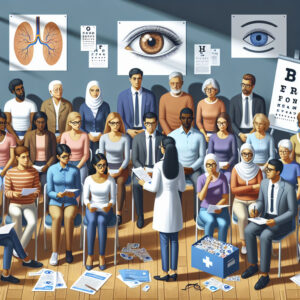
Is There a Way to Make Your Eyesight Better? A Comprehensive Guide to Eye Health
Getting to Know Eye Health
We often don’t give much thought to our eyesight until something goes wrong. Our eyes, those intricate little organs, are key in shaping how we experience life. Keeping them in tip-top shape is crucial for our well-being and overall happiness. But is it possible to actually improve your vision? Let’s dive into the various ways you can boost and maintain your eyesight.
The Basics: How Our Eyes Work
Our peepers are pretty amazing. They capture and send visual cues to our brain through parts like the cornea, lens, retina, and optic nerve. Each piece of this puzzle is vital for focusing light and forming sharp images. Getting a handle on eye anatomy can really help us see why it’s so important to take care of these sensitive organs.
Common Vision Woes
Issues such as nearsightedness, farsightedness, astigmatism, and presbyopia are quite common and can strike at any age, messing with our visual clarity. Spotting these problems early on can lead to better treatment options, keeping your vision as sharp as a tack.
Why Keeping Your Eyes Healthy Matters
Good eye health isn’t just about seeing well; it’s about living well. It impacts our ability to do daily tasks, stay safe, and even our mental health. Taking steps to care for your eyes can lead to a more independent and satisfying life. Regular eye check-ups are vital for catching issues before they spiral out of control.
Can You Improve Your Eyesight?
Genetics and Vision
Your genes play a big part in how well you see. While you can’t change your DNA, knowing your family’s eye health history can help you foresee potential problems. This awareness is the first step in taking preventive actions and making smart choices about eye care.
Simple Lifestyle Tweaks for Better Vision
Small changes can make a big difference in how well you see. Cutting back on screen time, using good lighting while reading, and wearing sunglasses to block UV rays are just a few habits that can boost eye health. Making these part of your daily routine could lead to noticeable improvements over time.
How Aging Affects Eyesight
As much as we’d like to hit pause, aging is a part of life, and it brings changes to our vision. Conditions like cataracts, glaucoma, and age-related macular degeneration become more common as we age. While we can’t stop getting older, adopting healthy habits and having regular eye exams can reduce the impact on our eyesight.
Eating Right for Your Eyes
Key Vitamins and Minerals
What you eat can make a big difference to your eye health. Vitamins A, C, E, and minerals like zinc are crucial for keeping your eyes in good shape. These nutrients combat damage from free radicals and support eye wellness. A balanced diet packed with these goodies can help maintain your vision.
Eye-Friendly Foods
Adding certain foods to your meals can give your eye health a boost. Leafy greens, omega-3-rich fish, and vibrant fruits and veggies are loaded with nutrients that benefit your eyes. A varied diet including these foods nourishes your eyes and helps them function at their best.
Staying Hydrated
Drinking plenty of water is key to keeping your eyes moist and comfortable. Dehydration can lead to dry eyes, discomfort, and even blurred vision. Keeping hydrated throughout the day ensures your eyes stay lubricated and work efficiently.
Exercises That Can Help Your Eyesight
Benefits of Eye Exercises
Just like other muscles, those in your eyes can benefit from a workout. Eye exercises can ease strain, improve focus, and enhance overall vision health. Adding these exercises to your routine might relieve discomfort and sharpen your visual clarity.
Ways to Soothe Eye Strain
With screens everywhere, eye strain is all too common. Simple tricks like frequent blinking, adjusting screen brightness, and taking breaks can significantly ease the strain. These habits help keep your vision comfortable and healthy.
The 20-20-20 Trick
The 20-20-20 rule is a handy way to fend off eye strain, especially if you’re glued to screens. Every 20 minutes, take a 20-second break to look at something 20 feet away. This helps your eye muscles relax and reduces fatigue.
Tech Tools for Better Vision
Prescription Glasses and Contacts
Glasses and contact lenses are trusty tools for correcting vision issues. They’re tailored to your needs, bringing clarity and comfort. Regular eye checks ensure your prescription stays spot-on and effective.
Cutting-Edge Vision Surgery
New advancements in vision correction surgery offer exciting solutions for those looking for permanent fixes. Procedures like LASIK and PRK are gaining popularity, offering clearer vision with minimal downtime. Consulting with a seasoned eye doctor can help you decide if these options are right for you.
Prevention and Eye Care
The Importance of Regular Eye Exams
Regular eye exams are the backbone of preventive eye care. They help catch potential problems early and keep your vision in check. Comprehensive exams can reveal issues that might not show obvious symptoms, making them essential for long-term eye health.
Using Protective Eyewear
Whether it’s sunglasses outside or safety goggles for certain tasks, protective eyewear is key to keeping your eyes safe. These precautions help prevent injuries and shield your eyes from harmful UV rays and other hazards.
Managing Screen Time and Blue Light
Too much screen time can lead to digital eye strain and mess with your sleep. Limiting screen exposure and using blue light filters can help ease these effects. Setting screen-free times and taking breaks can lead to healthier vision.
Exploring Natural Remedies and Alternative Therapies
Herbal Supplements for Your Eyes
Herbal supplements are on the rise for their potential eye health benefits. Ingredients like bilberry, ginkgo biloba, and lutein are thought to support vision. However, it’s wise to consult a healthcare professional before adding them to your routine.
Acupuncture and Vision
Some folks turn to acupuncture to boost vision. By targeting specific points on the body, it might improve blood flow to the eyes and help with some vision issues. As always, finding a qualified practitioner is important for getting the most out of this therapy.
Wrapping Up: Long-Term Eye Care Strategies
Keeping Expectations Real
While many strategies can help improve and maintain eye health, it’s important to keep your expectations realistic. Not every method works for everyone, and results may take time. Patience and consistency are key in any eye care journey.
Building an Eye Care Routine
Creating a regular eye care routine is essential for long-lasting vision health. Routine eye exams, a healthy diet, and protective measures can help preserve your eyesight. By prioritizing eye care, you can enjoy clear vision and a higher quality of life for years to come.

How Can I Improve My Eyesight Naturally? Debunking Myths and Revealing Facts
Introduction: Getting a Clearer Picture of Natural Eye Health Improvement
These days, life moves at a breakneck pace, and many of us are on the lookout for natural ways to boost our health, eye health included. With screens becoming a staple of our daily routines, keeping our vision in tip-top shape is more important than ever. So, how do we enhance our eyesight naturally? It’s a question that’s fueled a fair share of myths. In this post, we’ll dive into why eye health matters, clear up some common myths, and explore lifestyle tweaks that can help you see better naturally.
Why Eye Health Should Be on Your Radar
Our eyes are like our personal windows to the world, letting us soak in life’s beauty and vibrancy. Sadly, many of us don’t give eye health a second thought until something goes awry. Paying regular attention to our eyes not only helps prevent issues but also boosts our overall quality of life. Healthy eyes mean sharper thinking and a happier mood, so it’s crucial to make eye care a part of your daily routine.
Busting Myths About Eyesight and Vision
When it comes to eyesight improvement, myths abound. Some folks think wearing glasses weakens your eyes, while others swear by eye exercises that promise miracles. It’s vital to separate fact from fiction to avoid unnecessary letdowns and risky practices. By getting to the truth behind these myths, we can zero in on what truly works for eye health.
How Lifestyle Choices Affect Eye Health
The way we live has a big impact on our eye health. From what we eat to how much time we spend outside, various factors come into play. By being mindful about our everyday habits, we can support, and even boost, our vision naturally. Let’s take a closer look at how our diet can make a difference.
Boosting Your Eyesight with Smart Dietary Choices
The Powerful Role of Vitamins and Minerals
Good nutrition is the backbone of overall health, and our eyes are no different. Vitamins and minerals like A, C, E, and zinc are crucial for keeping our vision sharp. They help fend off age-related macular degeneration and cataracts, which become more common as we age. Eating a variety of nutrient-packed foods is a practical way to support your eye health.
Foods That Do Wonders for Your Eyes
When it comes to eye-friendly foods, think colorful and varied. Leafy greens, carrots, sweet potatoes, and citrus fruits are loaded with nutrients that aid vision. Fatty fish such as salmon and tuna are rich in omega-3 fatty acids, which benefit retinal health. Adding these foods to your diet can make a noticeable difference in maintaining clear vision.
Antioxidants: Your Eyes’ Best Friend
Antioxidants are key players in protecting our eyes from oxidative stress, which can damage cells. Foods packed with antioxidants, like berries, nuts, and green tea, help fight free radicals and support overall eye health. By including these in your meals, you can bolster your body’s natural defenses and keep your vision sharp.
Eye Exercises: Separating Fact from Fiction
Popular Eye Exercises Explored
Exercises like palming, focusing, and making figure-eight movements have become popular as natural ways to improve vision. They’re often said to reduce eye strain and enhance flexibility. While they might offer temporary relief, it’s worth asking if they provide any long-term benefits for your eyesight.
What Science Says About Eye Exercises
The scientific community is still on the fence about the effectiveness of eye exercises for significantly improving vision. Some studies suggest they can ease digital eye strain, but there’s scant evidence to back up claims that they correct refractive errors or boost visual acuity. It’s important to keep your expectations realistic and seek professional advice for personalized guidance.
Knowing the Limits and Risks of Eye Exercises
While generally harmless, eye exercises are no substitute for professional eye care. Relying too heavily on these techniques might delay necessary medical treatment for underlying conditions. Plus, doing exercises incorrectly could cause discomfort or worsen issues. Always consult qualified professionals to ensure safe and effective practices.
Making Lifestyle Changes for Better Vision
Cutting Down on Digital Eye Strain
With our increasing reliance on digital devices, digital eye strain is a common complaint. Symptoms can include dry eyes, headaches, and blurred vision. To tackle this, remember the 20-20-20 rule: every 20 minutes, look at something 20 feet away for 20 seconds. Adjusting screen brightness and text size can also help ease the strain.
The Importance of Routine Eye Check-Ups
Just like any other health matter, routine eye check-ups are key to maintaining eye health. Regular exams can catch early signs of issues like glaucoma or macular degeneration, allowing for timely intervention. Making eye exams a regular habit ensures any problems are nipped in the bud, keeping your vision intact for years to come.
Why Quality Sleep Matters for Eye Health
Never underestimate the power of a good night’s sleep. It gives our eyes the chance to recover from daily stress and lowers the risk of dry eye syndrome. Prioritizing restful sleep can lead to better eye health and overall well-being. Aim for 7-9 hours of quality sleep to support your vision and help your body’s natural repair processes.
Natural Remedies and How They Measure Up
Herbal Supplements and Their Role in Eye Health
Herbal supplements like bilberry and ginkgo biloba often get attention for their potential eye health benefits. While some claim they improve vision, the scientific evidence is still up in the air. It’s wise to approach these supplements cautiously and talk to a healthcare provider before adding them to your routine. They should complement, not replace, a balanced diet and healthy lifestyle.
Blue Light Blocking Glasses: What’s the Real Deal?
Blue light blocking glasses have become a hit for reducing digital eye strain, but their effectiveness is still up for debate. They might help ease discomfort from long hours at the screen, but they don’t address underlying eye issues. Focusing on a holistic approach to eye care, including taking breaks from screens and adjusting lighting, is always best.
Debunking Vision Improvement Gadget Myths
There are plenty of gadgets out there claiming to improve vision through light therapy or vibration. While they might sound intriguing, there’s little evidence to back up their effectiveness. Investing in reputable eye care and proven methods is a more reliable way to maintain healthy eyesight. Be cautious of products promising quick fixes, as they often fall short.
Environmental Factors and Their Impact on Vision
The Role of Lighting in Eye Comfort
Good lighting can make a world of difference to eye comfort. Struggling to see in dim light can lead to fatigue, while overly bright light can cause glare. Ensuring proper and balanced lighting in your work and living spaces helps reduce unnecessary strain on your eyes, contributing to better vision over time.
Getting Outdoors: A Natural Boost for Eye Health
Spending time outdoors not only lifts your spirits but also supports eye health. Exposure to natural light is crucial for developing healthy eyesight, especially in kids. Outdoor activities encourage looking at things in the distance, which can help curb nearsightedness. So, embrace the great outdoors to give your eyes a natural workout.
Managing Allergies and Eye Irritations
Allergies can be rough on your eyes, causing itching, redness, and watering. Keeping these symptoms in check with the right medications and avoiding triggers is key to maintaining clear vision. For tailored advice on managing allergies and protecting your eyes from irritations, consult an eye care professional.
Setting the Record Straight on Natural Eyesight Improvement Myths
The Carrot Myth: More Than Meets the Eye
We’ve all heard that carrots improve vision, but it’s not that straightforward. Carrots are rich in beta-carotene, which supports eye health, but they won’t give you perfect vision on their own. A balanced diet packed with a variety of nutrients is a more effective way to maintain and improve eye health.
Do Eye Patches Really Improve Vision?
Eye patches are sometimes used to treat amblyopia, or lazy eye, but they aren’t a catch-all for vision improvement. Their effectiveness is limited to specific conditions and they should be used with professional guidance. Always consult a specialist before trying unconventional methods.
What Eye Drops Can and Can’t Do for Vision
Eye drops can soothe dryness or irritation, but they don’t naturally improve vision. Some medicated drops treat specific conditions, but they require a prescription. Using over-the-counter drops without professional advice could mask underlying issues, delaying necessary treatments.
Wrapping Up: Practical Tips for Keeping Your Eyes Healthy
Highlighting Effective Natural Methods
Improving eyesight naturally is all about a holistic approach, mixing smart dietary choices, lifestyle changes, and expert advice. Eating nutrient-rich foods, cutting back on screen time, and keeping up with regular eye exams are practical steps everyone can take.
Keeping Your Expectations Realistic
While natural methods can support eye health, they’re no substitute for glasses or medical treatments. It’s important to keep your expectations realistic and understand that improvement might be gradual. Patience and consistency are key to reaping long-term benefits.
What’s Next in Natural Vision Improvement
As technology marches on, we might see exciting developments in natural vision improvement. Innovations like digital therapeutics and personalized nutrition plans hold promise for boosting eye health. Staying in the loop about emerging trends ensures you’re equipped to make informed choices about your vision care.

How to Get Your Vision Better: Understanding Eye Strain and Solutions
Getting Started with Eye Health
Our eyes aren’t just peep holes into the world; they’re vital for experiencing everything life has to offer in vibrant color and detail. With today’s fast-paced lifestyle filled with screen time and artificial lighting, our vision can easily suffer. Improving your sight isn’t just about getting glasses or surgery—it’s about taking a well-rounded approach to eye care. In this post, we’ll dig into what causes eye strain, how to spot it, changes you can make in your lifestyle and diet to boost your vision, and professional treatments that can help keep your eyes in tip-top shape. Let’s dive into the details of maintaining healthy eyes.
Grasping Eye Strain and Its Effects
Eye strain, or what many call computer vision syndrome, is a frequent issue in our tech-heavy world. It’s that tired, achy feeling in your eyes you get after staring at screens for too long. What seems like a minor nuisance can actually have a big impact over time, affecting your productivity, making you feel worn out, and messing with your focus. Understanding eye strain is your first step towards better vision.
Why Good Vision Matters
Good eyesight is key for both personal and professional success. It makes everyday tasks like reading, driving, and enjoying hobbies easier. Plus, it’s crucial for learning and development, especially in kids. Regular eye care is important to avoid issues that could lead to permanent vision loss. By taking proactive measures, you can preserve your vision and live a fuller life.
What Causes Eye Strain?
Too Much Screen Time
In today’s screen-centric world, spending too much time on digital devices is a top culprit for eye strain. Whether you’re working on a computer, scrolling on your phone, or binge-watching TV shows, screens are everywhere. The blue light that comes from these devices can really tax your eyes, causing fatigue and discomfort. Cutting down on screen time when you can is crucial for improving your vision.
Bad Lighting Conditions
Lighting is a big deal when it comes to eye function. Poor lighting—whether too dim or too bright—makes your eyes work overtime, leading to strain and discomfort. Adjusting your environment to have eye-friendly lighting can significantly ease this strain. It’s not just about how bright it is; where and what type of lighting you use also matter.
Wearing the Wrong Prescription Glasses
Sporting glasses or contacts with the wrong prescription can put your eye health at risk. Over time, this can lead to more eye strain and even headaches. Regular eye check-ups ensure your prescription is current, helping you see clearly and comfortably. Having the right eyewear is a simple yet effective way to boost your vision.
Signs of Eye Strain
Blurred Vision
One of the most common signs of eye strain is blurred vision, especially after long periods of screen time or reading. This blurriness usually fades with rest, but if it lingers, a professional eye exam might be in order. Tackling blurred vision early can help avoid bigger issues down the line.
Headaches and Eye Discomfort
Frequent headaches, especially those that start around your eyes, are a surefire sign of eye strain. The discomfort can vary from mild to intense and might include dry or irritated eyes. Taking regular breaks and practicing relaxation techniques can help ease these symptoms.
Difficulty Focusing
Eye strain can make it hard to focus, particularly when switching from near to far objects. This is especially troublesome for students and professionals who heavily rely on their vision for reading and analyzing information. Difficulty focusing is more than a hassle; it can hamper your ability to perform tasks effectively.
Steps to Improve Your Vision: Lifestyle Tweaks
Try the 20-20-20 Rule
The 20-20-20 rule is a straightforward method to cut down on eye strain. Every 20 minutes, take a 20-second break to look at something 20 feet away. This helps relax your eye muscles and reduce fatigue. Making this a habit is an easy step towards better eye health.
Cutting Down on Screen Time
While ditching screens completely might be impossible, cutting back where you can makes a big difference for your eyes. Take regular breaks, limit screen use for fun, and find screen-free activities to enjoy. Balancing screen time with other activities can help keep your eyes in good shape.
Improve Lighting in Your Workspace
Good lighting is crucial for easing eye strain. Make sure your workspace is well-lit, avoiding glare and shadows. Task lighting, like desk lamps, can direct light where you need it most without causing strain. Proper lighting can really bump up your comfort level during the day.
Steps to Improve Your Vision: Dietary Changes
Key Nutrients for Eye Health
What you eat plays a big role in keeping your eyes healthy. Vitamins like A, C, and E, along with minerals such as zinc, are vital for eye health. Antioxidants like lutein and zeaxanthin can help shield your eyes from damage. A diet rich in these nutrients supports your journey towards better vision.
Foods to Add to Your Meals
Adding foods like leafy greens, carrots, fish rich in omega-3s, nuts, and citrus fruits can do wonders for your eye health. These foods are loaded with essential vitamins and minerals that protect your vision. A balanced diet is a major part of maintaining healthy eyes.
Exercises to Boost Your Vision
Eye Focusing Tricks
Giving your eyes a workout can strengthen them and improve their flexibility. One technique is to hold a pen at arm’s length and slowly bring it closer to your nose, focusing on it the whole time. Doing this exercise regularly can enhance your focusing ability.
Palming and Relaxation
Palming is a simple relaxation technique that can help ease eye strain. Rub your hands together to warm them up, then gently place them over your closed eyes. This easy exercise soothes tired eyes and reduces stress, promoting overall eye health.
Eye Movement Drills
Simple eye movement exercises, like moving your eyes in different directions and focusing on objects at varying distances, can strengthen your eye muscles. These exercises are easy to do anywhere, making them a handy way to support your vision.
Professional Help for Vision Enhancement
The Need for Regular Eye Check-Ups
Regular eye exams are vital for catching vision problems early. An eye care pro can give a thorough assessment of your eye health and offer personalized advice for improving your vision. Don’t wait for symptoms to pop up before scheduling an exam.
Advanced Treatments and Corrective Options
If you’re dealing with major vision issues, advanced treatments like laser eye surgery or corrective lenses might be the answer. These procedures can greatly improve vision but should be considered after chatting with an eye care specialist. Professional guidance is crucial to figure out the best plan for your eyes.
Wrapping It Up and Final Thoughts
Key Points to Remember
Keeping your vision sharp involves a mix of lifestyle changes, dietary tweaks, and regular professional care. By knowing what causes eye strain and recognizing its symptoms, you can take steps to safeguard your eyesight. Simple practices, like the 20-20-20 rule and eating a balanced diet, can have a big impact.
Encouraging Regular Eye Care Habits
For long-lasting eye health, make eye care a routine part of your life. Regular check-ups with an eye care pro, along with healthy lifestyle choices, can keep your vision crisp and clear. Remember, your eyes are precious—take good care of them. With the right approach, you can enjoy better vision and a richer quality of life.
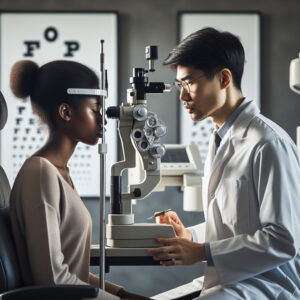
How Do I Improve My Eyesight: A Comprehensive Guide for All Ages
Getting to Know Your Eyes: How Vision Works and Common Problems
Let’s talk about eyesight. Having a basic grasp of how our vision operates is super important. Think of our eyes like a camera—they capture light and then convert it into signals that our brain turns into images. The cornea and lens do the job of focusing light onto the retina, which is full of photoreceptor cells. These cells then send visual info to the brain via the optic nerve. Of course, just like with any intricate system, sometimes things can get a bit off track.
A Simple Look at How We See
Seeing starts when light hits the eye through the cornea, which is that clear layer that does a lot of the focusing. The light then goes through the pupil, the size of which is managed by the iris, or the colored part of your eye. Next up is the lens, which fine-tunes the focus and directs light onto the retina. Here, rods and cones, the photoreceptor cells, turn light into electrical signals. These signals head to the brain, which interprets them as images, letting us see the world around us.
Common Eye Issues and What Causes Them
There are several common eye issues that can mess with this smooth process. Nearsightedness (myopia) and farsightedness (hyperopia) are known as refractive errors, often due to the shape of the eye affecting light focus. Astigmatism is another refractive error, usually caused by an irregularly shaped cornea or lens. Then there are more serious conditions like age-related macular degeneration, cataracts, and glaucoma, which can lead to vision loss if not treated. These can be linked to genetics, getting older, or even lifestyle choices.
Steps to Boost Your Eyesight
Before jumping into specific eyesight improvement techniques, it’s crucial to lay down a good foundation. Regular eye check-ups are key to keeping your eyes healthy and catching any problems early. A healthy diet and some specific exercises can also help maintain or even improve your vision. Keep in mind, though, that while some methods are beneficial, certain conditions might need professional care.
Eating Right for Healthy Eyes
Key Nutrients for Your Eyes
What you eat plays a huge role in keeping your eyes in tip-top shape. Vitamins A, C, and E, plus minerals like zinc, are vital for optimal eye function. Carotenoids like lutein and zeaxanthin, found in the retina, help cut down the risk of chronic eye diseases. Omega-3 fatty acids, especially DHA, support the retina’s structure and can ease dry eye syndrome.
Foods That Naturally Boost Your Vision
Adding certain foods to your diet can naturally enhance your eyesight. Leafy greens such as spinach and kale are packed with lutein and zeaxanthin. Carrots, loaded with beta-carotene, a type of vitamin A, are famous for being good for vision. Fish rich in omega-3s like salmon and mackerel also support retinal health. Enjoy these foods as a tasty way to take care of your eyes.
Improving Vision Through Diet
Improving your eyesight with diet isn’t just about eating the right foods; it’s about a balanced approach. Make sure your meals are colorful and varied, aiming for a “rainbow” of fruits and veggies. Stay hydrated, as adequate fluid intake is essential for eye health. A chat with a nutritionist could help tailor a diet plan to your needs, especially if you have dietary restrictions or health concerns.
Eye Exercises and Relaxation Techniques
Try These Eye Exercises for Sharper Vision
Your eyes, like any other part of your body, can benefit from regular exercises. They can help reduce eye strain and improve focus. A simple exercise is the 20-20-20 rule: every 20 minutes, look at something 20 feet away for 20 seconds. Another is tracing an imaginary figure-eight with your eyes. These exercises help relax eye muscles and improve flexibility.
The Power of Relaxation for Eye Health
Relaxation isn’t just good for your mind; it’s crucial for your eyes too. Stress and fatigue can cause eye strain, so incorporating relaxation techniques is a good idea. Practices like yoga and meditation can help reduce stress, which indirectly benefits eye health. Also, taking regular breaks from screens and letting your eyes rest can prevent strain and keep your vision sharp.
Boosting Eyesight with Regular Exercise
Pairing eye exercises with overall physical activity is a holistic way to support eye health. Regular exercise boosts blood circulation, ensuring your eyes get plenty of oxygen and nutrients. Activities like brisk walking, swimming, or cycling can improve cardiovascular health, which supports good eye health. Remember, a healthy body is key to healthy eyes.
Simple Lifestyle Tweaks for Better Vision
Cutting Down Screen Time and Avoiding Digital Strain
In our digital world, screen time is a big factor affecting eye health. Too much screen time can lead to digital eye strain, which feels like dryness, irritation, and blurred vision. To fight this, try the 20-20-20 rule, use screen filters, and make sure your workspace is set up right. Regular breaks and blinking exercises can also help.
Why Good Lighting Matters
Lighting is key in preventing eye strain. Whether you’re reading, working, or relaxing, make sure your space is well-lit. Avoid harsh lighting and glare by using adjustable lamps or indirect lighting. Natural light is best, so consider setting up your workspace near a window. Good lighting not only reduces eye strain but also boosts productivity and comfort.
Adopting Healthy Habits for Better Eyesight
Adopting healthy habits can make a big difference in your eyesight. Start with getting a good night’s sleep, as rest is crucial for eye repair and recovery. Avoid smoking, as it increases the risk of age-related eye diseases. Stay hydrated, as dehydration can lead to dry eyes. Gradually incorporate these habits, and you’ll likely see improvements in your eye health.
Keeping Your Eyes Safe
Shielding Your Eyes from UV Rays
Protecting your eyes from the sun is a must. UV rays can harm your eyes, upping the risk of cataracts and macular degeneration. Always wear sunglasses that block 100% of UVA and UVB rays when you’re outside. A wide-brimmed hat can offer extra protection. Remember, eye protection is needed even on cloudy days.
The Need for Safety Eyewear
If you’re in environments where eye injuries are possible, like construction sites or labs, wearing safety eyewear is crucial. Goggles, face shields, and other protective gear can keep debris, chemicals, and other hazards at bay. Even at home, during tasks like gardening or using power tools, safety glasses can prevent accidents. Prioritizing eye safety is a straightforward but effective way to protect your vision.
Avoiding Eye Injuries to Protect Your Eyesight
Preventing eye injuries is about being aware and taking precautions. Watch out for potential hazards in your surroundings and take steps to avoid them. Secure loose rugs to prevent falls, and be careful when handling sharp objects. In sports, wear the right eye protection. By being cautious, you can keep your eyes safe from injuries that could affect your eyesight.
Regular Check-Ups and Professional Care
When to Visit an Eye Specialist
Regular visits to an eye specialist are vital for keeping your eyes healthy. It’s a good idea to get an eye exam at least every two years, or more often if you have existing eye conditions. If you notice sudden changes in vision, ongoing discomfort, or other worrisome symptoms, seek professional help quickly. Catching issues early can prevent them from turning into major problems.
The Benefits of Vision Therapy
Vision therapy is a customized program aimed at enhancing visual skills and processing. It’s especially useful for kids with learning difficulties related to vision. Through exercises and activities, vision therapy works to improve eye coordination, focus, and perception. Talk to a specialist to see if vision therapy might be right for you or your child.
Enhancing Eyesight with Expert Help
When it comes to eye health, professional guidance is priceless. Optometrists and ophthalmologists can offer personalized advice and treatment plans tailored to your needs. Whether it’s prescribing glasses, suggesting surgery, or giving lifestyle tips, their expertise can steer you towards better vision. Don’t hesitate to reach out for professional support.
Vision Enhancement for All Ages
Helping Kids Improve Their Eyesight
A child’s vision is key to their growth and learning. Encourage regular eye exams to catch any problems early. Limit screen time and encourage outdoor play to support their visual development. Make sure they’re eating a balanced diet rich in essential nutrients. By nurturing healthy habits from an early age, you can help your child maintain good vision throughout their life.
Keeping Adult Eyes in Good Shape
For adults, eye health involves regular check-ups, a healthy lifestyle, and protective measures. Stay informed about your family’s eye health history and be proactive about screenings for age-related issues. Include eye-friendly foods in your diet and take breaks from screens to avoid strain. These steps can help preserve your vision as you grow older.
Maintaining Your Vision as You Age
Getting older can bring changes to your vision, but there are ways to manage them. Be attentive to changes in your eyesight and address them promptly. Consider using magnifying aids or adjusting lighting at home to reduce strain. Stay active to support overall health and keep up with regular eye exams. With the right approach, you can keep your vision strong well into your later years.
Embracing Technology for Better Vision
Using Tech to Improve Your Eyesight
Technology offers a variety of tools to help improve eyesight. From apps and software that lessen digital eye strain to smart glasses that adjust to lighting conditions, there’s plenty to explore. These innovations can enhance your visual experience and support your eye health in today’s digital world.
Considering LASIK and Other Surgeries
If you’re looking for a long-term fix for refractive errors, surgeries like LASIK could be life-changing. LASIK reshapes the cornea to correct vision issues, possibly freeing you from glasses or contact lenses. It’s crucial to consult with a specialist to see if you’re a good candidate and to understand the risks and benefits involved.
The Bright Future of Vision Technology
The future of vision improvement is bright, with tech advancements leading to innovative solutions. Researchers are delving into gene therapy, bionic eyes, and advanced contact lenses that could revolutionize eye care. Staying informed about these developments can help you make smart choices about your eye health. The future of vision improvement holds exciting possibilities for better sight for everyone.
Mastering Eye Care: How to Fix Your Vision with Simple Habits
Getting Started with Vision Care
When we think about our overall health, eye care often gets pushed to the back burner. But let’s face it, healthy eyes are key to living a lively and vibrant life. With digital screens constantly in our faces, it’s more important than ever to take some proactive steps to safeguard and even enhance our vision.
Why Vision Health Matters
Our eyes are our windows to the world, which makes taking care of them a top priority if you want to enjoy life to the fullest. Clear eyesight not only helps us connect more effectively with what’s around us but also elevates both our personal and work experiences. Neglecting your eye health can lead to unnecessary strain and potentially long-term harm.
Common Vision Issues
In today’s fast-paced world, the surge in screen time has given rise to common vision problems like nearsightedness, farsightedness, and astigmatism. Recognizing these issues is the first step towards tackling them head-on and learning how simple daily habits can help improve your eyesight.
How to Enhance Your Vision
Busting Myths About Vision Improvement
Let’s set the record straight about some widespread myths on vision improvement. Many folks think that once your vision starts to decline, only glasses or surgery can fix it. While corrective lenses are often necessary, tweaking your lifestyle and doing some exercises can actually make a big difference in boosting your visual clarity.
Genetics Versus Lifestyle
Sure, genetics play a role in eye health, but your lifestyle choices can either help or worsen inherited issues. By making smart choices about what you eat, how you move, and how you use screens, you can take charge of your eye health and even reverse some of the damage.
Nutrition for Healthier Eyes
Vital Vitamins and Minerals
What you eat is crucial for keeping your eyes in tip-top shape. Vitamins like A, C, and E, along with minerals such as zinc and omega-3 fatty acids, are known to support eye health. These nutrients act like a shield against harmful factors like UV rays and oxidative stress.
Foods That Boost Eye Health
To give your vision a boost, pack your diet with foods rich in essential nutrients. Leafy greens, carrots, sweet potatoes, and fish such as salmon are top picks. Not only do these foods benefit your eyes, but they also enhance your overall nutrition.
Keeping Hydrated for Healthy Eyes
Hydration is key when it comes to maintaining eye health. Keeping yourself well-hydrated helps your eyes stay moist, cutting down on discomfort and lowering the risk of infections. Make it a point to drink plenty of water throughout the day, especially if you’re glued to screens for long stretches.
Exercises for Better Vision
Relaxation Techniques for Your Eyes
Your eyes need a breather just like the rest of your body. Practicing eye relaxation techniques can ease strain and fatigue. Simple exercises like palming—where you cover your eyes with your palms and take deep breaths—can work wonders in relaxing those eye muscles.
Sharpening Your Focus
Diving into focus and refocusing exercises can help sharpen your vision. A handy trick is the 20-20-20 rule: every 20 minutes, look at something 20 feet away for 20 seconds. This practice gives your eyes a breather from close-up tasks and helps maintain their flexibility.
The Perks of Eye Yoga
Eye yoga consists of exercises that strengthen the eye muscles and improve visual perception. Techniques like blinking, eye rolling, and figure-eight movements can easily fit into your daily routine, encouraging better eye health over time.
Lifestyle Tweaks for Healthier Eyes
Cutting Down on Screen Time
In our digital world, cutting down on screen time is easier said than done. Still, setting limits, using blue light filters, and taking regular breaks can dramatically reduce eye strain. Try to balance your screen time with offline activities to keep your vision in check.
Creating Eye-Friendly Lighting
Lighting is a big player in keeping your eyes comfortable. Make sure your workspace is well-lit with natural light whenever you can. Stay away from harsh lighting that causes glare, as it can strain your eyes and lead to discomfort over time.
Scheduling Breaks and Rest
Never underestimate the power of a good break. Regular pauses during activities that demand intense focus can ward off eye fatigue. Stick to a schedule that allows for breaks, giving your eyes a much-needed chance to rest and recharge.
Keeping Your Eyes Safe
Why Sunglasses Matter
Sunglasses aren’t just a stylish accessory—they’re crucial for protecting your eyes. Opt for sunglasses that block 100% of UVA and UVB rays to shield your eyes from the sun’s harmful exposure. Wearing them regularly can help prevent issues like cataracts and macular degeneration.
The Need for Protective Eyewear
In certain situations, protective eyewear is non-negotiable. Whether you’re playing sports, gardening, or working with hazardous materials, goggles or safety glasses can protect your eyes from injury and keep them safe from debris and chemicals.
Get Those Eyes Checked Regularly
How Often for Vision Tests?
Regular eye exams are a pillar of good eye care. Depending on your age and risk factors, aim to get your eyes checked every one to two years. These tests can catch issues early and ensure your vision prescription is accurate.
Decoding Eye Prescriptions
Eye prescriptions can be a bit of a puzzle. Understanding terms like sphere, cylinder, and axis will give you better insight into your eye health. Don’t shy away from asking your optometrist to explain your prescription and what it means.
Choosing the Right Eye Care Expert
Picking the right eye care professional is just as important as the care itself. Look for someone qualified who makes you feel at ease. A trusted optometrist can help you maintain excellent eye health and address any concerns without delay.
Wrapping Up and Motivation
Setting Achievable Goals
While these habits can greatly enhance your vision health, it’s crucial to set realistic goals. Some changes may take time to show, but stick with it. Remember, small, consistent efforts can lead to big improvements.
Dedicated to Long-Term Eye Health
Embarking on a journey towards long-term eye health is a wise move. By weaving these simple habits into your daily life, you’re investing in a clearer, brighter future. Don’t wait for problems to crop up—start now and enjoy the benefits of healthier vision.

How to Improve Blurry Vision: Effective Exercises and Techniques
Getting to Know Blurry Vision
Blurry vision can be quite the nuisance, often popping up when you least expect it. Whether you’re diving into a good book, working away on your computer, or soaking in a beautiful sunset, having unclear vision can throw a wrench in your plans. But don’t worry, figuring out what’s causing your blurry vision is the first move towards fixing it. In this blog, we’ll dive into different ways to sharpen that fuzzy sight of yours—covering everything from exercises and lifestyle tweaks to seeking professional advice. Stick with us, and by the end, you’ll have some handy tips to help you see the world a little more clearly.
What’s Up with Blurry Vision?
Blurry vision is basically when your eyesight loses its sharpness, making things look out of focus and a bit fuzzy. It can hit one eye or both and might sneak up on you gradually or all of a sudden. While it might seem like just a minor annoyance, it can really mess with your day-to-day life and overall happiness. There are lots of reasons your vision might get blurry—some are just temporary hiccups, while others stick around longer. Getting to the bottom of these causes can point you in the right direction for finding a fix.
Usual Suspects Behind Blurry Vision
Several things can cause blurry vision. Common culprits include refractive errors like nearsightedness, farsightedness, and astigmatism. Other factors could be eye strain from too much screen time, dry eyes, or even more serious conditions like cataracts and glaucoma. Figuring out what’s causing your blurry vision is key to finding the best solution. Sometimes, just making a few lifestyle changes can make a huge difference, while other times, you might need to call in the pros.
Why You Shouldn’t Ignore Vision Problems
Turning a blind eye to blurry vision isn’t the smartest move. If left untreated, vision problems can snowball into bigger issues down the line. Tackling these problems not only clears up your vision but also keeps your eyes healthy in the long run. Plus, there’s a strong link between how well we see and our mental health and productivity. By getting a handle on blurry vision, you’re giving yourself a better quality of life and making sure you can keep doing the things you love without any hassle.
Boosting Blurry Vision with Eye Exercises
Eye exercises are a great, non-invasive way to get your vision in tip-top shape. Just like the rest of your body, your eyes can benefit from some regular movement and stretching. These exercises can help ease eye strain, sharpen your focus, and boost your overall eye health. Let’s jump into some popular techniques that might help clear up that blurry vision.
Palming: A Relaxing Technique
The palming technique is a super simple way to give your tired eyes a break. Start by rubbing your hands together to warm them up, then gently place them over your closed eyes without pressing down. The warmth and darkness help calm your optic nerves and promote relaxation. Spend a few minutes like this, focusing on deep breaths. This exercise is great after a long day in front of screens, giving your eyes a quick and soothing break.
Shifting Focus for Improved Clarity
Focus shifting involves switching your gaze between near and far objects. Hold your thumb about ten inches from your face and focus on it for a few seconds. Then, shift your gaze to something about 20 feet away, keeping your focus there for another few seconds. Repeat this process at least ten times. This exercise helps make your eye muscles more flexible and can improve your ability to focus on objects at different distances.
Figure Eight Eye Movement
Imagine a huge figure eight lying on its side and trace it slowly with your eyes. Keep your head still and try to make the movement as smooth as possible. Do this for about two minutes, then switch directions. The figure eight exercise helps improve eye movement control and can be a fun way to increase coordination and flexibility in your eye muscles.
Building Eye Muscle Strength
Strengthening the muscles around your eyes can really help clear up your vision. Just like any workout routine, sticking with it is crucial to seeing improvements. Here are some techniques that can help beef up your eye muscle strength.
Near and Far Focusing Drill
This exercise helps train your eyes to switch focus smoothly. Sit comfortably and hold your thumb about 10 inches in front of you. Focus on your thumb for 15 seconds, then shift your focus to something at least 20 feet away for another 15 seconds. Repeat this for several minutes. This drill helps your eye muscles become more adaptable and improves your ability to switch focus quickly between different distances.
The Zooming Technique
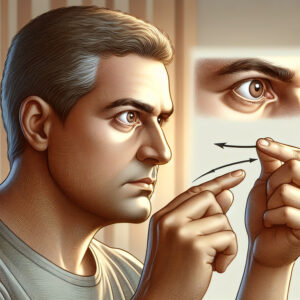
The zooming exercise is a lively way to boost your eye muscle strength. Stick your arm out with your thumb up, focusing on it as you bring it slowly closer to your nose. Then, extend your arm back out, keeping your focus on your thumb the whole time. Repeat this motion for a few minutes. This exercise not only strengthens your eye muscles but also helps improve focus control.
Eye Rolling for Enhanced Flexibility
Eye rolling is a straightforward yet effective exercise for boosting eye flexibility. Sit comfortably and roll your eyes in a circular motion, first clockwise and then counterclockwise. Do this for a couple of minutes, ensuring smooth and controlled movements. Eye rolling can help relieve tension and improve the mobility of your eye muscles, contributing to clearer vision.
Adopting Lifestyle Changes for Better Eye Health
While exercises are great, making lifestyle changes plays a big role in keeping your eyes healthy. Simple tweaks in your daily routine can have a long-lasting impact on how well you see.
The Role of a Balanced Diet in Vision
What you eat can really impact your eye health. Foods packed with omega-3 fatty acids, vitamins C and E, zinc, and lutein are known to support healthy vision. Try adding leafy greens, fish, nuts, and citrus fruits to your diet to give your eyes the nutrients they need. A balanced diet not only boosts vision but also supports overall health and well-being.
Staying Hydrated for Eye Comfort
Keeping hydrated is key to maintaining moist and comfortable eyes. Dehydration can lead to dry eyes, which can in turn cause blurry vision. Make sure you drink plenty of water throughout the day to keep your eyes well-lubricated. Besides water, eating hydrating foods like cucumbers, watermelon, and oranges can also help you stay on top of your hydration game.
Cutting Back on Screen Time
In our digital world, cutting back on screen time can be tough, but it’s important for keeping your eyes healthy. Staring at screens for too long can lead to digital eye strain, causing blurry vision. Try the 20-20-20 rule: every 20 minutes, take a 20-second break to look at something 20 feet away. This simple practice can reduce strain and help preserve your vision over time.
Exploring Natural Remedies for Blurry Vision
There are plenty of natural remedies you can try to help improve blurry vision. While these methods aren’t a replacement for professional care, they can complement other efforts to maintain eye health.
Herbal Teas for Eye Wellness
Herbal teas like chamomile and green tea are known for their anti-inflammatory properties, which can be good for your eyes. Drinking these teas regularly can help reduce inflammation and promote relaxation, potentially easing blurry vision symptoms. Just remember, while herbal teas can support eye health, they should be part of a broader approach that includes a healthy diet and eye exercises.
Essential Oils for Vision Support
Essential oils like lavender and frankincense have traditionally been used to support overall health, including eye health. While you shouldn’t apply them directly to your eyes, diffusing these oils or using them in a massage around your eyes can boost relaxation and circulation. Always make sure to use essential oils safely and check with a healthcare professional if you’re unsure.
Eye Vitamins and Supplements
Supplements can be a great add-on to your routine if you’re not getting enough eye-friendly nutrients from your diet. Vitamins like A, C, and E, along with minerals like zinc, play key roles in maintaining eye health. Lutein and zeaxanthin are also popular supplements that might help enhance vision clarity. Before starting any supplement regimen, it’s smart to consult with a healthcare provider to make sure it’s right for you.
Seeking Professional Assistance for Blurry Vision
Sometimes, getting professional help is necessary to tackle blurry vision effectively. Here’s when and how to seek expert advice.
Knowing When to See an Optometrist
If your blurry vision sticks around despite trying home remedies and exercises, it might be time to visit an optometrist. They can give you a thorough eye exam to pinpoint the cause of your vision woes. Catching issues like glaucoma or retinal disorders early can prevent further complications and keep your eyes in good shape.
Exploring Vision Therapy
Vision therapy involves a set program of exercises aimed at improving visual skills and processing. This type of therapy can be especially helpful for those with specific eye conditions or ongoing blurry vision. Tailored by an eye care professional, vision therapy can address issues like eye alignment, focus, and coordination, leading to better visual performance.
Considering Prescription Glasses or Contacts
For many folks, prescription glasses or contact lenses offer a quick fix for blurry vision caused by refractive errors. An optometrist can determine the exact prescription you need to correct your vision, ensuring clarity and comfort. Regular check-ups keep your prescription up-to-date, adjusting to any changes in your vision over time.
Preventive Steps for Long-Term Vision Clarity
As the saying goes, prevention is better than cure. Implementing preventive steps can help maintain vision clarity and keep future issues at bay.
Scheduling Regular Eye Exams
Regular eye exams are crucial for keeping your eyes healthy and spotting potential problems early. An optometrist can track changes in your vision and adjust your prescription as needed. Annual check-ups are usually recommended, but your optometrist might suggest more frequent visits based on your specific needs.
Using Protective Eyewear for Safety
Whether you’re working in construction, playing sports, or enjoying outdoor activities, wearing protective eyewear can prevent eye injuries that might lead to blurry vision. Pick eyewear that offers enough protection for your activities and ensure it fits comfortably for prolonged use.
Managing Health Conditions that Affect Vision
Some health conditions, like diabetes and hypertension, can impact your vision. Managing these conditions through medication, diet, and lifestyle changes can help protect your eyes. Regular check-ins and consultations with healthcare professionals are vital to prevent complications that might affect your eyesight.
Wrapping Up: Steps to Clearer Vision
Improving blurry vision is a multifaceted process, blending exercises, lifestyle changes, and professional guidance. From the palming technique to vision therapy, these strategies can help improve your vision clarity. Remember, consistency and patience are key. By gradually implementing these tips and keeping up with regular eye check-ups, you’re on the path to clearer, healthier vision. So, take the first step today, and give your eyes the attention they deserve!
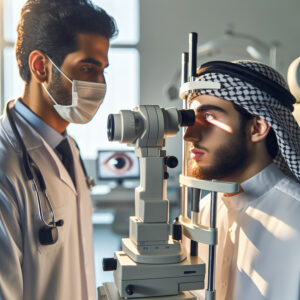
Improve Your Vision: Exploring Modern Treatments and Solutions
Introduction: Why Keeping Your Vision Sharp Matters
We often take our vision for granted, but it’s truly one of our most precious senses, letting us soak in the world’s colors and details. Keeping our eyesight in top shape isn’t just about donning the right specs or contacts—it’s about embracing full-spectrum eye care. Like any part of our body, our eyes need regular TLC to perform their best.
In today’s tech-driven world, our eyes endure a lot, making it more important than ever to keep vision health front and center. Whether you’re glued to a screen or enjoying the great outdoors, getting to grips with the basics of eye care is your first step in keeping your peepers in peak condition.
Getting Down to the Basics of Vision Health
Vision health is all about good habits, regular eye check-ups, and staying alert to changes in how you see. Our eyes are intricate, with parts like the cornea, lens, retina, and optic nerve all working in concert. A glitch in this system can lead to sight issues.
Understanding how these components come together highlights why holistic eye care is so vital. It’s not only about fixing issues as they pop up but also about taking steps to keep your vision sharp as a tack well into the future.
Everyday Vision Challenges and Their Effects
Common eyesight issues like myopia (nearsightedness), hyperopia (farsightedness), astigmatism, and presbyopia can really throw a wrench in daily life. They often creep up slowly, making them easy to miss early on. But boy, can they range from being a slight nuisance to a real obstacle in your everyday activities.
Take, for example, squinting to make out road signs or struggling with print in a book—not just frustrating but potentially risky too. Understanding these hiccups and how they can alter your quality of life is key to nipping them in the bud.
Why Early Detection is a Game-Changer for Vision
Spotting vision issues early is crucial for keeping your eyesight in tip-top shape. Regular eye exams can catch problems before they snowball, paving the way for timely fixes. This is especially crucial for kids, where unseen issues can impact learning and growth.
Adults aren’t off the hook either, especially as the years roll by. Conditions like glaucoma, macular degeneration, and cataracts become more common with age, but catching them early makes managing them a whole lot easier. Quick action can mean better outcomes and long-lasting vision.
Boost Your Vision with Lifestyle Tweaks
The Power of Nutrition on Eye Health
What you eat plays a big role in keeping your eyes healthy. Foods packed with vitamins C and E, zinc, lutein, and omega-3s are known to be vision-friendly. Think leafy greens, fish, nuts, and citrus fruits as top choices for your menu.
These goodies help fend off age-related eye issues like macular degeneration and cataracts. Eating well not only boosts your overall health but also ensures your eyes get the nutrients they crave to function their best.
Why Regular Eye Exercises Matter
Just like hitting the gym keeps your body in shape, eye exercises can sharpen your vision and ease the strain. Simple tricks like the 20-20-20 rule—resting your eyes every 20 minutes by looking at something 20 feet away for 20 seconds—can refresh and reduce fatigue.
Other exercises, such as focusing on objects both near and far, blinking often, and doing figure eights with your eyes, can also help. These are especially handy for those clocking in long hours on digital devices.
Cutting Back on Screen Time
In our digital-centric world, screen time is a daily staple. But too much can lead to digital eye strain, with symptoms like dry eyes, headaches, and blurry vision. Cutting down, or at least taking regular breaks, can help ease these problems.
Tweaking your screen’s brightness, using blue light filters, and keeping a healthy distance from screens are other ways to shield your eyes. Being mindful of how you use screens can significantly boost your vision health.
Enhance Your Vision with the Right Lenses
The Scoop on Prescription Glasses
Prescription glasses are the go-to for correcting refractive errors. You’ll find them in various types, from single-vision lenses for distance or reading to progressive lenses for a smooth transition across different distances.
Not only do they correct vision, but they can also protect against harmful UV rays if you get the right coatings. Glasses are a straightforward, non-invasive way to sharpen your sight and can be customized to fit your lifestyle.
Diving into Contact Lenses
Contact lenses offer a lens-free alternative to glasses, giving you a broader field of view and the convenience of ditching frames. They come in daily, weekly, or monthly disposables, and even special designs for astigmatism and presbyopia.
Picking the right contacts can greatly improve comfort and clarity. Just remember, proper care and hygiene are crucial to avoid infections and ensure they work effectively.
How Bifocals and Multifocals Make a Difference
Bifocals and multifocals are perfect for those needing different prescriptions for distance and close-up vision. These lenses have sections for each need, making transitioning between activities like driving and reading a breeze.
They are particularly useful for folks with presbyopia, where the eye’s lens loses flexibility, a common issue for those over 40. By catering to various vision needs, these lenses can significantly enhance your quality of life.
Exploring Surgical Options for Better Vision
LASIK: The Popular Choice
LASIK surgery is a hit for folks looking to ditch glasses or contacts. This procedure reshapes the cornea to fix refractive errors, offering quick recovery and little discomfort.
While it’s super effective, it’s crucial to chat with an experienced ophthalmologist to see if you’re a good candidate. Factors like corneal thickness and overall eye health play a big part in ensuring a successful outcome.
All About Cataract Surgery
Cataract surgery is a common go-to for restoring clear vision by swapping the eye’s cloudy lens for a shiny new artificial one. It’s usually done on an outpatient basis and boasts a high success rate in improving sight.
Thanks to tech advancements, patients can now choose lenses that also correct other vision issues, like astigmatism, during the procedure. This surgery not only clears up your vision but can also improve your overall quality of life if cataracts have been a bother.
Weighing the Pros and Cons of PRK Surgery
Photorefractive Keratectomy (PRK) is another surgical choice, similar to LASIK but involves reshaping the cornea’s surface without creating a flap. It’s often suggested for patients with thin corneas or those whose lifestyle might risk eye injuries.
Though PRK takes a bit longer to recover from than LASIK, it delivers excellent long-term results. Weighing the ups and downs with a trusted eye care pro can help you choose the best surgical option for your vision needs.
Cutting-Edge Technologies in Vision Care
The Buzz Around Smart Glasses
Smart glasses are a thrilling leap in vision technology, boasting features like augmented reality, built-in cameras, and connectivity to your digital devices. These glasses can amp up daily activities by providing real-time info and boosting productivity.
Although still finding their footing, smart glasses have the potential to transform how we interact with the world and tackle vision-related tasks. As tech evolves, these gadgets may offer even more personalized solutions for vision enhancement.
Tackling Digital Eye Strain
Digital eye strain is on the rise, thanks to our endless hours on computers and phones. Solutions like special computer glasses, blue light filters, and ergonomic workspace setups can ease the symptoms.
Adopting these strategies can lessen discomfort and protect your eyes from the long-term impacts of digital use. Keeping an eye on new developments in digital eye strain solutions can be a boon for maintaining vision health in our tech-heavy world.
The Future of Retinal Implants
Retinal implants are a groundbreaking advancement in vision care, offering hope to those with severe vision impairments. These devices work by transforming light into electrical signals, which the brain then interprets as images.
While largely experimental right now, retinal implants show promise in restoring partial vision for those with degenerative eye diseases. Continued research and development could revolutionize how we tackle vision restoration down the line.
Natural Ways to Boost Your Vision
Herbal Supplements for Your Eyes
Herbal supplements like bilberry, ginkgo biloba, and omega-3s are thought to support eye health. They can improve blood flow to the eyes, curb inflammation, and guard against oxidative stress.
While they shouldn’t replace traditional treatments, adding these natural remedies to your routine might offer extra perks. Always check in with a healthcare pro before starting new supplements to ensure they’re safe and right for you.
Getting into Eye Yoga
Eye yoga includes exercises designed to relax and strengthen eye muscles, boost focus, and improve flexibility. Techniques like palming, blinking, and focusing on different distances are easy to slot into your daily routine.
Though scientific backing for eye yoga is limited, many people report less strain and more comfort. As with any new practice, approach eye yoga with an open mind and consistency for the best results.
The Importance of Staying Hydrated
Keeping hydrated is key for overall health, including your eyes. Dehydration can lead to dry eyes, causing discomfort and blurry vision.
Drinking enough water throughout the day can help keep your eyes moist and comfortable. Eating foods with high water content, like cucumbers and watermelon, can also help with hydration.
Regular Checkups: A Key to Lasting Vision Health
Why Comprehensive Eye Exams Matter
Comprehensive eye exams are crucial for catching vision problems early and ensuring your prescription is up to date. These exams look at different aspects of your eye health, from how well you see to eye pressure and overall ocular well-being.
Regular checkups let eye care pros keep tabs on changes in your vision and suggest the right interventions. Prioritizing these exams can lead to better vision health and ward off potential complications down the road.
Picking the Right Eye Care Pro
Choosing the right eye care pro is essential for getting top-notch care. Look for an optometrist or ophthalmologist with solid credentials, plenty of experience, and a focus on patient care.
Reading reviews, getting recommendations, and asking questions during your first visit can help you find a provider that fits. Building trust with your eye care professional can lead to better outcomes for your vision health.
Decoding Your Eye Exam Results
Understanding your eye exam results is key to making smart choices about your vision care. Ask your eye care pro to explain any findings, like changes in your prescription or potential eye health concerns.
Being informed about your eye health empowers you to take proactive steps in managing and improving your vision. Don’t hesitate to seek clarification or more info if needed; this knowledge is vital for long-term eye health.
Conclusion: Take Charge of Your Vision Health
Setting Realistic Vision Goals
Setting realistic vision goals means understanding your unique needs and taking small steps toward better eye health. Whether it’s adding more eye-friendly foods to your diet or keeping up with regular checkups, tiny changes can make a big difference over time.
Setting clear, achievable goals can keep you motivated and focused on maintaining your vision health. Remember, every step you take contributes to the overall well-being of your eyes.
Long-term Strategies for Healthy Eyes
Keeping your eyes healthy is a lifelong journey, involving regular checkups, lifestyle tweaks, and staying in the loop on new vision care advancements. Being proactive and vigilant about your eye health can lead to a lifetime of clear vision.
Embracing these strategies ensures you’re doing everything possible to protect and improve your vision. As technology and research continue to evolve, staying updated on the latest developments will empower you to make informed decisions about your eye care journey.