
Can Eye Sight Get Better with Nutrition? Foods That Improve Vision
Introduction: Can a Healthy Diet Really Improve Your Eyesight?
Ever found yourself wondering if munching on the right foods could actually make your eyesight sharper? With everyone on a health kick these days, the link between diet and vision is getting more attention. Sure, glasses and contacts are quick fixes, but could what you eat be the ticket to long-term eye health?
How Diet and Vision Are Connected
Just like the rest of your body, your eyes need the right nutrients to work their best. Eating a balanced mix of vitamins and minerals can boost eye health and might even improve your vision over time. Knowing how food affects your eyes can help you make smart choices at mealtime.
Why Nutrients Matter for Your Eyes
Nutrients are key players in keeping your eyes in top shape. They protect against harmful light and keep your retina healthy, which can fend off eye issues like macular degeneration and cataracts. So, when you’re eating well, you’re also investing in your eye health.
Essential Nutrients to Boost Your Vision
The Power of Vitamin A
Vitamin A is famous for its role in keeping your vision sharp. It’s part of a protein called rhodopsin that helps your retina soak up light. Without enough of it, seeing in low light can be tough, leading to night blindness. Eating foods rich in Vitamin A is a smart move for your eyes.
Omega-3 Fatty Acids: More Than Heart Helpers
Omega-3s aren’t just good for your heart—they’re crucial for your eyes, too. They cut down inflammation and support cell membranes in your eyes. Research shows Omega-3s can ease dry eye symptoms and may help stave off vision loss as we age.
Antioxidants: The Shield for Your Eyes
Antioxidants like Vitamins C and E are essential for warding off damage from free radicals. These mighty nutrients help prevent oxidative stress, which can lead to issues like cataracts and macular degeneration. Loading up on foods rich in these vitamins is a solid step towards keeping your eyes healthy.
Foods Packed with Eye-Boosting Nutrients
Leafy Greens: Spinach and Kale
When it comes to eye-friendly nutrients, spinach and kale are the real MVPs. Loaded with lutein and zeaxanthin, these greens help block harmful light from damaging your eyes. Tossing them into your diet can do wonders for your vision.
Fatty Fish: Salmon and Mackerel
Salmon and mackerel are swimming in Omega-3 fatty acids, making them a fantastic choice for eye health. Eating these fish can lower the risk of dry eyes and age-related macular degeneration. A few servings a week can pack a powerful punch for your peepers.
Vibrant Veggies: Carrots and Bell Peppers
Carrots and bell peppers aren’t just eye-catching—they’re eye-healthy, too. Carrots bring beta-carotene to the table, a precursor to Vitamin A, while bell peppers are brimming with Vitamin C. These veggies make a delicious and nutritious addition to your meals.
Vitamins and Supplements: A Helping Hand
Eye Health Supplements: Filling the Gaps
Even with a balanced diet, it can be tough to get all the nutrients you need from food alone. Eye health supplements can step in to provide those extra doses of crucial vitamins and minerals. Look for ones with lutein, zeaxanthin, and Omega-3s.
Pairing Supplements with a Healthy Diet
Supplements are best used as an add-on, not a substitute for a healthy diet. They offer a boost but should go hand-in-hand with nutrient-rich foods. By combining supplements with a varied diet, you’ll cover all your bases for optimal eye health.
Simple Lifestyle Tweaks for Better Vision
Don’t Skip Your Eye Check-Ups
Regular visits to the eye doctor are key to keeping your vision in check. These check-ups can catch changes early, giving you a head start on any necessary treatments. Plus, your eye care professional can offer tips on how to tweak your diet for eye health.
Managing Screen Time and Reducing Strain
We’re all glued to screens these days, but managing your screen time is crucial to avoid eye strain. Taking breaks and using protective eyewear are great strategies, and a diet full of nutrients supports your eyes’ resilience.
Busting Myths: Can Diet Really Change Your Vision?
Setting the Record Straight on Diet and Vision
There’s a lot of buzz about diet and eye health, but not all of it is true. Sure, carrots are great, but they won’t magically fix your vision overnight. Understanding the real effects of diet helps you make smart choices instead of falling for old wives’ tales.
Science Backs Nutritional Benefits
Science has shown that certain nutrients really do benefit your eyes. For example, Omega-3s can help with dry eyes, and antioxidants like Vitamins C and E may help prevent cataracts. Research supports the idea that nutrition plays a vital role in keeping your vision in tip-top shape.
Building a Vision-Friendly Diet Plan
Tips for Meal Planning with Your Eyes in Mind
Planning meals that boost your vision can be easy and fun. Think colorful fruits and veggies, whole grains, and lean proteins. This variety ensures you’re getting a full spectrum of nutrients to support your eye health.
Adding Eye-Healthy Foods to Everyday Meals
Incorporating eye-friendly foods into your daily routine is simpler than you think. Try blending spinach into your morning smoothie or having a salmon salad for lunch. With consistency, these small tweaks can lead to big improvements in your vision.
Wrapping It Up: Nourishing Your Eyesight with Nutrition
Summing Up Nutritional Tips for Better Vision
While a diet won’t transform your eyesight overnight, it plays a critical role in supporting eye health. Eating foods rich in essential vitamins and minerals can help maintain and even improve your vision over time.
Promoting Steady, Healthy Eating Habits
Adopting a lifestyle that includes regular eye-healthy meals, along with good practices like eye check-ups and managing screen time, can have a big impact on your sight. Remember, the journey to better vision begins with informed and consistent dietary choices.

How Effectively Can Eye Glasses Correct Vision Impairments?
Discovering Vision Impairments
Vision problems are more common than you might imagine, affecting millions worldwide. Whether you’re squinting at road signs or struggling to catch all the details of your favorite TV show, these issues can really throw a wrench in your day-to-day life. From minor annoyances to serious vision loss, understanding these conditions is key.
Some folks deal with blurry vision, while others might see double or have trouble focusing on things up close or far away. Common culprits include myopia, hyperopia, astigmatism, and presbyopia, each with its unique set of challenges. Thankfully, there are ways to clear up your view and enhance your quality of life.
But improving your sight isn’t just about seeing better; it’s about living better. Eyeglasses have been a go-to for centuries, offering a reliable and straightforward fix for many.
Eyeglasses: A Vision Correction Classic
For countless people, eyeglasses have been the trusty sidekick in their vision correction journey. They’re simple, non-invasive, and tackle a variety of vision troubles. Whether you’re nearsighted or farsighted, glasses can often provide the clarity you need to fully engage with the world around you.
Do Eyeglasses Really Work?
So, do glasses actually make a difference? For many types of vision issues, the answer is a big yes. Let’s dig a little deeper into how they work and just how effective they can be.
How Eyeglasses Get the Job Done
Eyeglasses work by tweaking how light enters your eyes, which helps sharpen focus and clarity. Each lens is custom-made to fit your prescription, addressing the unique shape of your cornea or lens. By correcting these imperfections, glasses ensure light hits your retina just right.
Vision Issues Glasses Can Fix
Eyeglasses can tackle a variety of vision problems. Myopia (nearsightedness) and hyperopia (farsightedness) are two of the most common conditions that glasses can correct. They’re also effective for astigmatism, which is caused by an uneven curvature of the eye. Plus, for those dealing with presbyopia, often a part of aging, multifocal lenses can do the trick.
Where Glasses Fall Short
While glasses are a powerful tool, they have their limitations. They might not be ideal for complex refractive errors or conditions like cataracts or glaucoma. And, let’s face it, they don’t always offer the best peripheral vision compared to contact lenses.
Exploring Types of Eyeglasses
When it comes to eyeglasses, there’s no one-size-fits-all. Let’s take a look at the different types of lenses out there to meet a range of vision needs.
Single Vision Lenses
Single vision lenses are all about correcting one field of vision, either for distance or near. They’re perfect for folks with straightforward prescriptions needing a fix for nearsightedness or farsightedness.
Bifocal and Trifocal Lenses
Bifocals are a hit with people dealing with presbyopia, offering two distinct sections for distance and near vision. Trifocal lenses add a middle section for those in-between distances, making it easier to switch between tasks.
Progressive Lenses
Progressive lenses provide a smooth transition with no visible lines, unlike bifocals or trifocals. They’re great for anyone needing multiple vision corrections in one lens, offering a more natural viewing experience.
Getting Your Perfect Pair of Glasses
Finding the right glasses isn’t just about picking a style you like. Here’s a quick rundown of the steps involved.
Eye Exam and Prescription
Your journey kicks off with a comprehensive eye exam by an optometrist or ophthalmologist. This exam helps nail down your prescription, which is vital for crafting lenses that suit your vision needs.
Picking Frames and Lenses
With your prescription in hand, it’s time to select frames and lenses that match your lifestyle and taste. From classic to modern styles, there’s something for everyone. Lenses can also come with extras like anti-reflective coatings, photochromic lenses, and blue light filters.
Fitting and Adjustments
A good fit is key to comfort and effectiveness. An optician will tweak your glasses to make sure they sit just right on your face, so you can enjoy optimal vision and comfort all day long.
Why Eyeglasses Are a Smart Choice
Eyeglasses bring plenty of perks, making them a popular pick for vision correction.
Safe and Non-Invasive
Unlike surgical options, glasses offer a safe, non-invasive way to correct vision, making them ideal for folks of all ages. No need to fret about procedures or recovery times.
Easy on the Wallet
Glasses are often easier on the budget compared to other methods. They’re a one-time purchase with occasional updates to keep up with your changing prescription.
Stylish and Versatile
With tons of styles, colors, and materials available, glasses can be a fashion statement, letting you show off your personality while enjoying clear vision.
Things to Keep in Mind
Glasses are great, but there are a few things to consider.
Getting Used to Your New Glasses
If you’re new to glasses, there may be a bit of an adjustment period. It might take a few days or weeks to get comfy with your new prescription and having glasses on your face.
Taking Care of Your Glasses
Proper care is crucial for keeping your glasses in tip-top shape. Regular cleaning, safe storage, and avoiding scratches are all important to maintaining their effectiveness.
Impact on Activities
Glasses can affect certain activities, like playing sports or wearing helmets. Thankfully, there are sports-specific frames and lenses designed for active lifestyles.
Exploring Alternatives to Glasses
If glasses aren’t your thing, there are other options to consider.
Contact Lenses
Contacts offer a more discreet way to correct vision and can give you a wider field of view. Just remember, they require careful hygiene practices and aren’t for everyone.
Refractive Surgery
Surgery options like LASIK and PRK offer permanent solutions by reshaping the cornea. They’re effective but come with potential risks and a higher upfront cost compared to glasses.
Orthokeratology
Orthokeratology involves wearing specially designed contacts overnight to temporarily reshape the cornea, giving you clear vision during the day without glasses or contacts.
Final Thoughts on Eyeglasses
All in all, eyeglasses are a highly effective solution for many with vision impairments. They offer a handy, non-invasive, and versatile way to see the world more clearly.
Though they have some limitations, the benefits often outweigh the downsides. Consulting an eye care professional is essential to find the best vision correction method for your needs.
As technology advances, the future of vision correction continues to promise exciting new ways to enhance how we see the world.

See the Benefits: How Can Eating Healthy Improve Eyesight?
Getting to Know Eye Health and Nutrition
Why Eye Health Matters
Our eyes often go unnoticed as they tirelessly help us see the world. Keeping them healthy is crucial because vision issues can affect everything, from reading and driving to appreciating a beautiful sunset. Even though they play a vital role, we sometimes overlook our eyes and don’t realize how much nutrition contributes to their well-being.
How Nutrition Affects Vision
We all know that our diet impacts our overall health, but did you realize it also affects our eyesight? Research consistently highlights the link between nutrition and eye health. Certain nutrients can protect our eyes from common issues, and a balanced diet might even slow down some vision problems. So, does eating well boost your eyesight? You bet! Let’s delve into how it works.
Can a Healthy Diet Enhance Eyesight?
While munching on healthy foods won’t turn you into a hawk overnight, it certainly helps maintain and potentially improve your eyesight in the long run. By adding specific nutrients and foods to your diet, you can support your eye health and lower the risk of eye diseases. It’s about making smart choices that benefit not just your waistline, but your vision too.
Key Nutrients for Eye Health
The Role of Vitamins in Vision
Vitamins are more than just letters on a label; they’re essential for your eyes. Take Vitamin A, which helps keep your cornea clear, or Vitamin C, an antioxidant that shields your eyes from UV damage. And don’t forget Vitamin E, which protects against harmful free radicals. Including these vitamins in your diet can keep your vision sharp.
Antioxidants: A Vision’s Best Friend
Antioxidants are like superheroes for your eyes. They fight oxidative stress and inflammation, which can lead to various eye diseases. Lutein and zeaxanthin, found in high amounts in the retina, are antioxidants that protect your eyes from harmful light. Eating foods rich in these can significantly support your vision.
The Value of Omega-3 Fatty Acids
Omega-3 fatty acids are crucial fats with many health perks, including benefits for your eyes. They help maintain the tear film in your eyes, preventing dryness, and may even reduce the risk of age-related macular degeneration (AMD). Including omega-3-rich foods like fish in your diet could be a real game-changer for your eye health.
Foods That Give Your Eyes a Boost
Leafy Greens and Their Benefits
Popeye had it right with his spinach love! Leafy greens such as spinach, kale, and collard greens are full of lutein and zeaxanthin, which help filter out harmful blue light and protect the retina. Tossing a handful of these greens into your meals is an easy way to give your eyes a nutrient lift.
The Wonders of Citrus Fruits
Citrus fruits like oranges, lemons, and grapefruits are bursting with Vitamin C, a potent antioxidant that supports eye health by lowering the risk of cataracts and AMD. Starting your day with a fresh orange juice or adding lemon slices to your water can be a refreshing boost for your eyes.
Fish and Its Omega-3 Richness
Fish, especially fatty ones like salmon, mackerel, and sardines, are fantastic sources of omega-3 fatty acids. These nutrients are essential for keeping the retina healthy and preventing dry eyes. Try adding fish to your weekly meals to enjoy the benefits for your eyes.
Eye Health Benefits of Nuts and Seeds
Nuts and seeds, like almonds, walnuts, and flaxseeds, make perfect snacks and are rich in Vitamin E and omega-3s. These nutrients help protect against age-related eye damage. A small handful of nuts or a sprinkle of seeds on your salad can do wonders for your eye health.
How a Balanced Diet Can Enhance Vision
The Importance of Dietary Variety
Variety is the spice of life and, when it comes to your diet, it’s vital for your eyes too. A varied diet ensures you get a wide range of nutrients that work together to support eye health. By mixing up your meals with colorful fruits, veggies, proteins, and grains, you’re giving your eyes the best chance to stay healthy.
The Role of Hydration in Eye Health
Staying hydrated is key for overall health, including your eyes. Proper hydration helps keep your eyes moist, reducing the risk of dryness. Be sure to drink plenty of water throughout the day and enjoy hydrating foods like cucumbers and watermelon to boost your water intake.
The Impact of Cutting Down on Processed Foods
Processed foods often come packed with unhealthy fats, sugars, and sodium, which can negatively impact your eye health. By reducing these foods and opting for whole, nutrient-rich options, you can lower the risk of developing conditions like AMD and cataracts. It’s a small shift that can lead to big long-term benefits for your eyes.
Diet and Common Eye Conditions
Preventing Age-Related Macular Degeneration
Age-related macular degeneration is a leading cause of vision loss as we age. But a diet rich in antioxidants, omega-3s, and vitamins can help prevent or slow its progression. Make leafy greens, fish, and nuts staples in your diet to guard against AMD.
How Diet Can Lower Cataract Risk
Cataracts, which cloud the eye’s lens, can be influenced by what you eat. A diet high in antioxidants, especially Vitamin C, has been linked to a reduced risk of cataracts. Regularly eating fruits and vegetables packed with these nutrients can keep your lenses clear and your vision crisp.
Using Nutrition to Manage Dry Eyes
Dry eye syndrome can be uncomfortable and sometimes even debilitating. Omega-3 fatty acids, found in fish and flaxseeds, can help ease symptoms by supporting the tear film in your eyes. Staying hydrated and including these nutrients in your diet can bring much-needed relief for dry eyes.
Lifestyle Tips for Healthy Eyes
The Importance of Regular Eye Exams
Even with the healthiest diet, regular eye exams are crucial for maintaining eye health. An eye care professional can spot early signs of eye conditions and suggest the right interventions. Make it a point to schedule regular check-ups to keep your eyes in the best shape.
Protecting Your Eyes from Blue Light
In today’s tech-driven world, we’re constantly exposed to blue light from screens, which can strain our eyes. To protect your eyes, consider using blue light filters on your devices, taking regular breaks, and adjusting your screen’s brightness to a comfortable level.
The Perks of Physical Activity for Eye Health
Exercise isn’t just good for your body; it’s great for your eyes too. Regular physical activity boosts blood circulation, which can help ward off eye conditions like glaucoma. Whether it’s a brisk walk, a jog, or a dance class, staying active benefits your overall health, including your eyes.
Testimonials and Expert Insights
Real Stories of Improved Vision
Many people have shared their stories of better vision after changing their diets. From eating more leafy greens to cutting down on processed foods, these real-life experiences highlight the powerful effect of nutrition on eye health. Hearing these testimonials can be inspiring and enlightening.
What Experts Say About Diet and Eye Health
Experts in nutrition and eye care agree: diet plays a crucial role in eye health. Numerous studies and professional opinions back the idea that a nutrient-rich diet can prevent or delay eye diseases. Consulting with experts can offer valuable insights into the best dietary practices for maintaining healthy eyesight.
Final Thoughts and Key Takeaways
Summing Up Diet’s Role in Eye Health
In the end, there’s no denying the connection between diet and eye health. By choosing foods rich in essential vitamins, antioxidants, and omega-3s, you can support your eyesight and lower the risk of common eye conditions. A balanced diet is a key part of keeping your vision in top shape.
Encouraging Dietary Changes
Starting on a journey to improve your diet might seem overwhelming, but the benefits for your eyes are well worth it. Begin by adding more fruits, vegetables, and healthy fats to your meals. Over time, these changes can lead to noticeable improvements in your eye health.
Thoughts on Long-Term Eye Care
Caring for your eyes is a lifelong commitment. By making smart dietary choices now, you’re investing in a future of clear, healthy vision. So why not start today? Your eyes will thank you, and so will your future self.

Exploring the Possibility: Can Distance Vision Improve with Age?
Getting to Know Distance Vision and Aging
As we stroll through the years, our bodies transform in countless ways, and our eyesight is definitely along for the ride. Distance vision, which helps us see things clearly from afar, is a big part of our everyday life. But here’s a question that pops up: can distance vision actually get better as we age? It’s an intriguing thought, and one that’s worth a deeper dive.
What’s Distance Vision All About?
Distance vision, or what the pros call visual acuity, is crucial for things like driving, recognizing faces, or just soaking in a beautiful landscape. This type of vision relies on the eye’s ability to focus light right onto the retina, a feat influenced by the eye’s shape and the lens’s flexibility.
How Vision Changes with Age
As time marches on, our eyesight tends to shift, affecting both near and far vision. A common issue is presbyopia, where close-up vision gets fuzzy. Then you’ve got other age-related troubles like cataracts and macular degeneration that can mess with your vision clarity. But amid these changes, is there a glimmer of hope—could distance vision actually improve?
Can Distance Vision Really Get Better with Age?
It’s not every day you hear about eyesight improving as we get older. Yet, some folks do notice their distance vision getting sharper in their later years. To uncover whether this is really possible, we need to look at the science behind how vision changes, considering both personal stories and research studies.
Typical Changes in Vision with Age
Presbyopia and Near Vision
Presbyopia is one of those pesky vision changes that sneaks up on us as we age, usually starting in our early 40s. It’s when the lens of the eye loses some of its flexibility, making it tough to focus on things up close. While it mainly affects near vision, it can also impact how we see things at a distance.
Age-related Macular Degeneration
Another big concern is age-related macular degeneration (AMD), which affects the macula—the part of the retina responsible for sharp central vision. AMD mainly affects central vision, but it can also mess with distance vision, especially when the lights are low.
Cataracts and Their Impact on Vision
Cataracts, a clouding of the eye’s lens, are pretty common in older folks and can really put a damper on both near and distance vision. But here’s the silver lining: after cataract surgery, many people notice a significant boost in their overall vision clarity, including how well they see faraway objects.
Understanding the Science of Vision Improvement
The Role of Eye Anatomy
The structure of the eye is a big player in how our vision shifts over the years. As we age, the lens can thicken and lose some flexibility, yet sometimes these changes might accidentally enhance distance vision by altering how light is focused in the eye.
Neuroplasticity and Vision Adjustment
Our brains are pretty amazing at adapting—something known as neuroplasticity. This ability can sometimes make up for changes in vision. For example, if your near vision starts slipping, the brain might boost your distance vision, though this isn’t a guarantee for everyone.
The Possibility of Natural Improvement
It’s not common, but there are cases of natural improvement in distance vision. This might happen due to changes in the eye’s lens or other physical adjustments. However, these improvements are often minor and might not be something everyone experiences.
Real-life Cases of Better Distance Vision
Anecdotal Stories from Individuals
Plenty of folks have shared stories about noticing better distance vision as they age. While these tales are interesting, they should be taken with a pinch of skepticism since various factors like lifestyle or health changes could be at play.
Research and Clinical Trials
Scientific studies and clinical trials offer more solid evidence on how vision changes with age. While research is ongoing, some studies suggest that certain eye conditions or treatments might lead to better distance vision, bringing hope to those dealing with age-related vision changes.
Factors Influencing Vision Changes
Several factors can influence how our vision changes, including genetics, overall health, and environmental factors. Understanding these can help explain why some people see improvements in distance vision while others do not.
Living Well to Support Your Vision
The Role of a Nutritious Diet
Eating a balanced diet packed with vitamins and nutrients is key to keeping your eyes healthy. Nutrients like omega-3 fatty acids, lutein, and vitamins C and E help guard against age-related vision issues and support overall eye health.
Exercises and Habits for Healthy Eyes
Incorporating regular eye exercises and good habits can do wonders for your vision. Simple things like taking breaks from screens, ensuring good lighting, and doing eye exercises can help maintain and perhaps even improve your vision.
Preventive Steps to Preserve Vision
Taking preventive steps like regular eye check-ups and wearing protective eyewear can help maintain your vision quality. Catching issues early can prevent them from getting worse and keep your eyesight in good shape as you age.
Medical Options and Their Effects
Refractive Surgeries and Other Procedures
Refractive surgeries, such as LASIK, provide a more direct way to improve vision. These procedures correct refractive errors by reshaping the cornea, leading to noticeable improvements in distance vision for many people.
The Impact of Corrective Lenses
Corrective lenses, whether glasses or contact lenses, offer a non-invasive way to enhance vision. They can be customized to meet individual needs, providing clear distance vision and correcting any refractive errors.
Cutting-edge Technologies in Vision Correction
Advances in science and technology continue to open new doors for vision correction. Emerging technologies, such as advanced intraocular lenses and innovative surgical techniques, show promise for improving distance vision, even in older adults.
Genetics and How They Affect Vision
Inherited Traits and Vision Quality
Genetics can significantly influence how good our vision is. Some people inherit genes that give them better eyesight, even as they age. Knowing your genetic background can provide clues about potential vision changes and improvements.
Family History and Vision Improvements
Your family history might offer hints about vision changes and potential improvements. If vision improvements run in your family, there could be a genetic factor involved. It’s worth discussing with a healthcare professional to better understand these tendencies.
The Future of Genetic Interventions
As we learn more about genetics, the possibilities for genetic interventions in vision correction grow. While still in the early stages, these interventions could one day offer personalized solutions for maintaining or improving vision.
Wrapping Up: The Chance of Better Distance Vision with Age
Highlights of Key Discoveries
Although the idea of improved distance vision with age might seem far-fetched, evidence suggests it can happen in certain situations. Factors like lifestyle, genetics, and medical interventions all influence how vision evolves over time.
Where Research is Heading
Research on vision improvements with age is ongoing, with scientists exploring new treatments and technologies that might help those experiencing age-related vision changes. Future studies will surely shed more light on this interesting possibility.
A Gentle Reminder for Regular Eye Check-ups
No matter how your vision is now, regular eye check-ups are super important. They help catch changes early, allowing for timely action and ensuring your eyes get the best care as you age. So, keep those appointments and stay on top of your eye health.
Unveiling the Mystery: Can Contact Lenses Correct Vision Effectively?
Getting to Know Vision Correction
These days, fixing our vision is about as routine as grabbing that first cup of coffee in the morning. A lot of us depend on some kind of help to see things clearly—whether it’s to squint at the small print on a menu or spot a friend waving from across the street. Seeing clearly is super important in our everyday lives. So, how do we get this clear vision? That’s where the wonders of vision correction step in.
A Quick Look at Vision Issues
Vision issues are both common and diverse, affecting millions around the world. From nearsightedness (myopia) and farsightedness (hyperopia) to astigmatism and presbyopia, these conditions can really influence how we live. They usually arise from irregularities in the shape of the eye or its lens, causing blurry vision and other problems. Grasping these issues is the first step to finding a solution that fits you.
The Old School Ways of Correcting Vision
For ages, eyeglasses have been the tried-and-true method for correcting vision. They handle different refractive errors pretty well and have been serving us faithfully for centuries. But for those who find glasses cumbersome or are looking for something more convenient, contact lenses have become a popular alternative. But do they really get the job done in fixing vision? Let’s take a closer look.
The Increasing Popularity of Contact Lenses
In recent years, contact lenses have become the go-to choice for many who want to correct their vision. Thanks to advancements in technology and materials, contacts now offer a hassle-free and effective way to see clearly without the burden of glasses on your nose. They give you a full field of vision, which is especially appealing if you’re always on the move. But how exactly do they work, and are they worth it for you? Let’s explore.
How Contact Lenses Do Their Thing
The Basics of How They Work
Contact lenses are these thin, curved lenses that sit right on the tear film covering your eye’s surface. They work by correcting refractive errors, ensuring light is focused properly onto the retina. Made from a variety of materials—like soft, rigid gas-permeable, and hybrid options—contact lenses are designed to meet a range of needs and preferences. Their clever design lets them move with your eye, providing a natural viewing experience.
Exploring Different Types of Contact Lenses
The contact lens world is brimming with choices. Soft lenses, famous for their comfort, are the top pick for many. You can get them as daily, bi-weekly, or monthly disposables. Although less common, rigid gas-permeable lenses offer sharper vision and are quite durable. If you have specific needs, like astigmatism or presbyopia, toric or multifocal lenses might be just what you need. With so many options, there’s likely a lens that fits everyone’s lifestyle.
How Lenses Correct Vision
Contact lenses adjust the way light enters your eye, refocusing light rays onto the retina to correct refractive errors. This process is much like how glasses work, but since they sit closer to the eye, they offer a more natural field of vision. By picking lenses that match your prescription, you can enjoy clarity and comfort that’s almost invisible to everyone else.
Are Contact Lenses Really Effective?
How Well Do Contact Lenses Work for Different Conditions?
Contact lenses are quite effective at fixing a range of vision problems. For those with myopia and hyperopia, they provide precise correction by matching the lens curvature to the eye’s needs. Astigmatism, once a headache for contact lens users, can now be tackled with toric lenses. Even presbyopia, which affects near focus as we age, can be managed with multifocal lenses, showcasing the versatility and effectiveness of contact lenses.
Comparing Them with Glasses and Surgery
When it comes to correcting vision, contact lenses have some clear advantages over glasses. They give you an unobstructed view and do away with the discomfort of frames. However, unlike surgical fixes like LASIK, they don’t offer a permanent solution. While LASIK provides a long-term fix, not everyone is eligible, and the price can be steep. Contact lenses offer a flexible and non-invasive alternative.
Long-term Vision Health Impacts
If used correctly, contact lenses can be a safe long-term option for vision correction. It’s crucial to stick to good hygiene practices and wear schedules to avoid possible issues like infections or irritation. Regular check-ins with an eye care pro will ensure your lenses keep meeting your vision needs while keeping your eyes healthy over time.
Vision Problems Contact Lenses Can Fix
Addressing Myopia and Hyperopia
Myopia, or nearsightedness, and hyperopia, or farsightedness, are two of the most common vision problems out there. Contact lenses are specifically crafted to tackle these issues by tweaking the focal point of light entering the eye. For those with myopia, lenses help focus light directly on the retina, while for hyperopia, they assist in bending light to hit the retina just right, resulting in clear vision.
Fixing Astigmatism
Astigmatism is due to an irregularly shaped cornea, which causes blurred or distorted vision. Toric contact lenses are specially designed to fix this condition. They have different powers in various meridians of the lens, allowing them to correct the specific refractive errors caused by astigmatism. This ensures light is focused accurately, giving clearer vision to those affected.
Solutions for Presbyopia
Presbyopia is an age-related issue that affects the ability to focus on close-up objects. Multifocal contact lenses offer a clever solution by providing multiple lens powers within a single lens. This design allows for clear vision at different distances, mimicking the natural function of a youthful eye. For those who prefer contact lenses over reading glasses, multifocal lenses are a real game-changer.
Why Choose Contact Lenses for Vision Correction?
Benefits for Looks and Lifestyle
Contact lenses offer a major aesthetic edge over glasses. They let you keep a natural look without frames blocking your face. For folks who are into sports or outdoor activities, contact lenses give you the freedom to move without worrying about glasses slipping or breaking. This lifestyle flexibility is a big reason why many pick lenses over traditional eyewear.
Enhanced Peripheral Vision
One of the major perks of contact lenses is the enhanced peripheral vision they provide. Unlike glasses, which can limit your side view, contact lenses move with your eyes, giving you a broader field of vision. This can improve your overall visual experience, especially in situations where full peripheral awareness is crucial, like driving or playing sports.
Comfort and Ease of Use
Today’s contact lenses are all about comfort. Thanks to advances in lens materials and technology, lenses are now breathable and retain moisture, keeping your eyes comfy throughout the day. Daily disposables offer the peak of convenience, cutting out the need for cleaning and storage, making them a great choice for those with busy lives.
Potential Downsides and Challenges
Risks to Eye Health and Precautions
While contact lenses are generally safe, they do come with some risks if used improperly. Poor hygiene or wearing lenses longer than recommended can lead to infections or irritation. It’s important to follow care instructions and talk to an eye care pro if you feel any discomfort. Taking these precautions will help keep your eyes healthy while you enjoy the perks of contact lenses.
Maintenance and Care Needs
Proper care is key for contact lens wearers. This includes regular cleaning, proper storage, and sticking to replacement schedules. While daily disposables cut down on maintenance time, other lens types need a cleaning routine to stay safe and effective. Understanding these requirements can help you decide if contact lenses are right for you.
Situational Challenges
Contact lenses might not be the best fit for every situation. For example, they can be tricky in places with dust or smoke. Swimming with contacts can risk contamination and infection. Wearing them during long periods of screen time can also lead to dryness. Knowing these situational challenges will help you make smart choices about when and where to wear your lenses.
Picking the Right Contact Lenses
Getting Advice from Eye Care Pros
Choosing the right contact lenses starts with a chat with an eye care professional. They can evaluate your vision needs, lifestyle, and eye health to suggest the best lens type for you. An eye exam will determine your prescription, and your practitioner can guide you through your options, ensuring you find lenses that provide comfort and clarity.
Understanding Your Prescription
Contact lens prescriptions can be different from glasses prescriptions. They include details like lens curvature and diameter, which are crucial for a proper fit. Understanding these details ensures your lenses are not only effective but also comfy. Your eye care pro can explain each part of your prescription, helping you make an informed choice.
Trial and Getting Used to Lenses
Getting used to contact lenses might take a little time, especially if you’re new to them. A trial period lets you test different lenses to find what works best for you. It’s important to be patient during this time and talk about any issues with your eye care pro. They’ll help you make adjustments to ensure your transition to contacts is as smooth as possible.
Final Thoughts: Are Contact Lenses Your Best Bet?
Contact lenses offer a solid and effective option for vision correction, with plenty of benefits and a few challenges. They provide aesthetic and lifestyle perks, improved peripheral vision, and various lens types for specific vision problems. However, they do require proper care and attention to eye health.
Ultimately, whether contact lenses are right for you depends on your personal needs and lifestyle. Consider the advantages and limitations, consult with an eye care professional, and take the time to find the best solution for your vision correction needs. With the right approach, contact lenses can be a valuable tool in achieving clear, comfortable vision.

Can Contact Lens Improve Eyesight: A Comprehensive Guide for Beginners
Introduction to Contact Lenses
These days, contact lenses have become a go-to choice in eye care, stepping in as a sleek alternative to traditional glasses. They’re tiny, curved lenses that you place right on your eye, designed to fix various vision issues. Their ease of use and the fact that they don’t cramp your style makes them a hit with anyone looking for a subtle way to improve their sight.
What Are Contact Lenses?
Contact lenses are these thin, curved pieces that rest right on the tear film of your eye. They’re crafted from different materials and aim to fix refractive errors like nearsightedness, farsightedness, and astigmatism by directing light onto the retina just right. Unlike glasses, they move with your eyes, offering a more natural visual experience.
Brief History of Contact Lenses
The idea of contact lenses isn’t new—Leonardo da Vinci toyed with the concept back in the 16th century, using water-filled lenses to tweak vision. But it wasn’t until the late 1800s that practical versions came about. Fast forward to the mid-1900s, and advancements in materials and design led to the soft lenses we know today. Over the years, they’ve come a long way, offering more comfort and better vision correction.
Common Types of Contact Lenses
There’s a variety of contact lenses out there, each catering to different needs. Soft lenses, made from flexible plastics, are the crowd-favorite thanks to their comfort and how easy they are to get used to. Then you have rigid gas permeable (RGP) lenses, which provide sharper vision but take a bit longer to adapt to. There are also specialized lenses like toric lenses for astigmatism and multifocal lenses for presbyopia, designed to tackle specific vision challenges.
Can Contact Lens Improve Eyesight: The Basics
Understanding How Contact Lenses Work
Contact lenses work their magic by bending light directly onto the retina, much like glasses do. But because they sit on the eye’s surface, they give you a wider view and cut out the distortions glasses sometimes cause. This direct contact means a more natural seeing experience, which is especially handy for those with active lifestyles.
Comparison Between Glasses and Contact Lenses
While glasses and contact lenses both aim to correct vision, they offer different perks. Glasses are easy to wear and maintain but can be a hassle during activities. Contact lenses, on the other hand, give you more freedom, don’t fog up, and offer a full field of view. However, they do demand more careful hygiene to keep your eyes healthy.
The Role of Contact Lenses in Vision Correction
Contact lenses are key players in correcting vision, offering solutions for a variety of refractive errors. They can handle anything from mild to severe cases of myopia, hyperopia, astigmatism, and even presbyopia. By providing a seamless vision experience, they let you go about your day without the hiccups glasses might bring, boosting both clarity and quality of life.
Types of Vision Problems Addressed by Contact Lenses
Nearsightedness and Contact Lenses
Nearsightedness, or myopia, makes far-off objects look blurry. Contact lenses for myopia spread light rays out a bit before they hit the eye, helping them focus on the retina properly. This correction lets you see distant things more clearly, which is crucial for tasks like driving or watching TV.
Farsightedness and Contact Lenses
Farsightedness, or hyperopia, blurs nearby objects. Contact lenses for hyperopia bring light rays together, allowing the eyes to focus images correctly on the retina. These lenses make it easier to do close-up activities, like reading or sewing, with clarity.
Astigmatism Correction with Contact Lenses
Astigmatism is when the cornea or lens isn’t perfectly round, leading to blurred or distorted vision. Toric contact lenses are specifically designed to tackle astigmatism by offering different refractive powers across the lens. This ensures light focuses precisely on the retina, clearing up the distortion for better vision.
Presbyopia Solutions
Presbyopia happens as we age, making it tough to focus on close-up things due to the lens losing flexibility. Multifocal contact lenses provide a fix by combining multiple prescriptions in one lens, allowing for sharp vision at different distances. These lenses are great for older adults who need both distance and reading corrections without switching between bifocals or reading glasses.
Benefits of Using Contact Lenses for Eyesight Improvement
Enhanced Field of Vision
A standout advantage of contact lenses is their ability to give you an unobstructed field of vision. Since they move with your eyes, you can look anywhere without the frames of glasses getting in the way. This is particularly beneficial for athletes and those needing full visual freedom in their daily activities.
Aesthetics and Lifestyle Advantages
Contact lenses offer a cosmetic edge, letting you showcase your natural look without frames in the way. They’re perfect for sports or activities where glasses might be in the way. Plus, you can pair them with non-prescription sunglasses for both style and UV protection.
Reduced Distortion Compared to Glasses
Glasses can sometimes distort your vision, especially around the edges. Contact lenses, sitting right on the eye, eliminate these distortions and offer a more genuine visual experience. Being so close to the eye also means no reflections or glare from lenses, boosting overall vision quality.
Limitations and Risks of Contact Lenses
Potential Discomfort and Dryness
Although contact lenses come with many perks, they can sometimes cause discomfort or dryness, particularly when worn for long stretches. Factors like air conditioning or staring at screens for too long can make these issues worse. Using lubricating eye drops and staying hydrated can help ease these discomforts.
Risk of Eye Infections
There’s a real risk of eye infections for contact lens users. Poor hygiene, like not cleaning lenses properly or wearing them overnight, can introduce bacteria and lead to infections. Sticking to recommended cleaning routines and replacing lenses as advised by your eye care professional is crucial to keeping these risks at bay.
Maintenance and Cost Considerations
Contact lenses need regular upkeep, including cleaning and storage, which can be a bit of a chore. Plus, the cost of lenses, cleaning solutions, and regular eye check-ups can add up. It’s important to weigh these factors against the benefits to see if contact lenses fit your lifestyle and budget.
Choosing the Right Contact Lenses
Consulting an Eye Care Professional
Choosing the right contact lenses kicks off with a chat with an eye care pro. They’ll check out your vision needs, eye health, and lifestyle to suggest the best lenses for you. This tailored approach ensures you get lenses that offer top-notch comfort and vision correction.
Daily vs. Extended Wear Lenses
Contact lenses come in different wear schedules, like daily disposable and extended wear. Daily lenses are convenient and hygienic since you toss them after each use, lowering the risk of infection. Extended wear lenses, while handy for continuous use, need careful monitoring and regular cleaning to keep your eyes healthy.
Customization Options for Specific Needs
Contact lenses can be tailored to specific vision problems, like astigmatism or presbyopia. Toric lenses are customized to correct astigmatism, while multifocal lenses are for those with presbyopia. These personalized options ensure you get lenses that perfectly match your vision needs.
Tips for Beginners Using Contact Lenses
Proper Insertion and Removal Techniques
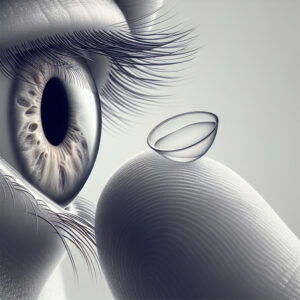
Getting the hang of inserting and removing contact lenses is key for newbies. Always start with clean hands and stick to a routine. Gently place the lens on your fingertip, making sure it’s not inside out, and set it on your eye. To remove, look up, pull down the lower lid, and gently pinch the lens off.
Maintaining Hygiene and Lens Care
Good hygiene is crucial for contact lens wearers. Always wash your hands before handling lenses and use the recommended solutions for cleaning and storage. Never use water or saliva to clean lenses, as these can introduce harmful microorganisms. Regularly replace lenses and solutions to avoid contamination.
Recognizing Signs of Improper Fit or Infection
Keep an eye out for signs that your lenses might not fit right or if an infection is brewing. Redness, irritation, excessive tearing, or blurred vision shouldn’t be ignored. If you notice any of these, take out the lenses immediately and seek advice from your eye care professional.
Conclusion: Can Contact Lens Improve Eyesight?
Summary of Key Points
Contact lenses offer a great way to correct various vision impairments, boasting benefits like a wider field of view, better aesthetics, and less distortion compared to glasses. However, they do come with their own set of responsibilities, like maintaining proper hygiene, regular upkeep, and consulting with professionals.
Final Thoughts on Contact Lenses for Vision Improvement
In the end, contact lenses can really enhance eyesight by tackling specific refractive errors and providing a more natural viewing experience. While they require some care and attention, the advantages they bring make them a worthwhile option for many looking for effective vision correction. Always chat with an eye care professional to find the best choice for your vision needs.
Can Cataracts Improve Your Vision? Understanding the Science Behind It
A Friendly Guide to Cataracts and Your Vision
When we chat about eye troubles, cataracts often pop up in the conversation. They’re a major player when it comes to vision issues around the globe. But here’s a curious question: can cataracts actually make your vision better? Let’s dig a little deeper to find out. By understanding how cataracts mess with your eyes, we can sort fact from fiction.
Getting to Know Cataracts
Think of cataracts as a foggy patch on the lens of your eye, which sits right behind the iris and the pupil. This murkiness can mess with your sight, often getting worse over time. While aging is the usual suspect, things like diabetes, smoking, and too much sun can also lend a hand. They’re pretty common, especially as folks get older, and they can really throw a wrench into daily life.
How Cataracts Sneak Up on You
Cataracts generally creep in slowly. It starts with proteins in your lens breaking down and clumping, turning it cloudy. This cloudiness gets in the way of light, making your vision blurry or dim. How fast this happens can depend on your genes, health issues, and lifestyle choices.
Spotting the Signs of Cataracts
Catching the symptoms of cataracts early is key. Keep an eye out for things like blurry vision, trouble seeing at night, sensitivity to light, and halos around lights. Colors might also look washed out or yellowish. If you notice these changes, it’s a smart move to see an eye care pro for a full check-up.
Do Cataracts Ever Make Vision Better?
Busting the Vision Improvement Myth
There’s a rumor going around that cataracts can magically improve vision, especially for folks with myopia. This probably comes from stories and confusion about what cataracts really do. While some people might notice changes in their vision, these are usually short-lived and not a real improvement.
Temporary Vision Changes Explained
Occasionally, people with cataracts might spot a temporary perk in their near vision, sometimes called “second sight.” This happens because the cataract tweaks the lens’s shape, which affects how light hits the retina. But don’t be fooled—this isn’t true improvement and often comes with a dip in overall clarity.
What Affects Your Visual Experience
Several things can shape how cataracts impact your sight. The size and spot of the cataract, your overall eye health, and any other eye conditions can all play a part. Even if a cataract seems to help one part of your vision, it usually makes other parts worse, leading to a net loss in visual quality.
Getting the Lowdown on Cataracts
The Eye’s Anatomy 101
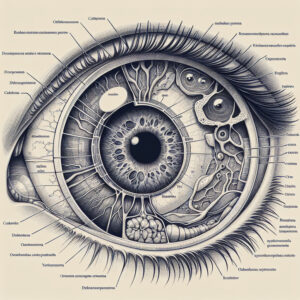
To get how cataracts mess with vision, it’s helpful to know a bit about how your eye works. The lens is a clear part that focuses light onto the retina, which your brain then turns into images. A healthy lens is crucial for sharp vision, and any cloudiness can really affect what you see.
The Light and Vision Tango
Cataracts throw a wrench in how light passes through the lens, scattering it and stopping a clear focus on the retina. This scattering means blurry vision and can cause glare, especially in bright light. As cataracts grow, they block more light, making these issues worse and daily activities tougher.
Why the Lens Matters for Clear Vision
The lens in your eye is key for focusing light just right. It changes shape to help you see clearly at different distances. When cataracts form, they disrupt this ability, leading to a drop in both near and distance vision clarity.
Odd Situations: When Cataracts Seem Helpful
Myopia and Cataracts: A Tricky Dance
Some folks with nearsightedness notice better near vision as cataracts develop. This happens because cataracts change the lens’s shape, temporarily easing myopia. But this silver lining is usually overshadowed by the downsides to overall vision. It’s a complicated relationship that needs a careful look from an eye care expert.
Cataracts and Near Vision: A Shaky Benefit
While cataracts might sometimes boost near vision, it’s not a reliable or desirable outcome. The improvement is often uneven and comes with a big drop in distance vision and overall quality. So relying on cataracts for better near vision isn’t a good bet for most folks.
Tales and Case Studies
There are stories and case studies of people experiencing unexpected vision changes due to cataracts. These highlight how cataracts can affect each person differently. However, they also stress the need for professional evaluation to find the best path for healthy vision.
Why Thinking Cataracts Improve Vision is Misleading
What Eye Doctors Say
Many eye doctors warn against seeing cataracts as a way to boost vision. They point out that any improvement is fleeting and often signals worsening eye health. Regular eye exams and timely treatment are crucial to avoiding permanent vision loss and keeping eyes healthy.
The Long Haul with Cataracts
If left untreated, cataracts can lead to serious vision problems and even blindness. The longer you wait to treat cataracts, the tougher they can be to remove, and the more risks you’re taking. Understanding these long-term effects highlights why it’s important to tackle cataracts sooner rather than later.
The Pitfalls of Putting Off Treatment
Putting off cataract treatment can have big consequences. As cataracts worsen, they can make everyday tasks like reading, driving, and recognizing faces difficult. Plus, advanced cataracts might lead to other eye problems, further dragging down quality of life.
Exploring Treatment and Management
When to Think About Cataract Surgery
Cataract surgery is the go-to fix for getting your vision back. It’s typically suggested when cataracts start to mess with your daily life. Deciding to go ahead with surgery should be done with your ophthalmologist, taking into account your overall health and vision needs.
New Tricks in Cataract Surgery
Today’s cataract surgery is state-of-the-art, with techniques that offer great results and quick recovery. Procedures like phacoemulsification use ultrasound waves to break up and remove the cloudy lens, replacing it with an artificial one. These advancements have made cataract surgery one of the safest and most successful surgeries around.
What to Expect After Surgery
Most folks see a big improvement in vision after cataract surgery. Many can do their thing without glasses, though some might still need them for certain tasks. After surgery, follow-up appointments and sticking to prescribed eye drops are key for a smooth recovery and the best visual outcomes.
Clearing Up Cataract Myths
Common Misunderstandings About Cataracts
Even with how common cataracts are, misconceptions run rampant. Some think cataracts can be stopped with eye drops or that they only hit older folks. In truth, cataracts are a natural part of aging, and while lifestyle choices can affect their development, they can’t be completely avoided.
The Value of Regular Eye Check-Ups
Regular eye exams are crucial for spotting cataracts early and keeping an eye on their progress. These check-ups let eye care pros assess your eye health and suggest the right steps. Early detection and treatment can stave off vision loss and boost quality of life.
Teaching Patients About Eye Health
Teaching people about cataracts and eye health is vital for busting myths and encouraging proactive care. Understanding the symptoms, risks, and treatment options helps folks make informed choices about their eye health. Eye care professionals play a key role in providing this education and support.
Wrapping Up: The Real Deal on Cataracts and Vision
All in all, while some might notice a brief vision perk from cataracts, it’s misleading and not a sign of real improvement. The long-term effects of cataracts can be tough, underscoring the importance of regular eye exams and timely treatment. If you think you have cataracts or see changes in your vision, it’s crucial to chat with an eye care professional to explore your options and keep your eyes healthy.
At the end of the day, understanding cataracts and their impact is key to keeping your eyes in tip-top shape. With the right info and care, you can protect your vision and enjoy life to the fullest.
Can Cataracts Improve Vision? Insights from Eye Health Experts
Getting to Know Cataracts and Your Vision
When we talk about eye health, cataracts often steal the spotlight. These cloudy patches in the lens of the eye can really mess with your vision, turning everyday tasks into a bit of a hurdle. But here’s a question that gets tossed around a lot: “Can cataracts actually make your vision better?” Let’s dive into this common myth and hear what the eye experts have to say to clear things up.
A Quick Look at What Cataracts Are
Cataracts happen when the proteins in your eye’s lens start to clump together, creating a cloudy effect and blocking light from passing through smoothly. While they’re mostly linked to getting older, cataracts can also pop up due to injuries, certain genetic issues, or other eye problems. They creep in slowly, but if ignored, they can seriously impair your vision.
How Cataracts Mess with Your Vision
Cataracts mainly throw a wrench in your vision by scattering the light entering your eye, leading to blurrier and dimmer sight. Colors might lose their punch, and activities like reading or driving at night become troublesome. If left untreated, severe cataracts can even lead to blindness. The speed at which they develop varies—some folks notice changes quickly, while for others, it’s a slow burn over years.
Spotting the Signs of Cataracts
The usual suspects when it comes to cataract symptoms include blurred vision, light sensitivity, halos around lights, and trouble seeing at night. You might find yourself changing your glasses or contact lens prescription more often. If you’re squinting more than usual or having a tough time seeing in bright sunlight, it’s probably a good idea to get your eyes checked out for cataracts.
Busting the Myth: Do Cataracts Really Improve Vision?
Diving into the Myth: Do Cataracts Improve Vision?
There’s a stubborn myth floating around that cataracts can sometimes boost your vision. This comes from the fact that as cataracts grow, they might temporarily tweak how light bends in your eye, occasionally making near vision better. But this isn’t a real improvement in clarity or quality of vision.
Temporary Vision Changes Due to Cataracts
Sometimes, cataracts might temporarily change your eye’s focus, making close-up tasks like reading easier without needing glasses—something people call “second sight.” But remember, this phase is fleeting and doesn’t mean your overall visual health is improving.
Clearing Up Misunderstandings About Cataracts
The idea that cataracts can improve vision is mostly a big misunderstanding. While there might be brief changes, the long-term effects of cataracts are harmful to your vision. Knowing these myths helps ensure people get the right medical advice and treatment instead of relying on these temporary changes.
The Science Behind Cataracts
What Causes Cataracts?
Cataracts mostly arise from the natural aging process, where the proteins in the lens break down and clump together. Other factors include diabetes, too much UV exposure, smoking, and past eye injuries or inflammation. Sometimes, genetics might also play a part.
How Aging Impacts Eye Health
As we age, our eyes undergo significant changes, with cataracts being a common outcome. The lens becomes less flexible, thicker, and less clear. This gradual change explains why cataracts are so common among older adults, making regular eye check-ups vital for maintaining good eye health as we age.
Other Risk Factors for Cataracts
Beyond aging, other risk factors include long-term use of corticosteroid medications, heavy drinking, and a poor diet lacking antioxidants. Understanding these risks can help people take steps to prevent or delay the onset of cataracts.
Insights from Experts on Cataract-Related Vision Changes
What Ophthalmologists Say
Ophthalmologists stress that despite some experiencing temporary changes, cataracts ultimately worsen vision. Regular eye exams are crucial for monitoring changes and determining when intervention is needed. They also highlight the advancements in cataract surgery that can effectively restore vision.
Real-Life Stories and Patient Experiences
Many people notice initial changes in their vision that seem helpful, only to find their vision worsening over time. Case studies underline the importance of getting professional evaluations instead of counting on perceived improvements. These experiences underscore the need for accurate information and timely medical advice.
The Importance of Regular Eye Check-Ups
Regular eye exams are key for early detection and management of cataracts. These check-ups allow specialists to track cataract progression and suggest treatments before significant vision loss occurs. Catching it early can lead to better outcomes and preserve eye health.
Cataract Treatment Options
Managing Cataracts Without Surgery
At first, cataracts can be managed with stronger glasses, magnifying lenses, or better lighting. However, these are just temporary fixes and not long-term solutions. They might help delay surgery but can’t stop cataracts from progressing.
Surgical Option: Removing Cataracts
Cataract surgery is one of the most common and successful surgeries worldwide. It involves taking out the cloudy lens and replacing it with an artificial one. This procedure is typically done on an outpatient basis and has a high success rate, greatly improving vision and quality of life.
Vision Improvement After Surgery
Most people see a huge improvement in vision after cataract surgery. Colors appear more vibrant, and clarity is restored. While some might still need glasses for certain tasks, the surgery often reduces reliance on corrective lenses, making daily activities easier.
Keeping Your Eyes Healthy and Preventing Cataracts
Lifestyle Changes to Avoid Cataracts
Adopting a healthy lifestyle can help delay cataracts. This includes quitting smoking, cutting down on alcohol, and managing diabetes well. Regular exercise and maintaining a healthy weight are also good for overall eye health.
Nutritional Tips for Better Eye Health
A diet packed with antioxidants, like vitamins C and E, supports eye health. Leafy greens, fruits, and nuts are great sources of nutrients that protect the eyes from oxidative stress. Adding omega-3 fatty acids from fish can also be beneficial.
The Need for UV Protection
Wearing sunglasses that block UV rays is essential for preventing cataracts. Long exposure to sunlight without protection can speed up cataract formation. Investing in quality eyewear is a simple yet effective way to keep your eyes healthy.
Common Questions About Cataracts
Can Cataracts Temporarily Improve Vision?
Some might notice a temporary boost in near vision, but it’s important to note this isn’t a true improvement. The overall trend with cataracts is worsening vision, not improvement.
What Happens If Cataracts Are Left Untreated?
Untreated cataracts can severely impair vision and eventually lead to blindness. They can also increase the risk of falls and accidents due to decreased visual acuity. Early treatment is crucial to prevent these outcomes.
How Often Should You Get Your Eyes Checked?
It’s generally recommended that adults over 60 have their eyes checked annually. However, if you notice changes in your vision or have risk factors for cataracts, more frequent check-ups may be needed.
Wrapping Up: Realistic Views and Keeping Your Eyes Healthy
Setting Realistic Views on Vision Improvement
While the idea of cataracts making your vision better sounds appealing, it’s important to keep expectations in check. Understanding cataracts’ true nature and seeking professional advice ensures the best outcomes for your eye health.
The Key Role of Early Detection and Treatment
Early detection and timely treatment are vital for effectively managing cataracts. Regular eye exams and staying informed about the latest in eye care can help preserve vision and maintain a high quality of life.

The Visionary Herb: Can Bilberry Improve Vision and Eye Health?
Introduction: Unveiling the Connection Between Bilberry and Eye Health
In our fast-paced, screen-filled world, many folks are turning to natural remedies to keep their eyes healthy. One berry that’s catching a lot of attention is bilberry. More and more people are asking, “Can bilberry really boost vision?” To get to the bottom of this, let’s dive into the history of this fascinating berry and its rumored benefits for eye care. From ancient times to today’s supplements, bilberries have been linked to eye health, but what’s the real story?
Bilberry: A Natural Cure-All?
Bilberry is this tiny, deep blue fruit that has been hailed for ages as a natural cure for all sorts of health issues. It’s got a reputation for supporting vision, thanks to its rich antioxidant stash. These antioxidants, especially anthocyanins, are thought to be key players in protecting and boosting eye health. The charm of bilberry isn’t just in its health perks but also in how easy it is to find as a supplement.
A Glimpse into Bilberry’s History with Eye Health
Bilberry has been a staple in European folk medicine for centuries. It really hit the spotlight during World War II when British pilots supposedly ate bilberry jam to sharpen their night vision. This little tale got people curious about the berry’s potential vision-boosting powers, sparking more research and making it a popular choice in herbal medicine.
The Rising Fascination with Herbal Supplements
Herbal supplements are on the rise as more folks look for natural ways to stay healthy. With growing concerns about the side effects of synthetic drugs, bilberry is becoming a go-to for those wanting to support their vision naturally. As the scientific community continues to dig into herbal remedies, bilberry’s place in eye health is being closely examined.
What’s Bilberry All About?
The Botanical Breakdown of Bilberry
Bilberry (Vaccinium myrtillus) is a perennial bush native to Northern Europe, thriving in acidic, low-nutrient soils, often in mountainous areas. It produces small, round berries that look a lot like blueberries, but they’re a deeper shade of blue. These berries are valued for their impressive nutritional content and medicinal uses.
Nutritional Goodies and Key Compounds
Bilberries pack a nutritional punch, loaded with vitamins C and K, fiber, and a variety of polyphenolic compounds, particularly anthocyanins. These anthocyanins are the main active ingredients credited with bilberry’s potential health benefits, like its antioxidant and anti-inflammatory powers.
Bilberry vs. Blueberry: What’s the Difference?
Though bilberries and blueberries look alike, they have some key differences. Bilberries are usually smaller, darker, and have a more intense flavor. Plus, they boast higher levels of anthocyanins, which are thought to be behind their health benefits. Knowing these differences is important if you’re considering bilberry supplements over the more common blueberry.
Eye Health and Vision: A Quick Look
Common Vision Problems and Their Effects
Vision issues like myopia, hyperopia, cataracts, and age-related macular degeneration (AMD) are common worldwide. These conditions can really affect your quality of life, impacting everything from daily activities to overall well-being. That’s why keeping your eyes healthy is so important for preventing or easing these problems.
Why Eye Health Matters
Our eyes are delicate and need proper care and nutrition to work their best. With all the extra screen time and environmental stressors these days, protecting your eye health is more critical than ever. A balanced diet, regular eye exams, and protective measures are key to maintaining good vision.
The Vital Role of Antioxidants for Your Eyes
Antioxidants are essential for eye health, as they neutralize harmful free radicals that can damage eye cells. By reducing oxidative stress, antioxidants help guard against conditions like cataracts and AMD. Foods loaded with antioxidants, such as bilberries, are crucial in any diet aimed at supporting eye health.
Can Bilberry Boost Your Vision? Looking at the Evidence
Diving Into the Research
Research on bilberry’s impact on vision has shown mixed results. Some studies suggest bilberry extracts might enhance night vision and reduce eye strain, while others find minimal benefits. Despite these mixed results, research is ongoing, with many experts calling for more comprehensive studies to really understand bilberry’s effect on vision.
Bilberry and Night Vision: Is There a Link?
Ever since World War II, bilberry’s potential to improve night vision has been a hot topic. Some clinical trials have reported better night vision among folks taking bilberry supplements, probably due to the high anthocyanin content. However, the results aren’t conclusive across the board, and more research is needed to nail down these findings.
Bilberry’s Potential Role in Combating Age-related Macular Degeneration
Age-related macular degeneration (AMD) is a major cause of vision loss in older adults. The antioxidants in bilberry might help slow AMD’s progression by reducing oxidative damage to retinal cells. While the evidence is promising, more rigorous studies are necessary to confirm bilberry’s effectiveness in managing AMD.
Understanding How Bilberry Benefits Eye Health
Antioxidants: Your Eyes’ Best Friend
Antioxidants work their magic by cleaning up free radicals, preventing damage to eye cells. This protection is vital for keeping the eye tissues, especially the retina, healthy. With its rich antioxidant content, bilberry is a valuable ally in the fight against vision deterioration.
Anthocyanins’ Role in Easing Eye Fatigue
The anthocyanins that give bilberry its deep color have been shown to ease eye fatigue, especially for those glued to screens for long hours. By boosting blood flow to the eyes and reducing inflammation, anthocyanins may help alleviate symptoms of eye strain and fatigue.
Fighting Inflammation for Better Eye Health
Inflammation is a big player in many vision disorders. The anti-inflammatory properties of bilberry can help tackle this issue, promoting overall eye health. By reducing inflammation, bilberry aids in maintaining healthy eye tissues, potentially delaying the onset of vision problems.
Adding Bilberry to Your Diet
How Much and in What Form?
Bilberry is available in many forms, from fresh berries to dried extracts and capsules. For those looking to tap into its benefits, daily dosages usually range from 160 to 480 mg of bilberry extract. However, it’s always smart to chat with a healthcare professional for tailored advice.
Supplements vs. Fresh Bilberries: What’s Best?
While munching on fresh bilberries is a tasty way to get their nutrients, supplements offer a more concentrated source of anthocyanins. The choice between the two depends on what’s available and personal taste. For those who can’t get fresh bilberries, supplements are a handy alternative.
Choosing Quality Bilberry Products
Quality is key when picking bilberry products. Look for supplements with standardized extracts to ensure you get consistent levels of active compounds. Also, go for reputable brands that are transparent about their sourcing and manufacturing practices to ensure safety and effectiveness.
Potential Side Effects and What to Watch Out For
Possible Side Effects and Safety Tips
Bilberry is generally safe for most people, but some might experience mild side effects like a bit of stomach upset. It’s crucial to stick to recommended dosages and consult a healthcare provider if any adverse reactions pop up.
Interactions with Medications
Bilberry might interact with certain meds, especially blood thinners and diabetes drugs. It’s important to talk about bilberry supplements with a healthcare professional if you’re on any prescription medications to avoid possible interactions.
Who Should Steer Clear?
People with certain conditions, like those with bleeding disorders or pregnant and breastfeeding women, should be cautious with bilberry. It’s a good idea to consult a healthcare provider to ensure safety and avoid any complications.
Conclusion: What’s Next for Bilberry in Vision Care?
Wrapping Up the Key Points
While bilberry seems promising as a natural eye health aid, the evidence is still mixed. Its antioxidant and anti-inflammatory properties hint at potential benefits, but more research is needed to fully back these claims.
The Need for Professional Health Advice
Before adding bilberry to your health routine, it’s crucial to get input from a healthcare professional. They can offer personalized advice based on your health status and ensure bilberry supplements are safe and effective for you.
Where Research Is Headed and New Ideas in Herbal Eye Care
The potential of bilberry in vision care is an exciting area for future research. As interest in herbal remedies keeps growing, we’ll likely see more studies exploring bilberry’s role in eye health, paving the way for innovative natural vision support strategies.
Understanding Vision: Can Bad Eyesight Improve Over Time?
Getting to Know Your Vision and Eye Health
Our eyesight is truly one of our most cherished senses, acting as our personal window to the vibrant world around us. When our vision starts to decline, it can affect our lives in more ways than we might expect. By diving into the details of vision health, we can find ways to manage and maybe even enhance our eyesight over time. In this blog post, let’s break down what causes poor eyesight and investigate if it can naturally improve or if medical help is the way to go.
Basics of How Our Eyes Work
The human eye is a fascinating piece of biological machinery, with different parts working together to create the images we see. Important players like the cornea, lens, and retina each have a crucial job in focusing light and sending signals to the brain. If any of these parts aren’t functioning well, our vision can suffer. Understanding the eye’s anatomy is key to knowing how our eyesight can worsen or get better.
Why Does Vision Deteriorate?
There are countless reasons why our eyesight might not be up to par. Common refractive errors such as myopia (nearsightedness), hyperopia (farsightedness), and astigmatism often top the list. Age-related issues like presbyopia and glaucoma also play a role. Even lifestyle factors, like staring at screens for too long or poor lighting, can make things worse. By pinpointing these causes, we can figure out the best strategies for taking care of our vision.
Regular Eye Exams: A Must!
Keeping up with regular eye check-ups is vital for the best vision health. These exams are a great way to catch eye problems early before they become more serious. Plus, they’re a chance to update your glasses or contact lens prescriptions, making sure your vision correction is spot-on. Routine eye care should be a staple in everyone’s health routine.
Is There Hope for Natural Vision Improvement?
How Diet Impacts Your Eyes
What we eat can seriously affect our eye health. A diet packed with vitamins like A, C, and E, as well as minerals like zinc, can help keep our eyesight in check. Foods such as leafy greens, omega-3-rich fish, and colorful fruits and veggies are especially beneficial. While diet alone might not magically fix your eyesight, it definitely supports overall eye health and helps keep further decline at bay.
Do Eye Exercises Really Work?
The effectiveness of eye exercises to improve vision has been debated for years. Some folks swear by exercises to ease eye strain and better focus, but the scientific backing for major improvements in refractive errors is scant. Techniques like the 20-20-20 rule (taking a break every 20 minutes to gaze at something 20 feet away for 20 seconds) can help reduce strain, but they should be part of a bigger eye care plan, not seen as a miracle fix.
How Lifestyle Tweaks Can Help
The choices we make in our daily lives can greatly impact our eye health. Cutting back on screen time, using proper lighting, and donning sunglasses for UV protection are simple yet effective ways to keep eyes healthy. Also, maintaining a healthy weight and blood pressure can ward off diseases like diabetes that harm eyesight. These lifestyle changes can lead to noticeable improvements in how comfortable and healthy your eyes feel.
Seeking Medical Help for Better Vision
Relying on Glasses and Contacts
For many people, prescription glasses and contact lenses are the go-to solutions for vision problems. These tools correct refractive errors, giving you clearer vision. With advances in lens technology, these options have become more effective and comfortable, catering to a wide range of visual needs. Regularly updating your prescription is crucial for the best vision correction.
Cutting-Edge Corrective Surgery
Surgery options like LASIK and PRK have transformed how we tackle vision issues. These procedures reshape the cornea, offering a lasting solution for many refractive errors. Thanks to technological progress, these surgeries are now safer and more effective, delivering long-term results for those suited to them. Still, it’s essential to understand the risks and have a thorough chat with an experienced ophthalmologist.
Exploring Vision Therapy
Think of vision therapy as a workout plan for your eyes. It includes exercises designed to boost coordination and focus. It’s particularly helpful for kids with developmental vision issues, but adults dealing with eye strain can benefit too. While it’s not a replacement for glasses or surgery, vision therapy can complement these treatments, enhancing overall visual performance.
Age and Eyesight: What Happens Over Time?
Vision Changes in Youngsters
As children grow, their eyesight often changes. Conditions like myopia might worsen during those teenage years but often level out in adulthood. Catching and addressing these changes early can lead to improvements or at least prevent things from getting worse. It’s vital for parents to be informed about eye health to ensure timely corrective actions.
Eye Health in Adults: The Ups and Downs
For adults, vision tends to level off, although conditions like presbyopia might develop with age. It’s crucial for adults to keep an eye on changes and schedule regular exams to tackle any issues right away. While some decline is part of aging, a healthy lifestyle can help lessen its effects.
What to Expect as You Age
As the years go by, our eyes go through various changes, leading to conditions like cataracts or macular degeneration. Regular eye exams become even more important to manage these changes. Although some age-related eye changes are unavoidable, new medical treatments can help maintain a good quality of life.
The Tech Revolution in Eye Care
Smart Glasses: The Next Big Thing
Smart glasses are making waves in vision technology. Loaded with features like augmented reality and real-time data displays, they offer more than just clearer vision. While still developing, these innovations could change the way we see and interact with the world.
Guided Eye Exercise Apps
Nowadays, there are plenty of apps offering guided eye exercises aimed at boosting focus and easing strain. Although not all claims are scientifically backed, these tools can be a handy way to weave beneficial practices into your daily routine. They serve as a gentle reminder to engage in eye-friendly habits.
What’s Ahead for Eye Health Tech
The future of eye health technology is looking bright, with ongoing research into bionic eyes and advanced diagnostic tools. These innovations aim to provide better outcomes for vision improvement and disease management, offering hope to those with challenging conditions.
Busting Myths About Vision Improvement
Setting the Record Straight
There are plenty of myths about vision improvement, like the idea that staring at screens causes permanent damage. While screens can lead to strain, there’s no proof of long-term harm. Knowing the facts behind these myths helps us make smart decisions about eye care.
Natural Remedies: What You Need to Know
Many natural remedies, like herbal supplements, claim to enhance eyesight, but the evidence is pretty thin. While some might offer slight benefits, relying solely on these can delay effective treatment. It’s crucial to approach these solutions with a healthy dose of skepticism.
The Power of Marketing and Misleading Claims
In a world overflowing with ads, it’s easy to get swept away by promises of miraculous vision improvements. Consumers need to critically assess these claims, seeking advice from qualified professionals and trustworthy sources. Awareness is key to avoiding deception.
The Mind’s Role in Vision Improvement
Vision and Mental Health: The Connection
Our eyesight has a huge impact on our mental well-being. Poor vision can lead to frustration and a lower quality of life. Addressing vision issues can boost confidence and overall happiness, highlighting the importance of comprehensive eye care.
Stress and Its Impact on Eye Health
Stress is a well-known culprit in many health issues, including eye strain. Learning to manage stress through relaxation techniques and getting enough rest can prevent exacerbating eye conditions. A holistic approach to health invariably benefits vision.
Dealing with Vision Impairment
For those facing vision impairment, developing coping strategies is essential. This might include using assistive technologies or joining support groups. Empowering individuals with the tools and support they need can greatly improve their quality of life.
Wrapping Up: The Journey of Improving Poor Eyesight
Quick Recap
Improving poor eyesight is a mix of natural approaches, lifestyle tweaks, and medical interventions. While some improvement is possible, it’s important to keep expectations realistic.
Setting Realistic Goals for Vision Improvement
While significant improvements can be achieved through medical interventions, natural methods might offer only marginal benefits. It’s important to have realistic goals and seek guidance from eye care professionals.
Keeping Your Eyes Healthy for the Long Haul
Maintaining eye health is an ongoing journey. By staying informed, adopting healthy habits, and seeking regular care, you can support your vision for years to come. Every step taken is a step towards clearer, healthier sight.