
Can Glasses Fix Vision: The Science of Corrective Lenses Explained
Your Guide to Vision Correction
Vision correction has revolutionized the way we care for our eyes, giving countless people a clearer view of the world. Our eyes, these remarkable organs, sometimes need a little help to give their best performance. When natural vision falls short, tools like glasses step in to make a real difference. So, you might be wondering, “Can glasses really fix vision?” Well, the magic lies in the science behind corrective lenses. Let’s dive into how glasses work and why they’re so important for keeping our vision in check.
Getting to Know Vision Problems
Our eyes can run into a few hiccups that mess with how we see things. Common culprits include myopia (nearsightedness), hyperopia (farsightedness), astigmatism, and presbyopia. These issues pop up when light doesn’t hit the retina just right, leading to blurry vision. Each condition has its own quirks, but they all boil down to the eye’s struggle with bending light correctly. Grasping these problems is the first step to understanding how corrective lenses come to the rescue.
How Corrective Lenses Help
Corrective lenses are like the ultimate sidekicks for your eyes, tweaking the way light enters so it lands perfectly on the retina. Whether they’re in the form of glasses or contact lenses, these aids are carefully crafted to tackle specific vision woes, making them essential in today’s eye care.
The Lowdown on “Can Glasses Fix Vision?”
People often ask, “Can glasses fix vision?” because they want to know if glasses are a permanent fix for their eye problems. While glasses don’t ‘fix’ vision by addressing the root cause, they do offer an effective way to correct it. As long as you’re wearing them, they sharpen up your view, providing instant relief for many common eye conditions. So, while they’re not a cure-all, they’re a crucial part of keeping your vision in top shape.
The Science of Corrective Lenses
How Lenses Tweak Light
Corrective lenses work their magic by changing the path of light so it focuses just right on the retina. This is done through specially designed curves on the lens, which refract light to the exact degree needed. Even tiny adjustments can have a big impact on how clearly you see, so precision is key in lens design.
Vision Issues Glasses Can Tackle
Glasses are versatile tools for a range of vision problems. They’re great for correcting myopia, hyperopia, astigmatism, and presbyopia. For myopia, lenses spread out light rays to clear up distant scenes. Hyperopia is tackled with converging lenses for better close-up views. Astigmatism gets special lenses to balance out corneal curvature, while presbyopia is often managed with multifocal lenses.
The Physics of Lens Refraction
Refraction, the bending of light as it moves through different mediums, is the backbone of how glasses work. Lenses are shaped to bend light precisely, based on your unique vision needs. This scientific approach ensures glasses effectively enhance vision across various conditions.
Different Glasses for Different Needs
Single Vision Lenses
Single vision lenses are straightforward, designed to handle one type of vision issue. They have a uniform prescription, making them ideal for those needing correction for either distance or reading, but not both. These lenses are common among younger folks dealing with myopia or hyperopia.
Bifocal and Multifocal Lenses
Bifocals and multifocals are for those needing help with both near and far sight. Bifocals have two separate sections for different prescriptions, while multifocals, like trifocals, add an intermediate range for smoother transitions. They’re particularly handy for presbyopia, a common age-related issue.
Progressive Lenses
Progressive lenses are a modern twist, offering a smooth shift between prescriptions without the lines you see in bifocals. They provide a natural correction for presbyopia, letting you see clearly at various distances without sudden changes.
How Glasses Make a Difference
Helping Myopia
For those with myopia, concave lenses in glasses spread light rays before they hit the eye, ensuring they focus right on the retina. This makes far-off objects sharper, improving vision for this common issue.
Fixing Hyperopia and Astigmatism
Hyperopia gets help from convex lenses that bring light rays together, aiding in focusing on close objects. Astigmatism is corrected with lenses that balance out irregular corneal shapes, ensuring even light focus for clearer vision.
Dealing with Presbyopia
Presbyopia, often linked with aging, makes focusing on nearby objects tough. Multifocal or progressive lenses with varied prescriptions come to the rescue, allowing smooth viewing across distances.
The Limits of Glasses
Vision Issues Beyond Glasses
Glasses are great, but they’re not a fix-all for every eye issue. Conditions like cataracts, glaucoma, and macular degeneration need medical treatment beyond what lenses can offer. Glasses might help enhance remaining vision, but they can’t tackle the root medical problems.
Potential Drawbacks
Like any tool, glasses have their quirks. Some folks might experience distortion with high prescriptions or new lenses, and ill-fitting frames can cause discomfort. Getting glasses properly adjusted by an optician is key to comfort and performance.
Keeping Prescriptions Current
Vision changes over time, so regular eye exams and prescription updates are important. Sticking with old glasses can lead to strain and less-than-perfect vision. Regular check-ups ensure your glasses are up to snuff and adapt to your changing vision needs.
Glass-Free Vision Alternatives
Contact Lenses
Contact lenses offer a frame-free option, providing similar benefits without the fuss. They’re loved for their look and convenience for active lifestyles. Just remember, they need proper care to avoid infections, and not everyone finds them comfy.
Surgical Solutions
Refractive surgeries like LASIK or PRK reshape the cornea for lasting vision correction, often reducing or eliminating the need for glasses or contacts. They’re not for everyone and come with risks, so a thorough check with an ophthalmologist is a must.
Orthokeratology and More
Orthokeratology involves wearing special lenses overnight to temporarily reshape the cornea, offering vision correction by day without glasses or contacts. Other therapies, like visual exercises, aim to improve vision naturally, though results can vary.
Picking the Perfect Glasses
Expert Guidance
Choosing glasses starts with a visit to an eye care professional who can accurately assess your vision needs. They ensure your prescription is current and that your glasses are perfectly tailored to you. This personalized touch is crucial for getting the best out of your eyewear.
Lifestyle and Work Considerations
Think about how glasses fit into your lifestyle and job. If you’re glued to screens, lenses with blue light filters might be a good call. Drivers might benefit from anti-glare coatings. Customizing your glasses to your daily routine boosts their usefulness and your experience.
Regular Eye Exams Matter
Regular eye exams are critical for keeping your vision in check. They ensure your prescription is up-to-date and can catch potential issues early on. Routine visits help adjust your vision correction as needed, safeguarding your eye health in the long run.
Wrapping Up: Glasses and Vision Health
The Upsides of Glasses
Glasses are an invaluable part of vision correction, bringing clarity and comfort to millions. They tackle a wide range of issues, from myopia to presbyopia, offering a convenient and non-invasive solution. Despite some limitations, they play a vital role in managing vision health.
Emphasizing Personalized Care
Personalized vision care is key to getting the most from your glasses. Tailoring eyewear to your needs and lifestyle ensures maximum benefit. Work with your eye care professional to explore your options and find what suits you best.
Final Take on “Can Glasses Fix Vision”
In the end, while glasses don’t ‘fix’ vision permanently, they offer an effective way to manage and improve it. They’re a crucial piece of the vision care puzzle, enhancing life for those with visual impairments. Embrace the benefits of glasses and stay informed about your eye health, with regular care being essential for clarity and comfort.
Vision Improvement: Can Glasses Fix Eyesight and How Do They Work?
Getting to Know Vision Improvement
Ever found yourself asking if glasses can actually fix your eyesight? You’re not alone! It’s a common topic whenever eye health comes up. With so many people facing vision issues, from minor annoyances to major impairments, understanding how to tackle these problems is super important.
Getting a Grip on Vision Problems
You might be surprised, but vision issues are more widespread than you’d think. They can range from just a bit of blurriness to serious stuff like cataracts. Nearsightedness, farsightedness, and astigmatism are some of the big ones, affecting millions all over the globe. These problems usually happen because the eye can’t focus light properly on the retina, which makes things look fuzzy or off.
Why Corrective Lenses Matter
Corrective lenses, like glasses, are key players in the world of vision correction. They’re crafted to tweak how light enters your eyes, helping you see a sharp image on the retina. And it’s not just about clarity—having good vision is essential for everyday tasks, whether you’re diving into a book, hitting the road, or soaking up a beautiful sunset.
What’s in the Blog Post?
This post will take you on a journey to answer the big question: “Can glasses fix eyesight?” We’ll chat about how glasses work, explore different lens types, and see what they can and can’t do for your vision. We’ll also peek at alternatives to glasses and share some tips for keeping your eyes healthy. So, let’s dive into this eye-opening adventure on vision improvement!
Do Glasses Really Fix Eyesight?
How Glasses Help with Vision Correction
Glasses are pretty amazing when it comes to tweaking how light hits your retina. While they don’t permanently “fix” your eyesight, they do give you clear vision when you’re wearing them. By compensating for the eye’s quirks, glasses help people see more clearly and comfortably.
Temporary Fixes vs. Permanent Solutions
It’s crucial to know that glasses are a temporary fix for vision issues. They won’t change the structure of your eye or cure any underlying problems. Once you take off your glasses, your vision goes back to its natural state. For a more lasting solution, options like laser eye surgery aim to reshape the cornea, possibly ditching the need for glasses altogether.
Myths and Misunderstandings
There are plenty of myths about glasses and eyesight. One popular misconception is that wearing glasses can weaken your eyes over time. In reality, glasses don’t alter your eyes physically. They simply give the boost needed to improve visual clarity, enhancing life without any harm.
How Glasses Enhance Vision
The Lens Magic
The real magic of glasses is in their lenses. These lenses are meticulously designed to bend light in ways that correct your specific vision problem. For instance, concave lenses help with nearsightedness by diverging light so it focuses on the retina. On the flip side, convex lenses are for farsightedness, converging light to hit the right spot.
What Vision Problems Do Glasses Address?
Glasses are great for fixing a range of vision issues. They tackle nearsightedness, farsightedness, and astigmatism, which are common refractive errors. Presbyopia, an age-related near-vision issue, is often handled with multifocal lenses. Each condition needs a specific lens design to correct how light interacts with the eye.
The Science of Lens Design
Lens design is a fascinating science. Optometrists and lens makers collaborate to create lenses that perfectly fit a person’s vision needs. This involves pinpointing the exact refractive error, factoring in the distance between lenses and eyes, and even how the eyes move. This personalized approach ensures every pair of glasses offers top-notch vision correction.
Different Lenses for Vision Correction
Single Vision Lenses
Single vision lenses have the same prescription throughout, making them perfect for correcting one type of error, like myopia or hyperopia. They’re straightforward and widely used, ideal for folks who need correction for either distance or close-up tasks.
Bifocal and Multifocal Lenses
As we age, presbyopia becomes a reality, needing lenses that handle multiple focal lengths. Bifocal lenses have two distinct areas for distance and near vision, while multifocal or progressive lenses offer smooth transitions between different focal points. These advanced lenses provide clear sight at any distance, eliminating the need for multiple pairs of glasses.
Specialized Lenses for Specific Needs
Beyond the standard lenses, there are special options for certain needs. Photochromic lenses adjust to light changes automatically, and blue light blocking lenses help ease eye strain from screens. These specialized lenses cater to unique requirements, offering extra comfort and protection.
Getting Your Glasses
The Optometrist’s Eye Examination
The road to new glasses starts with a thorough eye exam by an optometrist. This exam checks your overall eye health and figures out the exact prescription you need. Regular exams are crucial, not just for updating prescriptions but also for spotting potential eye issues early on.
Picking the Perfect Frame and Lens
Once you have your prescription, it’s time to choose the right frame and lenses. This involves considering your lifestyle, style preferences, and comfort. Opticians can help you navigate the many options, ensuring you find glasses that are both functional and fashionable.
The Need for Regular Check-ups
Regular visits to your optometrist are key for keeping your vision in tip-top shape. Your eyes can change over time, so periodic exams make sure your prescription stays spot-on. These check-ups also allow you to discuss any new symptoms or concerns, enabling timely interventions.
The Limits of Glasses in Vision Correction
Conditions Beyond Glasses’ Reach
Glasses are fantastic for many refractive errors, but they can’t solve all vision problems. Issues like cataracts, glaucoma, and retinal disorders need medical treatments beyond what glasses can offer. Recognizing these limits is vital for seeking the right treatment when needed.
When Surgery or Other Treatments are Needed
Sometimes, surgical options like laser eye surgery are suggested for permanent vision correction. These procedures reshape the cornea, addressing refractive errors without glasses. But surgery isn’t for everyone, so it’s important to discuss the pros and cons with an eye care professional.
Adjustment Issues with New Glasses
Getting used to new glasses can be tricky. It’s not unusual to feel a bit off or dizzy at first. While the adjustment period varies, most people get comfortable within days to a few weeks. If problems persist, it’s a good idea to consult your optometrist to ensure everything’s just right.
Exploring Alternatives to Glasses
Contact Lenses to the Rescue
If glasses aren’t your thing, contact lenses are a popular alternative. They offer a broader field of vision and don’t weigh down your face. Contacts can correct the same issues as glasses, and with the right care, they can be a very convenient option.
The Appeal of Laser Eye Surgery
Laser eye surgery, like LASIK, is well-known for permanent vision correction. By reshaping the cornea, it can greatly reduce or even eliminate the need for glasses. It’s crucial to talk to a qualified ophthalmologist to see if you’re a good candidate and to understand the possible outcomes and risks.
Vision Therapy and Exercises
For certain eye conditions, vision therapy and exercises can be helpful. These programs aim to boost visual skills and efficiency, often used for issues like strabismus or convergence insufficiency. While they don’t replace corrective lenses, they can enhance overall visual performance and comfort.
Wrapping It Up
Glasses are a vital tool for vision correction, offering a practical solution for millions dealing with refractive errors. While they don’t permanently fix eyesight, they provide clarity and enhance quality of life. Regular eye check-ups are essential to keep your vision in top form and to catch any changes early.
On the path to better vision, it’s important to explore all available options and consult with eye care professionals to find what works best for you. Whether it’s glasses, contact lenses, or exploring surgical options, taking proactive steps towards eye health is always a wise choice.
Remember, your eyes are invaluable, and taking good care of them should always be a top priority. Stay informed, stay proactive, and see the world clearly.
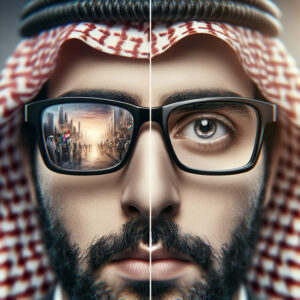
The Science of Vision: Can Glasses Cure Eyesight Permanently?
Getting to Know Vision Science
Vision is truly one of our most fascinating senses, letting us see the world in all its colorful glory. Vision science digs into how our eyes turn light into a flood of information that our brains then translate into images. This complex dance involves many parts of the eye working together to give us clear sight. However, not everyone has perfect vision, thanks to some common issues.
A Peek into Human Vision
The human eye works a lot like a camera, gathering light through the cornea and lens to form images on the retina. This light-sensitive layer at the back of the eye sends signals to the brain through the optic nerve, helping us identify shapes, colors, and movement. Despite its intricate design, the eye can still have imperfections that make our vision blurry.
Common Vision Challenges
Refractive errors like nearsightedness (myopia), farsightedness (hyperopia), and astigmatism are widespread issues caused by irregular eye shapes. These problems prevent light from focusing directly on the retina, resulting in blurred vision. There’s also presbyopia, which affects our ability to see up close as we grow older.
The Role of Corrective Lenses
Corrective lenses, like glasses and contacts, are lifesavers for millions seeking sharper vision. By addressing the eye’s flaws, these lenses redirect light to focus correctly on the retina, improving visual clarity. They offer a non-invasive, reversible fix for vision problems, making them a go-to for many.
Diving into Eyeglasses
Eyeglasses have been around for ages, helping folks see better. But how do these seemingly simple gadgets actually fix vision issues?
The Mechanics of Glasses
Glasses work by changing the path of light entering the eyes, correcting refractive errors. The lenses are crafted to bend light in a way that adjusts the focal point, making sure it hits the retina just right. This tweak lets the wearer enjoy clearer vision, whether they’re diving into a book or catching a movie.
Different Lenses and Their Purposes
There are all sorts of lenses to meet different vision needs. Single-vision lenses focus on one field of view, like distance or reading. Meanwhile, bifocal and multifocal lenses tackle multiple vision issues at once, smoothly shifting between various focal lengths for activities like reading or driving.
The Evolution of Eyeglasses
The history of eyeglasses goes back to the 13th century, starting with basic magnifying glasses. Over time, advancements in materials and technology have turned them from simple aids into stylish, sophisticated accessories. Today, eyeglasses come in a wide array of styles, blending function and fashion.
Can Glasses Fix Eyesight for Good?
A question many ponder is whether glasses can permanently fix eyesight. Let’s dive into this topic to separate truth from myth.
What Glasses Really Do
Glasses work by correcting vision through compensating for the eye’s refractive errors. They’re meant to offer clear sight while worn, but they don’t tackle the root cause of vision problems. Once you take them off, your natural vision remains unchanged, highlighting their temporary nature.
Short-Term vs. Long-Term Vision Fixes
While glasses give immediate clarity, they don’t permanently change the eye’s structure. Permanent solutions, like refractive surgery, aim to reshape the cornea itself, offering long-lasting results and possibly eliminating the need for glasses altogether.
Busting Eyeglass Myths
Despite their popularity, eyeglasses are shrouded in myths. A common misconception is that wearing glasses weakens the eyes, but that’s not true. Glasses don’t alter the eye’s physiology; they just help correct vision while worn.
Glasses in the World of Vision Correction
Glasses are vital for enhancing vision, but how do they stack up against other corrective options?
Glasses as a Vision Aid
For many, glasses are indispensable, providing consistent and reliable vision correction. They’re easy to use, don’t require direct eye contact, and are easily updated or replaced as needed. This makes them a practical choice for people of all ages.
Glasses vs. Contact Lenses
Contact lenses offer an alternative to glasses, sitting directly on the eye to correct vision. They give a wider field of view and don’t hinder physical activities. However, they need careful handling and maintenance, which isn’t for everyone.
Getting Your Vision Prescription Right
Vision prescriptions detail the specific lens power needed to correct individual refractive errors. Regular eye exams ensure prescriptions stay accurate, as vision can change over time due to age or health conditions. Keeping up-to-date helps maintain the best possible vision clarity.
Moving Beyond Glasses for Permanent Vision Fixes
While glasses are effective, some folks look for more permanent solutions to their vision troubles. Let’s explore those options.
The Ins and Outs of Laser Eye Surgery
Laser eye surgery, like LASIK, reshapes the cornea to fix refractive errors. This can significantly reduce or even eliminate the need for glasses, offering long-term improvements. It’s a popular choice for those who qualify, with quick recovery and lasting results.
Understanding Orthokeratology
Orthokeratology, or ortho-k, involves wearing special contact lenses overnight to temporarily reshape the cornea. This non-surgical option gives clear vision during the day without glasses. It’s particularly useful for those with mild to moderate myopia.
Natural Vision Improvement Methods
Some people promote natural methods, like eye exercises or dietary changes, to improve vision. While a healthy lifestyle is always a plus, there’s limited scientific backing for these techniques as standalone solutions for fixing refractive errors.
What’s Next for Vision Correction?
The field of vision science is always moving forward, with exciting advances on the horizon.
New Frontiers in Eye Care Technology
Innovations like wavefront-guided LASIK and advanced intraocular lenses are pushing the boundaries of vision correction. These high-tech solutions offer personalized treatments and improved precision, paving the way for better vision health.
Exploring Breakthroughs in Vision Science
Researchers are diving into novel approaches, like gene therapy and stem cell treatments, to tackle vision disorders at their core. These potential breakthroughs hold promise for more effective, long-term solutions, potentially revolutionizing eye care practices.
Genetics and Vision Quality
Genetics play a big role in determining our vision quality. Understanding the genetic components of eye health could lead to targeted interventions that prevent or mitigate vision problems before they even start. This knowledge might just revolutionize personalized eye care.
Wrapping It Up: The Pros and Cons of Glasses
In a nutshell, while glasses are essential for correcting vision, they’re not a permanent fix. They offer an easy, immediate solution that enhances life quality but don’t change the root causes of refractive errors.
The future of vision health looks bright, with technology and science paving new paths for permanent correction. As we move forward, making informed eye care decisions is key to ensuring optimal vision health.
Ultimately, consulting with eye care experts and understanding the options available will empower people to choose what’s best for their vision needs and lifestyle.

Exploring the Question: Can Glasses Correct Your Vision Permanently?
Getting to Know Vision and How Glasses Work Their Magic
The Basics: How We See and Common Vision Hiccups
Think of your eyes like a camera—they focus light onto the retina, which then does the nifty job of turning it into signals for your brain. But when your eye isn’t bending light just right, you might face some vision issues. The usual suspects are myopia (seeing close but not far), hyperopia (seeing far but not close), astigmatism, and presbyopia. These conditions mess with how light hits the retina, causing blurry or wonky vision. Once you get the hang of these basics, it’s easier to see how glasses step in to sharpen your sight.
The Scoop on Corrective Lenses
Corrective lenses are like little light-adjusters for your eyes. For myopia, concave lenses spread light rays out; for hyperopia, convex lenses bring them together. Astigmatism needs special cylindrical lenses to tackle its unique curve issue. By tweaking how light travels, glasses can clear up the image on your retina, acting as a handy bridge over your eye’s natural hurdles. It’s a simple yet clever way to help many folks see things clearly.
How Glasses Boost Your Vision—For Now
Glasses can do wonders for your vision, but remember, it’s a temporary fix. They don’t change the structure of your eye or fix the root of the problem. Instead, they offer a workaround, giving you clear vision while you wear them. Once you take them off, it’s back to square one. So, the clarity they offer is tied to keeping them on, which is key when thinking about long-term vision fixes.
Are Glasses a Permanent Fix for Your Vision?
Glasses: A Role in Vision Management
Glasses are a big help in dealing with vision issues. They’re non-invasive, easy to get, and can be customized to fit your needs. They offer clarity and comfort, making life easier and reducing eye strain. But, they’re not a forever fix. They’re tools to aid your vision, not cure it.
Glasses and Their Limitations in Permanent Vision Fixes
Even with their perks, glasses have their limits. They don’t tackle the root of vision problems and need to be worn constantly to work. Plus, they might not be the best choice for everyone or every activity, like sports. They can be a hassle or uncomfortable, and prescriptions might need updates as your vision changes. These points push the need to look into other permanent vision correction options.
How Glasses Stack Up Against Other Vision Fixes
Glasses are popular, but there are other options that might offer more lasting results. LASIK, for example, reshapes the cornea to correct vision, possibly ditching the need for glasses. Orthokeratology involves wearing special lenses overnight to reshape the cornea temporarily. These and other options, including regular contacts, come with their own pros and cons, making it important to weigh them against what suits your lifestyle and needs.
Vision Problems Glasses Can Address
Myopia and Hyperopia: Near and Far Vision Issues
Myopia and hyperopia are two common vision problems that glasses can tackle. Myopia makes distant things look fuzzy, while hyperopia makes it tough to see things up close. Both stem from light not focusing properly on the retina, but corrective lenses can help manage these issues effectively.
Astigmatism: Dealing with Irregular Curves
Astigmatism happens when the cornea or lens is shaped irregularly, causing vision to be blurry or distorted at any distance. Glasses with specially crafted lenses can help fix this irregular shape, giving you a clearer view. Still, the condition itself doesn’t change, underscoring how this is a temporary fix.
Presbyopia: The Age-Related Vision Hurdle
Presbyopia is an age-related issue where the lens in the eye loses flexibility, making it hard to focus on close objects. This usually hits people over 40. Bifocal or progressive lenses can help by offering different lens strengths in one pair of glasses. While they’re helpful, they can’t turn back the clock on the natural aging of your eyes.
Beyond Glasses: Permanent Vision Correction Alternatives
Contact Lenses: The Lowdown on Pros and Cons
Contact lenses are a more subtle alternative to glasses. They sit right on your eye, giving you a broader field of view and ditching the physical barriers glasses can create. But they need careful handling and hygiene, and not everyone finds them comfy. Like glasses, they’re a temporary fix unless paired with orthokeratology for reshaping effects.
LASIK and Other Surgical Picks
If you’re after a more permanent fix, surgeries like LASIK might catch your eye. LASIK reshapes the cornea with a laser to correct vision, potentially cutting out the need for glasses or contacts. But, it does come with risks and isn’t for everyone. Other surgeries like PRK or SMILE offer alternatives, each with different recovery times and results.
Orthokeratology: A Non-Surgical Option
Orthokeratology means wearing special contacts overnight to reshape the cornea temporarily. This non-surgical method can give you clear vision during the day without needing glasses or regular contacts. However, the effects are short-lived, requiring consistent nightly use of the lenses to keep the results. It’s a good option if you’re not keen on surgery.
Your Lifestyle and Habits: Their Role in Vision Health
Why Regular Eye Exams Matter
Regular eye exams are key to keeping your vision in check. They spot changes, update prescriptions, and screen for eye diseases. An eye care pro can dish out personalized advice and tweak vision correction methods, ensuring your eyes are at their best over time.
Eye-Friendly Habits and Nutrition
Adopting healthy habits and a nutritious diet can do wonders for your eyes. This means eating foods packed with vitamins A, C, and E, plus omega-3 fatty acids, which are great for eye health. Protecting your peepers from UV rays and cutting back on screen time are also smart moves to help keep your vision sharp.
Screen Time and Its Impact on Your Eyes
With screens everywhere, it’s crucial to know how they can affect your eyes. Too much screen time can lead to digital eye strain, with symptoms like dry eyes, headaches, and blurred vision. Following the 20-20-20 rule—taking a 20-second break to look at something 20 feet away every 20 minutes—can ease these symptoms and help protect your vision.
The Future of Vision Correction: What’s on the Horizon?
Lens Technology: What’s New?
Lens technology is always getting better, making glasses more effective and comfy. From lightweight materials to blue light-blocking lenses, these advances are making wearing glasses a better experience. Options like progressive lenses that blend different prescriptions seamlessly offer personalized solutions for complex vision needs.
Surgical Innovations: What’s Changing?
Surgical techniques are evolving too, with new methods promising better results and quicker recovery. For example, small incision lenticule extraction (SMILE) is a minimally invasive laser surgery that corrects myopia with less disruption than traditional LASIK. These advancements offer hope for those seeking a more permanent vision correction.
Gene Therapy: The Next Big Thing?
Gene therapy is an exciting area in vision correction. Researchers are looking into ways to change or fix genes causing certain vision problems, potentially providing a permanent fix. While still in the early stages, gene therapy could change how we tackle vision correction in the future.
Making Smart Choices About Vision Correction
Chatting with Eye Care Experts
When you’re thinking about vision correction, talking to an eye care expert is a must. They can assess what you need, suggest good options, and walk you through the decision-making process. Making an informed choice is crucial for effective vision correction and good eye health.
Balancing the Pros and Cons
It’s wise to weigh the pros and cons of each vision correction method. Look at factors like cost, convenience, potential risks, and how they fit with your lifestyle. Understanding these aspects will help you choose what aligns best with your preferences and long-term vision goals.
Considering Your Lifestyle and Preferences
Your lifestyle and preferences are key in picking the right vision correction method. Whether you like the simplicity of glasses, the freedom of contacts, or the permanence of surgery, each choice has its perks and challenges. Think about your daily routines and comfort level when making your decision.
Wrapping It Up: Can Glasses Fix Your Vision for Good?
A Quick Recap
To sum up, glasses are a crucial tool for managing vision issues, offering clarity and convenience. But, they’re a temporary fix and don’t solve underlying problems permanently. Looking into other options like contacts, surgical methods, and new technologies could lead to more lasting solutions.
Final Thoughts on Vision Fixes
The best vision correction method depends on your individual needs and situation. While glasses work well for many, exploring other options might bring more permanent satisfaction. Staying informed and considering all available options is important.
Encouragement to Get Professional Help
If you’re dealing with vision issues, we encourage you to seek advice from a professional. An eye care expert can offer valuable insights, helping you navigate the many options to find the best solution for your vision needs. Remember, taking care of your eyes is an investment in your overall well-being.

Can Glasses Correct Vision: The Role of Lenses in Eye Health
Getting to Know Vision Correction
For many people worldwide, the question “can glasses correct vision?” isn’t just a trivial thought—it’s an everyday concern. Vision correction has long been a vital aspect of eye health, with glasses making a big difference in how clearly we see the world. Whether you’re having trouble reading tiny text or squinting to make out those faraway road signs, understanding the magic of glasses can really open your eyes—literally!
What Are Refractive Errors?
Before we dive into how glasses work their magic, it’s important to get a grip on what refractive errors are. These happen when your eye’s shape causes light to focus incorrectly on your retina. Common culprits are myopia (nearsightedness), hyperopia (farsightedness), and astigmatism. Each of these conditions tweaks how light enters your eye, leading to that annoying blurry vision.
A Brief History of Eyeglasses
The story of eyeglasses kicked off in the 13th century and has come a long way since then. They started as basic, clunky gadgets but have evolved into sleek, sophisticated tools with countless styles and functions. This evolution not only showcases technological advances but also reflects our growing understanding of human vision.
Why Corrective Lenses Matter Today
In our fast-paced, digital world, the importance of corrective lenses is crystal clear. With more screen time and constant exposure to digital devices, eye strain and vision issues are more common than ever. Glasses provide a straightforward, non-invasive fix, helping folks keep their eyes healthy and improve their day-to-day lives.
Can Glasses Really Fix Vision?
The Science Behind Glasses
At the core of how glasses correct vision lies the magic of refraction. The lenses in glasses are designed to bend light just right, directing it to hit your retina perfectly. This tweak compensates for your eye’s natural refractive errors, bringing everything into sharp focus. It’s a fascinating science that makes glasses an essential tool for clear vision.
Vision Issues Glasses Can Tackle
Glasses can tackle a range of vision problems like myopia, hyperopia, astigmatism, and presbyopia. Each condition needs a specific lens to correct the unique way light is misdirected in the eye. By customizing the lenses to fit individual needs, glasses offer a tailored vision solution for millions.
The Power of Prescription Lenses
Prescription lenses are the heart of effective vision correction. An optometrist checks your vision and prescribes lenses that address your specific refractive errors. These lenses are then crafted with precision to meet the exact requirements needed to sharpen your vision, making the world clear and vibrant.
Varieties of Lenses in Glasses
Single Vision Lenses
Single vision lenses are the most common type, crafted to correct one range of vision, either near or far. They’re perfect for folks with straightforward refractive issues and provide a simple fix for those wanting to improve their eyesight in a specific area.
Bifocal and Trifocal Lenses
For those needing help with both near and far vision, bifocal and trifocal lenses are the go-to. These lenses have distinct sections for different vision ranges, letting you switch from reading to driving without swapping glasses. It’s a handy choice for people dealing with presbyopia or multiple vision errors.
Progressive Lenses
Progressive lenses offer a modern twist for multifocal needs, smoothly transitioning between various vision ranges. Unlike bifocals, they don’t have visible lines, giving a more natural viewing experience. They’re especially popular among those needing correction for both near and far vision without the interruption of lens segments.
The Perks of Wearing Glasses
Sharper Vision
The main perk of wearing glasses is, obviously, sharper vision. By accurately correcting refractive errors, glasses help you see clearly, making everyday tasks a breeze. From reading to driving, everything becomes sharper and more defined.
Less Eye Strain
In our screen-centric world, eye strain is a common gripe. Glasses can cut down this discomfort, especially when they come with lenses designed to reduce glare and block harmful blue light. This means more comfortable, extended periods of clear vision.
Better Quality of Life
Beyond the technical benefits, glasses can significantly boost your quality of life. By improving vision, they enhance confidence, independence, and the ability to fully engage in both personal and professional activities. It’s not just about seeing better; it’s about living better.
The Limits of Glasses in Vision Correction
When Glasses Aren’t Enough
While glasses are highly effective, they’re not a cure-all for every vision issue. Certain conditions, like severe cataracts or retinal disorders, need more advanced treatments than glasses alone. Plus, for some folks, glasses might not fully correct vision at all distances, leading to the need for alternative solutions.
Glasses vs. Other Vision Correction Options
Compared to other vision correction methods like contact lenses or laser eye surgery, glasses offer a non-invasive, reversible solution. However, each method has its own pros and cons, and the best choice often depends on personal preferences, lifestyle, and specific vision needs.
Getting the Perfect Glasses
The Importance of Routine Eye Exams
Regular eye exams are crucial for keeping your eyes healthy and ensuring your glasses prescription is spot on. These check-ups catch vision changes early, allowing for timely lens updates. They also screen for eye diseases, keeping your eyes in tip-top shape.
How Optometrists Determine Your Prescription
During an eye exam, optometrists run a series of tests to figure out your prescription. These tests measure how your eyes focus light and the refractive errors present. The results are used to craft lenses tailored to your unique vision needs, ensuring the best correction.
Picking the Right Frames and Lenses
Choosing the right frames and lenses is as much about style as it is about function. Frames should flatter your face shape and suit your style, while lenses need to meet your vision requirements. With so many options out there, finding the perfect pair can be both fun and rewarding.
Exciting Lens Technology Advances
Anti-Reflective and Blue Light Blocking Coatings
Modern lenses often come with coatings that boost their usefulness. Anti-reflective coatings cut down glare, enhancing clarity and comfort. Blue light blocking coatings are especially handy for screen lovers, shielding eyes from potentially harmful light.
Photochromic Lenses and Their Perks
Photochromic lenses change with the light, darkening in bright sun and clearing indoors. This adaptability makes them a smart choice for those frequently moving between inside and outside, offering UV protection without needing separate sunglasses.
Innovations in Lens Materials
Advancements in lens materials have led to lighter, thinner, and more durable options. High-index plastics and polycarbonate lenses are among the innovations providing strong, shatter-resistant lenses without the bulk. These materials ensure that glasses are comfortable and tough, no matter the prescription strength.
Wrapping It Up
To sum it up, glasses play a crucial role in vision correction, providing a practical solution for countless people with refractive errors. From their historical roots to modern breakthroughs, they have evolved to meet today’s diverse needs, enhancing both vision and quality of life. As technology keeps pushing forward, the future of eyewear looks bright, ensuring the answer to “can glasses correct vision?” is a clear and confident yes.

Can Fasting Improve Eyesight and Boost Overall Eye Health?
Getting to Know Fasting and How It Relates to Eye Health
Fasting is a tradition that runs deep across various cultures and religions, often praised for its spiritual and physical perks. But it begs the question, “can fasting actually help your eyesight?” To tackle this fascinating subject, it’s crucial to get a good grasp of both fasting and eye health to see if there’s any link between the two.
What Exactly Is Fasting and What Are Its Types?
Simply put, fasting means choosing not to eat, and sometimes not to drink, for a set period. There are different ways to fast, like intermittent fasting, alternate-day fasting, and prolonged fasting. Each method has its unique setup and potential health benefits that might go beyond just losing weight and touch on eye health as well.
A Quick Look at Eye Health and Common Problems
Keeping your eyes healthy is key to your overall well-being. Problems like nearsightedness, farsightedness, cataracts, and age-related macular degeneration are quite common. These issues can really impact your quality of life, so it’s important to know how changes in lifestyle, including what you eat, might influence your eye health.
How Diet Connects to Eye Health
What you eat plays a big role in keeping your eyes in tip-top shape. Nutrients like vitamins A, C, and E, along with minerals such as zinc, are known to be eye-friendly. Eating foods loaded with these nutrients helps guard against oxidative stress and inflammation, which can harm your vision over time.
Diving Into the Science: Can Fasting Make Your Eyes Better?
Why Nutrition Is Crucial for Vision
Good nutrition is the backbone of clear vision. Our eyes need a steady influx of nutrients to work their best. Antioxidants, for one, fight off oxidative damage, while omega-3 fatty acids help keep the structure of eye tissues strong. A diet rich in these components is essential for sharp vision.
What Research Says About Fasting and Eye Health
Research on how fasting affects eye health is still in the early stages, but some studies show promising signs. For instance, animal studies suggest intermittent fasting can boost retinal health by cutting down oxidative damage. However, more studies with people are needed to firmly establish a link between fasting and better eyesight.
How Fasting Affects Your Eyes Biologically
When you fast, your body kicks off several biological processes that might benefit your eyes. It goes into a mode of cellular repair and autophagy, breaking down and recycling damaged cells. This can potentially lower inflammation and oxidative stress, both of which are known to contribute to various eye conditions.
How Fasting Could Benefit Your Eye Health
Cutting Down on Oxidative Stress and Inflammation
Oxidative stress and inflammation are often behind many degenerative eye diseases. By reducing calorie intake through fasting, your body’s antioxidants might get a boost, helping to neutralize pesky free radicals and cut down on inflammation, possibly protecting your vision.
Boosting Cellular Repair and Regeneration
Fasting is known to ramp up cellular repair mechanisms. This not only helps get rid of damaged cells but also regenerates healthy ones. Such cellular rejuvenation can be a boon for eye health, especially in slowing down age-related eye problems.
Improving Blood Flow to Your Eyes
Better blood circulation is another potential perk of fasting that might enhance eye health. Improved circulation ensures that nutrients and oxygen get delivered efficiently to the eyes, supporting the maintenance of retinal health and overall eye function.
Weighing the Risks and Considerations of Fasting for Your Eyes
Watch Out for Nutrient Deficiencies
While fasting can bring benefits, it’s important to be aware of potential nutrient shortages. Prolonged fasting without proper nutritional planning can cause a lack of essential vitamins and minerals crucial for eye health, possibly undoing the benefits.
How It Affects Blood Sugar Levels
Fasting can have a big impact on your blood sugar levels, which could affect eye health, especially for those with diabetes. Fluctuating blood sugar levels can lead to diabetic retinopathy, so it’s important to keep an eye on those levels during fasting.
Who Should Steer Clear of Fasting?
Fasting isn’t for everyone. If you have certain health conditions like diabetes or eating disorders, or if you’re pregnant, it’s wise to talk to a healthcare provider before starting any fasting plan. Weighing the potential risks and benefits is essential.
Different Fasting Styles and Their Impact on Eye Health
The Upside of Intermittent Fasting
Intermittent fasting involves cycles of eating and not eating. It might offer eye health benefits by boosting metabolic health and cutting down inflammation. It’s a flexible method that can be tailored to fit individual lifestyles and dietary needs.
A Closer Look at Alternate-Day Fasting
Alternate-day fasting involves switching between days of normal eating and days with restricted calorie intake. This approach might enhance autophagy and cellular repair, potentially benefiting eye health. However, it requires careful planning to ensure you get enough nutrients on fasting days.
Time-Restricted Eating and Its Effects on Eyes
Time-restricted eating limits food intake to specific hours each day, usually within a 6-8 hour window. This approach can help regulate your body’s natural rhythms and improve metabolic health, which might indirectly support eye health by reducing inflammation and oxidative stress.
Combining Fasting with a Vision-Friendly Diet
Eye-Healthy Nutrients to Focus On
A diet rich in nutrients like lutein, zeaxanthin, vitamin C, and omega-3 fatty acids can do wonders for eye health. These nutrients help protect against age-related macular degeneration and cataracts, making them must-haves in a vision-friendly diet.
What to Eat During Your Eating Windows
When it’s time to eat, make sure to include foods like leafy greens, fatty fish, eggs, and nuts. These foods are packed with essential nutrients that support eye health. Balancing your diet during non-fasting periods can amplify the potential benefits of fasting.
Supplements and Herbs to Consider
Supplements like fish oil, vitamin C, and zinc can enhance a fasting routine to support eye health. Herbs such as bilberry and ginkgo biloba are also popular for their supposed benefits on vision, but it’s a good idea to check with a healthcare professional before adding any supplements to your routine.
Real-Life Stories and Advice from the Pros
What People Are Saying About Fasting
Plenty of folks have shared positive experiences with fasting, noting clearer vision and more comfortable eyes. While these stories are encouraging, it’s important to remember that everyone’s experience is different.
Insights from Eye Health Experts
Experts in eye health and nutrition stress the importance of a balanced approach. While fasting might have its perks, ensuring you get enough nutrients and considering individual health needs is crucial. Consulting with a healthcare professional can offer personalized advice.
Clearing Up Myths About Fasting and Vision
There are plenty of myths floating around about fasting, with some people thinking it’s a cure-all. It’s important to understand that fasting isn’t a magic solution and should be part of a broader approach to health. A balanced diet and regular eye check-ups remain essential for maintaining good vision.
Wrapping Up: Is Fasting a Good Bet for Better Eyesight?
A Quick Recap
Fasting might offer several potential benefits for eye health, like reducing oxidative stress and boosting cellular repair. However, it’s crucial to approach fasting carefully, considering the possible risks and ensuring you get enough nutrients.
Final Takeaways and Suggestions
While fasting might help improve eye health, it shouldn’t replace traditional ways of maintaining vision, such as regular eye exams and a nutrient-rich diet. It’s wise to talk to healthcare providers before starting a fasting regimen.
A Call for More Research and Expert Advice
As new research emerges, we might get a clearer picture of the fasting-eye health connection. For now, those interested in fasting should seek professional advice and stay updated on the latest scientific findings to make informed decisions for their eye health.
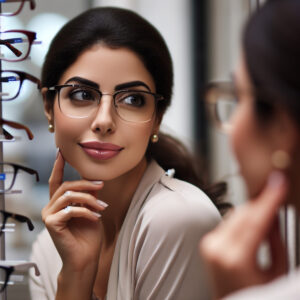
Can Farsightedness Improve with Age? A Comprehensive Guide
A Friendly Guide to Farsightedness
Farsightedness, or hyperopia as the pros call it, is a pretty common vision hiccup that can affect folks of all ages. Basically, it happens when your eye decides to focus images behind the retina instead of right on it, which makes stuff up close look a bit blurry, while things far away stay crystal clear. In our world filled with screens and books, this can definitely be a bit of a hassle.
Getting a handle on how farsightedness works and how it changes as we age is key if you want to keep your eyes in tip-top shape. In this easy-to-follow guide, we’ll tackle the big question: “Can farsightedness get better with age?” Plus, we’ll look at what shakes up our vision as we go through life.
What Exactly is Farsightedness and Why Does it Happen?
Farsightedness mainly pops up because of a short eyeball or a cornea that’s not quite curved enough. This little mismatch means light doesn’t hit the retina just right, leaving you with a less-than-stellar view for close-up work. Blame your genes for this one, as they usually have a big say in the development of hyperopia, and yep, it can be there from day one. But don’t forget, the way you live and your surroundings can nudge it along too.
Spotting the Symptoms and Getting Diagnosed
If you’re farsighted, you might find yourself struggling to focus on things up close, dealing with eye strain, headaches, or even squinting more than you’d like. These symptoms can sneak up on you, especially in younger people whose eyes can often compensate. To figure out what’s going on, you’ll need a thorough eye exam with an optometrist or ophthalmologist who will run a bunch of tests to check out your vision.
How Farsightedness Varies With Age
You’ll find farsightedness across all age brackets, but its presence shifts over time. Kids often have it, but it tends to ease off as they grow and their eyeballs stretch out. However, it might pop back up in adulthood, particularly when presbyopia comes into play. Knowing how these shifts happen can help you prepare for how your vision might change down the road.
Getting the Lowdown on Age-Related Vision Changes
What Happens to Our Eyes as We Get Older
As we age, lots of things change in our bodies, and our eyes are no different. The lens in our eye loses its flexibility, making it tougher to focus on close items—a condition known as presbyopia. This natural aging process can make existing farsightedness worse or bring new challenges for those who didn’t have it before.
Presbyopia vs. Farsightedness: What’s the Difference?
Both presbyopia and farsightedness mess with your near vision, but they come from different origins. Presbyopia is all about the lens getting stiffer, while farsightedness is about the eye’s shape. Knowing these differences is key because they call for different corrective measures. This understanding is crucial when making choices about your eye care as you age.
Aging and Eye Health: What’s the Connection?
Aging can affect more than just how well you see; it can impact your overall eye health. Issues like cataracts, glaucoma, and age-related macular degeneration become more common, potentially complicating any existing vision problems. Keeping up with regular eye exams is critical for catching these changes early and managing them effectively.
Is There a Silver Lining for Farsightedness as We Age?
What Science and Experts Say
Wondering if farsightedness can get better with age is a tough nut to crack. Some folks might see a drop in symptoms as they get older, but it’s not a sure thing for everyone. Some research hints that age-related changes, like the eyeball naturally elongating, might lead to slight improvements in hyperopia for some people. But these changes are pretty individual, and more studies are still needed.
What People Are Saying: Personal Stories and Cases
Apart from scientific research, personal stories add another layer to understanding how farsightedness might change over time. Some people notice their near vision gets better with age, while others find their symptoms stick around or even get worse. These personal tales really highlight how varied vision changes can be and why tailored eye care is so important.
Factors That Might Boost Vision Improvement
So, what influences whether farsightedness improves with age? A mix of genetics, lifestyle choices, and overall eye health all play a part. Taking a proactive approach to eye care—like eating well and protecting your eyes from strain—could help you achieve better visual outcomes as you age.
Natural Tips for Keeping Your Eyes in Good Shape
Eat Right for Better Vision
What you eat can have a big impact on your eye health. Foods rich in omega-3s, vitamins A, C, and E, and zinc can help keep your retina in good condition and fend off age-related damage. So, munching on leafy greens, fish, and nuts can be a great way to naturally support your eyesight in the long run.
Do Eye Exercises Work?
While eye exercises won’t fix farsightedness, they might help ease eye strain and make your vision more comfortable. Simple practices like focusing on distant objects, doing eye rotations, and relaxing your eyes can help improve how they function overall. Results vary, but these exercises are a low-risk option to support your visual health.
Small Lifestyle Tweaks for Healthier Eyes
Living a lifestyle that puts your eye health first is vital for keeping good vision as you age. Simple steps like taking breaks from screens, ensuring good lighting when reading, and wearing sunglasses to block UV rays can all make a difference. These habits, along with regular eye check-ups, are the backbone of effective eye care.
Exploring Medical and Surgical Fixes for Farsightedness
Corrective Lenses: The Basics
Glasses and contact lenses are the go-to solutions for farsightedness. They tweak how your eyes focus, making it easier to see things up close. Thanks to advances in lens tech, they’ve become more comfortable and tailored to meet various visual needs.
The Latest in Surgical Solutions
If you’re after something more long-lasting, surgical options like LASIK or PRK could be the answer. These surgeries reshape the cornea, helping light focus on the retina just right. They’re not for everyone, but with improvements in techniques, they’re becoming safer and more successful.
What’s New in Vision Correction Tech?
Vision correction technology is constantly evolving, with new treatments showing promise for tackling farsightedness. Innovations like corneal inlays and cutting-edge laser procedures are opening up new possibilities for better vision. Staying informed about these options can help you and your eye doctor make the best choices for your needs.
Clearing Up Myths About Farsightedness
Busting Common Myths
There are plenty of myths about farsightedness that can lead to confusion. A popular one is that reading in dim light worsens hyperopia, which isn’t true. It’s important to separate myth from reality to ensure you’re taking the right steps for your eye health.
Setting the Record Straight on Vision Improvement
Many believe that eye exercises can do away with the need for glasses, but that’s not quite the case. While exercises can support eye health, they can’t change the shape of your eye. Knowing what’s possible and what’s not is crucial for setting realistic expectations.
Where to Get Reliable Info
When you’re looking for info on farsightedness and eye care, make sure to turn to reliable sources. Chat with healthcare pros, check out reputable medical websites, and look at peer-reviewed studies for the most accurate insights. This way, you’re making decisions based on solid information.
Keeping Your Eyes Healthy as You Age
The Importance of Regular Eye Check-Ups
Routine eye exams are key to keeping your eyes healthy, especially as you get older. These visits help catch any changes or conditions early on. Your eye care provider can offer personalized advice based on your unique situation, helping you maintain good vision for the long haul.
Protecting Your Eyes as the Years Go By
As we age, taking extra steps to protect our eyes becomes crucial. Wearing UV-protective sunglasses, ensuring proper lighting, and managing screen time are all effective strategies. Plus, practicing good hygiene with contacts and staying updated on vaccines can help keep your vision safe.
Long-Term Vision Health Tips
Keeping your vision sharp over the long haul involves a mix of proactive care and healthy habits. Focus on a diet packed with eye-friendly nutrients, stay active, and steer clear of smoking to boost your overall well-being. By weaving these practices into your daily routine, you can help ensure your eyes remain healthy as you age.
Final Thoughts on Farsightedness
In wrapping up, farsightedness is a bit of a tricky condition with lots of moving parts, including age. Some folks may see their vision improve over time, but it’s not a given for everyone. Staying informed and proactive about eye care is your best bet for managing farsightedness and keeping your eyes healthy.
Remember, regular eye exams, a healthy lifestyle, and keeping up with the latest in vision care are your best friends in preserving your eyesight. By embracing these strategies, you’ll be ready to handle any changes in your vision as you age.
Ultimately, understanding farsightedness and how it relates to aging empowers you to take charge of your eye health, ensuring you enjoy clear vision for many years to come.
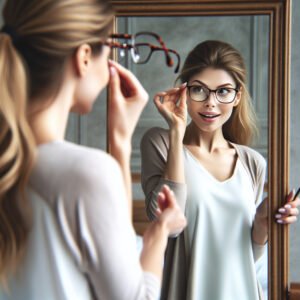
Can Eyesight Suddenly Improve? A Closer Look at Vision Enhancements
Getting to Know Vision Changes
Seeing the world in all its vivid colors and fine details is truly a gift. But, keeping our vision perfect isn’t something we can always count on. As we go through life, changes in our eyesight are pretty common. So, what happens if one morning you wake up and everything looks clearer than usual? Sounds intriguing, doesn’t it? In this post, we’re diving into the captivating world of vision changes, and we’re tackling the question: can your eyesight suddenly get better?
Why Vision Changes Are Just Part of Life
Seeing your vision fluctuate now and then is something many of us experience. Things like lighting, feeling tired, or even stress can temporarily blur our vision. Most times, these changes are fleeting and clear up on their own. But understanding these shifts is key to figuring out when a sudden improvement might happen.
Could Your Eyesight Get Better Overnight? Let’s Explore
Waking up with sharper vision might sound like a fairytale, but there are real situations where people notice unexpected improvements. It’s not the norm, but it’s definitely possible. These changes can be due to natural factors or medical conditions, and they’re worth delving into.
What Causes Changes in Vision?
Vision changes can come from all sorts of places. Whether it’s the environment, lifestyle choices, or health conditions, the reasons are as varied as they are many. Getting a handle on these causes can help identify what might cause sudden visual improvements.
Natural Reasons Your Eyesight Might Improve
Blood Sugar Levels Playing a Role
Your blood sugar can really affect how well you see. For those with diabetes, shifts in glucose can lead to vision changes. Interestingly, when blood sugar is better controlled, eyesight can clear up as the eyes adapt to these healthier levels.
How Hormones Can Affect Vision
Hormonal shifts, like those during pregnancy or menopause, can also play a role. These changes can alter fluid retention in the eyes, sometimes leading to clearer vision. It’s often temporary, but it shows how hormones and eyesight are linked in complex ways.
Giving Your Eyes a Break from Strain
With all the screen time these days, eye strain is a common issue. Spending hours in front of devices can leave eyes tired and strained. Cutting back on screen time and adopting good eye habits can lead some people to notice an improvement as their eyes get some much-needed rest.
Health Conditions That Might Boost Vision
How Cataracts Can Temporarily Improve Vision
Cataracts, which cloud the eye’s lens, often blur vision as we age. Interestingly, sometimes their development can temporarily sharpen near vision due to lens changes. But this benefit is usually short-lived as cataracts progress.
Changes in Vision with Presbyopia
Presbyopia, where the eye struggles to focus on close objects, can sometimes lead to better distance vision as refractive errors shift. While it might sound like a perk, it often means a trade-off in seeing things up close.
A Peek at Myopic Regression
Myopic regression is when nearsightedness decreases. It can happen naturally or due to certain treatments, leading to clearer distance vision for some, reducing reliance on glasses or contacts.
Habits That Could Boost Your Vision
Why Eating Right Matters
What you eat plays a big role in eye health. Diets rich in vitamins A, C, E, and minerals like zinc and omega-3s can support good vision. Leafy greens, carrots, and fish are known for their eye-friendly benefits, potentially improving eyesight over time.
Getting Moving for Your Eyes
Exercise benefits more than just your body; it helps your eyes too. Regular activity boosts blood circulation, delivering oxygen and nutrients to the eyes. This can support overall eye health and possibly enhance vision.
The Power of a Good Night’s Sleep
Never underestimate the power of rest. A good night’s sleep helps eyes recover from daily strain, leading to better visual performance. Well-rested eyes are better equipped to function at their best, so consistent sleep can lead to clearer vision.
Vision Therapy and Eye Exercises: What You Need to Know
Exploring Vision Therapy Techniques
Vision therapy involves exercises aimed at improving visual skills and processing. Techniques like convergence exercises and focus flexibility drills strengthen the eye-brain connection, potentially improving vision.
Real-Life Success Stories
Many find success with vision therapy, especially those with conditions like amblyopia or strabismus. While results can vary, these stories inspire hope for those looking for non-surgical vision improvements.
What to Keep in Mind
Vision therapy isn’t a quick fix. It requires dedication, and results differ based on the condition. Consulting an eye care professional is key to deciding if it’s the right path for you.
Technological and Surgical Options
Considering LASIK and Other Surgeries
Surgeries like LASIK offer a long-term fix for vision issues by reshaping the cornea. While it boasts high success, it’s vital to understand the risks and have thorough discussions with an eye surgeon.
What’s New in Contact Lenses
Contact lenses have evolved, offering better comfort and vision. Specialized lenses like multifocal ones provide enhancements without surgery.
Balancing Risks and Rewards
Technology and surgery have their perks, but also risks. It’s crucial to weigh these with an eye care professional’s guidance to make informed decisions.
Debunking Myths About Vision Improvement
Busting Common Myths
There’s plenty of misinformation about vision, like squinting harming eyes or glasses weakening them. It’s important to separate myth from reality using credible sources.
The Genetics of Vision
Genetics play a big role in eyesight, affecting conditions like myopia or astigmatism. While lifestyle impacts vision, understanding genetics offers insight into potential changes.
What to Know About Vision Supplements
Vision supplements claim to support eye health. While they may help certain conditions, it’s wise to approach them with caution and consult a professional.
Wrapping Up and Key Insights
Summing Up Vision Improvements
While it may seem rare, sudden eyesight improvements are possible. Understanding the factors behind these changes can help in making informed choices for eye health.
The Need for Regular Eye Exams
Regular check-ups are crucial for catching changes early. Routine visits to an eye care professional ensure you get tailored advice for maintaining good vision.
Seeking Professional Advice
Navigating eye health can be complex, so professional guidance is essential. Whether considering therapy, surgery, or lifestyle changes, an expert can help achieve and maintain optimal eyesight.

Can Eyesight Naturally Improve with Diet and Exercise? Here’s What You Need to Know
Getting Started with Natural Eyesight Improvement
When we’re juggling all the aspects of our health, our vision often gets left in the dust. But let’s face it, many of us are curious about whether we can actually sharpen our vision without always leaning on glasses or surgery. This post dives into how diet and exercise might play a role in naturally boosting your eyesight. If you’re ready to try a holistic route to better vision, keep reading for some insights and handy tips.
Grasping the Basics of Vision Health
Our eyes are like intricate machines, each part from the lens to the retina and optic nerve working together to keep things clear. Keeping these components in sync is key to good vision. Factors like your genes, how old you are, your daily habits, and even the environment can all sway your eye health. Getting a handle on these basics is your first step to checking out natural ways to perk up your eyesight.
A Look at Common Vision Problems
When we chat about vision issues, we usually mean things like nearsightedness, farsightedness, astigmatism, and presbyopia. These conditions are pretty widespread and often fixed with glasses, contacts, or surgery. But these fixes don’t always get to the heart of the problem. By understanding these common eye issues, you can appreciate why some folks look to natural methods for a little extra help with their eyesight.
The Idea of Natural Eyesight Enhancement
Improving eyesight naturally isn’t exactly a new concept. Many cultures have long trusted in the power of natural remedies and lifestyle tweaks to boost vision. And with today’s trend towards holistic health, this idea is sparking fresh interest. It’s important to keep an open mind but also a critical eye. Exploring how diet and exercise might support your eye health can be a promising path for those wanting to go the natural route.
Can Your Diet Really Sharpen Your Eyesight?
Essential Nutrients for Eye Health
What you eat can make a world of difference for your eye health. Vitamins like A, C, and E, plus minerals such as zinc, are known to be vision-friendly. Vitamin A is a must for maintaining a clear cornea, while vitamin C helps keep the blood vessels in your eyes happy. A diet packed with these nutrients can do wonders for preserving and even boosting your eye function.
Eye-Boosting Foods
Adding foods rich in essential vitamins and minerals to your plate can be a game-changer for your eyes. Leafy greens, like spinach and kale, are loaded with lutein and zeaxanthin—antioxidants that shield your eyes from harmful light. Meanwhile, carrots, sweet potatoes, and butternut squash are great sources of vitamin A, and citrus fruits along with berries are bursting with vitamin C. Mixing these into your meals supports your vision the natural way.
Antioxidants: Your Eyes’ Best Friends
Antioxidants are vital for fighting oxidative stress, which can lead to eye issues like cataracts and age-related macular degeneration. Compounds like beta-carotene, lutein, and zeaxanthin found in various fruits and veggies play a protective role in eye health. By filling your diet with antioxidant-rich foods, you’re not just looking after your eyesight; you’re boosting your overall health too.
The Role of Exercise in Eye Health
Why Exercise Matters for Your Eyes
Exercise is a key player in overall health, and yes, that includes your eyes. Regular activity boosts blood circulation, delivering more oxygen and nutrients to your eyes. This improved circulation helps keep the retina and other vital components of your eyes in top shape, hinting at a connection between staying active and clearer vision.
Benefits of Eye Exercises
While general exercise is great for your health, specific eye exercises can also help improve your eyesight. Techniques like focusing on objects near and far, palming, and rolling your eyes can ease strain and enhance focus. If you practice these regularly, they can help your eye muscles work better together and may even sharpen your vision.
How Heart Health Influences Your Vision
Your cardiovascular health is closely tied to your eye health. A healthy heart ensures your eyes get a steady supply of oxygen-rich blood, which is crucial for their optimal function. Poor cardiovascular health can lead to issues like diabetic retinopathy and glaucoma, so engaging in heart-healthy activities like walking, cycling, or swimming can also be good for your eyes.
Adopting Lifestyle Changes for Better Vision
Cutting Down on Screen Time
In our digital era, too much screen time is a common cause of eye strain and discomfort. Cutting back on how long you stare at screens can give your eyes the break they need, easing symptoms like dryness and irritation. Following the 20-20-20 rule—looking at something 20 feet away for 20 seconds every 20 minutes—can also help maintain your eye health.
The Power of a Good Night’s Sleep
Sleep is crucial for overall wellbeing, and your eyes are no exception. During sleep, your eyes get a chance to repair and rejuvenate, which is vital for keeping them in good working order. Not getting enough shut-eye can cause dry eyes, spasms, and blurred vision. So, prioritizing quality sleep can have a big impact on your eye health, ensuring they’re rested and ready for the day.
Keeping Stress in Check for Healthier Eyes
Stress is often overlooked when it comes to eye health, but it can have a negative impact. High stress levels can lead to eye strain and make conditions like glaucoma worse. Practicing stress-busting techniques such as meditation, yoga, or deep breathing can not only boost your mental health but also support your vision by easing the physical tension affecting your eyes.
The Science Behind Natural Eyesight Improvement
Research on Diet and Eye Health
Studies have shown that diets rich in vitamins and antioxidants can help lower the risk of certain eye diseases. For example, the Age-Related Eye Disease Study (AREDS) found that high doses of vitamins C and E, beta-carotene, and zinc could slow the progression of age-related macular degeneration. These findings highlight the potential power of dietary choices in supporting eye health.
Exercise and Vision: What the Research Says
While there’s less direct research on exercise and vision improvement, some studies suggest that physical activity can reduce the risk of eye diseases. Regular exercise has been linked to lower rates of glaucoma and diabetic retinopathy, likely because it helps manage blood pressure and cardiovascular health. This evidence backs up the idea that an active lifestyle can lead to better vision.
Understanding the Limits of Current Research
Despite some encouraging findings, it’s important to recognize that research on natural eyesight improvement has its limits. Many studies are observational, so they can’t establish a direct cause-and-effect link. Plus, individual outcomes can vary based on genetics, lifestyle, and existing conditions. So, while diet and exercise show promise, they should be part of a broader approach to eye health.
Real-Life Stories of Natural Vision Improvement
Diet-Driven Vision Success Stories
Many people have shared their personal stories of improved vision after changing their diets. Some report clearer vision and less eye strain after adding more leafy greens and omega-3s to their meals. While these accounts are anecdotal, they offer hope and inspiration for those aiming to boost their eyesight naturally.
Exercise and Vision: Personal Triumphs
There are plenty of success stories from folks who have noticed vision improvements thanks to regular exercise. From better focus and less eye strain to a keener perception of colors, these testimonials highlight the potential benefits of staying active for eye health. These stories emphasize the importance of sticking with it to see results.
Key Takeaways from Those Who’ve Made Progress
Those who have successfully improved their eyesight naturally often share some common threads: dedication, patience, and a holistic approach. They stress the importance of combining diet, exercise, and lifestyle changes rather than relying on just one method. These lessons remind us that while natural improvement is possible, it takes a commitment to making a full range of lifestyle adjustments.
Tips for Putting Changes into Action
Crafting a Vision-Boosting Meal Plan
If you want to support your eye health through diet, consider creating a meal plan packed with vision-friendly nutrients. Go for a variety of colorful fruits and veggies, whole grains, lean proteins, and healthy fats. And don’t forget to stay hydrated—drinking enough water is crucial for keeping your eyes moist and functioning well.
Setting Up a Routine for Eye Exercises
Adding eye exercises to your daily routine can be simple and effective. Start with a few minutes each day, doing exercises like palming or focusing on distant objects. As you get more comfortable, gradually increase the time and variety of exercises to keep your routine manageable and consistent.
Incorporating Eye-Healthy Habits into Everyday Life
Small changes can make a big impact on your eye health. Cut down on screen time, take frequent breaks, and ensure proper lighting when working or reading. Wearing sunglasses to shield against UV rays and following the 20-20-20 rule can also help keep your eyes in great condition.
Wrapping Up: Final Thoughts
While there’s no one-size-fits-all answer to whether eyesight can improve naturally, exploring diet and exercise as potential pathways holds promise for many. A holistic approach, combining nutrition, physical activity, and lifestyle changes, can support eye health and may lead to noticeable improvements in vision. As you embark on this journey, remember that consistency and patience are key. Embrace these natural methods, and you’ll be on your way to maintaining and potentially enhancing your eyesight for years to come.
Armed with these insights and tips, you’re ready to take charge of your vision health. Here’s to seeing the world with clarity and confidence!

Can Eyesight Improve Without Glasses? Eye Exercises and Lifestyle Changes
Introduction: Can You Really Boost Your Eyesight Without Glasses?
For a lot of us, the thought of sharpening our vision without glasses feels like wishful thinking. Aren’t glasses and contacts the usual fix for vision woes? Yet, there’s a buzz around natural techniques that claim to improve eyesight without leaning on corrective lenses. So, is it possible to enhance your vision without glasses? Let’s explore this intriguing subject.
Getting to Know Natural Vision Improvement
The concept of natural vision improvement is based on the idea that with certain habits and lifestyle tweaks, you can boost your eyesight. While it might sound a bit out there, supporters believe the right methods can make a real difference. It’s not just about seeing better; it’s about nurturing your overall eye health.
A Look at Eye Health and Vision Issues
Our eyes, much like the rest of our body, need some TLC. Vision issues can range from common ones like nearsightedness and farsightedness to more serious conditions such as macular degeneration. Getting to grips with these problems is the first step toward managing and possibly improving them without always reaching for glasses.
The Need for a Holistic Strategy
Enhancing eyesight naturally isn’t a matter of quick fixes or magic solutions; it’s about embracing a holistic approach that covers all bases of eye health. This means eye exercises, lifestyle shifts, good nutrition, and even managing stress. By tackling these aspects, you can create an environment where your eyes can really excel.
The Science of Vision and Eye Health
How Our Eyes Work: A Brief Overview
Our eyes are intricate organs made up of parts like the cornea, lens, retina, and optic nerve, each playing a vital role in how we process what we see. Light enters the eye, gets bent by the cornea and lens, and focuses on the retina, where photoreceptor cells turn it into signals sent to the brain. Any hiccup in this process can lead to vision issues.
What Causes Vision to Decline?
There are many reasons why our vision might start to slip, including getting older, too much screen time, poor diet, and harmful UV exposure. Plus, health conditions like diabetes and high blood pressure can take a toll on eye health. Knowing these causes is key to figuring out how to prevent and possibly reverse vision problems.
Genetics vs. Lifestyle: What Matters More?
Sure, genetics play a part in our eye health, but lifestyle choices can be just as, if not more, impactful. Poor habits can worsen genetic tendencies, but good ones can soften their blow. By focusing on lifestyle changes, many people can improve their eye health, regardless of their genetic makeup.
Eye Exercises: Do They Really Work?
Different Eye Exercises and Their Perks
Eye exercises aim to fortify eye muscles, sharpen focus, and ease eye strain. Popular exercises include looking at distant objects, palming (covering eyes with your palms), and rotating your eyes. Over time, these exercises can help ease tension and boost visual sharpness, especially with regular practice.
Is There Proof That Eye Exercises Help?
The scientific verdict on eye exercises is mixed, but some studies and personal stories hint at benefits. For instance, exercises that help you relax and reduce eye strain might relieve digital eye strain symptoms, a common issue in our screen-heavy world. Like any exercise plan, sticking with it is crucial to seeing improvements.
Fitting Eye Exercises Into Your Daily Life
Adding eye exercises to your daily routine doesn’t have to be a hassle. Simple things like taking breaks from screens, focusing on faraway objects, and doing palming can easily slot into your day. Setting reminders and making eye care a priority can help these exercises become a natural part of your routine.
Lifestyle Tweaks for Better Vision Naturally
The Role of a Nutritious Diet in Eye Health
A balanced diet is crucial for keeping your eyes in top shape. Foods loaded with vitamins A, C, and E, omega-3 fatty acids, and antioxidants can shield your eyes from damage and support good vision. Eating plenty of leafy greens, fish, nuts, and colorful fruits can really make a difference in supporting your eyesight.
Handling Screen Time and Digital Eye Strain
In today’s tech-driven world, managing how much time you spend on screens is more important than ever. Too much screen time can cause digital eye strain, bringing headaches, dry eyes, and blurry vision. Following the 20-20-20 rule—taking a 20-second break to look at something 20 feet away every 20 minutes—can help ease these issues.
How Physical Activity Affects Vision
Staying active isn’t just good for your body; it’s great for your eyes too. Exercise boosts blood flow, which means more oxygen and nutrients get to your eyes. Activities like walking, yoga, or swimming can benefit both your body and your vision.
Exploring Alternative Vision Therapies
The Bates Method: Separating Fact from Fiction
The Bates Method, created by Dr. William Bates, is a well-known alternative vision therapy focusing on relaxation and exercises to improve eyesight. However, while some say they see benefits, the lack of scientific support and potential risks have made some health experts skeptical.
What is Vision Therapy and Who Can It Help?
Vision therapy is a set of visual activities designed to boost visual skills and processing. It can be particularly helpful for people with specific issues like lazy eye or trouble with eye coordination. Guided by an eye care professional, vision therapy aims to enhance visual abilities and comfort.
Other Alternative Practices for Eye Care
Besides the Bates Method and vision therapy, there are other holistic eye health practices like acupuncture, yoga for the eyes, and relaxation techniques. While these may not replace traditional treatments, they can be a great addition to a comprehensive eye care routine.
The Role of Nutrition in Eye Health
Key Vitamins and Nutrients for Your Eyes
Nutrients play an essential role in keeping your vision sharp. Vitamin A is crucial for seeing at night, while vitamins C and E help protect your eyes from free radicals. Omega-3 fatty acids, found in fish, are vital for retinal health. A diet rich in these nutrients can greatly benefit your eye health.
Dietary Choices for Better Vision
Adding certain foods to your diet can support your eye health. Carrots, packed with beta-carotene, are great for your vision. Leafy greens like spinach and kale provide lutein and zeaxanthin, antioxidants that shield your eyes. Plus, fatty fish like salmon are fantastic sources of omega-3s, helping overall eye function.
Do You Need Supplements for Eye Health?
While eating a balanced diet is the best way to get the nutrients you need, supplements can help if you’re not getting enough from food alone. But, it’s crucial to check with a healthcare provider before starting any supplements, as too much of certain vitamins can be harmful.
Separating Myths from Facts About Natural Eyesight Improvement
Busting Myths About Vision Improvement
There are plenty of myths about natural vision improvement out there. Whether it’s the belief that squinting ruins your eyes or that exercises can make glasses obsolete overnight, it’s important to know what’s true and what’s not. Understanding these myths can help you set realistic goals for vision improvement.
Using Science to Debunk Myths
Science helps clear up a lot of the misconceptions about eyesight improvement. For example, while eye exercises might ease strain, they’re unlikely to fix refractive errors like myopia. Instead, a mix of lifestyle changes, proper eye care, and professional advice is your best bet for maintaining healthy vision.
What to Expect from Natural Vision Improvement
Boosting your eyesight without glasses is a slow journey that demands patience and dedication. While you might improve comfort and reduce strain, big changes in your prescription strength are rare without corrective measures. Focusing on eye health through lifestyle and diet changes can support your vision for the long haul.
Wrapping Up: Can You Really Improve Your Eyesight Without Glasses?
Key Takeaways
To wrap things up, while enhancing your eyesight without glasses is complex, it’s not entirely off the table. By zeroing in on eye exercises, lifestyle tweaks, and nutritional support, you can promote better eye health and maybe even sharpen your vision. But, it’s crucial to keep your expectations realistic and prioritize your overall well-being.
Embracing a Holistic Eye Health Approach
Taking a holistic approach to eye health means looking at all areas of your lifestyle. By embracing eye-friendly habits, eating a balanced diet, and staying active, you can create a nurturing space for your eyes. Remember, little changes can make a big difference over time.
Final Thoughts on Your Vision Journey
Embarking on a journey to naturally improve your eyesight takes commitment and an open mind. While glasses and contacts remain crucial for many, exploring natural methods can complement traditional approaches, giving you a fuller picture of eye care. Keep learning, stay proactive, and take charge of your eye health journey.