
Can I Heal My Eyesight on a Budget? Affordable Ways to Improve Vision
Introduction
Ever found yourself wondering, “Is there a way to improve my eyesight without emptying my wallet?” With our increasing screen time and digital demands, it’s no wonder our eyes often pay the price, urging us to look for budget-friendly ways to boost our vision. While a full restoration might be out of reach, there are plenty of wallet-friendly tricks to help keep your eyes healthy and happy.
In this post, we’ll dive into affordable methods that can really make a difference in how well you see. From simple lifestyle changes to natural remedies, let’s uncover how you can take care of your eyes without breaking the bank.
Understanding the Question: Can I Heal My Eyesight?
When we talk about “healing your eyesight,” it can mean different things to different folks. Some might want to rely less on glasses, while others are focused on stopping their vision from getting worse. The truth is, while we can’t always completely fix certain eye issues, we can definitely take steps to support and enhance our vision.
Having realistic expectations is key—it’s often about keeping your eyes healthy and preventing future problems. By making smart lifestyle choices, tweaking your diet, and keeping up with regular eye check-ups, you can work towards better vision.
Overview of Budget-Friendly Vision Improvement Methods
Boosting your eyesight doesn’t have to cost a fortune. There are loads of affordable options, from what you eat to simple exercises. These methods don’t just enhance your vision but also promote overall eye health.
In the upcoming sections, we’ll explore different strategies that are easy on the pocket. Whether it’s adopting a healthier eating plan, adding eye exercises to your routine, or finding cost-effective eyewear solutions, there’s something for everyone looking to improve their eyesight without spending a ton.
Eye Health Basics
Importance of Regular Eye Exams
One of the most important steps in keeping your eyes in top shape is regular eye exams. These check-ups can catch issues early on, often before you even notice them. Early detection can prevent problems from getting worse and might save you money in the long haul.
Try to see an optometrist at least every two years, or more often if you notice discomfort or changes in your vision. Many clinics offer discounts or accept insurance, making this step more affordable than you might think.
Understanding Common Vision Problems
Common eye issues like nearsightedness, farsightedness, and astigmatism can often be managed with corrective lenses or other treatments. Knowing about these conditions is the first step to figuring out how to handle them. Sometimes, just a few lifestyle changes can ease symptoms and improve your quality of life.
If you’re dealing with frequent headaches or eye strain, it might be worth checking if they’re linked to an undiagnosed vision problem. Catching things early is crucial to prevent more serious issues down the line.
Diet and Nutrition for Better Eyesight
We’ve all heard that what you eat affects how you see. A diet full of fruits, veggies, and omega-3 fatty acids can do wonders for your eyes. Foods like carrots, spinach, and fish are packed with nutrients that support eye health.
Adding these to your diet doesn’t have to be pricey. Local markets and seasonal produce often have these items at lower prices, making it easier to keep your meals eye-friendly.
Lifestyle Changes to Enhance Vision
Reducing Screen Time and Digital Eye Strain
In our tech-driven world, our eyes are glued to screens, which can lead to digital eye strain. Cutting back on screen time can really help ease this discomfort. Try the 20-20-20 rule—every 20 minutes, look away from your screen at something 20 feet away for at least 20 seconds—it works wonders.
You can also tweak your screen settings to reduce glare and use apps that remind you to take breaks. These small adjustments can protect your eyes without costing a penny.
Benefits of Regular Eye Exercises
Just like the rest of your body, your eyes benefit from regular exercise. Simple eye exercises can improve flexibility and stamina. Techniques like focusing on different distances or rolling your eyes can be done anytime, anywhere, and are completely free.
Making these exercises part of your daily routine can help reduce eye strain and boost overall eye health. Consistency is key, so try setting aside a few minutes each day for these activities.
Importance of Adequate Sleep for Eye Health
Don’t underestimate the power of a good night’s sleep. Getting enough rest is crucial for your body to repair and rejuvenate, including your eyes. Sleep helps keep your eyes functioning well and can prevent issues like dry eyes and fatigue.
Setting up a regular sleep routine can be a simple yet effective way to support your vision. Aim for 7-9 hours of quality sleep each night to give your eyes the break they deserve.
Nutrition and Supplements
Key Vitamins and Nutrients for Eye Health
Certain vitamins and nutrients are vital for eye health. Vitamins A, C, and E, along with minerals like zinc and antioxidants such as lutein and zeaxanthin, are particularly beneficial. These nutrients help maintain good vision and can even slow the progression of some eye conditions.
Getting these into your diet can be as easy as enjoying a variety of colorful fruits and veggies. Think leafy greens, citrus fruits, and nuts—all packed with these essential nutrients.
Affordable Foods to Improve Vision
Eating for your eyes doesn’t have to be costly. Plenty of affordable foods are rich in the nutrients needed for healthy vision. Carrots, sweet potatoes, and bell peppers are great sources of vitamin A. Eggs, especially the yolks, are loaded with lutein and zeaxanthin.
Watch for sales or buy in bulk to save money on these items. Cooking at home can also help cut costs while ensuring you’re getting the best nutrition for your eyes.
Considering Budget-Friendly Supplements
If it’s tough to get all the necessary nutrients from your diet alone, supplements can be a helpful option. Many affordable supplements provide essential vitamins and minerals for eye health. Just be sure to choose reputable brands and check with a healthcare provider to make sure they’re right for you.
Supplements can be a cost-effective addition to your eye care routine, especially if you’re finding it hard to eat enough nutrient-rich foods every day.
Natural Remedies and Exercises
Palming and Eye Relaxation Techniques
Palming is a simple relaxation technique that can help relieve eye strain. To do it, rub your hands together to create warmth, then gently cup your palms over your closed eyes without pressing down. This exercise allows your eyes to rest and can be done whenever you feel tired.
Adding such relaxation techniques to your daily routine can help reduce stress on your eyes and promote better vision over time.
Eye Yoga for Improved Vision
Eye yoga includes exercises aimed at strengthening and relaxing the eye muscles. Practicing eye yoga can enhance blood circulation and focus, potentially leading to better vision. Movements like rapid blinking, shifting your gaze, and focusing on distant objects can all be part of this practice.
Try dedicating a few minutes each day to eye yoga—it’s a natural, cost-free way to support your vision health.
Affordable Vision Therapy Tools
There are several affordable tools available for vision therapy. Items like pinhole glasses or eye massage rollers can provide relief and support eye exercises. These tools can be found online or at local stores and are generally inexpensive.
Using these tools regularly can complement your exercise routine and contribute to maintaining healthy eyesight.
Cost-Effective Eyewear Solutions
Choosing the Right Budget-Friendly Glasses
Finding affordable yet effective eyewear is crucial for those who need corrective lenses. Consider online retailers that offer competitive prices on prescription glasses. Many of these platforms provide try-on features and satisfaction guarantees, helping you find the perfect pair without overspending.
Keep an eye out for sales, discounts, or clearance items to get the best deals on eyewear.
Exploring Affordable Contact Lens Options
If you prefer contact lenses, there are many budget-friendly options out there. Buying in bulk or choosing subscription services can often lead to big savings. Plus, generic or store-brand lenses are often just as effective as their branded counterparts.
Talk to your optometrist for recommendations on affordable yet safe contact lens options that work for you.
Utilizing Insurance and Discount Programs
If you have vision insurance, make sure you’re getting all the benefits, including discounts on eyewear and contact lenses. Many insurance plans cover annual eye exams, which can help catch issues early. Also, check out discount programs or memberships that offer reduced rates on vision care products and services.
Being proactive about using these resources can lead to significant savings over time.
DIY and Home Remedies
Herbal Remedies for Eye Health
Herbal remedies have long been used to promote eye health. Herbs like bilberry, ginkgo biloba, and turmeric are believed to support vision. You can enjoy them in teas, supplements, or as part of your meals.
While not a substitute for medical treatments, herbal remedies can offer a gentle, complementary approach to eye care.
Homemade Eye Drops and Compresses
DIY eye drops and compresses can offer relief from dryness and irritation. A simple saline solution can be made at home to cleanse and soothe your eyes. Compresses made from chamomile or green tea bags can also provide comfort and reduce puffiness.
These remedies are not only easy to make but also cost-effective, using ingredients you might already have in your kitchen.
Vision Apps and Online Resources
In this digital age, there are tons of apps and online resources designed to support eye health. Many of these apps offer eye exercises, relaxation techniques, and reminders to take breaks from screens. They can be a handy tool to incorporate into your daily routine.
Most of these apps are free or available at a low cost, making them an accessible option for anyone looking to improve their eyesight.
Conclusion
So, is it possible to improve your eyesight on a budget? While complete healing might not be in the cards for everyone, there are plenty of affordable ways to boost and maintain your vision health. From changing up your diet to tweaking your lifestyle, these budget-friendly strategies can truly make a difference.
Remember, taking proactive steps toward better eye care doesn’t have to cost a fortune. Dive into these budget-friendly options and take charge of your eye health today.
Here’s to clearer vision and a healthier future!

Can I Fix My Vision Without Surgery? Alternatives to Consider
Exploring Alternatives to Improve Your Vision
Ever found yourself wondering, “Can I improve my vision without going under the knife?” Well, you’re not alone. While LASIK and other surgeries are quite popular, they’re not the only game in town. There’s a whole world of non-surgical options out there that might just do the trick for you. Whether you’re dealing with nearsightedness, farsightedness, or other vision hiccups, these alternatives could help you make smarter choices about your eye health.
Getting to Know Vision Problems
Before jumping into solutions, it’s a good idea to understand the basics of vision issues. Common problems like myopia, hyperopia, and astigmatism happen when light isn’t refracted properly by the eye, making things look blurry. These issues can stem from genetics, age, or even your daily habits. Pinpointing the root cause of your vision trouble is the first step to tackling it head-on.
Is Natural Vision Improvement Possible?
Many of us are curious whether natural remedies can actually help restore vision. While there’s no magic fix, certain lifestyle tweaks can boost eye health and potentially sharpen your vision. From tweaking your diet to trying out specific exercises, these approaches focus on keeping your eyes in tip-top shape. Just remember, while they might help, they’re not a guaranteed substitute for glasses or medical treatments.
The Value of Regular Eye Check-Ups
Regular eye exams are a must for keeping your eyes healthy and catching issues early on. A professional eye exam can give you an accurate read on your vision and suggest the right steps to take. These check-ups are important not just for those with vision problems but also for anyone with a family history of eye issues. By staying on top of your exams, you can address any changes in your vision promptly.
Making Lifestyle Changes for Better Vision
The Role of Nutrition in Eye Health
What you eat can have a big impact on your eyes. A diet packed with vitamins and minerals like A, C, E, and zinc can do wonders for your eye health. Think leafy greens, carrots, and omega-3 rich fish—they’re great picks. Adding these to your meals can help ward off age-related vision problems and keep your eyes working well overall.
Boosting Vision with Eye Exercises
Believe it or not, just like you can work out your muscles, your eyes can benefit from a little exercise too. Techniques like focusing exercises, palming, and the 20-20-20 rule can help ease eye strain and improve focus. While they won’t cure refractive errors, these exercises can make your eyes more comfortable and less tired, especially if you’re glued to a screen all day.
Keeping Screen Time in Check
In today’s digital world, managing screen time is more crucial than ever. Staring at screens for too long can lead to digital eye strain, which brings on dryness, irritation, and blurred vision. Taking regular breaks, using the right lighting, and setting screens at a good distance can help ease these effects. These habits not only keep your eyes comfy but also protect them in the long run.
Exploring Corrective Lenses: Glasses and Contacts
Why Prescription Glasses Are a Solid Choice
Prescription glasses are still a tried-and-true way to fix vision issues. They’re simple to use, need little upkeep, and can be customized to address various refractive errors. Plus, with modern designs, glasses are more stylish and comfy than ever, making them a popular pick for many.
The Perks of Wearing Contact Lenses
If glasses aren’t your thing, contact lenses offer a handy alternative. They give you a wider field of view and are perfect for those with an active lifestyle. You can find contacts in different types, from daily disposables to ones you can wear for longer, so you can pick what suits you best. Just remember, keeping them clean and handling them properly is key to avoiding infections and maintaining eye health.
Finding What Works Best for You
Choosing between glasses and contacts often boils down to personal taste and lifestyle. Think about what feels comfortable, what’s convenient, and what fits your budget. Chatting with an optometrist can give you valuable insights and help you make the best choice for your vision correction needs.
Advanced Non-Surgical Treatments to Consider
Ortho-K Lenses: A Unique Vision Correction Option
Ortho-K lenses are a special option for those wanting to enhance vision without surgery. These lenses are worn overnight to temporarily reshape the cornea, giving you clear vision during the day. They’re especially effective for folks with mild to moderate myopia, reducing the need for daytime corrective lenses.
The Benefits of Vision Therapy
Vision therapy is a tailored program aimed at improving visual skills and processing. Through a series of exercises, it targets issues like lazy eye, convergence insufficiency, and other binocular vision problems. While often used for kids, adults can benefit too, enhancing overall visual performance and comfort.
Scleral Lenses: A Solution for Complex Vision Needs
Scleral lenses are larger, gas-permeable contacts that sit on the white part of your eye, providing a smooth optical surface. They’re especially useful for those with irregular corneas or severe dry eye, offering better comfort and sharper vision. Their stable fit makes them a great choice for complex vision correction needs.
Embracing Technology in Vision Care
Tackling Digital Eye Strain
As tech evolves, so do the ways we tackle digital eye strain. Specialized computer glasses with anti-reflective coatings can cut down glare and ease strain during screen time. Plus, there are apps that remind you to take breaks and adjust your screen settings, helping you keep your eyes healthy in our tech-driven world.
Shielding Your Eyes from Blue Light
With digital devices everywhere, blue light exposure is a growing concern. Blue light filtering glasses and screen protectors are designed to cut down on this exposure, potentially improving sleep and eye health. These options are particularly handy for those who spend a lot of time in front of screens, adding an extra layer of protection for sensitive eyes.
Considering Holistic and Alternative Eye Care Approaches
Exploring Acupuncture for Eye Benefits
Acupuncture, a practice from traditional Chinese medicine, is sometimes considered for its potential eye health benefits. Some say it can boost circulation around the eyes and ease stress-related vision issues. While scientific backing is limited, some people find relief, making it worth considering for those interested in holistic options.
Herbal Supplements and Eye Health
Herbal supplements like bilberry and ginkgo biloba are often praised for their potential eye health perks. They claim to improve blood flow and reduce oxidative stress on the eyes. However, it’s vital to talk with a healthcare provider before starting any supplement to ensure it fits well with your overall health plan.
Mindfulness and Maintaining Clear Vision
Mindfulness practices, including meditation and relaxation techniques, can contribute to maintaining clear vision. By cutting down stress and encouraging relaxation, these practices might indirectly support eye health. Adding mindfulness to your routine can be a simple yet effective way to boost overall well-being and potentially benefit your eyes.
Sorting Fact from Fiction in Vision Correction
Busting Vision Correction Myths
There are plenty of myths about vision correction, like the idea that wearing glasses can worsen your eyesight or that eating carrots will fix all your vision woes. It’s important to separate fact from fiction to make informed decisions about your eye health. Understanding these myths helps set realistic expectations and guides you in choosing the right vision correction methods.
Knowing the Limits of Non-Surgical Options
While non-surgical methods can bring significant improvements, they do have limits. These approaches might not completely eliminate the need for corrective lenses, especially for severe vision issues. It’s crucial to have realistic expectations and understand that while non-surgical alternatives can boost vision, they may not replace medical interventions or corrective lenses entirely for everyone.
Wrapping Up: Choosing What’s Best for Your Vision
Assessing Your Vision Correction Choices
When you’re thinking about improving your vision, it’s important to weigh all the options. From lifestyle tweaks to advanced treatments, each comes with its own set of benefits and challenges. Balancing these against your individual needs and lifestyle can point you toward the best solution for your eye health.
Seeking Guidance from Eye Care Experts
At the end of the day, consulting with eye care experts is key to making informed choices about your vision. An optometrist or ophthalmologist can provide personalized advice, helping you pick the most suitable path for your vision needs. By teaming up with a trusted professional, you can tackle the ins and outs of vision correction with confidence and clarity.
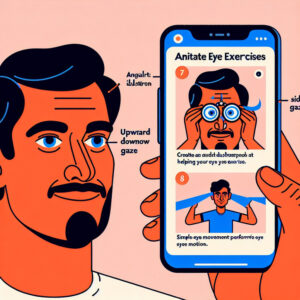
Can I Fix My Eyesight Without Surgery? Discovering Non-Invasive Options
Getting Started with Non-Surgical Vision Improvement
In today’s tech-driven world, where we’re glued to screens more than ever, taking care of our eyes is super important. If you’re dealing with vision problems, you might be asking yourself, “Is there a way to improve my eyesight without going under the knife?” Well, you’re in luck! There are plenty of non-invasive ways out there to help enhance your vision. These range from tweaking your daily habits to trying out innovative therapies that naturally boost your eyesight.
Getting to the Bottom of Vision Issues
Vision problems can pop up for a bunch of reasons, like genetics, aging, or straining your eyes too much. Millions of people worldwide deal with common issues like nearsightedness, farsightedness, and astigmatism. Figuring out what’s causing your vision woes is key when looking at non-surgical options. By pinpointing the root cause, you can find an approach that fits your lifestyle and needs perfectly.
Why Non-Invasive Solutions Are So Attractive
The thought of improving your eyesight without surgery is really appealing for many. Non-invasive options usually come with fewer risks, almost no downtime, and often cost less. Whether you’re making lifestyle adjustments, trying therapy, or using cutting-edge eyewear, the idea is to find something that blends into your routine while keeping your eyes healthy in the long run.
Your Guide to Fixing Eyesight Without Surgery
With a ton of choices out there, it’s important to dive into the various non-surgical ways to boost your vision. From simple lifestyle tweaks to the latest tech, these alternatives offer hope for those wanting to see better naturally. Let’s explore these options and see how each can help you view the world with clearer eyes.
Simple Lifestyle Tweaks for Healthier Eyes
You don’t always need to go to extremes to improve your vision. Sometimes, just making a few lifestyle changes can make a big difference. Focusing on what you eat, getting enough rest, and protecting your eyes can set them up to work their best.
Eating Right for Your Eyes
What you eat plays a big role in keeping your eyes healthy. A balanced diet loaded with vitamins and minerals, like vitamins A, C, E, and zinc, can help fend off or slow common vision issues. Foods like carrots, leafy greens, fish, and nuts are great for your eyes. Adding these to your meals gives your eyes the nutrients they need to stay strong.
The Need for Rest and Good Sleep
Your eyes need rest just like the rest of your body does. Getting enough sleep and taking regular breaks from screens can cut down on eye strain and fatigue. Making sure you rest enough lets your eyes recover from daily stress. Try the 20-20-20 rule—every 20 minutes, take a 20-second break to look at something 20 feet away—to ease the strain.
Keeping Your Eyes Safe
Protecting your eyes from harmful stuff is key to keeping your vision in check. Wear sunglasses that block UV rays, use protective eyewear when needed, and cut down on screen glare to keep your eyes healthy. Also, make sure you have good lighting and keep a safe distance from digital screens to avoid unnecessary strain.
Vision Therapy and Eye Workouts
Vision therapy and eye exercises aim to boost your eyes’ performance and efficiency. These techniques can be especially helpful for those looking to improve their vision without surgery.
What’s Vision Therapy All About?
Vision therapy is a personalized set of exercises and activities that target specific vision problems. Guided by an eye care pro, this therapy works on eye coordination, tracking, and focus. It’s like physical therapy, but for your eyes, helping them get stronger and work better together.
Eye Exercises You Can Try
Eye exercises are a straightforward way to boost your vision. Techniques like palming, focusing on near and far objects, and eye rotations can make your eyes more flexible and strong. You can do these exercises anywhere, making them an easy addition to your routine. With regular practice, you might notice better clarity and endurance in your vision.
Real-Life Success Stories
There are loads of success stories from people who’ve improved their vision through therapy and exercises. From kids reading better to adults seeing more clearly, these non-surgical methods have changed lives. Case studies show that with dedication and regular practice, significant improvements are within reach, offering hope to many seeking alternatives.
Corrective Lenses and Cutting-Edge Eyewear
While lifestyle changes and exercises help, corrective lenses are still a go-to for fast vision fixes. Tech advancements have made them more effective and comfy than ever.
The Classic Choice: Glasses
Glasses have been the go-to for vision correction for ages. They’re a simple fix for refractive errors like nearsightedness and farsightedness. With tons of styles and lens options, glasses can be personalized to suit your needs and style, offering a practical and fashionable fix.
Switching to Contact Lenses
Contacts are a popular alternative, offering a broader field of view and convenience. Available in various types, like daily or extended wear, they can address specific issues. Contacts give a natural look while correcting vision, making them a favorite for those wanting a less noticeable option.
New Eyewear Tech on the Horizon
Innovations are shaking up the world of vision correction lenses. From blue light blocking to smart glasses with adjustable focus, the choices are growing. These advances not only sharpen vision but also boost comfort and eye health. Keeping up with these trends can help you pick the best eyewear for your needs.
Exploring Advanced Non-Invasive Treatments
For those looking beyond glasses, several advanced non-invasive treatments show promise for reshaping and enhancing vision.
Reshape Your Vision with Ortho-K
Orthokeratology, or Ortho-K, involves wearing specially designed contact lenses overnight to gently reshape your cornea. This temporary fix gives you clear vision during the day without glasses or contacts. It’s perfect for those with mild to moderate myopia, offering a non-surgical way to better vision without permanent changes.
The Potential of Low-Level Laser Therapy
Low-level laser therapy is a new treatment aimed at boosting cell regeneration and eye health. Though still being studied, it shows promise in treating certain issues by promoting healing and reducing inflammation. As research continues, it might become a viable non-invasive option.
Discovering Light Therapy Benefits
Light therapy uses specific wavelengths to improve visual function and overall eye health. By targeting eye cell mitochondria, it boosts energy production and cuts oxidative stress. While more studies are needed, early results look promising, suggesting another path for non-surgical vision enhancement.
Digital Tools and Apps for Eye Training
In our tech-savvy era, digital tools provide handy methods for eye training and vision improvement. Various apps and gadgets complement traditional methods, making eye care more engaging and accessible.
Must-Try Vision Improvement Apps
Vision improvement apps offer exercises and activities to boost eye strength and flexibility. Popular ones guide you through eye exercises, track your progress, and give personalized tips. These tools make eye care a fun, interactive part of your daily routine.
Tech’s Role in Vision Training
Technology enhances modern vision training by offering real-time feedback and custom programs. These digital aids make traditional training more efficient and personalized. By leveraging tech, you can achieve better results quicker.
Picking the Right App
When choosing a vision improvement app, consider user reviews, ease of use, and content credibility. Look for apps offering a holistic approach, addressing various eye health aspects with scientifically-backed exercises. The right app can make your training more effective and enjoyable.
Embracing Natural and Holistic Methods
If you’re drawn to natural remedies, several holistic approaches prioritize balance and overall well-being for eye health.
Boosting Eye Health with Herbal Supplements
Supplements like bilberry, ginkgo biloba, and omega-3s are known for supporting eye health. They can enhance vision by improving blood flow and delivering essential nutrients. But always check with a healthcare provider before starting any new supplement routine to ensure it’s safe and effective.
Yoga and Meditation for Eye Ease
Yoga and meditation can help ease eye strain and promote relaxation. Specific yoga poses that boost blood flow to the eyes, along with meditation focused on eye relaxation, can improve vision health. Plus, they foster a sense of calm and mindfulness, boosting overall well-being.
Traditional Remedies and Acupuncture
Acupuncture and traditional remedies have long been used to tackle various ailments, including vision issues. By targeting certain pressure points, acupuncture can enhance circulation and relieve tension around the eyes. While results vary, many find these traditional methods beneficial when combined with other eye care practices.
Wrapping It Up: Weighing Your Choices
With so many non-surgical options out there, improving your eyesight without surgery is definitely doable. Each method has its own perks and possible downsides, so it’s important to think about what suits you best. Non-invasive methods can be effective, but knowing their limits and consulting an eye care professional when needed is crucial. By making informed choices, you can take steps towards better eye health and clearer vision.
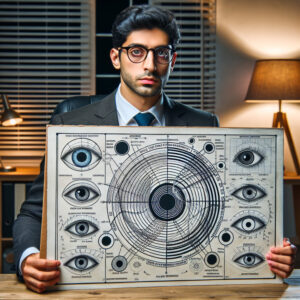
Can I Fix My Eyesight Naturally? Discover Effective Techniques
Exploring Natural Ways to Improve Your Eyesight
Ever found yourself asking, “Can I improve my eyesight naturally?” You’re definitely not the only one. A lot of folks are on the lookout for alternatives to glasses or contacts, hoping to boost their vision without going under the knife. The concept of enhancing eyesight through natural means is pretty fascinating and has caught a lot of attention over time. While these methods aren’t a substitute for professional eye care, they can certainly support maintaining and possibly even improving your eye health. In this post, we’re diving into different strategies that could help you see the world more clearly, without relying solely on corrective lenses.
Can You Really Improve Your Eyesight Naturally?
Wondering if you can fix your eyesight naturally is a complex issue and depends on several factors, such as the type and severity of your vision problem. While natural methods can bolster eye health and might improve certain conditions, they aren’t likely to fully correct severe vision issues. It’s important to approach natural vision improvement with realistic expectations and a willingness to practice regularly.
Diving into Common Vision Issues
Before jumping into natural remedies, it’s crucial to get a handle on the common vision issues people often face. Conditions like myopia (nearsightedness), hyperopia (farsightedness), astigmatism, and presbyopia are widespread and impact millions across the globe. Each comes with its own set of characteristics and might respond differently to natural interventions. Knowing your specific vision issue will help you tailor your eye care approach.
Why Eye Health and Natural Remedies Matter
Keeping your eyes in tip-top shape is vital for overall well-being. Your eyesight influences everyday activities, and neglecting it can lead to discomfort and long-term health problems. Natural remedies, which include exercises, diet, and lifestyle tweaks, can provide substantial support. These methods aim to nourish and relax your eyes, encouraging better vision and reducing strain. By weaving natural practices into your daily routine, you can boost your eye health and potentially enhance vision quality over time.
Eye Exercises to Sharpen Your Vision
Eye exercises are among the easiest and most accessible ways to promote better vision. They can help ease eye muscle tension, improve focus, and cut down on strain. With regular practice, these exercises can lead to noticeable enhancements in eye comfort and flexibility.
Relaxing with the Palming Technique
The palming technique is a relaxation exercise designed to soothe your eyes and lower stress levels. To try it out, rub your hands together to create warmth, then gently cover your closed eyes with your palms without applying pressure. Picture darkness and let your eyes unwind. This technique is handy anywhere and particularly useful after long stints in front of screens.
Battling Digital Eye Strain with the 20-20-20 Rule
In our digital world, eye strain from too much screen time is a common complaint. The 20-20-20 rule offers a simple fix: every 20 minutes, take a 20-second break to look at something 20 feet away. This practice helps ease eye fatigue and encourages regular breaks from screens, bolstering your overall eye health.
Eye Rolling for More Flexible Eyes
Eye rolling is an exercise that boosts the flexibility of eye muscles. Sit comfortably and slowly roll your eyes in a circular motion. Do a few rounds clockwise, then switch to counterclockwise. This gentle exercise can improve muscle tone and help your eyes feel more relaxed and flexible.
The Role of Nutrition and Diet in Eye Health
Your diet is a key player in keeping your eyes healthy and strong. Certain nutrients are essential for maintaining vision and warding off eye-related diseases. By incorporating eye-friendly foods into your meals, you can naturally support your vision.
Key Vitamins and Minerals for Healthy Eyes
Vitamins A, C, E, along with minerals like zinc and omega-3 fatty acids, are crucial for eye health. Vitamin A helps keep the cornea clear, while vitamins C and E shield against oxidative damage. Zinc supports enzyme functions critical to eye health, and omega-3s lower the risk of dry eyes and macular degeneration. A balanced intake of these nutrients can enhance and protect your vision.
Foods That Boost Eye Health
Bringing foods rich in essential vitamins and minerals into your diet can naturally improve eye health. Leafy greens like spinach and kale, carrots, sweet potatoes, and fatty fish such as salmon are fantastic options. These foods offer antioxidants that protect the eyes from damage and support overall vision health. Mixing a variety of these foods into your diet can aid in better eyesight.
The Importance of Staying Hydrated for Your Eyes
Keeping hydrated is key to healthy eyes. Dehydration can lead to dry eyes, discomfort, and reduced tear production. Drinking enough water throughout the day ensures your eyes stay moist and function at their best. It’s a simple yet effective way to support eye health as part of a natural vision enhancement plan.
Adopting Lifestyle Changes for Better Eye Health
Beyond exercises and diet, your lifestyle plays a significant role in eye health. Making thoughtful changes can ease strain and foster better vision.
Cutting Down Screen Time and Blue Light Exposure
Too much screen time exposes your eyes to harmful blue light, which can lead to strain and discomfort. Cutting back on screen time and using blue light filters on devices can lessen these effects. Additionally, taking regular breaks and maintaining good posture while using screens can further safeguard your eyes.
The Sleep Factor in Vision Enhancement
Getting enough sleep is vital for overall health, including your eyes. During sleep, your eyes recuperate from daily strain and repair damage. Ensuring you get enough restful sleep each night helps keep your eyes functioning optimally and lowers the risk of vision issues. Establishing a regular sleep schedule can greatly benefit your eyesight.
Embracing Outdoor Activities and Regular Breaks
Spending time outdoors and taking regular breaks from close-up tasks can improve your vision. Natural light and distance viewing help reduce eye strain and encourage relaxation. Engaging in outdoor activities, like walking or playing sports, prompts your eyes to focus on various distances, supporting their flexibility and health.
Mind-Body Techniques for Enhancing Vision
Mind-body practices can complement physical exercises and lifestyle changes, providing more comprehensive support for your vision.
Yoga’s Benefits for Eye Health
Yoga offers numerous benefits for eye health, including stress reduction and improved circulation. Specific yoga poses and breathing exercises can enhance oxygen flow to the eyes, fostering relaxation and reducing strain. Adding yoga to your routine can support both your physical and visual health.
How Meditation Helps Reduce Eye Strain
Meditation focuses on calming the mind and reducing stress, which can indirectly benefit your eyes. By meditating regularly, you can alleviate tension in the eye muscles and improve overall eye comfort. Making time for meditation can be a powerful tool on your journey to naturally improving your vision.
Herbal and Natural Supplements: A Word of Caution
Some herbal remedies and supplements might offer extra support for eye health. However, it’s important to approach them cautiously and seek professional advice.
Popular Herbal Remedies for Eye Health
Herbs like bilberry, ginkgo biloba, and eyebright have been traditionally used to support vision health. These herbs are thought to enhance circulation and reduce oxidative stress in the eyes. While some folks find them helpful, it’s crucial to consult with a healthcare provider before starting any herbal regimen.
Consulting Professionals Before Trying Supplements
Before adding supplements or herbal remedies to your routine, it’s crucial to talk to a healthcare professional. They can guide you on appropriate dosages and ensure there are no interactions with other medications you may be taking. Getting personalized advice is key to safely and effectively exploring these natural options.
Sorting Fact from Fiction in Natural Vision Improvement
There are plenty of myths out there about natural vision improvement. Understanding them can help set realistic expectations.
Busting Myths: Can You Really Fix Your Eyesight Naturally?
A common myth is that natural methods can fully correct severe vision problems like high myopia. While these techniques can support eye health, they aren’t a cure-all. It’s important to see natural remedies as complementary to professional care rather than replacements.
Recognizing the Limits of Natural Methods
Natural methods can boost eye health and potentially improve mild vision issues, but they have their limits. They can’t replace corrective lenses or surgery for significant impairments. Being aware of these limitations ensures a balanced approach to eye care.
Wrapping Up: Final Thoughts on Natural Vision Improvement
In conclusion, while you might not be able to completely fix your eyesight naturally, various techniques can support and enhance your vision. From eye exercises and proper nutrition to lifestyle changes and mind-body practices, a holistic approach to eye care can lead to noticeable improvements. Remember, it’s essential to combine these natural methods with regular professional eye check-ups to ensure comprehensive eye health.
Embracing a holistic approach to eye care can empower you to take charge of your vision health. By making small, consistent changes, you can support your eyesight and enjoy clearer, more comfortable vision.

Can I Fix My Blurry Vision with Diet? Foods That Improve Eye Health
Introduction: Getting to Know Blurry Vision
Blurry vision isn’t just a pesky annoyance—it might be your eyes’ way of saying something’s not right. Sure, it can come and go, but if it sticks around, it’s time to pay attention. This can happen to anyone, young or old, and it really messes with your routine activities like reading or driving. You might be asking, “Can changing my diet help fix blurry vision?” Let’s dive into this interesting question by looking at what causes blurry vision and how what you eat might play a role.
What’s Behind Blurry Vision?
Blurry vision can pop up due to all sorts of reasons, from simple issues like needing glasses to more serious stuff like cataracts or macular degeneration. It might also be the result of eye strain, dry eyes, or even health problems like diabetes. Figuring out the reason behind it is key to knowing what to do next. Sometimes, tweaking your lifestyle, including what you eat, can make a big difference.
How Diet Affects Eye Health
What you eat is crucial for your overall health, and keeping your eyes in top shape is no different. Certain nutrients are known to boost eye health and might help tackle issues like blurry vision. Eating a nutrient-rich diet could even help keep your eyes sharp and your vision clear. But can you really rely on diet alone to fix blurry vision? Let’s take a closer look.
Fixing Blurry Vision the Natural Way?
While you can’t expect diet to solve every type of blurry vision, it can definitely help improve your eye health. Lack of certain nutrients can make vision problems worse, so addressing these through diet can lead to noticeable improvements. Just remember, it’s best to have realistic expectations and pair dietary changes with other healthy habits for the best possible results.
Key Nutrients for Eye Health
Vitamin A: The Vision Hero
Vitamin A is a must-have for keeping your vision sharp. It’s vital for forming rhodopsin, a protein that helps you see in low light. Without enough of it, you might find yourself struggling with night blindness and other vision woes, making it an essential part of any eye-healthy diet.
Omega-3s: Keeping Eyes Comfortable
Omega-3 fatty acids aren’t just great for your heart—they’re also important for your eyes. These healthy fats help keep your eyes’ tear film in good shape, which can ward off dry eyes and potentially prevent blurry vision. Adding omega-3 rich foods like fish to your meals can be beneficial.
Antioxidants: Guarding Against Damage
Antioxidants such as vitamins C and E, plus minerals like zinc, protect your eyes from free radicals, which can cause oxidative stress and damage eye tissue. Eating foods loaded with antioxidants can help shield your eyes from age-related wear and tear.
Diet’s Role in Tackling Blurry Vision
The Power of a Balanced Diet
A well-rounded diet loaded with essential nutrients is a boon for eye health and can sharpen your vision. Regularly eating fruits, veggies, and healthy fats supplies the vitamins and minerals needed to fend off vision issues. While diet alone might not fix poor vision, it’s a key part of a comprehensive approach to eye care.
Real-Life Wins: Diet and Better Vision
Plenty of folks have seen their vision improve after changing their diet. These stories often involve eating more nutrient-rich foods, cutting back on processed stuff, and staying hydrated. Although these tales aren’t a substitute for scientific proof, they do show the potential perks of dietary changes.
Dietary Changes: Not a Cure-All
It’s crucial to recognize that diet has its limits when it comes to correcting vision. A healthy diet supports eye health but can’t replace glasses or medical treatments for certain conditions. Always get advice from an eye care professional to find the best approach for your vision needs.
Eye-Boosting Foods
Leafy Greens: Nutrient Dynamos
Leafy greens like spinach and kale are chock-full of lutein and zeaxanthin, antioxidants that shield your eyes from harmful light and oxidative stress. Adding these greens to your diet can give your eye health a substantial boost.
Fish and Omega-3 Rich Foods
Fish, particularly fatty types like salmon and mackerel, are top-notch sources of omega-3 fatty acids. Eating fish regularly can help maintain a healthy tear film and prevent dry eyes, contributing to clearer vision.
Colorful Fruits and Veggies
Brightly colored fruits and veggies—think carrots, bell peppers, and oranges—are packed with vitamins A and C. These nutrients are vital for keeping your eyes healthy and might even enhance your vision over time.
Superfoods for Superior Eye Health
Carrots and Beta-Carotene Benefits
Carrots are famous for their beta-carotene, which your body converts into Vitamin A. This nutrient is crucial for good vision, especially in dim lighting. Snacking on carrots is a tasty way to support your eye health.
Nuts and Seeds: Nutrient-Packed Munchies
Nuts and seeds, like almonds and flaxseeds, are rich in omega-3s and vitamin E. These nutrients help cut down on inflammation and protect your eyes from age-related damage. Adding a handful of these snacks to your day can do wonders.
Eggs: An Unexpected Eye Health Champion
Eggs are packed with lutein, zeaxanthin, and zinc, all of which help lower the risk of macular degeneration. Including eggs in your breakfast can be an easy, effective way to boost your eye health.
Enhancing Vision Through Lifestyle Changes
Cutting Down on Screen Time
Spending too much time staring at screens can lead to digital eye strain and blurry vision. Taking regular breaks, following the 20-20-20 rule, and adjusting your screen’s brightness can help ease these effects and support better vision.
Regular Eye Exams and Expert Guidance
Routine eye check-ups are a must for keeping your eyes in great shape. They help spot issues early and guide you on the best steps to take. Pair these exams with dietary changes for a full-on approach to improving your vision.
Pairing Diet with Other Healthy Practices
To get the most bang for your buck, combine healthy eating with habits like regular exercise, good sleep, and staying hydrated. These lifestyle choices work together to boost your overall and eye health.
Common Questions Answered
How Quickly Will I See Results from Dietary Changes?
The time it takes to notice vision improvements from dietary changes can differ. Some people see benefits in a few weeks, while for others, it might take months. Staying consistent and combining diet with other health practices can enhance outcomes.
Are Supplements a Good Backup Plan?
Supplements can help, especially if you find it hard to get certain nutrients from food. However, it’s best to get these nutrients from whole foods first. Talk to a healthcare provider before starting any supplements.
What Are the Myths About Diet and Vision?
A widespread myth is that diet alone can fix all vision problems. While it’s vital for eye health, it can’t replace medical treatments for specific conditions. A balanced strategy is necessary for the best results.
Wrapping Up: The Road to Better Vision
Key Takeaways
Eating a diet rich in nutrients is a powerful move towards keeping your eyes healthy and your vision clear. While it may not completely fix blurry vision, it supports eye function and helps prevent further decline.
Motivation for a Healthier Lifestyle
Adopt a holistic approach to health by combining dietary changes with other lifestyle tweaks. Regular exercise, less screen time, and consistent eye exams contribute to a healthier life and sharper vision.
Final Words on Diet and Vision
Diet alone isn’t a magic solution, but it’s a cornerstone of good eye health. By making smart dietary choices and embracing healthy habits, you can nurture your vision and see the world more clearly.

Can I Correct My Vision Naturally? Proven Methods That Work
Getting Started with Natural Vision Correction
Let’s face it, we’re glued to our screens these days, and many are on the hunt for ways to sharpen their vision without turning to glasses or surgery. The big question is, “Can I really improve my vision naturally?” Sure, it’s not always a walk in the park, but there are some intriguing methods worth exploring. In this post, we’ll dive into different techniques to boost your eye health and, just maybe, improve your eyesight the natural way.
Grasping the Basics of Vision Health
Seeing isn’t just about having 20/20 vision; it’s a complex dance between your eyes, brain, and the pathways that connect them. True vision health means keeping your eyes in top shape so they work their magic effectively. To get there, you need a holistic game plan that includes regular eye check-ups, a balanced diet, and some smart lifestyle tweaks.
A Look at Natural Methods
There are quite a few natural vision correction strategies out there. Think eye exercises, diet tweaks, and stress-busting techniques. While some folks see positive changes, remember that results can vary greatly depending on your unique situation and the root of your vision struggles.
The Value of Caring for Your Eyes
Your eyes are invaluable, so keeping them in good shape should be at the top of your list. Regular eye care helps fend off vision problems and can even catch other health issues early. Using natural methods doesn’t mean ditching professional help. Instead, it’s about adding a natural twist to your routine to boost your overall eye health.
Exploring Natural Vision Correction: The Basics
The Science of Natural Vision Improvement
Natural vision improvement taps into the idea that our eyes, just like the rest of our body, can thrive with exercise and the right nutrients. Though the scientific backing varies, some studies hint that eye exercises and a better diet might improve vision by strengthening eye muscles and boosting blood flow to the eyes.
Debunking Common Myths
There’s no shortage of myths when it comes to natural vision correction. Take the belief that glasses weaken your eyes—totally false! Glasses or contacts simply fix refractive errors. It’s crucial to base your approach on solid facts rather than getting caught up in baseless claims.
Keeping Expectations Real
Natural methods can certainly help eye health, but it’s important to keep your expectations in check. Major vision improvements might not be in the cards for everyone, especially with severe or inherited issues. Still, many find benefits like less eye strain and clearer vision with some dedication.
Effective Eye Exercises for Natural Vision Correction
Palming and Relaxation Techniques
Palming is a straightforward and effective way to relax your eyes. By gently covering your eyes with your palms, you block out light, letting your eyes chill out. This can ease strain and bring a sense of calm. Make it a habit to take regular breaks for palming during your day, and you might just see a difference.
Focusing and Refocusing Drills
Focusing exercises help train your eyes to shift between distances, which is great if you’re glued to screens all day. A simple drill involves holding a finger close to your face, then shifting focus to a distant object. This boosts the flexibility and strength of your eye muscles.
Eye Movement and Muscle Strength
Exercises that get your eyes moving can sharpen your sight. Easy activities like rolling your eyes in circles or tracing an imaginary figure-eight can strengthen the muscles around your eyes. With regular practice, you can improve eye coordination and cut down on fatigue.
Nutritional Strategies to Boost Vision Naturally
Key Vitamins and Nutrients for Eye Health
What you eat plays a huge role in keeping your eyes healthy. Vitamins A, C, and E, plus minerals like zinc, are crucial. These nutrients fend off harmful free radicals and can slow age-related vision issues.
Superfoods for Better Eyesight
Adding superfoods to your diet is a win for your eyes. Foods loaded with omega-3s, like salmon and flaxseeds, along with leafy greens like spinach and kale, pack a punch for eye health. Berries, carrots, and nuts are also great for a vision-friendly diet.
The Role of Hydration
Staying hydrated is key for your eyes. Dehydration can lead to dry eyes, causing discomfort and blurry vision. Drinking plenty of water throughout the day helps keep your eyes moist and functioning well.
Lifestyle Tweaks for Natural Vision Improvement
Cutting Down on Screen Time
With all the screen time we rack up, it’s crucial to manage it to lessen digital eye strain. The 20-20-20 rule—looking at something 20 feet away for 20 seconds every 20 minutes—can help ease eye fatigue and keep your vision in check.
The Power of Good Sleep
Quality sleep is vital for your eyes. During sleep, your eyes get a fresh supply of nutrients and moisture. Getting enough rest each night reduces eye strain risk and boosts overall health.
Managing Stress for Healthier Eyes
Stress can impact your whole body, eyes included. High stress can lead to eye twitching and blurred vision. Weaving relaxation techniques like yoga and meditation into your routine can help manage stress and support eye health.
Exploring Alternative Therapies for Vision Correction
Acupuncture’s Role in Vision Health
Acupuncture, an age-old Chinese practice, is believed by some to enhance vision by boosting energy flow and circulation around the eyes. Though more research is needed, some people report benefits from mixing acupuncture into their eye care routine.
A Peek into the Bates Method
The Bates Method, crafted by Dr. William Bates, includes exercises aimed at natural vision improvement. It focuses on relaxation and eye exercises to reduce strain and enhance clarity. While not universally accepted, some have found success with this approach.
The Perks of Vision Therapy
Vision therapy is a tailored program featuring eye exercises and activities to boost visual skills. Conducted with professional guidance, it can be a boon for those facing specific visual challenges, helping them process visual info more effectively.
Tracking Progress and Knowing When to Seek Help
Keeping Tabs on Vision Changes
Tracking your progress is key when working on natural vision correction. Keeping a journal of any changes in your vision, along with exercises or diet shifts, can help you see what’s working and tweak as needed.
Spotting Signs of Eye Strain
Being alert to eye strain symptoms is crucial for keeping your vision healthy. Don’t ignore headaches, blurry vision, or dry eyes. Tackling these signs quickly can prevent further issues.
When to Consult Eye Care Experts
While natural methods can help, regular check-ins with eye care pros are important. They offer guidance tailored to your needs and help you understand the best steps for optimal vision health.
Wrapping Up: A Holistic Vision Health Approach
In wrapping up, while not everyone can achieve perfect vision without corrective help, a holistic approach can make a big difference. Combining natural methods like exercises, nutrition, lifestyle tweaks, and alternative therapies can effectively support your vision journey. Remember, consistency is key, and with dedication, you can make a noticeable difference. Here’s to seeing the world more clearly!

Can I Correct My Eyesight with Glasses or Contacts? Choosing the Right Option
Getting Started with Correcting Your Eyesight
Every day, countless people grab their glasses or pop in their contact lenses to see clearly. If you’ve ever wondered, “Can I improve my eyesight?” you’re not alone, and the choices can feel a bit daunting. It’s important to get a handle on your options, especially with so many eyewear choices out there today. This guide is here to help you navigate the differences between glasses and contacts so you can pick what’s best for your lifestyle and needs.
Getting to Know Vision Issues
Before jumping into ways to correct your vision, it’s helpful to understand what vision problems are all about. Common issues like nearsightedness, farsightedness, and astigmatism usually occur because of how light focuses inside the eye. These refractive errors can make your vision blurry, complicating everyday tasks. While these conditions are common, they’re also quite manageable with the right corrective solutions.
How Eyewear Helps Fix Vision
Eyewear acts like a bridge to clearer vision by fixing the eye’s light-focusing problems. By wearing glasses or contacts, you can improve how you see, letting you take part in activities that might otherwise be tough. But how do these tools really work? Let’s take a closer look at how glasses and contacts can enhance your eyesight.
Can Glasses Help Fix My Eyesight?
How Glasses Work to Correct Vision
Glasses work by bending the light that enters your eyes so it lands right on the retina, correcting refractive errors and giving you clearer vision. With properly prescribed lenses, glasses can address both simple and more complicated vision issues, providing a straightforward fix for many.
Why Choose Glasses?
Picking glasses has its perks. They’re simple to use, require little upkeep, and you can easily put them on or take them off. Plus, they shield your eyes from things like dust and wind. And for those who enjoy a fashion statement, glasses are a great way to show off your personal style with different frames.
Various Kinds of Prescription Glasses
There’s a wide variety when it comes to prescription glasses. Single-vision lenses focus on one type of vision, either near or far. Bifocal and progressive lenses are great for those needing multiple vision corrections in one pair. Then there are specialized lenses like photochromic or blue-light blockers that cater to specific needs, boosting both function and comfort.
Looking into Contact Lenses for Better Sight
How Contacts Enhance Vision
Contact lenses sit right on the surface of your eye, offering a broader field of vision than glasses. Since they move with your eyes, contacts provide a more natural visual experience without the frame in your line of sight. They work similarly to glasses by changing light refraction to effectively address various vision issues.
Perks of Using Contact Lenses
For those with active lifestyles, contact lenses can be a real game-changer. They don’t fog up or slide down your nose during activities. Plus, they allow you to wear non-prescription sunglasses or protective goggles. Contacts also offer an unobstructed view, which is especially handy in sports or situations where peripheral vision is key.
Different Varieties of Contact Lenses
The realm of contact lenses is quite diverse. Soft lenses are often chosen for their comfort and flexibility, while rigid gas permeable lenses deliver sharper vision for certain conditions. Daily disposables are all about convenience, whereas extended wear lenses can be left in overnight. Each type has its unique advantages, catering to various lifestyle and vision needs.
Weighing Glasses Against Contacts for Vision Correction
Considerations for Convenience and Lifestyle
When deciding between glasses and contacts, think about your daily routine and activities. Glasses are perfect for those who appreciate ease and minimal maintenance. On the flip side, contacts might be ideal for folks with an active lifestyle or those who aren’t fans of wearing frames. Your choice largely depends on what fits smoothly into your day-to-day life.
Thinking About Cost and Maintenance
The cost of eyewear is another important factor. While glasses might hit your wallet harder upfront, they often last longer with good care. Contacts need to be purchased regularly, especially if you go for daily disposables. Maintenance varies too; glasses need occasional cleaning, while contacts require strict hygiene to ward off infections.
Health and Safety Considerations
Both glasses and contacts come with health considerations. Glasses pose minimal risk, but contact lenses demand diligent care to avoid eye infections. Anyone opting for contacts should follow the cleaning and usage guidelines closely. It’s also worth noting that some eye conditions might make wearing contacts tricky or unsuitable.
Picking the Best Option for Your Eyesight
Getting Advice from an Eye Care Professional
The best way to figure out the right choice for your eyesight is by consulting an eye care professional. They can evaluate your specific vision needs, lifestyle, and preferences, steering you toward the most suitable corrective option. Regular check-ups ensure your prescription is correct and your eyes remain healthy.
Considering Personal Preferences and Lifestyle
Your personal preferences and lifestyle play a big role in your decision. Think about what feels more comfortable and practical in your everyday life. Whether you prioritize convenience, style, or functionality, there’s an option that fits your unique requirements.
Allowing Time for Trial and Adjustment
It’s crucial to remember that getting used to new eyewear takes time. Whether you’re switching to glasses or contacts, give yourself a trial period to adjust. This lets you see how the correction fits into your routine and ensures you make a confident choice.
Busting Common Myths about Eyesight Correction
Do Glasses or Contacts Cure Vision Problems?
There’s a common myth that glasses or contacts can permanently fix vision problems. While they’re great at managing refractive errors, they don’t change the eye’s physical structure. So, wearing glasses or contacts regularly ensures optimal vision but doesn’t eliminate the underlying condition.
Do Glasses Affect Eye Health?
Some folks think that wearing glasses might weaken their eyes over time. In reality, glasses don’t negatively impact eye health. They provide the necessary correction, helping you see clearly without straining. Keeping your prescription up-to-date is key to maintaining good eye health.
Extra Tips for Keeping Your Eyes Healthy
Regular Eye Check-Ups
Frequent eye exams are vital for spotting changes in vision and overall eye health. These visits help update prescriptions and catch potential issues early. Eye exams are recommended at least every two years, or more often if your optometrist advises.
Shielding Eyes from Strain and Damage
In today’s digital world, our eyes often face strain. Adopting habits like the 20-20-20 rule can ease discomfort. Plus, wearing sunglasses outdoors shields your eyes from harmful UV rays, reducing the risk of damage over time.
Considerations on Nutrition and Lifestyle
Nutrition plays a key role in eye health. A diet rich in vitamins A, C, and E, along with omega-3 fatty acids, supports eye function. Avoid smoking and manage chronic conditions like diabetes to prevent vision-related complications.
Wrapping Up: Making a Thoughtful Choice
Recap of Key Points
In a nutshell, both glasses and contact lenses are effective in correcting eyesight, each offering unique benefits. Consider your lifestyle, budget, and comfort preferences when making your choice. Consulting with an eye care professional is invaluable in this decision-making process.
Encouragement to Explore Your Options
Ultimately, the path to better vision is personal. Explore your options, be open to trying different solutions, and prioritize what works best for you. With the right choice, you can enjoy clearer vision and a higher quality of life.

Can Hand Eye Coordination Be Improved? Expert Tips and Strategies
Getting to Grips with Hand-Eye Coordination
Hand-eye coordination is one of those fascinating skills we often don’t think twice about. It’s what lets us do everything from catching a ball to strumming a guitar. Ever stopped to wonder how this works, or if you can actually get better at it? Well, let’s dive into the world of hand-eye coordination, see why it matters, and check out some tips and tricks to sharpen this crucial ability.
What is Hand-Eye Coordination All About?
At its heart, hand-eye coordination is all about syncing up what your eyes see with what your hands do. Your brain’s got to be quick on the uptake, turning visual cues into actions. Whether you’re tapping away on a keyboard or threading a needle, this skill is your best friend. It starts developing when we’re just babies exploring our world and keeps evolving as we grow up.
Why Does Hand-Eye Coordination Matter?
Hand-eye coordination is a big deal, going beyond just being a useful skill. It’s key to our everyday lives, affecting everything from schoolwork to sports prowess. Good coordination can speed up your reaction times, make you more precise, and even give your brain a boost. For jobs like surgery or flying a plane, where precision is non-negotiable, top-notch coordination is a must. Knowing its value can motivate us to keep improving this skill over a lifetime.
Can You Boost Your Hand-Eye Coordination?
Looking at the Possibilities
Here’s the good news: hand-eye coordination isn’t set in stone. You can definitely get better at it with some practice and a bit of dedication. Like any other skill, it improves over time with focused exercises. Whether you’re looking to up your game in sports or just get through your daily tasks more smoothly, there are plenty of ways to work on it.
Perks of Better Coordination
Improving your hand-eye coordination comes with a heap of benefits. It can make you a better athlete, help you pick up new skills quicker, and even spark your creativity. For kids, it’s crucial for hitting developmental milestones, and for adults, it keeps the mind sharp as we age. By putting in the effort to boost this skill, you’ll notice improvements in both personal and professional aspects of your life.
Exercises to Boost Hand-Eye Coordination
Easy Daily Exercises
Adding some simple exercises to your daily routine can do wonders for your hand-eye coordination. Try juggling, playing catch, or even messing around with a yo-yo. These not only work your visual and motor skills but also make it fun. Plus, activities requiring precision, like threading a needle or building with small blocks, can be super helpful too.
Sports and Activities to Consider
Getting involved in sports is one of the best ways to ramp up your hand-eye coordination. Games like tennis, basketball, and table tennis demand quick visual processing and spot-on hand movements, making them great choices. Even relaxing activities like archery or darts can polish your coordination skills. The trick is to pick challenges that push your current abilities, helping you improve.
Embracing Technology and Video Games
Believe it or not, certain video games can be a blessing for your hand-eye coordination. Games that need quick reflexes and precise moves, like action or rhythm games, can hone your skills. Virtual reality (VR) also offers immersive ways to practice coordination. While it’s important not to overdo it, these digital tools can be a fun and effective part of your coordination toolkit.
Brainy Strategies for Better Coordination
Mindfulness and Focus Techniques
Hand-eye coordination isn’t just about the physical side; mental strategies are key too. Techniques like mindfulness or meditation can boost your concentration and awareness, crucial for coordination. Practicing deep breathing and staying in the moment during tasks can help you maintain focus, leading to more precise actions.
Visualization and Mental Practice
Visualization is a handy tool, used by athletes and pros to up their game. Mentally rehearsing a task preps your brain for the real deal, improving coordination. Before you dive into an activity, spend a few moments picturing yourself nailing it. This mental workout creates pathways in your brain that make the physical execution smoother.
Nutrition and Lifestyle Choices
Eating Right for Brain Health
Your diet can have a big impact on your brain health, and by extension, your hand-eye coordination. Eating balanced meals rich in omega-3s, antioxidants, and vitamins supports brain function. Foods like salmon, blueberries, and leafy greens are packed with the nutrients you need to stay sharp. And don’t forget to stay hydrated, as dehydration can mess with your cognitive performance.
The Power of Sleep and Rest
Never overlook the importance of a good night’s sleep. Plenty of rest is essential for cognitive functions, including coordination. During sleep, your brain processes the day’s information and repairs itself, gearing up for tomorrow’s challenges. Aim for 7-9 hours of quality sleep every night to keep your coordination skills in tip-top shape.
Getting Professional Help and Using Tools
Consulting Occupational Therapists
Looking for personalized strategies to boost your hand-eye coordination? An occupational therapist could be just what you need. These pros can assess your skills and create exercises tailored to your needs. Whether you’re recovering from an injury or just want to get better, occupational therapy provides a structured path to reaching your goals.
Trying Out Specialized Equipment
There are plenty of tools and gadgets out there designed to improve hand-eye coordination. From balance boards to training kits, these can spice up your practice routine. Specialized equipment is especially helpful if you’re aiming to enhance coordination for specific tasks or sports. Find options that fit your interests and goals to keep things fresh and effective.
Keeping Track and Setting Goals
Tracking Your Progress
Monitoring your progress is key to staying motivated and tweaking your practice routine as needed. Consider keeping a journal or using apps to log your activities and track improvements. Regular reviews can give you insights into what’s working, helping you refine your approach.
Setting Realistic Goals
Setting clear, achievable goals is crucial for keeping up the momentum in your coordination journey. Start with small, manageable objectives and gradually aim higher as you get better. This method not only boosts confidence but also ensures steady progress. Remember, improvement takes time and patience, so celebrate each milestone along the way.
Wrapping Up
Summing Up Key Approaches
Improving hand-eye coordination is not only doable but also incredibly rewarding. By mixing physical exercises, mental strategies, and lifestyle tweaks, you can significantly boost this essential skill. From simple everyday activities to more structured professional help, there’s a whole range of methods to try.
Encouragement and Next Steps
As you set out to enhance your hand-eye coordination, remember that consistency is key. Be patient and persistent, and don’t hesitate to reach out for professional advice if needed. The benefits of better coordination go beyond just the physical, enriching your life in many ways. So, take that first step today and watch your skills blossom over time.

Can Glasses Strengthen Your Eyes? Separating Fact from Fiction
Introduction: What’s the Deal with Glasses?
Glasses have been around for ages, working wonders for folks who don’t have perfect vision. But what are they really doing for your eyes? And can they actually make your eyes stronger? This question often pops up when people chat about eye health. Let’s explore what glasses are all about and clear up some common myths.
How Glasses Help Fix Your Vision
At their core, glasses are crafted to tackle refractive errors like nearsightedness, farsightedness, and astigmatism. They work by bending light to focus images right on the retina, giving you a clearer view of the world. Think of glasses as a tool that helps your eyes do what they can’t naturally manage on their own.
Misunderstandings About Glasses
There’s a lot of chatter out there about glasses. Some folks think wearing glasses makes your eyes weaker, or that skipping them might actually improve your vision. Neither is true. Glasses don’t change your eyes physically—they just help correct your vision.
Why Some Think Glasses Can Boost Eye Strength
So, why do some people believe glasses can make your eyes stronger? This idea usually comes from personal stories where people notice their vision seems better with glasses on. But really, that’s just the glasses fixing refractive errors, not strengthening the eyes themselves.
Do Glasses Make Your Eyes Stronger? The Science Behind It
What Lenses Actually Do
To get the science behind glasses, we need to talk about lenses. Lenses are made to redirect light waves, helping focus images properly on the retina. They don’t work out or build up the eye’s strength; they make up for its shortcomings.
How Glasses Fix Refractive Errors
Glasses fix refractive errors by tweaking how light enters the eye. For those with nearsightedness, concave lenses help spread out light rays. On the flip side, farsighted folks need convex lenses to bring light rays together. This precise science allows people to see clearly without changing the eye’s physical structure.
Do Glasses Affect Eye Muscles?
People often wonder if glasses affect the muscles in the eye. While they don’t directly beef up these muscles, glasses can ease strain by providing clear vision. This relief lets eye muscles relax, reducing fatigue but not boosting muscle power.
The Myth of Glasses Building Eye Strength
Old Beliefs and Myths
In the past, plenty of myths surrounded vision correction. Some folks believed that doing eye exercises while wearing glasses could improve eye strength. But these ideas were more guesswork than grounded in science.
Scientific Research Busting the Myth
Modern research has consistently busted the myth that glasses can strengthen eyes. Studies show that while glasses correct vision, they don’t trigger changes in the eye that would boost strength or function.
What the Experts Say About Eye Health
Eye care experts agree that glasses are crucial for vision correction but don’t affect the eye’s structural strength. Their main job is to offer clarity and comfort, not to toughen up the eyes.
What Truly Influences Eye Strength
The Role of Eye Exercises
Eye exercises aren’t a substitute for glasses, but they can help keep your eyes healthy. Techniques like focusing, eye rolls, and palming can ease strain and promote relaxation, indirectly supporting overall eye health.
Why a Balanced Diet Matters
A diet packed with vitamins A, C, and E, plus omega-3 fatty acids, can help maintain good eye health. Foods like leafy greens, fish, and nuts support eye health, although they don’t directly make your eyes stronger.
Screen Time and Eye Health
In today’s tech-driven world, screen time is a big concern for eye health. Staring at screens too long can lead to digital eye strain, making breaks and the 20-20-20 rule—looking at something 20 feet away for 20 seconds every 20 minutes—essential.
Taking Care of Your Glasses
Getting the Right Prescription
Having the right prescription is key for glasses to work their magic. Regular eye exams ensure your glasses are up to the task and your vision stays sharp.
Why Regular Eye Check-Ups Matter
Routine eye exams are vital for spotting any changes in vision and catching potential eye issues early. These check-ups keep your prescription current and your eyes in top shape.
Looking After Your Glasses
Taking good care of your glasses can extend their life and keep them effective. Clean them regularly with a microfiber cloth and store them in a protective case to avoid scratches and damage.
Beyond Glasses: Other Options for Eye Health
Contacts or Glasses?
Contact lenses provide a handy alternative to glasses, offering a wider view and less obstruction. But remember, they need strict hygiene to prevent infections and keep your eyes healthy.
Considering LASIK and Other Surgeries
For a long-term fix, LASIK and other surgeries can correct vision issues, doing away with the need for glasses or contacts. These procedures reshape the cornea for lasting vision correction.
Non-Surgical Ways to Enhance Vision
Methods like orthokeratology (Ortho-K) lenses temporarily reshape the cornea overnight for clear daytime vision. While not a replacement for glasses, they’re a solid option for some people.
Pro Tips for Keeping Your Eyes Healthy
Regular Eye Exams Are a Must
Keeping up with regular eye exams is crucial for good eye health. They help track vision changes and catch issues early, ensuring your eyes stay healthy and your prescription is right.
Guarding Against Blue Light
With digital devices everywhere, blue light is a growing concern. Blue light-blocking glasses and screen filters cut down exposure and help prevent digital eye strain, supporting long-term eye health.
Why Good Lighting is Important
Having the right lighting can ease eye strain and keep you comfy. Whether you’re reading, working, or just relaxing, proper lighting cuts down the effort your eyes need to focus.
Wrapping Up: What Glasses Really Do for Your Eyes
Key Takeaways
Glasses are essential for fixing vision but don’t make your eyes stronger. They bring clarity and ease strain, acting as must-haves for those with refractive errors.
Final Thoughts on Caring for Your Eyes
While glasses are crucial for clear vision, keeping your eyes healthy involves more than just specs. A well-rounded diet, regular eye exams, and taking breaks from screens all play a part in maintaining eye health.
Why You Should Consult a Pro
If you’re worried about your vision, seeing an eye care professional is a smart move. They can offer personalized advice and make sure your eyes get the best care possible.

Can Glasses Restore Vision? Understanding Their Role in Eye Care
Getting to Know Vision and Eye Care
Our eyes are like the magic portals that let us soak in the world’s vibrant colors and intricate details. But, just like any other part of our body, they need a bit of TLC to keep working their best. Eye care isn’t just about fixing vision hiccups; it’s about keeping those peepers healthy overall. So, let’s dive into a question many folks have: can glasses restore vision? We’ll look at how they fit into the bigger picture of eye care and vision health.
Getting a Handle on Vision Impairments
Vision issues come in all shapes and sizes, from nearsightedness and farsightedness to astigmatism and presbyopia. These happen when light doesn’t hit the retina just right, leaving things a bit blurry. They’re pretty common, but if left unchecked, they can throw a wrench in daily life. Understanding these impairments helps us find the right fixes, like glasses, to manage them effectively.
Why Eye Care is Key for Vision Health
Eye care covers a bunch of practices aimed at keeping our vision sharp. From regular eye check-ups and protective eyewear to healthy lifestyle choices, all these contribute to keeping our eyes in tip-top shape. Eye care pros can spot potential issues and offer solutions to keep your eyes in check. It’s all about being proactive, focusing on both prevention and correction.
Can Glasses Restore Vision: A Common Curiosity
Unpacking the Purpose of Glasses
Glasses are designed to tackle refractive errors, helping light focus correctly on the retina. They don’t change the eye’s anatomy but make up for what’s lacking, giving you clearer vision. They might not “fix” vision problems per se, but they sure help millions see better and enjoy life more fully.
Busting Myths About Vision Restoration
There’s a lot of chatter about glasses and whether they can restore your vision. Some folks think wearing them weakens your eyes, but that’s just not true. Glasses are here to help, not as a permanent cure. They don’t alter the eye itself, but they do assist in seeing clearer. It’s important to understand the difference between managing vision issues and restoring eyesight completely.
Grasping the Limits of Glasses
Glasses are great at fixing refractive errors, but they have their limits. They can’t tackle things like cataracts or retinal diseases that need medical intervention. Plus, you’ll need to update them as your vision changes over time. A full-on approach, with regular eye checks and lifestyle tweaks, can boost the effectiveness of glasses in maintaining good vision health.
How Glasses Correct Your Vision
The Science of Lenses and Refraction
The magic behind glasses is all about refraction. Lenses are crafted to bend light just right so it hits the retina perfectly. This corrects refractive errors like myopia or hyperopia. By tweaking the light’s angle, glasses help you see clearly, filling the gap between your natural sight and clarity.
Vision Issues Glasses Can Tackle
Glasses are pretty versatile, handling a range of vision issues. They’re often used for myopia (nearsightedness), hyperopia (farsightedness), astigmatism, and presbyopia. Each condition needs a specific lens design for the best results. Knowing these differences is key to picking the right glasses.
The Importance of Prescription Strength
The strength of your glasses is customized to meet your needs. This is figured out during a thorough eye exam where an optometrist checks how much correction you need. Getting the prescription just right is crucial for effective correction, ensuring the lenses bend light correctly. This tailored approach helps achieve the best possible vision with glasses.
Different Glasses and What They Do
Single Vision Lenses for Simple Fixes
Single vision lenses are the go-to for fixing basic vision issues. They have a consistent prescription across the lens, focusing on either near or far vision. They’re perfect for straightforward vision problems, offering a simple yet effective solution.
Multifocal Lenses for Complex Needs
Multifocal lenses, including bifocals and progressives, are for more complex vision needs. They adjust for different vision ranges in one lens, helping with both near and far sight. This is great for folks with presbyopia who need help seeing up close and afar. The smooth transition between focal points is convenient and comfy.
Specialized Lenses for Unique Challenges
Some people need specialized lenses, like prism lenses for double vision or tinted lenses for light sensitivities. These are tailored to tackle specific challenges, offering custom solutions for unique needs.
Looking Beyond Glasses for Vision Correction
Considering Contact Lenses
Contact lenses are a popular alternative, giving a more natural field of vision without frames. They sit right on the eye, correcting vision and allowing for a full range of activities. Contacts can handle most refractive errors and are a good option for those who find glasses a hassle.
Diving into Surgical Options like LASIK
For those wanting something more permanent, surgeries like LASIK can cut down on the need for corrective lenses. LASIK reshapes the cornea to fix refractive errors, offering long-term vision improvement. But it’s not for everyone, so a thorough evaluation is needed to see if you’re a good candidate.
New Tech in Vision Restoration
Vision correction is always evolving, with new tech offering fresh hope. Innovations like implantable lenses and gene therapy are being explored for previously untreatable conditions. These cutting-edge options hold promise for the future of vision care, opening up new possibilities beyond traditional methods.
Keeping Your Eyes Healthy Beyond Glasses
The Value of Regular Eye Exams
Regular eye exams are essential for catching potential issues early. They also give a chance to update prescriptions and keep tabs on eye health. Staying on top of this helps prevent minor issues from snowballing into bigger problems.
Healthy Habits for Eye Health
Good lifestyle habits can make a big difference for your eyes. Taking breaks from screens, wearing sunglasses for UV protection, and eating a balanced diet with eye-friendly nutrients are all beneficial. These habits support overall well-being and long-term vision health.
Nutritional Boost for Vision
What you eat plays a big role in keeping your vision sharp. Foods rich in omega-3s, vitamins C and E, and zinc are known for boosting eye health. Adding these to your diet can help ward off age-related vision decline and support eye function.
Wrapping Up: The Role of Glasses in Eye Care
To sum it up, glasses might not be a magical fix for restoring vision, but they’re invaluable for managing refractive errors. They provide a practical way to see clearer and improve life quality. Still, a well-rounded approach that includes regular eye exams, healthy habits, and exploring alternative options is key to keeping your eyes in top shape.
FAQs About Glasses and Vision
Can Glasses Permanently Fix Vision?
Nope, glasses can’t permanently restore vision. They’re a corrective tool that helps achieve clear sight but don’t change the eye’s anatomy or cure vision impasses.
How Often Should I Update My Glasses?
Generally, it’s a good idea to get an eye exam every one to two years to keep your prescription current and ensure your eyes are healthy. But your eye doctor might suggest a different timeline based on your needs.
What Are Signs I Need Glasses?
Signs you might need glasses include frequent headaches, trouble reading or focusing on distant objects, eye strain, and blurred vision. If these sound familiar, it might be time to schedule an eye exam.