
Can I Make My Vision Better Naturally? Discover Proven Methods
Getting Started with Natural Vision Improvement
Ever caught yourself wondering, “Can I actually improve my vision naturally?” While glasses and surgeries are the go-to solutions, many folks are now curious about more natural ways to boost their eyesight. Our eyes are pretty amazing, and keeping them in tip-top shape is key for seeing clearly throughout life. In this post, we’ll explore various ways to naturally support and even enhance your vision, focusing on easy lifestyle tweaks and tried-and-true techniques.
First off, understanding vision health is crucial. Our eyes are intricate systems that need a careful mix of nutrients, rest, and exercise. They often get overlooked until something goes wrong, but a little TLC can help keep them healthy and ward off potential problems.
Grasping Vision Health
Vision health isn’t just about seeing perfectly; it’s about how well your eyes work overall. They need to adapt to different lighting, see colors accurately, and focus on things near and far. Good vision health is vital for everyday activities, whether you’re curling up with a book, hitting the road, or watching a sunset.
The Importance of Caring for Your Eyes
Taking care of your eyes is crucial for maintaining vision health. Regular check-ups, wearing protective glasses when needed, and cutting down on eye strain can really make a difference. By understanding and practicing good eye care, you can potentially dodge or delay vision problems.
Can You Naturally Improve Your Vision? An Insight
When people ask, “Can I improve my vision naturally?” it often raises both curiosity and doubt. While it’s wise to keep expectations realistic, there are several natural methods backed by research that might help. It’s not about magical fixes, but more about embracing a holistic approach to eye care.
Busting Myths About Vision Improvement
There’s plenty of misinformation out there about improving vision. From miracle eye exercises to wonder supplements, it’s easy to get tangled in myths. But only certain practices have scientific backing. It’s important to distinguish fact from fiction to avoid disappointment and focus on what truly benefits your eyes.
How Lifestyle Affects Vision Health
Your lifestyle choices hugely impact your vision health. Things like diet, sleep, and screen time all play a role. Making positive changes in these areas can boost your overall health and naturally support your eyes.
Eating Right for Better Vision
What you eat can really make a difference to your eyesight. The right nutrients can help maintain eye health and might even improve your vision. Let’s dive into some key vitamins and minerals that give your eyes a helping hand.
Key Vitamins and Minerals
Vitamins A, C, and E, along with zinc and omega-3 fatty acids, are essential for keeping your eyes in good shape. These nutrients protect against age-related damage and support overall eye function. Adding them to your diet is an easy way to nourish your eyes.
Foods That Support Eye Health
Certain foods are bursting with nutrients that are great for your eyes. Leafy greens like spinach and kale, fatty fish like salmon, and colorful fruits and veggies can all enhance eye health. Including these in your meals is a tasty way to naturally support your vision.
Why Staying Hydrated Matters
Hydration is crucial for your whole body, including your eyes. Dehydration can cause dry eyes and strain, so make sure to drink enough water each day. Keeping hydrated helps maintain moisture in your eyes, easing discomfort and promoting clear vision.
Eye Exercises and Techniques
Just like physical exercise benefits your body, certain exercises can help keep your eyes healthy. These exercises are designed to relieve strain, enhance focus, and promote relaxation.
The Benefits of Palming
Palming is a simple technique where you cover your eyes with your palms to create a dark, warm space. This can relax your eye muscles and reduce stress. Regularly practicing palming can be a soothing way to rest your eyes, especially after long screen sessions.
Relieving Eye Strain with the 20-20-20 Rule
Eye strain is common in our screen-heavy world. The 20-20-20 rule suggests looking at something 20 feet away for 20 seconds every 20 minutes. This easy practice can relieve strain and refresh your eyes, helping you focus on tasks for longer.
Eye Yoga: Stretching for Better Vision
Eye yoga involves exercises to strengthen and relax the eye muscles. Techniques like eye rolling, focusing on near and far objects, and blinking exercises can become part of your daily routine to support eye health. While it’s not a miracle cure, eye yoga can be a useful addition to your vision care practices.
Making Lifestyle Changes for Better Vision
Aside from diet and exercises, certain lifestyle changes can greatly impact your vision health. These adjustments can help protect your eyes and enhance your quality of life.
Why Getting Enough Sleep Matters
Getting enough sleep is vital for eye health. Your eyes undergo repair and rejuvenation during sleep. Lack of sleep can lead to strain and discomfort, so make sure you’re getting enough rest to keep your vision in good shape.
Cutting Down on Screen Time
With digital devices everywhere, screen time has become a big contributor to eye strain. Reducing screen use, using blue light filters, and taking breaks can help ease digital eye strain and protect your eyes from potential damage.
Herbal and Natural Supplements
While a balanced diet is crucial, some folks turn to herbal and natural supplements for extra eye support. These can provide additional nutrients, but it’s important to be cautious.
Popular Herbs for Eye Health
Herbs like bilberry, ginkgo biloba, and eyebright have been traditionally used for eye health. Some studies suggest they might offer benefits, but it’s wise to consult with a healthcare professional before adding them to your routine.
Being Cautious with Supplements
Natural supplements can interact with medications and might not be suitable for everyone. It’s essential to do thorough research and consult with your healthcare provider to ensure they’re safe and appropriate for you.
The Importance of Regular Eye Exams
Regular eye exams are a key part of maintaining vision health. They help catch potential issues early and ensure your eyes are functioning well.
Catching Vision Problems Early
Many eye conditions can develop without obvious symptoms. Regular exams can catch these issues early, allowing for quick intervention and potentially preventing more serious problems.
How Often Should You Have an Eye Exam?
The frequency of eye exams varies depending on factors like age, family history, and existing conditions. Generally, adults should have an exam every two years, while those over 60 or with specific risks might need annual check-ups.
Picking the Right Eye Specialist
Choosing the right eye specialist is crucial for quality care. Consider factors like qualifications, experience, and patient reviews when selecting an optometrist or ophthalmologist to ensure you’re in capable hands.
Wrapping Up: Embracing a Holistic Approach to Vision Care
Improving your vision naturally involves a mix of practices that support overall eye health. By combining diet, exercises, lifestyle changes, and regular eye exams, you can proactively care for your eyes.
Mixing Methods for the Best Results
No single method can guarantee improved vision, but combining different strategies can enhance your chances of achieving better eye health. Tailor your approach to fit your needs and lifestyle for the best outcome.
Keeping Expectations Realistic
It’s crucial to keep expectations realistic when it comes to natural vision improvement. While these methods can support eye health, they might not replace the need for corrective lenses. Approach this journey with patience and openness to see meaningful, long-term benefits.

Can I Make My Eyesight Better? Understanding the Role of Technology
Getting to Know Your Eye Health
Our eyes are like little portals to the world, letting us soak in life’s vibrant colors and intricate details. It’s crucial to take care of these precious organs, yet many of us don’t think much about eye health until something goes wrong. Whether it’s squinting to read the small print or struggling to see things far away, vision issues can throw a wrench in our daily routines.
Getting a Handle on Common Vision Issues
Some of the usual suspects when it comes to vision problems are nearsightedness, farsightedness, astigmatism, and age-related conditions like presbyopia. These can crop up due to your genes, environmental factors, or just the natural aging process. Knowing what you’re dealing with is the first step to tackling these issues head-on.
Why Regular Eye Checkups Matter
Getting your eyes checked regularly is key to keeping your vision in top shape. Eye exams can spot early signs of eye diseases like glaucoma or macular degeneration, which might not show symptoms at first. Catching these conditions early means you can take action to manage them and keep your vision sharp.
Can You Really Improve Your Eyesight? Let’s Find Out
While some vision problems are here to stay, there are ways to boost your eyesight or at least slow down its decline. From natural remedies to cutting-edge tech, there are plenty of strategies to consider. But the big question is: can you actually make your eyesight better? Let’s dive into this topic to explore possible solutions.
Natural Ways to Give Your Eyesight a Boost
Revamping Your Diet and Adding Nutritional Supplements
Eating a balanced diet packed with vitamins and minerals can do wonders for your eye health. Nutrients like vitamins A, C, E, zinc, and omega-3 fatty acids are known to be vision-friendly. Munching on foods like carrots, leafy greens, and fish can give you these essential nutrients. And if your diet falls short, supplements can lend a helping hand.
Eye Exercises: A Little Workout for Your Peepers
Doing regular eye exercises can help ease eye strain and make your eye muscles more flexible. Simple activities like focusing on something far away, rolling your eyes, or following the 20-20-20 rule (every 20 minutes, look at something 20 feet away for 20 seconds) can be quite helpful. While they’re not a magic fix, these exercises can contribute to healthier eyes.
Making Lifestyle Changes for Clearer Vision
Tweaking your lifestyle habits can also help improve your eyesight. Cutting down on screen time, making sure you have good lighting when reading, and wearing shades to block UV rays are straightforward yet effective steps. Plus, managing stress and getting enough shut-eye can boost your overall well-being, including your eye health.
High-Tech Solutions for Vision Correction
LASIK and Other Laser Eye Surgeries
Laser eye surgeries, like LASIK, have truly changed the game when it comes to vision correction. These procedures…
Can I Increase My Eyesight with Supplements? The Role of Nutrition in Eye Health
Introduction: Understanding Eye Health
When we think about our senses, vision often steals the spotlight. Seeing the world in all its colorful glory is something we truly value. But keeping those peepers in tip-top shape isn’t just about good fortune; it takes a bit of effort. As we journey through life, our vision can be influenced by various factors, ranging from our genes to our everyday habits.
Common troublemakers for our eyes can be age, spending too much time staring at screens, and exposure to harmful UV rays. While these elements can be hard to dodge, they highlight why it’s crucial to take steps to protect our vision. Nutrition, in particular, is a big player in keeping our eyes in good health. So, the big question is: “Can I boost my eyesight naturally?” Let’s dive into that and see what’s what.
Can I Increase My Eyesight Naturally?
First off, let’s get one thing straight: while we can’t wave a magic wand and improve our vision overnight, there are some natural ways to support and even boost our eye health. Making some lifestyle tweaks—like cutting down on screen time, ensuring you have good lighting when you’re reading or working, and getting enough shut-eye—can make a difference.
Another key piece of the puzzle is regular visits to an eye specialist. These check-ups can catch potential issues early on and offer personalized tips to keep your vision in check. While natural methods have their limits, they can definitely complement other strategies to support eye health.
Key Nutrients for Eye Health
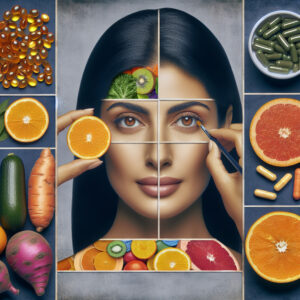
Our eyes need a mix of nutrients to work their best. Vitamins A, C, and E are well-known for their protective powers. Take Vitamin A, for example—it’s crucial for a clear cornea, while Vitamin C is a mighty antioxidant that defends the eyes against free radicals.
Omega-3 fatty acids are another must-have for your eyes. They help keep the retina’s structure intact and can ease dry eye symptoms. Then there are Lutein and Zeaxanthin, often dubbed the “eye vitamins,” known for filtering out harmful high-energy light waves and protecting your eyes.
Supplements and Their Impact on Eyesight
Lately, vision supplements have become quite the talk of the town. These products, packed with a mix of vitamins, minerals, and antioxidants, claim to support eye health. You’ll often find Beta-carotene, Zinc, and Selenium in these supplements.
Scientific studies, however, offer mixed reviews on their effectiveness. Some research points to modest benefits, while others emphasize the importance of a balanced diet as the main nutrient source. It’s important to watch out for potential side effects and have a chat with healthcare professionals before diving into any supplement routine.
Foods That Naturally Support Vision
Focusing on a diet brimming with eye-friendly nutrients is a natural way to support your vision. Leafy greens like spinach and kale, rich in Lutein and Zeaxanthin, are fantastic choices. Plus, fatty fish like salmon are packed with Omega-3s.
Incorporating these foods into your meals can be as simple as tossing a salad or enjoying some grilled fish for dinner. A well-rounded diet not only benefits your eyesight but also boosts your overall health.
Myths and Facts: Can I Increase My Eyesight with Supplements?
There’s no shortage of myths when it comes to improving vision. A common misconception is that taking supplements can work wonders for your eyesight. The reality is, while supplements can support eye health, they’re not a magic fix.
Experts agree that a nutritious diet plays a crucial role in maintaining vision, but it’s not the only piece of the puzzle. A holistic approach—combining diet, lifestyle habits, and regular eye care—is the best way to nurture eye health.
Lifestyle Habits to Complement Nutritional Support
Beyond nutrition, your lifestyle habits have a big impact on your eye health. Protecting your eyes from UV rays with sunglasses, maintaining good posture during screen time, and staying active all contribute positively.
Pairing these practices with a nutrient-rich diet forms a strong defense against vision issues, helping to keep your eyes healthy in the long run.
Conclusion: The Comprehensive Approach to Better Eyesight
In a nutshell, while the question “Can I increase my eyesight?” doesn’t have a simple answer, embracing a comprehensive approach to eye health is key. A mix of good nutrition, regular check-ups, and healthy lifestyle choices work together to support and maintain vision.
Before making any major changes, it’s wise to seek advice from healthcare professionals who can provide tailored guidance. With the right strategies in place, you can enjoy clearer vision and healthier eyes for years to come.
Can I Increase My Eye Power: Myths vs. Facts
Discovering Eye Power
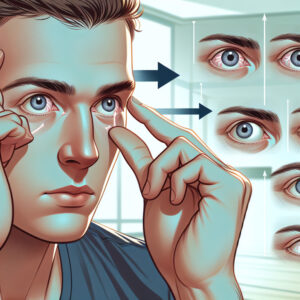
Our eyes are like our personal windows to the world, letting us soak in the beauty and details all around us. When we talk about “eye power,” we’re referring to how clear and sharp our vision is, which is a key part of keeping our eyes healthy. Many folks wonder, “Can I boost my eye power?” This question often leads us down a path full of myths and misunderstandings, but there are also some solid facts backed by science. Let’s jump in and explore what really impacts our vision and how we can keep our peepers in tip-top shape.
Grasping the Concept of Eye Power
Eye power, in simple terms, is about how well our eyes can focus light onto the retina, essential for seeing clearly. We measure vision in diopters, a unit that indicates the lens’s focusing ability. Various factors like genetics, lifestyle, and age influence eye power. It’s crucial to not only correct vision but also shield our eyes from potential harm to maintain optimal eye health.
The Significance of Eye Health
Good eye health is key to living a fulfilling and independent life, making daily tasks like reading, writing, driving, and working a breeze. Plus, eye health is closely tied to our overall well-being. Regular eye check-ups and adopting healthy habits can stave off or delay eye-related issues, helping our eyes stay in great shape throughout our lives.
Can I Boost My Eye Power: Common Myths
Myth: Eye Exercises Can Improve Vision
A popular myth is that specific eye exercises can enhance vision. While exercises like focusing on faraway objects or tracking a moving finger might offer temporary relief from eye strain, they don’t change your prescription or cure vision problems. Science hasn’t found solid proof that eye exercises can boost eye power or eliminate the need for glasses.
Myth: Special Diets Can Boost Eye Power
Another widespread belief is that certain diets can magically enhance eye power. Although eating a balanced diet rich in vitamins and minerals is great for eye health, it doesn’t necessarily improve visual acuity beyond its natural limits. Nutrients like vitamins A, C, and E, along with zinc, are good for eye health but don’t increase eye power as such.
Myth: Wearing Glasses Weakens Eyes
Many glasses wearers worry that their eyes will weaken over time. In reality, glasses or contact lenses are tools to correct refractive errors, not affecting the eye’s structure or its ability to see unaided. However, not wearing prescribed glasses can lead to eye strain and discomfort, so it’s wise to follow your optometrist’s advice.
Scientific Realities About Eye Power
The Genetic Influence on Eye Power
Genetics plays a big role in determining eye power. Conditions like myopia (nearsightedness) and hyperopia (farsightedness) often run in families. While you can’t change your genes, knowing your family history can help you take proactive steps to manage eye health and seek early intervention if needed.
Proven Ways to Maintain Eye Health
Looking after eye health involves good habits and regular check-ups. Wearing sunglasses to protect against UV rays, taking breaks from screens to ease digital eye strain, and ensuring good lighting when reading are all effective strategies. Regular eye exams are crucial for early detection and management of potential eye disorders.
Limits of Boosting Eye Power
While maintaining eye health is achievable through lifestyle choices, boosting eye power beyond its genetic potential isn’t. Vision correction options like glasses, contact lenses, and surgery can manage refractive errors but don’t inherently increase the eye’s natural power. Recognizing these limits helps set realistic expectations for eye care.
What Science Says About Eye Exercises
A Look at Popular Eye Exercises
Suggested eye exercises include focusing on objects near and far, rolling the eyes, and palming. These exercises are thought to relax eye muscles and improve coordination, but their effectiveness in improving vision is debatable. They might provide temporary relief from eye fatigue but are not substitutes for corrective measures.
Scientific Views on Eye Exercises
Scientific studies on eye exercises have shown mixed results. While some research suggests minor benefits for reducing eye strain, there’s no solid evidence that these exercises can significantly enhance vision or alter refractive errors. Most eye care professionals agree that while they aren’t harmful, they shouldn’t replace conventional treatment methods.
Expert Opinions on Their Effectiveness
Experts in optometry and ophthalmology generally see eye exercises as a supportive practice rather than a primary treatment. They recommend focusing on tried-and-true methods like corrective lenses and surgery for significant vision improvement. Eye exercises can complement overall eye care by offering short-term relief from strain.
Nutrition and Eye Health
Key Nutrients for Eye Health
Nutrition is vital for maintaining eye health. Essential nutrients like omega-3 fatty acids, lutein, and zeaxanthin, along with vitamins A, C, and E, are crucial for preserving vision. These nutrients help protect the eyes from oxidative stress and support various eye components’ function.
Foods That Help Your Vision
Incorporating foods rich in essential nutrients can support eye health. Leafy greens like spinach and kale, fatty fish like salmon, and colorful fruits and veggies provide the antioxidants and vitamins needed for healthy eyes. A balanced diet can slow the progression of age-related eye diseases but won’t increase eye power.
The Reality of Supplements
Supplements can help fill nutritional gaps in your diet, but they aren’t miracle workers for eye power. While lutein and zeaxanthin supplements may support eye health, they’re most effective when combined with a diet rich in whole foods. Always consult a healthcare professional before starting any supplement regimen.
Technology and Eye Strain
The Effect of Screen Time on Eyes
In today’s digital world, extended screen time is almost unavoidable, often leading to digital eye strain. Symptoms include dry eyes, headaches, and blurred vision. Taking regular breaks, blinking often, and using the 20-20-20 rule can help alleviate these symptoms and protect eye health in the long run.
Ways to Ease Digital Eye Strain
Reducing digital eye strain involves a few practical strategies. Adjust screen brightness to match your environment, position screens at an arm’s length, and consider using artificial tears to keep your eyes moist. Regular breaks from screen time are vital, promoting eye relaxation and reducing fatigue.
Are Blue Light Glasses Effective?
Blue light glasses have become a popular solution for reducing eye strain. However, scientific evidence on their effectiveness is limited. While they might help reduce glare and improve screen contrast, they aren’t proven to prevent digital eye strain completely. It’s more beneficial to manage screen time and take breaks.
Seeking Professional Eye Care
The Value of Regular Eye Exams
Regular eye exams are a cornerstone of good eye health. They can catch early signs of eye conditions that might not yet show symptoms. Comprehensive exams ensure your prescription is current and any emerging issues are promptly addressed, preserving your vision for the future.
When to See an Eye Specialist
Consult an eye specialist if you notice changes in vision, persistent eye pain, or other unusual symptoms. Early intervention can prevent minor issues from becoming more serious. Specialists can provide tailored advice and treatments based on your specific needs and eye health history.
Treatments for Common Eye Problems
Various treatments are available for common eye disorders, such as corrective lenses for refractive errors, medications for conditions like glaucoma, and surgery for cataracts. Understanding your options and discussing them with a specialist ensures you receive the most effective care for your eyes.
Conclusion: Sorting Myths from Facts
Key Takeaways
While the idea of increasing eye power is enticing, it’s crucial to separate myths from facts. Eye exercises and special diets offer limited benefits, while genetics play a major role in determining eye power. Maintaining eye health through regular check-ups, a balanced diet, and managing screen time is vital.
Long-term Eye Health Strategies
For long-term eye health, focus on proven strategies such as regular eye exams, protective eyewear, and healthy lifestyle choices. Embrace realistic expectations about eye power, and remember that maintaining what you have is often the best strategy. Prioritize eye health to ensure your vision remains clear and sharp for years to come.

Step-by-Step Guide: Can I Improve My Vision Naturally and Sustain Long-Term Results?
Introduction: Getting to Know Vision and How to Naturally Improve It
Vision is one of our most treasured senses, shaping how we see and engage with the world. But as we dive deeper into the digital age, more folks are facing vision issues sooner than expected. So, the question on everyone’s mind is, Can I naturally boost my vision? Absolutely, but it calls for dedication to sustainable eye-care habits. This guide is here to walk you through natural ways to enhance your vision and keep those improvements rolling.
A Look at Vision Health
Vision health isn’t just about seeing things clearly—it’s about the overall well-being of your eyes. From warding off eye diseases to upping your visual game, keeping your eyes in tip-top shape means being proactive. Things like genetics, age, and how you live your life all play a part in your vision health. Grasping these elements can help you make smart choices about natural ways to improve your vision.
Answering the Big Question: Is Natural Vision Improvement Possible?
Before jumping into the how-tos, let’s tackle whether it’s even possible to improve vision naturally. While not every vision issue can be fixed without a doctor’s help, many parts of eye health can be improved or maintained naturally. This includes sharpening your sight, easing eye strain, and preventing your eyesight from getting worse.
Why Sustainable Vision Care Matters
When it comes to taking care of your eyes, sustainability is the name of the game. Quick fixes might offer some instant relief, but lasting results need a consistent and committed approach. By weaving natural vision improvement techniques into your daily routine, you can enjoy benefits that stick around. This guide will help you achieve and maintain better vision naturally, setting you up for a healthier visual future.
Understanding Vision: The Inner Workings of Our Eyes
Getting to Know the Eye’s Anatomy
Think of the eye as a high-tech camera, capturing light and turning it into images. Key players include the cornea, lens, retina, and optic nerve. Each piece has a crucial part to play in how we see, and knowing how they work is a big step towards naturally improving your vision.
Common Vision Hiccups
Some usual vision troubles are myopia (nearsightedness), hyperopia (farsightedness), astigmatism, and presbyopia. These often come from the eye or lens being a bit off in shape, messing with how light is focused. While glasses or contacts are typical fixes, checking out natural methods can give you extra support.
How Your Lifestyle Shapes Your Vision
Your everyday choices have a big say in your vision health. Things like what you eat, how much screen time you clock in, and how well you sleep can help or hurt your eyes. By being mindful of these habits, you can naturally boost your vision and shield your eyes from future issues. This section will delve into how your daily life impacts your eye health and vision clarity.
Natural Ways to Enhance Your Vision
Eye Exercises to Sharpen Your Sight
Giving your eyes a workout can strengthen eye muscles and sharpen focus, possibly improving vision over time. Simple exercises like the 20-20-20 rule, palming, and figure-eight can work wonders. Adding these exercises to your daily routine might help ease eye strain and boost your vision.
Eating Right for Healthy Eyes
Feeding your body the right nutrients is crucial for keeping your eyes healthy. Foods packed with vitamins A, C, and E, along with omega-3 fatty acids, can support your eye health. Bringing leafy greens, fish, nuts, and citrus fruits into your diet gives your eyes the fuel they need to work at their best.
How Sleep Plays a Role in Vision Health
Don’t underestimate the power of a good night’s sleep when it comes to eye health. While you snooze, your eyes go through a crucial repair process, cutting down on the strain and fatigue built up during the day. Getting enough restful sleep is a straightforward yet effective way to naturally support your vision.
Making Lifestyle Tweaks for Long-Lasting Vision Health
Cutting Down Screen Time and Easing Digital Eye Strain
In our screen-filled world, avoiding screens altogether isn’t realistic, but too much can lead to digital eye strain. Cutting back on screen time, using blue light filters, and having the right lighting can help lessen these effects. Taking proactive steps to manage your screen exposure is vital for keeping your vision healthy in the long run.
The Value of Regular Breaks for Your Eyes
Even the most dedicated workers need to give their eyes some downtime. Building regular breaks into tasks that demand intense focus can stave off fatigue and boost overall eye health. Techniques like the Pomodoro Technique, which includes frequent breaks, can be a win-win for both your productivity and your eye care.
Sticking to a Daily Eye Care Routine
Keeping up with a consistent eye care routine is key to maintaining healthy vision. This means practicing daily eye exercises, staying hydrated, and ensuring you have good lighting. By committing to a daily routine, you can naturally support your eyes and cut down on future problems.
Exploring Alternative Therapies for Better Vision
Diving into Vision Therapy
Vision therapy is a structured program aimed at enhancing visual skills and processing. It involves exercises and activities designed to improve eye coordination and focus. While it doesn’t replace corrective lenses, vision therapy can complement other natural improvement methods.
Yoga and Meditation: Boosts for Eye Health
Yoga and meditation offer a slew of benefits for your eyes by promoting relaxation and cutting down stress. Certain yoga poses and meditation techniques can increase blood flow to the eyes, which might improve vision. Weaving these practices into your routine can boost your overall well-being, eyes included.
Herbal and Dietary Supplements
There are plenty of herbal and dietary supplements that claim to support vision health. Ingredients like bilberry, ginkgo biloba, and lutein are often touted for their potential perks. However, it’s essential to chat with a healthcare professional before diving into any supplement routine to make sure it’s safe and effective.
Busting Myths: What Doesn’t Really Work
Debunking Vision Improvement Myths
There’s no shortage of myths about natural vision improvement, like the belief that eating carrots will cure all your vision woes. While some foods do support eye health, they’re not magic fixes. Getting to the bottom of these misconceptions can help you zero in on strategies that truly deliver results.
Weighing the Scientific Evidence
Not every claim about natural vision improvement is backed by science. It’s important to take a hard look at the evidence behind various techniques and treatments. This means digging into scientific studies and expert insights to tell fact from fiction.
Recognizing the Limits of Natural Methods
While natural approaches can bolster vision health, they come with limitations. Not every vision issue can be naturally corrected, and some might need medical attention. Understanding these limits is crucial for setting realistic goals and keeping expectations in check.
Crafting Your Own Vision Improvement Plan
Evaluating Your Current Vision Health
Creating a personalized vision improvement plan starts with assessing your current eye health. This means understanding your unique vision issues and pinpointing areas where you can improve. Regular eye exams offer valuable insights into what your vision needs are.
Setting Realistic Vision Goals
Having realistic goals is key to success in any vision improvement plan. Whether it’s cutting down on eye strain or boosting focus, clear objectives can guide your efforts. It’s important to aim for steady progress rather than expecting overnight changes.
Keeping Track of Your Progress and Making Changes
Keeping tabs on your progress helps keep you motivated and allows for necessary tweaks to your plan. This might mean jotting down your eye exercises, dietary shifts, and any vision improvements. Regularly checking in on your progress ensures your efforts are on point.
Wrapping Up: Naturally Achieving and Maintaining Better Vision
Summing Up the Key Strategies
Improving your vision naturally takes a well-rounded approach, blending eye exercises, diet changes, and lifestyle tweaks. By understanding how these elements work together, you can craft a comprehensive plan that’s just right for you.
A Little Pep Talk for Consistency and Patience
The path to better vision is more of a marathon than a sprint. Consistency and patience are your best buddies on this journey to sustainable results. By sticking with your vision improvement plan and staying patient, you can enjoy the perks of healthier eyes for the long haul.

Can I Improve My Nearsightedness Naturally? Expert Opinions and Advice
Getting to Know Nearsightedness
Nearsightedness, or myopia if you fancy the technical term, is when things far away look blurry, but up-close stuff is clear as day. It’s all about how the eye bends light—if it’s not hitting the retina just right, you get myopia. This is a pretty common issue worldwide, and more folks are experiencing it every year. Join me as we dive into the nitty-gritty of myopia—what causes it, how common it is, and the way it sneaks into our daily routines.
What’s the Deal with Nearsightedness?
To wrap your head around nearsightedness, you’ve got to know a bit about how the eye works. Light comes in through the cornea and lens, which aim to focus it on the retina at the eye’s back. If the eyeball’s a tad too long or the cornea has more curve than it should, light ends up focusing in front of the retina. That’s when you start seeing things far away as a blur. Our eyes are our windows to the world, and when they’re not functioning right, it can throw a wrench in our daily lives.
Why Does Nearsightedness Happen?
Nearsightedness can develop for a few reasons. Genetics are a biggie—if your folks are myopic, chances are you might be too. Then there’s the whole lifestyle thing; spending a lot of time on close-up activities like reading or staring at screens can really strain your eyes. Urban living and spending less time outdoors have also been linked to rising myopia rates recently. Knowing what causes it is key to figuring out how to tackle and manage nearsightedness effectively.
How Common Is It and What’s the Impact?
Myopia is becoming more prevalent, especially among kids and young adults. In some Asian countries, a whopping 80-90% of teenagers and young adults are affected. It can really mess with your daily grind, from schoolwork to job performance and just generally getting through the day. Glasses and contacts are the go-to fixes, but lots of people are on the lookout for natural ways to improve their vision. With more folks being affected, it’s no wonder natural remedies are in the spotlight.
Is It Possible to Improve Nearsightedness Naturally?
Checking Out Natural Methods
The idea of naturally improving nearsightedness sounds pretty sweet, doesn’t it? So, people are exploring various methods that promise better vision without surgery or corrective lenses. Things like eye exercises, tweaking your diet, and making lifestyle changes to ease eye strain and boost overall eye health are often touted. While these methods might have some perks, it’s crucial to understand their potential and their limitations before relying on them alone.
What the Experts Say About Natural Solutions
Ophthalmologists and optometrists have mixed feelings about natural solutions for nearsightedness. Some see merit in eye exercises and healthy eating for eye support, but many emphasize that significant improvement via natural means is quite unlikely. They stress ongoing research and caution against putting all your eggs in the unproven methods basket, advising a balanced approach that includes regular check-ups and expert advice.
Where Natural Approaches Fall Short
Natural methods can do wonders for overall eye health but often fall short when it comes to significantly correcting vision. You can’t really change the structural causes of myopia, like a too-long eyeball, with exercises or diet alone. So, think of these methods as a nice complement to traditional corrective measures. It’s crucial to keep your expectations in check—natural remedies might offer small benefits rather than big changes in vision clarity.
Eye Exercises to Tackle Nearsightedness
Top Eye Exercises
Eye exercises are often hailed as a way to naturally boost your vision. Popular techniques include the 20-20-20 rule, focusing exercises, and palming. The 20-20-20 rule suggests taking a break every 20 minutes to gaze at something 20 feet away for 20 seconds, which helps ease eye strain. Focusing exercises involve switching your focus between nearby and distant objects to give your eye muscles a workout. Palming means covering your eyes with your palms to give them a breather. These exercises aim to reduce eye fatigue and improve how well you see.
How Do Eye Exercises Help?
The idea behind eye exercises is to give the muscles around your eyes a bit of a boost, improve focus flexibility, and cut down on strain. By regularly doing these exercises, you might feel less discomfort and see a slight improvement in focusing on distant objects. But remember, while these exercises are great for eye health and comfort, they might not significantly change the eye’s physical structure causing myopia.
What’s the Evidence for Eye Exercises?
There’s not a ton of scientific backing for eye exercises significantly correcting myopia. Some studies say they might help with eye comfort and reducing strain, but there’s not enough proof to claim they really improve nearsightedness. Most eye care pros agree that while exercises can support overall eye health, they shouldn’t replace traditional corrective measures. It’s always smart to check in with an eye care professional before starting any exercise routine.
Nutrition and Improving Nearsightedness
The Role of Vitamins and Minerals
Nutrition is key for keeping your eyes healthy, with certain vitamins and minerals known to be vision-friendly. Vitamins A, C, and E, along with minerals like zinc and omega-3s, are especially good. These nutrients help shield your eyes from damage, lower the risk of age-related issues, and support eye function overall. Getting these vitamins and minerals into your diet can help keep your eyes in good shape and might slow down myopia’s progression.
Foods That Boost Eye Health
Eating a diet rich in fruits, veggies, and fish can do wonders for your eyes. Leafy greens like spinach and kale are packed with antioxidants like lutein and zeaxanthin, which protect eyes from harmful light. Fish like salmon and tuna are loaded with omega-3s, crucial for retinal health. And carrots, famous for their beta-carotene, are known for supporting vision. Adding these foods to your diet can provide the nutrients your eyes need and might help manage nearsightedness.
Supplements for Eye Health
If getting all the necessary nutrients from food alone is a struggle, supplements can be a great option. Supplements with fish oil, lutein, and eye-focused multivitamins can help meet your eyes’ nutritional needs. However, it’s important to chat with a healthcare professional before starting any supplements to make sure they’re right for you and won’t clash with any medications or conditions.
Making Lifestyle Changes for Better Vision
Cutting Down on Screen Time
In today’s digital world, reducing screen time can really help your vision. Staring at screens for too long can lead to digital eye strain, making nearsightedness symptoms worse. Cutting back on screen use, especially before hitting the hay, and using screen time management tools can reduce eye fatigue. Taking regular breaks and doing activities that don’t involve screens can give your eyes the rest they need and help protect your vision.
Why Proper Lighting Matters
Good lighting is crucial for keeping your vision sharp and reducing eye strain. Reading or working in dim lighting can make your eyes work overtime, causing discomfort and potentially making myopia worse. Ensuring your space is well-lit, ideally with natural light when possible, can keep your eyes comfortable. Plus, using task lighting for activities like reading can prevent unnecessary strain and promote better vision health.
Taking Regular Breaks to Rest Your Eyes
Regular breaks for resting your eyes are a simple yet effective way to manage eye fatigue and support vision health. The 20-20-20 rule we talked about earlier is great for this. Taking breaks from close-up work allows your eye muscles to relax and can ease tension. This practice is especially helpful for folks who spend long hours on screens or doing detailed work, helping to keep eye comfort in check and potentially slow down nearsightedness’s progress.
Exploring Alternative Therapies for Nearsightedness
Acupuncture and Eye Health
Acupuncture, an ancient practice from traditional Chinese medicine, is sometimes explored for eye health, including nearsightedness. By targeting specific body points believed to affect eye function, acupuncture aims to boost circulation and reduce strain. Some folks report good outcomes, but scientific evidence on its effectiveness for myopia is sparse. As with any alternative therapy, it’s wise to keep an open mind and consult healthcare pros.
Vision Therapy Techniques
Vision therapy is a custom, supervised treatment plan aimed at improving visual skills and processing. It involves exercises tailored to one’s needs, focusing on bettering eye coordination, focusing abilities, and visual perception. While often used for issues like amblyopia or strabismus, some suggest it for managing myopia. Its effectiveness for nearsightedness varies, and more research is needed to understand its role in myopia management.
The Effectiveness of Eye Relaxation Techniques
Eye relaxation techniques, like palming and visualization, aim to ease eye strain and promote relaxation. These often involve covering the eyes with palms and imagining calming scenes to relax the eye muscles. While these methods might offer temporary relief from eye fatigue, their impact on correcting myopia is limited. Still, adding relaxation techniques to your routine can be beneficial for overall eye comfort and stress reduction.
Expert Advice on Navigating Nearsightedness
Why You Should Consult Eye Care Pros
Consulting eye care professionals is key to effectively managing nearsightedness. Regular eye exams make sure any changes in vision are caught early and dealt with appropriately. Eye care pros can give personalized advice on managing myopia, including suggestions for corrective lenses, lifestyle tweaks, and possible medical interventions. Building a relationship with a trusted eye care provider is a must for keeping your eyes in top shape.
Considering When to Go for Medical Interventions
Though natural methods can support overall eye health, sometimes medical interventions are needed. If myopia progresses quickly or severely impacts daily life, treatments like prescription lenses, orthokeratology (reshaping the cornea), or refractive surgery might be on the table. Eye care professionals can assess the severity of myopia and suggest the best treatment options, weighing the benefits and risks of each.
Finding Balance Between Natural and Medical Approaches
Finding the right balance between natural and medical approaches is crucial for managing myopia effectively. While natural methods can help with eye health and potentially slow progression, they should complement not replace medical treatments. A well-rounded approach that includes regular eye exams, suitable corrective measures, and healthy lifestyle choices can help manage nearsightedness. Working with eye care professionals ensures your individual needs are met and your vision health stays on point.
Wrapping It Up: Weighing Your Options
A Recap on Natural Approaches
Natural ways to tackle nearsightedness cover a wide range of strategies, from eye exercises and nutrition to lifestyle tweaks and alternative therapies. While these can support overall eye health and maybe ease some symptoms, big changes in myopia via natural means alone are unlikely. It’s vital to see these approaches as complements to traditional corrective measures, not standalone fixes.
Making Smart Choices
When you’re figuring out how to manage nearsightedness, gathering info and making smart choices is key. Understanding the pros and cons of each approach lets you pick strategies that fit your needs and lifestyle. Consulting with eye care experts ensures your decisions are based on solid advice and the latest research, giving you a balanced view on effectively managing myopia.
Why Regular Eye Check-Ups Matter
Regular eye check-ups are essential for keeping your eyes healthy and managing nearsightedness. These exams let eye care pros track changes in vision, check how well current treatments are working, and offer personalized advice. By making regular check-ups a priority, you can ensure your eye health is always supported and any potential issues are quickly addressed, helping to maintain your vision and quality of life.

Natural Vision Improvement: Can I Improve My Eyesight Without Glasses?
Discovering Natural Vision Improvement
In today’s screen-filled world, it’s no wonder that many of us are concerned about our eye health. The idea of seeing clearly without glasses or contacts is pretty tempting, right? This curiosity has led to a growing interest in natural vision improvement techniques. But, is it really possible to enhance your eyesight without glasses? Let’s take a closer look at what natural vision improvement is all about and consider some alternatives to the usual corrective lenses.
Why Are People Interested in Natural Methods?
The allure of natural vision improvement largely stems from the desire to have more control over our health. Many folks are eager to find non-invasive ways to boost their eyesight and cut down on their reliance on glasses or contacts. Online success stories often spark this interest, but it’s wise to approach these with a healthy dose of skepticism.
A Quick Peek at Vision Correction Alternatives
When it comes to vision correction, there’s more than just glasses and contacts on the table. Options like laser eye surgery, orthokeratology lenses, and natural approaches such as eye exercises and proper nutrition are available. Each comes with its own set of pros and cons, so understanding these can help you choose what fits your lifestyle and vision goals best.
The Importance of Keeping Your Eyes Healthy
Eye health is vital, not only for seeing clearly but for your overall well-being. Regular eye check-ups and a comprehensive approach to eye care can help you prevent common vision issues from becoming bigger problems. Whether you’re trying out natural methods or sticking with what you know, keeping your eyes in tip-top shape should be a priority.
Is It Possible to Improve My Eyesight Without Glasses?
Here’s the million-dollar question: can I improve my eyesight without glasses? The answer isn’t cut and dry. Some people report improvements, but results can vary depending on the vision problems and methods used. Issues like myopia, hyperopia, and astigmatism might be managed or improved with certain practices.
Addressing Common Vision Issues
The most common vision challenges are nearsightedness (myopia), farsightedness (hyperopia), and astigmatism. These usually stem from the shape of the eye or how light is bent through the lens. Natural methods aim to make your eyes work more efficiently, although your mileage may vary.
The Science of Vision Improvement
The scientific community has mixed feelings about natural vision improvement. Some studies hint that certain exercises and lifestyle tweaks might boost eye function or reduce strain, possibly leading to slight improvements. However, the evidence isn’t conclusive, and more research is needed to fully back these claims.
Busting Myths and Misunderstandings
A common myth is that natural vision improvement can completely replace corrective lenses for everyone. While some might see benefits, it’s crucial to manage expectations. Improvement tends to be slow and partial, and results can vary. It’s important to dive into these methods with an informed perspective.
Can Eye Exercises Enhance Vision?
So, can I enhance my eyesight without glasses by doing exercises? Maybe, to some degree. Eye exercises can help relax the muscles around your eyes, potentially reducing strain and improving function. Here are a few techniques you might find useful.
The Palming Technique for Relaxation
Palming is a straightforward exercise where you cover your eyes with your palms, blocking out light. This technique encourages relaxation and can help ease eye strain from too much screen time. Doing this regularly might help your eyes feel more relaxed.
Focus Shifting and Eye Movements
Focus shifting involves switching your focus between nearby and distant objects, which can sharpen your eyes’ ability to adjust and focus. Also, practicing movements like looking up and down or from side to side can keep your eye muscles flexible and strong.
The Advantages of Eye Yoga
Eye yoga includes exercises designed to boost eye health and relieve strain. It might involve gently massaging around your eyes and doing specific eye movements. While it might not drastically improve vision, it can make your eyes feel more comfortable and healthy.
Eating Right for Better Eyesight
Your diet plays a big part in eye health. Certain nutrients are vital for keeping your vision sharp and can support your natural vision improvement efforts. Here’s what to consider adding to your meals.
Key Vitamins for Eye Health
Vitamins A, C, and E are particularly important for your eyes. Vitamin A supports a healthy retina, while vitamins C and E, as antioxidants, help protect your eyes from damage caused by free radicals.
Foods That Boost Eye Health
Foods rich in omega-3 fatty acids, like salmon and flaxseeds, can benefit your eyes. Leafy greens such as spinach and kale are packed with lutein and zeaxanthin, which help protect your eyes. A diet rich in these nutrients can naturally enhance your eye health.
The Role of Antioxidants in Protecting Vision
Antioxidants play a key role in eye health by fighting oxidative stress, which can damage eye cells. Eating a variety of colorful fruits and vegetables ensures you get plenty of antioxidants, supporting overall eye health and potentially slowing age-related vision issues.
Making Lifestyle Changes for Better Vision
Adopting some lifestyle changes can have a big impact on your eye health. These habits not only help maintain good vision but also prevent further decline.
Cutting Back on Screen Time and Eye Strain
Spending too much time on digital screens can cause digital eye strain, leading to dry eyes, blurry vision, and headaches. Cutting down on screen time and taking regular breaks can help protect your eyes from these effects.
Why Regular Eye Breaks Matter
Try the 20-20-20 rule: every 20 minutes, look at something 20 feet away for at least 20 seconds. This simple habit can help reduce eye strain and support better long-term vision health.
The Impact of Sleep and Staying Hydrated on Vision
Getting enough sleep is crucial for eye health as it helps your eyes rest and repair. Staying hydrated also keeps your eyes lubricated, preventing dryness and irritation. Together, these factors are key to maintaining healthy vision.
How Your Environment Affects Your Eyes
Your surroundings can greatly influence your eye health. Paying attention to environmental factors can help you protect your vision and avoid unnecessary strain.
Why Good Lighting Matters
Having proper lighting in your workspace is essential to avoid straining your eyes. Make sure your environment is well-lit but not too bright. Position light sources to minimize glare on screens and other surfaces, which can reduce eye strain.
Ergonomics for Healthy Eyes
Setting up your workspace ergonomically can help you maintain good posture and eye health. Keep your screen at eye level and about an arm’s length away. This setup helps you maintain a natural head and neck position, reducing overall strain.
Handling Allergens and Irritants
Exposure to allergens and irritants can worsen eye discomfort. Keeping your living space clean and using air purifiers can help reduce these triggers, creating a healthier environment for your eyes.
Seeking Professional Guidance and Exploring Alternative Therapies
While natural methods can be helpful, it’s important not to overlook professional guidance. Consulting with eye care specialists and considering alternative therapies can provide a well-rounded approach to eye health.
Why You Should See an Eye Care Specialist
Regular visits to an eye care specialist can help keep track of your eye health and catch any issues early. Professionals can offer personalized advice and make sure any vision improvement practices you try are safe and effective for you.
Acupuncture and Eye Health
Acupuncture is sometimes explored for its potential benefits to eye health. While more research is needed, some people report that their eye comfort and function improve after acupuncture sessions.
The Benefits of Vision Therapy
Vision therapy involves exercises designed to improve visual skills and processing. It’s often used for specific issues like convergence insufficiency. With professional guidance, vision therapy can be a valuable addition to your eye care routine.
Conclusion: Weighing Your Vision Improvement Options
To wrap it up, the question can I improve my eyesight without glasses is a bit complex. Natural methods might offer benefits for some, but evaluating their effectiveness requires patience and an open mind. Combining these methods with traditional approaches can give you a balanced strategy for maintaining and enhancing eye health.
Assessing How Effective Natural Methods Are
The effectiveness of natural vision improvement methods can vary widely from person to person. It’s important to keep realistic expectations and complement these methods with regular eye exams and professional advice.
Blending Natural and Conventional Approaches
A mix of natural and conventional methods often yields the best results. By integrating exercises, nutrition, and lifestyle changes with traditional eye care, you can develop a personalized plan for optimal vision health.
Crafting a Personalized Eye Care Strategy
Ultimately, successful vision improvement involves creating a personalized eye care strategy. By considering your unique needs and circumstances, and seeking professional guidance, you can make informed decisions that support your long-term eye health journey.

Vision Clarity: Can I Improve My Eyesight Naturally and How?
Discovering Natural Ways to Boost Your Eyesight
Ever find yourself asking, “Is it possible to improve my eyesight naturally?” Well, you’re in luck! There are indeed natural strategies that can help sharpen your vision and nurture your eye health. By diving into the significance of keeping our eyes in tip-top shape and exploring natural methods, you’re paving the way to clearer sight.
Why Eye Health Matters
Our eyes are more than just our view into the world; they’re a window to our overall well-being. Taking care of them is about more than just fixing vision issues—it’s about keeping them healthy to fend off future problems. With screens everywhere these days, looking after our eyes has never been more crucial.
Can You Naturally Improve Your Eyesight? Here’s the Scoop
The question of whether natural methods can really enhance vision is a common one. While you might not be able to solve every eye issue naturally, there are plenty of techniques and lifestyle tweaks that can boost your eye health and visual sharpness.
Busting Myths About Better Vision
There’s a lot of misinformation out there about improving your eyesight, like the myth that wearing glasses weakens your eyes. It’s vital to distinguish fact from fiction to make smart choices. Natural vision improvement isn’t about quick fixes; it’s about embracing a comprehensive approach to caring for your eyes.
Eating Right for Healthier Eyes
Essential Nutrients Your Eyes Crave
What you eat plays a massive role in keeping your eyes healthy. Key nutrients like Vitamins A, C, E, and zinc are known to bolster eye health. These nutrients help ward off age-related vision problems and keep your retina and other eye parts in good condition.
Foods That Boost Your Eyesight
Adding certain foods to your diet can be a real game-changer for your vision. Think leafy greens, carrots, and fish packed with omega-3 fatty acids—these are just a few goodies that can enhance your eyesight. They supply the nutrients needed to keep your eyes at their best.
Considering Supplements
If getting all your nutrients from food is tricky, supplements might be a good option. Supplements like lutein and zeaxanthin are popular for supporting eye health. But remember, it’s wise to chat with a healthcare pro before starting any new supplement.
Exercises to Strengthen Your Vision
Palming: A Simple Eye Relaxer
Palming is an easy eye exercise where you cover your eyes with your palms to ease strain. It’s a great way to relax those eye muscles, especially if you’re glued to screens for long periods.
Focus Shifting to Strengthen Your Eyes
Focus shifting exercises involve moving your gaze between nearby and distant objects, which helps fortify your eye muscles. These exercises are simple to squeeze into your day and can improve your visual flexibility and acuity.
Eye Yoga: A Blend of Relaxation and Strength
Eye yoga combines yoga principles with eye exercises to promote relaxation and boost vision. Techniques like eye rotations and focusing on distant objects can help ease eye strain and support overall eye health.
Adjusting Your Lifestyle for Better Eye Health
Cutting Down on Screen Time and Eye Strain
In our tech-filled world, cutting down on screen time isn’t easy. But taking regular breaks and following the 20-20-20 rule can seriously reduce digital eye strain. Small changes like these can have a big impact on keeping your eyes healthy.
Getting Enough Shut-Eye
Good sleep is crucial for eye health. While you snooze, your eyes undergo vital repair work, crucial for keeping them functioning well and avoiding issues like dryness and fatigue.
Keeping Stress at Bay
Stress can wreak havoc on your eyes, leading to twitching and tiredness. Incorporating stress-busting techniques like mindfulness and deep breathing can help keep your eyes relaxed and healthy.
Exploring Natural Remedies and Alternative Therapies
Herbal Helpers for Your Eyes
Herbs such as bilberry and ginkgo biloba have long been used to support eye health. These natural remedies can boost circulation to the eyes and offer antioxidants to protect against damage.
Acupuncture: Ancient Practice, Modern Benefits
Acupuncture, an age-old Chinese therapy, is thought to enhance eye health by improving blood flow and easing tension. Though more research is needed, some folks report better vision after acupuncture sessions.
Essential Oils: Aromatic Eye Support
Essential oils like lavender and frankincense might offer eye health benefits through aromatherapy. While not applied directly to the eyes, these oils can promote relaxation and reduce stress, indirectly aiding your vision.
The Importance of Regular Eye Check-Ups
Why Early Detection Matters
Regular eye check-ups are key for spotting potential vision issues early. Catching problems early prevents them from turning into bigger issues, helping your eyes stay healthy over the years.
Preventing Vision Loss Through Routine Exams
Frequent eye exams help track your eye health and catch conditions like glaucoma and macular degeneration early. Taking a proactive approach can stave off vision loss and keep things clear.
Finding the Right Eye Specialist
Picking the right eye specialist is crucial for top-notch care. Look for someone with solid reviews, credentials, and a patient-focused approach. A good specialist is a great ally in your quest for better eye health.
Inspiring Success Stories and Real-Life Examples
Real People, Real Vision Improvements
Plenty of folks have naturally improved their eyesight. Personal stories of success through diet changes, exercises, and lifestyle shifts can inspire and show what’s possible.
Insights from Experts and Case Studies
Vision care experts often share case studies and testimonials that highlight the success of natural vision improvement methods. These insights can provide valuable information and motivate you to try natural approaches.
Lessons from Those Who’ve Been There
Learning from those who’ve naturally enhanced their vision can offer guidance and encouragement. Their stories often stress the importance of consistency, patience, and a holistic approach to eye health.
Wrapping It Up
Embarking on a journey to improve your eyesight naturally involves a mix of dietary changes, exercises, lifestyle tweaks, and regular eye care. While it might not be a quick fix, adopting a holistic approach can yield long-term benefits for your eye health.
By taking proactive steps and embracing natural methods, you can sharpen your vision and maintain healthy eyes. Remember, consistency and patience are key, and consulting with healthcare professionals can help tailor a plan to your unique needs.

Can I Improve Eyesight Naturally? Top Tips for Better Vision
Getting to Know Natural Eye Health
In today’s tech-driven world where screens are everywhere, keeping our eyes in tip-top shape is more crucial than ever. You might be asking, “Can I naturally boost my eyesight?” Well, you’re in luck! There are plenty of natural methods and lifestyle tweaks you can make to help your vision. While not all vision issues can be fixed without a doctor’s help, focusing on natural eye care can definitely benefit your overall eye health.
Grasping the Basics of Vision Health
Vision health isn’t just about seeing things sharply; it’s about a bunch of factors like focusing, depth perception, and color distinction. Keeping our eyes healthy is key to living a good life since we rely on them for nearly everything we do. Taking action now to care for your eyes can help keep your vision clear as you age.
Why Eye Care Matters
Our eyes are fragile and can be damaged by things like UV rays, blue light from screens, and general strain. Regular eye care can help ward off or slow down vision problems. By mixing preventive measures with natural remedies, you can make a big difference in keeping your eyesight strong.
Is It Possible to Improve Eyesight Naturally? A Quick Look
When it comes to naturally improving eyesight, it’s all about a holistic approach involving diet, exercise, and healthy habits. While it might not be a substitute for glasses or contacts for everyone, concentrating on natural eye health can lower the chance of eye diseases and enhance overall visual function. Let’s explore the science and strategies for boosting your vision naturally.
The Science of Seeing: Vision and Eye Health Explained
How Our Eyesight Functions
To understand how we see, we need to look at the eye’s anatomy. Light enters through the cornea, gets focused by the lens, and lands on the retina. The retina then converts these light signals into nerve impulses, which are sent to the brain via the optic nerve, forming the images we perceive. Every step in this process is vital for clear vision.
Common Vision Hiccups
A lot of folks deal with vision issues like nearsightedness, farsightedness, astigmatism, and age-related difficulties. These come from irregularities in the eye’s shape or the lens’s ability to change shape. Regular eye check-ups can catch these conditions early, allowing timely intervention.
Natural Influences on Vision
Various natural factors like age, genetics, and lifestyle choices can impact vision. While we can’t adjust our genetic makeup, we can certainly tweak our habits and surroundings to support better eye health. Lifestyle elements like diet, exercise, and stress management are crucial for keeping your vision in top form.
Nourishing Your Eyes: Diet and Nutrition
Key Nutrients for Your Vision
Vitamins A, C, E, zinc, and omega-3 fatty acids are essential for keeping your eyes healthy. These nutrients help fend off age-related macular degeneration (AMD) and cataracts, two leading causes of vision loss.
Eat Your Way to Better Eyesight
Adding foods loaded with eye-friendly nutrients to your diet is a fantastic way to support your vision. Think carrots, leafy greens, fish, nuts, and citrus fruits. A well-balanced diet not only boosts eye health but also contributes to overall wellness.
The Role of Supplements
While it’s best to get nutrients from food, supplements can fill in the gaps, especially if you have dietary constraints. Supplements like lutein and zeaxanthin are known for their eye benefits, acting as antioxidants to shield the eyes from oxidative stress.
Stay Hydrated for Happy Eyes
Keeping hydrated is key for eye health since dehydration can cause dry eyes and discomfort. Drinking plenty of water keeps your eyes lubricated and helps flush out impurities.
Exercises and Techniques for Eye Wellness
Ways to Let Your Eyes Relax
Relaxation techniques, like the 20-20-20 rule, can ease eye strain. Every 20 minutes, take a 20-second break to gaze at something 20 feet away. This simple habit can help reduce fatigue and refresh your eyes.
Strengthening Your Eye Muscles
Doing regular eye exercises can beef up the muscles around your eyes, potentially improving focus and flexibility. Exercises like focusing on distant objects and rolling your eyes are beneficial and easy to fit into your daily routine.
The Bates Method: Myth or Reality?
The Bates Method, developed in the early 1900s, claims to enhance eyesight through relaxation techniques. Although scientific support is limited, some folks find these exercises helpful in reducing eye strain.
Adapting Lifestyle for Better Vision
Cutting Down on Screen Time
Too much screen time is a common culprit behind eye strain and discomfort. By taking regular breaks, adjusting screen brightness, and using blue light filters, you can lessen the impact screens have on your eyes.
The Value of Sleep for Your Eyes
Getting enough sleep is crucial for eye health as it allows your eyes to rest and repair. Lack of sleep can cause dry eyes, twitching, and other discomforts. Prioritizing quality sleep can greatly benefit your vision.
Managing Stress for Better Eye Health
Stress can lead to eye strain and vision problems. Incorporating stress-relief techniques like meditation, yoga, and deep breathing can help ease tension and support your eye health.
Adjusting Your Environment and Habits
Creating the Right Lighting
Good lighting is crucial when reading or working to avoid eye strain. Ensure your workspace is well-lit, with light sources arranged to reduce glare and reflections on screens or books.
The Right Way to Read
Maintaining proper posture while reading can ease neck strain and improve eye comfort. Keep reading materials at eye level and at a comfortable distance to avoid unnecessary eye strain.
Shielding Your Eyes from UV Rays
UV rays can damage your eyes, increasing the risk of cataracts and other issues. Wearing sunglasses that block 100% of UV rays is essential when you’re outdoors to protect your eyes from sun damage.
Exploring Natural Remedies and Alternative Options
Herbal Helpers for Your Vision
Herbal supplements like bilberry and ginkgo biloba have been traditionally used to support eye health. While more research is needed, these herbs might offer antioxidant benefits that promote vision wellness.
Acupressure and Acupuncture: What to Know
Acupressure and acupuncture are alternative therapies that some believe can improve eyesight by stimulating specific points around the eyes. Though scientific evidence is limited, these practices can complement traditional eye care.
Aromatherapy and Eye Health
Aromatherapy might help with relaxation and stress reduction, indirectly benefiting eye health. Essential oils like lavender can promote relaxation, while peppermint might refresh tired eyes.
Wrapping Up and Final Thoughts
Recap of Essential Points
Enhancing your eyesight naturally calls for a comprehensive approach that includes diet, exercises, lifestyle changes, and alternative therapies. While these methods might not replace corrective lenses, they can significantly improve overall eye health.
Crafting Your Own Eye Care Plan
It’s important to create a personalized eye care plan. Consider your unique needs and lifestyle, and incorporate the strategies we’ve discussed to support your vision. Regular eye exams are vital for keeping track of changes and addressing issues promptly.
When to Seek Professional Advice
While natural methods can bolster eye health, it’s crucial to consult with an eye care professional if you notice significant changes in your vision or have concerns. Early detection and treatment of eye conditions are key to preserving your eyesight.

Can I Improve Eyesight Permanently? Long-Term Solutions for Clear Vision
Getting Clear: Can You Boost Your Eyesight Naturally?
The Wonders of Eye Anatomy
To really grasp just how intricate our vision is, it’s worth taking a peek at the eye’s anatomy. Think of your eye as a mini camera, with different parts working together to capture and process images. The cornea and lens focus light onto the retina, where photoreceptor cells turn light into signals sent to the brain. The optic nerve then carries these signals, helping us see the world around us. Each piece is crucial, and any hiccup can lead to vision troubles.
Common Vision Issues
Vision problems are more common than you might think, affecting folks across all age groups. Refractive errors like nearsightedness (myopia), farsightedness (hyperopia), and astigmatism are pretty widespread. These happen when the eye can’t focus light directly on the retina, causing things to look a bit blurry. More serious conditions like cataracts, glaucoma, and macular degeneration often affect older adults. Knowing about these issues is the first step in answering: Can you naturally improve your eyesight?
What Affects Your Eyesight?
Your eyesight can be influenced by a bunch of factors, from genetics to how you live your life. Age is a big one since our vision tends to slip a bit as we get older. Spending too much time staring at screens, being exposed to UV rays, and working in bad lighting can put a strain on your eyes too. Plus, overall health, including chronic conditions like diabetes, can impact your vision. Spotting these factors helps us take proactive steps to keep our eyesight sharp.
Can Lifestyle Tweaks Boost Your Eyesight?
Eating Right for Happy Eyes
What you eat makes a big difference in keeping your eyes healthy. A diet loaded with vitamins and minerals can support your eyes and maybe even improve your vision. Antioxidants like vitamins C and E, along with zinc and omega-3 fatty acids, are great for your eyes. Foods like leafy greens, fish, nuts, and citrus fruits are fantastic additions to your meals. By focusing on nutrition, you can give your eyes a health boost and fend off some vision problems.
Hydration: A Key to Eye Health
Staying hydrated is crucial, not just for your overall health, but for keeping your eyes moist and working well. Your eyes need enough fluid to produce tears, which keep them lubricated and free from nasties. Not drinking enough water can lead to dry eyes, which can be uncomfortable and make your vision blurry. By keeping up with your water intake, you’re doing your eyes a big favor.
Regular Eye Check-ups Matter
Getting your eyes checked regularly is vital for catching vision issues early and keeping your eyes healthy. Even if you don’t wear glasses or contacts, routine check-ups can spot problems before they get serious. An eye specialist can offer personalized tips on improving your eyesight or managing existing conditions. These visits let you address any worries and stay informed about your eye health.
Eye Exercises: Can They Really Help?
Exploring Eye Yoga
Eye yoga is an interesting way to possibly boost your eyesight with specific exercises. Techniques like palming, blinking, and focusing on distant objects aim to ease eye strain and improve flexibility. While the scientific jury is still out, some folks say they feel less eye fatigue and better focus. Adding these simple exercises to your daily routine could be a gentle way to support your eye health.
Exercises to Strengthen Eye Muscles
Focusing exercises are sort of like a gym workout for your eyes, designed to strengthen them. Techniques such as the “20-20-20 rule” encourage taking regular breaks and shifting focus, which might reduce strain from prolonged tasks. By practicing these exercises, you might boost your ability to focus on different distances, which is handy if you spend a lot of time on screens.
Palming and Relaxation for Tired Eyes
Palming involves covering your eyes with your palms to block out light and relieve stress. This relaxation technique is often used to rest the eyes and promote relaxation, which can be great for overall eye health. Taking a few minutes for palming throughout the day might ease tension and soothe tired eyes.
Technology and Eyesight: Is Cutting Screen Time the Answer?
Blue Light and Its Effects
In today’s tech-heavy world, dodging blue light from screens is almost impossible. While research is still ongoing, too much blue light is thought to cause digital eye strain and mess with sleep patterns. To lessen these effects, try using blue light filters on your gadgets or wear special glasses. Cutting down screen time, especially before bed, can help keep your eyes healthy and improve sleep.
Beating Digital Eye Strain
Digital eye strain, often dubbed “computer vision syndrome,” is a common gripe among screen users. Symptoms can include headaches, dry eyes, and blurry vision. To tackle this, adjust your screen settings for better contrast and brightness, and make sure your workspace is well-lit. Taking regular breaks and doing eye exercises can also help ease strain, making screen time more comfortable.
The 20-20-20 Rule for Happier Eyes
The 20-20-20 rule is a straightforward strategy to ease eye strain. It suggests that after every 20 minutes of screen time, you should take a 20-second break and look at something 20 feet away. This little routine helps relax your eye muscles and refreshes your vision, giving you a much-needed break from constant focus. Making this a habit can really make a difference in your eye comfort and health.
Medical Interventions: Can They Improve Eyesight?
LASIK and Other Surgical Options
If you’re looking for a more permanent fix, medical interventions like LASIK surgery can be super effective. LASIK reshapes the cornea to correct refractive errors, often freeing you from glasses or contacts. Although generally safe, it’s important to chat with a qualified ophthalmologist to see if it’s right for you and understand any risks. Other surgeries, like PRK or LASEK, might also be options depending on your needs.
Ortho-K: Lenses You Wear Overnight
Orthokeratology, or ortho-k, involves wearing specially designed contact lenses overnight to temporarily reshape your cornea. This non-surgical method can offer clear vision during the day without needing corrective lenses. While results can vary, ortho-k can be a tempting choice for those wanting a reversible, non-invasive vision correction. An eye care pro can help determine if this is a good fit for you.
Vision Therapy: New Frontiers
Vision therapy includes exercises and activities designed to improve visual skills and processing. Tailored by eye specialists, these programs can tackle specific issues like lazy eye or convergence insufficiency. While not a cure-all, vision therapy can complement other treatments, boosting visual function. It’s crucial to work with a qualified pro to create a plan that suits your needs.
Exploring Alternative Practices for Better Eyesight
The Bates Method: Myth or Reality?
The Bates Method is a controversial approach claiming that relaxation techniques can enhance eyesight. Developed by Dr. William Bates in the early 20th century, it includes exercises like palming and shifting focus. While some swear by it, the method lacks solid scientific backing and often faces criticism from medical circles. It’s key to approach these alternative practices with caution and consult experts before changing your vision care routine.
Acupuncture for Eye Health
Acupuncture, a practice from traditional Chinese medicine, is sometimes explored for boosting vision. Fans believe it can enhance blood flow and reduce eye strain, possibly benefiting eye health. While scientific proof is limited, some studies suggest it might complement traditional treatments for certain conditions. If you’re considering acupuncture, make sure to consult a certified practitioner and discuss potential risks or benefits with your healthcare provider.
Herbal Supplements: A Mixed Bag
Herbal supplements for eye health are a hot topic. Ingredients like bilberry, ginkgo biloba, and lutein are often touted for their benefits. While they might support general health, evidence on their vision impact is mixed. It’s wise to approach supplements with caution, focusing on a balanced diet and consulting healthcare professionals before adding new products to your routine.
Looking Ahead: How to Keep Your Eyesight Strong
Protective Eyewear and the Sun
Shielding your eyes from harmful UV rays is crucial for long-term eye health. Sunglasses that block 100% of UVA and UVB rays can prevent damage and cut the risk of cataracts and other issues. Plus, wearing protective eyewear during activities like sports or DIY projects can prevent injuries. By prioritizing eye protection, you can help keep your vision sharp for the future.
Building Good Eye Habits
Creating habits that support eye health is an investment in your future vision. Simple actions like taking breaks from screens, using proper lighting, and leading a healthy lifestyle can make a big difference. Staying informed about eye health and adapting your habits can help preserve your eyesight and prevent problems down the line. Consistency and mindfulness are key to fostering long-term eye health.
The Power of a Balanced Lifestyle
A balanced lifestyle, including good nutrition, regular exercise, and stress management, is fundamental to overall well-being, including your eyes. Regular physical activity boosts circulation, which can benefit your eyes by ensuring they get enough nutrients and oxygen. Managing stress and getting enough rest also help maintain sharp vision. By embracing a holistic approach, you can support your eyes and enhance your quality of life.
Wrapping It Up: Can You Permanently Improve Eyesight?
Weighing Long-Term Options
The journey to clear vision is personal, with many paths to explore. Some methods offer quick fixes, while others provide lasting benefits. It’s important to weigh the effectiveness and fit of each option for your unique needs. Consulting eye care professionals and staying up-to-date with advances in vision care can guide you in making informed choices.
Keeping It Real
While many strategies can boost eye health, keeping realistic expectations is crucial. Some changes are part of aging, and not every condition can be reversed. Taking a proactive approach and knowing the limits of each method can help you achieve the best outcomes without disappointment.
Staying Consistent for Eye Health
Consistency is the key to maintaining and potentially improving eyesight. Whether through regular check-ups, eye exercises, or lifestyle changes, steady efforts can yield significant benefits. By committing to eye-friendly practices and staying attentive to your vision, you can support your eye health for the long haul.