
Can Reading Improve Eyesight? Debunking Myths and Embracing Facts
Introduction: Can Reading Really Boost Your Eyesight?
When it comes to our eyes, there’s a ton of advice out there, especially about how reading might impact our vision. One question that often pops up is, “Can reading actually improve eyesight?” It’s a topic full of myths and half-truths, so let’s clear things up. Understanding the real link between reading and eye health is key. With the right info, you can cut through the noise and make smart choices about how you care for your eyes.
As we dive into this topic, we’ll separate fact from fiction. Eye health isn’t just about avoiding bad habits; it’s about knowing how our eyes work and what really makes a difference. The aim here is to move away from myth and lean on what science and experts say about reading and eyesight.
The Eye’s Anatomy and How It Works
Before we bust some myths, let’s get a quick overview of the eye’s anatomy. The human eye is a complex organ with several main parts: the cornea, lens, retina, and optic nerve, among others. These components work together to capture and process the images we see.
Our eye muscles are crucial, as they help us focus on objects at different distances by changing the shape of the lens. This process is fascinating: light enters through the cornea, passes through the lens, and focuses on the retina, which then sends signals to the brain.
Common Myths About Reading and Eyesight
Let’s bust some of the most common myths about reading and eyesight. First, there’s the belief that reading in low light harms your eyes. While it might cause temporary discomfort, it doesn’t lead to permanent damage.
Another myth is that reading for long stretches can enhance your eyesight. The idea is that working your eye muscles through reading could sharpen vision. But there’s not much scientific proof to support this. Similarly, the belief that certain fonts or text sizes can boost vision doesn’t hold much water. Some people might find certain texts easier to read, but it doesn’t mean their eyesight improves.
Scientific Insights: Does Reading Enhance Eyesight?
So, what’s the scientific take on reading and eyesight? Research shows that long reading sessions can cause eye strain, but this is temporary. Eye strain doesn’t mean better vision. The impact of reading on eye health is more about the way we read rather than the duration.
Experts agree that while reading itself isn’t bad for your eyes, adopting good habits is crucial. Good lighting, taking breaks, and keeping a comfy distance can prevent eye strain, not improve eyesight. The bottom line is clear: reading won’t boost your vision, but it won’t harm it if done right.
Eye-Friendly Reading Habits
To keep your eyes happy while reading, consider these handy tips. First, ensure good lighting. A well-lit space reduces strain and makes reading more pleasant. Positioning the light just right can make a big difference.
Also, keep an ideal reading distance. Holding books too close or too far can cause discomfort over time. Taking regular breaks is another important habit. The 20-20-20 rule is a favorite: every 20 minutes, look at something 20 feet away for 20 seconds. This simple routine can significantly cut down on eye fatigue.
Beyond Reading: Embracing Eye Health
Reading is just one part of the eye health story. A diet packed with vitamins and minerals supports overall vision wellness. Nutrients like vitamin A, C, and omega-3 fatty acids are especially good for keeping your eyes healthy.
Regular eye check-ups are a must. They help catch any issues early, preserving your vision for the long haul. Eye exercises aren’t a magic fix, but they can help keep your eyes in shape. These exercises can aid in focusing and reducing strain.
Ways to Enhance Eyesight
Looking to boost your eyesight? Vision therapy might be worth a shot. This method aims to strengthen eye muscles and improve visual skills, though results can vary from person to person.
Getting outside is another great way to support eye health. Natural light and different focal distances can work wonders. Plus, technology offers tools to monitor and improve vision through apps and devices that track eye health metrics.
Conclusion: Setting the Record Straight
In the end, while reading is a delightful habit that enriches the mind, it doesn’t enhance eyesight. We’ve debunked the myths and underscored the need for healthy eye habits. Remember, good lighting, taking breaks, and keeping a proper distance are key to avoiding strain.
Take a holistic approach to eye health by thinking about your diet, regular check-ups, and spending time outdoors. The journey to better eyesight involves more than just reading habits. By following these tips, you can nurture your vision and enjoy reading without worry.

Can Peripheral Vision Be Improved? The Role of Exercises and Lifestyle Changes
Getting to Know Peripheral Vision and Why It Matters
Let’s talk about peripheral vision—a vital piece of our visual puzzle that’s often left in the shadow of central vision. So, what exactly are we dealing with here? Simply, it’s the part of our sight that captures everything outside the direct center of our gaze. This type of vision is crucial for navigating daily life, whether you’re driving, playing sports, or just trying to make your way through a bustling crowd. It helps us spot movement and gives us a sense of our surroundings, letting us react swiftly to the world around us.
You can’t really overstate how important peripheral vision is. Picture trying to catch a ball or cross a busy street without seeing what’s coming at you from the sides. It’s the unsung hero keeping us safe and alert. But, like any part of our health, peripheral vision can run into some bumps in the road. Conditions like glaucoma, retinal detachment, or simply getting older can chip away at this essential ability.
Is It Possible to Improve Peripheral Vision? Getting to the Basics
You might be asking yourself, can you actually boost your peripheral vision? It’s not a simple yes or no, but there’s definitely hope. Peripheral vision has its natural limits; it’s not meant to be as sharp as central vision, focusing more on spotting movement. Yet, various factors like genetics, eye health, and lifestyle choices all play a part in how well it functions.
The science of vision improvement is always advancing. Researchers are digging into ways to enhance our visual skills, with some studies showing promising outcomes through targeted exercises and lifestyle tweaks. By getting a handle on these factors, we can tackle the challenge of improving peripheral vision with a more rounded perspective.
Exercises to Give Your Peripheral Vision a Boost
If you’re looking to sharpen your peripheral vision, exercises are key. Eye movement drills, for example, are crafted to strengthen the muscles around your eyes. Try shifting your gaze side to side without turning your head—this can help expand your field of view.
Focus and range exercises are pretty helpful too. These involve concentrating on one object while staying aware of your surroundings, boosting your ability to see peripherally. Plus, with the help of technology like virtual reality (VR) and dedicated apps, training your peripheral vision can be both fun and effective.
How Lifestyle Changes Can Boost Peripheral Vision
On top of exercises, making some lifestyle changes can do wonders for improving peripheral vision. Nutrition is a big player here; foods packed with vitamins A, C, and E, along with omega-3 fatty acids, are known to support eye health. Adding these to your diet can provide the building blocks for maintaining good vision.
Regular eye exams are a must. They catch potential issues early on, ensuring you can address them before they take a toll on your peripheral vision. Cutting back on screen time and managing eye strain is crucial too. Staring at screens for too long can lead to digital eye strain, which might eventually impact your peripheral vision.
The Mind-Vision Connection: Why It Matters
The link between your mind and vision is a captivating topic that’s worth exploring. Stress-busting techniques like yoga and meditation can positively affect your vision. Easing stress helps reduce eye strain and improve overall eye function.
Mindfulness practices, such as visualization exercises, can also help your peripheral vision. By focusing on calming and visual exercises, you can teach your brain to better notice peripheral cues. This holistic angle underscores just how much your mind can influence what you see.
Gadgets and Tools for Enhancing Peripheral Vision
When natural methods aren’t cutting it, specialized tools can lend a hand. There are glasses and lenses specifically designed to boost peripheral vision, helping folks adapt better to their surroundings. These aids are particularly useful for those dealing with specific vision challenges.
Adaptive tools for everyday tasks, like wide-angle mirrors for driving, can also make a difference. As technology marches on, new devices and apps are popping up, promising fresh ways to support and enhance peripheral vision.
Real-Life Wins: Case Studies and Success Stories
Hearing about real-life success stories and case studies can be truly inspiring. People who’ve stuck with exercises and lifestyle changes often see noticeable improvements in their peripheral vision. These stories highlight the power of determination and the positive results that can be achieved.
Experts in the field offer invaluable insights into these successes. Their knowledge and experiences can guide others on their path to better peripheral vision, reinforcing the idea that improvement is well within reach with the right approach.
Wrapping It Up: Starting Your Journey to Enhanced Peripheral Vision
So, can you improve your peripheral vision? Absolutely, if you’re willing to take a well-rounded approach. By combining exercises, lifestyle changes, and possibly some specialized tools, you can make significant strides towards better peripheral vision.
Consistency is the name of the game. Just like any other health goal, enhancing peripheral vision demands regular effort and dedication. As you kick off this journey, remember that the benefits reach beyond better sight—they contribute to a richer quality of life. So, why not take that first step today toward sharper, more aware peripheral vision?
Can Patanjali Drishti Cure Myopia? Insights and Testimonials
Getting to Know Myopia and Patanjali Drishti
Myopia, or nearsightedness as most of us know it, is becoming more and more common, especially among the younger crowd. It’s what happens when your eyeball stretches out or your cornea gets too curved, making light focus in front of the retina instead of on it—resulting in blurry distance vision. You’ll know it by the squinting, eye strain, headaches, and trouble seeing far-off things clearly. While genes have their say, our lifestyles and constant close-up activities also chip in.
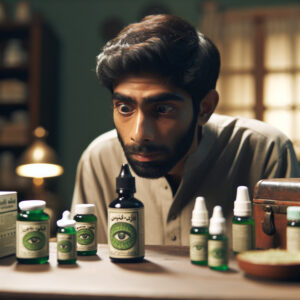
Then there’s Patanjali Drishti, an Ayurvedic eye drop that many folks are eyeing as an alternative way to tackle myopia. Crafted by Patanjali Ayurved, a big name in Indian natural products, Drishti is said to boost eye health. It’s a concoction of natural goodies like onion juice, ginger juice, lemon juice, and honey, each carrying its own health perks. But the burning question is: can Patanjali Drishti really fix myopia, or is it just another remedy without hard science to back it up?
In a world dominated by glasses, contacts, and surgeries, there’s still a crowd that leans towards alternative remedies. This often springs from a love for holistic healing, fewer side effects, and a desire for natural health solutions. Patanjali Drishti fits right into this niche, offering a blend of age-old wisdom and nature’s ingredients as a possible solution for eye issues.
Exploring the Claims: Can Patanjali Drishti Really Cure Myopia?
To figure out if Patanjali Drishti can actually cure myopia, we need to take a closer look at what’s inside. Onion juice is thought to have anti-inflammatory powers that might ease redness and irritation. Ginger juice is packed with antioxidants, possibly offering some protection for the eyes. Lemon juice brings in vitamin C, crucial for keeping eyes healthy, and honey is well-known for its soothing and antimicrobial traits.
But when it comes to solid scientific proof, things get a bit hazy. While these ingredients have their own health benefits, there’s scant evidence suggesting they can work together to improve or cure myopia. Since myopia is largely about the eye’s structure, these ingredients don’t change the eye’s shape or its refractive elements.
Experts in eye care tend to tread carefully around such claims. They recognize the potential benefits of natural ingredients for overall eye health but point out the lack of direct scientific studies linking Patanjali Drishti to improvements in myopia. So, while some users may rave about their experiences, these stories are often more anecdotal than scientifically verified.
Real-Life Stories and Reviews
People’s stories about Patanjali Drishti are all over the place. Some folks swear by it, sharing tales of clearer vision and less eye strain after sticking with it. These success stories usually mention a boost in overall eye comfort, even if their myopia hasn’t changed much.
On the other hand, some users have mixed feelings. While they might get temporary relief from dryness or irritation, they don’t see a big shift in their myopia. These reviews take a middle ground, noting some perks but stopping short of fully endorsing the product for treating myopia.
Then there are those who’ve tried Patanjali Drishti and found it a no-go for their needs. They often stress the importance of setting realistic expectations and realizing that one size doesn’t fit all. Negative feedback usually centers around the lack of vision improvement or discomfort from using the drops.
How Patanjali Drishti is Supposed to Work
The magic behind Patanjali Drishti lies in its natural ingredients, believed to work together to support eye health. The combination of onion juice, ginger juice, lemon juice, and honey is thought to soothe and protect the eyes, possibly helping with symptoms like dryness or irritation.
Typically, using Patanjali Drishti involves applying a few drops to each eye, usually twice a day. Users are encouraged to follow the directions closely and be consistent if they hope to see any benefits. Beyond myopia, some folks also report improvements in issues like conjunctivitis or general eye health, though these claims are largely anecdotal.
Patanjali Drishti vs. Traditional Treatments: A Side-by-Side Look
When it comes to myopia, traditional options like glasses and contact lenses are the go-tos. They provide instant vision correction, even though they don’t tackle the root problem. Surgical options like LASIK offer a more permanent fix but come with potential risks and a hefty price tag.
Enter Patanjali Drishti, offering a natural alternative within the broader landscape of eye care. While it might not replace conventional treatments, it could serve as a complementary option for those keen on natural remedies. Each choice has its ups and downs, and picking one largely depends on personal preferences and medical guidance.
What to Consider: Risks and Precautions
Like any product, Patanjali Drishti isn’t without its potential downsides. Some users might feel stinging or irritation, especially if their eyes are sensitive. There’s also the chance of allergic reactions to any of the ingredients, so it’s wise to do a patch test or chat with a healthcare professional before diving in.
With these factors in mind, it’s a good idea to talk to an eye care pro to see if Patanjali Drishti fits into your eye care routine. Tailored advice can help you steer clear of risks and make sure you’re using the product safely and effectively.
Natural Ways to Manage Myopia
While Patanjali Drishti might offer some perks, managing myopia naturally calls for a holistic approach. Making lifestyle changes, such as cutting down on screen time and ensuring proper lighting while reading, can support good eye health. Eye exercises, like focusing on distant objects or practicing the 20-20-20 rule, might also help ease eye strain.
Nutrition plays a big role too. A diet rich in vitamins A, C, and E, along with omega-3 fatty acids, can bolster overall eye health. Foods like carrots, leafy greens, and fish make excellent additions to a vision-friendly diet.
Wrapping It Up: Making a Smart Choice
Choosing whether to use Patanjali Drishti for myopia means weighing its potential benefits against the lack of scientific proof. While the natural ingredients might support general eye health, they’re unlikely to cure myopia. The most effective path remains personalized treatment plans, crafted in consultation with an eye care professional.
At the end of the day, the road to better eye health is a personal journey. Encouraging more research and keeping the conversation open with healthcare providers can help folks make informed decisions that align with their health goals and preferences.
Exploring the Claim: Can Optein Improve Eyesight Effectively?
Getting to Know Eye Health and Supplements
Eye health is one of those things we tend to take for granted until something goes wrong. Our eyes are like our personal viewfinders, helping us connect with the world around us. So, keeping them in tip-top shape should be a priority, especially with all the screen time we rack up daily. Eye health concerns are definitely more pressing now than ever before.
Many folks turn to supplements to keep their eyes in check. These supplements are designed to fill in the nutritional gaps that might be missing from our meals. The market is brimming with all sorts of eye health supplements, each claiming to have its own perks. One supplement that’s been making waves is Optein, capturing the interest of those eager to boost their vision.
Does Optein Really Help Your Vision? Let’s Dive In
So, What Exactly is Optein?
Optein is a dietary supplement crafted specifically for eye health. It’s become quite the talk of the town thanks to its potential benefits, especially when it comes to sharpening vision. This supplement is a cocktail of vitamins, minerals, and antioxidants, all geared towards keeping your eyes in great shape.
What’s in Optein?
Optein is packed with ingredients that target different aspects of eye health. You’ll often find lutein, zeaxanthin, Vitamin C, Vitamin E, and zinc in the mix. These ingredients are well-known for their ability to shield your eyes from oxidative stress and support the macula, the part of the eye that ensures crisp, clear vision.
How’s Optein Supposed to Work?
The magic of Optein lies in its rich antioxidant content. Antioxidants wage war against free radicals, which can harm cells and lead to various eye issues. By keeping these free radicals in check, Optein aims to cut down the risk of age-related eye problems and improve overall vision quality.
What’s the Science Saying About Optein and Vision?
Research Backing Optein’s Claims
There’s some research hinting that the ingredients in Optein might help enhance eyesight. Studies have pointed out that lutein and zeaxanthin, in particular, can boost macular pigment density, which is associated with better vision. These carotenoids are thought to filter out harmful blue light and protect the retina from damage.
Where the Research Falls Short
But let’s keep it real — while the evidence is promising, it’s not a slam dunk. Most studies focus on the individual ingredients rather than Optein as a whole, making it tricky to say for sure if Optein itself can boost vision. Plus, many of these studies have small sample sizes or aren’t long enough to draw broad conclusions.
What’s Next in Research?
The good news is research into eye health supplements is ongoing, with fresh studies popping up all the time. Future research might give us a clearer picture of how Optein and similar supplements can be fine-tuned for eye health. Scientists are eager to explore the long-term effects of these supplements, which could broaden our understanding of their benefits.
What Do the Experts Say About Optein’s Impact on Vision?
Insights from Eye Specialists
Many eye specialists see potential benefits in Optein, especially for those at risk of age-related macular degeneration (AMD). However, they often stress that supplements shouldn’t replace a balanced diet or regular eye exams. A well-rounded approach to eye health, combining supplements with lifestyle changes, is what they recommend.
Nutritionists Weigh In
From a nutritionist’s perspective, the ingredients in Optein are definitely a plus for overall health. They point out that while supplements can be helpful, getting nutrients from whole foods should be your go-to. Nutritionists typically suggest using supplements like Optein as a complement to a nutrient-rich diet.
What Users Are Saying
User testimonials for Optein are a mixed bag but lean towards the positive. Many users report noticeable improvements in eye strain and clarity of vision after sticking with it. However, experiences vary, with some folks not noticing much of a change. These personal stories, while subjective, add an interesting layer to the conversation about Optein’s effectiveness.
More Than Just Better Vision: The Other Perks of Optein
Benefits Beyond Vision
Optein isn’t just about eyesight; its rich antioxidant profile might also benefit overall health. Antioxidants play a key role in reducing inflammation and boosting immune function. So, taking Optein might contribute to overall wellness, not just healthier eyes.
A Remedy for Eye Strain
With the digital age we’re living in, eye strain is a common gripe. The ingredients in Optein, especially lutein and zeaxanthin, may help ease eye strain by supporting the eye’s natural defenses against blue light from screens. This makes Optein a tempting choice for those who spend long hours staring at computers.
Helping Older Adults with Eye Health
Older adults are particularly prone to eye issues like AMD. Optein’s tailored formulation offers potential support for preserving eye health in this age group. Regular use might help older adults maintain their vision quality as they age.
How Does Optein Stack Up Against Other Eye Supplements?
Ingredients: What’s Different?
When you compare Optein to other supplements, the ingredient list is a biggie. While many supplements have similar ingredients, their concentrations and combinations can differ a lot. Optein’s formula is crafted to make the most of its components’ synergistic effects.
Effectiveness: How Does It Compare?
Judging Optein’s effectiveness against other supplements can be tough due to individual differences in response. However, user reviews and some comparative studies suggest Optein stands its ground well, especially in enhancing macular health and reducing eye strain.
Is It Worth the Price?
Looking at cost, Optein is competitively priced in the market. When you weigh the cost against the potential benefits, many users find it offers good value, especially given the quality of ingredients. Still, it’s important to consider your budget and health priorities when deciding.
Is Optein Safe? Any Side Effects?
Possible Side Effects
Optein is generally well-tolerated, but like any supplement, it might cause side effects for some people. Common side effects include mild digestive upset or allergic reactions. These are usually rare and often related to individual sensitivities to specific ingredients.
Who Should Be Careful?
If you have pre-existing health conditions or are on medication, it’s wise to consult a healthcare provider before starting Optein. Pregnant or nursing women should also seek medical advice. It’s crucial to ensure there are no contraindications with other treatments or conditions.
Talk to Your Doctor
It’s always a good idea to chat with a healthcare professional before adding any new supplement to your routine. A doctor can offer personalized advice based on your health needs and existing conditions, ensuring that Optein is a smart choice for you.
Wrapping Up: Does Optein Really Boost Your Eyesight?
What We’ve Learned
Optein seems to offer potential perks for eye health, thanks to its well-researched ingredients. While it might help reduce eye strain and support macular health, the evidence isn’t rock-solid. More in-depth studies are needed to fully grasp its impact on eyesight improvement.
Final Take on Optein’s Effectiveness
Optein might not be a magic wand for better eyesight, but it does present an appealing option for those wanting to support their eye health. Its formulation, backed by scientific research, shows promise, particularly for those worried about age-related vision issues.
Advice for Those Considering Optein
If you’re thinking about trying Optein, consider incorporating it into a broader eye health strategy, including a balanced diet full of fruits and veggies, regular eye check-ups, and protection against blue light. As always, consulting with a healthcare professional can provide tailored guidance.

Can One Improve Eyesight? Top Expert Insights and Recommendations
Getting to Know Your Eyesight: Is It Possible to Improve It?
When it comes to eyesight, a common question pops up: “Can you actually improve your eyesight?” Many people are curious about this, looking for natural ways or medical options to boost their vision. It’s important to grasp the basics of how our eyes work, the usual problems folks encounter, and how genetics can influence our vision, to explore possible improvements.
How Vision Works: The Basics of Eyesight
Think of our eyes as tiny cameras. They capture light and turn it

From Science to Solutions: Can Night Vision Be Improved Effectively?
Introduction to Night Vision
Understanding Night Vision: Definition and Importance
Night vision is a pretty amazing part of our sensory toolkit, letting us make sense of our surroundings even when the lights are low. It’s not just about seeing in the dark; it’s crucial for staying safe, getting around, and maintaining a good quality of life. Think about driving at night without a clear view or navigating through a dimly lit space. The importance of having good night vision is huge, impacting how we handle daily tasks and our independence.
Common Challenges with Night Vision
A lot of folks struggle with night vision, from minor annoyances to major issues. These can include trouble adjusting to low light, blurriness, and difficulty spotting objects in the dark. It’s not just frustrating; it can be downright dangerous, affecting everything from driving to simply finding your way around a dark room. Recognizing these challenges is the first step in tackling them head-on.
The Impact of Impaired Night Vision on Daily Life
Having trouble with night vision can really throw a wrench into everyday life. It can restrict your ability to drive safely at night, join in on evening outings, or even walk around confidently when it’s dark. This can lead to a dip in your quality of life, make you rely more on others, and even result in feeling isolated. For those experiencing these issues, the question of whether night vision can be improved is more than just theoretical; it’s a real concern affecting their day-to-day well-being.
Can Night Vision Be Improved?
Exploring the Potential for Improvement
Here’s the good news: there are ways to potentially boost your night vision. While not every method is guaranteed to work for everyone, there are several strategies out there to help you see better when the lights are dim. These can range from making lifestyle tweaks and changing your diet to using high-tech tools and medical treatments. Knowing your options can empower you to take charge of improving your night vision.
Factors Affecting Night Vision Enhancement
Several things can influence how effective these night vision improvements might be. Age, health conditions, and your environment all play a role. As we age, our eyes naturally change, affecting how well we see at night. Plus, things like cataracts or vitamin deficiencies can complicate matters further. Understanding these factors is key to setting realistic goals and choosing the right path forward.
Realistic Expectations: What Can Be Achieved?
When it comes to enhancing night vision, it’s vital to keep your expectations grounded in reality. While some methods can bring noticeable improvements, others might only offer slight benefits. The trick is to tailor your approach to your unique needs, recognizing that what works for one person might not work for another. By setting achievable goals and being open to different strategies, you can find the best way to enhance your night vision.
Scientific Insights into Night Vision
The Role of the Eye’s Anatomy
The human eye is a wonder of nature, especially in how it adapts to different lighting conditions. Parts like the cornea, lens, and retina all play vital roles in night vision. The retina, in particular, has special cells crucial for seeing in low light. Understanding this anatomy helps us appreciate how night vision works and how it might be improved.
Key Photoreceptor Cells: Rods vs. Cones
In your retina, two types of photoreceptor cells—rods and cones—are key players in vision. Cones help us see colors and perform best in bright light. Rods, on the other hand, are more sensitive to low light and essential for night vision. Enhancing night vision often focuses on keeping these rod cells healthy and active, potentially improving our ability to see when it’s dark.
The Science Behind Night Vision Adaptation
Our eyes have a fantastic ability to adjust to changing light levels, a process known as dark adaptation. This involves rod cells gradually becoming more sensitive to light, allowing us to see better in low-light situations over time. It doesn’t happen in a flash, though; it can take up to 30 minutes to fully adjust. Understanding this process sheds light on the challenges of night vision and the potential for improvement.
Nutritional Approaches to Enhance Night Vision
Vitamins and Supplements: Do They Work?
Nutrition is crucial for eye health, and certain vitamins and supplements are often praised for their benefits to night vision. Vitamin A is particularly important for maintaining healthy vision and is directly involved in rod cell function. Supplements like lutein and zeaxanthin are also popular for their supposed eye health perks. However, it’s wise to manage expectations and consult healthcare professionals before making any changes.
Foods That Promote Better Night Vision
What we eat can greatly affect our night vision. Leafy greens, packed with vitamins and antioxidants, are great for eye health. Fish, rich in omega-3s, and carrots, full of beta-carotene, are also beneficial. Adding these foods to your diet can support overall eye health and potentially enhance night vision.
The Debate Around Carrots and Night Vision
We’ve all heard that carrots are great for your eyes, especially for night vision. While it’s true that carrots are loaded with beta-carotene, which the body turns into vitamin A, the idea that they can drastically improve night vision is a bit exaggerated. They do contribute to eye health, but should be part of a balanced diet rather than relied upon as a miracle fix.
Technological Advancements in Night Vision
Night Vision Devices: Applications and Effectiveness
Thanks to technology, we have a range of tools to help us see better in the dark. Night vision devices like goggles and cameras enhance our vision by boosting available light or using infrared. These gadgets are widely used in military, law enforcement, and recreational activities, proving quite effective. However, they’re not a substitute for natural vision and do have their limits.
Smartphone Apps and Tools for Night Vision
In today’s digital world, smartphone apps have become handy tools for enhancing night vision. These apps tweak your phone’s camera settings to capture more light in dark settings. While they can’t replace specialized equipment, they offer a quick fix for everyday scenarios where a little extra help is needed.
Future Innovations in Night Vision Technology
The future of night vision technology looks promising. Advances in optics, digital imaging, and AI are pushing the boundaries of what’s possible. From more compact and affordable devices to enhanced smartphone features, the potential for innovation is vast. Keeping up with these developments can help you make the most of new tools and technologies as they emerge.
Lifestyle Changes to Support Night Vision
Reducing Eye Strain: Tips and Techniques
Cutting down on eye strain is key to supporting better night vision. Simple practices like taking regular breaks from screens, ensuring proper lighting, and doing eye exercises can make a big difference. By easing the strain, we can help our eyes perform better in low-light conditions, boosting our night vision.
Importance of Proper Lighting
Good lighting is essential for maintaining healthy vision, day or night. Having the right amount of light in your surroundings can reduce eye strain and improve clarity. This doesn’t mean blasting an area with bright lights, but rather using lighting that complements natural vision and minimizes glare and shadows.
Establishing Healthy Sleep Patterns
Getting good sleep is crucial for overall eye health and can significantly impact night vision. Poor sleep can leave your eyes tired and reduce visual performance. Establishing a regular sleep routine, making sure your sleeping area is dark, and avoiding screens before bed can help improve both sleep quality and night vision.
Medical Interventions for Night Vision Issues
When to Seek Professional Help
While many strategies can be tried at home to improve night vision, there are times when seeing a professional is necessary. If night vision issues persist or get worse, it might be time to consult an eye care specialist. They can offer a thorough assessment and recommend suitable treatments or interventions.
Overview of Available Treatments
There are several medical treatments available for those with significant night vision issues. These range from prescription glasses and contact lenses to surgical options. Each treatment has its pros and cons, and professional advice is crucial in choosing the right approach.
Potential Side Effects and Considerations
Like any medical procedure, treatments for night vision issues can sometimes have side effects, and it’s important to discuss these with a healthcare provider. By staying informed, individuals can make choices that best suit their needs and circumstances.
Conclusion: From Science to Solutions
Summary of Key Findings
Improving night vision is a complex task that involves understanding the science of vision, exploring nutritional and lifestyle changes, and considering both technological and medical options. While there’s no one-size-fits-all answer, a mix of strategies tailored to individual needs can lead to meaningful improvements.
Personalizing Night Vision Improvement Strategies
Personalization is key when it comes to boosting night vision. Everyone’s eyes and situations are different, and so should be their approach to improvement. By taking personal factors and preferences into account, you can come up with a strategy that suits you best.
Encouragement for Continued Research and Innovation
The field of night vision is ripe for continued research and innovation. As our understanding of vision science grows and technology advances, new possibilities for improvement will undoubtedly pop up. Staying informed and open to new developments can help you make the most of these advancements.

The Surprising Truth: Can Nearsightedness Improve with Age?
Getting to Know Nearsightedness
What is Nearsightedness?
Nearsightedness, or myopia, is a pretty common eye condition where things far away look blurry, but up-close stuff is clear as day. It happens when the shape of your eye bends light wrong, so images focus in front of the retina instead of right on it. Millions of people around the world deal with this, often starting in childhood and sometimes getting worse over time. Understanding the ins and outs of myopia is key to managing it effectively.
How Common is It and Why Does It Happen?
Myopia is becoming more common everywhere, with about 30% of people globally affected. It’s usually a mix of genetic factors and how we live—like spending a lot of time reading or on screens. Changes in how we live and city life have also been linked to the rise in cases. Even though it’s widespread, everyone’s experience with it is different, shaped by their lifestyle and genes.
Busting Myths About Nearsightedness
There are plenty of myths about nearsightedness. Some folks think reading in poor light or sitting too close to the TV causes it. While these habits don’t directly lead to myopia, not taking screen breaks can make it worse. Another common misconception is that glasses or contacts make your eyes weaker, but really, they’re just tools to help you see better without changing the eye’s structure.
Can Nearsightedness Get Better as You Age?
Why Vision Might Change Over Time
As we get older, our bodies go through lots of changes, and our eyes are no different. While you’d expect vision to decline with age, some people claim their nearsightedness improves. This might be due to natural changes in the eye’s lens and cornea, altering how light bends. But, don’t get your hopes up too high—these changes aren’t guaranteed and can vary widely.
What Affects Vision Changes?
Several things might play a part in whether your nearsightedness gets better with age. Factors like changes in how flexible your lens is, reshaping of the cornea, and general health come into play. Your lifestyle, like cutting down on screen time and getting outside more, can also help. Hormonal changes, especially in mid-life, might contribute, but they’re not something everyone experiences.
Sorting Out Myths from Reality
It’s important to distinguish between fact and fiction when it comes to vision improvements. Some people swear they’ve seen changes, but these cases are usually one-offs. Scientifically, there’s not much proof that nearsightedness improves consistently with age. Any perceived improvement might actually be due to other changes in eye health, like the onset of presbyopia, which affects how the eye focuses.
How Vision Changes with Age
Dealing with Presbyopia
Around 40, many people start experiencing presbyopia, where the lens gets less flexible, making it tough to see things up close. It’s just part of getting older and can make it seem like your nearsightedness is getting better. For some, presbyopia might balance out distance vision, but only temporarily.
The Eye’s Journey Over Time
The human eye is constantly adapting as life goes on. As you age, changes in the lens and cornea can affect your vision. The lens might thicken and yellow, altering how you perceive light and focus. These changes can be subtle or more noticeable, depending on your health and genetics. That’s why regular eye checks are key to keeping tabs on eye health.
How Lifestyle and Genetics Play Their Part
The Role of Genetics
Genetics have a big say in whether you develop myopia. If your family members are nearsighted, chances are, you might be too. But, genetics is only part of the story. Environmental factors often mix with genetic tendencies, affecting the severity and progression of the condition. Knowing your family’s vision history can shed light on potential changes in your eyesight.
The Impact of Lifestyle Choices
How we live can have a major impact on our eyes. Spending time outdoors, cutting back on screen time, and eating a diet rich in omega-3s, vitamins, and minerals can support eye health. Taking regular breaks from screens and using proper eyewear can help reduce eye strain. These practices aren’t a cure-all, but they can support overall eye health and might slow down the progression of nearsightedness.
Ways to Treat and Manage Nearsightedness
Traditional Correction Methods
Glasses and contacts are still the go-to solutions for nearsightedness. They offer a quick fix for clearer vision and are tailored to each person. Laser surgeries like LASIK can be a long-term fix for some, reshaping the cornea to correct vision errors. However, not everyone is a good fit for surgery, so thorough eye evaluations are important before making a decision.
New and Innovative Treatments
Lately, there have been some exciting new therapies on the horizon for myopia. Ortho-K involves wearing special lenses overnight to temporarily reshape the cornea. Atropine eye drops are also showing promise in slowing myopia progression, particularly in kids. These advancements highlight the importance of staying updated on the latest in vision care and consulting with eye specialists to explore all options.
Making Lifestyle Changes
Beyond glasses and surgery, lifestyle changes can significantly impact nearsightedness management. Regular eye exercises, a healthy diet, and enough sleep can all contribute to eye health. Plus, following the 20-20-20 rule—taking a 20-second break to look at something 20 feet away every 20 minutes—can help reduce eye strain and keep your vision in good shape.
Personal Stories and Expert Insights
Stories of Vision Improvement
Many people have shared stories of unexpected improvements in their nearsightedness. Some see clearer after making lifestyle changes, though these improvements are usually small. These stories give hope but also remind us that everyone’s experience with myopia is unique. What works for one person might not work for another, underscoring the need for tailored eye care.
Insights from Experts
Eye care professionals stress the importance of regular eye exams and personalized treatment plans. Experts often highlight the complexities of myopia and the factors influencing its progression. While some might notice slight changes with age, these are usually due to presbyopia or other age-related factors, not a reversal of myopia.
Wrapping Up and Looking Ahead
Key Takeaways
Nearsightedness is influenced by a mix of genetics, lifestyle, and aging. While some might see changes in vision with age, they are often due to presbyopia or other factors, not an improvement in myopia itself. Understanding these nuances and keeping up with regular eye check-ups are crucial for managing nearsightedness.
The Future of Eye Health
With ongoing research and tech advancements, the future of eye health looks bright. New therapies and personalized treatment plans provide fresh ways to manage myopia and other vision issues. As our understanding of the eye grows, so too will the strategies for keeping our vision at its best.
Why Regular Eye Check-Ups Matter
Regular eye exams are key to monitoring changes and keeping your eyes healthy. They help catch issues early and allow for adjustments in your treatment plan. Staying proactive and informed can help you better manage your vision and make smart decisions about eye care. So, make those visits to your eye care professional a priority and take charge of your vision health.

Can Nearsightedness Improve Over Time? Debunking Myths and Facts
Getting to Know Nearsightedness
Ever catch yourself squinting to make out something far away, while things up close are crystal clear? Sounds like you’re no stranger to nearsightedness, or myopia as the pros call it. This vision quirk is more common than you might think, affecting millions across the globe. And with its numbers seemingly on the uptick, there’s a lot of buzz about whether it can actually get better over time. In this blog, we’ll sift through the myths and facts about myopia improvement, spotlighting the latest research and expert takes.
What Exactly is Nearsightedness?
Nearsightedness is when distant things look blurry but up-close stuff is nice and clear. It’s like your eyeball’s a little longer than it should be or your cornea’s got a bit more curve. This bends the light entering your eye in a way that doesn’t quite hit the mark, causing those faraway things to blur. The severity can range from just mild to pretty serious, affecting how you go about your day, whether you’re driving or catching a flick.
Why Does Nearsightedness Happen?
Blame it on a combo of genes and the environment. If mom or dad struggled with myopia, odds are you might too. Plus, how we live plays a part—spending loads of time with our noses in books or glued to screens seems to push myopia along. Recent studies even hint that not getting enough outdoor time, where your eyes can stretch their focus to distant sights, might be ramping up the myopia rates.
Who’s Affected by Nearsightedness?
Nearsightedness is on the rise, especially among kids and young adults. Some figures say around 30% of the world’s folks are myopic, and this number could keep climbing. It’s more common in city dwellers and often pops up during school years when close-up work is a daily grind. This underscores the need for early detection and smart management.
Can Nearsightedness Get Better?
What Does “Getting Better” Even Mean for Vision?
When we talk about vision “getting better,” we’re usually thinking of a drop in myopia levels, helping you see clearer without glasses or contacts. But it’s key to know the difference between vision stabilizing (stopping it from worsening) and actual improvement (where your vision reverts to normal). Understanding these nuances helps you set realistic goals.
Why Does Vision Change?
Vision shifts as we age, especially during our younger years. The eyes go through big changes then, sometimes altering refractive errors. Some folks experience “adult-onset myopia,” where their sight worsens later on, while others might find their vision stabilizes or slightly improves. These changes are usually minor and can vary a lot from person to person.
What Affects Vision Improvement?
Several factors can sway whether and how much nearsightedness improves. Age is a biggie, with younger eyes sometimes naturally adjusting as they grow. Environmental aspects, like how much time you spend outside, and lifestyle habits, such as taking breaks from close-up work, can also nudge vision. But remember, these influences are usually modest and should be part of a bigger eye health plan.
Busting Myths About Improving Nearsightedness
Myth: Glasses or Contacts Make Eyes Weaker
A common belief is that wearing glasses or contacts can weaken your eyes or worsen myopia. Truth is, corrective lenses don’t change your eye’s structure; they just help focus light properly on your retina. Skipping them can actually strain your eyes, leading to headaches or fatigue. Using the right prescription keeps your vision comfy and clear.
Myth: Eye Exercises Can Cure Myopia
Another popular misconception is that eye exercises can cure myopia. While they might strengthen eye muscles and improve coordination, they don’t change your eye’s shape or its refractive error. Some exercises might ease digital eye strain, but they won’t lower myopia. Knowing these limits helps direct focus toward proven treatments.
Myth: Diet and Supplements Will Restore Vision
Good nutrition supports overall eye health, but no magic diet or supplement cures or significantly improves myopia. Nutrients like vitamin A and omega-3s are great for your eyes, but they don’t tackle the root causes of myopia. A balanced diet boosts general well-being and helps maintain eye health, but it’s not a cure-all for vision issues.
Research on Vision Changes
What’s the Latest in Myopia Research?
Recent studies have zoomed in on how myopia progresses and possible ways to slow it down. Researchers often look at genetics, lifestyle, and environmental factors, giving a clearer picture of how myopia develops and settles. This knowledge helps shape effective strategies for managing and possibly slowing its progression.
Key Insights on Myopia Progression
Research suggests myopia often speeds up during childhood and teen years, usually stabilizing in adulthood. Factors like more screen time and less outdoor activity are linked to faster progression. However, strategies like more outdoor playtime and regular eye check-ups show promise in slowing myopia, particularly in kids.
Studies on Vision Improvement in Kids and Adults
Research on vision improvement often focuses on kids since their eyes are still growing. Some treatments, like Ortho-K lenses and low-dose atropine drops, show potential for slowing myopia’s advance. In adults, vision tends to stabilize, though lifestyle tweaks and treatments can help keep eyes healthy and fend off further decline.
Lifestyle and the Environment’s Role
How Does Outdoor Time Affect Vision?
Spending time outside is linked to a lower risk of developing myopia. Natural light and the chance to focus on far-off objects can help keep eyes healthy, particularly for kids. Encouraging outdoor activities and cutting back on extended close-up tasks are straightforward ways to support eye health and potentially curb myopia’s progression.
How Do Screens and Devices Impact Eyes?
Our growing use of digital devices raises concerns about eye health. Long periods in front of screens can lead to digital eye strain and might worsen myopia. Following the 20-20-20 rule—taking a 20-second pause every 20 minutes to look at something 20 feet away—can help ease strain and promote healthier visual habits.
Why Are Regular Eye Check-Ups Essential?
Regular eye check-ups are key for tracking vision changes and catching problems early. Eye exams can spot not just myopia but other vision issues and eye diseases. They’re a chance to update prescriptions and get tips on managing eye health effectively. Consistent check-ups make sure any changes in nearsightedness are addressed quickly.
Ways to Manage Nearsightedness
Using Glasses and Contacts
Prescription glasses and contact lenses are the go-to methods for correcting nearsightedness. They refocus light onto the retina, offering clear vision. Keeping your prescription up-to-date ensures the best vision correction and comfort. While these lenses don’t change your myopia, they enhance your daily visual experience.
What Are Ortho-K Lenses?
Ortho-K lenses are specially designed contacts worn overnight to temporarily reshape the cornea. This allows for clear vision during the day without needing glasses or contacts. Though not a permanent fix, Ortho-K can effectively slow myopia progression, especially in kids and teens.
Considering Laser Surgery and Other Procedures
For those eyeing a more lasting solution, laser surgeries like LASIK or PRK might be options. These procedures reshape the cornea for long-term vision correction. However, they carry risks and aren’t for everyone. Consulting an ophthalmologist can help decide if laser surgery suits your eye health and lifestyle.
Setting the Record Straight: What Really Works?
Proven Approaches for Vision Improvement
While there aren’t any miracle cures for nearsightedness, evidence-backed strategies can help manage and possibly slow its course. These include more outdoor time, corrective lenses, and regular eye exams. Some treatments, like Ortho-K and low-dose atropine, show promise in certain cases, particularly for kids.
Understanding Treatment Limits
It’s crucial to grasp the limits of current myopia treatments. While they can manage symptoms and slow progression, they don’t cure the condition. Each treatment has its pros and cons, and what works for one person might not suit another. Professional advice is key to finding the best approach for individual needs.
Expert Tips and Recommendations
Experts stress the importance of a well-rounded approach to managing myopia, mixing lifestyle tweaks with suitable treatments. Regular check-ups with eye care pros ensure any vision changes are tackled promptly. Tailored advice can help maintain optimal eye health and set realistic goals for vision improvement.
Wrapping It Up: Keep Your Expectations Real
Recap of Main Points
Nearsightedness is widespread, but understanding its progression and management options puts you in the driver’s seat for your eye health. While actual improvement is rare, stabilization and management through proven strategies can notably boost your quality of life.
Why Professional Guidance Matters
Seeing eye care professionals is vital for an accurate diagnosis and tailored treatment plans. They offer insights into the best interventions and help manage expectations about vision changes.
Final Thoughts on Handling Nearsightedness
In the end, managing nearsightedness is about lifestyle changes, regular eye care, and the right treatments. While myths of miraculous improvements persist, realistic expectations and expert advice lead to effective management and clearer vision for the future.

Understanding Can Myopia Improve with Age: A Closer Look
Diving into Nearsightedness: What You Need to Know
Ever struggled to see things far away but had no trouble reading a book up close? That’s probably myopia, or nearsightedness. It’s when your eyeball is a tad longer than usual, making distant objects look fuzzy since the light focuses in front of your retina instead of on it. You might find yourself squinting a lot or getting headaches and tired eyes, especially when trying to make out things at a distance.
Myopia isn’t just common; it’s almost everywhere, affecting roughly 30% of people worldwide. It’s especially noticeable in kids and young adults, usually leveling off in adulthood. With more time spent indoors on screens and less time outside, the number of people experiencing this has been on the rise. This uptick really puts the spotlight on how myopia affects everything from schoolwork to job performance.
But living with myopia isn’t just about missing a road sign or struggling to recognize someone from across the street. It can really impact your day-to-day life. Driving, particularly at night, can become a real hassle, and you might find yourself leaning heavily on glasses or contact lenses. As we explore this topic further, a big question that often comes up is: does myopia get better as we age?
Does Nearsightedness Improve with Age? Let’s Explore
This is an intriguing question—can your myopia actually get better as you age? Our vision naturally changes over time, and some folks notice their eyesight shifting, sparking curiosity about whether these changes could reverse myopia.
The scientific community offers mixed views. Some studies show slight improvements in myopia as people age, often when presbyopia, which affects near vision as you get older, kicks in. However, these instances are more the exception than the rule.
You’ll hear personal tales on forums or in casual chats where people talk about their myopia diminishing unexpectedly. While interesting, these stories should be taken with a grain of salt, as they don’t apply to everyone. Understanding why these changes happen means digging into the factors that might lead to improvements in myopia.
What Could Help Myopia Improve?
The chances of myopia getting better depend on a mix of factors. Genetics is a biggie—if your family has a history of it, you’re more likely to follow suit. But don’t worry, it’s not all set in stone. How you live your life matters too.
Environmental aspects, like how much natural light you’re exposed to or how often you’re glued to a screen, play a role in myopia’s progression. Some studies hint that spending more time outside might help slow down myopia in kids.
And let’s not forget nutrition. Eating foods rich in vitamins and antioxidants is good for your eyes. Omega-3s, found in fish like salmon, also support eye health, though they aren’t a magic fix for nearsightedness.
How Age Affects Your Vision
As you get older, your vision isn’t static—it changes, and sometimes this interacts with myopia. Presbyopia is common and makes reading up close harder. Interestingly, it might offset myopia a bit, offering some natural correction for seeing far away, but it does add challenges for seeing up close.
On the flip side, age-related issues like cataracts can muddy the waters. Cataracts cloud your lens, making everything blurry and dull. They can worsen myopia symptoms, often requiring surgery to clear things up.
Dealing with myopia alongside these age-related changes requires a thoughtful approach, often using a mix of solutions to tackle both near and far vision needs. Regular eye check-ups are key to staying on top of it all.
Options for Managing Myopia
Luckily, there are plenty of ways to handle myopia. Glasses and contacts are the go-to fixes, bending light just right so you can see clearly at all distances.
If you’re after something more lasting, surgeries like LASIK or PRK can reshape your cornea to correct vision errors. They’re effective but come with their own risks and aren’t for everyone.
New therapies and tech are always popping up, offering fresh hope for managing myopia. Techniques like orthokeratology, which uses special lenses to temporarily reshape the cornea overnight, show promise. Keeping up with these advancements helps you make smart choices about your eye care.
Aging with Myopia: What to Expect
Adapting to myopia as you age means taking charge of your eye health. Regular visits to an eye care pro ensure your prescriptions are up-to-date and your vision is in check.
You might need to tweak daily habits, like making sure you have enough light when reading or using screens and taking breaks to ease eye strain. These small changes can make a big difference in keeping your eyes comfortable over time.
There’s also a world of support out there—from professional advice to groups where folks share their myopia experiences and tips. These communities can offer valuable insights and a sense of camaraderie as you navigate myopia with age.
Wrapping Up: The Future of Myopia and Aging
In a nutshell, while the idea of myopia improving with age is complex, it’s clear that a mix of genetics, lifestyle, and nutrition influences how our vision changes. The balancing act between myopia and age-related conditions like presbyopia and cataracts adds more layers to this journey.
Looking forward, ongoing research and new technologies promise fresh treatment options and management strategies. Staying informed about these developments will be crucial for embracing the changes that come with aging vision.
Ultimately, understanding and adapting to these vision changes is an empowering process, encouraging you to face the journey with clarity and confidence.
Further Reading and Resources
If you’re keen to learn more, check out “The Myopia Myth” by Donald Rehm and “Myopia and Nearwork” edited by Mark Rosenfield for in-depth insights into myopia.
Organizations like the American Academy of Ophthalmology and the Myopia Institute offer reliable information and support for those seeking guidance.
For deeper dives, scientific studies and articles in journals like “Investigative Ophthalmology & Visual Science” are available online, providing detailed research on myopia and vision health.
Can Myopia Get Better with Age? A Comprehensive Guide
Getting to Know Myopia: What You Need to Know
Ever heard of myopia? It’s what we often call nearsightedness. If you’ve got it, you’ll notice that things up close are sharp as a tack, while anything far away looks fuzzy. This is a super common vision hiccup that millions around the globe deal with. Thanks to our screen-obsessed lifestyles and spending less time outside, myopia is becoming more common, especially among kids and teenagers.
What Exactly is Myopia and Why Does it Happen?
Myopia kicks in when your eye’s shape causes light to focus in front of the retina, not on it. This can be in your genes, or it might be because you’re spending too much time doing things up close, like reading or staring at screens. Usually, it’s a mix of both. Understanding why it happens is key to managing it and maybe even slowing it down.
Who Gets Myopia and When?
Myopia doesn’t play favorites; it varies with age. We’re seeing a big uptick in cases among kids and teens. But don’t think it stops there—in some folks, it keeps changing in adulthood. Some lucky ones find their vision stabilizes, while others may need stronger glasses over time.
Why Tackle Myopia Early?
Jumping on myopia early is super important. If you don’t, it could lead to bigger issues down the road, like retinal detachment or glaucoma. Catching it early can slow things down, make life easier, and cut down the risk of nasty complications. Regular eye check-ups are a must to spot any shifts and take action quickly.
Can Myopia Improve with Age? Let’s Dive In
How Myopia Changes as We Age
People often ask if myopia gets better with age. Typically, it gets worse during childhood and the teenage years. That said, some adults find their eyesight steadies or even improves a bit as they get older. It all boils down to individual factors and how you live your life.
What Affects Myopia Over Time?
Myopia’s journey through life can be swayed by genetics, habits, and the environment. Spending more time outdoors and cutting down on near tasks can make a difference. Keeping a healthy lifestyle is a plus, too, in managing myopia’s progression.
Myths About Myopia Improvement
A common myth is that myopia naturally gets better with age. Some do see changes, but it’s not a given. It’s crucial to tell the difference between shifts in myopia and other age-related eye changes like presbyopia to avoid any mix-ups.
Vision Changes as We Get Older
The Aging Eye: What to Expect
As we age, our eyes go through a bunch of changes, affecting how we see. Conditions like presbyopia, cataracts, and macular degeneration are pretty common. Knowing what’s going on can help you handle each of these issues and not confuse them with myopia.
Myopia vs. Presbyopia: Two Different Stories
Presbyopia often gets mixed up with myopia changes. While myopia messes with your distance vision, presbyopia makes reading up close tricky and usually starts around 40. Recognizing these differences is vital for managing your vision effectively.
How Lifestyle Choices Affect Our Vision
Your lifestyle—what you eat, how active you are, and how much screen time you clock—plays a big role in your eye health as you age. Eating a diet full of vitamins, staying physically active, and keeping screen time in check can all help maintain healthy vision.
Research Into Myopia Improvement
Studies on Myopia and Aging
Recent research has been digging into whether myopia can improve with age, but results are mixed. Some studies hint that lifestyle tweaks and environmental changes might help stabilize or slightly improve myopia. However, more research is needed to pin down any solid conclusions.
Experts Weigh In
Ophthalmologists and researchers stress the need for early action and regular monitoring. While a major reversal of myopia might not be in the cards, stabilization and slight improvements are possible with the right lifestyle changes and interventions.
Research Hurdles and Future Directions
Current studies on myopia improvement face challenges like different research methods and small participant numbers. More detailed studies are needed to fully grasp the potential for myopia changes with age and the underlying factors at play.
How Lifestyle and Environment Affect Myopia
Getting Outside: A Key Part of Managing Myopia
Spending time outdoors can really help manage myopia. Natural light and looking into the distance can lower the chances of getting or worsening myopia, making outdoor activities essential for keeping your eyes healthy.
The Role of Diet in Eye Health
A balanced diet packed with essential nutrients like vitamins A, C, and E, omega-3s, and zinc supports eye health. These nutrients might help slow myopia’s progression and ward off other age-related eye issues.
Screens and Myopia: What You Need to Know
Too much screen time is a major factor in myopia progression. Using the 20-20-20 rule—taking a 20-second break to look at something 20 feet away every 20 minutes—can help reduce eye strain and manage myopia better.
Treatment and Interventions for Myopia
Myopia Control: What Are Your Options?
There are several ways to control myopia, from corrective lenses to orthokeratology (overnight contacts) and atropine eye drops. These treatments aim to slow down myopia and sharpen vision.
The Latest in Lenses for Myopia
Advances in lenses and contacts offer better solutions for managing myopia. Special lenses designed to slow its progression while keeping your vision clear are becoming popular among those seeking effective control methods.
Surgery: A Permanent Fix?
Surgical options like LASIK and PRK provide permanent solutions for correcting myopia. While they don’t reverse myopia, they can reduce reliance on glasses or contacts and enhance vision for those who qualify.
Real-Life Myopia Stories
Older Adults Share Their Myopia Experiences
Some older adults have noticed their myopia improving or stabilizing over time, often crediting lifestyle changes or the natural aging process. These personal accounts, while anecdotal, show that positive vision changes with age are possible.
Testimonials on Myopia Changes
Many people share experiences of changes in their myopia, offering insights into diverse outcomes. These personal stories highlight the importance of proactive eye care and lifestyle choices in managing myopia.
The Genetics and Environment Connection
Both genetics and environment play a role in myopia’s development and progression. Understanding how these factors interact can help create personalized management strategies and set realistic expectations for myopia changes over time.
Wrapping Up: Myopia Management for Life
Key Takeaways on Myopia and Aging
While not everyone sees a big improvement in myopia as they age, understanding its progression and the role of lifestyle factors is crucial. By sticking to healthy habits and getting regular eye care, you can manage myopia throughout your life.
Top Tips for Keeping Your Eyes Healthy
Keeping your eyes healthy involves regular check-ups, a nutritious diet, staying active, and being smart about screen time. These habits can help preserve your vision quality and support overall eye health at any age.
The Importance of Regular Eye Check-Ups
Regular eye exams are key to tracking vision changes and ensuring you get the right interventions. Eye care professionals can provide personalized advice and early detection of potential eye issues, helping to maintain long-term eye health.