
Can We Cure Myopia Naturally: Debunking Myths and Facts
Getting to Know Myopia: A Quick Introduction
You might have heard of myopia by its more common name, nearsightedness. It’s a vision issue where things up close look sharp, but stuff far away? Not so much. This problem isn’t just a minor blip; it’s something affecting a huge chunk of people worldwide, and the numbers are climbing. Recent research suggests that around 30% of people across the globe are dealing with it, and that percentage is only expected to grow.
Understanding myopia is important—not just for seeing better day-to-day but also for steering clear of potential complications down the road. The main culprits behind myopia are either the eyeball growing too long or the cornea having too much curve, which messes with how light focuses on the retina. Tackling myopia early can help slow it down and ward off risks like retinal detachment or glaucoma.
Can We Fix Myopia the Natural Way?
With everyone jumping on the holistic health bandwagon, a lot of folks are asking: is it possible to naturally cure myopia? The internet is buzzing with claims of miracle cures and natural fixes that promise perfect vision without glasses or surgery. You’ll find everything from lifestyle tweaks to special eye workouts.
But hold your horses—the scientific community is pretty skeptical about these so-called natural cures. While some approaches might give your vision a slight boost or slow myopia’s march, there’s not much solid proof of a complete cure. It’s crucial to sort out what’s genuinely helpful from what’s just wishful thinking.
Natural Remedies: Hype or Hope?
Do Eye Exercises Really Work?
Eye exercises like “pencil push-ups” or “eye yoga” often get touted as a natural fix for myopia. These exercises claim to strengthen eye muscles and sharpen vision. While they might help with focus and ease eye strain, they don’t change the eye’s physical structure, which is at the heart of myopia.
Can Nutritional Supplements Help with Myopia?
Some folks swear by nutritional supplements like lutein and zeaxanthin for eye health. While these nutrients are good for your eyes, there’s no solid evidence they can turn back the clock on myopia. Eating a diet rich in essential vitamins is great for overall eye health, but don’t count on it as a standalone cure.
Vision Therapy: What’s the Real Deal?
Vision therapy offers a structured way to boost eye function and visual skills. While it can be useful for certain visual issues, its track record with myopia is still up for debate. It might ease some myopia symptoms, but it doesn’t tackle the core structural problems.
How Diet Plays into Myopia Management
Essential Nutrients for Eye Health
Diet can play a supportive role in keeping your eyes healthy. Key nutrients like vitamin A, omega-3s, and zinc are crucial for good vision. Foods rich in these, like carrots, fish, and leafy greens, contribute to eye wellness.
Foods That Support Your Vision
Adding foods like berries, nuts, and seeds to your diet can support overall eye health. Packed with antioxidants and essential fatty acids, these foods may help protect your eyes from oxidative stress.
Busting Myths About Diet and Reversing Myopia
There’s a popular myth that certain foods or diets can reverse myopia. While a balanced diet is vital for good health, including eye health, don’t view it as a cure for myopia or other refractive errors.
Lifestyle Tweaks for Keeping Myopia in Check
Cutting Down on Screen Time and Digital Eye Strain
In our tech-driven world, reducing screen time is key to easing digital eye strain, which can make myopia symptoms worse. Try the 20-20-20 rule: every 20 minutes, look at something 20 feet away for 20 seconds to help ease the strain.
The Perks of Outdoor Activities
Spending time outside has been linked to a lower risk of myopia. Natural light and outdoor play can slow down myopia’s progress, especially in kids. Encouraging outdoor activities is a simple but effective approach.
Ergonomic Tips for Better Eye Health
Ergonomic practices, like keeping good posture and ensuring proper lighting while working, can support eye health. Adjusting screen brightness and contrast to comfortable levels can also help prevent eye strain.
Diving into Myopia Research
What’s New in Myopia Studies
Recent research is digging into how myopia progresses and looking at potential solutions. Studies underscore the importance of catching it early and making lifestyle changes to manage myopia.
Where Natural Approaches Fall Short
While natural methods have some perks, they come with limitations. Most lack the scientific rigor and should be seen as a supplement to conventional treatments, not a replacement. It’s important to look at these remedies with a critical eye.
What’s Next in Myopia Research?
The future of myopia research is promising, with ongoing studies exploring genetic factors and new treatment options. Understanding myopia’s biological mechanisms better could lead to more effective interventions.
Seeking Professional Guidance
When to See an Eye Care Specialist
If you or your child notice myopia symptoms, it’s vital to see an eye care specialist. Regular eye exams can catch myopia early and offer suitable management options.
Understanding Your Prescription Choices
Glasses or contact lenses are still the most effective way to correct myopia. These can be tailored to fit your needs and preferences, giving you clear vision and comfort.
Blending Natural and Medical Treatments
Combining natural approaches with medical treatments can provide a well-rounded strategy for managing myopia. While natural remedies can support eye health, they should complement, not replace, professional care.
Wrapping It Up: Myth-Busting and Fact-Finding
In the end, while the idea of naturally curing myopia is tempting, it’s crucial to separate myths from facts. Evidence-backed strategies like prescription lenses and lifestyle changes remain the backbone of myopia management.
By making informed choices and consulting with eye care professionals, you can effectively manage myopia and keep your eyes healthy. Focus on strategies grounded in science and stay open to future advancements in myopia treatment.

Can We Cure Myopia? Understanding the Science Behind Vision Correction
Getting to Know Myopia
The Basics: What is Myopia and How Common is It?
Myopia, or nearsightedness as most people call it, is when far-off objects look fuzzy while up-close things are crystal clear. It’s a super common eye issue that affects millions around the world. Lately, more and more folks, especially in cities, are dealing with it. In some places, over 80% of young adults are myopic. This spike is partly due to genetics and partly because we’re spending less time outside and more time glued to screens.
How Myopia Affects Your Everyday Life
Dealing with myopia can be a bit of a hassle. Whether you’re squinting to read street signs or feeling your eyes tire after staring at a screen too long, it impacts daily life. It can also cramp your style in sports or activities unless you’ve got some corrective gear. Glasses or contacts become your trusty sidekicks, driving the desire for a permanent fix.
Why We Care About Curing Myopia
The question of curing myopia is a big deal for those living with it. Finding a cure could mean ditching glasses or contacts for good and enjoying a better quality of life. Plus, since myopia can lead to more serious eye problems like retinal detachment or glaucoma, a cure might prevent these issues. So, it’s not just about seeing clearly—it’s about a healthier future too.
What Causes Myopia?
Genetic Roots of Myopia
Genetics are a major player in whether someone develops myopia. If your parents are nearsighted, there’s a good chance you might be too. Scientists have pinpointed several genes linked to eye growth and refractive errors, painting a complex genetic picture that influences myopia. Understanding these genes is key to crafting targeted treatments or prevention strategies.
Environmental Factors Affecting Eye Health
Besides genetics, the environment has a big say in eye health too. Urban living, with its focus on indoor activities and screen time, is pushing up myopia rates. Research suggests that spending more time outside can lower the risk of developing myopia, underscoring the need for a lifestyle that balances indoor and outdoor time.
The Impact of Screen Time and Close Work
In our tech-driven world, spending too much time in front of screens and doing close-up work is pretty normal, but it can really strain your eyes and make myopia worse. Focusing on near objects for long periods, whether reading or using screens, can tire your eyes and progress myopia. Taking regular breaks and following the 20-20-20 rule—looking at something 20 feet away for 20 seconds every 20 minutes—can ease the strain.
Managing Myopia Today
Glasses and Contacts: The Go-To Fixes
For many, glasses or contact lenses are the first response to myopia. They help refocus light on the retina, clearing up vision. While they work well, they’re not a permanent fix and need constant updates as prescriptions change, pointing to the need for more lasting solutions that tackle myopia’s root causes.
Ortho-K: Nighttime Lenses for Daytime Clarity
Orthokeratology, or Ortho-K, uses specially crafted contact lenses worn overnight to gently reshape the cornea, giving you clear vision during the day without needing glasses or contacts. It’s convenient for some, but it requires regular use and check-ups to keep working effectively.
Atropine Drops: Slowing Down Myopia in Kids
Atropine eye drops are becoming a popular way to slow myopia progression, especially in children. Low doses of atropine can ease the eye’s focusing mechanism, reducing how fast myopia progresses. However, researchers are still figuring out the long-term effects and best dosages to make this method as effective as possible.
Exciting Myopia Research Developments
New Frontiers in Myopia Control
Cutting-edge research in myopia control is diving into the mechanics behind it and creating new interventions. From specialized contacts that tweak peripheral vision to novel drugs, scientists are exploring various paths to better manage myopia. These breakthroughs could significantly lessen myopia’s impact on future generations.
Discoveries in Myopia Causes
Recent discoveries are unraveling the complicated mix of factors behind myopia. Studies are looking into how eye growth is managed and the influence of genes and the environment. This growing understanding is crucial for crafting comprehensive strategies to prevent—and perhaps one day cure—myopia.
Exciting Clinical Trials and Research
Clinical trials and studies are leading the charge in myopia research, testing new treatments and interventions. From evaluating new medications to testing innovative contact lenses, these trials provide critical data that could shape future myopia management. Participating in these studies not only boosts scientific knowledge but also offers hope for new alternatives to traditional corrective methods.
Surgical Options for Myopia
LASIK and PRK: Popular Surgical Fixes
LASIK and PRK are well-known surgeries aimed at correcting myopia by reshaping the cornea. These procedures can dramatically cut down or even eliminate the need for glasses or contacts. While they’re generally safe and effective, they come with risks, and not everyone is a candidate. A thorough check-up with an eye care specialist is essential to see if you’re a good fit.
Implantable Lenses: A Cutting-Edge Alternative
For those who can’t go the traditional laser route, implantable lenses offer a new solution. These lenses are placed inside the eye to fix refractive errors, giving clear vision without messing with the cornea’s structure. As tech advances, implantable lenses might become a more common choice for those looking for a permanent myopia fix.
Weighing the Risks and Benefits of Surgery
Surgical fixes for myopia have their pros and cons. They can offer long-term vision correction, but possible complications include dry eyes, halos, and, in rare cases, vision loss. It’s crucial to balance these risks against the rewards and have a detailed chat with a qualified ophthalmologist to make a decision that suits your needs.
Is a Myopia Cure Possible? Exploring the Options
Current Hurdles in Myopia Cure Research
Even with all the progress, a definite cure for myopia is still out of reach. Research is hampered by the complex causes of myopia and the difficulty in reversing established refractive errors. While management and control methods are getting better, a true cure would need a breakthrough in understanding and changing the fundamental processes that lead to myopia.
Looking Ahead: Potential Future Treatments
Future treatments for myopia might include gene therapy, cutting-edge drugs, or innovative devices targeting the root causes of refractive errors. As research moves forward, these potential solutions offer hope for a future where myopia can be effectively treated or even cured, reducing the need for lifelong corrective measures.
The Influence of Lifestyle on Myopia Management
Lifestyle habits are key in managing myopia. Regular outdoor activities, cutting down on screen time, and ensuring good lighting for near work can help slow myopia’s progression. Plus, eating a balanced diet rich in nutrients good for eye health, like omega-3 fatty acids, vitamins A and C, and zinc, can support overall vision health.
Steps to Prevent Myopia
The Value of Regular Eye Check-Ups
Regular eye exams are crucial for spotting and managing myopia early. Eye care experts can track vision changes, suggest corrective measures, and advise on lifestyle tweaks. Catching it early and intervening can slow myopia’s progression, keeping your vision in good shape over the long haul.
Outdoor Activities for Better Eye Health
Spending time outside has been shown to cut the risk of developing myopia, especially in kids. Natural light exposure and outdoor activities create a healthier visual environment, balancing the time spent on close-up tasks. Encouraging outdoor play and taking breaks from screens are simple yet effective ways to support eye health.
Nutritional Boosts for Vision
Nutrition plays a supporting role in eye health. Eating a diet full of leafy greens, fish, nuts, and fruits gives your eyes the nutrients they need. Antioxidants like lutein and zeaxanthin, along with vitamins A, C, and E, contribute to eye health and might help lessen myopia’s impacts. Adding these nutrients to your daily meals can be a proactive step toward preserving vision.
Conclusion: The Journey Toward a Myopia Cure
Wrapping Up the Key Takeaways
While the quest to cure myopia is ongoing, we’ve made great strides in understanding and managing this widespread condition. Advances in research, innovative treatments, and lifestyle changes offer hope and a better quality of life for those living with myopia.
The Need for Ongoing Research
Ongoing research is crucial in the quest for a myopia cure. By supporting studies and clinical trials, we can drive the development of effective treatments and, ultimately, a cure. Continued exploration into genetic, environmental, and lifestyle factors will pave the way for future breakthroughs in myopia management.
Fostering a Proactive Stance on Eye Health
Being proactive about eye health is key to managing myopia. Regular eye exams, a well-rounded lifestyle, and proper nutrition can help slow myopia’s progression and maintain overall vision health. By staying informed and engaged, individuals can take charge of their eye health and contribute to a brighter, clearer future.
Can We Cure Eyesight with Diet and Lifestyle Changes?
Introduction: Can We Really Improve Eyesight with Diet and Lifestyle Tweaks?
When it comes to keeping ourselves healthy, it’s easy to forget about our eyes. But as we get older, vision issues can become a big deal. So, a question many ask is: can we actually improve our eyesight just by changing what we eat and how we live? While it might sound like wishful thinking, there’s mounting evidence indicating that our diet and lifestyle choices can indeed make a difference for our eyes.
If you’re keen on preserving or even enhancing your vision, it’s crucial to understand how what you eat and how you live play a role. In this post, we’re going to dig into the science behind these claims and explore some practical ways to boost your eye health naturally.
Why Eye Health Is So Important
Our eyes are not just the windows to our soul; they’re essential for almost everything we do. Whether it’s reading a book or recognizing a friend’s face, our eyes are vital for interacting with the world. With all the screen time and environmental stress we face today, it’s more important than ever to keep our eyes healthy. Taking proactive steps can help stave off common vision problems and lift our quality of life.
How Diet and Lifestyle Affect Your Vision
We often hear about how diet and lifestyle impact our health, and guess what? Vision is no exception. The nutrients in our food can fuel our eyes, while certain habits can either strain or shield them. By grasping these connections, we can make smarter decisions on how to care for our vision.
The Science of Vision and Nutrition
Key Nutrients for Healthy Eyes
Our eyes need specific nutrients to stay in top shape. Vitamins A, C, and E, along with minerals like zinc, are crucial for eye health. Lutein and zeaxanthin, found in leafy greens, are known to lower the risk of chronic eye diseases. By adding these to your diet, you can support your eyes and maybe even give your vision a boost.
How Food Choices Impact Your Eyes
The foods we eat can directly affect how well our eyes function. Diets rich in antioxidants and omega-3 fatty acids are linked to a lower risk of age-related macular degeneration (AMD) and cataracts. On the flip side, too much sugar can lead to diabetic retinopathy, a common cause of blindness. Understanding these dietary impacts helps us make choices that favor our long-term eye health.
Simple Dietary Tweaks for Better Vision
Harnessing the Power of Antioxidants
Antioxidants are like the superheroes of the nutritional world, protecting our eyes from oxidative stress and damage caused by free radicals. Foods loaded with vitamin C, like oranges and strawberries, and vitamin E, found in nuts and seeds, can really give our eye health a leg up. Mixing a variety of antioxidant-rich foods into your meals is an easy yet effective way to support your vision.
The Magic of Omega-3s in Eye Health
Omega-3 fatty acids, especially DHA, are key for keeping the structure of retinal cells intact. Fatty fish like salmon and sardines are packed with these healthy fats. By regularly eating omega-3s, you might cut down the risk of dry eye syndrome and protect against AMD.
Why Vitamin A Matters for Your Eyes
Vitamin A is a must-have for good vision, particularly in low light. It’s a critical part of rhodopsin, a protein that helps you see in dim settings. Foods rich in beta-carotene, like carrots and sweet potatoes, can be converted into vitamin A, promoting overall eye health and preventing night blindness.
Everyday Habits That Impact Your Eyesight
Managing Screen Time’s Effect on Eyes
These days, we’re glued to screens for hours on end, which can lead to digital eye strain. Symptoms include dry eyes, headaches, and blurred vision. Following the 20-20-20 rule—taking a 20-second break to look at something 20 feet away every 20 minutes—can ease these issues and safeguard your eyes.
The Necessity of Regular Eye Exams
Regular eye check-ups are vital for catching potential issues early. These exams not only assess your vision but can also spotlight underlying health problems like diabetes or high blood pressure. By making eye exams a routine, you ensure any vision changes are addressed promptly, preventing further complications.
Staying Active for Better Vision
Exercise isn’t just good for your waistline; it boosts circulation, which keeps your eyes healthy by lowering the risk of conditions like glaucoma. Activities that get your heart pumping, such as brisk walking or swimming, can contribute significantly to overall eye health.
Is Diet the Key to Better Eyesight? Expert Views
Real-Life Success Stories
Many people have shared stories of improved vision through diet and lifestyle changes. While these tales are inspiring, it’s important to take them with a pinch of salt. Vision improvement can be subjective, and what works for one person might not work for another. It’s wise to approach these anecdotes with a balanced view.
Insights from Scientific Research
Plenty of studies have been done to explore the diet-vision link. While some findings are promising, it’s crucial to remember that diet alone can’t “cure” eyesight. However, it can help slow down the progression of certain eye diseases and improve overall eye health.
Understanding the Limits and Setting Realistic Goals
The Genetic Factor in Vision
Genetics play a big part in determining our vision. While lifestyle changes can help manage and support our eyes, they can’t change our genetic makeup. Recognizing this limitation helps us set realistic expectations for improving eyesight through diet and lifestyle.
How Aging Affects Your Eyes
As we age, our vision naturally changes. Presbyopia, for instance, is a common age-related condition that makes it hard to focus on close objects. While diet and lifestyle tweaks can support eye health, they can’t completely counter the effects of aging on vision. Being aware of these limitations is key to setting achievable goals.
When It’s Time to Seek Medical Help
Even though diet and lifestyle can support eye health, there are times when medical treatment is necessary. Conditions like cataracts or advanced glaucoma need professional care. It’s crucial to consult an eye care expert if you notice significant vision changes or suspect an eye disease.
Tips for Naturally Boosting Your Vision
Crafting a Balanced Eye-Friendly Diet
For better eyesight, focus on a balanced diet rich in fruits, vegetables, lean proteins, and healthy fats. Include foods high in antioxidants, omega-3 fatty acids, and essential vitamins and minerals. You might also consider consulting a nutritionist to tailor a diet plan that supports your eye health.
Adding Eye Exercises to Your Routine
Just like physical exercise benefits your body, eye exercises can strengthen your eye muscles and improve focus. Simple activities like focusing on distant objects, practicing eye movements, or doing figure-eight patterns with your eyes can easily fit into your daily routine to boost eye health.
Effective Ways to Minimize Eye Strain
Reducing eye strain is crucial for maintaining vision. Besides the 20-20-20 rule, make sure your workspace is well-lit and your screen is set up to reduce glare. Adjusting the brightness and contrast on your devices can also ease strain, making screen time more comfortable.
Looking Ahead: Vision and Lifestyle Changes
Key Points to Remember
While we might not be able to completely cure eyesight with diet and lifestyle changes, we can certainly support and enhance our eye health. By including nutrient-rich foods, adopting healthy habits, and staying informed about our vision, we can take significant steps toward preserving our eyesight.
The Future of Vision Research
The link between diet, lifestyle, and eye health is an exciting field for further research. As studies continue to progress, we might discover new insights and strategies for naturally supporting vision. Staying informed about new developments and maintaining a proactive approach to eye health will be crucial as we move forward.
Can Vitamin A Improve Eyesight? A Comprehensive Guide to Eye Nutrition
Getting to Know Eye Health and Nutrition
Our eyes are pretty much our window to the world, wouldn’t you agree? Keeping them healthy is super important for our overall well-being and how we enjoy life. Things like our genes, how old we are, and the choices we make every day can really affect our eye health. And you guessed it—what we eat plays a big part in keeping our vision nice and sharp.
Nutrition has a huge impact on how well we see. The right vitamins and minerals can help our eyes work better, slow down age-related issues, and even ward off some common eye problems. Issues like macular degeneration, cataracts, and dry eyes often link back to not getting enough nutrients or eating poorly.
Getting to Know Vitamin A
Vitamin A is a fat-soluble vitamin that’s key for a bunch of things, like seeing clearly, keeping our immune system in check, and maintaining healthy skin. It comes in two main forms: preformed vitamin A, which you’ll find in animal products, and provitamin A carotenoids, which are found in plants.
There are plenty of ways to get vitamin A. Animal-based foods like liver, fish oils, milk, and eggs are great sources of preformed vitamin A. On the flip side, colorful fruits and veggies like carrots, sweet potatoes, and spinach are packed with carotenoids. Adults typically need around 700-900 micrograms a day, depending on various factors like age and gender.
How Vitamin A Helps You See
Vitamin A is crucial for taking care of your retina, which is the light-sensitive part of your eye. It’s a big player in transforming light into electrical signals that our brains turn into images. If you don’t get enough vitamin A, this whole process can go haywire, leading to vision problems.
Seeing in the dark, or night vision, really leans on vitamin A. It’s a part of rhodopsin, a pigment in the retina that helps you see when it’s dim. Not getting enough vitamin A can cause night blindness, making it tough to see in low light.
And it’s not just about night blindness. A vitamin A deficiency can lead to serious issues like xerophthalmia, where your eyes get super dry, and if it gets bad, it could even lead to blindness.
Can Vitamin A Give You Better Vision?
Researchers have looked into how vitamin A affects eyesight, and it’s clear it does have benefits. Having enough vitamin A can help keep your vision normal and fend off night blindness. But if you’re not deficient, the idea that vitamin A will magically improve your vision isn’t quite proven.
For those lacking in vitamin A, it can work wonders, like restoring night vision and preventing further damage. But for folks who already get enough, taking extra vitamin A probably won’t make much difference in their vision.
Remember, too much of a good thing can be bad. Overdoing it with vitamin A supplements can be toxic, causing issues like liver damage. Always be careful and check with a healthcare provider before starting any supplements.
Other Nutrients Your Eyes Will Love
While vitamin A is a big deal, other nutrients play their part in eye health, too. Lutein and zeaxanthin, found in leafy greens and eggs, help protect your eyes from harmful blue light.
Then there are omega-3 fatty acids, mostly found in fish, which have anti-inflammatory benefits and support the retina. They’re also great for tackling dry eye syndrome.
Vitamins C and E are on the team as well, helping to guard your eye cells from damage by free radicals, which might slow down cataracts and age-related macular degeneration.
Eating Right for Your Eyes
Putting together a meal plan that’s good for your eyes means loading up on a variety of nutrient-rich foods. Go for a colorful plate with plenty of fruits, veggies, lean proteins, and healthy fats. This mix makes sure you’re getting all the vitamins and minerals you need.
Some great foods for your eyes include kale, spinach, carrots, fish, nuts, and citrus fruits. They’re packed with antioxidants, vitamins, and fatty acids that keep your eyes in tip-top shape.
Supplements can help, especially if you have certain deficiencies or dietary restrictions, but they should add to, not replace, a balanced diet. Always chat with a healthcare pro before starting any supplement routine.
Busting Myths About Eye Nutrition
There are lots of myths floating around about vitamin A and eye health. One big one is that taking loads of vitamin A can dramatically improve your vision. While it’s true that vitamin A is crucial, more isn’t always better, and too much can actually be harmful.
It’s crucial to separate fact from fiction when it comes to eye health remedies. A balanced diet with the right nutrients is the best way to keep your vision healthy, rather than relying on quick fixes or miracle solutions.
Wrapping Up and Advice
To sum it up, vitamin A is essential for keeping your eyes healthy, especially for seeing in the dark. While it can prevent eye issues in those who are deficient, its potential to boost vision in people who already have enough is limited. Instead, focus on a balanced diet rich in a variety of nutrients for overall eye health.
Some practical advice for keeping your eyes in good shape includes regular eye exams, using protective eyewear, and maintaining a nutritious diet. If you notice any changes in your vision or have concerns about your eye health, be sure to consult an eye care professional for personalized guidance.

From Blurry to Clear: How Can Visual Acuity Be Improved?
Getting to Know Visual Acuity
You hear the term “visual acuity” tossed around a lot when talking about eye health, but what exactly does it mean? Simply put, visual acuity is all about how clearly you can see things. It’s the measure of your ability to notice details at a certain distance. Think about admiring a painting and seeing every little brushstroke—that’s the magic of having sharp visual acuity.
Grasping the Concept of Visual Acuity
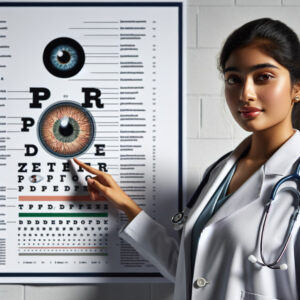
Visual acuity is typically assessed with the Snellen chart—you know, the one with rows of letters that get smaller as you go down. If you’ve got 20/20 vision, it means you can see at 20 feet what most people should see at that distance. But keep in mind, visual acuity varies a lot from person to person. Things like age, genes, and your overall health can play a big role in how clearly you see.
Why Having Clear Vision Matters
Seeing clearly is a big deal for everyday stuff—whether it’s driving, reading, or just enjoying life. When your vision is blurry, it can lead to headaches, eye strain, or even accidents. It definitely affects how you interact with the world, touching everything from your work performance to your hobbies. So, keeping your visual acuity in top shape is crucial for both safety and comfort.
Common Culprits Behind Blurry Vision
There are plenty of reasons your vision might go blurry, like refractive errors such as nearsightedness, farsightedness, and astigmatism. Other issues could be cataracts, glaucoma, or macular degeneration. Even lifestyle choices like too much screen time, poor eating habits, and not enough sleep can mess with your vision. Figuring out what’s causing the blur is the first step to seeing clearly again.
Boosting Visual Acuity the Natural Way
Eating Right for Eye Health
Your diet can have a huge impact on your eyes. Nutrients such as omega-3 fatty acids, lutein, zinc, and vitamins C and E are great for keeping vision problems at bay. Think leafy greens, fish, nuts, and citrus fruits. While munching on these goodies won’t transform your vision overnight, they can definitely support long-term eye health.
Eye Workouts You Can Try
Your eyes, like any muscle, can benefit from a little exercise. Techniques like the 20-20-20 rule—every 20 minutes, look at something 20 feet away for 20 seconds—can help ease eye strain and fatigue. Other methods, like focusing on distant objects or palming, can promote relaxation and might even help improve focus.
Life Tweaks for Better Sight
Small changes in your lifestyle can make a big difference in your vision. Taking regular breaks from screens, having good lighting when reading or working, and maintaining proper posture can help reduce eye stress. Staying hydrated and getting enough sleep are simple yet effective strategies to support your eye health.
Medical Ways to Enhance Visual Acuity
Relying on Glasses and Contacts
If natural methods don’t do the trick, prescription glasses or contact lenses can correct refractive errors. They refocus light on your retina, giving you clearer vision. Regular visits to the optometrist ensure your prescription is up-to-date, so you’re always seeing your best.
Exploring LASIK and Other Surgeries
For those looking for a more permanent fix, surgeries like LASIK reshape the cornea to correct vision. It’s a quick procedure with a short recovery time, and many people see a big improvement afterward. However, it’s important to weigh the pros and cons and have a chat with a professional before diving in.
Orthokeratology: Nighttime Vision Fix
Orthokeratology, or Ortho-K, uses special contact lenses worn overnight to temporarily reshape the cornea. It’s a non-surgical option that can be appealing if you’re not ready for something permanent. Wear these lenses as you sleep, and enjoy better vision during the day without glasses or contacts.
How Technology is Helping Visual Acuity
Cool Advances in Eyewear
Tech has really changed the game for eyewear. There are photochromic lenses that adjust to light changes and blue-light-blocking glasses for screen time. These innovations help ease eye strain and shield your eyes from harmful rays, making it easier to keep your vision clear and comfy in our digital age.
Beating Digital Eye Strain
With more time spent on digital devices, digital eye strain is a common problem. Solutions include using screen filters, tweaking display settings, and doing regular eye exercises. Software that reminds you to take breaks can be a lifesaver in preventing strain and keeping your visual acuity sharp.
Apps and Tools for Eye Care
There are tons of apps out there designed to boost eye health. They offer eye exercises, break reminders, and even vision tests. These tools make it easy to include eye care in your daily routine, helping you stay on top of maintaining and improving your visual acuity.
Staying Ahead: Preventing Visual Acuity Issues
Why Regular Eye Exams Matter
Regular eye exams are key to catching vision changes early. By visiting your eye doctor at least once a year, you can nip issues in the bud before they become major problems. These check-ups not only look at your visual acuity but also check for other eye health concerns, ensuring you’re covered all around.
Gearing Up with Protective Eyewear
Whether you’re playing sports or working in risky environments, wearing protective eyewear is crucial. Safety glasses, goggles, or helmets with face shields can prevent injuries that could affect your vision. Making sure you’ve got the right gear for the task at hand is a simple yet effective way to protect your eyes.
Managing Screen Time and Lighting
In today’s tech-driven world, keeping an eye on screen time is more important than ever. Set your screens at eye level, cut down on glare, and ensure you have good lighting when using devices to minimize eye strain. Taking regular breaks and following the 20-20-20 rule can also help keep your eyes from getting too tired.
Busting Myths and Misconceptions About Visual Acuity
The Truth About Improving Vision Without Glasses
Many folks wonder if it’s possible to enhance vision without glasses. While natural methods can support eye health, they might not be enough for everyone. Glasses and contacts offer precise correction for refractive errors, often necessary for achieving top-notch visual acuity.
Let’s Talk About Eye Exercise Myths
Eye exercises are sometimes hyped as a miracle cure for vision improvement. While they can help ease strain and promote relaxation, they’re not a one-size-fits-all solution. It’s vital to have realistic expectations and understand that exercises are just one piece of the eye health puzzle.
Setting the Record Straight on Nutrition and Vision
Nutrition is crucial for eye health, but it’s not a magic wand for improving visual acuity. Sure, a diet rich in eye-friendly nutrients supports overall eye health, but it won’t necessarily fix refractive errors. Combining good nutrition with other eye care practices is the way to go for the best results.
Real Stories and Testimonials
Stories of Vision Success
Many people have shared their paths to clearer vision, highlighting how lifestyle changes, medical interventions, and technology helped them. These stories are inspiring, showing that with commitment and the right strategies, you can achieve significant improvements.
What the Experts Have to Say
Optometry and ophthalmology experts provide valuable insights into the science of improving vision. Their expertise helps debunk myths and offers guidance on the best practices for maintaining and enhancing visual acuity.
Navigating Challenges and Celebrating Triumphs
The journey to better vision isn’t always easy. Many people face challenges like getting used to new eyewear or recovering from surgery. But these hurdles often lead to victories, with individuals experiencing the joy of clearer vision and a better quality of life.
Wrapping Up: Steps Toward Clearer Vision
Setting Achievable Vision Goals
Setting realistic goals for improving visual acuity is the first step to success. Whether you’re trying natural methods or medical interventions, it’s important to know what’s truly possible.
The Importance of Professional Guidance
Getting advice from eye care professionals is crucial. They offer personalized guidance based on your unique needs, ensuring you get the best care possible. Regular check-ups and open communication with your eye doctor are essential parts of a successful vision improvement plan.
Adopting a Comprehensive Approach to Eye Health
Improving visual acuity isn’t about quick fixes. It’s about embracing a holistic approach that includes nutrition, lifestyle changes, regular eye exams, and the right use of technology. By taking a well-rounded approach, you can work towards achieving and maintaining better vision.
Can Vision Improve with Glasses? Insights from Eye Care Experts
Discovering Ways to Improve Your Vision
When we chat about vision, it’s not just about seeing things. It’s about having clear and focused eyesight that feels comfortable day in and day out. With so many people dealing with vision issues, figuring out how to improve eyesight is super important. Let’s explore whether glasses can really make a difference, with some guidance from top eye care specialists.
Vision troubles can vary from minor annoyances to major disruptions, often messing with our quality of life. Some folks squint to bring things into focus, while others turn to trusty glasses to sharpen their view. But what’s the magic behind these seemingly simple accessories that work wonders for our eyes?
Getting to Grips with Vision Problems
Vision issues often arise from refractive errors, which happen when your eye’s shape doesn’t allow light to focus directly on your retina. The usual suspects in refractive errors are myopia (nearsightedness), hyperopia (farsightedness), astigmatism, and presbyopia. Each of these can make clear vision quite a task.
How Eyeglasses Help Correct Vision
Glasses are tailored to tackle these refractive errors, enabling your eyes to focus light right onto the retina. This process leads to crisper images and a clearer view. While glasses don’t physically alter your eye, they adjust how light enters, compensating for any flaws.
The Importance of Taking Care of Your Eyes
Looking after your eyes goes beyond just popping on a pair of glasses. Regular eye exams are key to spotting any changes in your vision and ensuring your prescription is spot on. Caring for your eyes is a lifelong journey, and knowing how to do it well can massively boost your overall quality of life.
Do Glasses Really Improve Vision? Let’s Find Out
How Glasses Work Their Magic
Glasses work by tweaking the angle of light as it enters your eyes, making sure it hits the retina just right. The lenses are specifically designed to counteract the refractive error that’s troubling your vision. Whether you’re struggling to see far-off things or nearby objects, glasses can turn that blur into clarity.
Different Kinds of Refractive Errors
Each refractive error needs a distinct fix. Myopia blurs distant objects, while hyperopia makes it tough to see things up close. Astigmatism causes vision to be wonky at all ranges due to an oddly shaped cornea or lens. Presbyopia, which often comes with age, makes focusing on nearby items tricky.
How Lenses Work
The lenses in glasses are precisely crafted to correct these errors. Concave lenses tackle myopia, while convex lenses handle hyperopia. Cylindrical lenses even out vision for astigmatism. For presbyopia, multifocal lenses provide an easy shift between different distances.
What Eye Care Experts Say
The Experts Weigh In on Vision Improvement
According to eye care pros, glasses don’t permanently change the structure of the eye, but they do greatly enhance vision quality. The general agreement is that regularly wearing your glasses can ease strain and help prevent further deterioration, especially if paired with routine eye check-ups.
Busting Myths About Glasses
There’s a common myth floating around that wearing glasses might weaken your eyes over time. But experts are clear: that’s just not true. Glasses are there to correct your vision, not to alter your eyes. Skipping glasses when you need them can actually lead to more strain and discomfort.
Stories of Real-Life Success
Many have experienced life-changing boosts in their vision quality thanks to glasses. Kids doing better in school and adults excelling at work showcase the positive impact glasses can have. These success stories highlight why it’s so important to tackle vision issues as soon as possible.
Exploring Different Types of Glasses
Single Vision Lenses
Single vision lenses are perfect for those with just one type of refractive error, like myopia or hyperopia. They offer consistent correction across the lens, giving clear vision at either near or far distances, depending on what you need.
Bifocal and Trifocal Lenses
Bifocal and trifocal lenses are great for people who need help seeing at multiple distances. Bifocals come with two different optical powers, while trifocals add a third for the middle range. They’re especially helpful for those with presbyopia who need various focal adjustments throughout the day.
Progressive Lenses
Progressive lenses provide a smooth shift between multiple focal points without the visible lines that bifocals or trifocals have. They let you move from reading to driving seamlessly with just one pair of glasses, making them a favorite choice for versatile vision correction.
The Upside of Wearing Glasses
Sharper Vision
One of the immediate perks of wearing glasses is the sharper vision they offer. Corrective lenses provide a clear, focused view of the world, letting you engage more fully with your surroundings without the distraction of blurriness.
Reducing Eye Strain
Glasses tailored to your vision needs can significantly cut down on eye strain, especially during tasks that require prolonged focus, like reading or computer work. Properly corrected vision can help avoid headaches and fatigue linked to eye strain.
Supporting Long-Term Eye Health
Wearing glasses consistently not only improves your vision right away but also supports your eyes over time. By preventing your eyes from working too hard, glasses help maintain optimal function and may slow down the progression of certain vision problems.
Where Glasses Might Fall Short
When Glasses Aren’t Enough
While glasses work wonders for many, they’re not a one-size-fits-all solution. Certain conditions, like cataracts or macular degeneration, might need other treatments. In these cases, glasses can assist but not stop or reverse the condition.
The Need for Regular Eye Exams
Keeping up with regular eye exams is crucial for ensuring your prescription is up-to-date and catching any new issues. Since vision can change over time, it’s important to make sure your glasses are still doing the job. Eye exams also offer a chance to check for other health concerns affecting your sight.
Exploring Other Vision Correction Options
If you’re considering alternatives to glasses, options like contact lenses or laser eye surgery might be worth a look. However, these come with their own considerations and should be discussed thoroughly with an eye care professional to assess suitability and potential risks.
Lifestyle Tweaks to Boost Your Vision
The Role of Eye Exercises
Incorporating eye exercises into your daily routine can complement wearing glasses. They might help ease strain and improve focus. Simple practices, like the 20-20-20 rule—taking a 20-second break to look at something 20 feet away every 20 minutes—can make a big difference.
How Nutrition Affects Eye Health
What you eat plays a big part in maintaining eye health. A diet rich in vitamins C and E, zinc, lutein, and omega-3 fatty acids can support your vision. Foods like leafy greens, fish, and nuts are excellent for naturally boosting eye health.
Cutting Down on Digital Eye Strain
With more screen time than ever, digital eye strain is a common issue. To ease this, try adjusting screen brightness, taking regular breaks, and ensuring your workspace is well-lit. These small changes can really cut down on eye discomfort.
Wrapping Up: The Path to Better Vision
Key Points on Improving Vision
Glasses are a practical solution for improving vision by correcting refractive errors and boosting clarity. While they don’t change the eye’s structure, they provide immediate benefits like reduced eye strain and better focus.
Long-Term Strategies for Vision Care
Keeping your vision in top shape involves a mix of the right glasses, regular eye exams, and healthy lifestyle habits. Staying informed and proactive about eye care can help preserve your vision for years to come.
Why Regular Eye Check-Ups Matter
Your eyes are precious, and taking care of them should be a top priority. Regular check-ups can catch changes early, making sure your vision stays as clear and comfortable as possible. So, don’t wait—schedule that eye exam today and take a step towards better vision.

Can Vision Improve with Age? Tips for Enhancing Eye Health
Introduction: Can Vision Get Better as We Age?
When we think about getting older, most of us link it with a decline in our senses. But what if, surprisingly, some folks notice their vision getting better with age? It might sound like a tall tale, but let’s take a closer look at how our eyesight can change as we age and see if there’s more to this surprising idea than meets the eye.
Getting to Know Vision Changes
As we go through life, our bodies, including our eyes, experience various changes. Typically, vision changes start showing up in our 40s or 50s. Most people deal with presbyopia, where the lens in the eye stiffens, making it tougher to focus on things up close. But not all changes are bad news, and understanding these basics can help us handle them better.
Busting Myths About Vision Improvement
We often hear about eyesight getting worse with age, but tales of improved vision aren’t entirely made-up. Some people say their vision gets better, especially if they tackle underlying health issues or adopt healthier habits. Yet, it’s important to separate personal stories from scientific facts and keep our expectations grounded.
The Key to Keeping Your Eyes Healthy
Whether or not vision can improve with age, taking care of our eyes is crucial. By being proactive, we can prevent or delay vision problems, ensuring we stay independent and enjoy life as we get older. Regular check-ups, a good diet, and guarding against environmental stressors are essential for eye health.
What Affects Vision Changes?
The Genetic Angle
Genetics has a big say in how our vision evolves. Family history can reveal potential issues like glaucoma or macular degeneration. Knowing these genetic tendencies means we can take preventive steps early and possibly lessen the impact of inherited conditions.
How Lifestyle Choices Matter
The choices we make every day can greatly affect our eye health. Bad nutrition, smoking, and too much alcohol can speed up vision decline. On the flip side, a diet rich in vitamins A, C, and E can give our eyes a boost. Embracing healthy habits can set the stage for maintaining or even improving our vision.
The Role of the Environment
Things like UV light and blue light from screens can wear our eyes out over time. Living in a city with high pollution levels can also lead to eye irritation and long-term damage. Being aware of these factors and taking steps like wearing sunglasses and using screen filters can help keep our vision intact.
Can Vision Really Get Better with Age? Let’s Explore
Natural Eye Changes
As we age, our eyes’ structure can change in ways that might unexpectedly improve vision for some. For example, shifts in the corneal curve or lens density might fix some refractive errors. However, these improvements tend to be specific and not something everyone experiences.
The Possibility of Vision Stabilizing
Sometimes, vision doesn’t improve but instead stabilizes with age. As our eyes’ growth slows down, some people find their prescription doesn’t change as often. This stability can be a relief, lowering the need for corrective measures and making it easier to maintain good eye health.
Improved Vision Through Lifestyle Tweaks
There are stories of people noticing better vision thanks to lifestyle changes. Eating healthier, quitting smoking, or doing regular eye exercises can lead to noticeable improvements. While these changes might not dramatically boost vision, they can enhance overall eye health.
Tips to Boost Eye Health at Any Age
Eating Right for Your Eyes
What you eat plays a huge role in keeping your eyes healthy. Foods packed with omega-3 fatty acids, lutein, zeaxanthin, and antioxidants support eye function. Leafy greens, fish, nuts, and citrus fruits are great additions to your diet for top-notch eye health.
Keeping Up with Eye Checkups
Regular eye exams are key for catching issues early and keeping an eye on changes. These checkups can spot conditions like glaucoma or cataracts before they get serious, allowing for timely treatment. Eye exams are vital for a proactive approach to eye health.
Protecting Against Eye Strain
In today’s tech-heavy world, eye strain is a big concern. Following the 20-20-20 rule, where you take a 20-second break every 20 minutes to look at something 20 feet away, can ease strain. Adjusting lighting and screen settings can also help prevent digital eye strain.
Supporting Vision Improvement with Lifestyle Choices
Adding Eye Exercises to Your Routine
Eye exercises can boost focus and strengthen eye muscles. Simple activities like focusing on faraway objects or doing eye rotations can be helpful. While they won’t reverse significant vision issues, they can improve visual comfort and flexibility.
Managing Screen Time and Blue Light
Keeping screen time in check and using blue light filters can protect your eyes from strain and long-term harm. Blue light, especially before bed, can mess with your sleep. By managing screen use, you support both eye health and overall well-being.
Staying Active for Healthy Eyes
Regular exercise boosts circulation, which is crucial for eye health. It can lower the risk of conditions that affect vision, like diabetes or hypertension. Adding physical activity to your routine supports both your eyes and overall health.
High-Tech Helpers and Treatments for Better Vision
Advancements in Lenses and Surgery
Modern improvements in corrective lenses, like multifocal and progressive lenses, offer better vision correction options. Surgeries like LASIK have become safer and more effective, providing long-term fixes for refractive errors.
Cutting-Edge Vision Therapy
Vision therapy, often used for issues like strabismus or amblyopia, has seen big tech leaps. Customized sessions using computer programs and special equipment can improve visual skills and processing.
New Tech for Vision Support
New technologies, such as retinal implants and gene therapy, show promise for treating genetic vision disorders. Though still in the testing phase, these innovations could change vision care and offer hope for those with severe impairments.
Tackling Common Vision Problems as We Age
Spotting Age-Related Vision Symptoms
Recognizing symptoms like blurred vision, trouble seeing at night, or frequent prescription changes is key. Quick action on these signs can prevent further issues and help manage age-related vision problems.
Dealing with Presbyopia
Presbyopia makes it tough to focus on close objects as we age. Reading glasses, bifocals, or progressive lenses can help manage this condition. Exploring these options with an eye care expert can boost comfort in daily activities.
Handling Cataracts and Glaucoma
Cataracts and glaucoma are common with age. Early detection through regular checkups is crucial for managing these conditions. Cataract surgery is effective, while glaucoma needs ongoing management to prevent vision loss.
Conclusion: Embracing Healthy Vision Habits
Wrapping Up the Key Points
While the idea of vision getting better with age isn’t a blanket truth, there are plenty of ways to maintain and support eye health. From lifestyle tweaks to tech advancements, we have numerous avenues to care for our eyes as we age.
Encouraging Active Eye Care
Taking charge of your eye health can bring big benefits. Regular eye exams, healthy habits, and staying updated on the latest advancements empower you to keep your vision sharp and enjoy life fully.
Long-term Gains from Better Vision Care
Investing in your vision care not only boosts quality of life now but also lays the groundwork for healthy aging. By focusing on eye health, you can cut the risk of vision issues and keep doing the things you love with clarity and confidence.

The Age-Old Question: Can Vision Get Better with Age?
Discovering How Our Vision Changes with Age
We’ve all heard it: as the years go by, our eyesight takes a nosedive. Whether it’s squinting to read the fine print or reaching for stronger glasses, vision changes seem to be just another part of getting older. But here’s a twist—could it be that some folks actually see better as they age? It might sound out there, but let’s dive into the fascinating way our eyes evolve over the years.
Getting a handle on how our vision shifts as we age is a big deal. Not only does it help us keep our eyes in tip-top shape, but it also busts myths that can cause unnecessary worry. By shining a light on the ins and outs of aging eyes, we gear up to take these changes in stride. So, in this blog, we’re tackling the intriguing question: can vision actually improve as we get older?
How Our Eyesight Typically Changes with Age
As time marches on, our bodies go through a lot of changes, and our eyes are no exception. The aging process usually means our vision starts to dip. For most, it kicks off with presbyopia, where the lens in our eyes stiffens up, making it a struggle to focus on things up close. It’s a common gripe for folks hitting their 40s and beyond.
But that’s not all. Other age-related eye issues can pop up, like cataracts, age-related macular degeneration (AMD), and glaucoma. According to the National Eye Institute, nearly a third of Americans over 40 deal with some kind of vision problem. These numbers highlight why regular eye check-ups are a must as we age.
The Science Behind Improved Vision in Some People
While most folks find their vision slipping with age, there are some exceptions. A handful of people notice a surprise improvement in their eyesight. This oddity is often linked to changes like the eye’s lens hardening, which can oddly enough help those who were nearsighted see better at a distance.
Plus, lifestyle and surroundings play a big role in eye health. Things like what we eat, how much we move, and how often we get natural light can all make a difference. For example, a diet packed with omega-3s and antioxidants might give your eyes a boost. Studies have looked into these factors, offering clues on how vision might actually get better with age under certain conditions.
Is the Idea of Better Vision with Age a Myth or Reality?
Most folks shrug off the idea of vision getting better with age as a tall tale. But there are real-life stories and expert insights that suggest otherwise. While it’s not the norm, some seniors do see an improvement thanks to changes in their eye structure or the resolution of past vision issues.
Take cataracts, for example. In rare instances, they can tweak the lens’ refractive power, giving a temporary vision boost. But these changes aren’t something everyone experiences, and it’s wise to chat with an eye care pro about them. Getting a grip on these nuances helps sift fact from fiction, giving us a clearer picture of what’s possible for aging eyes.
Habits That Might Help Keep Your Vision Sharp as You Age
Keeping your eyesight sharp as you age isn’t just about good genes. The choices we make every day play a huge role. Nutrition is a biggie; eating foods loaded with vitamins A, C, and E, plus zinc and omega-3s, can do wonders for your eyes. Think leafy greens, fish, and citrus fruits.
Regular eye exercises can also help keep those eye muscles strong and flexible. Simple moves, like focusing on distant objects or doing eye yoga, can really help. And don’t forget those routine eye exams—they’re key for catching and managing any issues early, so your eyes stay in great shape as you age.
Vision Care: The Latest Tech and Medical Breakthroughs
These days, technology and medicine have taken vision care to a whole new level. From smart eyewear and contact lenses that tackle specific vision problems to cutting-edge laser surgeries and cataract treatments, there are lots of promising options for those wanting to boost or maintain their vision.
There’s also a slew of assistive tech, like magnifiers and apps, that help folks with vision impairments handle everyday tasks more easily. These tools don’t just improve vision—they enhance overall quality of life, helping people stay connected with the world around them.
Tips for Keeping Your Eyes Healthy as You Age
Welcoming vision changes with open arms means taking steps to keep your eyes in good shape. A balanced diet is a great start, supporting not only your eyes but your whole body. Plus, protecting your eyes from UV rays with sunglasses can ward off sun damage.
In today’s digital world, managing screen time is more crucial than ever. Taking regular breaks and using blue light filters can ease digital eye strain. By embracing these habits, you can keep your eyesight in check and enjoy the aging process with ease.
Wrapping Up: Facing Vision Changes with Optimism
As we face the inevitable changes that come with aging, keeping a positive outlook is key. While some vision decline is expected, the chance for improvement—be it through lifestyle tweaks or medical advances—offers a glimmer of hope.
By staying informed and proactive about eye care, you can continue to appreciate the beauty of the world around you. Remember, regular check-ups and healthy habits are your best friends in preserving your vision. Embrace these changes with optimism, knowing that improvement is indeed possible, even as the years go by.

Can Vision Get Better: Understanding the Impact of Screen Time
Introduction: The Digital Age and Our Eyes
These days, everywhere you look, there’s a screen — whether it’s for work, fun, or keeping in touch with friends and family. Our eyes are pretty much glued to these digital devices, and it’s causing quite a stir about how all this screen time affects our vision. Many of us are left scratching our heads, asking, “Is it even possible for vision to improve?” A fair question, especially as our lives become more intertwined with technology.
Taking care of our eyes is now more important than ever, not only to preserve our sight but also to ensure our overall well-being. As we dive into this topic, let’s find out how screens impact our eyes and explore ways to naturally or technologically enhance our vision.
How Screen Time Affects Vision
First off, it’s crucial to know how screen time messes with our eyes if we want to tackle vision issues. A typical problem is digital eye strain, often called computer vision syndrome. This pops up after too much screen exposure, causing dry eyes, headaches, and blurred vision. What’s to blame? The blue light from screens, which can throw off our sleep cycles and make our eyes feel uncomfortable.
Plus, the intense focus needed for screen work can tire out our eyes, making it tough to switch focus to things far away. Spotting these symptoms early on can help ward off long-term problems and encourage healthier habits for our eyes.
Can Vision Get Better: Natural Improvement Methods
Luckily, there are some natural tricks to help boost our vision. A simple yet powerful method is the 20-20-20 rule: every 20 minutes, take a 20-second break to look at something 20 feet away. This little routine can do wonders in easing eye strain and sharpening focus over time.
Adding eye exercises to your daily schedule can also strengthen those eye muscles and improve visual clarity. Try focusing on objects at varying distances or doing eye rotations. Eating a balanced diet rich in vitamins A, C, and E, along with omega-3 fatty acids, is key too, as these nutrients are vital for maintaining eye health.
Technological Solutions for Better Vision
In our tech-driven world, there are plenty of gadgets designed to reduce eye strain. Blue light filtering screens and glasses are gaining popularity because they help cut down the blue light reaching our eyes. These are especially handy if you spend a lot of time with digital devices.
There are also apps and software that keep tabs on your screen time, nudging you to take breaks and tweak your habits. Smart lighting solutions, imitating natural light, can also ease eye strain, making your environment more eye-friendly. By embracing these technologies, you can take charge of protecting your vision.
Professional Interventions for Vision Improvement
If you’re considering professional help, regular eye exams are crucial for keeping your eyes in check and catching any issues early. Eye care experts can provide tailored advice, prescribe corrective lenses, or suggest vision therapy specific to your needs.
With advances in corrective surgeries like LASIK, many people have seen their vision improve, minimizing the need for glasses or contacts. It’s important to discuss these options with an eye specialist to weigh the potential risks and benefits, aiming for the best outcome for your vision.
Lifestyle Changes to Support Vision Health
Beyond tech and professional advice, a few simple lifestyle tweaks can make a big difference for your eyes. Good posture and ergonomics while using digital devices can help avoid strain and discomfort. Keeping your screen at eye level and at a comfortable distance can really help.
Getting outdoors and soaking up some natural light can also be beneficial. Natural light helps regulate sleep patterns and lowers the risk of myopia, especially in youngsters. Staying hydrated is key too, as it supports tear production and prevents dry eyes.
Can Vision Get Better: Debunking Myths
There are plenty of myths about vision and screen time, leading to a lot of confusion. A common one is that screen time causes permanent eye damage. While it can cause temporary discomfort, there’s no proof it leads to lasting harm.
Similarly, while eye exercises can help improve vision, they’re not a magic cure. It’s important to have realistic expectations and see these exercises as part of a broader approach to eye health. By clearing up these myths, we can focus on effective strategies for improving our vision.
Conclusion: Proactive Steps for Healthier Vision
In the end, while the digital age brings challenges for our eyes, there are plenty of ways to protect and enhance our vision. From natural methods and tech solutions to professional help and lifestyle changes, each approach plays a role in keeping our eyes healthy.
By taking proactive steps and adopting better screen habits, we can keep our vision sharp and vibrant. So, can vision get better? Absolutely. With the right approach and a commitment to eye health, we can all make strides toward clearer, healthier vision.

Vision Improvement Without Glasses: Can Vision Be Improved Naturally?
Discovering Natural Ways to Improve Your Vision
In today’s screen-centric world, many of us find ourselves glued to our glasses. It’s no wonder so many are eager to ditch the lenses and enjoy clearer vision naturally. But is it really possible to sharpen your sight without reaching for those specs? The idea might seem like wishful thinking, but there’s a lot more to natural vision improvement than meets the eye.
Getting to Know Your Eye Health
Our eyes are incredibly complex, with every little part playing its role to let us see the world. Keeping them in top shape is key. Genetics, your surroundings, and even the choices you make every day all affect how well your peepers perform. If we don’t take care of them, these factors can lead to vision problems, which is why it’s crucial to grasp the basics of eye health.
Why It’s Crucial to Address Vision Issues
Overlooking vision troubles can cause more than just fuzzy sight; it can really put a damper on your daily life and long-term health. Tackling these problems early, whether through conventional methods or more natural ones, can stop them from getting worse and boost your overall well-being. So, it’s not just about seeing better; it’s about living better.
Exploring the Possibility of Natural Vision Enhancement
Natural vision improvement suggests that with certain habits and lifestyle tweaks, you could boost your eyesight without needing glasses or surgery. This might include exercises, a balanced diet, and creating a supportive environment for your eyes. But do these methods actually work? Let’s dig a little deeper to find out.
Understanding Common Vision Problems and Their Roots
Diving into Myopia and Hyperopia
Myopia, or nearsightedness, happens when images are focused in front of the retina, making things in the distance look blurry. Hyperopia, or farsightedness, does the opposite, focusing images behind the retina. While both conditions often run in families, spending too much time on screens can make them worse.
Getting a Handle on Astigmatism
Astigmatism is a widespread vision issue caused by an uneven cornea or lens, leading to blurry or distorted vision no matter the distance. This condition is usually present from birth but can also develop from eye injuries or surgeries. Understanding what causes it is the first step in finding natural ways to manage it.
Dealing with Age-Related Vision Changes
As we grow older, changes in our vision are almost a given. Conditions like presbyopia, cataracts, and macular degeneration tend to pop up with age. While these changes are a natural part of aging, certain lifestyle tweaks and preventive strategies can help slow their progress and keep your eyes healthier longer.
Natural Techniques for Better Vision
The Benefits of Eye Exercises
Eye exercises aim to strengthen those eye muscles and improve focus. Methods like looking at distant objects or doing specific eye movements can help ease eye strain and might even boost your vision over time. While they won’t completely replace glasses, they’re a great addition to overall eye care.
Boosting Eye Health with Nutrition
A diet full of the right vitamins and minerals is crucial for keeping your eyes in good shape. Nutrients like vitamins A, C, E, and zinc are well-known for supporting vision and guarding against age-related damage. Adding foods like leafy greens, carrots, and fish to your diet can make a big difference in your eye health journey.
Adopting Lifestyle Changes for Better Vision
Simple lifestyle tweaks can make a world of difference for your eyes. Cutting back on screen time, practicing smart lighting habits, and getting enough rest to avoid eye fatigue are just a few changes that can lead to healthier eyes. A well-rounded approach to eye care can effectively support natural vision improvement.
Diving into Eye Exercises: Techniques and Their Impact
Exploring the Bates Method
The Bates Method, created by Dr. William Bates, is a set of exercises aimed at naturally improving vision. It includes techniques like palming, sunning, and shifting, which are thought to relax the eyes and reduce strain. While scientific evidence is scant, many advocates swear by its stress-relieving and focus-enhancing effects.
Practicing Palming and Visualization
Palming involves covering your eyes with your palms to block out light, giving your eyes a chance to relax. Visualization exercises, on the other hand, focus on mentally picturing clear images. Both methods aim to ease eye tension and promote relaxation for a better visual experience.
Exploring Eye Yoga and Its Benefits
Eye yoga features a series of movements designed to exercise and strengthen your eye muscles. Techniques like focusing on a point or following a moving object can help boost eye coordination and flexibility. Although research is ongoing, eye yoga shows promise for those looking to improve their vision naturally.
Supporting Vision with Nutrition and Supplements
Key Vitamins and Minerals for Eye Health
Vitamins and minerals are essential building blocks for eye health. Vitamin A is vital for keeping your cornea clear, while vitamins C and E act as antioxidants to fend off free radical damage. Zinc, found in high concentrations in the eyes, helps antioxidants do their job. Together, these nutrients create a strong defense against vision decline.
The Role of Antioxidants in Eye Health
Antioxidants are crucial for shielding the eyes from oxidative stress, which can lead to issues like cataracts and age-related macular degeneration. Foods packed with antioxidants, such as berries, nuts, and leafy greens, are key for maintaining eye health and potentially improving vision naturally.
Popular Supplements for Vision Enhancement
Supplements like lutein and zeaxanthin have gained traction for supporting eye health. These carotenoids, found in the retina, are believed to filter harmful blue light, lowering the risk of macular degeneration. Omega-3 fatty acids, often found in fish oil, are also known to support eye health by reducing inflammation.
Making Lifestyle Tweaks for Top-Notch Eye Health
Cutting Down on Screen Time and Easing Digital Eye Strain
In our digital age, eye strain from screens has become a widespread issue. Symptoms include dry eyes, headaches, and blurred vision. Cutting back on screen time, taking regular breaks, and using blue light filters can help ease these symptoms and lead to healthier eyes over time.
The Importance of Regular Eye Exams
Regular eye check-ups are vital for maintaining eye health. They allow for early detection of potential problems and provide a chance to discuss natural vision improvement options with a pro. A thorough eye exam can guide you in making informed choices about your eye care routine.
Setting Up a Vision-Friendly Space
Creating a vision-friendly environment means optimizing lighting, reducing glare, and ensuring good ergonomics. These changes can cut down on eye strain and enhance your visual comfort. Being mindful of your surroundings can make a significant difference in supporting natural vision improvement.
Busting Myths About Natural Vision Improvement
Setting the Record Straight on Common Myths
There are plenty of myths floating around about natural vision improvement, like the idea that wearing glasses makes your eyes weaker. In reality, glasses or contacts just correct refractive errors and don’t change the underlying condition. Understanding these misconceptions can help you make wiser choices about your eye health.
Diving Into Scientific Evidence and Research
While some natural vision improvement techniques lack solid scientific proof, research is ongoing into their potential benefits. Studies have shown that certain eye exercises and nutritional strategies may support eye health, but more evidence is needed. It’s crucial to approach these methods with an open yet discerning mind.
Wrapping It Up: Is Natural Vision Improvement Possible?
Recap of Key Takeaways
Natural vision improvement includes a mix of methods, from eye exercises and nutrition to lifestyle changes. While these techniques might not completely eliminate the need for corrective lenses, they can support overall eye health and potentially sharpen your vision over time.
Making Smart Choices About Your Eye Health
In the end, while improving vision without glasses is an exciting goal, it’s important to blend natural methods with traditional eye care practices. Consult eye care professionals, stay informed, and adopt a comprehensive approach to support your eye health journey.