
Can We Reverse Eye Power with Diet and Lifestyle Changes?
Diving Into Eye Power and Why It Matters
Getting the Gist of Eye Power
Eye power, usually measured in diopters, is all about how your eyes bend light. It determines your ability to focus on things near and far. You’ve probably come across terms like myopia (that’s being nearsighted) or hyperopia (farsightedness), which are pretty common refractive hiccups. These issues can throw a wrench in your daily routine, like when you’re reading a book or cruising down the highway. Grasping the concept of eye power is just the beginning when it comes to understanding why keeping your eyes healthy is so crucial.
What Causes Eye Power to Change?
There are plenty of reasons why your eye power might shift. Genetics are a biggie—your family tree can often predict if you’ll deal with refractive errors. Then there are environmental culprits like endless screen time and poor lighting that can mess with your eyes. Even your lifestyle choices, such as what you eat and how active you are, can play a part over time. Knowing these factors can help you take charge and keep your vision in tip-top shape.
Why Good Eye Health is a Must
Keeping your eyes in good shape is vital, not just for your sight, but for your overall well-being. Clear vision lets you fully engage with the world—think learning new things or just hanging out with friends. Regular eye check-ups, eating a balanced diet, and wearing protective eyewear are just some of the ways to keep your eyes healthy. By making these habits a priority, you can ward off eye troubles and keep your vision sharp for years to come.
The Science of Reversing Eye Power
Is Eye Power Reversal Possible? Here’s What Science Says
The idea of naturally reversing eye power is pretty fascinating and has spurred a lot of research. Some studies hint that certain methods might bring slight improvements, especially in mild cases of refractive errors. But the general consensus among scientists is that while we can manage and sometimes make minor tweaks to eye power, a complete reversal isn’t on the cards with what we’ve currently got. Still, research is ongoing, and who knows what the future might hold?
Factors That Sway Eye Power
There are several things that can influence your eye power, like your age, genetics, and the environment. How you live your life—what you eat and how much screen time you clock in—also matters. Eye exercises and wearing the right glasses can help keep these factors in check, possibly slowing down the progression of refractive errors. Understanding these influences means you can better tailor your approach to managing your eye health.
Limitations in Current Research
Despite the buzz around reversing eye power, current scientific studies have their limits. Many rely on small groups or short study periods, which can muddy the results. The human eye is complex, with its own adaptation tricks, which adds another layer of challenge. Even so, research is advancing, holding the promise of more effective solutions down the line.
How Diet Affects Eye Health
Vital Nutrients for Your Eyes
Vitamins A, C, and E are key players in keeping your eyes healthy. Omega-3 fatty acids, zinc, and lutein also pitch in to support your vision. These nutrients help shield your eyes from oxidative stress and inflammation, potentially staving off age-related eye issues. By mixing these nutrients into your diet, you can bolster your eye health overall.
Foods That Can Boost Eye Power
Some foods are famous for their eye-friendly perks. Carrots, loaded with beta-carotene, are a classic choice for supporting vision. Leafy greens like spinach and kale are packed with lutein and zeaxanthin, which protect your eyes from harmful light. Fatty fish like salmon offer omega-3 fatty acids, great for keeping your retinas in good shape. Adding these foods to your meals can help keep your eyes in top form.
Can a Change in Diet Reverse Eye Power?
While diet alone might not flip your eye power on its head, it definitely plays a role in maintaining and supporting eye health. A diet rich in nutrients ensures your eyes get the support they need to function their best, possibly preventing further decline. By sticking to a balanced diet full of essential vitamins and minerals, you can help keep your vision healthy over the long haul.
How Lifestyle Tweaks Affect Eye Health
Screen Time’s Impact on Eye Power
With screens everywhere these days, long hours in front of them can be a real headache for your eyes. This can lead to digital eye strain, with symptoms like dry and blurry vision. The 20-20-20 rule, where you take a 20-second break every 20 minutes to look at something 20 feet away, can ease the strain and help maintain your eye power.
Why Eye Exercises Matter
Incorporating eye exercises into your daily routine can be a game-changer, strengthening eye muscles and improving focus. Simple exercises like palming, tracing figure-eights, and shifting focus from near to far can help ease eye strain and might even improve visual acuity over time.
Can Lifestyle Changes Reverse Eye Power?
While tweaking your lifestyle alone might not completely turn back the clock on eye power, it can certainly help manage and possibly improve it. Cutting down on screen time, sticking to regular eye exercises, and living a healthy lifestyle can all contribute to better eye health. Pair these habits with a balanced diet, and you’ve got a solid foundation for maintaining good vision.
Exploring Natural Remedies and Other Approaches
Popular Natural Remedies for Eye Health
Natural remedies like herbal teas, eye massages, and acupuncture have built a following for their potential eye health benefits. While scientific backing is limited, many people claim to notice improvements. It’s wise to tread carefully with these methods and seek advice from a healthcare professional first.
The Role of Supplements in Eye Power Enhancement
Supplements like Omega-3s, vitamin C, and bilberry extract are often praised for their eye health benefits. They can complement a balanced diet, possibly boosting eye function. However, it’s important to use supplements judiciously and consult with a healthcare provider to ensure they’re safe and effective for you.
Is Natural Reversal of Eye Power Feasible?
While natural methods can support eye health, fully reversing eye power naturally is still up in the air. Combining natural remedies with a healthy lifestyle and diet can certainly enhance your eye health and may lead to slight improvements in eye power. It’s important to set realistic goals and focus on overall eye wellness.
Stories of Success and Lessons Learned
True Stories of Eye Power Improvement
Anecdotal evidence abounds of people who have seen improvements in their eye power through lifestyle changes, dietary tweaks, and natural remedies. These stories often underscore the value of consistency and commitment. While not backed by hard science, they can inspire and motivate others looking to boost their eye health.
Insights from Successful Eye Health Routines
Success stories often highlight the importance of a holistic approach to eye health. Regular eye exercises, a nutrient-rich diet, and mindful lifestyle changes are common themes. These accounts teach us that while progress might be slow, persistence can lead to positive results for eye health.
Expert Tips and Suggestions
What Optometrists and Eye Specialists Say
Eye care experts agree that while reversing eye power is tough, management and improvement are achievable. They recommend regular eye exams, proper eyewear, and a healthy lifestyle. Specialists stress the importance of early intervention and personalized care to maximize eye health outcomes.
Professional Guidelines on Eye Power Management
Professional advice leans towards a comprehensive approach to eye health, including regular check-ups, protective eyewear, and lifestyle changes. While a full reversal of eye power isn’t guaranteed, these strategies can help maintain and improve eye health. Always consult an eye care professional for tailored advice and the best outcomes.
Wrapping Up and Looking Ahead
Key Takeaways
In a nutshell, while completely reversing eye power is a tough nut to crack, there are several ways to manage and perhaps enhance it. A balanced diet, regular eye exercises, and thoughtful lifestyle changes can all contribute to maintaining optimal eye health. Natural remedies and supplements can offer extra benefits, but should be used wisely.
The Future of Eye Power Reversal Research
Research into eye power reversal is ever-evolving, with exciting developments on the horizon. Advances in technology and a deeper understanding of the eye may pave the way for more effective solutions. Continued exploration in this field holds the promise of breakthroughs that could reshape eye care practices.
Encouraging Lifelong Healthy Eye Habits
Ultimately, nurturing healthy eye habits is key to enjoying long-term vision benefits. By prioritizing eye health through diet, lifestyle, and regular check-ups, we can help preserve our vision for the long haul. Encouraging a proactive approach to eye care can lead to a lifetime of clear and comfortable vision.

Can We Regain Eyesight After Injury? Understanding Recovery Options
### Introduction to Eye Injuries and Vision Loss
Our eyes, those delicate parts of our body, are unfortunately prone to damage from all sorts of things—accidents, infections, or even certain health conditions. When injured, they can lead to temporary or sometimes permanent vision loss, which can seriously affect how we live our day-to-day lives. So, understanding what eye injuries are all about is a crucial first step in addressing and possibly fixing the damage.
### Overview of Common Eye Injuries
Eye injuries come in all shapes and sizes—everything from minor scratches on the cornea to more severe trauma affecting deeper structures. Some common ones include corneal abrasions, chemical burns, and retinal detachments. Each type of injury needs its own treatment approach, and the path to vision recovery can vary greatly depending on the injury.
### Understanding the Impact on Vision
When the eyes are injured, you might experience symptoms like blurred vision, pain, redness, and light sensitivity. In more severe cases, it could mean partial or even complete vision loss. How much vision is lost really depends on where and how bad the injury is, and how quickly and effectively it’s treated. Getting treatment early is key to keeping long-term damage to a minimum.
### Importance of Prompt Medical Attention
When it comes to eye injuries, every second counts. Getting medical help fast can really change the outcome. If treatment is delayed, there could be complications or even permanent vision loss. Seeing a professional right away means a proper diagnosis and timely treatment, both of which are crucial for saving your sight.
### Can We Regain Eyesight After an Injury?
#### Exploring the Possibilities of Vision Recovery
A lot of folks who suffer from eye injuries wonder, “Can we get our eyesight back?” Thankfully, the answer is often yes, but it does depend on a few factors. Some injuries heal on their own, but others might need medical help. The chances of recovery really hinge on the type and severity of the injury.
#### Factors Influencing Recovery Outcomes
Several things can affect whether you’ll regain your eyesight. Age and overall health, the nature of the injury, and how quickly you get treatment all play a part. Plus, the type of treatment and how well you stick to rehabilitation programs can really make a difference in recovery outcomes.
#### Recent Research and Developments
Medical research has been paving the way for new methods of recovering vision after an injury. Exciting treatments like stem cell therapy and gene editing are showing promise in repairing damaged eye tissues. Ongoing studies keep exploring these avenues, offering hope to those dealing with vision loss.
### Medical Treatments for Eye Injury Recovery
#### Surgical Options for Vision Restoration
Surgery is often a good option for restoring vision, especially in cases of retinal detachment or severe corneal damage. Procedures like laser surgery, corneal transplants, and vitrectomy can help bring back sight. The success of these operations really depends on the specific condition and the surgeon’s skills.
#### Pharmacological Treatments and Their Effectiveness
Medications are a big part of treating eye injuries too. Antibiotics can fend off infections, while anti-inflammatory drugs help reduce swelling and pain. Sometimes, medications that lower intraocular pressure or promote healing are prescribed to aid recovery. These treatments can be essential, especially in the early stages of healing.
#### Role of Stem Cell Therapy in Vision Recovery
Stem cell therapy is an exciting new frontier in vision recovery. By regenerating damaged cells, this treatment offers new hope for those with severe eye injuries. Although it’s still in the experimental phase, stem cell therapy has shown promising results in clinical trials, paving the way for future breakthroughs.
### Rehabilitation and Vision Therapy
#### Importance of Visual Rehabilitation
Rehabilitation is a critical part of bouncing back for anyone who’s lost some vision. It involves exercises and therapies aimed at making the most of the vision that’s left and improving overall life quality. Visual rehabilitation can significantly boost the effectiveness of medical treatments.
#### Types of Vision Therapy Techniques
Vision therapy includes techniques like eye exercises, prisms, and computer-based activities designed to boost visual skills. These therapies can help retrain the brain and eyes to work better together, leading to improved vision. Customized programs ensure each person gets care that’s best suited to their needs.
#### Success Stories: Real-Life Examples
Many people have regained a good deal of their vision through a mix of medical treatment and vision therapy. These success stories are like a beacon of hope, showing that with the right approach, recovery is definitely possible. Personal stories often highlight the dedication and perseverance needed to achieve positive results.
### Lifestyle and Home Remedies for Vision Improvement
#### Nutritional Support for Eye Health
What you eat plays a big role in keeping your eyes healthy and supporting recovery. Eating a diet rich in vitamins A, C, and E, along with omega-3 fatty acids, can really help with healing. Foods like leafy greens, fish, and nuts are great choices for promoting eye health and preventing further damage.
#### Exercises to Enhance Visual Acuity
Certain exercises can boost eye function and sharpen visual acuity. Techniques like focus shifting, tracking moving objects, and figure eights can strengthen eye muscles and improve coordination. Doing these exercises regularly can complement other treatments and help improve vision.
#### Protective Measures to Prevent Further Damage
Stopping more eye injuries from happening is crucial for keeping your vision intact. Wearing protective eyewear during risky activities, like playing sports or certain jobs, is a must. Plus, keeping up with proper eye hygiene and regular check-ups can help prevent future damage.
### Psychological and Emotional Support During Recovery
#### Coping with Vision Loss and Emotional Well-being
Losing vision can be tough emotionally, impacting your mental health and well-being. It’s important to deal with these feelings and seek support when needed. Coping strategies, like mindfulness and relaxation techniques, can help manage stress and keep a positive outlook.
#### Support Groups and Counseling Resources
Getting in touch with others who’ve faced similar challenges can be incredibly helpful. Support groups offer a space for sharing experiences and getting encouragement. Counseling resources are also available to help navigate the emotional side of vision recovery, providing professional guidance and support.
#### Building a Support Network for Recovery
Having a solid support network can make a big difference in the recovery journey. Family, friends, and healthcare professionals can provide practical help and emotional support. Building a team of allies fosters a positive environment that’s conducive to healing and adapting.
### Future Trends in Vision Recovery
#### Innovations in Eye Care Technology
The world of eye care is always changing, with new technologies coming out to aid vision recovery. Advanced imaging techniques, wearable devices, and minimally invasive procedures are revolutionizing how eye injuries are treated. These innovations have the potential to improve outcomes for many people.
#### Advances in Gene Therapy for Eye Injuries
Gene therapy is another exciting area of research, offering hope for those with genetic eye conditions or traumatic injuries. By targeting specific genes, this approach aims to fix underlying issues and promote healing. While still in its early days, gene therapy marks a significant step forward in potential treatments.
#### The Role of Artificial Intelligence in Treatment
Artificial intelligence (AI) is becoming more important in modern medicine, including eye care. AI can help diagnose conditions, predict outcomes, and personalize treatment plans. These advancements are enhancing the precision and effectiveness of vision recovery strategies, ushering in a new era of patient care.
### Conclusion and Hope for the Future
#### Summary of Recovery Options and Outcomes
Regaining eyesight after an injury is a complex process involving medical treatment, rehabilitation, and lifestyle changes. Each person’s journey is unique, but with the right support and intervention, significant recovery is possible. The potential for regaining vision continues to grow with ongoing research and innovation.
#### Encouraging Stories of Vision Regain
Many have beaten the odds and regained their sight, thanks to advances in medical science and personal determination. These stories inspire hope, showcasing the resilience of the human spirit and the power of modern medicine. They remind us that even when faced with adversity, recovery is within reach.
#### Looking Forward: Ongoing Research and Hope
As research progresses, new treatments and technologies emerge, offering fresh hope for those affected by vision loss. The future of vision recovery is bright, with ongoing studies exploring new possibilities. Continued investment in research and a commitment to innovation promise a hopeful outlook for those seeking to regain their eyesight.

Can We Naturally Improve Your Eyesight? Discover the Latest Research
Introduction: Is It Possible to Naturally Improve Your Eyesight?
Have you ever wondered if there’s a way to naturally boost your eyesight? With our increasing screen time and less outdoor exposure, it’s a thought many of us have had. The idea of enhancing vision without the hefty price tag and potential risks of surgery is pretty appealing. But is it realistic, or just wishful thinking?
Why Are We Drawn to Natural Vision Improvement?
The dream of seeing clearly without glasses or contacts is a shared one. Improving eyesight through natural methods is attractive for both health and budget reasons. It’s no wonder people are exploring options like diet tweaks and eye exercises as possible solutions.
A Look at Common Vision Issues
Millions worldwide deal with vision problems like myopia, hyperopia, and astigmatism, which can really affect daily life and productivity. Understanding these issues sheds light on why natural solutions are in demand.
How Lifestyle Choices Affect Eye Health
Our daily habits have a big impact on eye health. Things like what we eat, how much screen time we log, and even our stress levels can influence our vision. By making mindful choices, we might just improve our eye health in meaningful ways.
The Science Behind Your Vision and Eye Health
Getting to Know Your Eyes: A Quick Anatomy Lesson
Our eyes are complex organs, and understanding their anatomy can shed light on how vision actually works. Each part, from the cornea to the retina, is vital in turning light into the images we see.
How We See: From Light to Sight
Seeing begins when light enters the eye, passes through the lens, and hits the retina. This light is then transformed into electrical signals that travel to the brain, where they’re interpreted as images. It’s an amazing process, but it can be disrupted by various factors.
What Causes Vision Problems?
Vision can be affected by many things, including genetics, aging, and environmental influences. By understanding these causes, we can find opportunities for natural improvement.
Diving into Natural Ways to Enhance Vision
Nutrition’s Role in Keeping Eyes Healthy
What we eat plays a crucial role in eye health. Key vitamins and minerals like Vitamin A, C, E, and zinc are essential. By packing our diet with these nutrients, we can support our vision naturally.
Do Eye Exercises Really Make a Difference?
Eye exercises are often touted as a way to improve vision. While the scientific evidence is limited, these exercises might help ease strain, especially for those glued to screens for long hours.
Tackling Screen Time and Its Effects
Too much screen time is a modern dilemma for our eyes. However, by taking regular breaks and tweaking screen settings, we can lessen some of the negative impacts.
Nutritional Tips and Supplements
Vital Vitamins and Minerals for Eye Health
Nutrients like lutein, zeaxanthin, and omega-3 fatty acids play a vital role in keeping eyes healthy. They help protect against age-related issues like macular degeneration and cataracts.
Eat Your Way to Better Vision
Adding foods like leafy greens, fish, and nuts to your diet can provide essential nutrients for clear vision. These foods offer antioxidants and healthy fats that support eye health.
The Debate Over Eye Health Supplements
Supplements can be helpful, but they shouldn’t replace a balanced diet. The effectiveness of eye health supplements is debated, with some studies supporting their use and others showing little benefit.
Eye Exercises and Lifestyle Adjustments
Eye Exercises: Truth or Myth?
From the “20-20-20” rule to palming, there are exercises claiming to improve vision. While they might not fix refractive errors, they can help reduce eye strain and fatigue.
Why Taking Breaks from Screens Matters
Regular screen breaks are key for eye health. Even short pauses can ease strain and enhance focus, making it a simple yet effective strategy.
Managing Stress and Its Impact on Your Eyes
Stress doesn’t just affect your mind—it can also impact your vision. Managing stress with techniques like meditation and exercise can benefit your eyes over time.
What’s New in Natural Vision Improvement Research?
New Studies on Diet and Vision
Research is ongoing to explore the link between diet and vision health. Some studies suggest certain nutrients might help prevent or slow the progression of eye diseases.
Innovative Eye Exercises and Therapies
New vision therapy methods are being developed, aiming to enhance visual function through specific exercises and activities. These innovations hold promise for non-invasive vision enhancement.
The Future of Non-invasive Vision Improvement
With tech advancements, non-invasive ways to improve vision are on the horizon. These could offer new options for enhancing eyesight without surgery.
Busting Myths: What Doesn’t Work
Misconceptions About Vision Improvement
There are plenty of myths about natural vision improvement, from special glasses to miracle diets. It’s crucial to distinguish fact from fiction to avoid wasting time and resources.
The Risks of Unproven Methods
Unproven methods can be risky, potentially worsening vision or causing other health issues. Always check with a healthcare professional before trying new treatments.
Wrapping Up: Can We Naturally Boost Your Eyesight?
Key Takeaways
While natural methods can aid eye health and reduce strain, they’re no substitute for professional medical advice. A balanced approach that includes a healthy lifestyle and regular eye check-ups is best.
Tips for Keeping Your Eyes Healthy
Eat a balanced diet, take regular screen breaks, and engage in stress-busting activities. These simple steps can help maintain your eyesight over the long haul.
Balancing Natural Methods with Professional Advice
While relying solely on natural methods is tempting, they should complement—not replace—medical advice. Always seek guidance from an eye care professional to keep your vision in top shape.
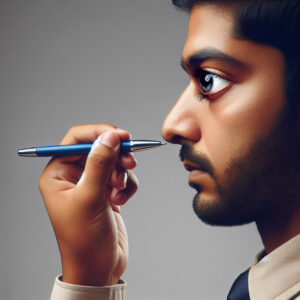
Can We Increase Our Eyesight Through Exercises? A Comprehensive Guide
Getting to Know Vision and Eye Health
Our eyes are like little windows to the world, letting us soak in and interact with everything around us in all its colorful glory. But with today’s screen-heavy lifestyles and artificial lights everywhere, keeping our eyes in tip-top shape is more important than ever. By understanding how our eyes work and why it’s crucial to protect our vision, we can take steps to safeguard this essential sense.
A Peek Inside Eye Anatomy
The human eye is a marvelous piece of machinery with various parts, each playing a key role in how we see. The cornea, pupil, lens, and retina all team up to focus light and send signals to the brain, giving us clear, colorful vision. Learning a bit about eye anatomy helps us appreciate the importance of eye care and the things that can impact our vision.
Why Vision Health Matters
Seeing clearly is just one piece of the puzzle; good vision is linked to our overall well-being. It affects our daily activities, job performance, and even our quality of life. By taking care of our eyes, we can prevent or slow down common issues like nearsightedness, farsightedness, and those pesky age-related changes. Looking after our vision is like investing in our future.
Usual Vision Woes
Many folks deal with all sorts of vision troubles, from refractive errors like myopia and hyperopia to more serious conditions like glaucoma or cataracts. Understanding these issues and their causes can empower people to seek timely help and adopt preventive strategies to protect their eyesight.
Can We Boost Our Eyesight?
Busting Myths About Eyesight Improvement
There’s a lot of talk about ways to enhance eyesight, from gobbling up carrots by the bushel to wearing special glasses, but many of these claims don’t hold water scientifically. It’s crucial to separate fact from fiction to avoid getting caught up in gimmicks that might not really help our vision.
A Scientific Take on Eyesight Enhancement
Experts generally agree that while certain exercises and habits can support eye health, they may not drastically improve vision acuity, particularly for refractive errors. However, some research hints that changing up your lifestyle and doing specific exercises can ease eye strain and boost comfort, especially for those glued to screens.
Natural vs. Medical Approaches
When it comes to enhancing eyesight, both natural methods and medical solutions have their own roles. Natural approaches focus on lifestyle tweaks and exercises to maintain eye health, while medical options like glasses or surgery tackle specific vision issues more directly. Knowing the difference helps people pick the best route for their individual needs.
Exploring Eye Exercises
The Roots of Eye Exercises
Eye exercises have been around for ages, with practices like yoga including techniques to relax and strengthen the eyes. These exercises have evolved over time and are now a popular part of modern wellness routines as a natural way to support eye health. Delving into their history can highlight their potential perks.
A Look at Popular Eye Exercises
From the well-known “palming” technique to the “20-20-20 rule,” there are several eye exercises that claim to ease strain and improve vision. These exercises often focus on relaxing the eye muscles, promoting good habits, and encouraging breaks during long tasks. Understanding them can help you weave them into your daily life effectively.
Debates and Discussions
Despite their popularity, eye exercises aren’t without debate. Critics say the benefits are overblown and lack solid evidence, while supporters believe they can boost eye health and comfort. A balanced view involves weighing the potential advantages against realistic expectations.
The Upside of Eye Exercises
Cutting Down on Eye Strain
In our screen-centric world, eye strain is a common gripe. Eye exercises can offer relief by encouraging regular breaks and promoting relaxation techniques. These simple practices can help ease discomfort and fatigue from long hours in front of the screen.
Sharpening Focus and Concentration
Some eye exercises are designed to boost focus and concentration, helping the eyes switch smoothly between tasks. This can be a real boon for activities that require sustained attention, like reading or detailed work. Enhancing these skills can lead to better productivity and less eye fatigue.
Boosting Overall Eye Health
Including eye exercises in your daily routine can support overall eye health by promoting habits that ease strain and encourage relaxation. While they might not fix vision impairments, these exercises can complement other eye care practices, contributing to long-term well-being.
Eye Exercises to Give a Go
The 20-20-20 Rule
This simple yet effective practice suggests taking a 20-second break to look at something 20 feet away every 20 minutes. It’s a great way to relax your eyes and reduce strain from too much screen time, making it a handy habit for anyone working on computers.
The Palming Technique
The palming technique involves covering your closed eyes with your palms to create a calming darkness. This exercise can help relax the eye muscles and provide a moment of tranquility, reducing stress and promoting relaxation. It’s easy to fit into your breaks during the day.
Eye Rolling Exercise
Gently rolling your eyes in a circular motion can help improve flexibility and reduce tension. This exercise is simple and can be done anywhere, offering a quick way to refresh tired eyes. Regular practice might help maintain comfort and reduce fatigue.
Near and Far Focus Exercise
This exercise involves shifting focus between something nearby and something far away, helping to enhance the eye muscles’ ability to adjust focus. It can be helpful for improving flexibility and reducing eye strain from long periods of close-up work. Adding this exercise to your routine can support better focus and comfort.
Weighing the Limits and Risks of Eye Exercises
Recognizing the Boundaries
While eye exercises have their benefits, they do have their limits. It’s important to know that these exercises might not significantly change refractive errors or replace corrective measures. Their main role is to support eye comfort and health, not to cure vision problems.
Risks and Things to Watch Out For
Eye exercises are generally safe, but it’s crucial to do them correctly to avoid strain or discomfort. Checking in with an eye health professional before starting a new routine is wise, especially for those with existing vision conditions. This ensures the exercises are suitable and beneficial.
Talking to Eye Health Experts
Regular eye check-ups are key to keeping your vision in good shape. Consulting with eye care professionals can provide guidance on suitable exercises and uncover any underlying issues that need attention. Professional advice ensures that individuals get personalized care tailored to their needs.
Tips for a Lifestyle That Loves Your Eyes
Eating Right for Your Eyes
A balanced diet full of vitamins and nutrients supports eye health. Foods rich in omega-3 fatty acids, lutein, and vitamins C and E can help keep your vision healthy. Adding leafy greens, fish, and citrus fruits to your diet can contribute to better eye health over time.
The Role of Regular Eye Exams
Regular eye exams are crucial for catching vision problems and eye diseases early. These check-ups offer chances for timely intervention, ensuring any issues are dealt with promptly. Making eye exams a regular part of your healthcare routine can protect your vision health.
Smart Screen Use Tips
Adopting good ergonomic practices when using screens can significantly cut down on eye strain. This includes adjusting screen brightness, keeping a proper distance, and taking regular breaks. Following these strategies can enhance comfort and prevent discomfort during long screen sessions.
Wrapping It Up: Can Eye Exercises Improve Eyesight?
Wrapping Up the Findings
All in all, while eye exercises might not drastically boost vision acuity, they offer valuable benefits for eye health and comfort. Regular practice can reduce strain, sharpen focus, and support overall well-being, complementing other eye care practices.
Final Thoughts on Eye Exercises
Eye exercises can be a great addition to a comprehensive eye care routine. By pairing them with regular check-ups and healthy lifestyle habits, people can enjoy improved comfort and sustained eye health. While they may not be a substitute for medical interventions for vision correction, they certainly play a supportive role in maintaining a healthy visual experience.
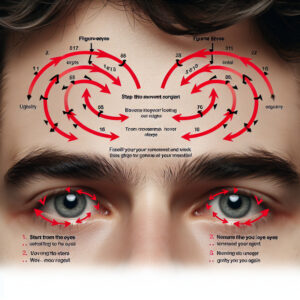
Can We Increase Eyesight Using Eye Exercises and Techniques?
Getting Started with Eye Health
Our eyes are like our personal windows to the world, giving us the chance to soak in all the beauty and vibrancy life has to offer. But in today’s fast-paced, screen-centric world, keeping our eyes healthy is more important than ever. Eye health doesn’t just affect our vision; it’s a key player in our overall well-being. Protecting our sight is crucial since it impacts everything from reading a book to cruising down the highway or just taking in a gorgeous sunset.
Vision issues like nearsightedness, farsightedness, and astigmatism don’t discriminate; they can pop up in folks of all ages. These problems often stem from genetics, lifestyle choices, or environmental factors. By getting a grasp on these issues, we can look into ways to boost our eyesight and keep our vision in top shape.
Diving into Vision Improvement
Can We Boost Our Eyesight Naturally?
A question that often comes up is, “Can we improve our eyesight naturally?” While some folks swear by natural remedies and techniques, it’s wise to keep a balanced perspective. Natural methods, like eye exercises, offer a non-invasive way to potentially enhance eye function. However, they might not work for everyone or replace traditional solutions like glasses or contacts.
What’s the Science Behind Eye Exercises?
Eye exercises are crafted to strengthen eye muscles, sharpen focus, and ease eye strain. These exercises aim to improve the eyes’ movement and focus capabilities. Although the science is still catching up, some studies hint that they can be helpful, especially in reducing digital eye strain.
Understanding the Limits of Eye Exercises
It’s crucial to recognize that eye exercises have their limits. While they can offer some perks, they’re not a magic bullet for serious vision problems. Conditions like myopia or hyperopia often relate to the eye’s shape, making exercises less effective. Therefore, pairing exercises with regular eye check-ups and, if needed, corrective lenses, is still key to keeping your eyes healthy.
Popular Eye Exercises and Techniques
The 20-20-20 Rule
The 20-20-20 rule is a straightforward and effective way to ease eye strain, especially for those glued to screens all day. Every 20 minutes, take a 20-second break to gaze at something 20 feet away. This little habit helps relax eye muscles and reduces fatigue, making it a hit among office workers.
The Palming Technique
The palming technique is a soothing exercise where you cover your closed eyes with your palms to block out light. This method can calm tired eyes and relax the mind, offering a quick break from visual stress.
Eye Rolling
Eye rolling might sound funny, but it can actually be beneficial. Gently rolling your eyes in a circular motion can help improve flexibility and circulation around the eyes, potentially boosting their overall function.
Focus Shifting
Focus shifting is an exercise aimed at enhancing eye flexibility. It involves switching your focus from a nearby object to something far away and back. This technique helps train the eyes to adjust quickly between different focal lengths.
The Perks of Regular Eye Exercises
Potential for Better Focus
Regular eye exercises might boost your ability to focus on tasks, especially those that require prolonged attention. By strengthening the eye muscles, these exercises can make it easier to concentrate on reading or computer work.
Lowering Eye Strain
Eye strain is a common gripe in our digital age. Adding eye exercises to your routine can help ease some of the discomfort from long screen time, making your eyes feel less worn out.
Boosting Eye Flexibility
Eye exercises can also enhance the flexibility of your eyes, allowing them to move more freely and adapt to different visual demands. This increased flexibility can contribute to better overall eye function.
The Science of Eye Exercises
Backing from Studies
Some studies have shown that specific eye exercises can be beneficial, especially for reducing digital eye strain symptoms. Research suggests regular practice might help improve visual acuity and comfort for those spending long hours on computers.
Critiques and Research Limitations
While some studies show promise, it’s important to recognize critiques and limitations. Not all research supports the effectiveness of eye exercises, and more comprehensive studies are needed to draw definitive conclusions about their benefits.
Tips for Better Vision Through Lifestyle
Nutrition and Supplements
Eating a healthy diet rich in vitamins A, C, and E, as well as omega-3 fatty acids, can support eye health. Supplements like lutein and zeaxanthin are also known for their potential eye-protective effects.
The Importance of Eye Exams
Regular eye exams are crucial for keeping tabs on your vision health. They can help catch issues early, ensuring timely treatment and preventing further deterioration.
Avoiding Digital Eye Strain
To combat digital eye strain, take regular breaks, tweak your screen settings, and ensure proper lighting in your workspace. These simple adjustments can significantly reduce eye discomfort.
Myths and Misconceptions
Busting Myths About Vision Improvement
Many myths swirl around the topic of vision improvement. For instance, contrary to popular belief, munching on carrots alone won’t dramatically boost your vision. It’s crucial to rely on a balanced approach, incorporating various strategies for eye health.
Separating Fact from Fiction
Distinguishing truth from fiction is essential when exploring natural vision improvement methods. While some techniques offer potential benefits, they should complement, not replace, professional advice and treatment.
Wrapping It Up
In conclusion, the question “Can we increase eyesight?” doesn’t come with a one-size-fits-all answer. Eye exercises and techniques, when practiced regularly, may offer some benefits, such as reducing eye strain and enhancing focus. However, they are not substitutes for professional eye care. A balanced approach, including a healthy lifestyle, regular eye exams, and, if necessary, corrective lenses, remains essential for maintaining optimal vision.
Remember, eye health is an integral part of overall well-being, and taking steps to care for your eyes can lead to a clearer, more vibrant view of the world.

Can We Increase Eye Power: Innovative Approaches to Better Vision
Getting to Know Eye Power and Boosting Your Vision
Our eyes are truly one of the most important parts of our body, giving us the chance to see the world in all its colorful glory. Ever thought about whether we can actually boost our eye power? Enhancing vision isn’t just about seeing clearer—it’s also about keeping our eyes healthy and working well as we age. In this guide, we’ll take a closer look at what eye power really means, explore old-school tricks for better eyesight, and check out the cool new advancements that are changing the game in eye care today.
What Exactly is Eye Power?
When folks talk about eye power, they’re usually thinking about prescription lenses that fix vision issues like nearsightedness or farsightedness. But eye power is also about overall eye health and keeping our vision sharp and focused. It’s not just about seeing well; it’s about making sure our eyes are doing their best work, even as the years go by.
Why Keeping Your Vision in Tip-Top Shape Matters
Having great vision is key not just for getting through daily activities smoothly but also for enjoying life to the fullest. Good eyesight can lower accident risks, boost learning and understanding, and even impact how we connect with others. That’s why taking care of our eyes is being seen more and more as an essential part of living well.
The Big Question: Can We Boost Eye Power?
This brings us to the big question: can we actually boost our eye power? While people have long used traditional methods to keep their vision in check, recent tech leaps and dietary insights are opening up new ways to potentially enhance our vision. Let’s dig into these techniques and see how they help keep our eyes in top form.
Old-School Tricks for Better Eye Power
Eating Right for Your Eyes
What you eat can make a big difference in keeping your eyes healthy. Foods packed with omega-3s, vitamins C and E, zinc, and lutein can help fend off age-related eye issues. Adding leafy greens, fatty fish, citrus fruits, and nuts to your meals can be a great way to boost your eye power.
Why Regular Eye Workouts Matter
Just like exercising keeps our bodies in shape, our eyes can benefit from some regular workouts too. Techniques like staring at something far away, doing eye rotations, and following the 20-20-20 rule (every 20 minutes, take a 20-second break to look at something 20 feet away) can help cut down on eye strain and might even improve focus and flexibility.
The Need for Good Lighting and Eye Breaks
Having your space well-lit can help avoid putting extra strain on your eyes. It’s just as crucial to give your eyes a rest, especially when you’re doing things like reading or working on a computer for a long time. Remember, your eyes need downtime to bounce back from fatigue and stay strong over the long haul.
Tech Innovations in Vision Boosting
New Developments in Glasses and Lenses
We’ve come a long way since the early days of glasses. Today’s lenses use advanced materials and designs that offer more comfort, durability, and precision. Progressive lenses and special coatings have made glasses even better at supporting eye power.
The Growing World of Contact Lenses
Contact lenses are more than just an alternative to glasses these days. With innovations like daily disposables, extended-wear lenses, and even those that can slow myopia progression, the contact lens world is rapidly expanding its role in vision enhancement.
A Peek into Laser Eye Surgery
Laser eye surgery, including LASIK and PRK, has changed how we fix vision problems. These surgeries reshape the cornea to correct vision issues, often reducing the need for glasses or contacts. But remember, not everyone is a candidate, and it’s important to think about the long-term effects.
Can Digital Tools Boost Eye Power?
In today’s digital world, apps and devices are popping up that claim to enhance eye power through structured vision exercises. While the results can vary, these tools represent an interesting blend of technology and eye care that might offer additional benefits.
Boosting Eye Power with Nutrition
Key Vitamins and Minerals for Your Eyes
Vitamins A, C, E, and minerals like zinc and selenium are essential for keeping your eyes healthy. They help protect against harmful free radicals and support the structure and function of the retina. Eating a balanced diet or taking supplements can significantly contribute to eye power.
Do Dietary Supplements Make a Difference?
While a well-rounded diet is the best way to get your nutrients, supplements can help fill in the gaps. Omega-3 fish oil, lutein, and zeaxanthin supplements are popular for eye health. Just make sure to check with a healthcare professional to see if they’re right for you.
Can Superfoods Boost Eye Power?
Superfoods like blueberries, kale, and carrots are often praised for their health benefits, including those for your eyes. Packed with antioxidants and nutrients that support vision, adding these foods to your diet can be a natural way to give your eye power a boost.
Eye Health and Lifestyle Tweaks
The Impact of Too Much Screen Time
With screens becoming a bigger part of our lives, digital eye strain is a common issue. Staring at screens for too long can cause dryness, irritation, and blurred vision. Taking regular breaks and using blue light filters can help ease these effects.
Why Regular Eye Check-Ups Are Key
Regular eye exams are crucial for catching problems early and making sure your prescription is up to date. They can also spot underlying health issues that might affect your vision. Building a routine with your eye care specialist is a proactive step towards maintaining your eye power.
Guarding Against Environmental Stress
Environmental factors like UV light, pollution, and dry weather can harm eye health. Wearing UV-protective sunglasses, using humidifiers, and staying hydrated are simple ways to shield your eyes from environmental stress.
New Research and Future Prospects
Breaking New Ground in Eye Health Research
Research in eye health is moving fast, with studies delving into the genetic and molecular roots of vision. These insights could lead to new treatments and prevention strategies that boost eye power and prevent vision loss.
Genetic Paths to Better Vision
Genetic research is looking at how our DNA impacts vision and eye health. Gene therapy advancements hold promise for correcting genetic defects that lead to vision issues, potentially offering new ways to boost eye power.
Eye Power and Stem Cell Therapy
Stem cell therapy is a frontier in regenerative medicine for eye health. By potentially repairing or replacing damaged retinal cells, this revolutionary approach could offer new hope for those with degenerative eye conditions, significantly boosting eye power.
Exploring Holistic and Alternative Routes
How Yoga and Meditation Can Help Your Eyes
Yoga and meditation can benefit overall well-being, including eye health. Practices focused on relaxation and stress reduction might help reduce eye strain and improve focus, indirectly boosting your eye power.
Benefits of Eye Relaxation Techniques
Simple relaxation techniques like palming or gently massaging around the eyes can ease tension and promote blood flow. These practices can be part of your daily routine to naturally support eye power.
Checking Out Alternative Therapies: Acupuncture and Beyond
Alternative therapies like acupuncture are sometimes used to support eye health. While evidence is limited, some people find relief from eye strain and related issues through these holistic practices, contributing to a well-rounded approach to eye care.
Wrapping Up: Moving Toward Better Vision
Recap of Strategies for Boosting Eye Power
Boosting eye power takes a well-rounded approach, blending time-tested wisdom with modern technology and lifestyle changes. From eating a nutrient-rich diet and doing regular eye exercises to exploring advanced corrective options and new therapies, there are plenty of strategies to support healthier vision.
Promoting a Holistic Approach to Eye Health
No single method guarantees perfect vision, but by adopting a comprehensive approach that includes regular check-ups, protective measures, and possibly exploring new treatments, you can significantly enhance and preserve your eye power. Remember, your eyes are your window to the world—give them the care and attention they deserve.
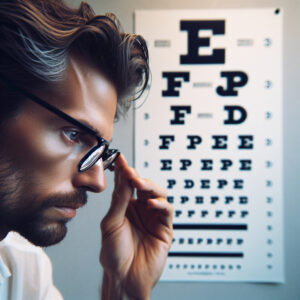
Can We Improve Your Eyesight Naturally? Myths vs. Facts
Discovering the World of Natural Eyesight Improvement
They say seeing is believing, right? But when it comes to boosting your vision naturally, people often raise an eyebrow. Can we really enhance our eyesight without the usual glasses or contacts? This question has sparked lively discussions and caught the attention of many hoping to toss their specs aside. Today, let’s dive into the myths and truths about natural eyesight improvement and guide you on the journey to healthier vision.
Grasping the Basics of Vision Health
Vision health isn’t just about scoring a perfect 20/20. It’s all about keeping your eyes working well over the years. These intricate organs are sensitive to everything from your daily habits to what you eat. Understanding how these factors play a role is key to appreciating the finer details of vision health.
The Significance of Eye Care
Think of eye care as routine maintenance for your peepers. Just like you’d keep your car in tip-top shape, your eyes need regular check-ups and TLC. Being proactive about your eye health can ward off diseases, delay aging effects, and boost your quality of life. Remember, it’s always better to prevent than to cure.
Aims of Natural Eyesight Enhancement
The main goal of natural eyesight improvement is to sharpen your vision and keep those eyes healthy without going under the knife or relying on glasses. While not everyone can achieve perfect vision, embracing natural techniques can lead to healthier eyes and possibly better vision over time.
Exploring the Question: Can We Improve Eyesight Naturally?
Defining “Natural”
In the realm of eyesight improvement, “natural” means no invasive procedures or artificial tweaks. It’s all about lifestyle tweaks, dietary changes, and exercises that support your eyes’ natural functions. But do these methods really work? Let’s take a closer look.
Expectations vs. Reality
Many folks hope for miraculous overnight results. But natural eyesight improvement is more about slow and steady wins the race. It involves cultivating habits that support long-term eye health. While some might see clear improvements, others might notice just minor changes. The key is to set realistic expectations.
Evaluating Your Eye Health
Before you jump into natural methods, it’s wise to assess your current eye health. Regular eye exams can spot issues that might need professional attention. Knowing your starting point helps you track progress and tailor your efforts to your specific needs.
Busting Myths About Natural Eyesight Improvement
Carrots and Their Vision Benefits
We’ve all heard that munching on carrots can drastically boost your eyesight. While they’re packed with eye-friendly beta-carotene, they won’t give you x-ray vision. A balanced diet is crucial for overall health, including your eyes, but no single food is a miracle worker.
The Impact of Eye Exercises
Eye exercises often get a lot of hype for strengthening eye muscles and improving vision. While they can ease strain and sharpen focus, they won’t fix refractive errors like nearsightedness. These exercises might make you more comfortable, but they won’t replace glasses.
The Truth About Supplements and Pills
Vision-boosting supplements are everywhere, but their claims are often blown out of proportion. Sure, certain vitamins and minerals are vital for eye health, but pills can’t replace a nutritious diet and good habits. Always chat with a healthcare pro before starting any supplement routine.
The Real Deal on Natural Vision Enhancement
The Role of Diet and Nutrition
What you eat can make a big difference in keeping your eyes healthy. A diet rich in leafy greens, omega-3-packed fish, and antioxidant-filled fruits can do wonders. Vitamins A, C, and E, along with zinc, are especially beneficial. A holistic approach to eating can boost your overall visual health.
The Necessity of Regular Eye Check-Ups
Routine eye exams are vital for eye health. They catch changes in vision, track eye conditions, and provide early intervention when needed. These check-ups also let you discuss any natural methods with a professional for personalized advice.
The Importance of Rest and Sleep
Don’t underestimate a good night’s sleep. Rest is crucial for repairing and rejuvenating all body tissues, including your eyes. Getting enough sleep can reduce eye strain and fatigue, leading to better overall eye health. Taking short breaks during long tasks can also give your eyes a breather.
Natural Techniques for Better Eyesight
Vision Therapy and Exercises
Vision therapy includes exercises designed to enhance visual skills. These exercises are often tailored to address specific issues like tracking and coordination. While they won’t fix refractive errors, they can improve how efficiently your eyes work together.
Embracing Healthy Lifestyle Choices
Living a healthy lifestyle can significantly impact your eye health. This means managing stress, staying hydrated, and steering clear of smoking, which can up the risk of eye diseases. Regular exercise improves blood circulation, ensuring your eyes get enough oxygen and nutrients.
Adjusting Your Environment for Comfort
Your surroundings can greatly affect your eye health. Make sure you’ve got enough lighting, reduce screen glare, and create an ergonomic workspace to avoid eye strain. Simple changes like adjusting screen brightness and taking breaks can enhance eye comfort.
The Scientific Angle on Natural Eyesight Improvement
Current Research and Insights
Research on natural eyesight improvement is ongoing, investigating the effectiveness of various techniques. Some methods show promise, but results can vary from person to person. Staying updated on the latest findings helps you make informed decisions.
Expert Advice and Recommendations
Many eye care experts advocate for a balanced approach that blends natural methods with medical advice. They often stress the importance of eye exams and personalized care plans. Listening to professional guidance ensures you’re on the right track.
Understanding Limitations and Expectations
It’s crucial to recognize the limits of natural eyesight improvement. While these methods can support eye health and potentially enhance vision, they’re not a substitute for professional treatments for serious conditions. Understanding what you can and cannot achieve helps set realistic goals.
Tips for Supporting Eye Health
A Balanced Diet for Eye Nutrition
Eating a variety of nutrients is key to keeping your eyes in good shape. Focus on antioxidant-rich foods like berries and omega-3-rich foods like salmon. A balanced diet supports not only your eyes but your overall well-being.
Managing Screen Time and Blue Light
In today’s digital world, managing screen time is crucial. Long hours in front of screens can lead to digital eye strain. Consider using blue light filters, take breaks using the 20-20-20 rule, and ensure your workspace is ergonomic.
Using Protective Eye Gear Outdoors
When you’re outside, always wear sunglasses with UV protection to shield your eyes from harmful rays. If you’re into sports or activities with injury risks, protective eyewear is a must. These safety measures help maintain long-term eye health.
Wrapping Up: Evaluating Natural Eyesight Improvement
Debunking Myths and Confirming Facts
While natural methods can support eye health, it’s crucial to distinguish between fact and fiction. Knowing what works and what doesn’t can guide you toward realistic improvements. A balanced approach that includes professional advice leads to the best outcomes.
Your Personal Eye Care Journey
Remember, eyesight improvement is a personal journey. What works for one person might not for another. Tailor your approach based on your needs and eye health. Regular check-ins with eye care professionals provide guidance tailored to you.
Final Thoughts on Managing Eye Health
Taking care of your eyes is a lifelong commitment. By combining natural methods with professional care, you can enhance your vision and overall well-being. Stay informed, seek expert advice, and make your eye health a priority for a brighter view of the world.

How Can We Improve Your Eyesight with Lifestyle Changes and Technology
Introduction: Enhancing Your Eyesight Naturally—Is It Possible?
In our screen-filled world, keeping our eyes in tip-top shape is more crucial than ever. While many of us rely on glasses or contacts, the big question is: can we naturally boost our eyesight? The answer is yes! With some lifestyle tweaks and a bit of help from technology, we can not only keep our eyes healthy but also potentially improve our vision over time.
Getting to Grips with Vision Health Basics
Before jumping into fixes, it’s important to know how our eyes work. Vision health is influenced by everything from our genes to the environment. Our eyes are complex organs that need proper care to work their best. Understanding the fundamentals can guide us in making smart choices to improve and maintain our vision.
How Lifestyle and Tech Can Boost Your Vision
Today’s lifestyle and tech have a double-edged sword effect on our eyes. While too much screen time can be tough on them, technological advances offer tools to counteract these effects and even improve vision. By mixing healthy habits with cutting-edge tech, we can craft a solid plan for better eyesight.
The Role of Nutrition in Keeping Your Eyes Healthy
Must-Have Vitamins and Minerals for Your Eyes
Eating right is key to keeping your eyes on point. Vitamins like A, C, and E, plus minerals such as zinc, are essential for shielding our eyes from harm. These nutrients can lower the risk of age-related issues like cataracts and macular degeneration.
Foods That Give Your Eyes a Boost
Adding certain foods to your diet can really give your eyesight a natural lift. Think leafy greens, carrots, and omega-3-rich fish. These foods pack the nutrients your eyes need to stay healthy and improve over time.
Why Staying Hydrated Helps Your Vision
Hydration is vital not just for your overall health but also for clear vision. Dehydrated? You might end up with dry eyes, which can be uncomfortable and blur your sight. Drinking plenty of water throughout the day keeps your eyes moist and working well.
Exercise and Eye Health: Can Physical Activity Enhance Your Vision?
Eye Workouts to Sharpen Your Sight
Your eyes, like any other muscle, benefit from regular exercise. Simple exercises, such as focusing on faraway objects or using the 20-20-20 rule, can strengthen your eye muscles and enhance your vision.
How Regular Exercise Benefits Your Eyesight
Getting regular exercise is not just good for your body—it’s great for your eyes too. Physical activity boosts blood flow, which nourishes the eyes and helps maintain optimal vision health. Activities like walking, swimming, and cycling are top picks.
The Eye Health Perks of Yoga and Meditation
Yoga and meditation bring unique benefits to eye health. Certain poses improve blood flow to the eyes, while meditation helps cut down on stress, which can negatively impact vision. Adding these practices to your routine can support better eyesight.
Tech and Eye Health: Modern Solutions for Better Vision
How Blue Light Filters Can Protect Your Eyes
Blue light from screens can tire our eyes and mess with our sleep. Using blue light filters on your devices is a simple yet effective way to lessen this strain and protect your vision in our digital age.
Eye Exercise Apps on Your Smartphone
Tons of apps out there guide you through eye exercises aimed at improving focus and reducing strain. These apps make it easy to fit helpful exercises into your daily routine.
Handling Screen Time and Reducing Its Effects
Too much screen time can cause digital eye strain, leading to dry eyes and headaches. Strategies like taking regular breaks, tweaking screen brightness, and using blue light filters can help ease these issues.
Everyday Habits for Better Eyesight
Building a Routine for Relaxed Eyes
Establishing a routine that includes regular eye relaxation can be a game-changer. Simple practices like palming or eye rolling help relieve tension and support eye health.
The Importance of Routine Eye Exams
Regular eye check-ups are essential for keeping your vision in check. They catch issues early, allowing for timely treatment, which is crucial for maintaining good eyesight.
Stress Management for Better Vision Health
Stress can take a toll on our vision. Managing stress through relaxation techniques, exercise, and enough sleep can help keep your eye health at its best.
Innovative Tech: Cutting-edge Ways to Boost Your Eyesight
The Role of LASIK and Other Surgeries
If you’re looking for a permanent fix, tech like LASIK offers a route to better vision. These surgical options can correct refractive errors, often reducing or even eliminating the need for glasses or contacts.
New Developments in Contact Lenses
Contact lenses have advanced significantly, offering more comfort and better vision correction. Specialized lenses can even help manage dry eyes, providing a personalized approach to eye care.
Virtual Reality in Vision Therapy
Virtual reality is making waves in vision therapy, offering interactive exercises that enhance visual skills. These technologies provide an engaging way to improve eyesight, especially for kids.
Environmental Tweaks for Better Vision
Lighting and Its Effect on Eye Strain
Good lighting is critical to preventing eye strain. Ensuring adequate, non-glaring lighting in your workspace and home can help reduce eye stress.
Ergonomics in the Workplace for Eye Health
Setting up an ergonomic workspace can make a big difference in eye health. Positioning your monitor correctly and using a comfy chair can help minimize eye strain during long work hours.
Creating a Home Environment That’s Easy on the Eyes
Your home environment matters for your eyes too. Using proper lighting, cutting down on screen glare, and adding plants that improve air quality can create a vision-friendly space.
Conclusion: Merging Lifestyle and Tech for Optimal Vision
The Power of Combining Healthy Habits and Technology
Improving eyesight takes a well-rounded approach, blending lifestyle changes with the latest technological advances. By embracing healthy habits and using modern solutions, we can aim for better vision health.
Setting Realistic Vision Goals
While big changes might not happen overnight, setting realistic goals and staying consistent with healthy practices can lead to noticeable improvements in vision. Remember, every small step counts towards better eye health in the long run.

Exploring the Possibilities: Can We Improve Eyesight Naturally Through Diet?
Getting Started with Natural Eyesight Improvement
In this whirlwind of a digital world we live in, keeping our eyes in tip-top shape can sometimes feel like we’re climbing a steep hill. With so much screen time, it’s no wonder our vision takes a hit. This has sparked a lot of curiosity about natural ways to give our eyes a helping hand, especially through what we eat. So, is it really possible to boost our eyesight naturally? Let’s take a closer look at this intriguing topic.
Grasping the Essentials of Eye Health
Before we dive into the dietary aspect, it’s crucial to understand the basics of eye health. Our eyes are intricate organs that need a host of nutrients to work their best. Sure, genetics and age are big players in how our eyes perform, but the choices we make, particularly what we eat, can also make a significant difference.
How Diet Influences Eye Health
We’ve all heard the saying, “You are what you eat,” and it’s spot-on when it comes to our eyes. Eating a diet brimming with vitamins and nutrients is key to keeping our vision sharp. Some nutrients are like a shield for our eyes, protecting them from harm and even fine-tuning how well we see over time.
Exploring Natural Vision Enhancement: The Big Picture
The notion that food can boost our sight isn’t just an old wives’ tale. There’s solid scientific backing that what we consume can have a major impact on our eye health. In this article, we’ll look into the vital nutrients for vision, the foods that deliver them, and the science backing these claims.
Essential Nutrients for Healthy Eyes
Vitamin A: A Visionary Nutrient
Vitamin A is a real powerhouse when it comes to eye health. It’s critical for keeping the cornea clear, which is essential for good sight. Plus, it’s part of rhodopsin, the protein in our eyes that helps us see in dim light. A lack of Vitamin A can lead to night blindness and other vision troubles.
The Vital Role of Omega-3 Fatty Acids
Omega-3 fatty acids are crucial for the well-being of our retinas. They help maintain cell membrane structure and can reduce inflammation in the eyes. Research suggests omega-3s can ward off age-related macular degeneration (AMD) and dry eye syndrome, making them an indispensable part of an eye-friendly diet.
Antioxidants: Eye Protection Champions
Antioxidants like lutein, zeaxanthin, and vitamins C and E are key protectors of eye health. They neutralize free radicals that can harm eye cells, potentially leading to conditions like cataracts and AMD. Including antioxidant-packed foods in your diet is a smart move to keep your vision safe from common issues.
Foods That Support Your Vision
Leafy Greens: Vision’s Best Ally
Leafy greens such as spinach and kale are loaded with lutein and zeaxanthin. These antioxidants help filter out harmful blue light and shield the eyes from damage. Adding these greens to your meals is a tasty way to promote eye health.
Citrus Fruits and Berries: Nature’s Vision Boosters
Citrus fruits and berries are bursting with vitamin C, a powerful antioxidant that can help prevent cataracts and AMD. Blueberries, strawberries, and oranges are not only delicious, but they also pack a powerful punch for your eyes.
Nuts and Seeds: Tiny but Mighty
Never underestimate the power of nuts and seeds. They’re great sources of omega-3 fatty acids and vitamin E. A small serving of almonds or sunflower seeds can significantly boost your nutrient intake, supporting your eye health.
The Science Behind Diet and Vision Improvement
Research Backs the Dietary-Eyesight Connection
A growing body of research highlights the link between what we eat and how well we see. Studies show that those who consume diets rich in fruits, vegetables, and omega-3s often enjoy better vision and face a lower risk of eye diseases. This evidence suggests that our food choices truly matter.
Separating Fact from Fiction: Diet and Eyesight
There’s a lot of hype about miracle foods that can instantly improve eyesight. It’s important to sift through the noise. Science tells us that diet plays a supportive role—not a magical cure. A holistic approach, including regular eye care and healthy lifestyle choices, is essential.
Natural Vision Improvement: A Scientific View
From a scientific perspective, naturally enhancing your eyesight involves several factors. While diet is a vital piece of the puzzle, it should be paired with other healthy habits. Ongoing research continues to explore how these elements work together for better eye health.
Lifestyle Tips for Eye Wellness
The Necessity of Regular Eye Exams
Routine eye exams are crucial for keeping your vision in check. They help catch issues early and provide a chance to discuss any concerns with a healthcare professional. Even if your eyesight seems perfect, regular check-ups are a proactive approach to eye care.
Managing Screen Time for Better Eye Care
With screens everywhere, it’s important to adopt habits that reduce eye strain. The 20-20-20 rule—looking at something 20 feet away for 20 seconds every 20 minutes—can help ease the strain. Combine this with a nutrient-rich diet for the best results.
Pairing Diet and Exercise for Optimal Vision
Just like overall health, combining good nutrition with regular exercise can enhance eye health. Physical activity boosts circulation, which benefits the eyes. A balanced lifestyle is key to keeping your vision sharp.
Potential Pitfalls and Precautions
Considering Dietary Restrictions and Allergies
While adding eye-healthy foods is great, it’s important to factor in any dietary restrictions or allergies. Consulting with a healthcare provider or nutritionist can help tailor a diet that meets your needs without compromising on eye health.
The Dangers of Nutrient Overconsumption
Though nutrients like vitamin A and omega-3s are vital, too much of a good thing can be harmful. Balance is key, and a varied diet that provides enough, but not excessive, amounts of essential nutrients is best.
Natural Eyesight Enhancement: Balancing Risks
Dietary changes can support eye health, but they should be part of a broader strategy that includes regular medical advice. It’s important to weigh the benefits and potential risks, ensuring any changes are safe and effective for you.
Inspirational Stories and Real-life Experiences
Personal Success Stories of Improved Vision
Many people have shared their success stories of improved vision through dietary changes. These real-life examples showcase the potential of a nutrient-rich diet to positively impact eye health, offering inspiration for those seeking natural improvements.
Insights from Experts on Natural Vision Enhancement
Experts in ophthalmology and nutrition often stress the importance of a balanced diet for eye health. While they acknowledge that diet alone isn’t a cure-all, they recognize its crucial role in a comprehensive eye care plan.
Can Natural Methods Improve Eyesight: Success Stories
Countless success stories highlight the benefits of dietary changes. While results can vary, these stories offer hope and encouragement for those looking to enhance their vision naturally. Consistency and a commitment to wellness are key.
Looking Ahead: The Future of Natural Eyesight Improvement
Key Takeaways
In a nutshell, while diet is a big player in eye health, it should be part of a broader strategy that includes regular eye exams and healthy lifestyle choices. By embracing nutrient-rich foods, you can support your vision and boost overall well-being.
The Future of Research and Innovation
The future of natural eyesight improvement looks bright, with ongoing research and innovation leading to new discoveries. As we learn more about the link between diet and vision, we can anticipate even more effective strategies for maintaining and improving eye health naturally.

Can We Improve Eyesight in Children and Adults: A Comprehensive Guide
Introduction to Eyesight Improvement
Our eyesight is a treasure, letting us soak in the world’s colors and details. Yet, we often don’t appreciate it until something goes amiss. Whether you’re worried about your child’s vision or eager to keep your own eyes in top shape, knowing how to naturally and medically enhance eyesight is key. This all-encompassing guide will take you through everything from easy lifestyle tweaks to advanced medical treatments for vision improvement.
Getting the Basics of Vision
Before we jump into boosting your eyesight, let’s break down how vision actually works. Think of your eyes like cameras: they capture light and turn it into images for your brain. The sharpness of your sight depends on the health of parts like the cornea, lens, and retina, along with how well your optic nerve is doing its job. Grasping these basics can highlight where improvements might be possible.
The Power of Early Detection
Spotting vision issues early can really change the game when it comes to treatment success. Regular eye check-ups can unearth problems like refractive errors, eye diseases, or other conditions that could mess with your sight. Catching these hiccups early lets us take action to manage or even better our vision. For kids, early detection is crucial as it aids in their learning and growth.
Why Eyesight Might Go South
There are plenty of reasons why eyesight might take a hit, ranging from genetics and environment to how we live our lives. Common issues like myopia, hyperopia, and astigmatism often call for corrective lenses. Plus, too much screen time, bad eating habits, and lack of sleep can make things worse. By understanding these causes, we can tackle them head-on and explore ways to sharpen our vision.
Can We Improve Eyesight: Natural Approaches
Eye Exercises and Their Perks
You might be surprised, but giving your eyes a workout can help maintain and even boost your vision over time. Activities like focusing on something far away, palming, and eye rotations can strengthen your eye muscles and improve their flexibility. While these exercises can’t replace glasses or contacts, they can ease eye strain and promote better overall eye health. Adding these simple exercises to your daily routine might just give your vision a little extra oomph.
The Role of a Nutritious Diet in Vision
Our eyes, just like the rest of our body, thrive on good nutrition. Foods loaded with vitamins A, C, and E, plus minerals like zinc, are particularly good for keeping your eyes healthy. Think carrots, leafy greens, and oily fish as staples for eye-friendly meals. By sticking to a balanced diet, you’re supplying your eyes with the nutrients they need to stay in tip-top shape.
Staying Hydrated for Healthy Eyes
When it comes to eye health, hydration often flies under the radar, yet it’s crucial for keeping your eyes moist and comfy. Not drinking enough water can lead to dry eyes, causing irritation and blurred vision. Keeping yourself well-hydrated throughout the day can help ward off these issues, ensuring your eyes stay well-lubricated and at their best.
Can We Improve Eyesight in Children
The Significance of Early Vision Screening
Catching vision problems early in kids is vital for preventing long-term issues. Conditions like amblyopia or strabismus, if ignored, can lead to permanent vision troubles. Regular eye exams from a young age ensure any concerns are caught and dealt with promptly, setting the stage for healthy visual development.
Building Good Eye Habits in Kids
Teaching kids great eye care habits can set them up for a lifetime of healthy sight. Encourage them to take breaks from screens, maintain good posture while reading, and spend time outdoors. These practices not only safeguard their vision but also boost their overall well-being.
The Benefits of Outdoor Play for Eyes
Playing outside isn’t just fun for kids—it’s great for their eyes too. Natural sunlight helps regulate eye growth and cuts down the risk of nearsightedness. Encourage outdoor activities to help your child’s eyes develop well while enjoying the wonders of nature.
Managing Screen Time for Healthier Vision
In today’s tech-driven world, keeping an eye on screen time is crucial for maintaining kids’ healthy vision. Too much screen exposure can lead to digital eye strain, affecting both comfort and sight. Set reasonable screen limits and promote regular breaks to lessen eye fatigue and support your child’s visual health.
Can We Improve Eyesight in Adults
Dealing with Age-Related Vision Changes
As we get older, our eyes naturally change, which can impact our vision. Common issues include presbyopia, cataracts, and age-related macular degeneration. Although these changes can’t always be avoided, adopting healthy habits like wearing UV-protected sunglasses can reduce their effects and help keep your vision clear for longer.
Eye-Friendly Tips for the Workplace
Many adults spend long hours staring at screens for work, leading to eye strain and discomfort. The 20-20-20 rule—taking a 20-second break to look at something 20 feet away every 20 minutes—can help ease the strain. Adjusting your screen’s brightness and positioning can also make a big difference in workplace eye comfort.
Why Regular Eye Check-Ups Matter for Adults
Regular eye exams are key for catching age-related changes and other vision issues early on. Adults should aim for a comprehensive eye exam every one to two years, depending on their age and risk factors. These exams not only check your vision but also give insights into overall eye health, helping catch potential problems before they get worse.
Medical Interventions for Better Eyesight
Corrective Lenses: Glasses and Contacts
For those dealing with refractive errors, corrective lenses offer a straightforward way to enhance eyesight. Glasses and contact lenses adjust how light enters the eye, sharpening vision. While they don’t “fix” vision problems, they’re a practical day-to-day solution.
Pros and Cons of Laser Eye Surgery
Laser eye surgery, like LASIK, offers a more lasting fix for vision problems. It can greatly improve eyesight for many, but it’s not without risks, such as dry eyes and glare. It’s crucial to weigh the pros and cons and consult with an eye specialist to see if it’s the right move for you.
Advanced Solutions for Severe Vision Issues
For more serious vision problems, advanced treatments might be necessary. These could include procedures like cataract surgery or retinal implants, which can vastly improve life quality for those facing significant vision challenges. As with any medical procedure, thorough discussions with a qualified specialist are essential.
Lifestyle Changes to Support Vision Health
The Upside of a Solid Sleep Routine
Getting quality sleep is crucial for overall health, including vision. During sleep, our eyes repair and recover, which helps maintain their function. Aim for 7-9 hours of sleep each night to support your eyes and body. A steady sleep routine can also ease symptoms of eye strain and fatigue.
How Smoking and Alcohol Affect Eyesight
Smoking and excessive drinking can have a negative impact on eye health. Both habits can up the risk of developing issues like cataracts and macular degeneration. Cutting back or quitting these substances can do wonders for your overall health, including your vision.
The Connection Between Stress and Vision
Stress can surprisingly affect vision, leading to issues like eye twitching and blurred vision. By practicing stress management techniques, such as meditation and exercise, you can help alleviate these symptoms. A calm mind often translates to relaxed eyes, promoting better visual health.
Can We Improve Eyesight with Technology
The Latest in Vision Correction Devices
Technology is revolutionizing vision correction. From smart glasses that adapt to light conditions to contact lenses that monitor eye health, these innovations provide new ways to support and improve eyesight. Keeping up with these advancements can help you make the best decisions for your vision needs.
Apps and Tools to Keep Your Eyes in Check
Digital health tools have made it easier than ever to monitor and enhance eye health. From vision training programs and eye exercise reminders to tools tracking eyesight changes, these resources empower you to take charge of your eye health proactively.
Virtual Reality’s Role in Eye Training
Virtual reality isn’t just for entertainment; it’s also paving the way for eye training programs. These interactive setups offer engaging ways to work your eyes, potentially helping with conditions like amblyopia. As VR technology progresses, it may open new doors for boosting vision health.
Wrapping Up: Keeping Eyes Healthy
Improving and sustaining good eyesight is an ongoing journey that blends natural methods, medical treatments, and lifestyle adjustments. By staying informed, embracing healthy habits, and leveraging technological advances, we can support our vision for the long haul. Regular eye exams are crucial for catching issues early and managing them effectively. Remember, taking care of your eyes today will pay off in a brighter tomorrow.
In a nutshell, whether you’re aiming to improve your eyesight or simply maintain it, this guide offers a host of strategies to help you see the world more clearly. Embrace these tips and take proactive steps to protect and enhance your vision.