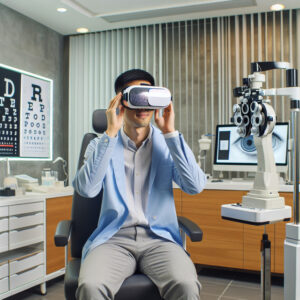
Can You Improve Bad Eyesight? How Modern Treatments Are Changing Lives
A Friendly Guide to Better Vision
Our eyesight is a treasure, allowing us to take in the world’s beauty and details. Yet, not everyone has perfect vision, and many find themselves facing challenges in daily tasks due to visual impairments. If you’re pondering over the question, “Is there a way to improve poor eyesight?” you’re in the right place. This post will dive into the reasons behind vision problems, explore both tried-and-true and modern corrective methods, and show how these innovations are making a big difference in people’s lives.
What Causes Poor Eyesight?
Poor eyesight, often known as refractive errors, happens when the eye struggles to focus light accurately onto the retina. Common issues include nearsightedness, farsightedness, and astigmatism, which can be influenced by your genes, aging, or even the environment. For example, myopia often runs in families, whereas presbyopia typically comes with age. Understanding these factors is key as it sets the stage for discovering ways to enhance vision.
Why It’s Crucial to Tackle Vision Issues
Ignoring vision problems can really put a damper on your quality of life. It can mess with your schoolwork or job performance and even lead to eye strain, headaches, or mental health issues due to a loss of independence. Fixing these issues not only boosts your personal well-being but also benefits society as a whole.
Is It Possible to Improve Poor Eyesight? Here’s the Scoop
The good news is, yes, you can improve poor eyesight, thanks to a variety of treatments. From classic solutions like eyeglasses to state-of-the-art surgeries, there are options to fit different needs. In the sections that follow, we’ll dive into these possibilities, highlighting how modern advancements are shaking up the world of vision correction.
Time-Tested Methods for Vision Correction
Eyeglasses: The Go-To Fix
Eyeglasses have stood the test of time as the most common way to correct vision. They work by bending light to hit the retina just right, tackling typical refractive errors. Glasses are simple, safe, and come in countless styles to suit both your functional and fashion needs. For many, they’re the trusty solution for clearer sight.
Contact Lenses: A Subtler Choice
If you’re looking for something less noticeable than glasses, contact lenses might be your answer. They offer a broader field of vision and are perfect for an active lifestyle. Available in various forms, like daily disposables or extended wear, contacts provide flexibility but do require careful hygiene to prevent infections.
Drawbacks of Traditional Vision Solutions
While glasses and contacts get the job done, they have their downsides. They don’t solve the underlying issue and need regular upkeep or replacement. Plus, some folks find them inconvenient or uncomfortable. These limitations have paved the way for more lasting solutions, which we’ll explore next.
Advancements in Vision Surgery
LASIK: A Game-Changer
LASIK (Laser-Assisted In Situ Keratomileusis) has revolutionized vision correction. This procedure uses a precise laser to reshape the cornea, correcting refractive errors with impressive precision. With quick recovery times and high success rates, LASIK is a favorite for those seeking a permanent fix for their vision troubles.
PRK and LASEK: Viable Alternatives to LASIK
For those who might not be the best candidates for LASIK, surgeries like PRK (Photorefractive Keratectomy) and LASEK (Laser Epithelial Keratomileusis) serve as great alternatives. They also reshape the cornea but differ in how they’re performed and in recovery time, especially suitable for those with thinner corneas or dry eyes.
Cataract Surgery: Bringing Back Clarity
Cataract surgery is a tried-and-true method that significantly improves vision clouded by cataracts. By swapping out the cloudy lens for a clear artificial one, many patients enjoy restored clarity and vibrant colors. This surgery not only enhances vision but can also reduce reliance on glasses afterward.
Innovative Non-Surgical Vision Improvements
Orthokeratology: Vision Fix While You Sleep
Orthokeratology, or Ortho-K, involves wearing specially designed contact lenses overnight to reshape the cornea temporarily. This non-surgical method provides clear vision during the day without needing glasses or contacts. It’s especially appealing for kids with worsening myopia, offering an alternative to traditional fixes.
Vision Therapy: Exercises for Better Eye Health
Vision therapy consists of exercises aimed at enhancing visual skills and processing. It’s often used to tackle binocular vision issues and can benefit both kids and adults. The goal is to strengthen the brain-eye connection, improving problems like lazy eye or convergence insufficiency.
Boosting Eye Health with Nutrition
Eating a balanced diet packed with vitamins and minerals is key to keeping your eyes healthy. Nutrients like omega-3 fatty acids, lutein, and vitamins A, C, and E are known to support vision. Adding foods like leafy greens, fish, and nuts to your diet or taking supplements can help ward off certain vision issues.
Tech-Savvy Vision Enhancements
Smart Glasses: Merging Vision with Tech
Smart glasses sit at the crossroads of vision correction and technology. These gadgets not only help with vision but also offer augmented reality experiences, enriching everyday activities. From real-time language translation to navigation aid, smart glasses are changing how we see and engage with the world.
Bionic Eyes: A Look into Future Vision
Bionic eyes, or retinal implants, are breaking new ground in vision restoration. These devices aim to bring sight to those with severe impairments or blindness. Though still experimental, bionic eyes hold incredible promise for changing the lives of people with profound vision loss.
Tackling Digital Eye Strain
With more screen time than ever, digital eye strain is a growing concern. Solutions like screen filters, ergonomic tweaks, and apps that cut down on blue light exposure are helping manage these effects. Taking regular breaks and doing eye exercises can also help ease digital strain symptoms.
Adopting Lifestyle Changes for Healthier Eyes
Adopting Eye-Friendly Habits
Simple changes in your daily routine can significantly ease eye strain and promote long-term vision health. Following the 20-20-20 rule—looking at something 20 feet away for 20 seconds every 20 minutes—can really help. Making sure your lighting is adequate and taking regular screen breaks are also beneficial.
The Importance of Regular Eye Checkups
Regular eye exams are crucial for keeping your vision in top shape. They help catch potential problems early and ensure any corrective measures stay effective. Comprehensive exams can also reveal underlying health issues, highlighting the importance of routine check-ups.
Protecting Your Eyes: Sunglasses and Blue Light Filters
Shielding your eyes from harmful UV rays and blue light is key to maintaining long-term vision health. Wearing sunglasses with UV protection and using blue light filters on digital devices can help prevent damage. These simple preventive steps are effective in preserving your eyesight.
Real-Life Stories: The Impact of Modern Vision Treatments
Inspiring Tales of Vision Recovery
Hearing stories of people regaining their vision can be truly motivating. From those who’ve had LASIK to others benefiting from orthokeratology, these success stories showcase the profound impact of modern treatments. Restoring vision often leads to a better quality of life, renewed independence, and a brighter future.
How Better Eyesight Boosts Mental Health
Seeing clearly can have a big psychological impact, improving self-confidence and mental well-being. Clear vision can reduce the anxiety and depression tied to vision problems. For many, it opens up new opportunities, fostering a sense of empowerment and boosting self-esteem.
How Better Vision Benefits Communities and the World
Improving vision has significant benefits for communities and the world at large. Better sight leads to improved educational outcomes, increased productivity, and overall better health. Communities with access to modern vision treatments see economic growth and a higher quality of life, highlighting the importance of accessible eye care.
Looking Ahead: The Future of Vision Enhancement
New Research and Tech on the Horizon
The future of vision improvement looks promising, with ongoing research and tech advancements paving the way for new possibilities. From gene therapy to advanced retinal implants, the horizon is filled with exciting innovations. These developments have the potential to further transform how we approach vision correction.
Can You Improve Poor Eyesight? A Bright Outlook
To wrap it up, the answer to “Can you improve poor eyesight?” is a definite yes. With a myriad of options at your disposal, from traditional methods to groundbreaking technologies, there’s more choice than ever. As research continues to advance, the future looks bright for those aiming to enhance their vision.

Exploring Solutions: Can You Improve Astigmatism Without Surgery?
Getting to Know Astigmatism
What Exactly is Astigmatism?
Astigmatism is a pretty common vision quirk that can make things look a bit fuzzy or blurred. It’s not a disease, but rather a type of refractive error, kind of like being nearsighted or farsighted. This happens when the cornea or the lens inside your eye isn’t shaped quite right. Instead of being perfectly round, it might be more like a football, which messes with the way light hits the retina at the back of your eye.
Where Does Astigmatism Come From?
Astigmatism can be something you’re born with or it might sneak up on you as time goes by. It often runs in families, so if your parents had it, there’s a good chance you might too. Things like heavy eye strain or an injury could also trigger it. Sometimes, it shows up alongside other vision issues like nearsightedness or farsightedness. No matter how it starts, catching it early can really help manage how it affects your vision.
Spotting the Signs of Astigmatism
If things are looking blurry no matter how close or far, or if you’re dealing with headaches, tired eyes, or trouble seeing at night, it might be time for an eye check-up. These are tell-tale signs of astigmatism. Sometimes the symptoms are so mild you might not even notice them, especially in kids. Regular visits to the eye doctor can catch astigmatism early, helping you keep your vision in check.
Traditional Ways to Tackle Astigmatism
Prescription Glasses
Glasses are one of the simplest and most effective ways to deal with astigmatism. They come with special lenses designed to fix that funky curve in your eye, helping light hit the retina just right. It’s a non-invasive solution that’s easily customized to fit your needs, which is why it’s a go-to for so many.
Contact Lenses
If glasses aren’t your thing, contact lenses can be a great alternative. Toric lenses are made just for astigmatism and are designed to stay put on your eye. They can offer a broader field of view and are perfect if you’re always on the move, though you’ll need to keep them clean and replace them regularly.
Regular Eye Exams
Keeping up with eye exams is key to staying on top of astigmatism and making sure your prescription is up to date. These exams can pick up on any changes in your vision and ensure your glasses or contacts are doing their job. Plus, eye doctors can spot other issues early, giving you peace of mind and keeping your eyes in great shape.
Can Lifestyle Tweaks Help with Astigmatism?
Eye Exercises
While exercises won’t change your cornea’s shape, they can ease symptoms like eye strain and boost overall eye health. Simple exercises like focusing on something far away, practicing eye tracking, or following the 20-20-20 rule (every 20 minutes, look at something 20 feet away for 20 seconds) can be quite helpful.
Eating for Eye Health
What you eat can really impact your eye health. A diet packed with omega-3s, vitamins A, C, and E, and minerals like zinc can help keep your eyes in tip-top shape. Think leafy greens, fish, nuts, and fruits. While diet alone won’t fix astigmatism, it supports better eye function and resilience.
Managing Your Screen Time
With screens everywhere these days, too much screen time can make astigmatism symptoms worse. Taking regular breaks and practicing good screen habits, like adjusting brightness and keeping screens at eye level, can help prevent eye fatigue and keep your vision comfortable.
Exploring Natural Remedies and Alternatives
The Perks of Eye Yoga
Eye yoga includes exercises aimed at relaxing your eye muscles and reducing strain. Techniques like palming, blinking, and eye rolling can help you relax and focus better. While it won’t reshape your cornea, eye yoga can make your eyes feel more comfortable and contribute to overall wellness.
Considering Herbal Supplements
Some folks try herbal supplements like bilberry, ginkgo biloba, or lutein for their eye benefits. These might improve blood flow to the eyes and provide antioxidant protection. Before starting any supplements, it’s wise to talk to a healthcare professional to ensure they’re safe and effective for you.
Acupuncture for Your Eyes
Acupuncture, a practice from traditional Chinese medicine, is believed by some to support eye health by boosting energy flow and circulation. While there’s limited scientific proof it works for astigmatism, some people do notice improved comfort and less strain.
Vision Therapy: A Non-Surgical Route
What is Vision Therapy All About?
Vision therapy is a tailored program of visual exercises aimed at correcting or improving specific vision issues. Guided by an eye care professional, usually an optometrist, the therapy helps train your eyes and brain to work better together, which can be quite beneficial for astigmatism.
How Effective is Vision Therapy for Astigmatism?
Vision therapy can enhance visual skills, but its impact on astigmatism varies. It may improve overall visual performance and comfort, though it doesn’t replace corrective lenses. As part of a well-rounded eye care plan, it can complement other treatments nicely.
Finding the Right Vision Therapist
If you’re thinking about vision therapy, finding a qualified professional is essential. Look for licensed optometrists or vision therapists with experience in handling astigmatism. They’ll conduct a thorough evaluation to see if vision therapy suits your needs, ensuring you get the right care.
Tech Breakthroughs in Astigmatism Care
Orthokeratology (Ortho-K)
Ortho-K involves wearing specially designed contact lenses while you sleep to temporarily reshape your cornea. This non-surgical option lets you enjoy clear vision during the day without glasses or contacts. It’s a reversible choice that’s perfect if you want to ditch daytime corrective lenses.
Special Contact Lenses on the Rise
New contact lens technologies are opening up fresh ways to manage astigmatism. Hybrid lenses, which mix hard and soft elements, offer better comfort and vision correction. Innovations in materials and designs are making contact lenses more effective and convenient than ever for astigmatism.
The Role of Virtual Reality in Vision Training
Virtual reality (VR) is stepping up as a tool for vision training and therapy. VR exercises can engage your visual system in creative ways, potentially boosting focus and coordination. Although still in its early stages, VR shows promise as a complementary approach to traditional vision therapies.
Looking Ahead: Future Solutions
Innovative Eye Care on the Horizon
The eye care field is always advancing, with new innovations just around the corner. From cutting-edge diagnostics to personalized treatments, these developments aim to improve the management of astigmatism and other vision issues. Staying informed about these trends can help you make smart choices about your eye health.
Ongoing Research in Non-Surgical Options
Researchers are diving into various non-surgical treatments for astigmatism, exploring new therapies and technologies. Studies focus on making corrective lenses more accurate, developing new eye exercises, and understanding genetics. This research is paving the way for more effective and accessible solutions.
Emerging Tech for Vision Enhancement
Tech advances are creating new opportunities for vision improvement. From smart glasses that adjust to lighting to AI-driven diagnostic tools, these innovations could transform how we tackle astigmatism. Keeping tabs on these trends ensures you’re ahead of the game in managing your vision.
When to Think About Surgery
Exploring Surgical Options
If you’re after a permanent fix, surgeries like LASIK and PRK might be worth considering. They reshape the cornea to correct the refractive error. While surgery can be effective, it’s important to weigh the pros and cons and see if you’re a good candidate.
Understanding Surgery Risks and Rewards
Surgery can provide lasting results for astigmatism, but it comes with risks like dry eyes, glare, or vision regression. Still, many enjoy significant improvements in vision and quality of life. A detailed chat with an eye care pro can help you know what to expect.
Talking to an Eye Care Specialist
Whether you’re mulling over surgery or other options, consulting an eye care specialist is crucial. They can offer tailored advice based on your needs and history. A comprehensive evaluation ensures you get the best guidance on your vision journey.

Can You Heal Your Vision Through Diet and Nutrition?
Getting to Know Vision and Nutrition
Our eyes are like the windows to our world, showing us the beauty around us and helping us get through our daily routines. But have you ever stopped to think that keeping your eyes healthy might involve more than just regular check-ups and glasses? Could our diet actually make a difference in improving or even healing our vision? In this post, let’s dive into the fascinating link between what we eat and how it affects our eyes, and see if nutrition really can improve our sight.
Grasping the Basics of Vision Health
Having healthy vision isn’t just about perfect eyesight. It’s a mix of eye structure, how well they function, and seeing clearly at various distances. Unfortunately, as we get older, many of us face vision issues due to conditions like macular degeneration, cataracts, and glaucoma. Getting a handle on these challenges is the first step to figuring out how what we eat might help our eyes.
The Impact of Nutrition on Eye Care
Nutrition is a big deal for our overall health, and our eyes are no different. Some nutrients really stand out for their ability to support eye health, possibly slowing down vision-related problems. With a good balance of vitamins, minerals, and antioxidants, your diet could play a crucial role in keeping your eyes in top shape.
Is It Possible to Improve Your Vision with Diet and Nutrition?
Looking Into the Possibility
Improving vision through diet might sound like a dream for those of us who rely on glasses or contacts. While you can’t completely fix all vision issues with food alone, there’s mounting evidence that diet can make a significant difference in eye health. Certain nutrients have been shown to lower the risk of age-related vision decline and other eye conditions.
Busting Myths and Clearing Up Misconceptions
Before we go further, let’s tackle some myths. Eating tons of carrots won’t suddenly give you superhuman vision. Likewise, some supplements promising to restore vision often lack solid scientific support. It’s wise to approach such claims with a bit of skepticism and stick to evidence-based facts.
Key Nutrients for Healthy Eyes
The Role of Vitamins
Vitamins are crucial for keeping our eyes healthy. Take Vitamin A, for example—it’s vital for good vision, especially in dim light. It helps form rhodopsin, a protein that lets us see in low-light conditions. Vitamins C and E are also important; they’re antioxidants that protect the eyes from free radical damage.
Important Minerals
Minerals like zinc and selenium are key players in eye health. Zinc helps move Vitamin A from the liver to the retina, where it turns into melanin, a protective pigment. Selenium, on the other hand, works with Vitamin E to reduce oxidative stress, which can harm the eyes over time.
Antioxidants for Eye Protection
Antioxidants are the unsung heroes, fighting against oxidative damage. Lutein and zeaxanthin, found in the retina, are two powerful antioxidants that filter harmful blue light and protect the eyes—pretty important in our screen-heavy world.
Foods That Promote Eye Health
Leafy Greens and Their Perks
Popeye was on to something with his spinach obsession. Leafy greens like spinach, kale, and collards are loaded with lutein and zeaxanthin, which are fantastic for eye health. Adding these greens to your meals can help shield your eyes from harmful light.
The Benefits of Omega-3 Fatty Acids
Omega-3 fatty acids, found in fish like salmon and mackerel, are known for their anti-inflammatory properties. They can help prevent dry eyes and may reduce the risk of age-related macular degeneration. Eating fish a few times a week could be a smart move for your eyes.
Fruits and Veggies for Great Vision
Vibrantly colored fruits and veggies like carrots, bell peppers, and oranges are packed with Vitamins A and C. These nutrients support overall health and help maintain healthy eyes. A colorful plate is not just visually appealing, but also good for your vision.
Diets and Lifestyle Tweaks for Better Vision
The Mediterranean Diet
The Mediterranean diet is often praised for its focus on whole foods, healthy fats, and fresh produce. Its benefits extend to eye health too, thanks to its wealth of antioxidants and omega-3 fatty acids. Switching to this diet may offer protective benefits for your eyes.
Cutting Down on Sugar and Processed Foods
A diet high in sugar and processed foods can cause inflammation and other health issues, including eye problems. By cutting down on these, you might lower your risk of conditions like diabetic retinopathy and other inflammation-related eye diseases.
The Importance of Staying Hydrated
Water is vital for every cell in your body, including those in your eyes. Keeping hydrated helps maintain optimal eye function and can prevent dry eyes. Make sure you drink enough water daily to keep your vision clear and your eyes comfortable.
Real-Life Experiences and Scientific Insights
Stories of Vision Improvement
There are many inspiring stories of people who’ve seen improvements in their vision through diet changes. However, it’s key to remember that results can vary and depend on the underlying causes of vision issues.
Research and Expert Views
Scientific studies give us a clearer picture of how diet impacts vision. Research shows that diets rich in antioxidants, omega-3 fatty acids, and other nutrients can support eye health and potentially delay age-related vision problems. But it’s essential to consult healthcare experts to tailor dietary changes to your needs.
Things to Keep in Mind
Recognizing Genetic Factors
While diet can positively impact vision health, genetics also play a role. Some eye conditions are hereditary and might not be completely preventable through diet alone. Understanding your genetic background helps set realistic expectations.
When to Seek Professional Advice
If you’re having vision problems, it’s important to see an eye care professional. They can provide a thorough assessment and suggest the best treatments or lifestyle changes. Trying to self-diagnose and treat eye issues without guidance can lead to complications.
Wrapping Up and Key Takeaways
Recap of Important Points
While diet alone may not completely heal your vision, incorporating nutrient-rich foods and healthy lifestyle changes can greatly support eye health. Vitamins, minerals, antioxidants, and omega-3s all play crucial roles in maintaining good vision.
Motivation for Dietary Changes
Think about gradually adding more eye-friendly foods to your diet. Remember, consistency and balance are key. By focusing on nutrition, you’re not just supporting your vision but also boosting your overall health. Start today, and your eyes will be grateful!

Can You Heal Your Eyesight Naturally: Success Stories and Strategies
Getting Started with Natural Ways to Improve Your Eyesight
In recent times, there’s been a growing buzz around holistic health, leading many folks to ask: can you actually improve your eyesight naturally? This question has stirred up a flurry of conversations, often spurred by personal success stories and scientific explorations. As we learn more about natural remedies, people are increasingly curious about boosting their vision without relying just on glasses or surgery.
Exploring the Idea: Is Natural Eyesight Improvement Possible?
The concept of naturally improving eyesight revolves around the idea that certain lifestyle tweaks and techniques might help restore or enhance vision. Some folks notice quick changes, while others see gradual progress. The goal is to tap into the body’s natural healing powers using non-invasive approaches to sharpen vision.
A Glimpse at Common Vision Issues
Before diving into natural solutions, it’s crucial to understand the common vision problems people face. Conditions like myopia (nearsightedness), hyperopia (farsightedness), astigmatism, and presbyopia affect millions. Knowing about these issues is the first step to finding the right natural strategies.
Why Natural Remedies Are Gaining Popularity
The trend towards natural remedies isn’t just a fad; it’s part of a broader shift towards holistic health and wellness. People are becoming more mindful of the long-term reliance on corrective lenses and surgeries. Instead, they are looking for sustainable, natural options that fit their lifestyle and health goals.
The Science of Natural Eyesight Improvement
A Quick Look at How the Eye Works
The human eye is a marvel, capturing light which the brain then turns into the images we see. Understanding this process is key to appreciating how natural methods might potentially benefit eye health.
Research Backing Natural Methods
Over the years, various studies have delved into the effectiveness of natural eyesight improvement techniques. While results vary, some findings suggest that eye exercises, a healthy diet, and lifestyle changes can be beneficial. However, more research is needed to confirm their effectiveness.
Weighing the Pros and Cons
It’s wise to approach natural eyesight improvement with an open mind and a bit of caution. While these methods can complement traditional treatments, they might not work for everyone or every condition. It’s always a good idea to consult with a healthcare professional to weigh the potential risks and benefits.
Popular Natural Ways to Boost Your Eyesight
Eating Right: Foods That Are Good for Your Eyes
A balanced diet loaded with vitamins and antioxidants can do wonders for eye health. Foods like leafy greens, carrots, and omega-3-rich fish are known to support vision. Adding these to your meals might give your eyes the boost they need.
Eye Exercises: What They Are and How They Help
Techniques like the 20-20-20 rule, palming, and focusing exercises aim to reduce strain and improve flexibility. While they won’t replace glasses, they can enhance the eyes’ ability to focus and relax, potentially benefiting overall eye health.
Making Lifestyle Changes: Cutting Down on Eye Strain
In our tech-heavy world, cutting back on screen time and practicing good posture can reduce eye strain. Simple adjustments, like taking regular breaks and ensuring proper lighting, can make a big difference. Stress management techniques, such as meditation, also help maintain healthy vision.
Success Stories: Real People, Real Improvements
Personal Tales: Stories of Natural Vision Improvement
All over the world, people share inspiring tales of how they’ve improved their eyesight naturally. From dietary shifts and exercises to mindfulness practices, their stories highlight the potential of a holistic approach to eye health.
The Techniques That Made a Difference
Success stories often showcase a mix of techniques tailored to individual needs. Some find success with dietary changes, while others swear by daily eye exercises. These personal journeys shine a light on the varied routes to natural eyesight improvement.
Wisdom from Those Who’ve Been There
Listening to those who’ve been down this path offers valuable insights. Common advice includes being consistent, patient, and keeping a positive outlook. These lessons can guide newcomers on their own journey to better vision.
Expert Opinions and Advice
What Optometrists and Vision Specialists Say
Optometrists stress the importance of regular eye check-ups and caution against completely ditching conventional treatments. They suggest a balanced approach, blending professional advice with natural methods where suitable.
Insights from Alternative Medicine Practitioners
Practitioners like naturopaths and holistic health coaches may offer additional views on natural eyesight improvement. Their insights can provide complementary strategies to conventional care, focusing on overall wellness.
Finding the Right Balance
The key to effective eyesight improvement lies in balance. Combining the benefits of both conventional and natural methods can offer a comprehensive approach to vision health. It’s about discovering what works best for you.
Busting Myths and Clearing Up Misconceptions
Sorting Fact from Fiction: Can You Really Improve Eyesight Naturally?
There’s no shortage of myths about natural eyesight improvement. While some claim miraculous results, it’s important to separate fact from fiction. A realistic understanding helps avoid disappointment and misinformation.
The Dangers of Misinformation
Misinformation can lead to unrealistic expectations and potentially harmful practices. It’s crucial to critically assess sources and be wary of exaggerated claims. Learning from credible sources is key to making informed choices.
Finding Trustworthy Information
When researching natural eyesight improvement, look for information from reputable sources like peer-reviewed journals, licensed practitioners, and established health organizations. Credibility is essential for receiving accurate guidance.
Starting Your Journey to Better Eyesight Naturally
Setting Goals You Can Achieve
Embarking on a natural eyesight improvement journey means setting realistic goals. While improvements are possible, they may be gradual and vary from person to person. Setting achievable targets can keep you motivated and focused.
Creating a Customized Plan for Your Vision
Each person’s eyesight journey is unique. Crafting a personalized plan that suits your lifestyle, preferences, and needs can boost your chances of success. Consider a mix of diet, exercises, and lifestyle changes.
Keeping Track and Staying Inspired
Tracking your progress is vital for staying motivated. Keep a journal to note changes and improvements. Celebrate small wins along the way, and don’t hesitate to tweak your plan as needed.
Wrapping It Up: A Holistic Approach to Eye Health
In the end, the idea of “can you heal your eyesight naturally” is best approached with an open mind and a holistic perspective. While natural methods can be beneficial, they’re most effective when paired with conventional care and professional advice. Embrace a balanced outlook, and explore the possibilities of enhancing your vision naturally. For anyone ready to start this journey, remember that patience and consistency are your greatest allies. Here’s to clearer vision and healthier eyes!

Can You Heal Your Eyesight: A Journey Through Alternative Therapies
Introduction: Can You Naturally Improve Your Eyesight?
Have you ever wondered if you could naturally improve your eyesight? It’s a topic that piques interest and kindles hope for many. As more folks face vision issues, it’s easy to see why alternative therapies are catching on. Sure, modern medicine has its remedies like glasses and surgeries, but some people are curious about more unconventional methods to boost their vision. This blog post dives into the world of alternative therapies, aiming to find out if these natural approaches can truly make a difference.
Our eyesight is a complex mix of biology and lifestyle. Everything from our diet to our endless hours in front of screens can affect our eye health. Common problems like nearsightedness, farsightedness, and astigmatism usually get managed with lenses or surgery. But for those ready to explore other avenues, let’s take a closer look at alternative therapies and their potential to nurture our vision.
Before you dive in, it’s vital to highlight the importance of professional advice. Whether you’re considering the usual methods or thinking outside the box, getting a thorough check-up by an eye care expert ensures any hidden issues are taken care of. With the right guidance, you can safely explore different ways to improve your eyesight.
Conventional vs. Alternative Therapies: What’s the Scoop?
For ages, glasses, contacts, and laser surgery have been the go-to for fixing vision woes. These tried-and-true methods, backed by years of research, deliver reliable results and are widely trusted by the medical community. Glasses and contacts give you a quick clarity boost, while surgery offers a longer-lasting solution for some conditions.
On the flip side, alternative therapies take a more holistic path, often zeroing in on lifestyle tweaks and natural remedies. These can range from eye exercises and diet changes to acupuncture and homeopathy. While some folks rave about their results, the scientific backing varies, and outcomes can be a bit subjective.
Each route has its perks and drawbacks. Conventional treatments are generally quick and consistent, but they might not get to the heart of the vision issues. Alternative therapies, while possibly helpful, usually require time and dedication. Knowing these differences can guide you in making informed choices for your eye health journey.
The Role of Diet and Nutrition in Eye Health
What we eat is crucial for keeping our eyes in tip-top shape. Key nutrients like vitamins A, C, and E, plus minerals like zinc and omega-3s, are essential for eye health. These nutrients help fend off age-related issues like macular degeneration and cataracts.
Adding foods packed with these nutrients to your diet can naturally boost your eye health. Think carrots, leafy greens, citrus fruits, nuts, and fatty fish. A balanced diet not only fuels your body but also sets the stage for better vision.
If you’re looking for an extra boost, supplements and herbal remedies can offer additional support. They shouldn’t replace a good diet, but things like lutein, zeaxanthin, and bilberry extract supplements can complement your nutritional intake. Always check in with a healthcare pro before starting new supplements.
Vision Therapy: Exercising Your Way to Better Eyesight
Vision therapy is a bit like a workout for your eyes, aimed at enhancing visual skills and comfort. Eye exercises focus on improving coordination, focus, and control over eye movements. They’re especially helpful for those dealing with eye strain or having trouble concentrating on tasks for long stretches.
Relaxation techniques are a big part of vision therapy, too. Simple tricks like palming, where you cover your eyes with your palms and take deep breaths, can ease eye strain. When practiced consistently, these exercises might lead to noticeable improvements in visual comfort and sharpness.
There are plenty of success stories, with many folks claiming significant improvement in their eyesight through dedicated practice. Although scientific evidence is mixed, some studies suggest that vision therapy can be effective, particularly for specific issues like convergence insufficiency. As with any therapy, results can vary, and patience is a virtue.
The Mind-Body Connection in Eye Health
Our vision isn’t just about the physical eyes; it’s closely tied to our mental and emotional state. Stress, in particular, can seriously impact eye health, causing symptoms like blurred vision and twitching. Understanding this mind-body link is crucial for anyone seeking holistic eye care.
Meditation and mindfulness practices offer a way to reduce stress and promote relaxation. By cultivating a calm and focused mind, these practices can inadvertently benefit your eyesight. Techniques like deep breathing and progressive muscle relaxation can be woven into daily routines to support overall well-being.
Some case studies have shown that individuals experienced better vision after adopting a more mindful lifestyle. While these outcomes are anecdotal, they hint at a potential connection between mental relaxation and visual clarity. Exploring these connections can be a valuable part of a comprehensive eye health strategy.
Technology and Eye Health: A Double-Edged Sword?
In today’s tech-driven world, screens are everywhere. But all that screen time has raised concerns about its long-term effects on our eyes. Extended exposure can lead to digital eye strain, with symptoms like dryness, irritation, and blurred vision.
To tackle these issues, blue light blocking tools have become quite popular. Glasses with blue light filters and apps that tweak screen color temperature can help reduce eye strain. While these tools can offer some relief, they should be part of a broader strategy that includes regular breaks from screens.
Practicing a digital detox, where you consciously cut down on screen time, can give your eyes the rest they need. Simple habits like following the 20-20-20 rule—looking away from the screen every 20 minutes for 20 seconds at something 20 feet away—can make a big difference.
Exploring Emerging Alternative Therapies
The world of alternative therapies is always evolving, with new techniques and research popping up regularly. Acupuncture, for example, has been explored for its potential benefits on eye health. Some studies suggest it might help improve visual acuity and reduce eye pressure, though more research is needed to confirm these effects.
Homeopathy, another alternative approach, offers remedies tailored to individual symptoms. While its effectiveness is still debated, some people report improved vision after using homeopathic treatments. It’s essential to approach these therapies with an open mind and a healthy dose of skepticism, ensuring that any treatment is safe and suitable for you.
Innovative techniques like biofeedback and neurostimulation are also being looked into for their potential to enhance vision. As research progresses, these emerging therapies might offer new paths for those seeking natural ways to support their eyesight.
Conclusion: Is Healing Your Eyesight Naturally Possible?
So, can you heal your eyesight naturally? Exploring alternative therapies reveals a world of possibilities, each offering its unique approach to eye health. While there’s no one-size-fits-all answer, a holistic approach combining healthy living, mindful practices, and professional guidance can definitely contribute to better eye health.
Delving into alternative therapies can be an empowering journey, giving you a chance to take an active role in your vision care. Whether it’s diet changes, eye exercises, or stress reduction techniques that catch your interest, each step you take brings you closer to understanding and nurturing your eyesight.
As you set off on this journey, remember to consult with healthcare professionals and stay open to the various options available. With dedication and an open mind, you might find new ways to naturally enhance and preserve your vision.

Can You Heal Eyesight Naturally? Discover Proven Techniques
Discovering the World of Natural Eyesight Healing
In our digital-driven lives, maintaining sharp vision can sometimes seem like a never-ending uphill climb. With our eyes glued to screens more than ever, vision issues are cropping up left and right, issues that weren’t nearly as common a few decades back. This has led to a surge in curiosity about natural ways to boost eyesight, prompting the question: is it possible to improve your eyesight naturally? The thought of tossing those glasses or contacts aside is definitely tempting, but before diving in headfirst, it’s wise to understand what natural eyesight healing really means.
Getting a Grasp on Natural Healing
Natural healing is all about embracing methods that improve health without leaning on conventional medicine. When it comes to eyesight, this means looking beyond the usual suspects like glasses, contacts, or surgeries. It’s about harnessing the body’s own power to heal through changes in lifestyle, exercises, and nutrition. While some folks in the science community remain doubtful about certain claims, the interest in these alternative paths is undeniably growing.
The Rising Appeal of Alternative Approaches
More people are turning towards holistic health solutions, and vision care is no different. Thanks to the internet, information on natural remedies and alternative therapies is right at our fingertips. This easy access has led many to question traditional methods and consider options that promise benefits without nasty side effects. But the big question remains: can you really improve eyesight naturally, or is it all just wishful thinking? Let’s dig a little deeper.
Natural Eyesight Improvement: What’s the Real Deal?
The concept of naturally boosting your eyesight isn’t exactly new. However, it’s crucial to know the difference between temporary relief and real improvement. Some folks claim to have hit the jackpot with significant results, while others don’t notice much of a change. The reality is likely somewhere in the middle. While natural methods might not completely replace corrective lenses, they can potentially enhance visual clarity and comfort if you stick with them consistently.
The Science of Enhancing Eyesight
The Basics: How Your Eyes Function
To get how natural methods might help your eyesight, you first need a basic understanding of how your eyes do their thing. Our eyes are a complex system of muscles, lenses, and nerves that focus light onto the retina, creating the images we see. Any hiccup in this process can lead to vision issues. By understanding this, you can appreciate how natural techniques aim to fine-tune eye function.
Common Vision Issues and Their Roots
Problems like myopia, hyperopia, and astigmatism are pretty common. Sure, genetics play a part, but lifestyle habits and environmental factors also have a big say. Long hours in front of screens, poor lighting, and a lack of proper nutrition can make these issues worse. Natural eyesight improvement techniques aim to tackle some of these root causes to ease their impact.
The Eye Muscles: Key Players in Vision
The muscles around your eyes are crucial for focusing. Just like any muscle in your body, they can get tired or weak from overuse or misuse. Many natural eyesight improvement strategies focus on relaxing and strengthening these muscles, with the idea being that better muscle function leads to better eye performance.
Tried-and-True Techniques for Natural Eyesight Improvement
The Bates Method: A Controversial Take
Back in the early 20th century, Dr. William Bates came up with the Bates Method, one of the most talked-about alternative approaches to eyesight improvement. It involves exercises and relaxation techniques aimed at cutting down eye strain. Some folks swear by its effectiveness, while others dismiss it for lacking scientific evidence. Either way, it’s a method that’s sparked plenty of debate and intrigue.
Eye Workouts to Boost Vision
Eye exercises are designed to strengthen those eye muscles and sharpen focus. Simple moves like palming, gazing at distant objects, and doing eye rotations can be added to your daily routine. These exercises aim to ease tension and promote healthier eye movements, potentially leading to clearer vision over time. Remember, patience and persistence are key, as results tend to come gradually.
Eating Your Way to Better Eye Health
Your diet plays a big role in how well your eyes function. Foods packed with nutrients like leafy greens, carrots, and omega-3-rich fish support eye health. Antioxidants and vitamins A, C, and E, along with minerals like zinc, are vital for keeping your eyes in top shape. By making smart dietary choices, you can give your eyes the nutrients they need to perform their best.
How Stress Reduction Affects Your Eyesight
Stress is often overlooked when it comes to eye health, but it can have a big impact. Chronic stress can lead to eye strain and fatigue, which can mess with your vision. Practices like meditation, yoga, and deep breathing can help reduce stress and its effects on your eyesight. By making these practices part of your routine, you can not only boost your overall well-being but also support healthier eyes.
Can Lifestyle Tweaks Heal Your Eyesight?
The Necessity of Regular Eye Check-Ups
While natural methods have their perks, regular eye exams are a must for keeping your eyes healthy. Professional assessments can catch potential issues early, ensuring timely corrective measures. Eye care pros can also offer advice on blending natural techniques with traditional treatments for a well-rounded approach to vision care.
Cutting Down Screen Time and Digital Eye Strain
In today’s world, avoiding screens is nearly impossible. But too much screen time can lead to digital eye strain, causing dry eyes, headaches, and blurry vision. By following the 20-20-20 rule—taking a 20-second break every 20 minutes to focus on something 20 feet away—you can ease these symptoms. Balancing screen time with outdoor activities can also do wonders for your eye health.
The Power of a Good Night’s Sleep for Your Eyes
Sleep is crucial for your body’s repair and rejuvenation, and your eyes are no exception. Not getting enough shut-eye can lead to eye spasms, dryness, and puffiness, all of which can impair visual clarity. Sticking to a regular sleep schedule and creating a restful environment can significantly benefit your eye health, giving your eyes the rest they need to bounce back from daily stress.
The Nutritional Angle on Healing Eyesight
Key Vitamins and Nutrients Your Eyes Crave
Vitamins and nutrients are key to maintaining good eye health. Vitamin A is essential for a clear cornea, while vitamin C helps stave off cataracts. Omega-3 fatty acids support a healthy retina, and zinc is important for the health of the retina and choroid. Including these nutrients in your diet can support and possibly enhance your vision.
Foods That Are Eye-Friendly
Some foods are especially good for your eyes. Carrots, with their beta-carotene, aid in night vision. Leafy greens like spinach and kale are packed with lutein and zeaxanthin, antioxidants that shield your eyes from sunlight damage. Fish like salmon offer omega-3 fatty acids, crucial for retinal health. Adding these foods to your diet can naturally support eye health.
The Debate Over Eye Health Supplements
Supplements for eye health are popular among those looking to naturally boost their vision. Some studies point to benefits, while others show minimal impact. Supplements shouldn’t replace a balanced diet but can fill nutritional gaps. It’s best to consult with a healthcare provider to see if supplements are a good fit for your eye care plan.
Sorting Out Myths and Truths About Natural Eyesight Healing
Busting Common Myths
There are plenty of myths about naturally healing eyesight, such as the idea that carrots can cure vision issues or that eye exercises alone can restore perfect vision. It’s important to take these claims with a grain of salt and rely on credible sources. Natural methods can support eye health, but they usually need to be part of a bigger picture.
Recognizing the Limits of Natural Approaches
While natural methods can boost comfort and potentially improve vision to a degree, they do have their limits. Serious vision problems often need medical intervention. The key is to see natural techniques as complementary, not a substitute for professional care. Setting realistic expectations is crucial when exploring these options.
Going Without Glasses: A Reality Check
The idea of ditching glasses for good is appealing, but for many, it’s not realistic. Natural methods can enhance visual comfort and clarity, but they rarely replace corrective lenses entirely. Regular eye care and corrective measures often remain necessary. It’s about finding a balance that works for you and supports your overall eye health.
Real-Life Stories of Success and Insights
Hearing from Those Who’ve Seen Improvements
Listening to folks who’ve experienced better vision can be inspiring. Many report sharper focus, less strain, and clearer sight after trying natural methods. These stories highlight the potential benefits and encourage others to explore similar paths. However, it’s crucial to remember that results vary, and what works for one person might not work for another.
Success Factors in Natural Vision Improvement
Success in naturally improving vision often depends on consistency and a well-rounded approach. Combining exercises, dietary tweaks, and stress relief can create a powerful synergy. Those who see the best results are usually the ones who commit to these practices long-term, making them a part of their daily lives rather than seeking a quick fix.
Lessons from Those Who’ve Tried Natural Methods
People who’ve tried natural methods often share valuable lessons. They stress the importance of patience and persistence, acknowledging that improvements often come slowly. Listening to these experiences can provide guidance and set realistic expectations for anyone considering a similar journey towards better eye health.
Wrapping Up: Is Natural Eyesight Healing Your Path?
Deciding whether to go down the path of natural eyesight healing is a personal choice. Weighing the pros and cons is essential, as is understanding both the potential benefits and limitations. While natural methods offer a promising way to support eye health, they work best when combined with professional care. Regular check-ups and open communication with eye care specialists ensure you make informed decisions about your vision health.
Natural methods can play a role in enhancing your eye health, but it’s crucial to remain open to professional advice and traditional treatments when necessary. Ultimately, the best approach to maintaining good eyesight is a holistic one that considers all available options.

Unlocking Clarity: Can You Get Better Vision Without Glasses?
An Intro to Seeing Better
Our eyes are pretty amazing, aren’t they? They let us see the world in all its colorful glory and tiny details. But what do we do when things start looking a bit fuzzy, and we reach for those glasses or contacts? Plenty of folks ask, “Is it possible to improve our vision without glasses?” This question kicks off a journey where science meets lifestyle choices to see if we can naturally sharpen our sight.
Why Vision Matters
Vision is one of our most treasured senses, giving us a window to the world. It helps us get around, connect with people, and soak in all the beauty life has to offer. Keeping our eyes healthy is key to our overall well-being and life quality. But, as we get older or because of how we live, our vision can take a hit, making us eager to find ways to naturally boost our visual clarity.
Common Vision Issues and Their Roots
From nearsightedness (myopia) and farsightedness (hyperopia) to astigmatism and presbyopia, vision hiccups come in different shapes and sizes. These problems often arise from genetics, getting older, or spending too much time staring at screens. Figuring out what’s causing these issues is the first step in hunting down effective fixes.
Is Better Vision Without Glasses Possible?
For many, the notion of enhancing vision naturally isn’t just a pipe dream—it’s a goal. Glasses and contacts are quick fixes, but some folks are curious about natural routes. So, can you really boost your eyesight without relying on lenses? Let’s dive into the science behind vision enhancement to find some answers.
The Science of Seeing Better
How Our Eyes Work
Think of our eyes like cameras—they capture light and turn it into signals that our brain can understand. The cornea and lens focus this light onto the retina to form an image. Any hiccup in this process can lead to blurry vision. Grasping how this intricate system works is crucial for understanding how we might improve our vision.
What Affects Vision Changes?
Several factors can tweak how our vision changes, like genetics, age, lifestyle, and our environment. Spending too much time in front of screens, not getting enough nutrients, and harmful UV rays can all cause our vision to decline. Tackling these factors might just help us keep our eyes healthy and our vision sharp.
Research on Vision Enhancement Tricks
Research on vision enhancement is always on the move. From studies on eye exercises to exploring the impact of nutrition, researchers are on a mission to find trustworthy methods for naturally improving vision. While some techniques show promise, it’s important to keep a well-informed perspective.
Natural Ways to Boost Vision
The Perks of Eye Exercises
Eye exercises, like the 20-20-20 rule, aim to cut down on eye strain and sharpen focus. These exercises promote regular breaks from screens and help keep our eyes flexible. They’re not a one-stop solution, but with consistent practice, they can support overall eye health and might just lead to better vision over time.
The Role of Nutrition in Eye Health
Nutrition is a big player in keeping our vision healthy. Antioxidants like vitamin C and E, along with nutrients such as omega-3 fatty acids and lutein, are known to support eye health. Eating a balanced diet packed with fruits, veggies, and fish can give your eyes the nutrients they need to stay in tip-top shape.
Lifestyle Tweaks for Better Vision
Simple lifestyle changes can make a world of difference for your vision. Taking regular breaks from digital screens, using the right lighting, and making sure you get enough sleep can all boost eye health. Plus, wearing sunglasses to shield your eyes from harmful UV rays can prevent long-term damage.
Tech and Seeing Clearly
New Developments in Lenses and Contacts
While natural methods lay the groundwork, technology offers extra paths for enhancing vision. Today’s corrective lenses and contacts are crafted to give you clearer vision with comfort and style, tailored to your unique needs and preferences.
Considering LASIK and Other Surgeries
If you’re after a more lasting fix, surgeries like LASIK might help cut down your reliance on glasses or contacts. By reshaping the cornea, LASIK can correct refractive errors and potentially bring back clear vision. But it’s crucial to weigh the pros and cons with a qualified pro.
Cutting-Edge Vision Care Technologies
Innovation in vision care is constantly evolving, with new technologies offering fresh ways to boost eyesight. From advanced imaging techniques to smart glasses, the future looks bright for those seeking better vision beyond the usual methods.
Sorting Vision Myths from Facts
Busting Vision Myths
Vision improvement is wrapped up in myths and misconceptions. From the idea that carrots alone can fix eyesight to worries that screens permanently damage vision, it’s vital to separate fact from fiction to make smart decisions about eye health.
Proven Strategies for Better Vision
Using evidence-backed strategies is key to improving vision effectively. Incorporating scientifically-supported techniques, like eye exercises and nutritional support, tends to yield more reliable results than unproven methods.
Keeping It Real with Vision Enhancement
While the dream of perfect vision without glasses is enticing, it’s important to keep our expectations in check. Not all vision problems can be solved naturally, and results can vary from person to person. Consulting with an eye care expert can offer guidance that’s just right for you.
Professional Help for Better Vision
The Role of Eye Care Pros
Optometrists and ophthalmologists are essential to eye health. Regular check-ups can catch issues early and offer personalized advice on improving vision. Their expertise is invaluable when navigating the many options for enhancing eyesight.
Knowing When to Get Professional Advice
Recognizing when to seek professional help is crucial for maintaining eye health. If you experience sudden vision changes, ongoing discomfort, or have trouble seeing, it’s time to visit an eye care specialist. Early action can prevent further issues and improve outcomes.
Picking the Right Vision Care Plan
Choosing a vision care plan that fits your needs can make a big difference in keeping your eyes healthy. Consider your lifestyle, budget, and personal preferences when selecting services. A comprehensive plan can provide peace of mind and support your long-term vision goals.
Personal Stories and Testimonials
Success Stories of Natural Vision Improvement
Many people have embarked on their own journeys to naturally improve their vision, sharing stories of success and transformation. These testimonials can inspire others to explore similar paths and adopt practices that support eye health.
Overcoming Hurdles in Vision Improvement
While there are plenty of success stories, challenges are part of the process too. Improving vision without glasses requires dedication and patience. But stick with it, and the results can be incredibly rewarding.
Inspiring Words from Vision Advocates
Inspirational quotes from those who champion vision improvement can motivate you on your journey to better sight. Encouraging words remind us that the path might be tough, but the payoff can be life-changing.
Wrapping Up: Finding Clarity in Vision
To sum it up, the quest for better vision is a mix of natural methods, tech advancements, and professional guidance. While the question “Can you get better vision without glasses?” doesn’t have a one-size-fits-all answer, exploring your options can lead to improved eye health and clarity.
Key Takeaways on Vision Improvement
We’ve explored the science of vision, looked at natural enhancement methods, and considered technological and professional solutions. Understanding these elements can help guide you toward informed decisions about your eye health.
Encouragement to Explore Vision Options
We encourage you to check out the available vision enhancement options. Whether through lifestyle tweaks, dietary changes, or tech solutions, the path to better vision is within your reach. By being proactive, you can support your journey to clearer sight.
Final Thoughts on Improving Vision
Ultimately, the journey to better vision is a personal one. While results may differ, the effort is worthwhile. With the right approach and guidance, enhancing your vision can lead to a more vibrant and visually engaging life.

Can You Get Better Eyesight Naturally? Debunking Popular Beliefs
Discovering Natural Ways to Improve Your Eyesight
Ever found yourself asking, “Is it really possible to improve my eyesight naturally?” This question has certainly stirred up a lot of ideas, methods, and promises, all claiming you can ditch your glasses or avoid surgery. While these options sound tempting, it’s crucial to dig into the facts and weed out the myths. In this blog, we’ll take a closer look at how the eye works, debunk some widespread myths, and share practical advice for keeping your vision in tip-top shape.
Getting the Hang of Natural Vision Correction
Natural vision correction is all about techniques that aim to boost your eyesight without medical procedures. This often involves exercises for your eyes, tweaking your diet, and making some lifestyle adjustments. Although some enthusiasts of natural vision correction make bold promises, it’s important to take these with a grain of salt and understand what’s actually achievable.
Why People Opt for Natural Methods
There are plenty of reasons why folks lean towards natural eyesight improvement. Some are cautious about the side effects of wearing glasses or going through surgery, while others are attracted to the holistic approach. And let’s not forget the appeal of taking charge of your health—it’s a powerful motivator. Whatever the reason, it’s vital to ensure any vision improvement method is backed by solid evidence.
What’s in Store in This Blog Post?
In this post, we will unpack the anatomy of the eye and how our vision functions, look into popular natural ways to enhance eyesight, and scrutinize the scientific support behind them. We’ll also clear up some common misconceptions and provide expert insights on natural vision strategies. Lastly, we’ll offer practical tips for eye health and advice on when it’s time to consult a professional.
Understanding Your Eyes: Anatomy and Vision Mechanics
Eye Anatomy 101
The eye is a marvelously intricate organ made up of several components, each playing a crucial role in the art of seeing. The cornea, lens, retina, and optic nerve work in harmony to focus light and relay visual details to the brain. Grasping the eye’s basic structure can shed light on how different factors affect vision and why some issues arise.
From Light to Sight: How Vision Works
Your journey of seeing begins when light beams enter through the cornea, travel through the lens, and get focused onto the retina. The retina then translates this light into electrical signals, which journey to the brain via the optic nerve. The brain deciphers these signals to create the images you see. Any hiccup in this process can lead to vision troubles, highlighting the significance of each part in maintaining good eyesight.
Typical Vision Issues and Their Roots
Vision problems can pop up for numerous reasons, from genetics and aging to environmental influences. Common conditions like myopia (nearsightedness), hyperopia (farsightedness), and astigmatism occur when the eye struggles to focus light correctly on the retina. Understanding these issues’ origins is key when exploring natural ways to boost vision.
Exploring Natural Methods for Better Eyesight
Eye Exercises: Truth or Tall Tale?
Eye exercises, such as those endorsed by the Bates Method, claim to enhance vision by strengthening eye muscles. These exercises often involve focusing on different distances, palming, and other relaxation techniques. While they might offer temporary relief from eye strain, scientists remain doubtful about their ability to fix vision issues permanently.
How Diet Influences Vision Health
A well-balanced diet loaded with vitamins and minerals is crucial for overall health, and your eyes are no exception. Nutrients like vitamins A, C, E, and zinc, along with omega-3 fatty acids, are vital for your eyes. Although a healthy diet can support vision and may slow down certain conditions, it’s unlikely to reverse existing refractive errors like myopia or hyperopia.
How Lifestyle Choices Affect Your Eyesight
The way you live can greatly influence your eye health. Taking regular breaks from screens, ensuring good lighting, and setting up ergonomically can help ease eye strain. Protecting your eyes from UV rays and managing conditions like diabetes can also stave off vision damage. While these changes can promote eye health, they’re not a cure-all for existing vision problems.
The Science Behind Natural Eyesight Improvement
Research Insights on Eye Exercises
Numerous studies have examined eye exercises’ effectiveness, but findings remain mixed. Some exercises might help ease eye strain and improve focus, but they don’t change the eye’s physical structure to correct vision issues. So, while eye exercises might be helpful for some, they’re not a foolproof method for fixing refractive errors.
Nutrition Studies and Eyesight
Research consistently highlights that a diet rich in antioxidants and essential nutrients supports eye health. Studies link consuming leafy greens, fish, and colorful fruits and veggies with a lower risk of age-related macular degeneration and cataracts. However, while nutrition is crucial for healthy eyes, it can’t single-handedly correct refractive errors.
Lifestyle Changes: Evidence and Doubts
While lifestyle changes like reducing screen time and shielding eyes from UV light are beneficial, they don’t directly fix refractive errors. However, these changes contribute to overall eye health and may prevent further decline. Experts generally agree that while these modifications are valuable, they should be part of a comprehensive eye care approach.
Dispelling Myths: Can You Really Improve Your Eyesight Naturally?
Eye Exercise Myths: The Real Deal
There’s a widespread myth that eye exercises can permanently improve vision. While some exercises may assist with eye strain or coordination, they don’t change the eye’s refractive properties. Claims of significant vision improvement through exercises alone lack substantial scientific support, highlighting the importance of skepticism when evaluating such methods.
Clearing Up Carrot and Diet Myths
The old saying “eat your carrots for better eyesight” has historical roots rather than scientific ones. Carrots are packed with vitamin A, crucial for eye health, but won’t fix vision problems. A varied diet rich in diverse nutrients is vital for maintaining healthy eyes but isn’t a standalone remedy for refractive errors.
Misconceptions About Glasses and Vision Weakness
Many believe wearing glasses weakens eyesight. In truth, glasses or contacts correct refractive errors, providing clear vision. They don’t alter the eye’s structure or cause dependency. Proper eyewear helps the eyes work efficiently, and skipping them can lead to unnecessary strain.
What Experts Say About Natural Vision Improvement
Ophthalmologists Weigh In
Ophthalmologists, as medical specialists in eye health, often emphasize treatments grounded in evidence. While acknowledging the benefits of a healthy lifestyle, they advise against relying solely on natural methods for major vision improvement. Regular eye exams and professional guidance are key to addressing individual vision needs.
Optometrists’ Take on Natural Approaches
Optometrists, your go-to for primary vision care, often hear from patients curious about natural methods. While they support healthy eye care practices, they stress the need for scientifically validated treatments for vision correction. They urge patients to see natural methods as complementary, not substitutes, for traditional vision correction.
Insights from Vision Health Researchers
Vision health researchers delve into understanding sight’s intricate mechanisms and developing innovative treatments. They generally agree that while natural methods can support eye health, they’re unlikely to replace glasses or surgery for significant refractive errors. Ongoing research continues to explore different approaches to enhancing vision.
Tips for Keeping Your Eyes Healthy
Adopting a Vision-Boosting Diet
To keep your eyes healthy, include foods rich in vitamins A, C, and E, along with omega-3 fatty acids, in your meals. Leafy greens, fish, nuts, and colorful fruits and veggies are excellent choices. While diet alone can’t fix vision problems, it plays a critical role in maintaining eye health and preventing age-related issues.
Everyday Eye Care Habits
Incorporate habits that protect and promote eye health daily. Take regular breaks from screens with the 20-20-20 rule: every 20 minutes, look at something 20 feet away for 20 seconds. Ensure proper lighting for reading or working, and wear sunglasses to guard against harmful UV rays. These simple practices can drastically reduce eye strain and support eye health.
Knowing When to Consult a Professional
If you notice changes in your vision, discomfort, or other eye-related symptoms, it’s crucial to seek professional advice. Regular eye exams can catch problems early and ensure you get the right treatment. A qualified eye care professional can offer personalized recommendations to maintain and improve your vision based on your specific needs.
Wrapping Up: The Truth About Natural Eyesight Enhancement
Key Insights to Remember
While natural methods can aid eye health, they’re not likely to replace traditional vision correction. Eye exercises, a well-rounded diet, and healthy lifestyle choices contribute to eye health but should be part of a bigger picture that includes professional guidance.
The Value of Evidence-Based Practices
Relying on evidence-based practices is crucial in any health-related effort. While natural methods’ appeal is understandable, it’s essential to depend on scientifically proven treatments for significant vision improvement. Combining healthy habits with professional care ensures the best outcomes for your eye health.
Embracing a Balanced Approach to Eye Care
A balanced approach to eye care involves blending healthy lifestyle choices with traditional vision correction methods. Regular eye exams, a nutritious diet, and protective habits can together promote optimal eye health. Stay informed, seek professional advice when needed, and prioritize evidence-based practices to support your vision throughout your life.

Can You Get Better Eyesight Through Meditation and Mindfulness?
Getting to Know Eye Health and Wellness
We often hear that eyes are the windows to our soul, but they’re also our main portal to the world around us. Keeping our eyesight in tip-top shape is vital—not just for our everyday tasks, but for living a good life overall. Whether it’s reading a book or cruising down the highway, clear vision helps us navigate the world safely and efficiently. However, with all the screen time these days, many folks are starting to worry more about their eye health.
Traditionally, taking care of our eyes has meant leaning on things like glasses, surgery, and regular eye exams. While these methods do the trick, they’re mostly about fixing problems after they show up, rather than heading them off at the pass. This has got people asking: is it possible to improve eyesight naturally? This quest for natural solutions is gaining traction, especially when it comes to the role of meditation and mindfulness in keeping our eyes healthy.
Getting a Handle on Meditation and Mindfulness
Meditation is an age-old practice that involves honing your focus and shutting out distractions to achieve mental clarity and emotional peace. It’s been around for thousands of years across different cultures, often as a spiritual practice. Beyond its spiritual origins, science tells us that meditation brings a whole slew of health benefits, like cutting down stress and sharpening our mental focus.
Mindfulness, however, is all about staying present and fully aware of your thoughts, feelings, and sensations without passing judgment. This kind of awareness can seriously boost your overall health by slashing stress and enhancing emotional well-being. The mind and body are closely linked, so the way we handle our mental state can deeply impact our physical health, including our eyesight.
Diving Into the Connection Between Meditation and Eye Health
Although the research into how meditation affects eye health is still just getting started, some studies hint at a positive link. For example, it’s been found that meditation can lower stress levels, which might help with symptoms like eye strain and fatigue. Stress has a way of messing with our bodies, and our eyes are no exception.
So, could meditation and mindfulness actually improve your eyesight? While they won’t replace your glasses or contacts, these practices might boost eye health by easing stress and promoting relaxation. Many people who’ve turned to meditation for eye health report feeling more comfortable and less strained, though results can be a mixed bag from person to person.
Meditation Techniques to Boost Your Eyesight
There are meditation techniques specifically designed to support eye health. Eye-focused relaxation exercises might involve gently closing your eyes and imagining a peaceful scene, which can help relax those overworked eye muscles. Guided visualization, where you picture your eyes bathing in a healing light, can also foster a sense of well-being.
Breathing techniques are another key player in relieving eye strain. By concentrating on deep, steady breathing, you can release tension throughout your body, including your eyes. Incorporating these practices into your daily routine might lead to a more relaxed state and, over time, potentially benefit your eyesight.
The Perks of Mindfulness in Everyday Eye Care
One of mindfulness’s standout perks is its stress-busting ability, which can significantly impact your vision. Stress can cause tension in your body, including your eyes, leading to discomfort and strain. By embracing mindfulness, you can get a better handle on stress, helping to safeguard your eyesight.
Mindfulness also boosts focus and concentration, which is especially handy in our tech-heavy world. By staying present and attentive, you can cut down on the eye strain that comes from too much screen time. Plus, mindfulness practices can easily fit into your daily life, allowing you to manage screen time better and protect your eyes.
Bringing Meditation and Mindfulness into Your Daily Life
To really see the benefits of meditation and mindfulness for your eyes, consistency is key. Starting a daily practice doesn’t have to be a big deal; just set aside a few minutes each day for relaxation and mindfulness exercises. Pairing meditation with traditional eye exercises, like focusing on faraway objects or doing eye movements, can ramp up the benefits even more.
Picking the right spot for meditation matters too. Find a quiet, comfy place without distractions so you can dive into the practice fully. Whether it’s a cozy corner in your room or a serene spot in the garden, choose a place where you can unwind and focus on nurturing your eye health through meditation.
Things to Keep in Mind: Limitations and Considerations
While meditation and mindfulness can definitely contribute to eye wellness, it’s crucial to recognize their limitations. These practices aren’t a replacement for medical treatments or corrective lenses. If you’re dealing with significant vision issues, getting advice from eye care professionals is essential to figure out the best path for your eye health.
It’s also important to balance your expectations with reality. While meditation can support your eye health, it’s not a surefire fix for improving eyesight. However, it can be a valuable piece of the puzzle in a holistic eye care approach, complementing traditional methods and boosting overall well-being.
Wrapping Up: Can Meditation and Mindfulness Improve Your Eyesight?
To sum it up, meditation and mindfulness aren’t magic bullets for vision problems, but they do offer great benefits for eye health by reducing stress and fostering relaxation. These practices can work hand-in-hand with traditional eye care methods, supporting a well-rounded approach to keeping your eyesight in good shape.
We encourage you to explore meditation and mindfulness as part of your overall wellness routine. With consistent practice, you might notice improvements in eye comfort and reduced strain, which can lead to a better quality of life. So, why not give it a shot? Start small, be patient, and see how these practices can enhance your eye health and general well-being.

Can You Fix Your Vision Naturally? Top 5 Methods to Try
Getting to Know Natural Vision Improvement
These days, as life speeds up, more folks are looking into ways to boost their eyesight without jumping straight to glasses or surgery. The idea of naturally improving vision is catching on, with many curious about what benefits these methods might bring. So, is it really possible to fix your vision naturally? Let’s dive into this topic and explore some techniques that claim to bolster eye health and might just sharpen your sight.
Grasping How Vision Works and Common Problems
Our eyes are like tiny marvels, letting us see the world in all its glory. But, things like aging, how we live, and even our genes can mess with our sight. Issues like nearsightedness, farsightedness, astigmatism, and presbyopia are pretty common. Knowing about these problems is key to understanding whether natural methods can help or not.
Why Go the Natural Route?
Many people are drawn to natural vision improvement techniques because they’re non-invasive and take a more holistic approach. Unlike surgeries or glasses, these methods focus on boosting eye health from the inside out. This is especially appealing to those who’d rather steer clear of medical interventions or are looking to complement traditional treatments with something extra.
Can You Improve Your Vision Naturally? Let’s See What’s Possible
Busting Myths and Clearing Up Misunderstandings
Before we jump into natural methods, it’s important to clear up some myths. For example, the idea that squinting can enhance your vision is a bit of a myth. Sure, it might help you see a bit clearer for a moment, but it doesn’t fix any underlying issues. Similarly, there’s no miracle cure or exercise that will give you perfect vision overnight. Knowing these truths helps keep our expectations in check.
The Science Behind Natural Vision Improvement
While science is still catching up with natural vision improvement, some research hints that certain habits might support eye health. However, the evidence on their ability to significantly enhance vision is still limited. Many experts agree, though, that factors like diet and exercise are vital for keeping your eyes healthy overall.
Method 1: Eye Exercises
Palming and Focusing Techniques
Eye exercises are often recommended to help relax and strengthen eye muscles. Take palming, for example—it involves covering your eyes with your palms to block out light and let them relax. Then there are focusing techniques, where you shift your gaze from close-up to distant objects. These exercises aim to cut down eye strain and boost flexibility.
A Look at the Bates Method
The Bates Method is a well-known strategy in the world of natural vision improvement. Created by Dr. William Bates, it includes exercises and relaxation techniques designed to enhance vision. While it has its fans, it’s worth noting that its effectiveness is still debated among medical professionals.
Method 2: Nutrition and Diet
Key Nutrients for Eye Health
Vitamins like A, C, E, and minerals like zinc are crucial for keeping your eyes in good shape. They help shield your eyes from harm and support how different structures in the eye work. Omega-3 fatty acids, found in fish, are also great for eye health, especially in reducing the chances of dry eyes and macular degeneration.
Foods to Add to Your Menu
Adding foods rich in these key nutrients can give your eye health a big boost. Think carrots, sweet potatoes, spinach, and kale for beta-carotene, which turns into vitamin A. Citrus fruits, berries, and nuts are packed with antioxidants that help protect your eyes from damage.
Supplements That Can Aid Vision
For those who find it tough to get all the nutrients they need from food alone, supplements can be a good option. Lutein and zeaxanthin supplements are popular choices for potentially enhancing eye health. But, it’s important to chat with a healthcare provider before starting any supplement plan to ensure it’s right for you.
Method 3: Lifestyle Tweaks
Cutting Down on Screen Time and Eye Strain
With digital devices becoming a big part of our lives, eye strain is a common issue. Cutting back on screen time and taking regular breaks using the 20-20-20 rule—looking at something 20 feet away for 20 seconds every 20 minutes—can help ease strain and fatigue on your eyes.
The Role of Sleep and Rest for Eye Health
Just like the rest of your body, your eyes need plenty of rest to work their best. Lack of sleep can lead to dry eyes, irritation, and even blurred vision. Getting enough quality sleep each night supports your eye health and contributes to your overall well-being.
Method 4: Herbal and Natural Remedies
Well-Known Herbs for Eye Care
Herbs like bilberry, ginkgo biloba, and eyebright have long been used to support eye health. Take bilberry, for example—it’s rich in antioxidants that might help improve circulation to the eyes. Even though these herbs are natural, it’s wise to use them with care and consult with a healthcare provider if needed.
DIY Natural Eye Care Tricks
Simple home remedies like placing cucumber slices or chilled tea bags on your eyes can help reduce puffiness and soothe tired eyes. These natural solutions provide a gentle way to care for your eyes, complementing other vision improvement methods.
Method 5: Mind-Body Practices
Yoga and Its Benefits for Vision
Yoga isn’t just good for staying fit; it can also benefit your eye health. Certain yoga poses are thought to boost blood flow to the eyes and reduce strain. Adding these practices to your routine might lead to better eye health over time.
Meditation and Stress Relief Techniques
Stress can take a toll on your vision. Practices like meditation and deep breathing exercises can help lower stress levels and encourage relaxation. These mind-body techniques not only support eye health but also enhance overall mental and physical well-being.
Wrapping Up: Can You Really Improve Your Vision Naturally?
Evaluating Natural Methods’ Effectiveness
While natural methods might not completely replace glasses or surgery for everyone, they can definitely play a part in keeping your eyes healthy. By integrating these practices into your lifestyle, you might notice improvements in eye comfort and reduced strain.
Knowing When to Seek Professional Advice
If you’re facing major vision problems or changes, it’s vital to consult an eye care professional. They can offer a thorough assessment and suggest suitable treatments. Remember, while natural methods can be a good addition, professional guidance is crucial for handling serious vision issues.