
Exploring the Science: Can You Make Your Vision Better Naturally?
Getting Started with Vision Improvement
For many, the thought of naturally improving eyesight is like a shining light at the end of the tunnel. After all, who wouldn’t jump at the chance to toss aside their glasses or contacts if they could? Although surgeries are an option, they might not be everyone’s cup of tea. So, the burning question is: can you actually enhance your vision without going under the knife? In this post, we’ll dive into the science of vision improvement and see if there’s any truth to the idea of naturally achieving clearer sight.
Getting to Know Your Eyes: The Basics
Our eyes are pretty intricate, doing the important job of catching light and sending images to our brain. At their core, our eyes consist of the cornea, lens, retina, and optic nerve, each with its own unique function. The cornea and lens focus the light onto the retina, where special cells convert it into signals that travel through the optic nerve to the brain, which then paints the picture for us. Understanding these basics is key to grasping how natural techniques might affect your vision.
Chasing Better Vision: A Look Back in Time
The quest for sharper vision has been around for ages. From ancient herbal remedies to eye exercises, past civilizations tried all sorts of tricks to see better. Even today, some of these old-school methods are still hanging around, although their effectiveness is still up for debate. Looking back reminds us that the desire for better eyesight is nothing new—it’s a part of our human nature to seek improved sight.
Is It Possible to Improve Your Vision? A Quick Look
The straightforward answer? It’s a bit of a mixed bag. Some natural methods claim to work wonders for your eyes, but the scientific jury is still out. Factors like your genes, lifestyle choices, and the environment all come into play when it comes to eye health. Still, a few practices might help in keeping your eyes in tip-top shape or even slightly boosting your eyesight. Let’s dig into these methods and see what benefits they might bring.
Exploring Natural Vision Enhancement Techniques
Eye Exercises: Real Deal or Just Hype?
There’s a lot of buzz around eye exercises as a means to better vision, but do they really work? Some folks swear that exercises like palming and focus shifting can beef up your eye muscles and ease strain. Yet, there’s no solid scientific consensus, and more studies are needed to back these claims. While these exercises might not dramatically change your prescription, they could help you relax and cut down on fatigue.
Eat Your Way to Healthier Eyes
A balanced diet is vital for overall well-being, including your eyes. Foods packed with vitamins A, C, and E, plus minerals like zinc and omega-3 fatty acids, are especially good for your peepers. Leafy greens, carrots, and fish are great additions to your plate. While these won’t magically restore perfect vision, they support long-term eye health and might stave off deterioration.
Small Lifestyle Tweaks for Healthier Vision
Simple lifestyle changes can have a big impact on your eye health. Cutting back on screen time, using proper lighting, and taking regular breaks can help ease digital eye strain. Plus, keeping a healthy weight and managing conditions like diabetes are crucial for preventing vision problems. These tweaks can go a long way in supporting healthy eyes.
Discovering Eye Exercises
Palming and Relaxation for Your Eyes
Palming involves covering your eyes with your palms to block out light, giving your eyes a chance to rest. This practice can be calming, reducing stress and fatigue. While it might not directly improve vision, it encourages relaxation and comfort, which is pretty handy in our screen-focused lives.
Focus Shifting and Moving Your Eyes
Focus shifting is all about changing your focus from near to far, helping with eye flexibility and reducing strain. Eye movement exercises, on the other hand, involve moving your eyes in different directions to boost muscle coordination. While these exercises might not fix vision problems, they could improve your eyes’ endurance and flexibility.
The Bates Method: A Controversial Take on Vision Improvement
The Bates Method, created by Dr. William Bates in the early 1900s, promotes relaxation and eye exercises for better vision. Some folks claim it works wonders, but it lacks scientific support and often faces criticism from experts. Approach this method with a pinch of skepticism and watch out for over-the-top claims.
Supporting Your Eyes with Nutrition
Key Vitamins and Minerals for Healthy Vision
Vitamins and minerals are crucial for keeping your eyes healthy. Vitamin A is well-known for its role in vision, while vitamins C and E and minerals like zinc help shield your eyes from damage caused by free radicals. Getting enough of these nutrients is essential for preserving and supporting your vision over time.
The Antioxidant Advantage for Eye Health
Antioxidants fight oxidative stress, a major player in many eye diseases. Lutein and zeaxanthin, found in leafy greens, are antioxidants that specifically benefit eye health by filtering harmful blue light and protecting the retina. Adding these nutrients to your diet may help support eye health and slow down age-related degeneration.
Using Supplements for Better Vision: Does It Work?
Supplements can help fill nutritional gaps, especially if your diet lacks certain vitamins and minerals. While they can’t replace a healthy diet, supplements like fish oil and those containing lutein and zeaxanthin can be beneficial. However, it’s wise to chat with a healthcare provider before starting any supplement routine to make sure it’s right for you.
Adopting Lifestyle Habits for Optimal Vision
Tips for Reducing Digital Eye Strain
With screens everywhere, reducing eye strain is more crucial than ever. The 20-20-20 rule—taking a 20-second break to look at something 20 feet away every 20 minutes—can be a game-changer. Adjusting screen brightness and using blue light filters are also smart moves to protect your eyes during long screen sessions.
The Role of Sleep in Eye Health
Good sleep is vital for many health aspects, including vision. During sleep, your eyes replenish nutrients and clear out irritants. Skimping on sleep can lead to dry eyes, twitching, and blurred vision. Prioritizing good sleep habits supports overall well-being and keeps your eyes in great shape.
Sun Protection: Sunglasses and UV Safety
UV rays can harm your eyes, upping the risk of cataracts and macular degeneration. Donning sunglasses that block 100% of UVA and UVB rays is a must. Plus, hats with brims offer extra protection. By taking these protective steps, you shield your eyes from long-term damage.
Weighing the Science and Skepticism
Studies on Eye Exercises and Vision
While there are plenty of personal stories about eye exercises, scientific studies show mixed results. Some research hints at minor benefits, particularly in reducing eye strain, but there’s little to support major vision correction. As science advances, future studies might offer more insights into the potential of these exercises.
The Genetics Behind Vision Health
Your genes play a big role in your vision health. Conditions like myopia and hyperopia often run in families, and knowing your genetic predisposition can help guide your eye care approach. Although you can’t change your genes, being aware lets you take proactive steps in management and prevention.
Expert Take: Can Natural Methods Really Improve Vision?
Experts generally agree that while natural methods can boost eye health, they may not dramatically enhance vision. Maintaining a healthy lifestyle, eating well, and doing regular eye exercises can all contribute to overall eye wellness. However, for bigger vision concerns, professional care is still essential.
Everyday Tips for Eye Care
Building a Routine for Eye Health
Setting up a daily routine focused on eye health can make a big difference. Include breaks during screen time, practice relaxation techniques, and enjoy meals rich in eye-friendly foods. These habits ensure your eyes get the care they deserve.
The Importance of Regular Eye Check-Ups
Regular eye check-ups are key for catching potential problems early. Many eye conditions, like glaucoma, don’t show symptoms until significant damage has occurred. By seeing an eye care professional regularly, you can catch issues early and keep your vision in top shape.
Mixing Natural Methods with Professional Guidance
While natural methods can support eye health, they should complement—not replace—professional care. For ongoing vision issues, seek advice from an eye care specialist. Combining natural approaches with medical guidance offers a balanced strategy for maintaining and potentially enhancing your vision.
Wrapping Up: The Possibilities and Limits
A Recap on Natural Vision Improvement
Natural methods for improving vision have potential but come with their limits. While they may support eye health and ease strain, their ability to significantly boost vision isn’t well-proven. Nonetheless, these approaches can be valuable parts of a holistic eye care routine.
Keeping Expectations in Check for Vision Enhancement
It’s crucial to have realistic expectations when exploring natural vision enhancement. While these methods can benefit overall eye health, they likely won’t replace corrective lenses or medical interventions for major vision issues. A balanced approach is key to keeping your eyes healthy.
Staying Committed to Eye Health
Ultimately, the journey to better vision involves staying aware and proactive. By adopting healthy habits, nourishing your body, and staying informed, you take charge of your eye health. This commitment can lead to a lifetime of clearer and more comfortable vision.

Can You Make Your Eyesight Better Naturally? Tips for Vision Wellness
Getting Started with Natural Vision Improvement
In today’s screen-centric world, the idea of naturally improving our eyesight might seem too good to be true. Yet, by weaving a few simple habits into your daily routine, you might just boost your visual health. This guide is all about exploring natural ways to enhance your eyesight, offering easy-to-follow tips that blend seamlessly into your everyday life.
Grasping the Basics of Vision and Eye Health
Our eyes are intricate organs that thrive on a mix of nutrients, exercise, and rest. Understanding how vision works is key to appreciating the natural methods that support eye health. Much like a camera, the eye captures light and transforms it into signals for the brain to process. Keeping each part of this system healthy is vital for maintaining good vision.
Is It Possible to Improve Eyesight Naturally?
Absolutely, you can enhance your eyesight through natural means, but it’s important to keep your expectations in check. While serious vision issues might need medical treatment, everyday habits and lifestyle tweaks can support eye wellness and even sharpen your vision over time. Remember, the effectiveness of natural methods varies for each person, but they definitely contribute to overall eye health.
Weaving Eye Care into Your Daily Routine
Just as brushing your teeth is a no-brainer, so should be caring for your eyes. Little things like taking screen breaks and ensuring good lighting can make a big difference. Regular eye care helps ward off strain and degeneration, letting you enjoy clear vision and lowering the risk of eye issues as you age.
Fueling Your Vision with Diet and Nutrition
Key Vitamins and Nutrients for Healthy Eyes
Nutrients are crucial for keeping your eyes in tip-top shape. Vitamins A, C, and E, along with minerals like zinc, play a big role in supporting vision. They help fend off age-related eye problems like macular degeneration and cataracts. Omega-3 fatty acids, found in fish, are also key for retinal health and visual development.
Foods That Boost Your Vision
Chowing down on a balanced diet filled with leafy greens, carrots, fish, nuts, and seeds can supply your eyes with the necessary vitamins and minerals. Spinach, kale, and collard greens are loaded with lutein and zeaxanthin, antioxidants that guard against harmful light. Adding these to your plate is a tasty and effective way to naturally support your eyesight.
The Importance of Staying Hydrated for Eye Health
We often overlook hydration, but it’s vital for good vision. Adequate water intake helps produce tears, keeping your eyes moist and nourished. When you’re dehydrated, you might experience dry eyes, which can affect how your vision feels. So, remember to sip on water throughout the day to help your eyes function at their best.
Eye Exercises and Relaxation Techniques
Palming and Eye Yoga to Ease Strain
Exercises like palming and eye yoga can ease strain and sharpen focus. Palming involves covering your eyes with your hands to create a calming darkness, helping them relax. Eye yoga includes movements that strengthen eye muscles and improve flexibility, potentially boosting your vision over time.
Using the 20-20-20 Rule to Cut Down Eye Strain
To tackle eye strain, especially from screens, try the 20-20-20 rule. Every 20 minutes, take a 20-second break to gaze at something 20 feet away. This practice helps reduce fatigue and refresh your eyes, making it a handy habit for anyone glued to a computer.
Perks of Routine Eye Exercises
Regular eye exercises can improve coordination and flexibility, potentially enhancing your vision. These exercises not only aid focus but also help diminish fatigue and tension around the eyes. Making them part of your routine might lead to noticeable improvements in how your eyes feel and work.
Adopting Lifestyle Changes for Better Vision
Cutting Back on Screen Time to Ease Digital Strain
In our digital age, cutting down on screen time can be tough, but it’s crucial for eye health. Too much screen exposure can cause digital eye strain, leading to headaches, blurred vision, and dry eyes. Try limiting screen use and taking regular breaks to alleviate these symptoms and enhance eye comfort.
The Role of Good Sleep in Eye Health
Quality sleep is vital for overall health, including your eyes. During sleep, your eyes rest and repair, which is crucial for maintaining optimal function. A lack of sleep can lead to eye strain and even impact visual acuity. Prioritizing restful sleep can have a significant positive impact on your eye health.
Creating an Eye-Friendly Space
Your environment can have a bigger impact on your eye health than you might think. Make sure your workspace is well-lit and set up to minimize screen glare. Adjusting your devices’ brightness and contrast can also help prevent eye strain. Crafting a space that supports eye health can make a big difference in your day-to-day life.
Exploring Natural Supplements and Herbal Remedies
Popular Supplements for Supporting Vision
Supplements like fish oil, lutein, and bilberry extract are popular for eye health support. They offer essential nutrients that may be missing from your diet. However, it’s important to chat with a healthcare professional before starting any supplement routine to ensure it’s right for you.
Benefits of Herbal Remedies
Herbal remedies, such as ginkgo biloba and green tea, have been used to support eye health for ages. These herbs offer antioxidants that protect against oxidative stress, a factor in many eye conditions. Adding herbal teas or supplements to your regimen can be a natural way to support your vision.
When to Consult with Healthcare Professionals
Before making big changes to your diet or supplement intake, it’s wise to consult with eye care professionals. They can offer personalized advice and ensure that your chosen methods are safe and effective for your specific needs. Professional guidance can help you find the best approach for natural vision improvement.
Shielding Your Eyes from Environmental Stressors
Guarding Against UV Rays
UV rays can wreak havoc on your eyes, increasing the risk of cataracts and other issues. Sporting sunglasses with UV protection when outside is a simple yet powerful way to shield your eyes. Don’t forget a hat or cap for extra protection, especially during peak sunlight hours.
Handling Allergies and Irritants
Allergies can be a real nuisance for your eyes, causing redness, itching, and discomfort. Keeping allergens like pollen and dust at bay can help ease these symptoms. Using air purifiers, keeping windows closed during high pollen seasons, and using antihistamine eye drops can bring relief.
Ways to Tackle Eye Fatigue
Eye fatigue is a common issue, especially with all the screen time we clock up. Simple tricks like the 20-20-20 rule, tweaking screen settings, and ensuring good lighting can significantly cut down fatigue. These small changes can make a big difference in how your eyes feel at the end of the day.
Busting Myths: Separating Fact from Fiction in Eye Health
Common Misconceptions About Natural Vision Improvement
There are plenty of myths about natural vision improvement, like the idea that munching on carrots will drastically improve your eyesight overnight. While carrots are good due to their vitamin A, they’re not a miracle cure. It’s essential to know the difference between fact and fiction to truly understand what benefits eye health.
Scientific Backing for Natural Methods
Research backs the benefits of a balanced diet, regular exercise, and enough rest for maintaining eye health. While natural methods aren’t a substitute for glasses or medical treatments, they can complement them. Scientific studies continue to delve into how lifestyle choices impact vision, offering valuable insights.
What Experts Say About Vision Wellness
Experts agree that natural methods can support eye health, especially when paired with regular eye exams and professional advice. Vision wellness takes a holistic approach, encompassing diet, exercise, and lifestyle habits. Consulting with eye care professionals ensures that your approach is well-rounded and tailored to your needs.
Wrapping Up: Final Thoughts on Eye Care
Recapping Natural Eye Care Tips
In a nutshell, natural vision improvement is all about a holistic approach to eye health. This means eating a nutritious diet, doing regular eye exercises, and making lifestyle changes that reduce strain and promote relaxation. These strategies can boost your overall well-being while supporting your eyes.
Embracing a Holistic Vision Health Journey
Improving your eyesight naturally is about committing to healthier habits. Although results may differ, incorporating these practices into your life can lead to noticeable improvements in how your eyes feel and function. Embark on this journey to better eye health with patience and persistence.
Long-term Eye Health: Final Words
Maintaining long-term eye health is an ongoing process that takes dedication and mindfulness. By prioritizing eye care today, you’re laying the groundwork for clear vision in the future. Remember, your eyes are your windows to the world—take care of them so they can continue to serve you well.
Can You Make Eyesight Better with Modern Technology?
Discovering Ways to Boost Your Eyesight
In a world where technology is advancing at lightning speed, enhancing our senses, especially our vision, has become a hot topic. With so many of us glued to screens all day, taking a serious look at eye health is more important than ever. So, can we really improve our eyesight with today’s tech? In this post, we’re diving into how high-tech advancements are changing our approach to eye care, offering fresh solutions to age-old issues.
Getting the Gist of How We See
Before diving into the tech that claims to sharpen our vision, it’s key to grasp how our eyes work. Think of your eyes like a camera, capturing light and transforming it into images your brain understands. Genetics, age, and lifestyle all play big roles in how clearly we see. While many vision woes can be fixed with the right help, getting the basics down helps us appreciate what tech can do for us.
Tech’s Impact on Eye Health
Tech has turned the healthcare world upside down, and eye health is no exception. From fancy diagnostic gadgets to state-of-the-art treatments, technology is opening doors to better eye care. It’s helping catch eye issues early, providing smart corrective options, and even giving us tools to manage our eye care day-to-day. As we dig deeper, we’ll see how these tech wonders are helping keep our vision in tip-top shape.
Can Modern Tech Really Boost Your Eyesight?
The short answer is yes, but there’s more to it. Today’s tech offers a bunch of ways to improve eyesight, from corrective glasses to surgical fixes. While not every vision issue can be fully sorted out, many can see big improvements with the right plan. The trick is understanding what’s out there and finding what suits you best.
The Latest in Eyewear Tech
Prescription Glasses: Beyond Just Seeing Clearly
Gone are the days when glasses were just about seeing better. Now, they come with perks like blue light protection, UV blocking, and lenses that change with the light. This leap in technology has turned glasses into a fashion statement, blending style with function.
Contact Lenses: New and Improved
Contact lenses have really upped their game since they first came out. They now offer options like daily disposables, lenses you can wear longer, and even fixes for astigmatism and presbyopia. New materials make them comfy, and tech like moisture-retaining lenses make wearing them a breeze. For a lot of folks, contacts mean freedom from frames while keeping vision crystal clear.
Smart Glasses: Eyes on the Future
Smart glasses aren’t just sci-fi anymore; they’re here and advancing fast. These gadgets mix in augmented reality (AR), giving you real-time info right in your view. Mainly used in specific areas now, their potential to help those with vision challenges is huge, hinting at a future where tech seamlessly boosts our abilities.
Laser Eye Surgery: A Modern Marvel
How LASIK Can Enhance Your Vision
LASIK has become the go-to name for vision correction. This laser surgery tweaks the cornea to improve focus and vision clarity. For many, it’s a game-changer, freeing them from glasses and contacts. It’s not for everyone, but for the right folks, LASIK can really sharpen vision.
PRK and SMILE: Other Laser Options
While LASIK is popular, other laser surgeries like PRK (Photorefractive Keratectomy) and SMILE (Small Incision Lenticule Extraction) offer alternatives for those who can’t get LASIK. PRK works for people with thinner corneas, and SMILE is less invasive with quicker recovery. These advancements widen the possibilities for surgical vision fixes.
What to Expect: Risks and Recovery
Like any surgery, laser eye procedures come with risks and recovery time. You might deal with dry eyes, glare, or changing vision. Knowing these risks and working with a skilled eye surgeon to set realistic goals is key. Recovery varies, but most folks notice better vision in days or weeks.
Digital Devices and Their Effect on Vision
The Perks of Blue Light Filters
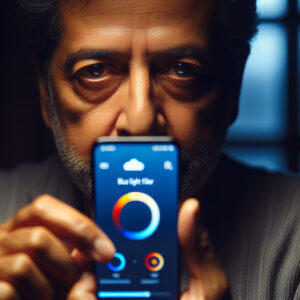
With more screen time, worries about blue light exposure have grown. Blue light filters on devices and glasses help cut down on digital eye strain by reducing exposure to this high-energy light. While research continues, many users find less eye fatigue and more comfort during long screen sessions.
Keeping Screen Time in Check
Managing screen time is crucial for eye health these days. Following the 20-20-20 rule—taking a 20-second break every 20 minutes to look at something 20 feet away—can ease eye strain. Regular breaks and good lighting also help combat the downsides of too much screen exposure.
Tech Tools for Eye Care
A variety of apps and tools are out there to help track and improve eye health. From apps nudging you to take breaks to those guiding eye exercises, technology offers handy solutions for keeping your eyes in good shape. These tools empower you to take charge of your eye care routine, boosting overall eye health.
Supporting Eyesight with Nutrition and Lifestyle
Vital Nutrients for Healthy Eyes
Good nutrition is key to keeping your eyes healthy. Nutrients like Vitamins A, C, E, zinc, and omega-3s are crucial for eye health. Eating foods packed with these nutrients, such as leafy greens, fish, and nuts, can guard against age-related eye issues and support overall eye function.
Lifestyle Tweaks for Better Vision
Living a healthy lifestyle can greatly affect your vision. Regular exercise, keeping a healthy weight, and avoiding smoking all benefit your eyes. Plus, shielding your eyes from UV rays with sunglasses and wearing protective eyewear during risky activities are musts for prevention.
Are Supplements Worth It?
While a balanced diet is the best way to get the nutrients your eyes need, supplements can help if your diet falls short. Popular for eye health are supplements like lutein and zeaxanthin. However, it’s wise to talk with a healthcare pro before starting any supplements to make sure they’re right for you.
Cutting-Edge Tech in Vision Enhancement
Bionic Eyes: The Future Looks Bright
Bionic eyes, once just a sci-fi dream, are becoming reality. These devices aim to restore vision to those with severe impairments by using electronic implants to mimic the retina’s function. Though still experimental, bionic eyes offer hope for vision restoration, lighting the way for those with limited sight.
Gene Therapy: A Bright Horizon
Gene therapy is an exciting new frontier for vision enhancement. By targeting genetic mutations that lead to vision loss, researchers hope to create treatments that stop or reverse certain eye diseases. While in its early days, gene therapy holds promise for tackling hereditary vision disorders.
Virtual Reality for Vision Training
Virtual reality (VR) isn’t just for games; it’s also being used for vision training. VR tech can simulate different visual environments, offering exercises that improve certain vision aspects. This is especially helpful for those in vision therapy, providing an engaging way to boost visual improvement.
The Importance of Regular Eye Check-ups
Why Early Detection Matters
Regular eye exams are essential for catching eye problems early, often before symptoms show up. Early detection allows for timely treatment, preventing further damage and preserving vision. It’s a straightforward yet effective way to ensure long-term eye health.
Personalized Care for Your Eyes
Every person’s vision needs are different, which is why tailored treatment plans are key. Eye care experts use thorough exams to create recommendations and treatments that fit an individual’s conditions and lifestyle. This customized approach ensures the best outcomes for maintaining and enhancing vision.
Finding the Right Eye Care Expert
Choosing a qualified and experienced eye care professional is crucial for top-notch care. Seek out optometrists or ophthalmologists with a solid reputation and the right credentials. A trusted expert can guide you through the various options and help you make informed choices about your eye health.
Looking Ahead: The Future of Vision Care
Striking a Balance Between Tech and Nature
The future of vision care is all about balancing high-tech advancements with natural ways of maintaining eye health. While technology offers amazing tools for improving eyesight, good nutrition and lifestyle choices remain vital. This holistic approach ensures thorough eye care.
Can We Really Improve Eyesight? A Quick Recap
In a nutshell, modern tech offers a ton of ways to boost eyesight, from advanced eyewear and surgeries to groundbreaking tech like bionic eyes and gene therapy. By understanding these options and blending them with traditional eye care, we can greatly enhance our vision and maintain eye health.
Getting Ready for the Next Wave in Vision Tech
As we look to what’s next, staying up-to-date with the latest vision tech is key. As research advances and new solutions pop up, being ready to embrace these innovations will ensure we have access to the best eye care possible, leading to a clearer, brighter future.

Can You Increase Your Eyesight with Diet and Exercise? Here’s What You Need to Know
Introduction: Let’s Talk About Eye Health
Our eyes are like our personal lenses to the world, letting us soak in all the vibrant shades and intricate details life has to offer. But, just like any other part of our body, they need a little TLC to stay in tip-top shape. Getting a handle on eye health means knowing about common vision woes, why keeping our eyes in good condition matters, and what can either boost or batter them. In this blog post, we’re diving into whether things like diet and exercise can really sharpen your eyesight and what practical steps you can take to keep your vision lively.
A Look at Common Vision Problems
Vision issues are more common than you might think, ranging from minor nuisances to serious conditions that can make daily life a hassle. Nearsightedness, farsightedness, astigmatism, and age-related macular degeneration are just a few of the battles people face. Each has its own unique causes and symptoms, but they all have one thing in common: they can mess with your quality of life. Understanding these issues can help you see why proactive eye care is so important.
Why Good Eye Health is a Big Deal
Keeping your eyes healthy is about more than just clear vision; it’s about dodging potential vision loss and boosting your overall well-being. Healthy eyes can lead to a better quality of life, improved learning, and more independence as we age. Regular check-ups, a diet rich in nutrients, and eye-friendly habits can help you preserve your eyesight and stave off future problems. Let’s dive into how diet and exercise might factor into enhancing your vision.
Can You Boost Your Eyesight with Diet?
Key Vitamins and Nutrients for Your Eyes
There’s no miracle cure for perfect eyesight, but some vitamins and nutrients are known to give your eye health a leg up. Vitamin A is crucial for a clear cornea, while vitamins C and E are antioxidants that protect your eyes from harm. Lutein and zeaxanthin, found in many veggies, are known to lower the risk of chronic eye diseases. Adding these nutrients to your diet is a smart move for healthier eyes.
Foods That Are Good for Your Eyes
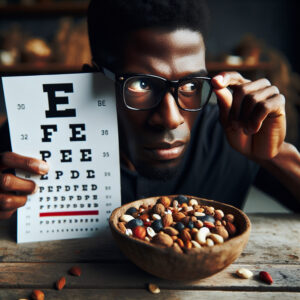
Your diet can be a great ally in keeping your vision sharp. Foods rich in omega-3 fatty acids, like salmon and flaxseeds, are fantastic for eye health. Leafy greens such as spinach and kale are packed with lutein and zeaxanthin. Carrots and sweet potatoes, famous for their beta-carotene, can also help. By adding these foods to your meals, you’re giving your eyes the nutrients they need.
How Antioxidants Help Your Vision
Antioxidants are vital for protecting your eyes from oxidative stress and damage. Free radicals can wreak havoc on various parts of your body, including your eyes. Antioxidants neutralize these troublemakers, preventing them from causing damage. Vitamins C and E, along with beta-carotene, are powerful antioxidants that help keep your eyes healthy and may slow the progression of age-related conditions.
Can Exercise Improve Your Eyesight?
Eye Exercises for Better Vision
Just like working out keeps your body in shape, certain exercises can help keep your eyes in good form. Simple practices like focusing on distant objects, following the 20-20-20 rule (looking 20 feet away every 20 minutes for 20 seconds), and eye yoga can help ease strain and improve flexibility. While these exercises won’t work miracles overnight, they can definitely contribute to overall eye comfort and health.
How Staying Active Benefits Your Eyes
Regular physical activity isn’t just good for your waistline; it’s also a boon for your eyes. Exercise improves blood flow, ensuring your eyes get plenty of oxygen and nutrients. This can help reduce the risk of conditions like glaucoma and diabetic retinopathy. By keeping active, you’re also giving your eyes the support they need to stay healthy.
The Link Between Heart Health and Vision
Your heart and eyes might seem unrelated, but they’re more connected than you’d guess. Good cardiovascular health is crucial for maintaining healthy eyes. High blood pressure and cholesterol can affect the tiny blood vessels in your eyes, leading to vision problems. By managing your heart health through diet and exercise, you’re also protecting your eyes from potential harm.
What Science Says: The Research Angle
Studies on Diet and Vision Improvement
Research has shown that certain nutrients can help prevent vision loss. The Age-Related Eye Disease Study (AREDS) found that supplements with antioxidants and zinc could slow the progression of age-related macular degeneration. Other studies suggest a diet rich in fruits and veggies may lower the risk of cataracts and other eye issues. This highlights the potential perks of a nutrient-rich diet for your eyes.
Exercise and Eye Health: What Research Shows
While the direct impact of exercise on vision is still being explored, evidence suggests an active lifestyle benefits eye health. Physical activity has been linked to a lower risk of developing conditions like glaucoma and age-related macular degeneration. Exercise also helps manage systemic issues like diabetes, which can affect vision. Staying active is a positive step towards keeping your eyes healthy.
Experts Weigh In on Natural Vision Enhancement
Experts agree that while diet and exercise can support eye health, they’re not the be-all and end-all for vision problems. Dr. Smith, an ophthalmologist, points out that foods and activities can be beneficial, but they should be part of a comprehensive eye care plan that includes regular check-ups and protective measures. Understanding the limits of natural vision enhancement helps you make informed choices about your eye health.
Making Lifestyle Changes for Better Vision
Cutting Down on Screen Time and Digital Eye Strain
With our lives increasingly glued to screens, digital eye strain is a common gripe. To ease the strain, try reducing screen time where you can and take regular breaks using the 20-20-20 rule. Adjusting screen brightness and using anti-glare filters can also help. By making these small tweaks, you can ease the strain and protect your eyes from digital overload.
Why Regular Eye Check-Ups Matter
Regular eye exams are crucial for maintaining eye health. They can catch problems before they become serious, allowing for timely intervention. Routine check-ups also ensure your prescription is current and your eyes are working as they should. By making regular visits to your eye care professional a priority, you’re playing an active role in preserving your vision for the long haul.
Managing Stress for Better Eye Health
Stress can affect your whole body, including your eyes. High stress levels can lead to issues like eye twitching and increased eye pressure. Incorporating stress-busting activities like meditation, yoga, or a leisurely walk can help improve your overall well-being, including your eye health. By managing stress, you’re not only benefiting your eyes but also enhancing your quality of life.
Busting Myths and Misunderstandings
Dispelling Common Eye Health Myths
There are plenty of myths about eye health out there. One popular misconception is that sitting too close to the TV can damage your eyes. While it might cause temporary strain, it won’t cause long-term harm. Another myth is that carrots can significantly improve your vision. While they’re beneficial, they’re not a magic fix. Knowing the facts helps you make informed decisions about your eye care.
Knowing the Limits of Natural Vision Enhancement
While diet and exercise can support healthy eyes, they’re not miracle cures for all vision problems. Genetics, age, and certain health conditions can all play a role in your eyesight. It’s important to recognize the limitations of natural methods and not rely solely on them. Combining a healthy lifestyle with professional eye care gives you the best shot at maintaining good vision.
Practical Tips and Recommendations
Adding Eye-Healthy Foods to Your Diet
Incorporating eye-healthy foods into your diet doesn’t have to be a hassle. Start small by adding a serving of leafy greens to your meals or swapping snacks for nuts rich in omega-3s. Experiment with colorful fruits and veggies to ensure a variety of nutrients. By gradually making these changes, you can enjoy tasty meals that also benefit your eyes.
Easy Daily Exercises for Eye Health
Add simple exercises to your daily routine to keep your eyes in great shape. Try the palming technique: rub your hands together and place them over your closed eyes to relax them. Rolling your eyes in different directions and focusing on distant objects can also help relieve tension. By incorporating these exercises, you’re actively nurturing your eye health.
Setting Up a Vision-Friendly Space
Your surroundings can have a bigger impact on your eye health than you might realize. Make sure you have enough lighting to avoid strain and position your computer screen at eye level. Use protective eyewear when necessary and keep your workspace tidy to avoid unnecessary strain. By creating a vision-friendly environment, you’re paving the way for healthier eyes.
Conclusion: Balancing Diet, Exercise, and Eye Care
To sum it up, while you can’t completely transform your eyesight through diet and exercise alone, these factors play a crucial role in maintaining and supporting eye health. A balanced approach that includes nutritious foods, physical activity, and regular professional care can help you enjoy clearer vision for years to come. Remember, your eyes are precious, and taking the time to care for them is a worthwhile investment.
Embrace a holistic approach to eye health, and don’t hesitate to consult with experts for personalized advice. By nurturing your eyes with love and attention, you’re ensuring they stay a vibrant part of your life.
Can You Increase Eyesight with Diet and Exercises? Here’s What Experts Say
Getting to Know Your Eyes: A Guide to Better Vision
Your eyes are like your personal windows to the world, so keeping them healthy is key to making the most out of life. If you’ve ever wondered, “Can you actually boost your eyesight naturally?” you’re not alone. With all the advice floating around, it’s important to separate fact from fiction. So, let’s dive into what the experts say about enhancing vision naturally with diet and exercise.
How Your Eyes Work: A Quick Look
Think of your eyes as high-tech cameras. Light comes in through the cornea, travels through the lens, and hits the retina, which then sends the image to your brain. This intricate process helps us see the world, but it also means many things can impact our vision quality. Understanding how your eyes operate is the first step in taking good care of them.
Common Vision Issues and Their Roots
Problems like nearsightedness, farsightedness, astigmatism, and presbyopia are pretty common. These can stem from the shape of your eye, aging, or even how you live your life. Factors like environment, too much screen time, and poor nutrition also play big roles in how well we see.
The Genetic vs. Lifestyle Tug-of-War in Eye Health
Your genes set the stage for your eye health, but your lifestyle can either support or sabotage it. Just as you might inherit your mom’s eye color, you could also get her vision issues. But living a healthy lifestyle—eating right and staying active—can really make a difference over time.
Is It Possible to Naturally Improve Your Eyesight?
What the Experts Say About Vision Enhancement
Experts have mixed views on naturally boosting eyesight. Some say a good diet and exercises can maintain or slightly enhance vision, while others argue that big changes need medical help. It’s important to keep an open mind and realistic expectations when exploring this topic.
Busting Myths: What Really Works?
There’s a lot of misinformation out there, like eating carrots will give you super vision or eye exercises will make glasses unnecessary. Carrots are great because of vitamin A, but they won’t transform your sight. Eye exercises might ease strain, but they won’t fix structural issues.
The Diet-Eye Health Connection
Key Nutrients for Better Vision
Vitamins A, C, and E, omega-3s, zinc, and lutein are crucial for eye health. They protect your eyes from damage, help with night vision, and lower the risk of age-related issues like macular degeneration.
Foods That Pack a Punch for Your Eyes
Adding leafy greens, fish, citrus fruits, nuts, and seeds to your meals can give your eyes the nutrients they crave. These foods don’t just boost overall health; they specifically benefit your vision, making them a smart pick for anyone aiming to improve eyesight.
Antioxidants: Guardians of Eye Health
Antioxidants are key in shielding your eyes from oxidative stress, which can harm cells. Eating fruits and veggies rich in antioxidants can keep your eyes in good shape and possibly slow down certain eye conditions. Berries, tomatoes, and peppers are great choices to add to your diet.
Exercises That Might Boost Your Vision
A Glimpse into Eye Exercises
Eye exercises are like workouts for your eyes, aiming to strengthen muscles and improve flexibility. They can ease strain and sharpen focus, especially if you’re glued to screens all day. These exercises are quick, simple, and can be done just about anywhere.
Backing Up Eye Exercises with Evidence
While scientific support is limited, many people feel less eye strain and improved focus after regular eye exercises. Techniques like palming and the 20-20-20 rule are popular for easing discomfort and maintaining visual health.
Try These Eye Exercises at Home
Focus on distant objects, do eye rotations, or practice the figure-eight movement. These are easy to fit into your daily routine and can be a relaxing way to take care of your eyes. Stick with it, and you might just see some benefits.
Habits for Healthier Vision
The Need for Regular Eye Check-Ups
Getting regular eye exams is crucial to catching issues early and keeping your prescription up to date. An eye care professional can offer tailored advice for maintaining your vision and spotting any hidden health concerns.
How to Tackle Eye Strain
Good screen habits, like taking breaks and adjusting brightness, can help cut down on eye strain. Wearing sunglasses for UV protection and using blue light filters also go a long way in protecting your vision.
Why Sleep and Hydration Matter for Your Eyes
Don’t underestimate the power of good sleep and staying hydrated for your eyes. Sleep lets your eyes rest and repair, while hydration keeps them lubricated and comfy.
Bringing It All Together: Diet and Exercise
Crafting a Balanced Eye Health Routine
Pairing a nutrient-rich diet with regular eye exercises makes for a holistic approach to eye health. Building a routine that includes both can offer well-rounded support for your vision.
Real-Life Stories of Success
While results vary, many people share stories of improved eyesight through lifestyle changes. These tales often involve a mix of dietary tweaks and dedicated eye exercises, showcasing the potential of these practices.
Long-Term Eye Health Tips from the Pros
Experts advise staying informed about your eye health, taking preventive steps, and seeking professional guidance when needed. Being proactive about eye care can bring long-lasting benefits and preserve your vision as you age.
Expert Advice and Final Thoughts
Wrapping Up What Experts Say on Vision Enhancement
Natural methods might not replace glasses or surgery, but they can bolster overall eye health and potentially enhance some vision aspects. Experts agree that a holistic approach, blending diet and exercise, gives the best shot at keeping your eyes healthy.
Starting Your Eye Health Journey: Practical Tips
Kick things off by adding more eye-friendly foods to your diet, trying out simple eye exercises, and booking regular eye appointments. These steps can help lay the groundwork for better eye health, helping you see the world more clearly.
Knowing When to Seek Professional Help
If you notice major changes in your vision or experience discomfort, it’s vital to see an eye care professional. They can offer a thorough evaluation and suggest the right treatments for your concerns.
Wrapping Up: Can You Really Boost Your Eyesight?
To sum it up, while natural methods might not lead to drastic changes, they definitely support and enhance overall eye health. By mixing a balanced diet, regular exercise, and professional care, you can take meaningful steps toward maintaining and perhaps even improving your eyesight. Remember, the journey to better vision is ongoing, and every little bit helps.

Seeing Clearly: Can You Improve Your Vision Without Glasses?
Getting Started with Vision Improvement
Our eyes are like the world’s open windows, giving us the chance to soak in life’s vivid colors and shapes. But keeping our vision sharp isn’t always a walk in the park for everyone. Whether it’s because of aging, genetics, or how we live our lives, vision issues can really throw a wrench in our day-to-day experiences. Glasses and contact lenses are quick fixes, sure, but many folks are left asking, “Is there a way to make my vision better without needing glasses?” Let’s dive into that and see what’s out there.
Grasping Vision and Its Common Hiccups
Seeing isn’t just about the eyes; it’s a team effort involving the brain and various structures all working together. Common hiccups like myopia (nearsightedness), hyperopia (farsightedness), and astigmatism can make things look blurry. These issues often stem from the eye’s shape, which plays a big role in how light hits the retina. Getting a handle on these basics helps you see why some methods for vision improvement might work and others might not.
How Glasses Help with Vision
Glasses have been the go-to for clearer vision for ages. They tweak light rays to sort out the eye’s focusing problems, giving us sharper images. But let’s not kid ourselves—glasses aren’t a cure. They just help you see better without changing the root of the problem, which is why a lot of people are on the lookout for more lasting solutions.
Is Better Vision Without Glasses Possible?
The idea of naturally boosting your vision is pretty tempting. There are all sorts of techniques and lifestyle tweaks that claim to bolster eye health and even improve sight. Some of these methods have stories backing them up, while others are grounded in science. The trick is figuring out what’s genuinely helpful and what’s just hype.
Natural Ways to Enhance Vision
Eye Exercises and Their Perks
Eye exercises are often hailed as a way to beef up eye muscles and sharpen focus. Techniques like zeroing in on faraway objects, moving your eyes around in different directions, and practicing focusing at various distances can be useful. While they might not drastically change your prescription, they can certainly ease eye strain and make your eyes feel more comfortable.
The Bates Method: Fact or Fiction?
The Bates Method, crafted by ophthalmologist Dr. William Bates in the early 1900s, suggests that relaxation and specific eye exercises can boost vision. It’s got its fans, but the scientific community isn’t fully on board. Critics say that while relaxing can cut down on strain, it doesn’t change the eye’s physical setup.
Relaxation Techniques for Happier Eyes
Relaxation is a big deal when it comes to keeping your eyes healthy. Techniques like palming (covering your eyes with your palms to block out light) and progressive muscle relaxation can ease tension in the eyes. Adding these to your daily routine might not tweak your prescription, but they sure can make your eyes feel less cranky.
The Nutritional Edge for Vision
Key Vitamins and Minerals for Healthy Eyes
Nutrition is a crucial piece of the eye health puzzle. Vitamins A, C, and E, along with minerals like zinc, play a vital role in keeping vision in check. They help fend off age-related issues like macular degeneration and cataracts. Omega-3 fatty acids, which you can get from fish oils, are also great for supporting retinal health and visual development.
Foods That Could Naturally Boost Your Vision
Eating a well-rounded diet full of leafy greens, vibrant fruits, and fish can do wonders for your eyes. Spinach and kale are packed with lutein and zeaxanthin, which shield your eyes from harmful light. And let’s not forget carrots, famous for their beta-carotene, which aids in good night vision. Including these foods can provide the nutrients your eyes crave.
Tech’s Role in Vision Improvement
Dealing with Digital Eye Strain
In today’s tech-heavy world, staring at screens is a given, which often leads to digital eye strain. Common symptoms include dry eyes, blurry vision, and headaches. To tackle this, try the 20-20-20 rule: every 20 minutes, glance at something 20 feet away for 20 seconds. Tweaking your screen’s brightness and taking regular breaks can also take the edge off.
Apps and Tools for Eye Workouts
Technology isn’t all bad for our eyes. Plenty of apps offer guided eye exercises and reminders to take breaks, making it easier to weave these habits into your daily routine. Whether you’re looking to relax or sharpen your focus, these tools can be a nifty addition to your vision care routine.
Lifestyle Tweaks for Better Vision
The Importance of Regular Eye Check-Ups
Regular eye exams are a must—not just for updating your glasses but for catching any issues early. An optometrist can spot changes in vision and eye health, offering tips to keep your sight in tip-top shape. Early detection of conditions like glaucoma or macular degeneration can prevent serious vision loss.
Cutting Down on Screen Time and Its Upsides
While screens are part and parcel of modern life, cutting down where you can is great for your eyes. Limiting unnecessary exposure and ensuring proper lighting can lessen strain. Trying out activities that don’t involve screens, like outdoor strolls or reading physical books, can give your eyes a breather.
Ergonomic Tips for Happier Eyes
Good ergonomics can make a world of difference in eye comfort. Keep your computer monitor at eye level and about an arm’s length away. Proper lighting can cut down glare, and a comfy chair can support your posture, reducing the overall strain on your eyes.
Exploring Alternative Vision Therapies
Acupuncture and Your Eyes
Acupuncture, a staple of traditional Chinese medicine, is sometimes used to enhance vision. Although scientific backing is sparse, some folks report seeing improvements in vision and less eye strain. As with any alternative treatment, it’s key to check in with a healthcare professional before diving in.
What to Know About Vision Therapy
Vision therapy involves exercises designed to boost eye coordination and focusing skills. Often recommended by optometrists, it can be especially beneficial for kids with developmental vision issues. Though it takes dedication, many notice significant improvements in visual skills.
Weighing the Effectiveness of Vision Improvement Methods
Insights from Scientific Studies
Research into natural vision improvement is ongoing. While some studies hint at benefits from specific exercises and dietary tweaks, outcomes can be all over the map. The scientific community remains cautious, emphasizing that although some methods might support eye health, they don’t replace professional medical advice or treatment.
Personal Stories and What They Tell Us
Experiences with vision improvement can vary widely. Some people swear by eye exercises, dietary changes, or alternative therapies, while others don’t notice much of a shift. These stories can offer hope and insights, but it’s crucial to look at them with a critical eye and seek evidence-based advice.
Wrapping Up: Can You Boost Your Vision Without Glasses?
Key Takeaways
While glasses are the mainstay for fixing vision issues, exploring other methods can bring added perks. From eye exercises and nutrition to lifestyle tweaks and alternative therapies, each approach has its strengths and limitations. Ultimately, how effective these methods are can vary from person to person.
Final Thoughts and Suggestions
The idea of enhancing vision without glasses is intriguing, but it calls for a balanced approach. Consider trying some of the suggested techniques, but always put professional advice first. Regular check-ups and a healthy lifestyle are the bedrock of good eye health. So, can you improve your vision without glasses? Maybe, with a mix of realism and dedication.

Unlock the Secret: Can You Improve Your Vision Naturally?
Getting Started with Natural Vision Improvement
Our eyesight is truly a gift, but let’s face it, as the years roll on, many of us notice changes in our vision. With our noses practically glued to screens these days, it’s no surprise that eye strain and other vision problems are on the rise. This has sparked a lot of curiosity about whether we can actually boost our eyesight naturally. Sure, glasses and contacts are the go-to solutions, but folks are increasingly keen on checking out more natural alternatives.
Grasping the Basics of Vision Health
Before we jump into natural ways to enhance vision, it’s important to get a handle on the nuts and bolts of eye health. Our eyes are intricate organs, kind of like a well-coordinated orchestra, with every part from the cornea to the retina playing its part in helping us see. Just like any other part of our body, keeping our eyes in tip-top shape means giving them the TLC they deserve.
Why Go the Natural Route?
For many, the idea of natural vision improvement is appealing because it often involves tweaking daily habits that boost overall wellness. Plus, some folks prefer not to lean too heavily on corrective lenses. Taking a natural approach can feel empowering, offering a way to manage eye health without going the invasive route.
What’s in Store for This Post
In this blog, we’re going to explore the ins and outs of natural vision improvement. We’ll sift through the myths and get to the truth, look at eye exercises, talk about nutrition, lifestyle tweaks, and even some alternative therapies. We’ll also sprinkle in some personal stories to give you a real feel for how these methods work in the real world. By the end, you’ll have a clearer picture of whether these strategies might be right for you.
Can You Really Improve Your Vision Naturally? A Look Ahead
Busting the Myths
There’s a ton of myths floating around about vision improvement. Take the carrot myth, for example—sure, carrots are packed with vitamin A which is great for your eyes, but they’re not a miracle fix. And while eye exercises can be helpful, they’re not going to magically correct major vision issues. It’s crucial to have realistic expectations and to lean on methods that are backed by evidence.
The Science Behind Natural Vision Improvement
Research into natural vision improvement is a mixed bag. Some studies suggest that specific eye exercises and lifestyle changes can ease eye strain and sharpen focus. But, we’re still waiting on solid scientific proof. It’s wise to keep an open mind about these methods, while also recognizing their limits.
Eye Exercises to Boost Vision
A Peek into the Bates Method
Dr. William Bates introduced what’s known as the Bates Method, which is quite popular among natural vision enthusiasts. It focuses on relaxation and eye exercises to ease strain. Techniques like palming and visualization are key components. While it does have its fans, it’s worth noting that it doesn’t have scientific support as a cure for vision problems.
Palming: A Way to Relax
Palming is all about covering your eyes with your hands to block light and let your eye muscles relax. To give it a try, sit comfortably, close your eyes, and gently cup your palms over them without pressing. Breathe deeply and imagine peaceful scenes. It’s a soothing break for your eyes, helping to ease tension and fatigue.
Eye Yoga for Enhanced Vision
Eye yoga marries traditional yoga ideas with exercises aimed at strengthening and relaxing the eyes. Activities like focusing on faraway objects, quick blinking, and gentle eye movements can boost flexibility and relaxation. While not a substitute for professional eye care, eye yoga can be a nice addition to a vision wellness routine.
Nutrition for Vision Health
Key Vitamins and Nutrients
What we eat plays a huge role in keeping our eyes healthy. Vitamins A, C, and E, along with minerals like zinc, are vital for eye function and protection. Omega-3 fatty acids, found in fish, are known to be beneficial for retinal health. Eating a balanced diet rich in these nutrients can go a long way in supporting good vision.
Foods that Help Your Eyes
Leafy greens like spinach and kale are loaded with lutein and zeaxanthin, antioxidants that safeguard your eyes. Citrus fruits bring in vitamin C, while nuts and seeds offer vitamin E. Adding a rainbow of fruits and veggies to your meals can help protect your vision and your overall health too.
Supplements Worth Considering
If getting enough nutrients from food alone is a struggle, supplements might be a helpful option. Look for ones packed with essential vitamins and minerals for eye health. Just make sure to chat with a healthcare professional before diving into any supplement routine to ensure it’s right for you.
Lifestyle Tweaks for Better Vision
Cutting Down on Screen Time and Blue Light
In our digital world, our eyes are glued to screens more than ever. Cutting back on screen time and using blue light filters can help reduce eye strain. The 20-20-20 rule—taking a 20-second break to look at something 20 feet away every 20 minutes—can also help ease digital eye fatigue.
The Importance of Regular Eye Exams
Regular eye exams are key for catching issues early and keeping track of any vision changes. An eye care professional can give tailored advice and treatments, making sure any vision shifts are dealt with quickly. Routine visits help keep your eyes healthy and ward off potential problems.
Stress-Busting Techniques
Stress can show up in many physical ways, including affecting our vision. Practicing stress-busting techniques like meditation, deep breathing, and tai chi can enhance your overall well-being, including eye health. Less stress can mean better focus and less strain on your eyes.
Exploring Alternative Therapies for Vision
Acupuncture and Eye Health
Acupuncture, a staple of traditional Chinese medicine, is sometimes used for eye health. It aims to improve circulation and reduce eye strain by targeting specific body points. While some folks have positive results, we need more research to verify its effectiveness for vision improvement.
Getting the Scoop on Vision Therapy
Vision therapy includes exercises designed to boost visual skills. Often used for conditions like lazy eye and convergence issues, it requires expert guidance from a vision specialist. While it’s not a cure-all, vision therapy can enhance certain visual functions, contributing to better overall eye performance.
Stories and Lessons from Real Experiences
Success Stories of Natural Vision Improvement
Many have shared inspiring tales of improved vision through natural methods. Whether through consistent eye exercises, dietary tweaks, or alternative therapies, these stories shine a light on the potential benefits of natural approaches. They offer inspiration and a glimpse into what’s possible with dedication and patience.
Insights from Vision Therapy Journeys
Experiences with vision therapy can vary, with some folks seeing notable improvements in their visual skills and comfort. The key takeaways often highlight the importance of consistency and professional guidance. Vision therapy can be a valuable tool for those ready to invest time and effort into their eye health journey.
Wrapping Up: Is Natural Vision Improvement for You?
Considering the Ups and Downs
Deciding on natural vision improvement methods means weighing the pros and cons. While they can complement traditional eye care and enhance overall wellness, they may not replace the need for glasses or medical treatments. It’s crucial to consider your individual needs and consult with an eye care expert.
Final Thoughts and Suggestions
Exploring natural vision improvement is an exciting path for those interested in holistic health. While some methods show potential, it’s important to keep expectations grounded. Whether you’re looking into eye exercises, dietary changes, or alternative therapies, remember that expert guidance and regular eye exams are key to protecting your vision.

Discover How Can You Improve Your Peripheral Vision Naturally
Getting to Know Peripheral Vision
So, What’s Peripheral Vision?
Peripheral vision, or what many folks call “side vision,” lets us spot things that aren’t right in front of us. It’s the reason we can sense movement or get around without constantly turning our heads. While the center of our vision is all about sharp details, our peripheral view is wider and a bit blurrier, yet it’s essential for seeing the big picture.
Why Peripheral Vision Matters
Think about driving, playing sports, or simply strolling through a busy street—peripheral vision plays a huge role in all these activities. It’s key for spotting things coming from the sides and keeping our balance. Having a keen peripheral vision boosts our safety and helps us navigate the world more smoothly.
Common Reasons for Losing Peripheral Vision
There are a bunch of reasons you might lose some of that side vision, like glaucoma, retinal detachment, or even a stroke. Head injuries and the natural aging process can also play a part. Catching these issues early can make a big difference in managing them.
Can Peripheral Vision Be Improved?
Busting Myths About Peripheral Vision
Many people think there’s no way to boost peripheral vision, but that’s not entirely true. While some conditions might permanently affect it, plenty of folks can enhance their peripheral view with the right exercises and lifestyle tweaks.
The Science Behind Improvement
Our brains are pretty adaptable, which means we can train ourselves to improve peripheral vision. Research suggests that specific exercises can sharpen our awareness and sensitivity in that area, showing that natural improvement is possible.
What Affects Your Ability to Improve?
Your age, the overall health of your eyes, and how dedicated you are to the exercises all play a role in how much you can improve. Younger people or those without existing eye issues might see changes faster, but staying consistent is crucial for everyone.
Ways to Naturally Boost Peripheral Vision
Exercises for Your Eyes
There’s a range of exercises designed to stimulate and expand your peripheral vision. By sticking with these exercises regularly, you might notice your vision getting better over time.
Healthy Lifestyle Changes
Simple lifestyle tweaks can do wonders for your peripheral vision. Cutting back on screen time and getting enough sleep are just a couple of ways to keep your vision sharp.
How Diet Plays a Role in Vision
What you eat can greatly influence your eye health. Foods packed with vitamins and minerals known for supporting vision can help keep your eyes in great shape and might even improve your peripheral vision.
Eye Exercises to Give Your Peripheral Vision a Boost
Try the Pencil Push-Up
For this exercise, hold a pencil at arm’s length and slowly bring it toward your nose, keeping it in focus the whole time. It’s great for strengthening your eye muscles and boosting peripheral awareness.
The Brock String Technique
Grab a Brock String—a long string with colored beads—and practice focusing on each bead as it moves toward or away from you. This can help improve your eye coordination and peripheral vision.
Peripheral Awareness Drill
This one’s about focusing on an object right in front of you while also noticing what’s happening in your peripheral vision. Regular practice can enhance your ability to detect movement outside your central vision.
Adopting Lifestyle Habits for Better Vision
Cutting Down on Screen Time
Too much time staring at screens can strain your eyes and mess with your peripheral vision. Make sure to take breaks and follow the 20-20-20 rule: every 20 minutes, look at something 20 feet away for 20 seconds.
Taking Eye-Friendly Breaks
When you’re doing tasks that require a lot of visual focus, be sure to take regular breaks. Use this time to do some eye exercises or just relax your eyes by gazing at something far away.
The Importance of Sleep for Your Eyes
Getting enough sleep is vital for overall health, including your eyes. Sleep gives your eyes a chance to rest and repair, which can support better peripheral vision. Make sleep a priority to help your visual health.
Nutrition and Peripheral Vision
Essential Vitamins and Minerals
Vitamins A, C, and E, along with minerals like zinc and selenium, are crucial for keeping your eyes healthy. These nutrients help fend off oxidative stress and support your vision.
Foods That Naturally Support Vision
Consider adding foods rich in vitamins and antioxidants to your diet. Leafy greens, carrots, sweet potatoes, and fish high in omega-3s are all great choices for supporting and possibly enhancing your peripheral vision.
Supplements That Might Help
Supplements like lutein, zeaxanthin, and omega-3 fatty acids can be beneficial for eye health and vision. But before you start any new supplements, it’s wise to chat with a healthcare professional to make sure they’re right for you.
Keeping Track of Your Progress
Using Vision Tests to Measure Improvement
Regular vision tests can be a handy way to track how your peripheral vision is doing. You can do these tests at home or with a professional to see your progress and tweak your routine if needed.
When to See a Pro
If you notice big changes in your vision or have conditions affecting your eyes, it’s important to consult an eye care expert. They can give you personalized advice and make sure your efforts to improve are both safe and effective.
Understanding Your Results
By interpreting the results from vision tests, you’ll know how well your efforts are working. Depending on what you find, you can keep doing what you’re doing or make some adjustments to enhance your vision further.
Wrapping Up: Your Journey to Better Peripheral Vision
Key Takeaways
Improving your peripheral vision is all about a mix of exercises, lifestyle changes, and good nutrition. Stick with it, and you’ll likely see some great improvements over time.
The Importance of Consistency and Patience
Don’t expect overnight results, but with dedication and patience, positive changes will come. Regular exercise and healthy habits are the secret to long-term success.
Encouragement to Keep Going
Start this journey with a positive mindset and commitment. Remember, every little effort adds up to better vision health. Stay consistent, keep practicing, and you’ll be well on your way to naturally enhancing your peripheral vision.

Can You Improve Your Night Vision: Uncover the Secrets to Seeing in the Dark
Getting the Hang of Night Vision
What Exactly is Night Vision?
Night vision is all about seeing in those low-light situations. Unlike our feline friends or owls, humans aren’t born with super night vision. But hey, our eyes do have some pretty cool tricks for adjusting to the dark. It all comes down to rod and cone cells in our eyes. Cones handle color and work best in bright light, while rods are your go-to in dim settings, helping us see when the sun goes down.
How Our Eyes Adjust to the Dark
Walking into a dark room? Your eyes won’t snap to it immediately. They take some time to get their act together—pupils widen to let in more light. Meanwhile, rhodopsin, a light-sensitive protein in rods, gets to work, boosting your night vision. This adjustment can take 20 to 30 minutes, but once it kicks in, you can move around in the dark much easier.
The Science Behind Night Vision
Beyond the eye’s physical shifts, there’s a whole science behind night vision. Rod cells, loaded with rhodopsin, are key players. In the dark, rhodopsin changes chemically, sending signals to the brain, which our brains then translate into vision. Interestingly, some folks are just naturally better at this, which is why night vision can vary from person to person.
Can You Naturally Boost Your Night Vision?
Diet Tweaks for Better Night Vision
Your diet can make a big difference in eye health. Vitamin A, found in carrots, sweet potatoes, and leafy greens, is a real game-changer for night vision. Omega-3s, like those in salmon, also support your eyes. Adding these to your meals can gradually sharpen your vision in low-light conditions.
Exercising Your Eye Muscles
Just like any muscle, your eyes benefit from a good workout. Simple exercises like focusing on objects at different distances or rolling your eyes can boost flexibility and strength. They won’t turn you into a night owl overnight, but they’ll contribute to better overall eye health.
Sleep’s Impact on Night Vision
Don’t underestimate a solid night’s sleep. It’s crucial for regenerating cells, including those in your eyes. Lack of sleep can leave your eyes tired and strained, hurting your night vision. Getting enough rest keeps your peepers in top form.
Tech Options for Better Night Vision
How Night Vision Goggles Work
Need a big night vision boost? Night vision goggles are a solid bet. They amp up existing light, including infrared, giving you a clearer view of the dark. They gather ambient light, convert it to electrons, and magnify it through a photomultiplier tube. The outcome is a bright image on a screen, letting you see even in the darkest conditions.
The Perks of Infrared Tech
Infrared tech is the backbone of today’s night vision gear. It lets you see in complete darkness using the infrared spectrum, which is invisible to the naked eye. This is super handy for outdoor lovers, security teams, or anyone needing to see when the lights are out. By picking up heat signatures, infrared devices offer clear images no matter the lighting.
Picking the Right Night Vision Gear
Your night vision equipment choice hinges on what you need it for. For casual use, basic monoculars might do. But if you’re on a professional or tactical mission, you might need advanced binoculars or goggles with high resolution and range. Consider things like magnification, field of view, and battery life when choosing.
Habits for Better Night Vision
Cutting Down on Blue Light
In today’s digital world, dodging blue light from screens is tough. But too much of it can strain your eyes and mess with your night vision. Try cutting back on screen time, especially before bed, and use blue light filters. This little tweak can really help you adjust to the dark better.
Eye Relaxation Techniques
Your eyes deserve a break too. Try the 20-20-20 rule: every 20 minutes, look at something 20 feet away for 20 seconds. Palming, where you cover your closed eyes with your palms to block light, can also be super soothing and relaxes your eye muscles.
Creating a Dark-Friendly Environment
Spending time in low-light or dark areas can train your eyes to adapt more efficiently. Combine this with avoiding bright lights before bedtime, and you can improve your night vision over time.
Common Night Vision Issues
Spotting Night Blindness Symptoms
Night blindness, or nyctalopia, makes low-light vision tough. Symptoms include struggling to see stars, difficulty driving at night, or needing more light to read. Spotting these signs early helps you seek solutions and avoid the risks of poor night vision.
Understanding Causes and Risks
Night blindness can stem from several things—vitamin A deficiency, cataracts, or genetic conditions. Nearsighted individuals or those who’ve had eye surgery might also have issues. Knowing these risks means you can take steps to prevent or address them early.
When to Get Professional Help
If night vision problems stick around, it’s smart to see an eye specialist. An ophthalmologist can do a thorough check-up to find the cause and suggest treatment. Addressing night vision issues quickly can keep them from getting worse and improve your quality of life.
Are Supplements the Answer for Better Night Vision?
Vitamin A’s Role in Night Vision
Vitamin A is often hailed as the key to better night vision because it helps form rhodopsin, the pigment in rod cells. Eating foods rich in vitamin A or taking supplements can enhance low-light vision. But always chat with a healthcare pro before starting any new supplements.
Antioxidants and Eye Health
Antioxidants like lutein and zeaxanthin are great for eye health. They protect against oxidative stress and can boost visual function. You can find them in foods like spinach, kale, and eggs, making them a solid addition if you’re aiming to naturally support night vision.
Weighing Eye Health Supplements
With so many eye health supplements out there, it’s important to pick ones backed by science. Look for those with a mix of vitamins, minerals, and antioxidants proven to support eye health. And remember, consult a healthcare provider before adding any new supplement to your routine.
Night Vision: Myths vs. Facts
Busting Common Night Vision Myths
There are loads of myths about night vision, like the idea that eating carrots can work magic. While carrots have vitamin A, which is good for your eyes, they aren’t a magic bullet for night vision. Knowing the facts helps you make smart decisions.
The Real Deal with Carrots and Night Vision
The link between carrots and night vision goes back to wartime propaganda. Carrots are great for vitamin A, but they won’t drastically change your night vision. A well-rounded diet rich in various nutrients is more effective for keeping your eyesight sharp.
Scientific Insights on Night Vision Improvement
Research has looked into ways to boost night vision, from diet tweaks to tech aids. While some have shown promise, it’s key to keep expectations realistic. Improving night vision often means optimizing eye health, not chasing quick fixes.
Wrapping Up: Enhancing Your Night Vision
Key Takeaways
Boosting night vision involves many angles. From eating vitamin-rich foods to using night vision goggles, there are plenty of paths to explore. Prioritizing sleep and relaxing your eyes can also support your journey.
Keeping Realistic Expectations
While you can enhance night vision to some extent, keep your expectations in check. Natural methods and lifestyle changes improve eye health, but they won’t give you night vision superpowers overnight. Working with an eye care pro can help you get the best results.

Can You Improve Your Hand Eye Coordination? Top Strategies for Success
Getting a Grip on Hand-Eye Coordination
Understanding Hand-Eye Coordination
Hand-eye coordination is all about how well you can perform tasks that need your hands and eyes to work together. Think of it as a vital skill that helps you with everyday activities like writing, driving, or playing your favorite sport. It’s the magic behind processing what you see and turning it into precise movements. In simple terms, it’s how your brain, eyes, and hands join forces to get things done smoothly and accurately.
Why Hand-Eye Coordination Matters
Whether you’re an athlete or an artist, hand-eye coordination is key to getting a variety of tasks done. Better coordination can sharpen your reaction times, make complex tasks easier, and even enhance your life in general. If you’re looking to up your game in sports, tackle detailed crafts, or just navigate your day more effectively, boosting this skill can make a big difference. It’s one of those must-have abilities that can tip the scales between success and not quite hitting the mark.
Boosting Your Hand-Eye Coordination: Is It Possible?
Absolutely, you can! While some folks might naturally have a knack for it, hand-eye coordination can definitely be improved with practice and training. Just like any other skill, it can be honed and polished over time with the right exercises and strategies. So if you’re asking yourself, “Can I get better at this?” the answer is a big yes, and there are plenty of ways to help you get there.
Diving Deeper into the Science of Hand-Eye Coordination
The Brain’s Role in Coordination
Your brain is a powerhouse when it comes to coordination. When you’re involved in activities that need hand-eye coordination, your brain processes the visual information and sends signals to your muscles to do the necessary actions. It’s the cerebellum, nestled at the back of your head, that fine-tunes these motor skills by juggling sensory input and coordinating your voluntary movements.
The Intricate Neural Pathways
The pathways in your brain that handle hand-eye coordination are pretty complex, involving several brain parts. It all starts in the visual cortex where your eyes’ info is processed. Then, it zips through the parietal lobe, which pieces together sensory data, and finally hits the motor cortex, which directs your movements. These pathways work hand in glove to make sure your actions are spot-on and well-timed.
The Vital Role of Vision
Your sight is crucial for hand-eye coordination. It gives you the feedback you need to tweak your hand movements and plan tasks with precision. Without clear and correct visual input, coordinating your movements can become quite a struggle. That’s why exercises that improve your visual tracking and focus can play a big part in boosting coordination.
Exercises to Enhance Your Hand-Eye Coordination
Eye-Tracking Workouts
Eye-tracking workouts are all about boosting your eyes’ ability to follow moving objects smoothly and accurately. These can be as simple as watching a moving object or using apps designed to challenge your visual tracking skills. With regular practice, you’ll notice a big improvement in how well your eyes and hands team up.
Ball Toss and Catch Games
One tried-and-true method to enhance hand-eye coordination is through ball toss and catch games. These activities require you to focus on the ball’s path and coordinate your movements to catch it. You can tweak the difficulty by changing the speed, distance, or type of ball, making it a perfect fit for any skill level.
Video Games: A Surprising Ally
Believe it or not, certain video games can be a great way to sharpen your hand-eye coordination. Games that demand quick reflexes and precise actions can hone your skills. Whether it’s a fast-paced shooter or a rhythm game, these games offer a fun and interactive way to practice your coordination abilities.
The Impact of Nutrition on Hand-Eye Coordination
The Power of Omega-3 Fatty Acids
Omega-3 fatty acids, found in fish, flaxseeds, and walnuts, are essential for keeping your brain in tip-top shape. They support neural communication and cognitive function, both crucial for effective hand-eye coordination. By adding omega-3-rich foods to your diet, you can boost brain health and coordination skills.
Hydration and Brain Performance
Staying hydrated is key for keeping your brain functioning well. Dehydration can mess with your concentration, slow down your reactions, and hamper your hand-eye coordination. Drinking enough water throughout the day helps maintain your brain’s performance and keeps your coordination sharp.
Antioxidants and Neural Health
Antioxidants are vital for protecting your brain cells from oxidative stress, which can affect neural function. Foods rich in antioxidants, like berries, dark chocolate, and leafy greens, support brain health and improve your coordination. Adding these foods to your diet can help strengthen your neural pathways and boost coordination.
Tech Tools to Enhance Hand-Eye Coordination
Virtual Reality: A Modern Solution
Virtual reality (VR) offers a cutting-edge way to improve hand-eye coordination. VR training programs can mimic real-life scenarios, providing a dynamic experience for practicing coordination skills. These programs can be customized to fit your needs, offering a personalized approach to enhancing coordination through engaging exercises.
Apps for Coordination Improvement
In today’s tech-savvy world, there are loads of apps designed to boost hand-eye coordination. These apps provide a range of exercises and games that challenge your coordination skills in a fun way. By regularly using these apps, you can track your progress and enjoy a gamified approach to improving your coordination.
Real-Time Feedback with Wearables
Wearable tech like smartwatches and fitness trackers can give you real-time feedback on your coordination exercises. These devices monitor your movements, track progress, and offer insights into areas needing improvement. Using wearables, you can fine-tune your coordination training and hit your goals more effectively.
Making Lifestyle Changes for Better Coordination
Staying Active
Regular physical activity is one of the best ways to boost hand-eye coordination. Whether it’s sports, yoga, or simple exercises like juggling, staying active sharpens your coordination skills. Consistent practice not only strengthens your muscles but also enhances your mental sharpness, leading to better overall coordination.
Mindfulness and Focus
Practicing mindfulness and focus exercises can greatly enhance hand-eye coordination. Techniques like meditation and deep breathing boost concentration and mental clarity, crucial for precise movements. By adding mindfulness practices to your routine, you can improve your focus and perform tasks more accurately.
The Importance of Sleep
Getting enough sleep is crucial for maintaining cognitive function and hand-eye coordination. Lack of sleep can lead to decreased focus, slower reactions, and poorer coordination. Ensuring you get quality sleep each night keeps your brain performing at its best, supporting your coordination skills and overall well-being.
Keeping Track and Setting Goals
Monitoring Your Progress
Keeping an eye on your progress is vital for improving hand-eye coordination. Use a journal or apps to record your exercises and track improvements. Regularly assessing your progress helps you see patterns, set new goals, and stay motivated on your path to better coordination.
Setting Achievable Goals
Setting realistic goals is key to successfully enhancing hand-eye coordination. Pinpoint specific areas to improve and set measurable targets. Break goals into manageable steps, and celebrate each achievement. This approach keeps you motivated and ensures steady, sustainable progress.
Adjusting Your Approach
As you work on improving your hand-eye coordination, be open to adjusting your strategies based on your progress. If certain exercises aren’t working, try new techniques or approaches. Being flexible and willing to change can help you overcome challenges and make strides in your coordination journey.
Wrapping Up: Can You Really Boost Your Hand-Eye Coordination?
Strategies in a Nutshell
Improving hand-eye coordination is a multi-faceted task involving exercises, nutrition, tech aids, and lifestyle changes. By combining these strategies, you can effectively enhance your coordination skills and reach your personal goals.
The Power of Consistency
Consistency is crucial when it comes to improving hand-eye coordination. Regular practice and dedication are key to achieving long-lasting results. By sticking to a routine and staying committed, you can steadily progress and enjoy the benefits of better coordination.
Keep Striving for Improvement
Remember, the journey to better hand-eye coordination is ongoing. Adopt a mindset of continuous improvement and stay open to new techniques and strategies. With patience, persistence, and a proactive approach, you can keep refining your skills and unlock your full potential.