
Can You Strengthen Eye Muscles? A Comprehensive Guide to Eye Workouts
Getting to Know Your Eye Muscles
Our eyes truly are incredible, aren’t they? They let us see the world in all its colorful glory and intricate details. But there’s more going on than meets the eye—pun intended! A whole team of hardworking muscles is behind this seamless visual experience. You might have asked yourself, “Can I actually strengthen my eye muscles?” Well, you’re in luck because this guide is all about exploring that very topic. We’ll dive into eye anatomy, highlight why these muscles are so crucial for vision, and explore how you might boost their strength with some specific exercises.
Getting the Scoop on Eye Anatomy
Before we jump into exercises, let’s take a moment to understand how the eye is put together. Your eye has a lot of parts, like the cornea, lens, and retina, but those eye muscles are the stars of the show today. You’ve got six extraocular muscles that are in charge of moving your eyes up, down, sideways, and even rotating them. Knowing how these muscles work gives us a real appreciation for their role in keeping our vision sharp.
How Eye Muscles Contribute to Vision
These eye muscles are key players when it comes to focusing, following moving objects, and keeping binocular vision in check. They work in sync to adjust your eyes’ position, making sure both are on the same page and able to focus on the same spot. This teamwork is crucial for depth perception and visual clarity. If these muscles aren’t up to par, you might deal with eye strain, headaches, or blurry vision.
So, Can You Pump Up Your Eye Muscles?
The quick answer is yes, to a degree. Eye muscles aren’t quite like those biceps you build at the gym, but they can benefit from exercises aimed at boosting coordination and flexibility. Just like you might go for a jog to keep fit, eye exercises can help maintain or even improve visual sharpness and ease strain.
Why Bother Strengthening Eye Muscles?
Better Focus and Staying Power
Working those eye muscles can lead to sharper focus and better concentration, especially during activities that need long periods of visual attention, like reading or staring at a computer screen. Regular eye workouts can help your eyes focus on close-up objects or switch focus quickly, which boosts overall concentration.
Less Eye Strain and Tiredness
We’ve all been there—spending too much time in front of screens and feeling that eye strain kick in. Eye exercises can help ease some of that discomfort. These workouts can relax your eye muscles, cutting down on tension and warding off symptoms of digital eye strain, like dryness or irritation.
Boosted Visual Performance
If you’re an athlete, pilot, or anyone who needs top-notch vision, enhancing your visual performance can really make a difference. Eye exercises can help with tracking, depth perception, and coordination, potentially leading to better results in activities that demand quick visual processing.
Simple Exercises to Strengthen Those Eye Muscles
Palming Technique
The palming technique is a straightforward exercise to give your eyes a break. Rub your hands together to warm them up, then close your eyes and gently place your palms over them without pressing down. Focus on the darkness and warmth, letting your eyes relax. Do this for a few minutes whenever your eyes feel worn out.
Figure Eight Exercise
This one helps with eye flexibility. Picture a giant figure eight about 10 feet in front of you. Slowly trace its shape with your eyes, first in one direction, then switch. This exercise hones the control and coordination of your eye muscles.
The 20-20-20 Rule
The 20-20-20 rule is a nifty trick to combat digital eye strain. Every 20 minutes, take a 20-second break and stare at something 20 feet away. This gives your eyes a chance to chill out and recharge, keeping fatigue at bay.
Going Beyond with Advanced Eye Muscle Techniques
Pencil Push-Ups
Pencil push-ups are a classic for improving convergence, or how your eyes move inward. Hold a pencil at arm’s length, focus on it, and slowly bring it closer to your nose. If you start seeing double, stop and go back to the start. Repeat a few times to better eye coordination.
Brock String Exercise
The Brock string exercise involves a string with beads spaced out along it. Hold one end to your nose, and the other end is fixed to a wall. Focus on each bead, noticing the string’s crossing patterns. This helps improve binocular vision and depth perception.
Barrel Card Exercise
Barrel cards help with fusion and depth perception, featuring three different-sized barrels. Hold the card at arm’s length and focus on each barrel, pulling your eyes together until the images overlap. This strengthens the eyes’ ability to work together effectively.
Making Eye Workouts Part of Your Daily Routine
Setting Up a Regular Routine
Consistency is the name of the game with eye exercises. Fit them into your daily life, maybe during work breaks or as part of your morning routine. Carving out dedicated time ensures you get the full benefits of stronger eye muscles.
Pairing with Relaxation Techniques
Combining eye exercises with relaxation techniques can boost their effectiveness. Techniques like deep breathing or meditation can help relax not just your eyes, but your whole body, offering a holistic approach to eye health.
Keeping Tabs on Your Progress
Jot down your eye exercise routine to track your progress. Note any improvements in focus, reduction in eye strain, or enhanced visual performance. This keeps you motivated and helps tailor exercises to your needs.
Debunking Common Myths About Eye Muscle Strengthening
Myth: Eye Exercises Replace Glasses
While eye exercises can bolster muscle strength and coordination, they can’t correct refractive errors like nearsightedness or farsightedness. Glasses or contacts are needed for those, so exercises shouldn’t be seen as a substitute.
Myth: Eye Exercises Solve All Vision Problems
Eye exercises are helpful, but they’re not a cure-all for every vision issue. Conditions like glaucoma or cataracts need medical treatment, and exercises should be part of a broader eye health strategy.
Myth: Eye Workouts Deliver Instant Results
Like any exercise plan, patience and consistency are key. Eye exercises won’t work magic overnight, but with regular practice, you can see improvements in coordination and less strain over time.
Precautions and Things to Consider
Chatting with an Eye Specialist
Before starting a new eye exercise routine, it’s a good idea to talk with an eye care professional. They can offer advice based on your specific vision needs and ensure the exercises are safe and suitable for you.
Spotting Symptoms of Eye Strain
Keep an eye out for signs of eye strain, like headaches, blurry vision, or dry eyes. If these symptoms persist, it’s important to reassess your routine or seek professional help to avoid further discomfort or damage.
Knowing the Limits of Eye Exercises
While eye exercises have plenty of benefits, it’s vital to understand their limits. They can’t replace corrective lenses or surgeries, and their effectiveness varies among individuals. Use them as part of a complete eye care plan.
Wrapping Up and Final Thoughts
To sum it all up, eye exercises can indeed give those eye muscles a boost, leading to better focus, less strain, and enhanced visual performance. By mixing both basic and advanced techniques into your routine, you can support better eye health. Just remember, these exercises aren’t a substitute for professional eye care. So, why not kick off your eye exercise journey today? As we look ahead, the field of eye health keeps evolving, offering new insights and innovations to help keep our vision in tip-top shape.
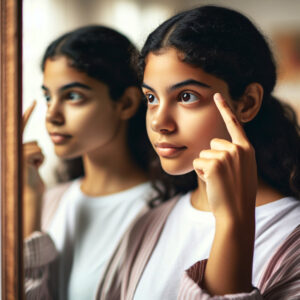
The Science Behind: Can You Strengthen a Lazy Eye?
Getting to Know Lazy Eye
Lazy eye, or amblyopia as the docs call it, is a condition where one eye just doesn’t quite hit the mark in terms of vision. Even with the best glasses or contacts, that eye might struggle to see clearly. But don’t be fooled—it’s not just about appearances. This condition can really throw off your depth perception and overall sight.
What Exactly is Lazy Eye?
Amblyopia usually pops up from when you’re born until about age seven, making it the top cause of vision loss in kids. You might look at the eye and think it’s fine, but the issue is in the brain. It doesn’t fully process images from the lazy eye, so it starts favoring the other one.
How Common is It and What Causes It?
Lazy eye isn’t all that rare, affecting around 2-3% of people. Some typical causes include strabismus, where your eyes don’t line up, or refractive errors like being nearsighted or farsighted. Sometimes, it’s due to things like cataracts blocking vision. If you catch these issues early, there’s a good chance you can boost the vision.
Why Spotting It Early Matters
Catching amblyopia early is crucial. The sooner you identify it, the better the odds of successful treatment. Without quick action, the brain might just tune out signals from the weaker eye forever, leading to lasting vision issues. That’s why regular eye check-ups for kids are so important.
Is It Possible to Strengthen a Lazy Eye?
When we talk about strengthening a lazy eye, it’s about enhancing its function and sharpness. It’s not about flexing muscles but improving the connection between the eye and brain, teaching the brain to use the weaker eye better.
Understanding “Strengthening”
Strengthening a lazy eye isn’t just about clearer vision. It’s about getting the brain to process images from both eyes equally, aiming for better coordination and teamwork between them.
What Are the Treatment Goals?
When treating a lazy eye, the main goals are to boost visual sharpness, improve binocular vision, and ensure both eyes can work together. Achieving these can make a huge difference in depth perception and help prevent more vision issues down the line.
Busting Common Myths
There are a few myths floating around about lazy eye. One is that only kids can be treated, but adults can see benefits, too. Another is thinking glasses alone will fix it. Usually, a comprehensive treatment plan is needed.
The Science of Lazy Eye
To really get lazy eye, you have to dive into how our vision develops and how the brain processes visual info. The eye-brain connection gets established early, and any hiccups can lead to amblyopia.
Visual Development and the Brain
During early childhood, the visual system is going through major changes. The brain learns to interpret signals from both eyes, leading to clear, coordinated vision. If this process gets thrown off, the brain might start favoring one eye, causing amblyopia.
The Role of Neural Plasticity
Neural plasticity, which is the brain’s knack for adapting and reorganizing, is key in treating lazy eye. This means with the right therapy, like vision exercises, the brain can be retrained to handle visual information better, even in older kids and adults.
Research on Treating Lazy Eye
Lots of research shows the effectiveness of different lazy eye treatments. Some studies highlight new therapies, like digital games that boost visual processing, showing the brain’s resilience in overcoming amblyopia.
Ways to Strengthen a Lazy Eye
There’s a range of treatments to tackle lazy eye, from classic methods like patching and glasses to cutting-edge tech and exercises.
Traditional Approaches: Patching and Glasses
Patching the stronger eye is a tried-and-true method to get the brain using the weaker one. This is often paired with corrective lenses and can really help improve the vision in the affected eye.
Vision Therapy Exercises
Vision therapy involves exercises to boost eye coordination and focus, like tracking objects or using special lenses. These exercises aim to help the eyes work better together.
Tech-Savvy Solutions: Apps and Video Games
Today’s technology opens up new paths for treating lazy eye. Apps and games designed to enhance visual processing can make therapy more engaging, especially for kids. They tap into the brain’s adaptability to improve the weaker eye’s vision.
Can Lifestyle Changes Help Strengthen a Lazy Eye?
Besides structured treatments, certain lifestyle tweaks can aid in strengthening a lazy eye. While not a cure on their own, they can complement traditional therapies.
Nutritional Boost for Eye Health
Eating a diet packed with vitamins and nutrients like omega-3s, lutein, and vitamin A supports overall eye health. While good nutrition won’t fix a lazy eye, it’s crucial for keeping your eyes in top shape.
Regular Eye Exercises Matter
Consistently doing eye exercises can support treatment efforts. Simple tasks, such as focusing on a distant object, can be added to daily routines to help with focus and coordination.
The Importance of Consistency
Consistency is the name of the game in any treatment plan. Sticking to prescribed exercises and following treatment protocols, like wearing an eye patch, can make a big difference in strengthening a lazy eye.
Real-Life Success Stories
There are countless success stories showing how proper treatment can make a difference with lazy eye. These stories underscore the effectiveness of various therapies for people of all ages.
Success in Children
Many kids who get treatment for lazy eye see amazing improvements. With early intervention and a personalized plan, they can achieve significant vision gains, often regaining normal sight in the affected eye.
Outcomes for Adults
While it was once thought adults couldn’t benefit from amblyopia treatment, recent studies show otherwise. Adults have reported better vision and depth perception, proving treatment isn’t just for kids.
Long-term Benefits and Keeping Up
Treating lazy eye can bring long-term benefits like better depth perception and overall vision, plus less risk of vision loss in the stronger eye. Keeping up with regular eye exams and visual exercises helps maintain these gains.
Facing Challenges and Considerations
Treating a lazy eye isn’t without its hurdles. Recognizing potential roadblocks and setting realistic expectations can help manage the process effectively.
Spotting Treatment Barriers
Challenges to successful treatment might include lack of access to eye care, inconsistent treatment follow-through, and resistance, especially in kids who don’t want to wear an eye patch.
Setting Realistic Expectations
It’s important to set realistic expectations for both patients and caregivers. Progress might be slow, and celebrating small wins is key. Understanding that treatment is a journey can help keep motivation high.
Knowing When to Get Professional Help
It’s wise to seek professional advice if there are concerns about vision. Eye care experts can provide thorough assessments and recommend treatment plans tailored to individual needs.
Wrapping Up: Can You Strengthen a Lazy Eye?
In a nutshell, yes, you can strengthen a lazy eye with the right approach. Early detection, personalized treatments, and consistent effort are crucial for the best outcomes. Whether through traditional methods, modern technology, or lifestyle changes, there’s hope for those dealing with amblyopia.
Seek professional advice and explore all your options. With ongoing research and advances in treatment, the future looks bright for those with a lazy eye. Don’t hesitate to take the first step toward better vision.

Can You Still Improve Your Eyesight? Top Tips and Myths Debunked
Introduction: Is It Possible to Boost Your Eyesight?
Many folks find themselves asking, “Is it possible to boost your eyesight?” It’s a question that hits home for anyone noticing changes in their vision. Sure, some vision issues come with getting older, but there are plenty of ways and lifestyle tweaks that can give your sight a helping hand. Knowing how to take care of your eyes can lead to sharper vision and overall better health.
Why Eye Health Matters
Your eyes aren’t just the way you see the world; they’re also key players in your overall health game. Keeping your eyes in good shape is crucial for a quality life. Regular check-ups and being mindful of eye care can fend off many common vision issues, allowing you to soak in life’s beautiful hues and details for the long haul.
Frequent Vision Issues and Their Origins
Common vision problems like nearsightedness, farsightedness, and astigmatism often pop up due to genetics, too much screen time, or poor eye care. Knowing about these conditions and their causes is your first step in managing and maybe even improving your eyesight. Catching them early can really change the game.
Natural Ways to Boost Your Vision
Eye Exercises and Their Perks
Just like the rest of your body, your eyes appreciate a good workout. Easy exercises, like focusing on faraway objects or trying out eye yoga, can ease strain and boost flexibility. Stick with these exercises, and they might just help sharpen your vision over time.
Nourishment and Supplements for Healthier Eyes
Your diet plays a big part in keeping your eyesight sharp. Foods packed with vitamins A, C, and E, plus omega-3 fatty acids, do wonders for your eyes. Think leafy greens, fish, and nuts. Supplements like lutein and zeaxanthin can also be a boon, especially if your meals are missing these key nutrients.
Lifestyle Tweaks to Boost Eye Health
Simple lifestyle tweaks can really make a difference for your eyes. Regular breaks from screens, good lighting when reading, and sunglasses to shield against UV rays are straightforward yet powerful ways to take care of your eyes.
How Technology Can Help Your Eyes
Blue Light Blocking Glasses: Worth the Hype?
With screens everywhere, blue light blocking glasses have become all the rage. These specs claim to cut down on eye strain by filtering out the nasty blue light from screens. They might give you some relief, but remember, they’re not a magic fix for digital eye strain.
Vision Improvement Apps: Real Deal or Just Talk?
In today’s tech-driven world, apps promising vision improvement are popping up. These apps usually offer exercises and games to boost visual sharpness. They can be helpful, but they’re no replacement for a visit to the eye doctor.
Medical Options for Better Vision
Laser Eye Surgery: The Essentials
Laser eye surgery, like LASIK, is a popular pick for those looking to fix vision issues for good. It’s a big decision that needs careful research and chatting with an eye expert. Weighing the pros and cons is key before taking the plunge.
Options for Glasses and Contacts
For many, glasses and contact lenses are essential for clear vision. Advances in lens technology have made these options more comfy and effective than ever, giving you sharp vision tailored to your needs.
Vision Therapy: An In-Depth Look
Vision therapy involves tailored exercises aimed at improving specific vision issues. This approach can be especially helpful for kids and those with eye coordination or focusing challenges. It’s a non-invasive route to better vision with guidance from a professional.
Busting Myths About Vision Improvement
Do Carrots Really Aid Your Vision?
The idea that carrots can boost your vision is a famous myth, stemming from wartime tales. While carrots have vitamin A, important for eye health, they’re not the miracle workers they’re often said to be. A well-rounded diet is the real secret to healthy eyes.
Uncovering the Truth About “Reading in Dim Light”
Many of us heard warnings about the perils of reading in dim light. But, it’s more myth than fact. Though it might cause temporary strain, it doesn’t lead to lasting damage. Still, having good lighting when reading is wise for comfort.
How to Keep Your Vision in Top Shape
Why Regular Eye Exams Matter
Regular eye exams are crucial for spotting vision issues early and keeping your eyes in great shape. An eye doctor can catch problems you might miss and offer advice on keeping your vision at its best.
Guarding Your Eyes Against UV Rays
UV rays from the sun can harm your eyes, upping the risk of cataracts and more. Wearing sunglasses that block 100% of UV rays is a smart way to protect your eyes when you’re out in the sun.
Expert Advice on Eye Health
When to See an Eye Specialist
Experiencing sudden vision changes, discomfort, or other eye symptoms? It’s critical to see an eye specialist right away. Quick action can ward off serious problems and keep your vision in check.
Getting the Most from Eye Health Insurance
Knowing what your insurance covers can ease the financial load of eye care. Many plans cover routine exams and some treatments, so it’s worth checking out your options to ensure you get the care you need.
Conclusion: Can You Enhance Your Vision?
All in all, while some vision changes are unavoidable, there are loads of ways to support and possibly boost your eyesight. From lifestyle tweaks to medical treatments, being proactive about eye health is key. Remember, keeping your vision sharp is a lifetime journey, and with the right steps, you can enjoy clear sight for many years.
Can You Reverse Your Eyesight with Diet and Exercise? What Science Says
Introduction to Vision and Eye Health
Our eyes might be called the windows to the soul, but they’re also our portals to the world. Vision plays a crucial role in our day-to-day lives, helping us navigate everything from simple chores to complex tasks. Yet, how often do we stop to think about taking care of these essential organs? Eye health isn’t just about having the right pair of glasses; it’s about giving our eyes the TLC they truly need.
Overview of Common Eye Conditions
Most of us have heard of eye issues like near-sightedness (myopia), far-sightedness (hyperopia), astigmatism, and age-related problems like presbyopia. Then there are the more serious conditions, such as glaucoma, cataracts, and macular degeneration, which can greatly impact our quality of life. That’s why it’s so important to understand these conditions and tackle them as early as possible.
Importance of Vision Care
Looking after your eyes goes way beyond just popping by the optometrist now and then. It means taking a holistic approach, considering what you eat, your lifestyle habits, and even how much you move. Regular check-ups, wearing protective lenses, and eating right all contribute to keeping your vision in top form. By focusing on these areas, you can help stave off or slow down various eye problems.
Can You Reverse Your Eyesight Naturally?
This is a question many ponder when hoping to improve their vision without going under the knife. While some folks swear by lifestyle tweaks for better eyesight, it’s crucial to separate the truth from tall tales. Let’s see what science has to say about naturally reversing vision issues.
The Role of Diet in Eye Health
You know the saying, “You are what you eat,” right? Well, it hits the nail on the head when it comes to eye health. Eating a balanced diet filled with specific nutrients can give your eyes just what they need to perform their best.
Nutrients Essential for Eye Health
Vitamins A, C, and E, along with minerals like zinc, are vital for keeping your eyes in good shape. Lutein and zeaxanthin, found in the retina, act as blue light filters. Omega-3 fatty acids, which are abundant in fish, are important for visual development and keeping the retina healthy. Together, these nutrients play a key role in supporting good vision.
Foods That Support Vision
Adding leafy greens like spinach and kale to your diet can give your eye health a boost, thanks to their lutein and zeaxanthin content. Carrots, packed with vitamin A, are great for maintaining healthy eyes. Don’t forget about fish, nuts, seeds, and citrus fruits, all of which are loaded with nutrients beneficial for your vision.
Can You Reverse Your Eyesight with Diet?
While diet alone might not completely turn back the clock on vision problems, it can certainly help slow progress and ward off future issues. A nutrient-rich diet gives your eyes the support they need and can complement other treatments or lifestyle adjustments aimed at improving vision.
Exercise and Its Impact on Vision
Exercise isn’t just about keeping the body fit; it can do wonders for your eyes too. From specific eye workouts to general physical activity, moving your body can positively influence your eye health.
Eye Exercises to Improve Vision
Exercises like focusing techniques and eye yoga can help strengthen the muscles around your eyes and improve their flexibility. Simple practices, such as the 20-20-20 rule—taking a break every 20 minutes to gaze at something 20 feet away for 20 seconds—can help reduce eye strain and improve eye comfort.
Physical Activity and Eye Health
Regular exercise enhances blood circulation, which benefits the eyes by increasing oxygen supply and lowering the risk of vascular-related eye problems. Activities like walking, jogging, or yoga can improve overall eye health, leading to sharper vision.
Can You Reverse Your Eyesight with Exercise?
While exercise can help maintain and potentially enhance vision, it’s unlikely to reverse severe conditions. However, it can improve eye function and work hand-in-hand with other lifestyle changes for better visual results.
Scientific Studies on Diet and Eyesight
There’s been a lot of buzz in the scientific community about how diet impacts vision, with numerous studies looking into the effects of certain nutrients on eye health.
Research on Nutrients and Vision Improvement
Studies have shown that diets rich in omega-3 fatty acids and antioxidants can reduce the risk of age-related macular degeneration and dry eye syndrome. Research also highlights how vitamins and minerals play a part in preserving vision, emphasizing the importance of a balanced diet.
Studies on Dietary Patterns and Eye Health
Research into diets like the Mediterranean diet suggests these eating habits may be linked to a lower risk of eye diseases. These diets, typically high in fruits, veggies, and healthy fats, deliver essential nutrients for eye health.
Scientific Studies on Exercise and Vision
Can working out really make a difference for your eyes? Let’s see what the science says.
Evidence of Eye Exercises in Vision Enhancement
Evidence suggests that eye exercises can boost focus and ease eye strain. While more research is needed, initial findings indicate potential benefits for people dealing with specific vision issues, like convergence insufficiency.
Impact of General Exercise on Eye Health
General exercise has been associated with a lower risk of developing eye diseases such as glaucoma and diabetic retinopathy. Physical activity can improve overall health, which in turn supports eye health, offering indirect benefits to vision.
Integrating Diet and Exercise for Better Vision
Combining a nutritious diet with regular exercise is a powerful way to boost eye health.
Creating a Balanced Plan for Eye Health
A balanced plan means including eye-friendly foods and regular physical activity in your daily routine. This approach supports overall health and well-being, leading to improved eye health.
Lifestyle Changes for Sustained Vision Improvement
Embracing a lifestyle that includes healthy eating, regular exercise, and proper eye care can lead to lasting vision improvements. These changes can help prevent or slow the progression of eye conditions, offering long-term benefits.
Limitations and Misconceptions
While diet and exercise offer potential benefits for eye health, it’s crucial to recognize their limitations when it comes to reversing serious eye conditions.
Understanding the Limits of Natural Remedies
Natural remedies can support eye health, but they’re not a cure-all. Serious eye conditions often require medical treatment, and natural approaches should complement, not replace, professional care.
Debunking Myths About Eye Health
There are countless myths about eye health, such as the idea that carrots can fix vision problems. While carrots are good for you, they’re not a magic cure. A well-rounded approach, considering all aspects of eye health, is key.
Conclusion: Can You Reverse Your Eyesight?
While it’s unlikely that diet and exercise alone can completely reverse eyesight issues, they can play a significant role in supporting eye health. Focusing on a balanced diet, staying active, and keeping up with good eye care practices is essential for preserving and improving vision.
Summary of Findings
Science backs the role of diet and exercise in maintaining eye health, but their ability to reverse vision problems is limited. However, they can complement other treatments and contribute to overall well-being.
Practical Tips for Maintaining Eye Health
To keep your vision in check, prioritize eating foods rich in eye-friendly nutrients, get regular physical activity, and schedule routine eye exams. Protect your eyes from harmful UV rays and practice good screen habits to minimize digital eye strain.

From Myths to Facts: Can You Reverse Eyesight Loss?
Introduction to Eyesight Loss
Eyesight loss is something many of us might face, whether it’s due to getting older, health issues, or even our daily habits. Our eyes help us connect with the world, so when our vision starts to slip, it really hits home. There’s a lot of buzz about whether we can turn back the clock on vision loss, so let’s dive in and sift through what’s real and what’s not, as we look into the latest in eye health.
Understanding the Basics: What is Eyesight Loss?
Eyesight loss means a drop in how well we can see, ranging from slight trouble to total blindness. It affects each person differently, depending on what’s causing it and which part of the eye is involved. Vision changes can sneak up gradually or hit suddenly, and they might affect one or both eyes. With millions around the world dealing with this, getting a grip on what eyesight loss means is the first step in figuring out what to do next.
Common Causes of Eyesight Loss
There are many reasons behind eyesight loss. Age-related issues like macular degeneration and cataracts are common culprits, along with glaucoma, diabetes-related problems, and genetic disorders. Injuries and infections can also play a role. Pinning down the exact cause is key to knowing if and how we can manage or possibly reverse the loss.
The Emotional and Psychological Impact
Losing eyesight can really take an emotional toll. Feelings of frustration, anxiety, and even depression can crop up. The worry about losing independence or struggling with everyday tasks can be daunting. Having the support of family, friends, and professionals is crucial in helping folks adapt and find new ways to navigate their world.
Myths Surrounding Eyesight Loss
Can You Reverse Eyesight Loss: Debunking Common Myths
There’s a persistent myth that eyesight loss can always be fixed with the right treatment or lifestyle tweaks. While some conditions can be improved or managed, reversing eyesight loss isn’t always in the cards. It’s important to stick with evidence-backed info and get advice from healthcare pros tailored to your specific situation.
The Role of Diet and Supplements
Another common belief is that just eating right or taking supplements can restore vision. Sure, nutrients like omega-3s, and vitamins A, C, and E, plus zinc, are great for eye health, but they’re not magic bullets. A well-rounded diet supports eye function, but it’s not a standalone fix for major vision loss. It’s crucial to keep realistic expectations about how diet impacts eye health.
Misconceptions About Eye Exercises
Eye exercises get a lot of hype for supposedly improving vision or reversing eyesight loss. While they can ease eye strain and boost eye coordination, they don’t actually improve how clearly you see or bring back lost vision. Knowing what eye exercises can and can’t do helps people make smart choices about their eye care plan.
Scientific Insights: Can You Reverse Eyesight Loss?
Current Research and Discoveries
The field of eye health is buzzing with new discoveries all the time. Researchers are looking into cutting-edge treatments, like stem cell therapy and retinal implants, which offer some hope for future vision restoration. These innovations are exciting but often still in the trial stages and need more thorough research.
The Role of Genetics and Age
Our genes and age play big roles in eyesight loss. As we age, conditions like macular degeneration and cataracts become more common. While we can’t change our DNA, understanding these factors can guide us in preventing and managing vision issues.
Potential Medical Interventions
Medical options like laser surgery, corrective lenses, and medications can help manage or slow down certain eye conditions. Catching problems early through regular eye exams boosts the odds of successful treatment, highlighting the need for proactive eye care to keep our vision in check.
Lifestyle Changes and Eye Health
Importance of Regular Eye Exams
Getting your eyes checked regularly is crucial for catching vision problems early, sometimes before you even notice any symptoms. These check-ups help eye care experts track changes and suggest preventive steps or treatments when needed. Keeping up with eye health can greatly enhance life quality and safeguard your vision.
Protective Measures Against Eye Strain
In today’s digital world, eye strain is all too common. Simple tricks like taking frequent breaks, adjusting your screen’s brightness, and using anti-glare filters can help relieve strain. Following the 20-20-20 rule—looking at something 20 feet away for 20 seconds every 20 minutes—can also keep your eyes comfy and focused.
Healthy Habits for Eye Maintenance
Healthy habits are vital for keeping your eyes in top shape. This means wearing sunglasses to shield against UV rays, steering clear of smoking, managing chronic health issues, and eating a nutrient-rich diet. These practices not only support eye health but also boost overall wellness.
Advances in Medical Treatments
Can You Reverse Eyesight Loss with Surgery?
Surgical options, like LASIK or cataract surgery, can dramatically improve vision for many. However, the success largely hinges on the specific eye condition and overall eye health. Surgery can restore clarity and function, but it might not be the answer for every type of vision loss.
Breakthroughs in Medication and Therapy
Recent medication and therapy breakthroughs bring new hope for various eye conditions. Treatments like anti-VEGF injections have transformed age-related macular degeneration management. Ongoing research is exploring new therapies that might enhance or restore vision in the future.
The Future of Gene Therapy in Eye Health
Gene therapy is a thrilling new frontier in eye care, with the potential to address genetic causes of vision loss. By targeting specific genetic mutations, it aims to fix or bypass faulty genes, offering a promising treatment route. Though still in its infancy, this approach could be a game-changer for vision restoration down the line.
Alternative and Complementary Approaches
Evaluating the Effectiveness of Alternative Therapies
Some folks turn to alternative therapies like acupuncture and herbal remedies for extra support. While these might ease symptoms or boost general well-being, scientific proof of their effectiveness in reversing eyesight loss is scant. It’s wise to approach alternative therapies with an open mind and healthy skepticism.
The Placebo Effect and Vision Improvement
The placebo effect can play a big role in perceived vision improvements. Believing in a treatment can lead to real changes in attitude and behavior, which might indirectly benefit eye health. Understanding this psychological angle can help people make better choices about their treatment options.
Integrating Alternative Approaches with Traditional Treatments
Blending alternative approaches with traditional treatments can provide a well-rounded way to manage eye health. Consulting healthcare pros ensures that complementary therapies work alongside standard medical care. This balanced approach can offer comprehensive support for those aiming to maintain or improve their vision.
Real-Life Stories and Testimonials
Success Stories: Can You Reverse Eyesight Loss Naturally?
There are uplifting stories of individuals who have managed eyesight loss naturally. While these tales bring hope, they should be seen as unique cases rather than promised outcomes. Everyone’s experience is different, and what works for one person might not work for another.
Lessons Learned from Individuals with Eye Conditions
Listening to those living with eye conditions can offer valuable insights. Many have navigated the hurdles of eyesight loss and found ways to adapt and thrive. Their stories emphasize resilience, creativity, and the importance of support when dealing with visual challenges.
Expert Opinions and Patient Experiences
Expert insights and patient stories light the way in the complex journey of managing eyesight loss. Healthcare professionals provide evidence-based advice, while patients share personal views on living with vision impairment. Together, they offer a complete picture of what’s possible in eyesight recovery.
Conclusion: The Future of Eyesight Recovery
In a nutshell, the question “Can you reverse eyesight loss?” doesn’t have a simple answer. While some conditions can improve or stabilize, others may require us to adapt. Ongoing research and innovation hold promise for future breakthroughs in eye health. For those facing eyesight loss, keeping hope alive and staying informed is crucial. The journey to eyesight recovery is continuous, and with each step, we come closer to understanding and potentially reversing this intricate issue.
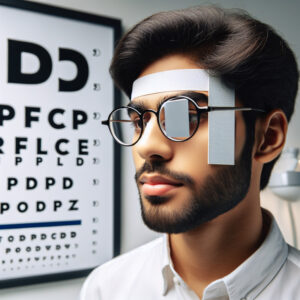
Can You Reverse Eyesight Safely? Understanding Your Options
Getting Started with Eyesight Reversal
Our vision is one of our most cherished senses, letting us soak in the world’s vivid colors and details. Yet, as we age or face other factors, many of us find our eyesight faltering. The idea of reversing vision issues is both fascinating and hopeful. But is it truly possible to turn back the hands of time on our eyes? And even more crucially, can this be done safely? In this blog, we’ll dive into these questions and explore the range of options available for those eager to enhance their vision.
Unpacking Vision Problems
Vision troubles can arise from many sources, whether it’s simple nearsightedness or farsightedness or more complex conditions like cataracts or glaucoma. These issues can seriously affect your daily life, making it important to know their roots and possible treatments. Understanding these problems is your first step towards taking charge of your eye health.
The Big Question: Is Eyesight Reversal Possible?
The concept of reversing eyesight is certainly intriguing. While a complete turnaround might not always be on the table, there are several methods to sharpen and possibly regain some vision clarity. This includes a mix of natural techniques, medical procedures, and lifestyle tweaks. The trick is to approach these solutions realistically, with a focus on safety and effectiveness.
The Need for Safe Vision Correction
When it comes to correcting vision, safety should always be the number one priority. With so many quick-fix promises and unverified treatments out there, it’s vital to tread carefully. Opting for methods backed by scientific research and professional know-how ensures that your journey towards better eyesight is both effective and safe.
Why Eyesight Deteriorates
Vision Changes with Age
As we grow older, our eyes go through changes that can affect our vision. Common offenders like presbyopia, cataracts, and age-related macular degeneration can make things blurry or impair our sight. Grasping these changes helps in finding the right treatments to manage or slow their progress.
Lifestyle Choices and Their Impact on Vision
Our everyday habits have a big say in our eye health. Long hours in front of screens, lack of sleep, and poor nutrition can all take a toll on our vision. By addressing these lifestyle factors, you might boost your eye health and cut down the risk of vision troubles.
Genetic and Health Influences
Some folks have genetics to thank for certain eye conditions, like glaucoma or color blindness. Plus, broader health issues like diabetes and high blood pressure can also harm vision. Knowing these risks means you can intervene early and manage your eye health better.
Natural Ways to Boost Your Eyesight
Eye Exercises: Are They Worth It?
Eye exercises have become popular as a natural way to enhance vision. Activities like palming, focusing, and figure-eight movements are said to strengthen eye muscles and improve visual sharpness. While scientific proof is scant, many people claim to see improvements, suggesting there could be benefits when combined with other healthy habits.
Nutrition and Supplements for Eye Health
What you eat plays a crucial role in keeping your eyes healthy. A diet loaded with vitamins A, C, and E, along with minerals like zinc, can support vision and slow age-related decline. Adding foods like carrots, spinach, and fish to your diet, or taking supplements with lutein and zeaxanthin, might boost eye function and protect against damage.
The Impact of Vision Therapy
Vision therapy is a tailored program of visual exercises aimed at correcting specific vision issues and enhancing visual skills. Often recommended for conditions like lazy eye or convergence insufficiency, this therapy can be effective when guided by a trained professional, offering a non-invasive path to better vision.
Medical Routes for Vision Correction
Glasses and Contact Lenses
Glasses and contact lenses remain the go-to solutions for fixing refractive errors. They provide an immediate fix, sharpening vision and easing strain. Regular eye check-ups ensure your prescription stays spot-on, providing the best possible vision.
Laser Eye Surgery Options
If you’re after more permanent solutions, laser eye surgeries like LASIK or PRK can be game-changers. These procedures reshape the cornea to correct vision errors, potentially reducing your reliance on glasses or contacts. However, a thorough evaluation and talk with a qualified eye doctor are crucial to determine suitability and weigh the risks.
Cutting-Edge Treatments on the Horizon
The world of eye care is always moving forward, with new treatments like corneal implants and gene therapy on the horizon. Though still in the experimental phase, these advancements could revolutionize vision correction and bring hope to those with complex eye issues.
Assessing the Safety of Vision Correction Methods
Weighing Non-Surgical Options
Non-surgical choices like glasses, contacts, and vision therapy generally come with minimal risk, making them safe for most people. However, improper use or poor hygiene, especially with contacts, can lead to problems. Balancing ease with caution keeps these methods effective and safe.
The Safety and Effectiveness of Surgical Treatments
Surgery carries inherent risks, like infection and vision changes. Despite these, procedures like LASIK have high success rates and patient satisfaction. Careful pre-op assessments and choosing reputable clinics enhance safety and make surgery a viable choice for those who qualify.
The Value of Consulting Eye Care Experts
Professional advice is invaluable when thinking about vision correction. Eye care experts offer comprehensive assessments, tailor advice to fit individual needs, and track progress. Regular consultations ensure your chosen methods align with your goals and maintain eye health over time.
Adopting Lifestyle Changes for Better Eye Health
Managing Screen Time and Eye Strain
In today’s high-tech world, screen time is a given, but it can be managed to protect your eyes. Techniques like the 20-20-20 rule—taking a 20-second break to focus on something 20 feet away every 20 minutes—can ease digital eye strain. These small tweaks contribute to long-term eye comfort.
The Role of Regular Eye Exams
Regular eye exams are key to spotting vision changes and underlying issues early on. They give eye care pros a chance to check overall eye health and tweak prescriptions as needed. Keeping up with exams is a proactive step towards preserving your vision.
Guarding Against UV Damage
UV rays can harm your eyes, upping the risk of cataracts and macular degeneration. Sunglasses with UV protection and wide-brimmed hats when outdoors can shield your eyes from harmful rays. Making these habits part of your routine is crucial for protecting your eye health.
Busting Myths About Eyesight Reversal
Exposing Quick-Fix Myths
The internet is full of quick-fix promises for reversing eyesight, from miracle diets to unproven supplements. It’s important to approach these claims with a healthy dose of skepticism and focus on methods backed by evidence. Remember, lasting vision improvement requires a well-rounded and informed approach.
Knowing the Limits of Natural Remedies
While natural remedies like diet changes and eye exercises can support eye health, they do have their limits. They might not completely restore vision or do away with the need for glasses, but they can complement other treatments. Keeping a balanced view helps set realistic expectations and achieve the best results.
Wrapping Up: Making Smart Choices for Your Vision
Considering Your Needs and Goals
When thinking about vision correction, it’s important to consider your personal needs, lifestyle, and goals. Whether it’s cutting down on reliance on corrective lenses or tackling specific vision problems, knowing your priorities guides your decisions.
Consulting the Experts
Ultimately, getting advice from eye care pros is the cornerstone of effective vision management. Their expertise and tailored guidance ensure your approach to reversing eyesight is safe, effective, and customized to your unique situation. With the right support, you can confidently navigate the path to better vision.

Can You Restore Your Vision Naturally? Discover Proven Techniques
Discovering Natural Ways to Improve Your Eyesight
In our fast-moving world, people are increasingly turning to natural remedies and holistic health solutions. Among these, finding ways to naturally enhance vision is becoming quite popular. The thought of improving eyesight without heavily relying on glasses, contact lenses, or surgery is certainly attractive. But is it really possible to restore your vision naturally? In this blog, we’ll dig into the truth about natural vision restoration, explore effective techniques, and hear from experts in the field.
Getting to Know Vision Health
Before we dive into natural methods, it’s important to grasp what keeps our vision in tip-top shape. Our eyes are intricate organs that need proper care and nourishment to work their best. Things like genetics, age, lifestyle, and diet all play crucial roles in our vision quality. By focusing on these aspects, we might just improve our eye health and possibly restore vision naturally.
Why Natural Vision Restoration Matters
So, why are folks interested in improving their eyesight the natural way? The reasons are varied. Some prefer non-invasive methods because they worry about surgery risks or side effects from corrective lenses. Others appreciate the holistic approach, which boosts overall well-being along with better eyesight. Naturally restoring vision not only aims to sharpen your sight but also encourages a healthier lifestyle.
A Look at Different Techniques
From changing your diet to specific eye exercises, there are plenty of techniques claiming to help with natural vision restoration. Some have scientific backing, while others come from time-honored traditions. We’re here to sift through these methods, separate fact from fiction, and offer you a complete guide to restoring vision naturally.
Can You Really Restore Your Vision Naturally? Separating Myths from Facts
Busting Common Myths
There’s no shortage of myths when it comes to natural vision restoration. A popular one is that wearing glasses weakens your eyes over time. The truth is, glasses are meant to correct vision, not make it worse. Another myth is that munching on carrots alone can magically improve your eyesight overnight. While carrots are packed with good nutrients, maintaining eye health requires a balanced diet.
Scientific Evidence for Natural Methods
Not every natural method has science to back it up, but some do. Research has shown that certain nutrients, like omega-3 fatty acids and antioxidants, can support eye health and might even slow down age-related vision decline. Plus, exercises like eye yoga have been noted to ease eye strain and boost focus in some folks.
What the Experts Say
Experts in ophthalmology and holistic medicine often recommend a balanced approach to eye care. They stress the importance of regular eye check-ups, a nutritious diet, and protecting your eyes from digital strain. While there’s some skepticism about fully restoring eyesight through natural methods alone, many agree these practices can be great companions to traditional treatments.
Boosting Vision Through Diet
Foods Packed with Eye-Healthy Nutrients
Your diet plays a big role in keeping your eyes healthy. Foods rich in vitamins C and E, zinc, and omega-3 fatty acids are especially good for you. Adding green leafy veggies, fish, citrus fruits, and nuts to your meals can give you the nutrients needed to support both eye function and overall health.
Antioxidants and Vision Recovery
Antioxidants are key players in fighting oxidative stress, which can harm eye cells over time. Eating foods high in antioxidants, like berries, spinach, and green tea, might help protect against issues like macular degeneration and cataracts. These potent compounds help neutralize free radicals, keeping your eyes in good shape.
Vital Vitamins and Minerals for Your Eyes
Vitamins A, C, and E, along with minerals like zinc and selenium, are crucial for healthy eyes. For instance, vitamin A is known for preventing night blindness and dry eyes. Ensuring your diet is packed with these nutrients can make a big difference in maintaining long-term vision health.
Eye Exercises and Techniques
The Perks of Eye Yoga
Eye yoga includes exercises aimed at strengthening eye muscles and enhancing focus. These exercises are particularly helpful for those who spend a lot of time staring at screens. With regular practice, eye yoga might help ease eye strain and sharpen visual clarity over time.
Techniques like Palming and Focusing
Palming involves covering your eyes with your palms to relax them. This, along with focusing techniques like switching your gaze from near to far objects, can help cut down on eye fatigue and boost concentration. These simple practices are easy to fit into your daily routine.
A Glimpse into the Bates Method
The Bates Method, created by Dr. William Bates, includes exercises designed to improve eyesight through relaxation and movement. Though it’s a bit controversial, some supporters claim it reduces reliance on corrective lenses. It’s wise to approach these methods with an open mind and a critical eye.
Changing Your Lifestyle for Better Vision
Curbing Screen Time and Digital Eye Strain
In today’s digital era, cutting back on screen time is tough but crucial for eye health. Spending too long in front of screens can cause digital eye strain, leading to dryness, irritation, and blurry vision. Following the 20-20-20 rule—taking a 20-second break to look at something 20 feet away every 20 minutes—can help ease this strain.
The Value of Good Sleep
Getting quality sleep is vital for overall health, eyes included. During sleep, our eyes get a chance to rest and rejuvenate, lessening fatigue and irritation. Aiming for 7-9 hours of good sleep each night can greatly impact how your eyes feel and function during the day.
Managing Stress for Healthier Eyes
Stress management often gets overlooked when talking about eye health. Chronic stress can lead to eye strain and other vision issues. Techniques like meditation, deep breathing, and yoga can help keep stress in check, promoting better eye health and overall well-being.
Natural Supplements for Better Vision
Omega-3 Fatty Acids and Their Impact on Vision
Omega-3 fatty acids, often found in fish oil, are lauded for their anti-inflammatory properties. These essential fats are important for maintaining retinal health and might help lower the risk of dry eyes and macular degeneration. Including omega-3-rich foods or supplements in your diet can be a boon for your eyes.
The Benefits of Herbal Supplements
Herbal supplements like bilberry and ginkgo biloba have long been used to support vision health. Bilberry is thought to improve night vision and reduce eye fatigue, while ginkgo might boost circulation to the eyes. It’s wise to chat with a healthcare provider before diving into any new supplements.
Understanding Lutein and Zeaxanthin
Lutein and zeaxanthin are carotenoids found in the retina, known for filtering harmful blue light. These nutrients are plentiful in green leafy veggies and eggs. Regularly consuming lutein and zeaxanthin can help shield your eyes from oxidative stress and enhance visual function.
Success Stories and Testimonials
Real-Life Stories of Natural Vision Improvement
There are plenty of stories and case studies of individuals who have seen their vision improve through natural methods. Some have noticed significant changes after switching up their diet and doing regular eye exercises. These stories can spark hope and inspiration for anyone thinking about a natural approach to vision restoration.
Interviews with People Who Enhanced Their Vision
Personal interviews with those who have successfully boosted their vision naturally offer valuable insights. These accounts often highlight the need for consistency, patience, and a holistic approach. Each journey is unique, showcasing the personalized nature of vision care.
Takeaways from Personal Experiences
Learning from the experiences of others can be incredibly encouraging. Many who have embarked on natural vision restoration share similar lessons: the importance of a balanced diet, the benefits of regular eye exercises, and the influence of lifestyle changes. These lessons can guide those looking to improve their vision naturally.
Wrapping Up: Can You Really Improve Your Vision Naturally?
Recap of Key Techniques
Throughout our exploration, we’ve uncovered a variety of techniques for natural vision restoration. From nutrient-packed diets and specific exercises to lifestyle tweaks and supplements, each method has its own set of benefits. While results can differ, incorporating these practices into your routine might lead to noticeable improvements in eye health.
Final Thoughts on Vision Improvement
Restoring vision naturally is a journey that requires dedication and an open mind. While not every method promises complete vision correction, many can enhance eye health and work alongside conventional treatments. It’s important to approach this journey with realistic expectations and a willingness to explore various options.
Encouragement to Explore Natural Methods
For those curious about natural vision restoration, the path is full of possibilities. Embrace the chance to learn and try out different techniques. Consult with healthcare professionals to ensure a safe and effective approach. With commitment and perseverance, you might find new ways to care for and protect your vision for years to come.

Can You Restore Your Vision: A Journey Through Science and Remedies
Getting Started with Vision Restoration
Ever found yourself pondering, “Is it possible to get my vision back?” You’re in good company if you have. The quest to restore vision has captivated and inspired many who are grappling with vision loss. Let’s dive into the world of science and remedies and explore the latest insights and advancements that might just bring the world back into focus for those eager to see clearly once more.
Grasping Vision Loss
Vision loss can sneak up on you slowly or hit you all at once, and figuring out what’s behind it is key to dealing with it effectively. From annoyances like blurry vision to more serious impairments, the effects can deeply impact everyday life. It’s often a mix of factors like genetics, lifestyle habits, and health issues that contribute to it. Understanding these is the first step in finding ways to potentially restore sight.
Why Vision Health Matters
Good vision isn’t just about seeing well; it’s about living life to the fullest. It plays a huge role in safety, independence, and overall quality of life. Regular eye exams, eating a balanced diet, and taking preventive steps are crucial for keeping our eyes healthy. By caring for our eyes, we might avoid certain types of vision loss and savor all that life has to offer.
Exploring Vision Restoration: What’s Possible?
So, the big question: Can you get your vision back? The answer isn’t black and white. While some vision loss can’t be reversed, many conditions can be improved or managed with today’s medical advances and lifestyle tweaks. Let’s dig into the common causes behind vision loss and the exciting new treatments and technologies on the horizon.
Typical Culprits of Vision Loss
Age-Related Macular Degeneration
Age-related macular degeneration (AMD) is a major reason many older adults experience vision loss. It affects the macula, a part of the retina, leading to diminished central vision. Although peripheral vision stays intact, activities like reading and recognizing faces can become tough. While the exact cause of AMD remains a bit of a mystery, age, genetics, and lifestyle are known to play big parts.
The Role of Cataracts
Cataracts are another frequent offender, especially as we age. They cloud the eye’s lens, making vision blurry. Thankfully, cataracts are usually fixable with surgery, where the cloudy lens gets swapped for a clear artificial one. It’s one of the most common and successful procedures around the globe.
Diabetic Retinopathy Explained
Diabetic retinopathy is a diabetes complication that messes with the blood vessels in the retina. High blood sugar can cause these vessels to swell, leak, or even close off. If not managed, this can lead to vision loss. Keeping blood sugar levels in check is crucial to prevent this type of vision impairment.
Progress in Medical Treatments
A Closer Look at Laser Eye Surgery
Laser eye surgery, like LASIK, has changed the game for treating refractive errors like nearsightedness, farsightedness, and astigmatism. By reshaping the cornea, this surgery can greatly enhance vision. It’s not for everyone, but it offers a solid option for many wanting to ditch glasses or contacts.
Intraocular Lenses and Their Impact
Intraocular lenses (IOLs) are artificial lenses used during cataract surgery. Newer versions, like multifocal and accommodative IOLs, offer better vision at different distances. These can greatly improve life quality for those affected by cataracts, providing a clearer, more natural sight post-surgery.
Stem Cell Therapy: A New Frontier
Stem cell therapy is a thrilling and budding area in vision restoration. Researchers are investigating how stem cells might regenerate damaged retinal cells, offering hope for conditions once considered untreatable. Although still experimental, early results look promising, paving the way for future breakthroughs in eye care.
Natural Remedies and Lifestyle Tweaks
Boosting Eye Health with Nutrition
What we eat plays a huge role in keeping our eyes healthy. Supplements with vitamins A, C, E, zinc, and lutein are shown to support eye health and may slow the progression of issues like AMD. Eating a diet rich in leafy greens, fish, and fruits can provide the necessary nutrients to keep our eyes in top shape.
Vision-Enhancing Exercises
While exercises won’t fix refractive errors, they can ease eye strain and enhance focus. Simple things like the 20-20-20 rule—taking a 20-second break to stare at something 20 feet away every 20 minutes—can help reduce digital eye strain. Consistent eye exercises can boost overall eye comfort and efficiency.
The Digital Screen Time Dilemma
In our tech-heavy world, screen time is unavoidable. Spending too much time in front of screens can lead to digital eye strain, with symptoms like dry eyes, blurred vision, and headaches. To combat this, take regular breaks, maintain proper screen distance, and ensure good lighting. These habits can help keep your eyes healthy amidst the digital deluge.
Cutting-Edge Technologies in Vision Restoration
The Advent of Bionic Eyes
Bionic eyes, once the stuff of science fiction, are inching closer to reality. Designed to mimic natural vision, these devices are being developed to help those with severe vision impairment. Though still in the research phase, bionic eyes could potentially transform lives for individuals with conditions like retinitis pigmentosa and other degenerative diseases.
Smart Contact Lenses: A Glimpse into the Future
Smart contact lenses are a tantalizing innovation in vision care. Packed with sensors and microelectronics, these lenses can monitor health conditions, correct vision, and even enhance reality. Still under development, the potential uses for smart lenses go beyond just vision correction, hinting at the future of personalized eye care.
Inspiring Stories and Case Studies
True Tales of Vision Restoration
Stories of people regaining sight through advanced medical treatments offer hope and motivation. From cataract surgeries bringing back clarity to laser procedures freeing folks from glasses, these real-life experiences show just how life-changing vision restoration can be.
Breakthroughs in Vision Care
Medical innovations keep pushing the envelope in vision care. Recent strides in gene therapy and retinal implants are opening new doors for treating hereditary and degenerative eye diseases. These advancements are a major leap forward in the ongoing quest to restore vision.
Stopping Vision Loss in Its Tracks: Practical Tips
Importance of Regular Eye Exams
Regular eye exams are vital for preventing eye problems. Spotting issues early means they can be managed before becoming major problems. It’s wise to get comprehensive eye exams at least every two years, or more often if you have existing eye conditions or risk factors.
When and Why to Use Protective Eyewear
Wearing protective eyewear is crucial in places where eye injuries could happen. From safety goggles in workplaces to sunglasses blocking harmful UV rays, protective eyewear can prevent both immediate and long-term eye damage. Picking the right protection is an easy way to keep your vision safe.
Keeping Chronic Health Issues in Check
Chronic health issues like diabetes and high blood pressure can seriously affect eye health. Managing these conditions with medication, lifestyle changes, and regular monitoring can lower the risk of related vision problems. Taking charge of your overall health is a proactive step towards preserving your eyesight.
Wrapping Up: The Future of Vision Restoration
Ongoing Innovations and Research
The field of vision restoration is always evolving, with ongoing research and development paving the way for new treatments. Scientists and medical experts are tirelessly exploring fresh possibilities, from genetic therapies to cutting-edge surgical techniques. The future looks bright for those hoping to restore their vision.
Final Reflections on Vision Restoration
In wrapping up, the question “Can you restore your vision?” blends hope with complexity. While not all vision loss can be reversed, the mix of medical advancements, cutting-edge technologies, and proactive lifestyle choices offers a glimmer of hope. By staying informed and proactive, individuals can navigate their way to better vision health.
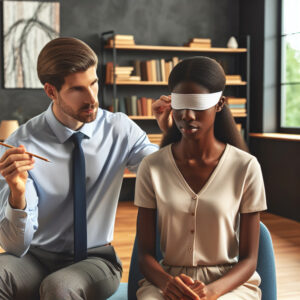
Can You Restore Vision Naturally? Insights from Vision Therapy Experts
Getting Started with Natural Vision Restoration
Have you ever thought about whether you could improve your eyesight without the help of surgery or glasses? As we spend more time glued to screens and juggle the demands of today’s fast-paced world, many folks are on the lookout for natural ways to boost their vision. The idea of restoring vision naturally is gaining momentum, thanks to vision therapy pros and those who swear by holistic health. But what exactly does it involve, and is it a practical choice for everyone? Let’s jump into the fascinating world of natural vision restoration and hear what the experts have to say.
What Is Natural Vision Restoration All About?
Natural vision restoration is all about enhancing your eyesight with non-invasive techniques. Instead of depending on glasses or contacts, this method focuses on boosting the health of your eyes and how they operate. Supporters believe that with the right exercises, lifestyle tweaks, and a good grasp of how vision works, you can see some real improvements. It’s not just about following a set of exercises mindlessly; it’s about fully understanding how your eyes function and what they need to work best.
The Importance of Vision Therapy Experts
Vision therapy experts are key players in helping people achieve better eye health. They specialize in pinpointing and treating vision issues with personalized plans that might include exercises, therapies, and lifestyle tips. Their know-how is essential for crafting a plan that tackles specific vision challenges, making them invaluable partners on the road to naturally improved vision. By teaming up with these specialists, individuals can learn about their unique vision needs and how to address them effectively.
Why Vision Health Matters
Taking care of your vision isn’t just about seeing things clearly—it’s about your overall well-being. Bad vision can lead to headaches, eye strain, and a generally lower quality of life. Embracing natural restoration methods can help lessen the reliance on corrective lenses and ease some of these problems. Plus, keeping your eyes in check is a proactive way to ward off future issues. Vision health is tied to other health aspects, like nutrition and stress management, underscoring the need for a holistic approach.
Exploring Natural Vision Restoration
Popular Strategies for Improving Vision Naturally
There are several popular strategies for naturally improving vision. These include eye exercises, relaxation techniques, and making dietary changes. Exercises like focusing on faraway objects or practicing eye movements are believed to make eye muscles stronger. Techniques for relaxation, such as palming and deep breathing, aim to ease eye strain. Moreover, a diet loaded with vitamins and antioxidants is often suggested to support eye health. Each of these approaches targets different aspects of vision and overall eye function.
Sorting Myths from Facts in Vision Restoration
When discussing natural vision restoration, it’s crucial to distinguish between myths and facts. A widespread myth is that reading in dim light permanently damages your eyes. While it might cause temporary strain, it doesn’t lead to lasting damage. Another misconception is that eye exercises can completely eliminate the need for glasses. They might help certain conditions, but they’re not a cure-all. Grasping these distinctions helps set realistic expectations and avoids disappointment.
The Science Behind Recovering Vision
Science backs some elements of natural vision recovery, particularly regarding eye exercises and nutrition. Research shows that specific exercises can enhance eye coordination and focus, potentially leading to better vision. Nutritional studies emphasize the importance of vitamins A, C, and E, along with minerals like zinc, in maintaining eye health. However, it’s important to approach these methods with a critical outlook, as not all claims are scientifically proven. Consulting with vision experts can offer guidance grounded in current research.
Key Techniques in Vision Therapy
Eye Exercises for Strengthening
Vision exercises are a fundamental part of natural vision therapy. These exercises aim to bolster the eye muscles and improve coordination and flexibility. Techniques can range from simple focusing drills to more intricate activities involving tracking and depth perception. Consistent practice of these exercises, often under the guidance of a vision therapist, can lead to noticeable enhancements in visual performance. Weaving these exercises into daily routines can be an effective way to support eye health naturally.
Relaxation Techniques for Your Eyes
In our always-on world, relaxation techniques for your eyes are more crucial than ever. Techniques like palming, where you cover your eyes with your palms to block out light, can offer immediate relief from eye strain. Another method is the 20-20-20 rule: every 20 minutes, gaze at something 20 feet away for 20 seconds. These straightforward practices can help cut down on fatigue and boost visual comfort, making them a valuable part of any vision restoration routine.
Exploring the Bates Method
The Bates Method, developed by Dr. William H. Bates in the early 20th century, is a well-known approach to vision improvement. It involves a series of exercises and techniques designed to relax the eyes and enhance sight. Central to the method is the belief that glasses are often unnecessary and can even worsen vision problems. While controversial, many followers of the Bates Method report improvements in their vision, though scientific backing is limited. Exploring this method can be enlightening for those curious about alternative vision care approaches.
Dietary and Lifestyle Adjustments for Better Vision
Foods That Benefit Eye Health
Nutrition plays a pivotal role in keeping your eyes healthy. Foods rich in vitamins and antioxidants, like leafy greens, carrots, and fish, can support good vision. Omega-3 fatty acids, found in fish like salmon, are especially beneficial for eye health. Adding these foods to your diet can help guard against conditions like macular degeneration and cataracts. A balanced diet not only supports vision but also contributes to overall health, making it a win-win approach.
How Hydration Affects Vision
Hydration often gets overlooked in conversations about vision health, but it’s crucial. Proper hydration helps maintain the moisture levels in your eyes, reducing dryness and discomfort. Adequate water intake supports overall eye function and can ward off irritations that might come from long hours in front of screens. Staying hydrated is a simple yet effective way to contribute to better vision and should be a staple in any eye care routine.
Lifestyle Tips for Supporting Eye Function
Adopting healthy lifestyle habits can significantly impact your vision health. Regular exercise, enough sleep, and managing stress are key for overall well-being and can benefit your eyes. Plus, protecting your eyes from too much sunlight by wearing sunglasses and taking breaks from screens can prevent strain and damage. Practicing these habits consistently creates a nurturing environment for your eyes, helping to maintain their health and function over time.
Success Stories: Natural Vision Restoration
Real-Life Experiences from Vision Therapy Patients
Many people have found success with natural vision restoration methods, and their stories can be quite inspiring. For example, some have seen significant improvements in their vision after sticking to regular eye exercises and dietary changes. These testimonials often highlight the dedication required and the gradual nature of the improvements. Hearing from others who have walked this path can provide motivation and reassurance to those considering similar approaches.
Common Obstacles and How They Were Overcome
Despite the successes, natural vision restoration isn’t without its challenges. Many people struggle with keeping up with exercises or have doubts about the effectiveness of these methods. Overcoming these hurdles often involves setting realistic goals, seeking support from vision therapists, and celebrating small wins along the way. Patience and perseverance are key, as changes can be slow but rewarding.
Limitations and Considerations
Grasping the Limits of Natural Vision Restoration
While natural vision restoration offers promising strategies, it’s essential to recognize its limitations. Not all vision issues can be corrected naturally, especially those that require medical intervention. Conditions like severe myopia or astigmatism might not see much improvement without corrective lenses or surgery. Understanding these limits helps manage expectations and ensures that individuals are making informed choices about their vision care.
When to Seek Professional Medical Advice
Despite the appeal of natural methods, there are times when professional medical advice is necessary. If you experience sudden vision changes, ongoing discomfort, or other concerning symptoms, consulting with an eye care professional is crucial. They can provide diagnoses and recommend appropriate treatments. Combining professional advice with natural approaches can offer the best of both worlds, ensuring comprehensive eye care.
Risks of Going It Alone
Tackling self-treatment without guidance can be risky. Doing the wrong exercises or ignoring symptoms might make conditions worse rather than better. It’s essential to approach natural vision restoration with caution and seek guidance from professionals when necessary. A balanced approach, combining self-care with expert advice, minimizes risks and enhances the likelihood of success.
The Future of Vision Therapy and Natural Restoration
New Technologies in Vision Care
The future of vision therapy is looking bright, with new technologies offering exciting possibilities for natural vision restoration. Innovations like virtual reality-based exercises and digital eye-tracking devices are being explored to enhance traditional methods. These technologies provide personalized and engaging approaches to vision care, potentially boosting the effectiveness of natural restoration techniques. Keeping an eye on these developments can open new avenues for those looking to improve their vision naturally.
Advancements in Natural Vision Techniques
Ongoing research is digging deeper into the potential of natural vision techniques. Studies are examining the impacts of specific exercises, dietary tweaks, and lifestyle changes on eye health. As our understanding of these methods deepens, new evidence-based practices are surfacing. This research not only backs up existing techniques but also sparks new approaches, making the future of natural vision restoration an exciting field to watch.
Wrapping Up: Is Natural Vision Restoration for You?
Considering the Upsides and Downsides
Deciding whether natural vision restoration is the right path for you means weighing the upsides and downsides. While these methods offer a gentle, holistic approach to eye health, they require time, dedication, and often patience. The potential benefits of better vision and less reliance on corrective lenses are enticing, but it’s crucial to consider your personal needs and conditions. Understanding both the possibilities and limitations of natural vision restoration is key to making an informed decision.
Making Smart Choices About Your Vision Health
Ultimately, the choice to pursue natural vision restoration should be grounded in thorough research and professional advice. By staying informed about the latest developments and consulting with vision therapy experts, individuals can create a personalized plan that fits their goals and lifestyle. Whether you’re just getting started or looking to enhance your current vision care practices, prioritizing your eye health is a step towards a brighter, clearer future.

Exploring the Question: Can You Restore Eyesight Naturally at Home?
Discovering Natural Ways to Boost Your Eyesight
Our eyes are like the gateway to the world, so keeping them healthy is key to living life to the fullest. As we dive deeper into the digital era, more folks are wondering, “Is it possible to naturally improve my eyesight?” This question is becoming all the more important as screen time and other habits start to take a toll on our vision. In this post, we’ll explore the potential of naturally enhancing your eyesight, looking into whether you can make a difference right from your own home.
Getting to Know Vision Issues
Vision problems can pop up due to a mix of things, from genetic traits to our everyday habits. The first step in tackling these issues is understanding them. Although some eye problems are out of our hands, many can be managed with the right proactive approach. Pinpointing the cause is key to figuring out the best natural strategies for improvement.
The Significance of Eye Care
Taking care of your eyes goes beyond just wearing glasses or contacts. It’s about truly nurturing your vision with a well-rounded approach. Healthy eyes are crucial for daily life, and keeping them in good shape can really boost your quality of life. Regular eye exams, a nutritious diet, and mindful habits all play a big role in supporting long-term eye health.
Is Natural Eyesight Restoration Possible?
The idea of naturally restoring eyesight might sound ambitious, but there are several lifestyle tweaks and habits that can support eye health. While not every vision issue can be turned around, many people have seen benefits from natural methods. It’s a path that calls for patience, dedication, and a holistic mindset.
Common Culprits Behind Vision Problems
Aging and Vision Changes
As we get older, our eyes naturally change, which can blur our vision. Conditions like presbyopia, cataracts, and age-related macular degeneration are quite common. Although these are typical aging processes, certain lifestyle changes can help slow their progression and support your eye health.
Eye Strain from Screen Time
With digital devices everywhere, eye strain is becoming a widespread issue. Spending too much time staring at screens can lead to discomfort, headaches, and blurred vision. Following the 20-20-20 rule—taking a 20-second break every 20 minutes to gaze at something 20 feet away—can help ease digital eye strain.
Lack of Nutrients
What we eat matters when it comes to eye health. Nutritional gaps, especially in vitamins A, C, and E, as well as zinc and omega-3s, can lead to vision troubles. Making sure your diet is packed with these nutrients can support your eyes and help ward off deterioration.
Lifestyle Tweaks for Healthier Eyes
Nutrient-Rich Diet for Your Eyes
Adopting a diet filled with leafy greens, vibrant fruits, and omega-3-rich fish gives your eyes the nutrients they crave. Foods like carrots, spinach, and salmon are particularly beneficial, offering vitamins and antioxidants that bolster eye health.
Exercise: Not Just for Your Body
Physical activity does more than keep you fit; it benefits your eyes too. Regular exercise can boost blood circulation, ensuring your eyes get the oxygen and nutrients they need. Activities like walking, cycling, and yoga can enhance overall health and strengthen your vision.
Getting Enough Shut-Eye
Getting enough quality sleep is vital for your eyes. During sleep, your eyes get a chance to rejuvenate, clearing out irritants like dust and smoke. Aiming for 7-9 hours of good sleep each night can help preserve your eyesight and reduce the risk of complications.
Eye Exercises to Sharpen Your Vision
Relax Your Eyes with Palming
Palming is a straightforward yet powerful relaxation technique to ease eye strain. By covering your eyes with your palms, you create a calming darkness that helps relax the eye muscles. Regularly practicing palming can relieve tension and sharpen focus.
Exercises to Hone Your Focus
Focusing exercises can boost your eyes’ ability to shift between close and distant objects. Try holding a pencil at arm’s length and slowly bring it closer to your nose, keeping your focus steady. Doing this exercise daily can strengthen your eye muscles and enhance vision clarity.
Eye Movement Techniques
Exercises like rolling your eyes in circles or shifting your gaze side to side can increase your eye muscles’ flexibility and coordination. Adding these practices to your daily routine is an easy way to naturally support your eye health.
Natural Remedies and Supplements
Herbal Helpers for Your Eyes
Herbs like bilberry and ginkgo biloba are famous for their eye benefits. They are thought to improve blood flow to the eyes and provide antioxidant protection. Including these herbs in your diet or as supplements can naturally support your vision.
Key Vitamins and Minerals
Vitamins A, C, and E, along with minerals like zinc and selenium, are essential for eye health. These nutrients fight oxidative stress and maintain the structural integrity of your eyes. A diet rich in these vitamins and minerals can help preserve your eyesight.
Foods Packed with Antioxidants
Antioxidants protect your eyes from damage caused by free radicals. Including foods like blueberries, kale, and nuts in your diet can provide these protective compounds. A diet brimming with antioxidants supports long-term eye health and lowers the risk of vision problems.
Technology’s Role in Natural Vision Enhancement
Blocking Blue Light
In our screen-filled lives, blue light exposure is a concern for eye health. Blue light blocking glasses can help filter out harmful rays, reducing eye strain and promoting better sleep. Investing in a good pair can be a smart move for anyone who frequently uses digital devices.
Apps and Tools for Eye Care
Technology offers plenty of tools to back up eye health. Apps that remind you to take breaks, perform eye exercises, or monitor screen time can encourage healthier habits. These digital aids can be particularly handy for maintaining eye health in our tech-driven world.
Wearable Tech for Eye Monitoring
Wearable devices like smart contact lenses and eye-tracking glasses offer insights into your eye health. These technologies can monitor vision changes and provide real-time data to help you make well-informed decisions about your eye care, bridging the gap between natural methods and medical monitoring.
When to Turn to the Pros
Seeing Eye Care Professionals
While natural methods can boost eye health, consulting with an eye care professional is essential for a comprehensive approach. Regular check-ups ensure that any changes in vision are promptly addressed, and professionals can offer personalized advice tailored to your needs.
Spotting Serious Eye Issues
Knowing the signs of serious eye conditions, like sudden vision loss, constant eye pain, or flashes of light, is crucial. If you notice any of these symptoms, seeking immediate medical help is vital to prevent further complications.
Wrapping Up: Blending Natural and Medical Approaches
Keeping Expectations Real
While natural methods can significantly boost eye health, it’s important to keep realistic expectations. Not all vision issues can be fully corrected naturally, and combining these methods with professional guidance provides the best outcomes.
Ensuring Long-term Eye Well-being
Maintaining long-term eye health calls for a balanced approach, blending natural practices with medical advice. By making healthy lifestyle choices, practicing eye exercises, and staying informed about your vision, you can support your eyes’ well-being for years to come.