
Debunking Myths: Do Glasses Correct Vision or Are They Just a Temporary Fix?
Introduction: Busting Myths About Glasses
You know, vision myths have really taken root in our everyday conversations, passed down like family recipes even if they’re a little off the mark. Ever hear someone ask, “do glasses correct vision?” only to follow it up with quirky beliefs like glasses ruining your eyes forever or turning you into a dependent? We’re here to set the record straight with a deep dive into these old wives’ tales, backed by solid evidence and a touch of history. We’re chatting about how glasses really work to improve your vision, mixing modern science with a nod to the past.
It’s pretty wild how many myths can pop up about vision, especially when you see conflicting advice everywhere—from social media to friendly chats. Often, folks share tidbits that sound helpful but aren’t exactly rooted in science or expert recommendations. You might have heard the idea that you need to “exercise” your eyes or that wearing glasses could actually worsen your vision over time. Today, we’re cutting through the noise to focus on the straightforward question: do glasses really correct vision?
Let’s be honest—understanding how glasses work is way more complex than a simple yes or no. In what follows, we’ll break down how corrective lenses do their magic, trace the evolution of eyewear, debunk some stubborn myths, and even pit glasses against other vision-correcting options. By shining a light on the science behind optical correction, our goal is to give you a clearer picture of how glasses work. Whether you’re a regular glasses wearer or just curious about eye health, this guide offers insights that blend expert know-how with the latest research.
Understanding Vision Correction: Do Glasses Correct Vision?
The heart of it all is this: glasses are brilliant at tweaking how light behaves as it enters your eye. When someone asks, “do glasses correct vision?” the answer isn’t a simple yes—they don’t fix the root cause, but they do adjust the light so images land properly on your retina. Think of it like fine-tuning a camera lens: the specially designed lenses bend light just right to counteract issues like nearsightedness, farsightedness, or astigmatism, giving you a clearer image of the world.
The underlying optical principles are as fascinating as they are robust. There’s a neat interplay between the lens’s curvature and its refractive index that corrects for imperfections in how your eye focuses light. Essentially, corrective lenses shift the focal point of light so that blurry images become sharp and crisp. It’s like magic, but really it’s just a beautiful blend of physics and medicine that has changed countless lives for the better.
It’s important to clear up one lingering myth: glasses don’t permanently “fix” your vision in the sense of eradicating the error. They’re a scientifically proven tool that manages the symptoms by adjusting how light is processed, without altering the actual structure of your eyes. This distinction—between managing a vision issue and completely curing it—is why regular eye exams are so important for keeping tabs on your eye health.
The Evolution of Glasses Over Time
The story of corrective eyewear is nothing short of fascinating, stretching back centuries and reflecting our ever-deepening grasp of optics and vision. Early versions of glasses were pretty rudimentary, often crafted from glass and metal by scholars and craftsmen. These first attempts paved the way for a better understanding of refractive errors and led to many innovations along the way. As our knowledge of the eye grew, so did the technology behind lenses, evolving into the modern glasses we rely on today.
Over time, glasses have hit some pretty significant milestones. Take bifocal lenses, for example—they were a game changer in tackling multiple vision issues at once. By the 19th century, the boom in mass production and improved materials made eyewear both accessible and effective for the everyday person. These historical breakthroughs don’t just mark progress in manufacturing; they show how our approach to vision care has evolved, blending scientific discovery with practical solutions. Nowadays, with high-tech materials and precision engineering, glasses are as much a fashion statement as they are a vital eye care tool.
The evolution of glasses really underscores our growing understanding of both optics and our own biology. Early pioneers challenged the status quo and experimented with different lens designs, setting the stage for today’s cutting-edge solutions. Looking back helps bust myths, showing that our journey has always been about science and innovation rather than sticking to outdated beliefs. Modern glasses now feature customized prescriptions and specialized coatings, symbolizing our never-ending commitment to enhancing eye health through smarter design.
Debunking Popular Myths: Do Glasses Correct Vision Permanently?
One of the biggest myths out there is that wearing glasses might actually make your eyesight worse over time, as if the lenses make your eyes “lazy.” But science consistently shows us that changes in refractive errors come mostly from genetics and aging—not from relying on glasses. The reality is, glasses simply fine-tune the light hitting your retina and don’t weaken your natural vision. They’re there to support your eyes, not to hold you back.
Another common misconception is that you become dependent on glasses, leading to long-term vision decline. In truth, this “dependency” is more psychological—a worry that without your glasses your vision would collapse. In fact, glasses work exactly as intended: they correct the focus of light so you see clearly, without creating any true dependency. Regular eye checkups and professionally prescribed lenses ensure that glasses remain a helpful and effective tool, regardless of the myths.
There’s even a rumor that frequently switching your prescription might reverse vision loss or actually cure refractive errors. The truth? Changing prescriptions just means your glasses are keeping up with your current vision needs—it doesn’t actually “reset” your eyes. The progression of refractive errors isn’t stopped by changing glasses; rather, it’s all about using precise measurements and accurate lens formulas to offer the best vision correction possible.
Temporary Fix or Long-Term Solution? Do Glasses Correct Vision Effectively
Glasses are a day-to-day lifesaver when it comes to managing refractive errors. Ask yourself, “do glasses correct vision?” and you’ll quickly see that they boost the clarity of what you see, even if they’re not a permanent fix. For most people, glasses are an indispensable part of life, offering a practical and non-invasive way to handle vision problems, whether you’re at work, home, or out enjoying life. Their ability to adjust the path of light is key to seeing things clearly every day.
When you compare glasses to more permanent solutions like surgical options (think LASIK or PRK), their flexibility really stands out. Sure, surgeries can offer lasting correction for some conditions, but they aren’t for everyone and come with their own risks and recovery times. Glasses, on the other hand, can be updated as your prescription changes, making them a versatile option throughout the different stages of life. This idea—that glasses are an adjustable aid rather than a one-and-done fix—is really at the heart of understanding their role in vision care.
Several factors determine just how well glasses work for you: the right fit, keeping your prescription current, and the advances made in lens technology all play a part. Even the quality of the frame and the lens material matter. While you might hear some folks joke that glasses are merely a “temporary fix,” the truth is their reliability and adaptability make them one of the best solutions for managing refractive errors, especially when surgery isn’t the best option. It’s a perfect mix of science, engineering, and personal care that makes corrective eyewear so effective.
Exploring Alternative Treatments for Vision Correction
Even though glasses are a trusted solution, it’s worth looking at what else is out there for vision correction. Many people with refractive errors turn to contact lenses, which offer a different kind of freedom and convenience. Contacts sit directly on the eye, giving you a broader field of view that many find more natural. But keep in mind, they come with their own routines and risks—like dry eyes or potential infections—so it’s all about weighing the pros and cons along with your lifestyle.
Then there’s refractive surgery, including popular procedures like LASIK and PRK. These surgeries reshape the cornea to correct the error at its source. While they can provide a more permanent solution and lessen the need for glasses, they’re invasive and not without risk. Recovery time, possible side effects, and whether you’re a good candidate need careful thought. For many, glasses remain a non-invasive, cost-effective, and reversible way to manage vision challenges.
Beyond contacts and surgery, there’s growing curiosity about vision therapy and lifestyle changes to boost overall eye health. Vision therapy includes exercises designed to improve how well your eyes work together, though its effectiveness can vary from person to person. Plus, factors like nutrition, sufficient rest, and proper exposure to sunlight all contribute to keeping your eyes in top form. By considering the benefits and drawbacks of each option, you can work with your eye care professional to create a personalized plan that truly fits your needs and preferences.
Conclusion: The Real Impact of Glasses on Vision Correction
To sum it all up, when you ask, “do glasses correct vision?” the answer lies in a blend of science and real-world experience. Glasses aren’t a magic cure-all, but they are a trusted, scientifically backed way to manage refractive errors. They work by bending light so it lands perfectly on your retina, which boosts the clarity of your vision. Despite all the myths floating around, glasses remain a valuable corrective tool that adapts as your vision changes over time—etched in centuries of optical innovation and scientific progress.
While glasses deliver reliable, day-to-day support to help you see better, they don’t change the eye’s underlying structure. Surgical options and other treatments come with their own compromises, which is why glasses often remain the first go-to for many people. Ultimately, whether you view glasses as a temporary fix or a long-term solution depends on your unique situation—the severity of your refractive error, your lifestyle, and overall eye health all play a part.
As we wrap up this chat, remember that a balanced view of glasses and vision correction is key. Regular checkups with an eye care professional, staying updated on new advancements, and understanding that glasses can work hand-in-hand with other methods empowers you to make smart choices for your eye health. In the end, glasses aren’t just a temporary fix—they bring clarity, boost confidence, and significantly improve quality of life.

Vision Care Unveiled: Do Glasses Actually Improve Your Vision and How It Works
Introduction: Do Glasses Really Boost Your Vision?
Ever catch yourself wondering, “Do glasses really boost your vision?” It’s not just a simple fix of swapping blurred images for clear ones—it’s like a full-on rendezvous between innovative optical tech and the quirks of human perception. For some, a new pair of glasses means wiping away that everyday blur, while others see them as a gateway to a sharper, more vibrant view of the world. Sure, they might seem like your run-of-the-mill accessory to fix minor imperfections, but they’re actually part of a fascinating evolution in how we see things. As we jump into this topic, we’re going to tease apart what “improving your vision” really means, clear up a few widespread misconceptions, and get under the hood of how these optical wonders truly work.
So, What Does It Mean to “Improve Your Vision”?
Let’s break it down in plain language: When experts talk about “improving” your vision, they’re talking about more than just a crisper image. It’s about dialing up the clarity, enhancing contrast, and easing the burden on your eyes so they don’t have to work overtime. Think of it as taking a holistic approach—reducing strain, keeping further deterioration at bay, and making sure you’re comfortable during those long reading sessions or screen marathons. Every prescription is a delicately balanced work of art, crafted from careful measurements and thoughtful tweaks. And as more people adjust to these modern lenses, many start experiencing changes that go way beyond just seeing letters on a page—they genuinely feel like their quality of life has gotten a boost.
The Surge in Vision Care Trends and Misconceptions
Lately, the topic of vision care has exploded, turbocharged by social media and online chatter. You’ll find advice that can be a godsend along with some absolute myths. Take the idea that long-term use of glasses might actually warp your eyes or even reverse your condition. It’s a popular belief that spreads like wildfire online even though the science tells a different story. With so much conflicting information out there, it’s more important than ever to sift through the hype and get to the real facts about how glasses really work.
Setting the Stage for Our Journey
So, where do we go from here? Approach this journey with an open mind and a dash of healthy skepticism. We’re about to blend expert opinions, real-life experiences, and a close look at cutting-edge optical advances that have reshaped vision care. Whether you’re just curious about glasses or you’re trying to sort through claims about potential eye damage, we’re here to lay it all out in a way that’s both accessible and grounded in solid science. This conversation is all about marrying innovation with genuine eye care to give you the full picture.
Myths vs. Reality: Do Glasses Actually Enhance Your Vision?
There are plenty of tall tales floating around—like the ones suggesting that wearing glasses might weaken your eyes or leave you overly dependent on an “artificial” crutch. While these stories are popular on forums and in casual chats, they don’t really hold up under scientific scrutiny. Eye care pros confirm that glasses are all about enhancing visual clarity, not diminishing your natural sight. Sure, factors like age or too much screen time can change your visual dynamics, but glasses are generally a key part of managing these changes. It’s time we toss these myths aside and focus on the facts.
And then there’s the myth that glasses can “cure” vision permanently. Reality check: glasses only correct your vision as long as you’re wearing them—and they need to be perfectly tuned to your current prescription. They aren’t a magic fix, but rather a tool you use day in and day out. That’s why regular eye exams are a must, ensuring that your lenses are always keeping pace with any changes in your vision. With so many outdated ideas floating around, leaning on solid scientific evidence really makes the difference.
Debunking Misconceptions with Hard-Hitting Evidence
When it comes to claims that glasses might weaken your eyes over time, the research speaks volumes in favor of their benefits. Studies have consistently shown that when used correctly, glasses work by channeling light so that it lands exactly where it should on your retina—providing a sharper, more comfortable view. There’s no indication that this process messes with your eye’s natural structure. Instead, glasses simply correct for the eye’s unique quirks by compensating for irregularities. The evidence is clear: for conditions like myopia, hyperopia, or astigmatism, glasses are a solid, science-backed aid.
The Science Behind How Glasses Enhance Your Vision
Imagine your eye as a sophisticated camera. That’s essentially how it works—your cornea and lens team up to refract light as it heads towards the retina. When that natural process is off-kilter due to imperfections, things can get pretty fuzzy. That’s when glasses step in. They tweak the path of incoming light so it lands perfectly on your retina, helping to correct issues like nearsightedness or farsightedness. It’s a wonderful meeting point of biology and technology—a clear demonstration of how optical engineering can make your world look a whole lot sharper.
How Lenses Work Their Magic
Lenses are the unsung heroes in the story of vision correction. How cool is it that a tiny piece of engineered plastic or glass can bend light (a process known as refraction) just right to give you a clearer picture? It’s not about changing your eyesight but rather adjusting how light enters and interacts with your eye. The secret lies in the lens material’s refractive index, which is meticulously calculated to counteract any imperfections in your focus. This precise interaction is what makes each pair of glasses a small marvel of optical science.
Why Refraction Is Key to Better Vision
Ever wonder why things look a little off sometimes? That’s all down to refraction—the way light bends as it passes from one medium to another. When light goes from air into your eye, it naturally refracts

Do Eyesight Get Better After Laser Surgery? What Every Patient Should Know
Do Eyesight Get Better: A Fresh Look at Laser Surgery
What Exactly Is Laser Eye Surgery?
Imagine waking up one day and noticing that your blurry world is suddenly in focus—all thanks to a little magic from modern technology. That’s essentially what laser eye surgery promises to do. In this cutting-edge procedure, a high-precision laser reshapes your cornea (that clear, protective layer covering your eye) to fix refractive errors such as nearsightedness, farsightedness, and astigmatism. Many folks find themselves wondering, “do eyesight get better?” as they dream of ditching their glasses or contacts for good. With technological advancements over the years, these procedures have become more finely tuned, significantly reducing risks while delivering exceptional outcomes, making this a popular choice for clear, unaided vision.
The Evolution of Laser Vision Correction
It’s amazing to think how far laser vision correction has come. Back in the 1990s, LASIK burst onto the scene, transforming lives with its remarkable ability to boost vision almost overnight. As time went on, new techniques like PRK and SMILE entered the picture, each designed to tackle specific concerns while enhancing overall safety and effectiveness. So, when patients ask, “do eyesight get better?” after these surgeries, the data and emerging innovations consistently point to improved vision and a brighter outlook for millions around the world.
Keeping Expectations Real
Let’s be honest—while many hope for picture-perfect vision immediately after surgery, it’s important to remember that there’s no magic switch that makes everything flawless instantly. The key is setting realistic goals about what the surgery can achieve. For most, the outcome is a significant boost in visual clarity that makes day-to-day life a whole lot more flexible, although various factors like your unique eye health and the type of vision error you have come into play. That’s why a detailed consultation with an experienced professional is so critical—it helps ensure your expectations line up with what’s realistically achievable. In short, although the question “do eyesight get better?” is a common one, the path to improved vision is as personal as it is promising.
Laser Surgery Techniques: How Exactly Does Vision Improve?
LASIK: What It Involves and Why It’s Popular
When you think of laser eye surgery, LASIK is usually the first name that pops up. This widely known procedure involves creating a tiny flap on the cornea so that the surgeon can delicately reshape the underlying tissue with a laser before putting the flap back in place. Patients who choose LASIK often ask, “do eyesight get better” because they appreciate how quickly recovery happens, and visible improvements can be seen in just a short time. The process is relatively comfortable and lets people get back to their routines almost immediately—no wonder so many turn to LASIK for a life less tethered to glasses or contacts.
PRK: What to Expect During Recovery
Next up is PRK, or Photorefractive Keratectomy, which takes a slightly different approach. Instead of creating a flap, PRK gently removes the very outer layer of the cornea, which then naturally regenerates. Although the road to recovery might take a bit longer, many patients still see significant improvements over time and find that “do eyesight get better” turns into a resounding yes as their vision steadily enhances. PRK can be a right fit especially for those with thinner corneas or who may be at a higher risk of eye injury. Patience during this recovery phase is key, and the long-term rewards are well worth the wait.
SMILE: The New Kid on the Block
Enter SMILE—Small Incision Lenticule Extraction—a newer, minimally invasive option that’s quickly catching on. With SMILE, a tiny incision is made to extract a lenticule from within the cornea, reshaping it to boost your vision. For patients wondering “do eyesight get better” through less invasive means, SMILE offers an attractive alternative by preserving more of the eye’s natural structure while reducing the risk of certain complications. With rapid visual recovery and fewer side effects like light sensitivity, SMILE presents an evolving promise for those seeking lasting improvements plus an easier post-op experience.
Assessing the Improvement: Will Your Eyesight Really Get Better?
Factors That Make a Difference
So, you might be asking, “do eyesight get better” after surgery? The truth is, several factors determine how successful the procedure can be. Your individual anatomy, the degree of your refractive error, and the precision of the surgery itself all play crucial roles. Plus, sticking to post-operative care instructions is absolutely vital. A thorough pre-surgery evaluation by a seasoned ophthalmologist helps pinpoint potential risks and sets the stage for the best possible outcome. While many enjoy dramatic improvements, customizing the treatment to fit each unique situation is what truly makes a difference.
Finding the Right Candidate
Not everyone is an ideal candidate for laser eye surgery, which is why careful screening is so important. The best results typically come from individuals with healthy eyes, a stable prescription, and realistic expectations about the procedure. Doctors take the time to review medical histories, lifestyle habits, and detailed ocular measurements to ensure the surgery will be both safe and effective. So when a patient asks, “do eyesight get better?” the answer is usually a confident “yes,” provided that all the right boxes are checked during that crucial evaluation process.
The Numbers Speak for Themselves
When it comes to assessing how well laser eye surgery works, the stats don’t lie. Studies have consistently shown that procedures like LASIK, PRK, and SMILE can result in significant improvements, with many patients noticing clearer vision almost immediately. These encouraging numbers not only help answer the question “do eyesight get better” but also offer peace of mind by minimizing the risk of complications. Every case is unique, but overall data supports a very promising track record for these vision correction techniques.
Balancing the Risks and Rewards: Is It Really a Safe Bet?
Possible Side Effects and Complications
No medical procedure is completely without risk, and laser eye surgery is no exception. Even though the promise of improved vision is enticing, potential side effects like dry eyes, glare, halos, or issues with over- or under-correction need to be considered. However, ongoing research and clinical experience have led to better management of these risks. Detailed consultations and thorough pre-operative examinations ensure that patients are well informed about what to expect. Being aware of these risks helps ensure that the benefit of improved vision comes with a well-balanced perspective.
Stability Over the Long Haul
One of the burning questions for many is whether the vision improvements will stick around long-term. After the healing process wraps up—and assuming there are no unexpected complications—studies show that the enhanced vision usually lasts for many years. Of course, it’s a good idea to keep up with regular follow-up appointments to catch any potential changes early. This diligent post-op care reinforces the idea that, yes, “do eyesight get better” not just in the short term, but in a durable, long-lasting way.
The Value of Aftercare
Good care doesn’t end when the surgery is over. Following the procedure, patients need to stick closely to aftercare guidelines—avoiding strenuous activities, keeping away from irritants, and using prescribed eye drops as recommended. Regular check-ups with your eye doctor ensure any slight changes are caught early. This proactive approach is what makes the vision improvements sustainable, showing that with proper management, “do eyesight get better” is more than just a hopeful question—it’s a reality.
Getting Ready for Surgery: How to Ensure the Best Outcome
Thorough Pre-Operative Evaluations
The journey toward clearer vision truly begins before the surgery even takes place. Doctors perform comprehensive evaluations—including vision tests, detailed corneal mappings, and overall health reviews—to ensure you’re the right fit for the procedure. When prospective patients ask, “do eyesight get better?” during these consultations, the conversation is full of insights about the process, realistic expectations, and safety precautions. This preparation not only tailors the surgical approach to your needs but also builds a strong, trusting relationship between you and your eye care team.
Minding Your Lifestyle Before Surgery
Preparing for laser eye surgery isn’t just about your eyes—it’s also about your overall well-being. Doctors often advise making a few lifestyle tweaks before the big day: eating well, avoiding smoking, and getting plenty of rest can really pay off. You might even need to give up contact lenses for a short period so your eyes can settle into their natural state. These seemingly small adjustments can smooth out your recovery and boost the overall success of your surgery, making it more likely that “do eyesight get better” becomes a heartfelt reality.
Recovery and Rehabilitation: When Will Your Vision Improve?
Following Post-Surgery Care
After your laser eye surgery, every single instruction counts. You’ll be given specific guidelines—like using prescribed eye drops, steering clear of dusty environments, and resisting the urge to rub your eyes—to safeguard that delicate healing process. While many notice an improvement pretty quickly, sticking to these guidelines is key to ensuring that the new vision is long-lasting. Regular follow-ups with your ophthalmologist will help monitor your recovery and ensure that your question, “do eyesight get better?” is answered positively as time goes on.
Your Personal Timeline for Vision Improvement
Here’s the kicker: the timeline for seeing dramatic improvements can vary quite a bit from one person to the next. Some notice a clearer view within days, while for others, full stabilization might take a few weeks. It’s a journey of gradual healing—initial fluctuations eventually settle into a more stable, refined vision. So while the anticipation might have you wondering, “when do eyesight get better?” patience, combined with good follow-up care, paves the way to the best results.
Tips to Make Your Recovery Smoother
A few handy tips can really help you glide through the recovery period. First off, give those eyes a break—avoid strenuous activities and get plenty of rest. Adopting extra measures, like wearing protective sunglasses outdoors and strictly following your eye drop schedule, can keep complications at bay. Staying in close contact with your eye doctor and quickly addressing any discomfort will further boost your recovery. Simple, consistent actions like these not only enhance your healing but also make it all clear that, yes, “do eyesight get better” as you steadily regain your visual clarity.
Conclusion: Looking Ahead to the Future of Laser Surgery
Recapping the Big Takeaways
To wrap things up, the route to clearer vision through laser eye surgery is layered with sophisticated techniques, thorough evaluations, and meticulous post-op care. From LASIK to SMILE, the advancements in the field make it clear that asking “do eyesight get better” isn’t just wishful thinking—it’s backed by solid evidence and countless success stories. By understanding both the ups and downs of the process, prospective patients are empowered to make informed decisions about their vision correction journeys.
Exciting New Developments in Laser Therapy
The world of laser therapy is continually evolving, with emerging technologies promising even greater precision and safety. With enhanced laser systems and cutting-edge diagnostic tools, surgeons can now customize treatments like never before. These breakthroughs, combined with the strong track record of procedures like LASIK, PRK, and SMILE, provide a resounding answer to the question, “do eyesight get better?” As these innovations continue to roll out, patients can look forward to a future of vision correction that’s even more reliable and effective.
Final Thoughts for Those Considering Surgery
In the end, the ultimate goal of laser eye surgery is to transform lives by enhancing vision and freeing individuals from the constant hassle of corrective lenses. For anyone who has ever wondered whether “do eyesight get better” is anything more than a hopeful query, the strong consensus from experts and research is indeed encouraging. Every journey is unique, but with careful preparation, realistic expectations, and diligent aftercare, the promise of clearer, brighter vision is within reach.

From Prescription to Perception: Do Eyes Get Better with Glasses in the Long Run?
Introduction: What’s the Real Deal with “Do Eyes Get Better with Glasses” Over Time?
Whenever someone asks, “do eyes get better with glasses,” they’re not just wondering if their immediate vision will be sharper. They’re curious if those corrective lenses could somehow boost overall eye health in the long haul. It’s a big question for many who dream of lasting improvements from their regular eye care routine. Sure, eye exams and new prescriptions are as common as morning coffee in our households, yet a lingering idea persists that glasses might eventually change your eyes for the better—even when you’re not wearing them. In reality, it’s a mixed bag influenced by age, overall eye health, and even your daily lifestyle choices. Here, we dig into the science behind corrective lenses and clear up common myths about their long-term impact on your vision.
After wearing glasses for a while, many folks start to wonder if their eyes might gradually improve just by wearing them daily. But here’s the rub: while some experts in ophthalmology might suggest otherwise, most evidence points to immediate, rather than progressive, optical corrections. In this article, we blend scientific studies with real-life stories to give you a balanced look at how corrective lenses work and what you can realistically expect for long-term vision improvements.
The Nuts and Bolts of Glasses: Can They Actually Make Your Eyes “Better” Over Time?
At its core, a pair of glasses helps by fine-tuning the way light enters your eye. In effect, the lenses adjust for your eye’s inability to focus light perfectly on the retina—resulting in that crisp vision you crave. Many people imagine that your eyes might somehow “learn” an improved way of focusing over time, but the science mostly credits these lenses with providing instant clarity rather than fixing any deep-seated issues inside your eye. The physics behind light refraction explains it all: glasses deliver clear vision right off the bat, even if they don’t necessarily heal your eyes from within.
Over the years, we’ve moved from simple, hand-ground lenses to high-precision, modern designs. This evolution shows how much optical science has come a long way in understanding how light interacts with the human eye. Whether it’s single vision, bifocal, or progressive lenses, each is crafted to meet specific vision needs. Still, the idea that glasses can fundamentally correct the underlying issues in your eyes—that’s one debate that still has experts talking.
Think about it like this: when light passes through a lens, its trajectory is altered so that it lands in just the right spot on your retina. This is why the image stays sharp. But, the glasses aren’t reworking your eye’s structure; they’re simply creating a workaround for an imperfect system. So, while many experience immediate benefits when they put on their glasses, the belief that their eyes are gradually “healing” is more myth than reality.
What the Clinics Say: Do Eyes Really Improve with Glasses?
Several studies have tackled the long-term effects of wearing glasses. Sure, everyone agrees that glasses give you that instant boost in clarity, but evidence for any permanent changes in your eyes is pretty slim. Research shows that while glasses do correct refractive errors, they aren’t known to change the eye’s structure in a lasting manner. Long-term studies reveal that regular use of glasses helps maintain quality of life and reduce eye strain, but they don’t typically document any major improvements in the fundamental characteristics of the eye.
Some trials have even looked into indirect benefits—like how reduced eye strain or better visual habits might indirectly influence vision over time. Yet, these studies often conclude that the perks you enjoy are linked to immediate optical fixes rather than any slow, natural healing process. The takeaway? Glasses are fantastic for managing symptoms and boosting day-to-day vision, but they aren’t a magic cure for your underlying eye issues.
Regular eye exams and timely prescription updates are key. In most cases, the evidence supports the idea that while glasses help you see better right away, any long-lasting improvements in health come from an overall proactive approach to eye care rather than the lenses alone.
Real-World Stories: What People Are Saying About “Do Eyes Get Better with Glasses”
There’s a lot of personal experience out there when it comes to glasses. Many long-time wearers share that their vision suddenly sharpens whenever they put on their glasses, but the refractive error doesn’t just vanish with time. Some say they notice less eye strain and an overall enhanced quality of life—especially when it comes to tasks like reading or driving. These real-life tales remind us to keep our expectations in check: glasses give you better vision, but they’re not a cure-all.
Chats with eye care pros add even more context. Many optometrists point out that while glasses deliver clear vision right away, expecting a slow, permanent “fix” in your eyes can lead to disappointment. Instead, these professionals recommend viewing glasses as a crucial part of your overall eye care routine. They stress that pairing glasses with good nutrition, proper rest, and regular breaks from screen time creates a well-rounded strategy for maintaining your eye health—not simply relying on the lenses to do all the work.
More and more, patients are finding that adopting a holistic approach—including lifestyle tweaks alongside wearing glasses—brings the best long-term benefits. In the end, people agree: glasses are indispensable for vision clarity and comfort, even if they don’t magically heal your eyes over time.
The Big Picture: Factors That Shape How Well Your Glasses Work
How effective your glasses are really depends on a bunch of factors beyond just wearing them. First and foremost, having an accurate prescription is crucial—glasses that aren’t properly aligned to your needs can end up causing more harm than good, leading to eye strain or even worsening your vision issues. Regular check-ups help ensure that your prescription is always on point and that you get the most out of your lenses.
Frequent eye exams aren’t just about keeping your prescription current; they also play a key role in catching other eye issues, like cataracts or glaucoma, early on. Skipping these appointments might mean missing out on detecting problems that could interfere with your overall vision. It’s all about a comprehensive approach to eye health, where glasses are just one part of the bigger picture.
Moreover, combining glasses with additional therapies like vision exercises can further improve your comfort and reduce eye fatigue. While these exercises won’t “cure” a refractive error, they can be a useful add-on to your overall eye care plan. Taking this combined approach can lighten the load on your eyes, making daily tasks a bit easier and more comfortable.
Busting Myths: Sorting Out the Truth About “Do Eyes Get Better with Glasses”
There’s no shortage of myths about the long-term benefits of wearing glasses. A popular one is that over time, glasses will “train” your eyes to see better even without them. In reality, the bulk of scientific evidence tells us that glasses work by compensating for the imperfections in your optics—not by curing them. Once you’re dependent on that external correction, there isn’t an internal “healing” process that kicks in on its own.
Another common misconception is that, as time goes on, your eyes might adjust so well to the lenses that you could eventually do without them. While it’s true that you might notice a temporary boost in visual performance when you first start wearing a new pair, this is more about your brain getting used to processing the clearness rather than any change in the physical structure of your eyes. Experts agree: the improvements are thanks to the glass, not your eyes evolving over time.
It’s also worth noting that solely relying on glasses without embracing a full spectrum of eye care habits—like eating right, soaking up some natural light, and getting enough rest—can be a bit of a misstep. Debunking these myths is the perfect chance to remind ourselves that keeping our eyes healthy means adopting a well-rounded approach. Glasses are important, but they work best when paired with overall lifestyle changes and regular check-ups.
Conclusion: Rethinking “Do Eyes Get Better with Glasses” for Lasting Vision Care
In a nutshell, while glasses are fantastic for giving you immediate clarity and helping manage refractive errors, they don’t actually repair or fundamentally alter the structure of your eyes over time. Their benefits are immediate—distributing clear images and easing eye strain—but significant long-lasting improvements in your natural vision aren’t typically on the table. Clinical data and real-world experiences both back up the idea that glasses play a vital role in everyday vision, not a magical remedy for all your eye woes.
Looking forward, advancements in eye care—like implantable lenses and cutting-edge vision therapies—might one day address deeper issues behind eye health. Until then, if you’re wondering whether “do eyes get better with glasses” is a possibility, the honest answer is that glasses provide practical, day-to-day improvements rather than a transformative cure. A balanced regimen that includes regular eye exams, up-to-date prescriptions, and a healthy lifestyle remains your best bet for long-term vision care.
Bottom line: keeping realistic expectations about what glasses can do is key. Rely on them as a pivotal part of your eye care routine, and remember that lasting changes in eye health are more about taking a comprehensive approach than expecting a solo performance from your lenses. With expert guidance and ongoing care, you can be confident that your vision will be well-supported, even if the glasses themselves aren’t a magic fix.
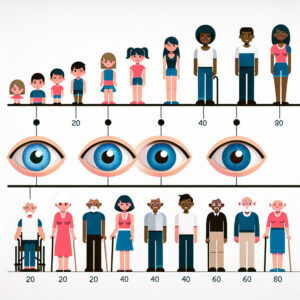
Understanding Vision: Do Eyes Get Better With Age or Do They Deteriorate?
Introduction: Do Eyes Get Better With Age? An Overview
Ever wondered if your eyes get better as you grow older? It turns out, the answer isn’t a simple yes or no. As we age, every part of our body—including our eyes—goes through changes. Some of these shifts might feel like improvements, while others can be downright challenging. In this blog, we’re taking a deep dive into the fascinating world of aging vision. We’ll explore what “better” really means when it comes to sight, peel back the layers of the natural aging process, and look at what modern science has to say. Whether you’re noticing a few changes in your vision or are just curious about how your eyes age, understanding these shifts is key to keeping your vision sharp for years to come.
We’re also going to unpack what “better” means in the context of vision—not just about having clearer sight, but also considering contrast sensitivity, depth perception, and overall comfort. At the same time, we’ll dig into why aging often brings a dip in visual sharpness and efficiency. By mixing in insights from the latest research and expert opinions, our aim is to give you a well-rounded picture that not only informs but also empowers you to take care of your eyes as you age.
Defining “Better” in the Context of Vision
Talking about vision, “better” isn’t just about seeing more clearly. It covers everything from enhanced clarity and contrast to improved depth perception and even the comfort level you feel when using your eyes. Sometimes when people ask if eyes get better with age, they’re referring to instances where symptoms stabilize or where lifestyle tweaks and treatments make a real difference. But let’s be honest—these perceived improvements usually come from some form of intervention rather than a natural, spontaneous upgrade. Knowing this helps set realistic expectations and keeps us focused on overall eye health rather than chasing myths.
The Natural Aging Process and Its Effect on Eyes
Just like the rest of your body, your eyes experience their own set of changes over time. For example, the lens in your eye might lose a bit of its flexibility, the retina can pick up some wear and tear, and you might find yourself battling dry eyes as tear production diminishes. These changes typically lead to a slow decline in vision, not sudden boosts. Of course, everyone’s aging process is unique—shaped by your genetics, your environment, and your lifestyle. Exploring how aging really affects your vision is crucial for understanding why the idea that “eyes get better with age” is more myth than reality.
Purpose and Scope of the Blog
This blog is all about shedding light on the many angles of how our eyes change as we age. Whether you’re starting to notice little tweaks in your vision, are concerned about age-related eye conditions, or you’re just keen to learn about the latest treatments to keep your eyes healthy, we’ve got you covered. We’ll break down scientific findings, bust some common myths, and serve up practical advice so you can take control of your eye health. After all, clear vision isn’t just about seeing clearly—it’s a huge part of living your best life.
Debunking Common Myths: Do Eyes Get Better With Age?
You’ve probably heard plenty of stories and personal anecdotes suggesting that “eyes get better with age,” as if some conditions might just magically improve over time. Sadly, a lot of these tales are based on misinterpretations of how our eyes naturally change. While it’s true that some people experience shifts in how their eyes function, the bulk of scientific research tells us that, overall, the structures in our eyes tend to wear down as we get older. In this section, we’re cutting through the noise to see what real science has to say about the aging eye.
Popular Misconceptions About Aging Eyes
One common misconception is that minor visual disturbances—like a bit of haze or slight blurriness—will just improve with age. In reality, these pesky changes are often early signs of degenerative conditions or simply the result of years of environmental exposure. Another myth is that getting used to your vision issues—by, say, optimizing your lighting—means your eyes are actually getting better. More often than not, you’re just adapting to the changes rather than reversing them. Clearing up these misunderstandings is vital so that you seek the proper eye care instead of relying on hopeful anecdotes.
Examining Scientific Evidence and Research
Scientists have poured countless hours into understanding what exactly happens to our eyes as we age. The research generally shows that while our eyes might adapt in clever ways to minor deficits, the overall picture is one of gradual decline in various parts of the visual system. Studies, clinical trials, and peer-reviewed journals all point to the fact that aging slowly chips away at the plasticity and regenerative power of our eye tissues. When considering the question “do eyes get better with age,” it’s important to look at these scientific studies and consult experts to get the full story.
Why Myth-Busting Matters for Eye Health
Busting myths isn’t just about setting the record straight—it’s about making sure you get the right care. When old wives’ tales about “eyes getting better with age” stick around, people might put off necessary treatments or settle for ineffective self-care measures. By debunking these myths, we hope to emphasize the importance of regular eye exams and early interventions for any age-related conditions. Understanding what truly happens to our eyes as we age can help you take proactive steps based on solid scientific facts, not just comforting but misleading beliefs.
Scientific Insights: How Aging Impacts Vision
Our eyes are intricate little machines, and as the years fly by, several structural and functional changes start to creep in. In this section, we’re digging into these scientific insights to answer that ever-popular question: “do eyes get better with age?” By taking a closer look at eye anatomy at the micro level, we can see how genetics, cellular wear, and environmental stresses all play their part in the story of aging vision.
Structural Changes in the Eye Over Time
Over time, every component in your eyes goes through some changes. For instance, the lens tends to get less flexible, leading to issues like presbyopia, which makes it hard to focus on close-up objects. Likewise, your retina and optic nerve aren’t immune to the effects of light exposure and oxidative stress. While these tiny, gradual changes might seem like nothing in the short term, they add up over the years, resulting in noticeable vision loss. This helps explain why the idea that “eyes get better with age” is a bit of a misnomer.
The Role of Genetics and Environmental Factors
Let’s not forget, genetics play a huge role in how our eyes age. If cataracts or macular degeneration run in your family, you might be more at risk. But it’s not just in your DNA—environmental factors like long-term UV exposure, poor diet, and habits like smoking can speed up the aging process. While some people might seem to fare better than others, the bottom line is that a gradual decline in vision is a common trend. Getting a grip on these influences can help you set realistic expectations and take proactive steps in managing your eye health.
Understanding Vision Deterioration Versus Improvement
When we talk about changes in vision with age, it’s helpful to separate out what’s just adaptation from what’s real improvement. Sure, innovative tools like better lighting, magnifiers, or corrective lenses can give you the impression that your vision is improving. In reality, these are simply ways of managing and coping with the natural aging process rather than reversing it. When you hear “do eyes get better with age,” it’s important to remember that while interventions can make a big difference, they’re not a complete turnaround of the biological aging process.
Age-Related Eye Conditions to Watch For
While it’s nice to hope for magic improvements in vision as we get older, the reality is that there are several age-related eye conditions that remind us aging typically brings some degeneration. Recognizing the early signs of these conditions can make a world of difference in managing their impact on your everyday life. From cataracts to macular degeneration, knowing what symptoms to look out for is key if you want to stay ahead of potential issues.
Cataracts and Their Impact on Vision
Cataracts are probably the first thing that comes to mind when people talk about aging eyes. They happen when the lens becomes cloudy, leading to blurry vision, dimmer colors, and poor night vision. The good news? Cataracts can often be treated effectively through modern surgery. Still, early detection is crucial, and the prevalence of cataract surgery underscores how common the condition truly is. This stands as a reminder that the idea of “eyes getting better with age” doesn’t usually hold up without some help from medical interventions.
Age-Related Macular Degeneration and Other Disorders
Age-related macular degeneration (AMD) is another major concern, especially for those over 50. AMD affects the macula—the part of your retina that gives you sharp, central vision—making activities like reading or driving a real challenge. And it doesn’t stop there; conditions like glaucoma and diabetic retinopathy also pose serious risks by affecting different parts of your eye. Keeping an eye out for these symptoms (pun intended) is essential for early intervention, which can make all the difference in managing your vision as you age.
Early Detection and Preventative Measures
Being proactive with your eye health isn’t just smart—it’s essential. Regular eye exams are like a first line of defense, helping catch issues early before they have a chance to spiral. Along with check-ups, simple preventative measures like wearing UV-protective eyewear, eating a balanced diet, and keeping chronic conditions in check can make a significant difference. By taking the steps now, you’re less likely to be left wishing that “eyes get better with age” by pure chance.
Lifestyle Factors: Supporting Healthy Eyes as You Age
Although we can’t stop the clock, there are plenty of things you can do to keep your eyes in tip-top shape as you age. In this section, we share practical strategies that can help maintain, and even optimize, your vision. From tweaking your diet to cutting down on screen time and squeezing in regular exercise, these lifestyle choices not only bolster your eye health but also improve your overall well-being. When you’re actively managing your health, you’re in a much better position to answer questions like “do eyes get better with age” by simply enjoying a healthier life.
Nutritional Strategies and Eye-Healthy Diets
Surprisingly, what you eat plays a big role in how well your eyes hold up over time. Foods loaded with vitamins C and E, zinc, lutein, and omega-3 fatty acids have been linked to slower rates of eye degeneration. Think leafy greens, citrus fruits, nuts, and plenty of fish. A diet rich in these nutrients not only helps protect the retina from oxidative stress but also supports overall cellular health. Adopting an eye-friendly diet is a proactive way to keep your vision in check as the years roll by.
The Role of Exercise and Overall Wellbeing
It may sound like a no-brainer, but staying active does more than keep your heart healthy—it also benefits your eyes. Regular exercise boosts blood circulation, which in turn nourishes the delicate vessels in your eyes. Plus, physical activity helps manage conditions like diabetes that can wreak havoc on your vision. So while you might wonder, “do eyes get better with age,” remember that a consistent exercise routine can help minimize the negative impacts of aging on your eyes.
Managing Digital Screen Exposure
These days, we stare at screens more than ever, and that blue light can take a toll on our eyes. Adopting habits like the 20-20-20 rule—taking a 20-second break every 20 minutes to look at something 20 feet away—can really help reduce eye strain. Adjusting your device settings and ensuring proper lighting where you work or relax are other simple yet effective ways to safeguard your vision. Together, these practices build a stronger defense against the long-term effects of digital screen exposure.
Advances in Eye Care: Could Innovations Make Eyes “Better” With Age?
The field of eye care is evolving at a breakneck pace, and with it come new hopes that technological and medical innovations might actually improve—or at least manage—age-related vision issues. While the traditional view has been to question whether eyes can get better with age naturally, new treatments are stepping in to offer significant improvements in your quality of life. In this part of our blog, we’re exploring exciting advancements—from modern corrective surgeries to non-invasive treatments and breakthrough research—that might just change the conversation entirely.
Modern Vision Correction Techniques and Surgeries
Over the last few decades, we’ve seen major strides in ophthalmology. Procedures like LASIK, cataract extraction with intraocular lens implants, and refractive lens exchange have transformed the way we approach vision correction. These treatments don’t reverse aging per se, but they can dramatically improve visual acuity and overall comfort. Essentially, they highlight the difference between managing symptoms and truly reversing the natural aging process of the eye.
Non-Invasive Treatments and Preventative Technologies
In addition to surgical fixes, a host of non-invasive treatments is making waves in preventive eye care. Treatments like anti-VEGF injections for macular degeneration, advanced nutritional supplements, and innovative laser therapies are providing alternatives that lower the risk while still delivering tangible benefits. Smart wearable tech and monitoring devices that track key ocular metrics are also emerging as powerful tools in staying ahead of eye health issues. These innovative approaches are reshaping the narrative around the aging eye, proving that while natural decline is common, targeted therapies can make a big impact.
Future Research and Emerging Trends
The horizon of eye care is bright, with exciting research in regenerative medicine, gene therapy, and even stem cell treatments showing promise for repairing damaged tissues. These cutting-edge approaches could one day shift our focus from managing symptoms to truly restoring vision. Personalized medicine, which tailors treatments based on your genetic makeup and health history, is also on the rise. As these advances continue to develop, they may eventually change how we think about whether “do eyes get better with age,” moving us closer to rehabilitative strategies rather than mere symptom control.
Conclusion: Embracing Vision Health Throughout the Aging Process
All in all, while the natural aging of our eyes tends to lean toward a gradual decline, there’s plenty we can do to ensure our vision stays as healthy as possible for our entire lives. By understanding the real science behind aging, busting myths, and taking proactive measures—from regular check-ups to smart lifestyle choices—we can make informed decisions about our eye health. Embrace the journey, stay curious, and remember that clear vision plays a big role in living a vibrant, full life.

Do Eyeglasses Improve Vision and Reduce Eye Strain: What You Need to Know
Introduction: Do Eyeglasses Really Improve Vision and Ease Eye Strain?
In our digital-driven world, it’s hard not to wonder: do eyeglasses actually sharpen our vision and ease that nagging eye strain? Today, we’re diving into how these everyday tools work their magic—not just on paper but in real life too. With our eyes glued to screens more than ever, taking good care of our vision is a must. So, let’s unravel the science behind eyeglasses and share real stories from people who swear by them. It’s a balanced chat mixing expert insight with personal experience.
Modern life often means long hours in front of monitors, leading to discomfort and a tired pair of eyes. Getting why and how eyeglasses offer clearer vision can really open up a path to better eye care and an overall improved quality of life. Whether you’re battling digital fatigue or simply want to see sharper on the daily, this guide serves up science-backed facts and relatable, everyday reflections.
Remember, eyeglasses have evolved way past just fixing refractive errors. Today, their design tackles a host of challenges, including the strain from our digital lifestyle. By breaking down how these lenses work, we can appreciate how they not only correct our sight but also help maintain overall eye health. This post is perfect for anyone curious about advanced lens technology and how it fits into our dynamic visual demands.
Understanding Vision: The Basics of How Eyeglasses Enhance Sight
Think about vision as a beautiful dance of different parts working in perfect harmony. The cornea, lens, retina, and optic nerve all team up to capture light and convert it into the images we see. When this intricate system falters, the world gets a little blurry. Grasping this process helps us see why corrective lenses work so well to bring that blurry image into sharp focus. It’s all about understanding the basics of eye anatomy, which explains why common issues like myopia or astigmatism need a little optical help.
Conditions such as nearsightedness, farsightedness, and astigmatism are pretty common, and eyeglasses are the go-to solution for countering these issues. They’re designed to bend light just right, ensuring images fall perfectly on the retina. When folks ask, “do eyeglasses improve vision?” they’re really talking about this fine-tuned process that not only sharpens sight but also tames eye strain.
To nail down visual acuity, optometrists rely on standard tests like the Snellen chart, which pinpoints exactly how much correction is needed. By measuring the type and degree of refractive error, these tests ensure that your glasses are not only a vision booster but also a shield against eye strain. This well-practiced method is key to crafting lenses that balance clarity and comfort just right.
How Eyeglasses Correct Vision: The What, When, and How
Here’s the scoop: the magic of eyeglasses lies in how they bend incoming light to make up for your eye’s natural imperfections. Essentially, these lenses adjust the focus so that images land perfectly on your retina—resulting in a much crisper picture. That’s the scientific heart of the matter behind answering, “do eyeglasses improve vision?” Their blend of optical science and cutting-edge lens technology is simply impressive.
One of the neat things nowadays is the range of prescription and lens options available. From single vision lenses that correct a single distance, to progressive lenses that smoothly handle multiple ranges — there’s a fit for everyone. And let’s not forget the coatings that cut down on glare and block out blue light, which are lifesavers for those long screen sessions. This modern twist shows that eyeglasses improve vision by not just correcting errors but also by adapting to our fast-paced, digital lives.
When it comes to easing eye strain specifically, technology steps in again with anti-reflective filters and blue light reduction. These features help take the edge off the stress that builds up after hours in front of digital screens. By reducing glare and fine-tuning incoming light, these glasses provide relief both immediately and over time, proving that the right pair of lenses can truly transform your visual comfort.
Backed by Research: What Does the Science Say About Eyeglasses?
There’s a solid pile of scientific studies and clinical trials out there showing just how effective corrective eyewear can be. Research over the past decade consistently points to dramatic improvements in visual acuity among those who wear properly prescribed glasses. The numbers speak for themselves—there’s plenty of proof that eyeglasses do, in fact, improve vision.
Beyond controlled clinical trials, large-scale studies have gathered impressive data. These data reveal that most people experience clearer vision, fewer headaches, and less eye strain once they start using their glasses regularly. This impressive track record not only reassures the skeptics but also boosts confidence in the real-world benefits of corrective eyewear.
Surveys and patient testimonials further highlight the transformative power of regular eyeglass use. Many users share how soon after using their glasses, not only did their vision get sharper, but their overall daily eye comfort improved too. This mix of robust scientific evidence and heartwarming user feedback makes a compelling case for the benefits of corrective eyewear.
Lifestyle Perks: Beyond Vision Correction—How Eyeglasses Enhance Your Day
Sure, the main job of eyeglasses is to correct vision, but their perks extend far beyond that. Good eyewear can change the game in everyday tasks—whether you’re reading a book, driving, or hustling at work. People often remark that reduced eye strain means better focus and more energy throughout the day. So, when we ask, “do eyeglasses improve vision?” we’re also talking about boosting overall day-to-day well-being.
Especially in the age of digital screens, the benefits of specialized lenses are clear. Lenses with blue light filters help tear down the fatigue caused by HEV light from your devices. A smoother, easier screen-time experience translates into less eye fatigue, fewer headaches, and a healthier daily routine—something that professionals particularly appreciate.
And don’t underestimate the ripple effect: clearer vision and less discomfort can boost quality of life in surprising ways. From enjoying the great outdoors to more focused work sessions, the right pair of glasses can truly elevate your everyday experiences. In essence, the benefits of these little helpers go well beyond just sight—they add a touch of comfort and confidence to your life.
Expert Opinions: What the Pros Say About the Benefits of Eyeglasses
When you ask eye care professionals about the impact of eyeglasses, the consensus is crystal clear: well-prescribed glasses do wonders for your vision. Optometrists and ophthalmologists point out that modern prescriptions are custom-tailored to your needs, ensuring that your eyes get exactly the support they deserve. Routine exams and updated prescriptions keep your vision on point, reinforcing how essential these tools are.
Of course, myths abound—like the notion that glasses might somehow weaken your eyes or that simple exercises can replace corrective lenses. The experts debunk these myths by emphasizing that glasses provide structured, science-backed support that no amount of eye yoga can match. Their insights help clear up the confusion, showing that relying on proven technology and regular check-ups is the way to go.
Looking to the future, innovations like smart glasses, adaptive lenses, and even augmented reality overlays are on the horizon. These cutting-edge developments promise to blend convenience with superior vision correction, indicating that the role of eyeglasses will only grow in our digital-forward world. This exciting direction merges traditional optics with a glimpse into tomorrow’s tech, ensuring that eye care remains both current and highly personalized.
Conclusion: Wrapping Up—Do Eyeglasses Improve Vision and Ease Eye Strain?
To wrap things up, we’ve taken a deep dive into whether eyeglasses boost vision and relieve eye strain by looking at eye anatomy, modern lens technology, scientific research, lifestyle improvements, and expert perspectives. The overwhelming evidence? When fitted right, eyeglasses not only sharpen your vision but also ease the burden of digital fatigue. From the core functions of your eyes to the latest in lens innovation, modern eyewear is indispensable in our screen-filled world.
So, as you consider taking care of your eye health, don’t forget those regular eye exams and chat with a trusted optometrist about the best options for you. The benefits of well-fitted eyeglasses go far beyond a clearer image—they help make your day more comfortable and your life a little brighter. Maintaining healthy vision is an ongoing journey, and the right pair of glasses can be a dependable partner along the way.
The bottom line is simple: whether you’re dealing with minor vision issues or battling modern-day digital eye strain, the expert take is unanimous—do eyeglasses improve vision? Absolutely. By mixing advanced technology with solid scientific research and everyday experiences, we see how vital corrective eyewear is in modern eye care. With personalized prescriptions and ongoing innovations, you can make smart choices that protect your vision and enhance your daily life.

A Comprehensive Guide: Do Eyeglasses Correct Vision and Improve Your Sight?
Introduction: Do Eyeglasses Correct Vision? An Overview
Eyeglasses have been our trusty sidekick for ages, helping countless people see more clearly and enjoy life a whole lot better. In this friendly guide, we’re taking you on a journey—from the humble beginnings of early spectacles all the way to today’s sleek, high-tech vision enhancers. We’ll chat about how they work, break down the different lens styles, bust some common myths, and answer those burning questions you might have. Whether you’re just starting to think about vision correction or rethinking your current prescription, this post sets out to clear up the mystery: do eyeglasses really correct vision? Come on, let’s dive in together and explore the fascinating world of eyewear.
Through the centuries, eyeglasses have moved from basic handheld aids to the finely tuned optical devices we rely on today. This isn’t just a story of technological breakthroughs—it’s also a nod to our evolving lifestyles. Every upgrade, from featherlight frames to high-grade lens coatings, holds one promise: helping you see the world with crystal-clear clarity. Eyeglasses aren’t only about sharpening your view; they’ve turned into a stylish accessory, a comfort boost, and sometimes even a key to breaking down everyday barriers. Let’s see how these vision boosters shape our daily lives and cater to the unique needs of each wearer.
There’s no shortage of tall tales about eyeglasses. Ever heard someone say they’re just a temporary fix rather than a long-term solution? Myths over the years have unfairly tagged them as a crutch for failing eyesight instead of a tool for clarity. In this post, we’re setting the record straight with solid, research-backed insights into what eyeglasses can really do. We’ll peel back the layers of history, science, and modern technology to explain how they work—from bending light to easing visual fatigue. In short, our mission is to help you understand just how much of a boost eyeglasses can give you in quality of life.
The Science Behind “Do Eyeglasses Correct Vision”
The magic of eyeglasses starts with the intriguing science of optics. Think of your eyes as mini cameras, where light is captured and focused perfectly onto the retina. When that focus goes off-kilter due to the shape of your eye or the flexibility of your lens, things get a bit blurry. That’s where eyeglasses come in—they bend light in just the right way to sharpen the image hitting your retina. This bending, known as refraction, is the cornerstone of how eyeglasses work their wonders. For centuries, scientists have studied these principles, and today’s eyewear is tailor-made to fix specific vision issues.
Diving deeper into optics has paved the way for some truly amazing innovations in lens crafting. The way different lens shapes and materials work together is key to boosting visual clarity. For example, people with nearsightedness often get concave lenses, while folks with farsightedness benefit from convex ones. These curved surfaces tweak the light’s path so that images land neatly on the retina. And thanks to progress in lens manufacturing, these days you can get eyewear that’s not just about correcting your vision—it’s also about protecting your eyes and boosting overall eye health. The evolving science behind these breakthroughs means personalized and precise vision correction is more accessible than ever.
Types of Eyeglasses and Their Impact on “Do Eyeglasses Correct Vision”
The world of eyeglasses is buzzing with options, each designed to tackle different vision needs. Take single vision lenses, for instance—they’re the classic choice for someone needing help with either near or far vision. Their simplicity and effectiveness make them a favorite for everyday tasks like reading, driving, or working at your computer. Crafted with precision, these lenses promise minimal distortion and crisp clarity, proving that when done right, eyeglasses truly do correct vision.
But for those facing the nuts and bolts of presbyopia, multifocal and progressive lenses are the modern answer. Unlike old-fashioned bifocals with their visible splits between distances, progressive lenses offer a smooth, continuous transition across various focal points. This means your eyes won’t be jolted by sudden shifts in focus, making your visual experience feel more natural—even as you age. This seamless shift really drives home the point: with the right technology, eyeglasses can completely change the way you see the world.
Then there’s the cool addition of specialty coatings, such as anti-reflective finishes and blue light blockers. These not only cut down on glare and eye strain but also shield you from the digital onslaught of today’s screens. Anti-reflective coatings tame stray reflections, while blue light blockers help keep digital eye strain at bay—a real win in our screen-filled age. With these enhancements, eyeglasses evolve from mere vision correctors to all-around guardians of your eye health.
When it comes to picking between custom prescriptions and over-the-counter glasses, the old question pops up again: do eyeglasses really correct vision? Custom prescriptions are designed with your specific needs in mind, typically following a detailed eye exam by an expert. Sure, over-the-counter options are convenient, but they can’t match the precision of personalized lenses. Knowing the unique quirks of your eyes is key, and a custom prescription not only offers the best correction but also underscores how much care goes into keeping your vision top-notch.
Addressing Common Vision Issues: Do Eyeglasses Correct Vision for Varying Needs?
Our eyes can face a wide variety of challenges, and luckily there’s a style of eyeglasses for almost every vision hiccup. Conditions like myopia, hyperopia, and astigmatism each call for lenses with specific tweaks. For example, myopia (or nearsightedness) is usually handled with concave lenses that properly distribute light onto the retina, while hyperopia (farsightedness) benefits from convex lenses. Astigmatism, which causes a quirky distortion due to irregular eye curvature, needs a fine-tuned lens adjustment to clear up the image. These tailored approaches drive home the idea that precise eyewear is essential to answering the question: do eyeglasses correct vision?
Then there’s presbyopia—an age-related decline in focusing power that makes close-up work tricky. Progressive lenses have become the go-to solution here, smoothly transitioning from distance to reading vision without the jarring lines of old-style bifocals. Their effortless shift is a nod to the brilliant mix of science and design that modern eyeglasses embody. Whether you’re a child or an adult, the right lens type dramatically improves everyday life, proving that with proper customization, eyeglasses do what they’re meant to: correct vision.
Kids and adults often need different strategies when it comes to vision correction. For children, whose eyes are still growing, special lenses can adjust to their dynamic development, offering both improved vision and support for healthy eye growth. Adults, on the other hand, usually deal with long-term or age-related vision issues. Recognizing these differences is key. Whether you’re a youngster just starting to wear glasses or an adult managing presbyopia, the right pair of glasses can make a world of difference, clearly showing that tailored eyewear truly does help correct vision.
Factors That Influence How and When Do Eyeglasses Correct Vision
Several factors come into play when determining how well your glasses work for you. First and foremost is the accuracy of your prescription. A detailed eye exam from a trusted professional is the cornerstone of solid vision correction. Even a tiny error can lead to discomfort or less-than-perfect vision. When your prescription is spot on, your lenses are crafted just for your eyes, affirming that eyeglasses can indeed correct vision when everything is aligned just right. Taking the time to get a proper checkup really pays off in your day-to-day visual experience.
Besides the prescription, how well your lenses fit and how properly your frames are adjusted are equally important. A well-fitted frame not only adds to your comfort but also prevents distortions that can arise from misalignment. If your glasses sit too loosely or aren’t correctly positioned, you might end up with eye strain or headaches—defeating the whole purpose of wearing them. So, ensuring your frames and lenses are calibrated to perfection is just as crucial as nailing the right prescription. This extra attention to detail makes it clear that, with the right setup, eyeglasses deliver effective vision correction.
Your environment and lifestyle also play a big role. Whether you’re working in a dim office, under harsh fluorescent lights, or spending time outdoors, your visual demands can vary greatly. Factors like prolonged screen time, dust, fumes, or changing lighting conditions might even influence when and how you need to update your eyewear. Recognizing these influences further confirms that while the design and prescription of your glasses matter a lot, your daily habits are key to getting the most out of them.
Real-life Experiences: Do Eyeglasses Correct Vision in Practice?
There’s something reassuring about hearing real stories from folks who’ve experienced the clear benefits of a well-prescribed pair of glasses. Many people share that switching to the right eyewear has transformed everyday tasks—whether that’s enjoying a book without strain, playing sports free of visual distractions, or easily navigating long days at the computer. These personal accounts are living proof that when done right, eyeglasses really do work, making a real difference in everyday life.
That being said, the road to perfect vision isn’t always a smooth ride. Some users report a rough adjustment period when switching to a new prescription or getting used to progressive lenses. You might feel a bit off at first, with mild headaches or slight distortions, but these adjustments are usually just temporary bumps on the road to improved clarity. Optometrists often remind us that a little patience goes a long way—what seems challenging initially can lead to truly remarkable improvements over time. This blend of expert advice and personal stories reaffirms that given a bit of time, eyeglasses can indeed work their magic.
Eye care professionals also stress the importance of regular checkups—not just for keeping your prescription up-to-date, but also for monitoring overall eye health. Many experts are excited by the new advancements in lens technology, which continue to make glasses a dependable choice for even the most subtle vision issues. Their combined insights and your everyday experiences create a powerful message: while there might be a short adjustment period, the end result is usually a big win for your vision and overall quality of life.
Innovations and Future Trends in How Do Eyeglasses Correct Vision
Looking ahead, the future of eyeglasses is as dynamic as its past is storied. New lens technologies are emerging that use lighter, tougher materials, and even adjust automatically to differing light conditions. Take photochromic lenses, for example—they change tint based on ambient light, ensuring you get clear, comfortable vision whether indoors or out. These breakthroughs show just how much innovation is still happening in the field of vision correction. With research moving at a rapid clip, it’s clear that our ongoing search for the answer to “do eyeglasses correct vision” is leading to even smarter solutions.
One of the most exciting developments on the horizon is the rise of smart glasses. Blending traditional eyewear with modern digital tech, these innovative devices don’t just correct your vision—they can also display digital data, track your fitness, and even deliver augmented reality experiences. Still in the early days of mainstream use, smart glasses hint at a future where your eyewear doubles as a portable digital assistant. This kind of tech integration underscores the ever-evolving nature of personalized eye care and reinforces the idea that eyeglasses are only going to get better at what they do.
In the coming years, personalized eye care is set to take center stage like never before. With advances in 3D printing and high-tech optics, we’re moving toward a world of custom-made lenses and frames that are tailored down to the last detail—considering everything from your unique facial measurements to your lifestyle needs. These aren’t just futuristic ideas; they’re already making their way into optical practices around the globe. With each new development, it’s evident that eyeglasses will continue to adapt, offering sharper, more precise vision correction options than ever. The future’s bright—and it’s making it clearer than ever that, yes, eyeglasses do correct vision in remarkable ways.
Standing at the crossroads of art, science, and technology, the evolution of eyeglasses is both rapid and exciting. With digital enhancements and smart functionalities gradually becoming the norm, the next generation of eyewear promises to tackle not only traditional vision issues but also the unique challenges posed by an increasingly digital world. Whether it’s through improved lens materials, intuitive design tweaks, or real-time adaptive features, the future of vision correction is all set to get even better. As these new trends take shape, one thing remains crystal clear: eyeglasses are here to stay as a shining example of human ingenuity in solving the age-old problem of clear vision.
Everything You Need to Know: Do Contact Lenses Increase Eye Power?
Introduction: Do Contact Lenses Increase Eye Power? – Getting Started
Ever caught yourself asking, “Do contact lenses increase eye power?” It’s a question that mixes everyday worries with a quest for clear vision. Here, we’re diving into what exactly eye power is, how contact lenses fit in the picture of vision correction, and why it’s so important to know how these pieces connect. Whether you’ve been living with contacts for years or are mulling over them for the first time, consider this guide your friendly go-to resource, packed with the latest research and real-life experiences.
In this post, we’ll kick things off by covering the basics of eye power and why it matters for your overall eye health. We’ll chat about how contact lenses work, clear up some common myths, and break down current research findings. Our aim? To give you expert opinions and practical advice so you can figure out if your contacts might be influencing your prescription over time. So, grab your favorite cup of tea, get comfy, and join us as we untangle the burning question: do contact lenses really boost your eye power?
What Is Eye Power and Why It Matters
When we talk about eye power, we’re usually referring to what’s measured in diopters—a unit that tells us how effectively your eye bends light to focus images right onto your retina. Essentially, this value determines whether you’re nearsighted, farsighted, or dealing with another kind of refractive hiccup that needs correcting. Knowing your eye power is a must when choosing the best vision correction, whether that’s glasses or contacts. The more you understand about your prescription, the better you’ll be equipped to ask the right questions and make choices that are best for your eye health.
Using contact lenses correctly goes far beyond just giving you temporary clarity—it’s about preserving your eyes for the long haul. A little insight into your eye power can show you how even tiny changes might slightly shift your everyday life. This section digs into why accurate eye power measurement is so essential and what factors contribute to the overall quality of your vision.
How Contact Lenses Work to Correct Vision
Contact lenses are pretty cool—they sit directly on your cornea and gently tweak the way light is focused in your eye, helping you see clearly. They come in different flavors like soft lenses and rigid gas permeable ones, each offering its own perks in comfort, durability, and type of vision correction. Because they move with your eye, contacts often provide a broader field of vision with less distortion compared to glasses, appealing to those who want a natural, unobstructed view.
Even though many love the convenience and aesthetic benefits of contact lenses, there’s been some buzz about whether wearing them for long hours might actually change your eye power. We’re here to peel back the layers on that topic, giving you a balanced look at both the science and expert opinions. Understanding what’s really going on allows you to manage your vision care routine with a lot more confidence.
The Purpose Behind This Deep Dive
“Do contact lenses increase eye power?” is a question that pops up a lot, making it one of the hot topics in today’s vision care conversations. With a flood of myths swirling around online, it’s crucial to have reliable, evidence-based information. This deep dive is all about busting these myths, laying out the latest scientific insights, and sharing wisdom from seasoned experts in the field.
This guide is designed to arm you with practical knowledge so you can make informed decisions about using contact lenses. We’ll explore whether regular wear might have long-term effects on your prescription, factor in lifestyle considerations, and highlight the fine balance between convenience and any possible side effects. Let’s roll up our sleeves and sift through the basics of eye power, and see how daily contact lens use might fit into this multifaceted equation.
Understanding Eye Power: Do Contact Lenses Increase Eye Power? – The Basics
Defining Eye Power and Its Measurement
Eye power is usually measured in diopters—a unit that tells us just how strong your eye is when bending light into a clear image on your retina. Think of diopters as a gauge of how hard your eye is working to focus light properly. This number is crucial when choosing the right corrective lenses, whether your needs are minor or major. In a nutshell, this measurement is the foundation of personalized eye care and plays a huge role in figuring out your treatment plan.
When you visit your eye doctor, they’ll perform a test to determine your eye power and suggest lenses that will get light hitting your retina just right. While that number might seem like just another figure, it packs a lot of insight about your vision health. Getting it right is key for ensuring your glasses or contacts perform their magic, making the small details count in your everyday visual experience.
Key Factors That Influence Your Prescription
Your prescription’s not set in stone—it’s influenced by a blend of factors like genetics, age, how you use your eyes day-to-day, and even the type of lighting around you. Long hours at the computer or using screens in dim settings can lead to subtle shifts in your eye power over time. Although scientists are still piecing together exactly how these elements join forces to tweak your prescription, it’s pretty clear that your overall health, nutrition, and good eye care routines play a big part.
This section shines a light on the many influences affecting eye power, making it clear that it’s not just one thing at play. Even if you’re wondering whether contact lenses might be directly tweaking your prescription, remember that the mix of genetics and daily habits generally has a broader impact on how your vision evolves over time.
Debunking Common Myths About Vision Changes
There are plenty of myths out there that can stir up unnecessary worries about your vision. One common rumor is that contact lenses might worsen your vision by boosting your eye power. However, most experts agree that even though contacts are linked to various aspects of eye health, there’s no solid proof they permanently increase your prescription. Often, other lifestyle and biological factors might be behind any noticeable shifts, making contacts the scapegoat for what’s really happening.
By separating fact from fiction, we hope to ease your concerns using clear, evidence-based explanations. When you understand what really affects your prescription, you’re in a much better spot to practice smart eye care and steer clear of unfounded fears.
Scientific Research: Do Contact Lenses Increase Eye Power? – Examining the Evidence
Overview of Recent Studies and Findings
Researchers around the world have been digging into the connection between contact lens use and shifts in eye power. While some recent studies have unearthed intriguing tidbits, they also highlight how tricky it is to isolate contact lens wear as the main culprit. Most findings suggest that, over the long run, contacts might lead to temporary corneal shape changes, but these are usually reversible and don’t result in a permanent boost in eye power.
Scientists point out that factors like natural aging and genetic makeup play a much bigger role in how refractive errors develop. Even though a few studies hint at minimal effects, the scientific consensus is that contacts are primarily a way to temporarily correct vision—not to cause long-lasting changes in your eye measurements. This nuanced view helps answer the age-old question: do contact lenses actually increase eye power?
Clinical Research on Contact Lens Effects
In controlled clinical settings, optometrists have noted that some people might see slight fluctuations in their prescription right after long hours of contact lens wear. However, these shifts seem to be temporary and usually stem from minor corneal swelling rather than any deep-seated structural changes. Essentially, while your eyes might feel a bit off after a marathon day of lens use, a little break often gets everything back to normal.
Clinicians rarely observe any dramatic long-term effects on eye power that can be directly tied to contact lens wear. The adjustments noted are usually within the normal range of variation you might see with any vision correction method, offering reassurance that contacts remain a safe and effective option for most users.
Limitations and Considerations in Current Research
While research on this topic is steadily growing, it’s important to note some limitations. Many studies have been based on short-term observations in controlled settings, which might not capture the nuances of your everyday lens use. Plus, individual differences—like tear chemistry, how you care for your lenses, and even environmental exposures—make it tough to firmly pin down all the factors at play. That’s why drawing definitive conclusions about whether contacts have long-term effects on eye power is still a challenge.
It’s wise to take current research with a pinch of salt, knowing that scientists are still decoding the subtle interplay of factors that impact eye health. Overall, the evidence leans toward the idea that while contacts can temporarily affect the cornea, their influence on long-term eye power is minimal compared to genetic, nutritional, and overall care factors.
Expert Insights: Do Contact Lenses Increase Eye Power? – Professional Opinions
What Ophthalmologists and Optometrists Say
Seasoned eye care professionals consistently stress that there’s no robust evidence linking contact lens use to a permanent increase in eye power. In general, contacts are considered both safe and effective when used as directed. Most ophthalmologists point out that any slight shifts in eye power tend to be temporary, usually due to minor corneal surface changes rather than the lenses themselves.
Drawing on years of experience and clinical studies, these experts reassure us that maintaining proper lens hygiene and regular check-ups are key to ensuring your eye health isn’t compromised. Their insights help cut through the noise and highlight the importance of following recommended eye care practices instead of heeding anecdotal tales.
Real-World Experiences and Case Studies
Numerous case studies from various optometry practices shed light on everyday contact lens use. Many long-time wearers report that if they stick to diligent lens care and schedule regular eye exams, any minor fluctuations in their prescriptions tend to be just short-term blips. These real-life examples underscore that the fear of contacts permanently boosting eye power is more myth than reality.
For instance, several seasoned contact lens enthusiasts have mentioned feeling a bit of discomfort or noticing slight prescription variations after extended wear—but with proper breaks and careful cleaning routines, things usually settle down quickly. These case studies serve as a practical reminder that with the right care, you can enjoy the benefits of contact lenses without worrying about long-lasting effects on your vision.
Integrating Expert Recommendations into Your Care
Based on trusted expert advice, there are a few solid recommendations for anyone using contact lenses. First off, never skip those regular eye exams and always stick to strict lens-hygiene routines. If you ever notice unusual changes in your vision or any discomfort, don’t hesitate to reach out to your eye care provider right away. By incorporating these tips into your daily routine, you’re less likely to experience temporary fluctuations, and you’ll be well on your way to long-term eye health.
Following expert guidelines not only boosts your confidence in using contacts but also helps dispel any lingering myths. Trust the process—regular check-ups and disciplined lens care will keep your vision sharp and your worries at bay.
Comparing Lens Types: Do Contact Lenses Increase Eye Power? – Rigid vs. Soft
Differences in Materials and Design
Contact lenses aren’t one-size-fits-all. They generally come in two main types: soft lenses and rigid gas permeable lenses. Soft lenses, made from flexible materials, typically offer excellent comfort and high oxygen flow, making them great for everyday wear. Rigid lenses, while they might require a longer break-in period, often deliver sharper vision correction when it comes to more significant refractive errors.
The way each lens interacts with your eye really comes down to its material and design. For example, soft lenses can sometimes lead to temporary swelling if not used properly, while the smaller size and design of rigid lenses may result in a different kind of vision stabilization. Knowing these differences can help you decide whether one type over the other might influence your corneal profile in any noticeable way.
How Each Type Influences Vision Correction
When pondering the question, “do contact lenses increase eye power,” it’s important to recognize that both soft and rigid lenses affect your eyes in their own unique ways. Soft lenses generally adapt well to your eye’s natural contours, providing stable, comfortable vision correction without putting too much pressure. In contrast, rigid lenses might take a little time for your eyes to get used to, with any initial discomfort or slight vision differences usually fading after a break.
Ultimately, the choice between soft and rigid lenses should hinge more on your specific visual needs rather than worries about permanently altering your eye power. With proper wear and routine check-ups, both types are effective at keeping your vision clear and comfortable.
Choosing the Right Lens for Your Eye Health
Finding the right contact lens really boils down to your personal needs, lifestyle, and eye history. Involving an eye care professional can help tailor the best options to match your daily routine and specific vision requirements. When you work with an expert, you’re not only aiming for immediate clarity and comfort, but also ensuring a long-term strategy that takes your overall eye health—along with concerns about minor prescription fluctuations—into account.
Whether you lean towards soft or rigid lenses, a well-crafted prescription and individualized care plan mean you can confidently enjoy all the benefits contacts have to offer without fretting over long-term changes in your eye power.
Daily Use & Care: Do Contact Lenses Increase Eye Power? – Lifestyle Considerations
Proper Wear and Maintenance Practices
Your daily routine with contact lenses is a big deal when it comes to keeping your eyes in top shape. Proper cleaning, storing, and timely replacement are crucial to avoid issues like infections or temporary vision changes. Even if the question “do contact lenses increase eye power” crosses your mind, most issues arise from poor lens hygiene or overuse rather than the lenses themselves.
Sticking to a disciplined cleaning schedule using manufacturer-approved solutions (and steering clear of tap water) can help you sidestep most common problems. These simple yet effective steps ensure you enjoy crystal-clear vision with contacts while keeping your overall eye health intact.
The Impact of Long-Term Lens Wear on Eye Health
Research tells us that while long hours with contacts might sometimes cause temporary changes—like slight corneal swelling—most shifts in eye power are short-lived and easily managed with breaks and proper care. Long-term use, when balanced with regular professional check-ups, is generally safe and doesn’t lead to lasting changes in your vision correction needs.
Understanding the role of consistent lifestyle habits and care routines is reassuring: by not overdoing lens wear and following expert advice, you can keep any temporary bumps in your vision at bay while still enjoying the convenience of contact lenses.
Tips for Monitoring Your Vision Changes
Keeping an eye on even the smallest changes in your vision is key. It might be a good idea to keep a simple log documenting how long you wear your lenses, your comfort levels, and any noticeable shifts in clarity after a marathon day. Regular eye check-ups—typically every six months—can help catch any fluctuations early, allowing you to adjust your prescription if needed.

Do Contact Lenses Improve Eyesight? A Comprehensive Guide to Clearer Vision
Introduction: Do Contact Lenses Improve Eyesight?
Nowadays, life moves at such a breakneck pace that having sharp vision isn’t just nice—it’s absolutely essential, whether you’re buried in work or kicking back with a good book. Many folks ask, “do contact lenses improve eyesight?” and wonder if these little wonders might be the right fit for their vision needs. After all, clear sight is the backbone of everything we do, from catching every detail on a computer screen to safely navigating busy streets. As we dive into the world of vision correction—from traditional glasses to modern contacts—think about what would work best for your daily grind.
The options for correcting vision have come a long way. Glasses have been the go-to for countless people for ages, offering a straightforward fix for common vision hiccups. But contact lenses have been steadily gaining favor thanks to their discreet look and remarkable flexibility to suit an active, modern lifestyle. They provide an almost unnoticeable correction, making them a hit with sports enthusiasts, busy professionals, and anyone who prefers a minimalistic style. Stick with us, and you might just discover how these choices can seamlessly blend with your everyday life.
Dealing with imperfect vision isn’t just an annoyance—it can actually throw a wrench in your daily routine. Whether it’s staying safe while driving or feeling confident during social interactions, less-than-ideal eyesight has a ripple effect on more than just your looks. In the sections ahead, we’ll break down how contact lenses work, answer the burning question, “do contact lenses improve eyesight?” and compare them to traditional eyeglasses. If you’re toying with the idea of a change or just curious, this friendly guide is here to shed some light on modern vision correction.
The Science Behind “Do Contact Lenses Improve Eyesight?”
Understanding how contact lenses boost your vision is like peeking under the hood of a camera—your eyes naturally focus light on the retina, but sometimes issues like nearsightedness, farsightedness, or astigmatism can throw off that perfect focus. Contact lenses work their magic by gently redirecting the light before it enters your eye, resulting in a clearer, crisper image. It’s no wonder people keep asking, “do contact lenses improve eyesight?” because, more often than not, the answer is a hearty yes.
To put it simply, refractive errors pop up when your eye’s shape doesn’t let light hit the target—your retina—just right. For those with nearsightedness, for instance, the eyeball may be a little too long, so the image ends up being blurry. Contacts help by essentially giving your eye a custom-made lens that corrects this misalignment. This smart adjustment means that the light is focused exactly where it should be, providing a naturally crisp view that traditional glass lenses sometimes can’t match.
What’s even more impressive is how modern contact lenses are engineered to handle more complex vision issues too. They’re not just for correcting standard nearsightedness or farsightedness; they’re also equipped to deal with conditions like presbyopia—when your ability to focus on close objects fades with age. With multifocal or progressive designs built right in, these lenses juggle various corrections simultaneously, proving that with today’s tech, improved eyesight is within easy reach.
Comparing Contact Lenses and Eyeglasses: Do Contact Lenses Improve Eyesight More Effectively?
Now you might be wondering which of the two – contacts or glasses – gives you that edge in clarity. While both aim to correct your vision, they each have their quirks. Glasses are simple to use and require very little upkeep, but they might narrow your field of view and cause a bit of inconvenience during high-activity moments. Contact lenses, snugly placed on your eye, offer a more natural, wide-ranging view, making them a favorite for those with dynamic lifestyles.
That said, each option comes with its own set of pros and cons. Glasses, for example, are typically considered safer since they don’t directly interact with the tear film or the eye surface, lowering the risk of infections. However, when it comes to sports or physical activities—where glasses can slip or fog up—contacts are often the more practical choice. They provide unobstructed vision and, when fitted correctly, can be extremely comfortable for long hours. The trick is to balance these factors to decide which option ticks all your boxes.
Moreover, consider how different conditions can affect usability. While glasses often work well indoors, they can become frustrating when they fog up in the cold or under varying lighting conditions. Contacts, however, move with your eyes and adapt naturally, keeping your vision steady regardless of your activity level. Ultimately, choosing between contacts and glasses boils down to your personal style, comfort, and the specific demands of your vision.
Advanced Contact Lens Technologies: Do Contact Lenses Improve Eyesight for Specialized Needs?
The exciting thing about today’s contact lenses is how they’re constantly evolving. Gone are the days when they only fixed simple vision issues. Modern lenses are crafted to handle more specialized cases too. If you suffer from astigmatism or presbyopia, you’ll be glad to know that there are lenses with multifocal capabilities and tailored toric designs that directly tackle these problems. So, when you ask, “do contact lenses improve eyesight?” know that for specialized needs, the answer is increasingly looking up.
There have been stellar strides in the materials and designs used in contact lenses. Built with highly breathable substances like silicone hydrogels, today’s contacts let oxygen flow freely to the cornea, making them safe to wear for longer periods. These advanced polymers do wonders in reducing dryness, irritation, and even the risk of infection, ensuring that your enhanced vision isn’t accompanied by discomfort. With these improvements, contact lenses not only live up to the promise of sharper vision but often exceed expectations.
Comfort over extended wear is another major leap forward. Innovations now allow these lenses to adjust to your eye’s moisture and temperature, meaning you can wear them throughout your busy day—and even, in some cases, overnight—with minimal fuss. For those juggling a hectic schedule or an active lifestyle, these advancements translate into a more comfortable, clear vision experience from dawn till dusk.
Safety and Best Practices: Ensuring Contact Lenses Improve Eyesight Safely
While the perks of contact lenses are clear, keeping things safe is the name of the game. The secret to enjoying all the benefits of better vision with contacts is in the details—like proper cleaning and careful handling. Every time you insert or remove your lenses, it’s crucial to follow proper hygiene practices and use the right cleaning solutions. And a friendly reminder: if your lenses aren’t designed for overnight wear, resist the urge to sleep in them to avoid any unwanted infections.
Regular eye exams are just as important as daily cleaning. Even if your vision feels spot-on, routine visits to your eye doctor can catch any early signs of trouble and ensure your contacts remain a perfect fit. Modern eye care is all about balance—combining proactive health checks with effective correction to give you both improved vision and peace of mind.
Expert Insights and Patient Experiences: Do Contact Lenses Improve Eyesight?
It’s always reassuring to hear from the pros. Many optometrists confirm that when contacts are fitted and maintained correctly, they can significantly enhance vision—sometimes even outperforming traditional glasses by reducing peripheral distortions. What’s more, patients are singing the same tune. Real-life stories abound, from young athletes who experience sharper depth perception to professionals who enjoy a newfound freedom from the limitations of bulky frames.
These personal success stories really highlight the transformative role that contact lenses can play in everyday life. Whether it’s improved hand-eye coordination on the field or easier navigation of busy office life, countless users are discovering that contacts aren’t just a trend—they’re a tangible upgrade in how they see the world.
Conclusion: Do Contact Lenses Improve Eyesight? Final Thoughts and Recommendations
So, where does this leave us? After unpacking all the ins and outs, it’s clear that contact lenses can be
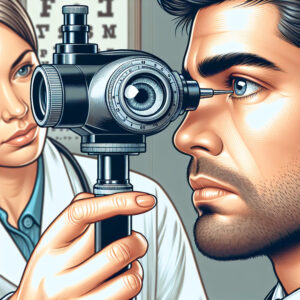
Cataract Surgery Outcomes: Do Cataracts Improve Distance Vision for Patients?
Cataract Surgery Outcomes: Can Cataract Removal Actually Enhance Your Distance Vision?
What’s the Deal: Can Cataract Surgery Enhance Distance Vision?
When people ask, “Can cataract surgery improve my distance vision?” it really helps to break down what they mean. Vision can change in all sorts of ways after a cataract operation—sometimes subtly, sometimes dramatically—and getting a grip on this transition is key. In this section, we’re diving into the nitty-gritty of these questions, looking at how removing cataracts might boost your ability to see far-off details compared to what you were used to before the surgery.
To really answer the question, we’ll first talk about what cataract surgery outcomes look like overall and what visual improvements you can expect. You see, cataracts often bring episodes of blurry or dim vision, and a lot of folks wonder whether getting rid of them means finally seeing that faraway road sign clearly. That central question—“Can cataract surgery improve distance vision?”—frames our discussion as we decode what makes for a successful surgery and what role corrective measures play.
When we focus on enhancing distance vision, it’s amazing to see how modern surgical techniques have come such a long way. Many people notice a big boost in their quality of life after surgery. While personal stories of transformation add color to our conversation, we also keep an eye on hard clinical evidence to provide both reassurance and a clear understanding of what you might expect.
Cataracts 101: Can They Improve Your Distance Vision?
Let’s start with the basics: cataracts cloud the eye’s natural lens, which sits right behind the iris and pupil. This clouding can really mess with your vision. It might sound odd, but some people think that cataracts could somehow offer a temporary “filter” for distance vision. The truth, though, is a bit more complicated—cataracts actually reduce clarity, contrast, and even color perception.
As cataracts progress, you might notice your vision gradually fading. The cloudiness hinders light from entering your eye clearly, distorting the image you see. While it’s easy to imagine that reducing glare might help you focus better on distant objects, that’s largely a myth. The natural lens becomes less efficient, leaving many to wonder if this decline somehow sets the stage for better distance vision after surgery.
It’s important to debunk these misconceptions so that people can make informed decisions about treatment. There’s a common belief that removing cataracts can magically restore perfect vision. In reality, success varies based on several factors, including how advanced the cataract is, your overall eye health, and the surgical methods used. Knowing these details helps paint a realistic picture of what you might gain from the procedure.
The Surgical Process: How Does Cataract Surgery Boost Distance Vision?
Improved distance vision really starts with understanding the cataract surgery itself. Today’s state-of-the-art technique, known as phacoemulsification, uses ultrasound waves to gently break apart the cloudy lens. Then, a synthetic intraocular lens (IOL) is implanted. It’s a minimally invasive procedure that has truly transformed patient outcomes—many people notice a big jump in how well they can see far.
The technology is only getting better. Many surgeons now use laser-assisted tools to make very precise incisions and remove lens fragments, which can result in crisper visual outcomes. Patients usually enjoy not just clear near vision, but an enhanced focus for distant details, too. The idea is to tailor the treatment to each individual, so the benefits are as unique as the person receiving the care.
Even though you can look forward to overall improvements in both near and distance vision, surgeons always remind us that every case is different. When patients ask whether their distance vision will improve post-surgery, the answer depends on the condition of the eye before surgery and the specific plan laid out by experienced ophthalmologists.
Clinical Evidence: What Do Studies Say About Distance Vision After Cataract Surgery?
There’s a solid pile of research addressing the big question: “Does cataract surgery improve distance vision?” Most studies show that the majority of patients enjoy a noticeable boost in how well they see far. Data often highlights improved visual acuity scores, with many patients reporting fewer issues with glare and halos, especially under bright lights.
Research over the years clearly demonstrates that removing cataracts and replacing them with the right intraocular lens can dramatically sharpen your view. Improvements are typically reflected in standardized eye tests, and data from patients backs up the idea that a well-chosen lens can counteract the light-scattering issues caused by cataracts—supporting the claim that distance vision really does get a lift.
While no surgery is completely without risk, cataract surgery boasts a very high success rate. Studies comparing different surgical techniques and lens types suggest that personalizing the approach based on your unique eye health is crucial. This wealth of evidence not only points to the benefits of surgery but also emphasizes the constant advancements in safety and precision that are making future outcomes even more reliable.
Real-Life Stories: Do People Notice an Improvement in Distance Vision?
There’s nothing quite like hearing firsthand from those who’ve been through it. Countless patients have shared stories of how their day-to-day lives changed after cataract surgery—everything from driving with confidence to spotting street signs at a distance has gotten a whole lot easier.
It’s essential to manage expectations: while many describe profound satisfaction and newfound independence post-surgery, some also note that the recovery takes time and adjustment. These varied outcomes remind us that while most experiences are overwhelmingly positive, there’s always a chance that not every detail falls perfectly into place.
Regular follow-up care and rehabilitation are key in keeping your vision at its best over time. Routine checkups give your doctor a chance to catch any lingering or new issues. These ongoing interactions help reinforce the notion that, under the right circumstances, clear and reliable distance vision can last long after the operation. In a nutshell, when people ask, “Does cataract surgery improve distance vision?” the real-life answer is mostly a reassuring yes—with a few caveats.
Challenges and Limitations: When Might Distance Vision Not Improve as Expected?
Even though the outlook is generally positive, there are challenges and limitations that can crop up with any surgical procedure. Many factors—like additional eye conditions, the type of cataract, or even individual healing variations—can influence how much your distance vision improves. In some cases, especially if you encounter complications, you might not see as dramatic an improvement as expected.
For example, some patients develop posterior capsular opacification (PCO) after surgery, which can sometimes require further treatment to fully restore vision. These generally manageable issues highlight the importance of thorough pre-surgery assessments and setting realistic expectations. So, while the common question “Can cataract surgery improve distance vision?” mostly gets a positive response, it’s important to add a note of caution when other factors are at play.
It also means considering personal risk factors, such as a history of diabetic retinopathy or prior eye surgeries, which can sometimes limit how much improvement you experience. Bottom line: while cataract surgery is incredibly effective for most, a candid conversation with your ophthalmologist is essential to get a clear sense of what’s realistic for your eyes.
Expert Insights: What Do the Professionals Say?
Top ophthalmologists and eye care experts generally agree that modern cataract surgery can lead to a significant boost in distance vision—if you’re a good candidate. Many specialists are big proponents of the idea that swapping a cloudy natural lens for a premium intraocular lens (IOL) is one of the most effective ways to restore clear, long-distance vision. They also stress that careful pre-operative planning and personalized treatments are key.
Experts acknowledge that while the data and clinical trials support the claim that distance vision improves after surgery, every patient’s situation is unique. They’re upfront about discussing rare complications, ensuring that patients know what to expect. Plus, ongoing research suggests that the next wave of intraocular lenses might offer even finer customization and precision, which could push the boundaries of what we consider “good” vision.
Overall, the message is consistent: combining cutting-edge technology with meticulous surgical techniques can lead to substantial improvements in distance vision. With the help of digital imaging and even robotic assistance during surgery, the future of cataract surgery looks brighter than ever. The blend of solid clinical evidence, professional insights, and patient satisfaction makes it clear that well-executed cataract surgery can truly revamp your distance vision.
Wrapping It Up: So, Does Cataract Surgery Improve Distance Vision?
To sum things up, if you ask whether cataract surgery can boost your distance vision, the answer is generally a resounding yes—backed by clinical studies, patient stories, and expert opinions. Modern cataract surgery, combined with advanced intraocular lens technology, often results in noticeably sharper distance vision, aligning with the positive outcomes many people experience.
It turns out that while overall trends are very promising, the success of the procedure really depends on individual factors. We’ve looked at both the technical side and the genuine, personal impacts of cataract surgery to get a full picture. From compelling data to heartfelt testimonials of those whose lives were transformed by clearer sight, the consensus among experts is clear.
In the end, if you’re facing cataract surgery, take comfort in knowing that this procedure has evolved over decades thanks to continuous research and innovation. Even though results may vary a bit from person to person, open and honest communication with your healthcare provider is key. For those wondering, “Does cataract surgery improve distance vision?” the answer is mostly positive, ushering in a refreshed view of life filled with crisp, clear details.