Expert Insights: Do Glasses Help Your Eyes Get Better and Strengthen Your Vision?
Expert Introduction: Do Glasses Help Your Eyes Get Better? Let’s Dive In
Ever found yourself wondering if simply slipping on a pair of glasses could improve your eye health over time? Well, that’s a pretty common question. When we talk about whether glasses help your eyes “get better,” it’s important to first figure out what “get better” really means when it comes to vision. A lot of folks tend to think that glasses might somehow fix or heal underlying conditions—but the truth is a bit more layered than that. In what follows, we’ll break down this topic, look back at how glasses have evolved over the years, and bring together solid scientific research with everyday experience.
Before we dig into the nitty-gritty, let’s clear something up: “getting better” can mean different things. It might refer to sharper clarity and less eye strain, or even to some kind of physical change in the eye. Our mission here is to untangle these ideas by reflecting on the long history of corrective eyewear alongside today’s cutting-edge optical technology. You’re about to gain insights from decades of research and hands-on expert practice, which will paint a full picture of how glasses work with your vision’s mechanics.
Defining the Question: What Do We Mean by “Get Better” in Vision?
To really nail down what “get better” means in the world of vision, we have to ask some thoughtful questions. Does improved vision mean that the structure of your eye changes at a fundamental level, or are glasses just a clever way to fine-tune the way light is bent? These questions are at the heart of understanding how corrective lenses work. Many people mistakenly mix up cosmetic improvements with actual anatomical changes. Simply put, glasses help by altering how light reaches the retina rather than by fixing the eye’s internal structure. We’re here to lay out the difference between genuine vision restoration and the compensatory boost that glasses provide.
It’s essential to remember that while glasses can improve how clearly you see, they don’t actually change the eye’s biology. Their main job is to correct refractive errors—like nearsightedness, farsightedness, and astigmatism. Grasping the difference between optical correction and true biological restoration is key. In this discussion, we take a balanced view—one that celebrates past breakthroughs and acknowledges the current limitations of optical technology.
Historical Perspectives on Glasses and Vision Improvement
The journey of corrective eyewear is a fascinating one, dating back centuries to medieval Europe when even the tiniest improvement in vision was a huge deal. Early lens makers believed their creations could “improve” the eyes, but really, this was more about seeing clearly rather than healing vision. Over time, the design and function of glasses have advanced thanks to continuous innovations aimed at fine-tuning how light is focused, not altering the eye’s inherent structure.
Today, we know that modern glasses offer a mechanical fix—they correct the refractive errors but don’t actually change your eye’s physical makeup. This historical evolution is an important backdrop for our discussion. It reminds us that while glasses are incredibly useful for enhancing what we see, they aren’t some magic cure-all for every vision-related challenge you might face.
Overview of Our Expert Approach
Throughout this article, we blend insights from seasoned clinicians with hard evidence from scientific research. We mix real-life experiences and solid data so that every nugget of advice is grounded in years of professional practice in optometry and vision science. The tone here is friendly and approachable—designed not only for the curious mind but also for anyone looking for a deeper, more medically informed discussion.
We’ve broken down complex ideas into bite-sized sections, so you don’t get overwhelmed. From exploring how vision works mechanically to reviewing clinical studies on glasses usage and even peeking into future trends, we cover it all. Whether you’re just curious about how glasses tweak your view or need to incorporate expert tips into your daily routine, this guide has something for you.
Understanding Vision Mechanics: Do Glasses Help Your Eyes Get Better by Enhancing Optics?
Basic Eye Anatomy and How Vision Works
To really understand if glasses can boost your vision, it helps to know a bit about how the eye works. Think of the eye as a beautifully complex system—with the cornea, lens, retina, and optic nerve all playing their parts in processing light. When the eye’s shape doesn’t quite match its optical needs, refractive errors crop up, leading to that all-too-familiar blurry vision.
Glasses serve as a key tool here by correcting these refractive errors. By properly redirecting light onto the retina, they ensure the signal sent to the brain is as clear as possible. It isn’t about literally repairing or altering your eye, but more about refining the light’s journey. Once you understand this process, it becomes clear that “getting better” often involves achieving tighter focus and clarity—rather than undergoing a miraculous cure.
The Role of Glasses in Correcting Refractive Errors
Glasses are engineered to deal with common refractive issues like myopia (nearsightedness), hyperopia (farsightedness), and astigmatism. These conditions happen because the eye can’t bend light just right, leading to fuzzy images. By using purpose-built lenses, glasses help direct light so that it lands spot-on on the retina, dramatically boosting clarity.
Even though this adjustment can make a huge difference in day-to-day life, it’s important to remember that glasses provide a mechanical fix. They don’t strengthen the eye or create permanent changes; instead, they offer a smart, temporary solution that aligns with the brain’s natural processing. Essentially, glasses are like a helpful tool that makes your visual input match up better with what your brain expects to see.
Differentiating Correction from Restoration of Vision
Here’s something critical: there’s a big difference between correcting vision and truly restoring it. When you wear glasses, what you’re doing is compensating for a refractive mismatch. They boost visual clarity, but they’re not permanently “fixing” your eye. For example, if you’re nearsighted by nature, glasses will help you see clearly, yet they won’t reverse the inherent shape of your eye.
This distinction is key to setting realistic expectations. While glasses can greatly enhance your vision day-to-day, they won’t magically repair or hardwire your eye’s muscles or tissues. Later on, we’ll dive deeper into scientific research that highlights these differences and debunks some myths about what glasses can really do for your eye health.
Scientific Evidence: What Does the Research Say About Glasses and Vision Improvement?
Review of Key Studies and Clinical Trials
Across the board, tons of studies have looked into how glasses affect our vision. Clinical trials have consistently shown that glasses do a stellar job of correcting refractive errors. Participants in these studies often notice immediate improvements in clarity, a reduction in eye strain, and even an overall lift in quality of life. But if you’re wondering whether glasses can actually heal or strengthen your eyes, the evidence is pretty clear—they don’t do that.
A landmark study, for example, revealed that while glasses sharpen visual acuity, they don’t really change the underlying anatomy of your eye. The positive effects are mostly due to the instant correction of optical flaws, reinforcing the idea that glasses are fantastic for visual aids rather than working as permanent fixes.
Expert Analysis of Research Findings
Most experts agree that while glasses do wonders for making your vision clearer, they don’t trigger long-lasting physiological changes. They help your brain see better by ensuring the image on the retina is perfectly focused, but – and it’s a big but – they don’t strengthen eye muscles or repair the eye’s structures. So, when discussing the benefits of glasses, it’s important to manage expectations properly.
Looking at the science, the focus is on improving everyday vision rather than offering a cure for inherent eye problems. By blending these nuanced perspectives, we aim to provide clarity that’s both scientifically sound and practically useful.
Limitations and Gaps in the Current Scientific Data
Even with a wealth of research supporting the fact that glasses improve clarity, there are still some gaps in our scientific understanding. Many studies concentrate on the short-term benefits, leaving the long-term biological impacts a bit murky. For instance, while users often enjoy immediate vision improvements, there isn’t enough evidence to suggest that glasses change how refractive errors progress over time.
So, even though glasses clearly work to enhance your visual performance by focusing light correctly, there’s little solid proof that they can “fix” your eyes on a deeper level. Future research might uncover subtle, long-term benefits or adaptations, but for now, the primary takeaway is that glasses are about delivering clear, focused vision rather than healing the underlying causes of refractive errors.
Debunking Myths: Do Glasses Really Make Your Eyes Better or Just Cover Up the Issue?
Common Misconceptions About Vision Improvement
A common myth floating around is that glasses can actually improve or “heal” your eyes over time. Many people think that if you wear the right pair long enough, your eyes will adjust and eventually become stronger, perhaps even eliminating the need for corrective lenses. This idea largely stems from early theories about visual adaptation, where people reported feeling improvements that were mistaken for permanent changes. In reality, though, glasses are designed to compensate for refractive issues rather than tackling the root cause.
Simply put, glasses give you a clear picture while you wear them, but they don’t rebuild a tired lens or strengthen the retina. Dispelling this myth is important so you can focus on using glasses as a tool for better vision rather than expecting them to perform a full-on eye makeover.
The Impact of Extended Glasses Use on Eye Health
Many a day, people wonder if wearing glasses all the time might make your eyes “lazy” or weaken them over time. Good news: the available evidence doesn’t support that worry. In fact, by providing a steady, clear image, glasses can actually help reduce eye strain and fatigue during long hours of reading, computer work, or other close-up tasks.
That said, over-relying on glasses might lead some to skip out on regular eye check-ups, which isn’t a great idea. Experts suggest that while glasses are a fantastic aid for optimal vision, they really should be a part of an overall approach to eye care that includes regular examinations and a good eye health routine.
Clarifying Facts with Professional Insights
When you listen to eye care professionals, a clear picture emerges: glasses significantly boost visual clarity, but they don’t produce lasting physical changes in your eye structure. Experts consistently stress that while your day-to-day vision improves with corrective lenses, the internal workings of your eyes remain pretty much the same.
What’s the takeaway? Optometrists and ophthalmologists usually recommend a full-spectrum approach to eye health—from using glasses wisely to getting regular eye check-ups and maintaining a healthy lifestyle. Combining expert advice with solid research helps us cut through the myths and focus on proven, practical strategies for keeping your eyes in good shape.
Practical Insights: How Do Glasses Enhance Everyday Life?
Improving Visual Experience and Quality of Life
There’s no denying that wearing glasses can change your day-to-day life in a big way. Whether it’s reading, driving, or just soaking in a beautiful view, clear vision makes everything better. Glasses work by compensating for refractive issues, which means they give you a sharper, more detailed picture while reducing eye strain and fatigue. And that boost in clarity often translates into improved productivity and an overall better quality of life.
Plus, there’s a psychological benefit to feeling confident about your vision. Knowing you can see clearly can lift your spirits and even inspire a more optimistic outlook on daily challenges. Paired with regular eye exams and smart eye care practices, wearing glasses becomes an important part of maintaining not just your sight, but your overall well-being.
Expert Tips on Integrating Eye Health Practices with Glasses Use
To make the most of your glasses, consider pairing them with a few simple eye care routines. Experts often recommend taking regular breaks during close-up work, doing some light eye exercises, and ensuring your workspace is well-lit. These small steps can significantly reduce any strain from prolonged glasses wear. And don’t forget the benefits of getting outdoors—a bit of natural light and fresh air can do wonders for your eyes.
Also, paying attention to your diet—think omega-3s, lutein, and zeaxanthin—can lend extra support to your eye health. While glasses are a key part of correcting your vision, these additional habits help keep your eyes in tip-top shape over the long haul.
When to Consider Additional Interventions Beyond Glasses
Sometimes, glasses might not be the whole answer, especially if your vision gradually changes or if you have conditions that can’t be managed with corrective wear alone. In these cases, you might explore options like contact lenses or even refractive surgery. Regular check-ins with your eye care professional are crucial in identifying when your vision needs a fresh approach. After all, glasses often act as a fantastic stop-gap measure, but there might come a time when you need to consider alternative or additional treatments.
This practical outlook shows that while glasses do a lot to improve your everyday visual experience, they are just one part of a broader eye care strategy. By understanding their limitations, you’re better equipped to decide when it might be time for that next step in your vision journey.
Future Trends in Vision Correction: What’s on the Horizon?
Innovations in Optical Technology and Smart Glasses
The world of vision correction is always on the move, with new technology pushing the boundaries of what glasses can do. We’re talking about smart glasses, adaptive prescription lenses, and even augmented reality tools that blend digital data with your everyday view. The next break-throughs might not just correct refractive errors—they could also monitor your eye health with built-in sensors. It’s an exciting time because these advances hint at a future where glasses not only sharpen your vision but also contribute to overall eye well-being in a supportive way.
While we’re still in the early days of these innovations, early research suggests that integrating adaptive tech with corrective eyewear might help users detect issues sooner, potentially leading to earlier treatments. Still, the primary job of glasses—to fine-tune optical input—remains unchanged. These emerging trends underscore a dynamic fusion between modern technology and eye care, hinting at even better solutions down the road.

Do Glasses Help Your Eyes in the Digital Age? Insights and Tips for Eye Health
Introduction: Can Glasses Truly Help Your Eyes in Our Digital World?
Nowadays, technology’s racing ahead, and with screens popping up everywhere—from laptops and smartphones to tablets—we can’t help but wonder: can glasses really help your eyes? It’s not as clear-cut as a simple “yes” or “no.” As our lives become more intertwined with digital devices, concerns about eye health naturally skyrocket. This opening section invites you to dive a bit deeper into how glasses might just be the sidekick your eyes need in today’s tech-savvy world.
With screens lighting up nearly every moment of our day, it’s becoming crucial to figure out how they affect our vision. Whether you’re hustling at work, unwinding with your favorite show, or even enjoying a casual scroll through social media, digital exposure is now part of our everyday fabric. We’re going to look at the surge in screen time as well as the toll it can take on your eyes, backed by expert advice, science, and some practical tips to help you decide if a pair of glasses might just be your new best friend.
It’s no secret that many of us face that annoying dryness, irritation, even blurry vision and constant eye strain after long screen sessions. These common issues have sparked a lot of interest in eyewear designed to ease the discomfort. And guess what? Lens technology is evolving right along with our digital lives. Whether you’re already sporting a stylish pair or just curious about trying them out, stick around as we explore how glasses could be a game changer for managing digital eye strain.
The Impact of Digital Screens on Eye Health
Over the last ten years, our love affair with digital devices has brought its fair share of eye health challenges. Staring at screens for too long doesn’t just make your eyes feel tired—it can actually lead to eye strain and fatigue, something many of us have come to know all too well. Your eyes are in constant overdrive, adjusting and refocusing repeatedly, which can leave them feeling completely drained. In this section, we’re breaking down how our digital habits can really take a toll on our vision.
And it’s not just about feeling tired; prolonged screen time can lead to more noticeable problems like blurred vision and headaches. All that intense screen focus means we blink less, which can cause dryness and irritation. Experts also point out that the stress isn’t only skin-deep; it affects the delicate muscles around your eyes too. That’s why taking regular breaks and opting for the right kind of eyewear isn’t just a nice-to-have—it’s becoming essential.
Let’s not forget about blue light. Those modern screens emit a lot of blue light, which can sneak into your eyes and even mess with your sleep cycle. While screen technologies are trying to keep up by softening this effect, the problem is still very much present. Understanding this link between our tech habits and eye health sets the perfect stage for exploring how glasses—whether they’re your everyday pair or specially designed for digital use—might offer some much-needed relief.
How Do Glasses Help Your Eyes? A Closer Look at the Science
So, when we ask “do glasses help your eyes?” there’s a lot more than meets the eye—pun totally intended! At its core, eyeglasses are made to tweak the way light hits your retinas, helping to clear up issues like nearsightedness, farsightedness, and astigmatism. But nowadays, the conversation has broadened. With improvements in lens technology, there’s a growing focus on how glasses can fend off some of the hassles brought on by our digital lifestyles.
It’s also good to know the difference between prescription glasses and their non-prescription cousins. Prescription glasses are tailored specifically for your vision, whereas non-prescription options often come with blue light filters or anti-glare features designed to cut down on screen-related discomfort. In our digital age, these specialized lenses work overtime to reduce glare, block harmful light wavelengths, and ease the burden on your eyes during those marathon screen sessions.
Experts in optometry and science are now backing these innovations, recommending that we include them as part of our daily eye care routine. Modern lenses often feature special coatings that not only sharpen your vision but also defend against the stresses of our digital environments. As research keeps evolving, the take-home message grows clearer: a smart combination of technology and healthy habits is key to keeping our eyes in top form.
Special Lenses for the Digital Age: Can They Really Help Your Eyes?
As we march further into the digital era, eyewear manufacturers are rising to the challenge with lenses crafted specifically for screen use. These aren’t your regular lenses—they come with anti-reflective coatings that cut glare and blue light filters that lessen the strain from staring at screens for hours. So, do glasses help your eyes in this digital age? More and more, the answer seems to lean towards a confident “yes,” especially when your glasses are designed with today’s challenges in mind.
Recent studies have shown that these specialized digital glasses really do have a positive impact, particularly when it comes to easing eye fatigue and preventing blurry vision. Traditional lenses can fall short in handling the unique stresses of digital exposure, but digital-specific eyewear is built to combat reflections and reduce eye strain effectively. It’s no wonder users who spend long hours in front of screens feel the difference.
When you compare the two, it’s clear that modern digital eyewear has come a long way. Regular glasses might help correct your vision, but they often miss the mark on protecting your eyes from the demands of our digital world. Thanks to innovative coatings and treatments, today’s eyewear is not just about clarity—it’s also about keeping your peepers comfortable and protected. This evolution reminds us that with the right glasses, you don’t have to sacrifice eye health for the sake of our digital lifestyle.
Innovations in Eyewear: What’s Next for Vision Care?
Eyewear isn’t just about correcting what’s in focus anymore; it’s evolving into something truly exciting. Think smart glasses that do more than just help you see better—they monitor your eye health, adjust to changing light, and even remind you when to take a break. This innovative leap is reshaping our ideas of what eyewear can do.
Imagine a pair of glasses that automatically adapts to your environment, tracks your eye movements, and even buzzes to nudge you to look away from the screen every now and then. These smart glasses are already entering the market, blending cutting-edge technology with everyday use. They marry style with function in a way that could really revolutionize how we care for our eyes.
Looking ahead, future lens technology is set to get even more impressive. Researchers are working on advanced coatings that block more of those potentially harmful light frequencies while still keeping your view crystal clear. With each new innovation, the line between traditional corrective eyewear and smart digital devices blurs a little more. Early evidence suggests that these advancements could dramatically ease digital eye strain and boost overall comfort, promising a bright future for vision care.
Lifestyle Tweaks and Ergonomic Tips for Better Eye Health
While high-tech glasses and fancy lenses are making strides in combating digital eye strain, there’s another side to the story—lifestyle. Simple, everyday adjustments can make a world of difference in easing the burden on your eyes. One of the best tips? The 20-20-20 rule: every 20 minutes, break for at least 20 seconds and gaze at something 20 feet away. It’s a simple trick that helps your eyes relax and reset.
Tweaking your screen settings is another easy win. Try lowering the screen brightness to match your room’s light, bumping up the text size for easier reading, and positioning your monitor at eye level. Even little physical adjustments like maintaining good posture or using an ergonomic chair can have a big impact on your overall comfort.
And let’s not overlook the basics—staying hydrated and doing a few eye exercises can also help ease digital strain. These small, mindful habits go hand in hand with any protective eyewear you might be using. After all, even the smartest pair of glasses can only do so much if you aren’t taking care of your overall well-being. Combining these lifestyle adjustments with proper eyewear creates a robust strategy for lasting eye health.
Expert Insights: Do Glasses Really Help Your Eyes Today?
When you ask, “do glasses help your eyes?” the answers are as varied as the people giving them. Top ophthalmologists and optometrists agree that while glasses aren’t a miracle cure for every digital eye problem, they’re definitely a crucial part of the solution. From digital-specific lenses to traditional corrective options, experts note that the right pair of glasses can make a noticeable difference in comfort and long-term vision health.
Many specialists point out that modern eyewear specifically tackles issues like glare, reflections, and harmful blue light that older models often overlooked. Combined with good digital habits, these advanced lenses can really boost your eye health. Their advice, backed by years of clinical practice and solid research, reassures us that protecting our eyes in a digital word is achievable.
As technology evolves and research progresses, the consensus is clear: while glasses alone won’t fix every vision problem, they’re a vital piece of the puzzle. With the right blend of eyewear, proper screen habits, and regular breaks, managing digital eye strain is well within reach. This balanced view highlights that safeguarding your vision is a team effort between smart technology and daily practices.
Conclusion: Combining Modern Eyewear with Healthy Habits for Optimal Eye Care
In wrapping up our chat on whether glasses help your eyes in this digital age, one thing’s for sure: a well-rounded approach is key. High-tech lenses, particularly those with anti-reflective and blue light-blocking features, can make a major difference in easing digital eye strain. But at the end of the day, glasses aren’t a stand-alone fix. Pair them with smart lifestyle choices—like ergonomic setups and regular screen breaks—to truly safeguard your vision.
Throughout our discussion, we’ve seen that modern glasses offer solid benefits. They’re designed to tackle the specific challenges of prolonged digital exposure while keeping your vision sharp and your eyes comfortable. Still, real lasting eye health comes when you blend innovative eyewear with everyday healthy habits.
So next time you catch yourself wondering, “do glasses help my eyes?” remember that they’re just one part of a comprehensive, proactive approach to digital eye care. Embrace both the advanced tools and the smart, simple habits, and you’ll be all set to navigate our tech-driven world with clarity and confidence.

Do Glasses Help You Focus? Uncovering the Benefits of Prescription Eyewear
Do Glasses Really Help You Focus? Let’s Break Down the Basics
What Does It Mean to Focus Visually?
Focusing visually isn’t just about seeing things clearly—it’s about your eyes keeping a sharp and steady image, no matter if you’re on the move or switching your gaze from something up close to something far off. When we wonder, “do glasses help you focus?” we’re really asking how prescription eyewear can boost that natural ability. Think about it: whether you’re diving into a good book, navigating busy roads, or tapping away at your computer, being able to keep things in clear view is crucial. Your eyes and brain team up in a pretty impressive way, adjusting the lens shape on the fly to handle different distances. But sometimes, thanks to aging or plain ol’ vision issues, this process can lose a bit of its oomph.
Even though our eyes usually adjust on their own, things like long hours in front of a screen or less-than-ideal lighting can mess with that natural focus. Prescription glasses, which are tailor-made to fix refractive errors, really come to the rescue here. They not only sharpen up your view but also make everything more comfortable to look at. When you mull over the benefits—from clearer vision to better overall productivity—it becomes clear why asking “do glasses help you focus?” is such a hot topic.
How Prescription Eyewear Enhances Clarity
Prescription glasses are like a secret weapon for boosting your visual experience. They work by ensuring light hits your retina exactly right, cutting through any distortion along the way. Whether you’re dealing with nearsightedness, farsightedness, or even astigmatism, modern lenses use some pretty advanced tech to dial down the blur and bring out the details. For a lot of people, simply putting on a pair of glasses makes daily activities a whole lot easier. And it’s not just about convenience—seeing clearly can really up your confidence in those moments when precision matters.
It’s neat to see how a good pair of glasses can change the way you interact with the world. When your eyes aren’t constantly fighting off strain from reading or screen time, everything feels smoother and more natural. The harmony between well-designed lenses and your eyes’ own abilities means that glasses don’t force your eyes to work overtime—they give them a helping hand. That’s why so many of us ask, “do glasses help you focus?” The answer is a big, resounding yes, and it’s all about comfort and support in everyday life.
Debunking Common Myths About Visual Focus
Over time, a few myths have cropped up around glasses and how they affect visual focus. Some folks worry that relying on glasses might make your eyes lazy. But the truth is, corrective lenses actually ease the burden on your eyes, letting them perform at their best without constantly compensating for any flaws. Far from weakening your natural vision, glasses help preserve and even enhance it. The idea that glasses might be a crutch is really just a misunderstanding that overshadows all the actual benefits.
The debate around “do glasses help you focus?” naturally stirs up a mix of curiosity and skepticism. But once you look at today’s advanced lens technology, it’s clear that these myths just don’t hold water. Eye care professionals agree that glasses complement the natural focusing process, making it easier for your eyes to do their thing without extra strain. By putting these misconceptions to rest, we can better appreciate how modern corrective lenses offer both comfort and improved visual clarity.
How Do Glasses Help You Focus? The Science Behind Vision Correction
The Optical Mechanics of Lenses and Focus
Ever wonder what magic happens inside your glasses? It all comes down to a mix of physics, biology, and high-tech design. The lenses are engineered to bend light just so, ensuring that it lands perfectly on your retina. This fine-tuned process corrects the missteps caused by refractive errors like nearsightedness or farsightedness, making sure every detail pops out crisply for your brain to process. So, when someone asks, “do glasses help you focus?” understanding this optical wizardry shows that they’re more than just a fashion statement—they’re practical tools for better vision.
Each lens goes through exacting standards during production, with careful attention paid to its curvature, thickness, and shape. This meticulous crafting makes sure light is directed exactly where it needs to go. Rather than overworking your eyes, the glasses do the heavy lifting, providing a precise convergence of light. It’s a perfect blend of cutting-edge science and personalized care that helps you focus comfortably, whether you’re working at a desk or glued to a screen.
The Role of Refraction in Enhancing Vision
Refraction might sound like a fancy word, but it’s just a way of describing how light bends as it passes through different materials. In glasses, this bending is controlled to correct the way light naturally misbehaves in your eye. If light doesn’t focus well on the retina, things just end up looking blurry or off. By tweaking the refraction angle with carefully crafted lenses, glasses do a great job of keeping your focus sharp. This is a game changer for anyone who struggles with detailed visual tasks, so the question “do glasses help you focus?” gets answered in a big way by science.
Basically, as light passes through a lens, it bends based on the lens’s shape and material. Combined with custom measurements of your eye’s fit, this process hones your vision to perfection. Glasses guide the light exactly where it’s needed, easing the strain on your eyes and letting them work in harmony. It’s a clear-cut example of how modern optical principles transform a simple pair of glasses into a powerful tool for reducing eye strain and boosting your everyday visual experience.
Understanding the Process of Focal Adjustment
Focal adjustment is just the fancy term for how your eyes constantly tweak their focus to see things clearly. Over time, be it due to aging or certain conditions, this natural ability can lose some of its snap. That’s where prescription glasses step in—they’re designed to fill in those gaps. By counteracting the natural decline in your eyes’ focusing power, glasses help you keep things sharp at nearly all distances, whether it’s a close-up computer screen or a far-off countryside view. When you wonder “do glasses help you focus?” the science of focal adjustment is key to understanding their importance.
Thanks to modern technology, we can now enjoy lenses that not only correct your vision but can also handle multiple focal lengths, like progressive lenses. This multifaceted approach means you can transition effortlessly from reading a small print to taking in a beautiful landscape. Everyday tasks become easier, safer, and more comfortable. In short, these advances are proof that your glasses are hard at work, always ready to help you focus regardless of what your eyes need to see.
Do Glasses Help You Focus in Daily Life? Real-World Benefits
Reducing Digital Eye Strain with Prescription Glasses
With screens everywhere these days, digital eye strain is a real downer. Long stretches in front of a computer, tablet, or smartphone can bring on headaches, blurred vision, and plain discomfort. But here’s where prescription glasses, especially ones tuned for digital use, shine. They often filter out harsh blue light and boost contrast, reducing the constant strain on your eyes. When tech and science team up, the answer to “do glasses help you focus?” in our digital world is a clear-cut yes. They are critical in stopping those annoying symptoms of screen time and keeping your vision healthy.
And it’s not just about avoiding strain—lots of folks find that their performance on digital tasks improves significantly with the right pair of glasses. Thanks to features like anti-reflective coatings and special tints, these lenses make it easier to focus on screens for longer periods. Tasks that once felt like a chore suddenly become more manageable and even enjoyable. This practical benefit is a big win for anyone in the office or classroom. The combination of smart lens technology and user-friendly design really underscores how glasses can save your day, making it easier to stay productive and comfortable.
Practical Examples of Improved Visual Performance
Imagine a professional who spends hours juggling multiple screens. Without proper glasses, breaks become necessary to fend off eye fatigue. But with the right pair on, everything flows—longer work sessions, less discomfort, and fewer mistakes. The same goes for students struggling to catch notes on the board or decipher textbook print. For many, prescription glasses aren’t just a comfort; they’re a boost to overall performance. These real-life examples show that better visual performance and focus are closely linked, making corrective lenses a practical everyday asset.
Every day brings situations where clear vision is key—from reading small text on a bus to enjoying nature’s subtle details during a leisurely stroll. The positive difference made by well-tailored glasses goes far beyond just seeing clearly; it improves your overall quality of life. People often talk about how wearing the right glasses makes activities feel more accessible and enjoyable. In the end, the resounding message is simple: asking “do glasses help you focus?” is met with plenty of real-world wins.
Success Stories from Eyewear Users
Take a look at the many success stories floating around online—real people sharing how their lives changed once they started wearing the right glasses. One user even mentioned that a switch to proper eyewear not only sharpened her vision but also boosted her confidence during meetings and presentations. These personal accounts make a strong case: when your glasses fit well and are properly prescribed, they’re nothing short of transformative. These everyday victories help counter any lingering doubts about the impact of prescription glasses on focus.
Eye care experts love citing these success stories as proof of how far lens technology has evolved. Whether you’re in a classroom or a boardroom, clearer vision leads to improved performance and a more active lifestyle. Every success story adds to the compelling evidence that good eyewear isn’t just about correcting vision—it’s about empowering you to take on the day with greater confidence and clarity.
Do Glasses Help You Focus? Increasing Productivity and Comfort
Minimizing Eye Fatigue During Long Working Hours
Those marathon work sessions can really take a toll, and tired eyes only add to the fatigue. Prescription glasses are crafted to ease the effort your eyes need to make in staying focused, giving you much-needed relief during long hours at your desk. For those of us glued to screens all day, less eye fatigue means more productivity and a bit of extra pep in your step. With glasses keeping your focus stable, your eyes don’t have to wrestle with every switch in your workload. It’s a win-win: smoother transitions between tasks and a boost in overall work performance.
Incorporating a well-chosen pair of glasses into your daily routine can be downright transformative. These lenses work in harmony with your eyes, keeping visual strain at bay and turning what could be an exhausting day into a more comfortable one. When every moment of clear vision is essential, having the right eyewear helps you stay sharp, attentive, and creative—even when the clock ticks past mid-afternoon. So, when you consider whether “do glasses help you focus?” the everyday benefits speak volumes.
Enhancing Focus for Students and Professionals
Whether you’re in a crowded lecture hall or a busy office, being able to maintain a sharp focus can make all the difference. Students get a real boost from clear vision, making it easier to absorb what’s being taught and finish assignments without squinting at the board. For professionals, clear sight means better communication, fewer mistakes, and more decisive actions. In both cases, quality eyewear minimizes distractions and lets you concentrate on what really matters.
It’s not just about comfort—improved focus paves the way for more efficient performance. When daily routines rely on clear vision, the right pair of glasses helps you cut through the clutter and maintain your edge, whether you’re tackling a complex project or simply reading a few lines of text. Both students and professionals have shared how fewer visual interruptions lead to higher levels of concentration and success, clearly answering the question of “do glasses help you focus?” in the most practical terms.
Debunking Myths: Do Glasses Help You Focus or Hinder Your Performance?
Common Misconceptions About Prescription Eyewear
There’s a lot of chatter out there suggesting that wearing glasses might weaken your eyes over time, fostering a sort of dependency. In reality, the opposite is true. Prescription glasses take the pressure off your eyes by correcting the imperfect points where they usually struggle. Instead of forcing your eyes to work harder, they let them operate at their peak. So, the common notion that glasses hinder your natural vision just doesn’t stack up against the science.
By tackling these myths head-on, we can see that modern lens technology is a key ally in maintaining and even enhancing your focus. With every carefully designed pair, experts are reaffirming that glasses support your eyes, enabling them to effortlessly adjust to various demands without extra strain. The bottom line? When it comes to whether glasses help you focus, the evidence—and countless personal success stories—says yes, they truly do.

Understanding Vision: Do Glasses Help With Depth Perception and Enhance Your Spatial Awareness
Introduction: Can Glasses Boost Depth Perception and Sharpen Your Spatial Awareness?
You know, our eyes do so much more than just help us see—they’re our window to understanding how far away things are and where they fit in our world. In this post, we’re getting into the nitty-gritty of whether glasses can actually give a boost to our depth perception. We’re talking about how these trusty corrective lenses not only fine-tune our vision by fixing refractive errors, but might also help our brain pick up on those crucial depth cues a bit more accurately. Whether you rock glasses every day or are just a curious soul diving into visual science, stick around for some expert insights and real-world takeaways.
Today, we’re connecting the dots between crystal-clear vision and a sharper sense of space by exploring the practical ways glasses might impact our daily activities. With anecdotes from optometrists, researchers, and everyday folks, our goal is to bust some myths and offer a balanced look at how corrective lenses might enhance our spatial awareness. We’ll be chatting about how the brain processes visual signals, the cool technology behind optical lenses, and some of the latest trends in vision correction. So, let’s jump in and explore the fascinating crossroads where science meets everyday life.
The Science of Seeing: Do Glasses Give a Hand with Depth Perception?
To figure out if glasses can really help with depth perception, we first need to break down how our eyes process depth cues. It isn’t just about the raw light hitting your retina—it’s a complex dance between both eyes working together, known as binocular vision. Essentially, each eye captures a slightly different snapshot of the world, and your brain works its magic by blending these images into a rich, 3D picture. This teamwork allows us to gauge distances accurately and navigate our surroundings smoothly. Even tiny changes in how light bends through our lenses can tip the scale in how well we judge depth.
When it comes to corrective lenses, the whole idea is to give you a cleaner, sharper image. But does that automatically mean better depth perception? Well, it’s a bit of a mixed bag. Sure, sharper images mean your brain has better details to rely on, potentially honing those depth cues. However, glasses aren’t exactly whipping up new visual information—they’re just helping your brain interpret what’s already there a bit more reliably. Ongoing research in optical science continues to unravel how these lenses can fine-tune our depth cues, keeping the conversation lively and ever-evolving.
How Glasses Work: Unpacking Their Effect on Depth Perception
Let’s talk about the nuts and bolts of glasses. They work by bending light to make sure it hits the retina just right. This tweak is essential for anyone dealing with refractive errors like nearsightedness, farsightedness, or astigmatism. When your eyes can focus properly, the images become crisper, which gives your brain better depth cues to work with. So, while glasses might not change the underlying way your brain processes visual signals, the added clarity can certainly help you get a better sense of distance.
Technology in lens design has come a long way. Modern corrective lenses aren’t just about making things look big and clear—they’re crafted to minimize distortions that can mess with depth perception. By guiding light more precisely, these advanced lenses help ensure that both eyes see nearly identical images, vital for solid binocular vision and accurate spatial awareness. Recent findings suggest that when your glasses are precisely tuned to your needs, you might notice a direct boost in your ability to navigate daily tasks.
Clearing Up Misconceptions: Do Glasses Really Enhance Depth Perception?
There’s no shortage of myths out there about glasses and depth perception. One big misconception is that glasses magically improve your brain’s intrinsic depth-sensing ability. In truth, while they certainly deliver a clearer picture, they don’t rewire your brain’s processing circuits. Any uptick in spatial awareness is more of a side benefit—thanks to less visual strain and sharper images—than a direct change in neural function. It’s crucial to separate the role of glasses in clarifying your vision from how your brain interprets that clear data.
Another head-turning myth is the idea that wearing glasses over time might “train” your brain to see in 3D better. Science doesn’t really back that up. Improved vision makes everything feel more comfortable and efficient, but it doesn’t fundamentally alter how your brain handles depth cues. Glasses are essentially a tool to ensure you’re getting the best quality visual information, which in turn supports your brain in rendering a reliable spatial picture. The consensus is clear: proper vision correction is key, even if it’s not a magic bullet for depth perception.
Picking the Perfect Pair: How to Choose Glasses to Support Depth Perception
Finding the right glasses isn’t just about correcting your vision—it involves looking at several factors that may even impact depth perception. For most, the primary concern is getting the right correction for refractive errors, but the design of the lenses and how they’re adjusted can also play a role in overall spatial awareness. Teaming up with an eye care professional who truly understands the ins and outs of corrective lens technology is essential to get a prescription that’s just right for you.
Think about it: things like the shape of your lenses, special coatings, and even frame design can all contribute to a stellar optical experience. So, when answering the question of whether glasses help with depth perception, the story is more positive if your glasses are finely tuned to your visual needs. Regular eye exams aren’t just about updating your look—they can lead to incremental improvements in both clarity and depth cue management. Trusting your optometrist’s advice is always a win when it comes to maintaining top-notch vision.
Everyday Benefits: How Clear Vision Translates Into Better Depth Perception
Let’s face it—better depth perception can make a world of difference in our day-to-day lives. Whether you’re behind the wheel, on the field, or just navigating your living room, clear and precise vision is crucial. Many folks report that once they have the right prescription, not only does everything look sharper, but there’s also a noticeable improvement in spatial awareness. This enhanced perception can mean fewer fender benders, a greater sense of safety, and more confidence in bustling environments.
We often hear from patients who are pleasantly surprised by how much better they feel once their vision is properly corrected. Follow-up consultations with optometrists reveal that, although glasses don’t fundamentally change your brain’s processing, the benefits of clearer images can make everyday tasks feel much easier. It’s a classic case of improved clarity leading to a better quality of life.
The Magic of Binocular Vision
Ever wonder why having two eyes is such a big deal? Our ability to gauge depth hinges on the teamwork between our eyes—this is what we call binocular vision. Each eye views the world from a slightly different angle, giving your brain the info it needs to piece together a full 3D picture. When your vision is corrected with glasses, this visual symmetry is maintained, which is especially helpful if refractive errors were throwing off your natural balance.
It’s pretty fascinating to think that even tiny discrepancies between what each eye sees can throw off your depth cue game. Well-fitted glasses help iron out these differences, ensuring both eyes are on the same page and feeding your brain complementary information. While glasses aren’t creating a 3D effect out of thin air, they’re playing a critical supporting role by keeping the natural process of depth perception humming along smoothly.
Lens Technology: How Light Refraction Impacts Our View of the World
At the heart of every pair of glasses is the clever art of light refraction. Today’s lenses are designed with such precision that they steer light exactly where it needs to go—right onto the retina. This not only clears up your vision but also ensures that the depth cues your brain relies on come through without distortion. By minimizing optical aberrations, these lenses help create a more accurate snapshot of your surroundings.
Thanks to innovations in lens tech, modern eyewear now comes with better materials and special coatings that cut down on glare, block harmful UV rays, and maintain robust optical performance. This balanced distribution of light means your eyes are working with top-tier visual data, which is essential for your brain to accurately process depth cues—even if the glasses themselves aren’t actively “enhancing” depth perception.
How Correcting Refractive Errors Can Aid Depth Perception
One of the main reasons people seek out glasses is to fix refractive errors like nearsightedness, farsightedness, or astigmatism. These issues can blur images and mess with your ability to judge distances correctly. By dialing in the perfect prescription, glasses sharpen the view for both eyes, making sure that the natural cues our brain relies on—like the relative size and position of objects—are more accurately interpreted.
Many patients notice a real difference in their spatial awareness once they start wearing the right glasses. With a properly adjusted prescription, the images delivered to each eye become more harmonized, which is a recipe for better depth perception. Keeping up with regular eye exams and tweaking your prescription as needed is key to reaping the full benefits—both in clarity and in maintaining accurate depth cues.
Debunking Common Myths about Glasses and Spatial Awareness
In the world of vision correction, a few tall tales have taken root—one being that glasses can directly boost spatial awareness. The truth? Glasses are designed primarily to fix vision issues, not to overhaul your brain’s method of processing spatial information. Although they offer the bonus of clearer images, any improvements in depth perception come as an indirect perk rather than a direct effect.
Another myth floating around is the idea that long-term use of glasses might make your eyes overly dependent on them for depth cues. Research shows that while your visual system adapts to the enhanced clarity, it doesn’t “forget” how to process depth information on its own. In short, the benefits you experience with glasses stem from the superior quality of visual input, not because your brain is being reprogrammed by them. It’s critical to set realistic expectations and understand that clear vision lays the groundwork for reliable depth perception.
What Recent Research Tells Us
When it comes to the hot topic of whether glasses help with depth perception, recent studies have a lot to say. The bottom line from scientific research is that while corrective lenses sharpen visual clarity, they don’t fundamentally alter the brain’s mechanism for processing depth cues. What they do offer, however, is a visual environment with less clutter and confusion, indirectly assisting your sense of spatial awareness.
These studies highlight that an accurate prescription can create noticeable improvements in everyday tasks that rely on precise depth judgments. So even if glasses aren’t miracle workers in terms of enhancing depth perception outright, the benefits of optimized visual input are undeniable, paving the way for a safer and more confident day-to-day experience.
Vision Correction vs. Enhanced Perception: Knowing the Difference
It’s important to understand that there’s a clear distinction between what glasses do and the idea of them supercharging your depth perception. Their main job is to correct refractive errors, making the images that hit your eyes as clear as possible. Your brain then steps in and uses its built-in processes to interpret these visuals. So, while better images can give the impression of enhanced spatial awareness, it’s really more about improved quality rather than a complete overhaul of how your brain reads depth cues.
Getting this difference straight is key. A properly tuned prescription minimizes visual distortions, ensuring that your natural depth-sensing abilities aren’t thrown off by blurry or uneven images. In essence, glasses don’t create new visual skills—they support the ones you already have by feeding your brain undistorted, high-quality visual data.
Key Considerations for Optimal Depth Perception
When shopping for new glasses, several factors can make a difference in how effectively they support your depth perception. The precision of your prescription is a major player here—sometimes even a tiny adjustment can noticeably sharpen the detail and cues needed for accurate depth interpretation. Lens materials and coatings, like anti-reflective options, can also help by reducing distortions.
And don’t forget about frame design! A well-fitted pair of glasses ensures that your lenses sit perfectly in front of your eyes, maximizing the benefits of your prescription. It’s always wise to consult with an eye care specialist who knows their way around the nuances of lens technology and frame customization. Their expertise can make all the difference between a pair of glasses that’s merely functional and one that truly elevates your everyday visual experience.
How Prescription Tweaks and Frame Fit Matter
Even small tweaks to your prescription or a misaligned frame can disrupt the flow of light into your eyes, potentially dampening the full benefits of your glasses. That’s why it’s essential to fine-tune your prescription to match your individual needs, lifestyle, and daily activities. When everything is perfectly aligned, your glasses work at their peak, ensuring that every bit of visual information is captured as accurately as possible.
Moreover, frames that fit snugly and comfortably help maintain that perfect position, which is crucial for consistent optical performance. A good pair of frames doesn’t just look great—it also plays a big role in ensuring that your depth perception remains sharp throughout your day. Eye care professionals always stress that both the prescription and the frame fit are integral to a truly effective pair of glasses.
Advice Straight from Eye Care Professionals
Experts all agree: regular eye check-ups and prompt prescription updates are your best bet for keeping your vision—and your depth perception—in top shape. Many optometrists suggest that you get your eyes tested at least once a year, especially if you notice any changes in how you judge distances or if you start feeling eye strain. Sometimes, even a minor tweak in your prescription or a slight frame adjustment can significantly improve your visual comfort.
Taking the advice of your eye care professional isn’t just about keeping your look on point—it’s about ensuring that your glasses are working as hard as possible for you. Listening to these experts can help you enjoy not only sharper vision but also the ancillary benefits that come with a clear, well-balanced view of the world.

The Ultimate Guide: Do Glasses Fix Your Vision Permanently?
Introduction: Can Glasses Permanently Fix Your Vision?
Imagine walking into your eye doctor’s office and wondering if a simple pair of glasses can be the miracle cure for your blurry vision. Over the years, countless people have turned to glasses as a fix for less-than-perfect eyesight. But is this fix just a temporary band-aid, or can it really last a lifetime? In this ultimate guide, we’ll walk you through the ins and outs of how glasses work, bust some myths, and lay out the real facts. Our aim is to break down the science, share some practical insights, and shine a light on both the perks and the limits of depending on glasses day after day.
Before we dive deeper, it’s important to realize that the journey to clear vision isn’t as black and white as it might seem. Many of us assume that glasses go straight to the heart of the problem, but the truth is a bit more complicated. For some, glasses can bring instant clarity; for others, they’re a temporary aid while they explore other treatments. You’ll likely have heard clichés—like glasses weakening your eyes over time or even permanently “curing” your vision issues. Our guide is here to sift through these myths using expert opinions and the latest research.
How Do Glasses Work? Let’s Take a Closer Look
To really get how glasses do their magic, you’ve got to understand a bit about the science behind lens optics. Basically, glasses fix your vision by bending the light so it lands perfectly on your retina, the light-sensitive layer at the back of your eye. Depending on your needs, lenses—whether concave or convex—are precisely designed to adjust the focus. This clever trick means that whether you’re dealing with nearsightedness, farsightedness, or astigmatism, the right lens can turn a blurry image into a sharp one.
Think of it like this: when light passes through a disorganized system (your eye, when it’s not working just right), the picture comes out all jumbled. Glasses are engineered to bring order to that chaos, aligning the light correctly on your retina. It’s a delicate dance between art and science—balancing curvature, thickness, and refractive indices. Over the years, decades of research and technological leaps have turned this process into something truly impressive.
The Big Question: Do Glasses Fix Your Vision Permanently?
So, can glasses really fix your vision for good? The short answer is: not quite. Sure, they work wonders in the moment, giving you clear vision, but they don’t change the underlying condition that causes problems like myopia or hyperopia. In other words, glasses are a fantastic tool for achieving clear sight while you wear them, but the root issue may still be lurking beneath the surface, meaning you might need them for the long haul.
When you look at the research and expert opinions, it turns out that glasses are more about managing symptoms than curing the condition. Clinical studies show that while they can align the light and sharpen your view, they don’t trigger any permanent changes in the structure of your eyes. Most experts agree that for a lasting solution, you’d have to consider other options, like surgery—always something to discuss with a trusted eye care professional.
Understanding Common Vision Disorders and How They’re Corrected
Knowing the basics of common vision problems can really help put the role of glasses into perspective. Take myopia and hyperopia, for example: myopia makes faraway objects fuzzy, while hyperopia has trouble with close-up details. Glasses work their magic by shifting the focus so your retina sees a well-defined image, with prescriptions customized just for you.
Then there’s astigmatism, where an irregularly shaped eye surface scatters light instead of focusing it neatly. Special lens designs help even out that unevenness, reducing distortions and making the world look a bit clearer. And let’s not forget that other eye issues—whether from aging or genetics—can also be managed with tailored prescriptions. The bottom line is that while glasses bring a lot to the table, they’re often just one piece of the puzzle that might also include lifestyle tweaks, regular eye exams, or even surgery.
Benefits and Limitations: What Glasses Really Do for You
One of the coolest things about wearing the right pair of glasses is that immediate boost in clarity. Slipping on a new pair with the perfect prescription can feel almost magical—suddenly, everything’s crisp, sharp, and right where it should be. This instant improvement can make you more productive, more confident, and really, it’s just a relief to see clearly again.
That said, the idea that glasses could permanently fix your vision is a bit of a myth. While they do wonders by letting you see clearly when you’re wearing them, they don’t change the eye’s natural anatomy. In essence, glasses are brilliant at correcting your vision in the moment, but unless you explore other treatments—like contact lenses, laser surgery, or orthokeratology—the need for glasses might still be with you for life. It all comes down to weighing your options and chatting with an eye care expert about what might work best for your individual needs.
Emerging Frontiers in Eye Care
The world of eye care is buzzing with innovations. New lens designs and advanced materials are revolutionizing how glasses not only look but also feel. For instance, high-index lenses have come into play—they’re thinner, lighter, and deliver top-notch clarity without the extra bulk. On top of that, features like anti-reflective coatings and lenses that adapt to changing light conditions are making life that much easier.
While glasses continue to be a popular, non-invasive way to correct vision, many are also looking at surgical options like LASIK or PRK for a more permanent solution. These surgeries reshape the cornea to better focus light, offering an alternative to wearing glasses every day. But remember, both glasses and surgery come with their own sets of benefits and limitations, so a thorough consultation with an experienced professional is always a smart move.
Lifestyle and Eye Health: More Than Just Glasses
There’s no denying that glasses play an important role in giving you clear sight, but maintaining good eye health goes beyond just corrective lenses. Simple everyday habits—like taking breaks from screens, ensuring you’re in a well-lit space, and scheduling regular eye check-ups—make a big difference. These routines not only reduce eye strain but also boost the long-term health of your vision.
Ever thought about how much your diet and exercise affect your vision? Nourishing foods rich in vitamin A, lutein, and omega-3 fatty acids (think carrots, leafy greens, and fish) are great for your retinal health. On top of that, regular exercise improves blood flow, including to your eyes, which can help them function better over time. By combining these proactive lifestyle changes, you’re not just caring for your vision today—you’re investing in your long-term eye health.
Conclusion: The Final Word on Glasses and Vision
To wrap things up, it’s clear that glasses play a vital but complicated role in vision correction. Yes, they offer immediate, noticeable clarity and are essential for managing everyday vision challenges. However, they don’t actually fix the root causes of most eye issues permanently. Decades of research and expert insights show that glasses help correct the symptoms, not the underlying problems.
The good news? Eye care technology is continuously advancing, with exciting possibilities on the horizon. Innovations in lens design and surgical techniques are paving the way for more long-lasting fixes. While researchers are exploring everything from bioengineered implants to adaptive optics, the strongest advice is to understand both the strengths and limits of each method. Keeping realistic expectations and regularly consulting with skilled professionals is the best path toward a future of better, lasting vision.

Do glasses fix your eyes? A Detailed Guide to Understanding Eyeglass Benefits
Introduction: So, Do Glasses “Fix” Your Eyes? Let’s Break It Down
You might have heard the question, “do glasses fix your eyes?” thrown around so often that it almost sounds like they’re magical. In reality, these stylish frames aren’t a cure-all solution. They’re designed to correct your vision rather than magically heal the eye itself. In this guide, we’re going to unpack the science behind eyeglasses, explore the everyday benefits they offer, and point out their limitations. Whether you’ve rocked glasses your whole life or you’re just stepping into the world of corrective eyewear, understanding what they’re truly capable of can help you make smarter choices about your eye care.
At the core of this discussion is a big but important distinction: while glasses are fantastic for fixing refractive errors, they don’t actually “heal” the eye on a cellular level. Instead, they work by tweaking the way light enters your eyes so that it’s focused just right on your retina. As we dig into the idea of whether glasses “fix” your eyes, we’ll explore both the brilliant tech behind modern spectacles and the real-world improvement they bring. If you’re curious about all the ins and outs of your vision, you’re in the right place.
This article is all about cutting through the jargon and getting to the heart of the matter using everyday language. We’re not here to claim that glasses are a magic cure; rather, they’re a tool to enhance your day-to-day experience by clearing up your view, reducing eye strain, and even boosting your confidence. With insights from years of expertise in eye care, along with the latest research, we’re set to give you a balanced look at both the perks and the boundaries of relying on glasses. So, let’s jump in and start exploring how these handy devices shape the way we see the world.
How Do Glasses “Fix” Your Eyes? The Science Behind Vision Correction
When you ask whether glasses actually “fix your eyes,” it’s helpful to get a grip on the basics of optics. Essentially, eyeglasses work by bending light through carefully crafted lenses so that it lands precisely on your retina—the light-sensitive part at the back of your eye. This bending of light, technically called refraction, transforms blurry or skewed images into sharp, clear ones. Think of your glasses as a kind of little magic trick that adjusts the light’s path to suit your unique vision needs.
Consider common vision hiccups like myopia (when distant objects come out blurry), hyperopia (when things up close are a bit fuzzy), and astigmatism (when your view is warped). Glasses tackle these issues by using lenses with a specific curvature designed to shift the focal point of incoming light. The result? A much clearer picture, even if the glasses don’t change the eye’s underlying structure. It’s all about smart optics working hand in hand with personalized measurements.
Thanks to tech advances, our modern eyewear is way more than just a simple vision aid. Today’s lenses boast lightweight materials, anti-reflective coatings, and even progressive designs that deliver a tailored visual experience. Many of these lenses are crafted with computer precision, ensuring that they not only reduce eye strain but also integrate effortlessly into your everyday life. So while glasses might not “fix” every eye condition, they sure do work wonders when it comes to enhancing your overall sight.
The Real Benefits: How Glasses Improve Your Daily Life
Glasses do more than just make things look clearer—they can transform your daily routine. Imagine reading that fine print without squinting, enjoying a movie with crisp detail, or having conversations without the constant blur. When we ask, “do glasses fix your eyes?” we’re really recognizing how much they improve our everyday experience by offering neat, focused clarity.
There’s also a big confidence boost that comes with sporting the right pair. Many people feel a surge of self-assurance when their vision is improved, making everyday tasks faster and easier. Plus, modern frames now come in various styles, blending fashion with functionality. While glasses won’t magically repair every underlying issue, they do play a crucial role in enhancing your quality of life by ensuring you see better and feel better.
Moreover, many eyeglasses come with additional benefits like UV protection or coatings that reduce glare from digital screens—essentials in our screen-heavy world. This extra layer of defense not only improves your sight but also helps protect your eyes from harmful elements and fatigue. It’s clear: while glasses might not ‘fix’ your eyes in the medical sense, they overhaul the way you experience the world, making it a brighter, clearer, and more comfortable place.
Understanding the Limits: What Glasses Don’t Really Do
Although glasses can work wonders at correcting your vision, it’s important to set the record straight about their limits. Asking “do glasses fix your eyes?” might get you a yes, but there’s more to the story. Glasses adjust how light enters your eye, but they don’t change the eyes themselves or reverse any underlying health issues. They’re simply a corrective aid to help you see better while you’re wearing them.
For example, people dealing with conditions like glaucoma, cataracts, or retinal disorders will need more than just a pair of specs to manage their eye health. These issues sometimes require medications, laser treatments, or surgeries because they affect the body of the eye in ways glasses alone can’t address. The bottom line is that while glasses are great for routine vision correction, it’s essential to know when to seek additional help from your eye care professional.
And here’s another kicker: the full benefits of glasses depend on having an accurate, up-to-date prescription. If your lenses turn out to be off the mark, you could end up with headaches or continued discomfort. That’s why regular eye exams are so important—they make sure your glasses continue to serve you well and safely. In short, glasses are a critical part of your vision toolkit, but they’re not a catch-all fix for every eye issue.
Clearing Up Misconceptions: What Glasses Can and Can’t Do
There are plenty of misconceptions floating around about whether glasses “fix your eyes.” One of the biggest myths is that wearing glasses over time can weaken your eyes or make you dependent on them. In truth, glasses don’t make your eyesight worse—they correct what’s already there. They provide a consistent aid for your vision, but only while you’re wearing them regularly.
Another common misunderstanding is the idea that glasses can cure eye diseases or completely reverse structural issues. Unfortunately, no amount of high-tech lenses can do that. For conditions like amblyopia or more serious ocular diseases, additional treatments are necessary. By debunking these myths, we hope to give you clear, scientifically backed information so you know that glasses are here to help your vision—not to fix every underlying problem.
Good vision is a two-pronged deal: you need proper correction and ongoing eye care. Misconceptions can be harmful if they keep you from getting regular check-ups. Remember, eye exams are crucial for catching any changes in your vision early and keeping your eyes healthy. Once you understand what glasses can and cannot do, you’ll be better equipped to use them wisely, all while staying open to other necessary treatments.
Expert Insights: What to Expect and When Glasses Make a Difference
Eye care pros like ophthalmologists and optometrists will tell you that glasses are fantastic at giving you instantly sharper vision and helping reduce eye strain. But they also remind us that glasses won’t rewrite the natural course of eye health or disease. Their main job is to correct how images land on your retina, and that immediate improvement can really transform your day.
Recent research suggests that over time, wearing accurately prescribed glasses can even lower eye fatigue and subtly enhance your overall visual performance. The catch? You need to ensure your prescription is spot-on and updated regularly. Experts say that if you’re still battling blurry vision or headaches, it might be time for another visit to your eye doctor. Taking action early keeps your glasses as a powerful ally rather than a temporary band-aid.
In addition to your glasses, professionals often recommend small lifestyle tweaks—like scheduling breaks during long stretches of screen time and ensuring you have the right lighting. These habits not only boost the benefits of your eyewear but also help preserve your eye health in the longer run. What the experts agree on is this: while glasses don’t “fix” your eyes forever, they offer impressive, tangible benefits that enhance everyday comfort and clarity.
Conclusion: Final Thoughts on the Role of Glasses in Eye Health
So, where does that leave us with the question, “do glasses fix your eyes?” In a nutshell, eyeglasses dramatically change how you see the world by correcting refractive errors, yet they don’t repair the eyes themselves. Instead, they provide a personalized correction that boosts your visual clarity, eases eye strain, and makes daily tasks that much easier. Knowing this empowers you to take a proactive stance on your overall eye health.
Throughout our discussion, we’ve delved into how glasses manipulate light, the significant improvements they bring to your day-to-day life, and the ways in which they fall short of being a complete solution for every eye condition. This balanced view underscores the importance of pairing regular eye check-ups with the latest eyewear innovations and a healthy lifestyle for long-term eye wellness.
Whether you’re just starting out with glasses or you’re a seasoned wearer, the key takeaway is clear: while glasses might not “fix” your eyes in the literal sense, they certainly transform how you experience life—making your world a whole lot brighter and clearer. So, keep in touch with your eye care professional, stay updated on your prescription, and embrace your glasses as an essential partner in your journey toward better vision.

Do Glasses Fix Vision? Expert Answers to Your Most Pressing Questions
Introduction: Do Glasses Fix Vision? Let’s Break It Down
Ever found yourself wondering, “do glasses fix vision?” You’re not alone—it’s a question that has crossed many minds over the years. Glasses, those trusty tools that have been around for ages, offer a non-invasive way to sharpen our view of the world. But when we say they “fix” vision, what are we really talking about? In this chat, we’ll dig into how glasses work, bust some common myths, and look at what factors really shape their success. Whether you’ve been rocking glasses forever or are just starting to explore your options, our goal is to arm you with clear, evidence-driven insights.
Grasping the Big Question: What Does “Fixing Vision” Mean?
Before we jump in, it’s important to clear up what we mean by “fixing vision.” For some, it might imply a magic erasure of all imperfections, while for others, it’s about lifting the fog on blurry days by improving the current state of sight. In simple terms, glasses act like a helpful tweak to the eye, guiding light to hit the retina just right. Recognizing this distinction is key; it sets the stage to appreciate both the perks and the limits of these optical aids. With that understanding, the quest for clearer vision feels a lot more balanced.
Myths and Misunderstandings About Glasses
There’s no shortage of tall tales about glasses being a permanent fix-all for vision woes. A popular myth is that just slipping on a pair will forever banish conditions like myopia or stop any further decline in sight. But the truth is, glasses do exactly what they’re designed for—they correct the current refractive error and don’t fundamentally reshape your eyes. In fact, sometimes using glasses with the wrong prescription can make you feel more dependent on them rather than offering a lasting cure. Clearing up these myths is crucial, so we can all understand the real science behind vision correction.
The Science Behind It: How Do Glasses Fix Vision?
Let’s dive into the fascinating world of optics, where lenses, light, and the retina team up to give you a clear picture of life. At its core, wearing glasses adjusts how light bends in your eye, refining the focus that lands on your retina. For many, this means seeing a much sharper, more defined world. But don’t be fooled—this delicate dance between light and lens involves some pretty intricate science. When we break down how lenses tweak light’s path, it becomes clear why glasses are so effective for issues like nearsightedness, farsightedness, and astigmatism.
Lenses and the Art of Light Refraction
Imagine your eye as a camera: in a perfect setup, the cornea and lens work together to focus light onto the retina. When that balance is off, things get blurry. This is where glasses step in—they gently adjust the light’s course so that it hits the retina just right, much like fine-tuning a camera lens for the perfect shot. This precise redirection of light is what makes glasses such a vital tool for correcting visual distortions.
A World of Options: Different Vision Correction Technologies
Sure, traditional glasses are a go-to solution, but guess what? There’s a whole array of vision correction tools out there. From multi-focal progressive lenses to sleek high-index options for stronger prescriptions, today’s tech caters to a range of needs. And if glasses aren’t your style, there are contact lenses and even laser surgeries on the table. Each method comes with its own ups and downs, so chatting with a trusted eye care pro can help you figure out what fits best with your lifestyle.
Is There a Permanent Fix? Evaluating Glasses’ Effectiveness
A question that pops up again and again is whether glasses offer a forever solution or just a temporary bandage for vision problems. While glasses can dramatically clear up your view, they work by tweaking the light pathway rather than eliminating the root causes in your eye’s structure. Many wearers enjoy steady vision with regular, proper use, but some conditions do tend to evolve over time. Here, we’ll look at how sustained glasses use compares to other interventions and what factors might impact their long-term effectiveness.
Temporary Relief Versus Long-Term Solutions
It’s key to note the difference between getting immediate relief and achieving a long-term fix. For many people battling progressive refractive errors, glasses are a reliable, non-invasive way to match the current state of their vision—but they don’t change the physical blueprint of the eye. In contrast, surgical options like LASIK offer a more permanent tweak but come with their own set of risks. In the end, glasses provide continuous correction as long as your prescription is current, yet they aren’t typically seen as a one-and-done solution.
Factors That Can Tip the Scale
Several elements play a role in just how well your glasses work. The precision of your prescription, the quality of the lenses, your daily habits, and the specifics of your eye condition can all make a difference. For instance, an outdated prescription might leave you less than satisfied, whereas top-notch lenses paired with regular check-ups can dramatically up your visual game. Even environmental factors like screen time, UV exposure, or other health conditions enter the mix. It’s really the sum of these parts that determines whether your glasses deliver the clarity and comfort you’re after.
Expert Opinions: Do Glasses Fix Vision for Everyone?
To truly answer the burning question of “do glasses fix vision?”, it helps to hear what the experts have to say. Both ophthalmologists and optometrists agree that glasses are a superb tool for correcting refractive errors, though the results can vary from person to person. These professionals stress the importance of regular eye exams and personalized prescriptions to get the most out of your eyewear. Essentially, while glasses are a critical piece of the eye health puzzle, they’re not a magic bullet that works the same for everyone.
What the Pros Have to Say
Leading eye care specialists often highlight that glasses are key in managing vision issues brought on by refractive errors. Many report that, with the right prescription and regular updates, patients see long-lasting improvements. But they also caution that the term “fix” might be a bit misleading—glasses adjust the optics rather than altering the eye’s underlying structure. This subtle but important point helps set realistic expectations so you can get the most out of your eye care routine.
How Age and Other Conditions Play a Role
It’s also worth noting that factors like age and existing eye conditions can really affect how well glasses do their job. Younger folks with mild vision issues might see quick, dramatic improvements, while older adults juggling cataracts or macular degeneration might find that glasses are just one part of a broader strategy. On top of age, genetic factors and your lifestyle can sway the effectiveness of your corrective lenses. This all underscores the importance of tailored treatments and regular check-ups with your eye care provider.
Lifestyle and Visual Health: Boosting the Benefits of Your Glasses
Glasses are a powerful piece of the puzzle when it comes to good vision, but they work best when paired with a healthy lifestyle. Think of your eyewear as part of a wider strategy to protect and improve your eye health. Eating nutrient-dense foods, keeping active, and protecting your eyes from harmful UV rays all stack the deck in your favor. Many experts believe that these healthy habits not only support better vision but also improve your overall quality of life. The real win comes from combining proper eyewear with a balanced lifestyle.
How Food and Fitness Can Help Your Eyes
Ever wonder how your diet or daily exercise routine might give your eyes a boost? Studies show that foods rich in vitamins A, C, and E, along with omega-3 fatty acids, play a big role in keeping your eyes in tip-top shape. Fresh fruits, leafy greens, and fish are great picks to keep your vision sharp. And regular exercise? It keeps the blood flowing, ensuring your eyes get all the oxygen and nutrients they need. Pairing these habits with your glasses can pave the way for noticeable improvements in clarity and overall eye health.
Exploring Complementary Therapies
Beyond diet and exercise, some people look to complementary therapies to round out their vision correction routine. Practices like vision therapy, eye relaxation exercises, or even complementary medicines can sometimes help reduce eye strain and boost overall eye function. While these shouldn’t replace professional advice or your regular glasses, they can complement your routine nicely. Just be sure to check in with your eye care provider before adding any new therapy to your regimen.
Myths vs. Facts: Do Glasses Really Fix Vision?
There are plenty of urban legends swirling around the idea that glasses are a permanent fix for vision issues. In this section, we’re putting the myths under the microscope and letting the evidence speak for itself. One widespread myth is that glasses completely cure conditions like nearsightedness or farsightedness. The reality? They offer a powerful, temporary correction—but they don’t change your eye’s basic anatomy. On the other hand, lots of research and real-life outcomes show that, when worn as prescribed, glasses significantly improve your sight without promising any miraculous, permanent change.
Debunking the Tall Tales
Over time, a number of misconceptions about vision correction have taken root. One common rumor is that wearing glasses too much can weaken your eyes or lead to dependence. But experts make it clear: glasses are designed to fix refractive errors, not to tire out your natural vision. Another myth is that glasses can truly “cure” vision problems rather than just compensate for them. When you lay out the facts, it becomes clear that while glasses do wonders for clarity, they aren’t a one-stop solution for rewiring your eye’s structure.
The Hard Facts You Should Know
Backed by decades of research and clinical experience, the evidence shows that glasses offer real, measurable improvements in visual acuity, provided the prescription is spot on and you stick to your routine. It’s important to understand, however, that while glasses correct optical errors in the moment, they don’t reverse the natural, underlying features of the eye. Grasping these nuances is vital if you’re asking, “do glasses fix vision?”—this way, your decisions about eye care are grounded in solid, trustworthy data.
Real-Life Stories: Glasses in Action
Sometimes the best way to understand the impact of a good pair of glasses is through real-life experiences. People from all walks of life have shared how their daily routines transformed once they started using glasses. Whether it’s easier reading, more comfortable driving, or just a better overall quality of life, these personal stories highlight both the perks and the occasional hurdles that come with wearing glasses. While no two journeys are exactly the same, a common theme emerges: glasses might not permanently change your eyes, but they can definitely transform how you live.
Testimonials and Success Stories
Across online forums and community networks, countless testimonials speak to the transformative power of properly fitted glasses. One story from a busy professional reveals how correcting eye strain helped boost productivity and reduce end-of-day fatigue, while another from a young adult tells of newfound confidence after finally achieving the clarity they’d always dreamed of. These stories demonstrate that even if glasses aren’t a permanent fix, they are lifesavers in boosting overall quality of life.
Overcoming the Early Hurdles
Of course, getting used to glasses isn’t always a walk in the park. Some people face an adjustment period with minor discomfort or the occasional inconvenience. Yet, with time and regular check-ins with an eye care professional, most users find that the benefits far outweigh any initial bumps along the way. The bottom line is that consistent use and proper guidance turn glasses from a simple accessory into a steadfast partner in maintaining long-term eye health.
Wrapping It Up: Do Glasses Fix Vision?
As we close out our chat on “do glasses fix vision?”, the recurring message is one of balance and informed choice. Glasses offer a practical solution for correcting refractive errors—but they’re just one part of an ongoing strategy for eye health, not a one-and-done miracle cure. Throughout this discussion, we’ve unraveled the science, listened to expert opinions, and considered real-life experiences to show that while glasses may not permanently “fix” your eyes, they certainly boost your quality of life when used correctly.
Key Takeaways
To sum it all up: glasses work their magic by adjusting how light enters your eye, ensuring it lands perfectly on the retina. They’re an effective and reliable way to correct refractive errors as long as you keep your prescription current and maintain regular eye exams. Combining expert advice, a balanced lifestyle, and personalized care is the best way to make the most of your glasses. So while the phrase “do glasses fix vision?” might suggest an all-in-one cure, the real story is that they’re an essential part of your journey to better, clearer sight.
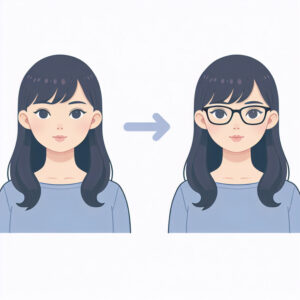
In-Depth Analysis: Do Glasses Fix Eyesight and How They Affect Your Sight
Introduction: Getting to Know Eye Health and the Real Deal on “Do Glasses Fix Eyesight”
Ever stopped to wonder, “do glasses fix eyesight”? Before jumping to conclusions, it’s a good idea to take a closer look at how our eyes really work. Our eyes are pretty delicate, enduring daily strain and all sorts of environmental stress. Millions lean on corrective eyewear to see clearly, yet there’s plenty of chatter and mixed-up ideas about what glasses can (and can’t) do. Today, we’re unpacking everything from the history to the science behind glasses to help you better understand their actual role in brightening up your vision.
Think back to when people first noticed vision problems like myopia, hyperopia, and astigmatism. It all started with simple pinhole devices in ancient times and evolved into the sophisticated lenses we use now—a journey that’s nothing short of fascinating. Early civilizations didn’t have modern optometry but still experimented with basic magnifying tools and corrective aids. Every leap in technology added layers to vision care, setting the stage for us to ask: do glasses really fix eyesight, or are they just a temporary aid?
This topic has gotten a lot of attention lately, stirring up debates among both eye care pros and everyday folks. Many assume that once you slip on a pair of glasses, your eyesight is permanently fixed. But experts point out that glasses are mostly about compensating for vision issues. They help correct the path of light hitting your retina, boosting clarity, but they don’t actually cure the root causes of the problem. In the following sections, we dig into different viewpoints and studies to see exactly how glasses help—and where their limits lie.
The Science Behind Glasses and Vision Correction
At its heart, every pair of glasses is a blend of clever physics and precision optical engineering. Essentially, the lenses gently bend light so it hits your retina just right. This process, known as refraction, is fine-tuned based on your unique eye measurements. Even though the phrase “do glasses fix eyesight” might suggest a long-term fix, what they really do is boost your vision quality by counteracting your eye’s natural quirks.
A critical piece of the puzzle is the custom prescription behind each lens. Optometrists spend quality time figuring out just how nearsighted, farsighted, or astigmatic you are before crafting lenses with the perfect curvature and power. This bespoke approach makes sure that light focuses squarely on your retina, giving you that sharp, clear image. So when you ask, “do glasses fix eyesight?” the honest answer is they adjust your vision—but only while you’re wearing them.
When you break down the optical physics, things become a bit clearer. Even though glasses work wonders in minimizing refractive errors, they don’t actually reverse the physical conditions causing those errors. Think of them as external helpers that temporarily smooth over the imperfections of your natural lens. This smart mix of engineering and optics not only improves your sight but also lays the groundwork for exciting future advancements in vision correction.
Common Myths vs. Facts About Glasses
Let’s talk myths. One of the big ones circulating is that glasses can permanently “fix” your eyesight. This oversimplification sets the bar unrealistically high. In truth, glasses are designed to help align incoming light—they’re not out to repair the intricate inner workings of your eye. Studies and clinical evidence consistently show that while corrective lenses are great for restoring clarity, they don’t put a stop to the progression of some eye conditions.
In fact, there’s a clear line between short-term visual improvement and a lasting cure. The experts agree that when you ask, “do glasses fix eyesight?” you need to understand that glasses tackle immediate refractive errors, not the underlying biological issues. As our understanding deepens, it’s evident that glasses are a vital everyday tool, but maintaining long-term eye health might also call for lifestyle tweaks and additional treatments.
The Impact of Glasses on Daily Life and Long-Term Eye Health
Beyond helping you see what’s in front of you, glasses can really boost your day-to-day life. Think about it: clearer vision can mean feeling more confident and independent—whether you’re reading fine print or driving down the highway. Glasses do more than just correct your sight; they enhance your overall quality of life by letting you fully engage with your daily activities.
Adopting glasses often nudges people to adjust their routines, too. For some, it means being extra mindful during long computer sessions or outdoor ventures, prompting better eye care habits. Taking regular breaks, doing eye exercises, and staying on top of your eye health can go a long way. So, while glasses are a handy tool for immediate vision correction, they work best in harmony with a broader strategy for maintaining your long-term eye wellness.
When people ask, “do glasses fix eyesight permanently?” it’s worth remembering that while they’re a critical crutch for daily life, they don’t erase the underlying issues. Eye health is a dynamic dance between natural processes and external support, where regular professional check-ups, lifestyle changes, and continual assessments are key.
Advanced Treatments and Alternatives to Glasses
Modern medicine isn’t standing still either. Today, there are plenty of alternatives to the traditional glasses you might wear every day. Procedures like LASIK and PRK have surged in popularity for those looking for a more long-lasting solution. These surgeries reshape the cornea to adjust your eye’s focusing power—but they come with risks, so it’s important to weigh the pros and cons before diving in. In this broader conversation about whether “do glasses fix eyesight,” it’s clear that glasses are just one piece of the vision correction puzzle.
Then there’s the showdown between glasses and contact lenses. Glasses are non-invasive, straightforward to use, and offer excellent clarity, but contact lenses give you a more natural field of view with fewer obstructions. That said, contacts require a strict hygiene routine and might not be a good fit for everyone. The choice ultimately comes down to your personal lifestyle, preferences, and specific eye condition. Evaluating these options helps clarify the overall picture: while glasses serve well for daily correction, advanced interventions might be the path for those after a more permanent fix.
Vision care specialists often underline that glasses provide great day-to-day vision, but for those after lasting solutions, surgical routes could be more attractive. Always remember, asking “do glasses fix eyesight” might be a bit misleading—they don’t permanently change your eye’s structure but offer an essential, temporary fix. Ongoing progress in treatments is crucial, paving the way for even better long-term outcomes in vision correction.
Expert Opinions: What Vision Care Specialists Have to Say
Chatting with experienced optometrists and ophthalmologists reveals just how layered the discussion on vision correction really is. These experts consistently note that while glasses can dramatically sharpen your vision, they don’t “fix” the inherent anatomy of your eyes. Instead, these lenses help manage refractive errors, enabling you to function at your best every day. In essence, when we ask “do glasses fix eyesight?” it’s all about temporary relief versus a permanent cure.
Many patients share that their journey—from switching between treatments or sticking with their glasses—has taught them a lot about continuous care. Regular check-ups, proper lifestyle adjustments, and a proactive approach to eye health make all the difference. These real-life experiences underline an important message: while glasses are indispensable in daily life, ongoing professional evaluation helps catch and address long-term issues early on.
Conclusion: Wrapping Up Our Deep Dive
To sum it all up, answering “do glasses fix eyesight” is more complex than a simple yes or no. The evolution of glasses—from crude tools to state-of-the-art, custom-made devices—shows us they’re crucial for boosting daily vision and enhancing life quality. However, their benefits are largely temporary and serve as a stopgap rather than a permanent cure for the biological issues behind vision impairments.
Our journey through how lenses bend light and the careful tailoring of prescriptions underscores that glasses offer a critical, albeit short-term, solution for clearer vision. Busting common myths and reviewing detailed studies has revealed that while glasses are key for everyday use, they’re not a substitute for comprehensive, long-term eye care. Keeping our eyes in tip-top shape means regular professional visits and lifestyle choices that promote enduring health.
Looking ahead, the future of vision correction is full of promise—from personalized laser treatments to innovative pharmaceutical options. As tech and medical science advance, our view on “do glasses fix eyesight” might evolve to include more lasting solutions tailored to each person’s needs. But until those breakthroughs become the norm, glasses will continue to be a vital tool, helping millions navigate daily life with enhanced clarity. By blending expert insights, scientific know-how, and real-life experiences, we get a well-rounded picture of what it takes to achieve optimal eye health.

The Science Behind Do glasses cure your eyesight: What You Need to Know
The Science Behind “Do Glasses Cure Your Eyesight?”: What You Need to Know
Do Glasses Cure Your Eyesight? Let’s Break Down the Claims
When someone asks, “do glasses cure your eyesight?” it can really leave you scratching your head. For ages, people have clung to the idea that glasses might magically reverse vision issues. But here’s the deal: modern optometry tells us that glasses are there to correct refractive errors, not to permanently fix your eyes. Over time, our thinking about glasses has evolved. Today, we understand that while they help sharpen your vision and make life more comfortable, they don’t actually tackle the root causes of those pesky imperfections.
Think about it—our journey from age-old remedies to today’s high-tech lenses is nothing short of fascinating. You’ve probably heard stories steeped in folklore and old wives’ tales that painted glasses as miracle workers. However, modern eye care experts have a more nuanced take. Sure, glasses deliver immediate relief and boost your visual clarity, but they’re far from a cure-all. Let’s dive into how these misunderstandings came to be.
Historical Beliefs vs. Modern Science
Back in the day, vision correction was wrapped up in superstitions and simplistic explanations. Ancient texts and early eye healers often blamed poor eyesight on supernatural forces or everyday habits, offering basic fixes like herbal potions or rudimentary lenses. Fast forward to now, and eye care has been completely redefined by modern science. We now see vision correction as a matter of complex optical physics and detailed anatomy. The leap from primitive lenses to today’s precision-crafted spectacles mirrors medicine’s own journey—always moving towards evidence-based practices.
Common Misconceptions Uncovered
One stubborn myth out there is that wearing glasses all the time could somehow weaken your eyes or even make your vision worse. This false notion has made many wonder if it’s possible to “cure” eyesight by just wearing corrective lenses. The truth is, glasses are essentially an external aid—they fine-tune how light enters your eye to improve vision, but they don’t alter its underlying structure. Falling for these misconceptions might lead you down a risky path, even causing you to skip those important checkups. So, whenever you hear “do glasses cure your eyesight,” remember that they’re simply meant to enhance your vision, not permanently repair your eyes.
How Optical Correction Helps Your Vision
Optical aids, like glasses or contacts, are real game-changers in everyday life. They work by balancing out the specific refractive errors in your eyes, giving you clearer, more comfortable vision. Essentially, they adjust the focal point so that images land precisely on your retina, which is key for seeing things sharply. A well-fitted pair of glasses doesn’t just make your world look better—it also eases eye strain, whether you’re working at a screen or focusing on something in the distance. This is why, when you ask “do glasses cure your eyesight,” the answer is that they’re phenomenal for day-to-day correction rather than a permanent cure.
The Science Behind Vision Correction
To wrap your head around how glasses really work, you’ve got to look into the science of light and focus. In essence, glasses operate on basic optics: they redirect the path of light to help it focus correctly on your retina. When light passes through a convex or concave lens, it bends just right, compensating for the eye’s inability to focus properly due to its shape or other issues. By adjusting the incoming light, glasses ensure that the images you see are sharp and clear. They target specific refractive errors, boosting overall visual clarity and reducing eye strain.
How Lenses Improve Your Focus
Ever wonder how lenses seem to work such magic? They do it by bending—or refracting—light rays so they hit your retina more accurately. For instance, a concave lens spreads out light rays in the case of nearsightedness, whereas a convex lens brings them together for farsightedness. This brilliant yet simple concept is at the heart of modern corrective eyewear. Instead of healing the underlying problem, the lenses offer a practical, external fix. So when you ponder “do glasses cure your eyesight,” remember: they provide remarkable correction, but they don’t trigger a biological healing process.
The Difference Between Optical Aids and a Cure
It’s quite important to know the difference between an optical aid and an actual cure. Glasses and contacts are designed to fix the way light behaves in your eye—giving you that much-needed visual boost. A cure, on the other hand, would mean permanently eliminating the root cause of your vision issues. Unfortunately, the current methods revolve around compensation rather than a true fix. Your eyes’ natural structure stays the same no matter how good your glasses are. This is why, even though glasses dramatically improve your day-to-day life, they don’t “cure” your eyesight.
Understanding Refractive Errors
So, what exactly are refractive errors? Basically, they occur when your eye’s shape stops light from focusing directly on the retina. Conditions like myopia, hyperopia, astigmatism, and presbyopia all stem from slight variations in the curve of your cornea or lens. Each condition messes with your vision in its own way, which is why lenses are custom-made to fit your unique needs. While glasses work their magic by aligning the light correctly, they address the symptoms like blurry vision rather than changing the eye’s inherent structure. With current research still hunting for a permanent fix, glasses remain our go-to for managing these issues.
What Research Says About “Do Glasses Cure Your Eyesight”
Although there’s been a ton of research on glasses and vision correction, the verdict is pretty clear: glasses are not a cure for vision problems. They’re a solid, scientifically backed method for handling refractive errors and boosting visual quality on a day-to-day basis. Clinical studies consistently highlight the benefits of glasses—like increased comfort, clearer vision, and even better productivity. Yet, they also show that while glasses help with immediate visual needs, they don’t reverse the underlying structural issues in your eyes. So next time someone wonders “do glasses cure your eyesight,” keep in mind that the research points to a really effective corrective tool, not a one-stop cure.
What Recent Clinical Studies Tell Us
Recent studies have showered us with insights about the role of glasses in vision correction. Researchers have tracked how patients fare with prescription eyewear over long periods, and the takeaway is consistent: glasses boost your everyday life by enhancing clarity, but they don’t undo the natural changes in your eye’s structure. The scientific community agrees—glasses are about correction, not curing. So, while the question “do glasses cure your eyesight” might seem appealing, the reality is that they offer a temporary yet powerful solution to improve your vision.
Research Limitations and Important Variables
It’s worth noting that not every study paints the same picture. With factors like age, lifestyle, and genetics playing a role in how refractive errors progress, there isn’t a one-size-fits-all answer. Some people might notice improved vision over time due to less eye strain and boosted comfort, but that doesn’t mean their vision is “cured.” Instead, these improvements are more about managing symptoms. The complexities of human biology remind us that no robust evidence supports the idea that glasses can permanently fix your eyesight.
Myths Versus Facts: Do Glasses Cure Your Eyesight?
The debate over whether glasses can cure your eyesight has sparked a host of myths—even though science tells a different story. One common misconception is that skipping glasses might force your eyes to “strengthen” naturally. In reality, ditching your glasses when you actually need them only increases eye strain and discomfort. Eye care professionals consistently stress that while glasses significantly improve vision, they are not a cure. Understanding this distinction is key for anyone managing poor sight or evaluating the benefits of corrective lenses.
Debunking Popular Misconceptions
One of the most stubborn myths is that wearing glasses for too long will weaken your eyes. This simply doesn’t jibe with how glasses work. Instead of straining or relaxing your eyes, glasses help your eyes operate at their best by compensating for natural refractive errors. Some folks think that avoiding glasses might help your eyes adapt and eventually “cure” your vision, but optometrists explain that our eye structure hardly changes with such adjustments. Essentially, while glasses refine the way light is focused on your retina, they don’t spark a natural healing process to permanently fix your vision.
The Value of Professional Advice
In such a complex field, getting professional advice is absolutely vital. Eye care specialists have the tools and expertise to assess your refractive errors and decide on the best corrective measures for you. Their guidance, built on years of clinical experience and research, is invaluable—whether it’s about the aging eye or genetic factors. So, when faced with the question “do glasses cure your eyesight,” a chat with an optometrist will always give you personalized insights.
The Impact of Glasses on Your Eye Health
Beyond just clearing up your vision, glasses play a critical role in keeping your eyes comfortable and reducing strain. They may give you that instant visual boost, but they also prevent further eye fatigue, headaches, and even the risk of worsening vision. It’s important to separate short-term wins from long-term care. While glasses offer immediate clarity, their regular use can also help ward off persistent eye strain—especially in our digital age when screens are always in our face.
Short-Term Wins vs. Long-Term Vision Health
A good pair of glasses can work wonders in the short run, instantly sharpening your view and making daily tasks a breeze. Over time, consistently using them—paired with regular eye check-ups—helps keep your eyes from wearing out due to prolonged strain. But remember, while glasses reduce stress on your visual system, they don’t change your eyes’ basic structure. Instead, think of them as a well-tuned tool that helps you manage immediate vision needs while supporting long-term eye care.
How Glasses Mean Less Eye Strain
Constantly pushing your eyes to focus can lead to headaches, blurred vision, and a faster decline in sight. Glasses help prevent this by ensuring that light hits the retina correctly, reducing the effort your eyes have to put in all day. This is especially crucial nowadays with all the screen time we endure. Simply put, glasses give your eyes a break, cutting down on cumulative strain over time. Even if they don’t “cure” your eyesight, they’re a key part of keeping your eyes in tip-top shape.
Adding Lifestyle Tweaks to Sharpen Your Vision
Of course, glasses aren’t a magic bullet. Pairing them with smart lifestyle choices can make a big difference. Taking regular breaks from digital screens, boosting your diet with vitamins A, C, and E, and even doing some simple eye exercises can amplify the benefits of your corrective lenses. A balanced approach to eye care is key, as glasses are just one piece of the puzzle. By addressing everything from your screen habits to your nutrition, you can keep your vision sharp and comfortable for the long haul.
The Future of Vision Correction
Eyesight correction is an ever-evolving field, and ongoing research is constantly opening doors to new advancements that might change the way we address refractive errors. From cutting-edge laser eye surgeries to custom-designed contact lenses and even gene therapies, tomorrow’s solutions might not just mask vision problems—they might finally fix them at the source. That’s why, when you ask “do glasses cure your eyesight,” it’s important to remember that while glasses are our standard solution today, the future could bring truly groundbreaking changes.
New Technologies and Treatment Options
Recent breakthroughs in ophthalmology are pushing the envelope, offering treatment methods that go beyond just optical aids. Techniques like LASIK and PRK are reconfiguring the cornea, providing alternatives that bypass the need for glasses. With the integration of digital modeling and laser precision, these individualized treatments are on the rise. While these methods open up exciting possibilities, they come with their own set of considerations. For now, glasses remain our trusty, everyday solution, even as the horizon of eye care continues to expand.

Navigating Eye Health: Do Glasses Correct Your Vision or Are There Better Options?
Introduction: Do Glasses Really Fix Your Vision? – Kicking Off the Eye Health Conversation
Ever caught yourself wondering, “Do glasses really fix your vision?” It’s a question that pops up a lot, especially nowadays when our eyes are bombarded by screens and harsher environments. In this whirlwind of digital lives and everyday stressors, keeping our vision sharp has become a major concern. Glasses have been the trusty sidekick for ages, stepping in to sort out refractive errors and help us see the world a bit more clearly. But here’s the thing—as our understanding of eye health deepens, we’re realizing jackets for our eyes might need a few extra buttons. In this chat, we’re breaking down the science behind glasses, laying out their ups and downs, and even peeking at some innovative technologies and lifestyle tweaks that can give your eyes a boost.
With the rapid pace of tech and research, our take on how glasses work is evolving too. It turns out that a whole mix of factors—from the way lenses bend light to the long-term health of your eyes—plays a role in how effective they are. This article aims to answer your burning question in plain, friendly language, shedding light on whether glasses are just a temporary fix or if there’s much more out there to explore for lasting eye health. By the end, you’ll have a clearer snapshot of where glasses sit in the big picture of vision care.
Understanding the Science: How Exactly Do Glasses Fix Your Vision?
To get why glasses work the way they do, let’s dive into a little eye science. In a perfectly tuned eye, light zooms straight to the retina. But when things go a bit sideways—say, with myopia, hyperopia, or astigmatism—the eye’s natural focus gets off-balance. That’s where glasses come in. Their specially curved lenses catch and redirect the light so it hits your retina just right, turning blurry images into something crisp and clear.
Think of these lenses as your eye’s personal coaches; they nudge your vision to focus properly, although they don’t actually tackle the root issue. Glasses are corrective tools, not permanent fixes. They adjust the light’s pathway, making everyday tasks like reading, driving, or working on a computer a whole lot easier. And despite what some myths might say, wearing glasses won’t weaken your eyes over time—they simply help your brain get the best visual feed possible.
When Glasses Might Fall Short: Exploring Their Limitations
Even though glasses handle most refractive errors just fine, there are times when they might not cut it. For folks dealing with more complex issues like severe astigmatism or progressive disorders such as keratoconus or cataracts, glasses may only offer a partial fix. Sometimes, the way a lens curves just can’t perfectly mimic the irregular surface of an eye, leaving a bit of fuzziness in the vision.
And if your eye condition is on a downhill slide, the prescription that worked last year might not do the trick tomorrow. Constant tweaks and new lenses can be both a hassle and a drain on your wallet. Plus, glasses might not always play the proactive role needed for long-term eye care, especially when you’re facing dynamic vision challenges. That’s when exploring alternative treatments or integrative approaches—mixing in lifestyle changes with corrective measures—becomes really important.
Looking Beyond Glasses: Are There Better Options?
Sure, glasses are a classic go-to, but they’re not the only game in town when it comes to vision correction. Take contact lenses, for instance—they come with perks like a broader field of vision and no annoying frames blocking your view. They’ve come a long way in comfort and material, though they do require some serious care and cleaning.
Then there’s laser vision correction. Procedures like LASIK and PRK have flipped the script on vision improvement by reshaping the cornea for lasting results. These surgical options are evolving fast, offering a more permanent fix for those who qualify. And beyond these traditional fixes, there are natural therapies making waves—think eye exercises, vision training, and lifestyle adjustments that help strengthen your eye muscles and overall health. Many who try out these techniques report noticeable improvements that work hand-in-hand with conventional methods.
Integrative Approaches: Pairing Glasses with Preventative Eye Care
Imagine combining your trusty glasses with a solid game plan for proactive eye care—it really can be a win-win. Regular comprehensive eye exams are key to spotting early signs of trouble and adapting your treatment as needed. When you keep in close touch with your optometrist, you’re not just reacting to vision changes; you’re staying a step ahead.
And don’t forget lifestyle tweaks. A balanced diet packed with vitamins A, C, and E, plus minerals like zinc and omega-3s, can really support your eye health. Studies suggest that well-nourished eyes are tougher and more responsive. Throw in regular screen breaks, plenty of sleep, and staying hydrated, and you’re setting up a holistic defense for your vision. This integrated approach means you’re not just putting a band-aid on the problem—you’re tackling it from every angle.
Expert Insights: What the Pros Say About Glasses and Vision Correction
So, what’s the expert word on “do glasses correct your vision?” Leading ophthalmologists and optometrists generally agree—glasses are super effective for most refractive errors. They stress that glasses should be just one slice of your customized vision care pie. Regular tune-ups and adjustments are a must to keep up with your evolving visual needs.
However, many professionals point out that there are times when glasses alone might not be enough, especially in advanced cases of eye disorders which might need surgical or alternative measures. The smart move, they say, is a multi-pronged approach: combining corrective lenses, lifestyle changes, routine check-ups, and when necessary, surgical options. Staying informed and keeping a close dialogue with your eye care specialist is the secret to long-term eye health.
Long-Term Outlook: How Do Glasses Stack Up Against New Technologies?
Looking at the long haul, glasses still play a crucial role in vision correction, even with newer tech on the scene. They’re non-invasive, cost-effective, and reliable. Meanwhile, modern options like laser surgery can offer a more permanent solution—if you’re a good candidate and stick to post-procedure care. The durability of traditional glasses is often weighed against the promise of a more enduring fix through surgery.
What’s exciting is the way future trends are blending the old with the new—merging surgical precision with advanced diagnostics. As imaging and laser tech get even more refined, treatments will likely become highly personalized, bridging the gap between glasses and permanent fixes. Of course, each method comes with its own benefits and hiccups. In the end, it all boils down to what fits your lifestyle and vision needs best.
Exploring Further: The Role and Benefits of Contact Lenses
Contact lenses have quickly made a name for themselves as a smart alternative to glasses. They’re great for those who want a more natural look with a wider field of view. Thanks to innovations in lens technology, today’s contacts are more comfortable and easier to care for than ever before, from daily disposables to extended-wear versions tailored to your routine.
Besides bypassing the issues of frames and fogging, contacts offer a seamless, unobstructed visual experience, especially during physical activities. That said, they do come with the need for rigorous cleaning and proper storage routines. Eye care pros emphasize sticking to strict hygiene to dodge any pesky infections. When managed correctly, contact lenses serve as a brilliant, discreet option for those opting out of glasses.
Laser Vision Correction: A Game-Changer for Visual Health
Laser vision correction has really reshaped how we go about tackling vision issues. Procedures like LASIK, PRK, and SMILE offer a chance to drastically cut down—or even eliminate—the need for glasses or contacts. By reshaping the cornea, these interventions allow light to focus perfectly on the retina, setting patients free from the constant chore of eyewear maintenance.
But like any medical procedure, laser surgery isn’t for everyone. It requires a careful evaluation of factors like corneal thickness and overall eye health. While many find the benefits outweigh the risks, a personal consultation is key to figuring out if it’s the right route. With continual advancements in the field, these procedures are getting safer and more refined, underscoring their role as a compelling alternative for vision correction.
Emerging Therapies: Natural Ways to Boost Your Vision
Beyond the standard fixes, there’s a growing buzz about natural vision improvement techniques. Think vision therapy, targeted eye exercises, and nutritional strategies that together can help boost your eye health. While the scientific ground for these methods is still catching up, many have experienced subtle yet rewarding benefits by adding them to their routine.
For instance, a diet rich in lutein, zeaxanthin, and omega-3 fatty acids can provide your retina with essential nutrients. Couple that with regular eye yoga and timely breaks during long screen sessions, and you have a comprehensive plan to support long-term vision wellness. These natural therapies aren’t meant to replace glasses but to complement them, creating a well-rounded approach to keeping your eyes in top shape.
Mixing Professional Guidance with Everyday Practices
Achieving lasting eye health is all about blending expert advice with daily habits. Regular check-ups with your optometrist or ophthalmologist can catch issues early on, making it easier to adjust your approach. Professionals consistently stress that ongoing monitoring can nip potential problems in the bud, preventing them from evolving into bigger challenges that glasses alone might not fix.
At the same time, simple changes like taking frequent breaks from screen time, doing eye exercises, and even adjusting your diet play a huge role. These everyday practices, paired with professional treatments, create a solid game plan that gives your eyes the best possible support over time.
Final Thoughts: A Well-Rounded View on Vision Correction
To wrap it up, the question “do glasses really fix your vision?” opens up a whole conversation about how we care for our eyes in today’s complex world. Glasses are a trusted, reliable tool for correcting many vision issues, but they’re not a magic bullet. When it comes to more complicated or progressive eye conditions, mixing glasses with other solutions—whether that’s contact lenses, laser surgery, or natural therapies—can lead to a more balanced and personalized approach.
Remember, looking after your eyes isn’t a one-size-fits-all journey. It’s about regular check-ups, staying informed, and embracing lifestyle changes that protect your vision for the long haul. Whether you stick with the traditional charm of glasses or decide to explore newer tech, the goal remains the same: keeping your eyesight clear and vibrant for years ahead.
Conclusion
Navigating the world of eye care is definitely a journey, and understanding where glasses fit into the mix is just one chapter. The seemingly simple question “do glasses correct your vision?” unravels into a broader story featuring everything from timeless corrective lenses to cutting-edge surgical procedures and holistic eye care strategies. Each avenue brings its own perks and quirks, making it crucial to tailor your approach based on your unique needs and expert advice.
By taking a multi-layered approach—regular eye exams, smart lifestyle choices, and staying on top of new advancements—you can confidently manage your vision health. Whether you lean toward the reliability of glasses or are ready to experiment with fresh technology, one thing’s for sure: protecting your eyesight is key to a clearer, brighter future. Here’s to making informed choices and keeping your vision as sharp as ever!